Uganda Beyond Wildlife: The Cultures Travelers Fall in Love With

5 Ugandan Safari Camps That Feel Like Private Paradise
June 19, 2026
The Most Instagrammable Places in Uganda
June 19, 2026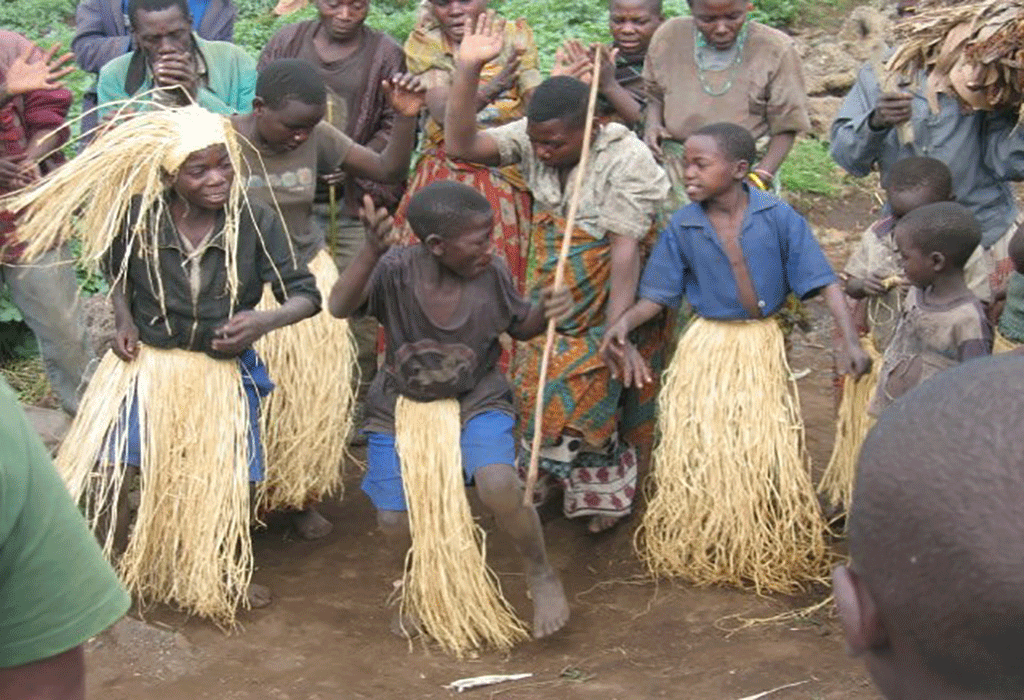
Uganda Beyond Wildlife: The Cultures Travelers Fall in Love With
Uganda is widely celebrated for its incredible wildlife experiences, from gorilla trekking in Bwindi to game drives in Queen Elizabeth National Park. However, many travelers do not expect the deep cultural richness that lies beyond the savannah. With PrideMark Safaris guiding journeys across the country, visitors quickly discover that Uganda is not just a wildlife destination. Instead, it is a living cultural mosaic shaped by over 50 distinct ethnic communities. Each group brings its own language, traditions, music, dance, and storytelling, which together create meaningful and unforgettable cultural encounters.
In addition, Uganda’s cultural experiences feel authentic rather than staged or commercialized. Travelers often receive warm welcomes from communities where traditions still shape everyday life. As a result, visitors experience Africa in a personal and immersive way. PrideMark Safaris carefully designs itineraries that combine cultural exploration with wildlife adventures. Therefore, travelers enjoy a complete experience that reveals both nature and culture in one journey.
The Cultural Heart of the Pearl of Africa
Uganda’s cultural identity grows from its diversity. For example, the Baganda in central Uganda maintain a strong kingdom system and preserve historical palaces. Similarly, the Basoga, Banyankole, and Bakiga communities protect traditions that reflect centuries of heritage. Meanwhile, in northern Uganda, the Acholi and Langi people continue to practice expressive dances and powerful storytelling traditions. Because of this diversity, Uganda Beyond Wildlife becomes a deeply enriching travel experience.
Travelers with PrideMark Safaris often begin their cultural journey in Kampala. Here, the Buganda Kingdom offers insight into one of the oldest and most organized traditional monarchies in East Africa. In particular, the Kasubi Tombs, a UNESCO World Heritage Site, reveal the spiritual connection between the Baganda people and their ancestors. As a result, every visit becomes both educational and emotional.
Furthermore, as travelers move from urban cultural centers to rural communities, they immediately notice changes in lifestyle and rhythm. This contrast deepens appreciation for Uganda’s cultural depth. Ultimately, it reinforces why Uganda Beyond Wildlife goes beyond tourism and becomes a transformative experience.
Traditional Music, Dance, and Storytelling
Music and dance play a central role in Ugandan culture because they communicate identity, history, and emotion. Across regions, travelers encounter unique performances that reflect each community’s heritage. For instance, the energetic Bakisimba dance of the Baganda, the dramatic Imbalu dance of the Bagisu, and the rhythmic Ntogoro performances of western Uganda all tell powerful stories passed down through generations.
With PrideMark Safaris, travelers do not just watch these performances. Instead, they actively participate in drumming sessions, dance workshops, and storytelling evenings. Therefore, they build strong emotional connections with local artists. In many cases, these moments become some of the most memorable parts of the journey.
Moreover, storytelling remains a respected tradition in many Ugandan communities. Elders often gather children around evening fires and share folktales that teach morals, explain nature, and preserve history. Because of this practice, oral tradition continues to strengthen cultural identity. Consequently, Uganda Beyond Wildlife stays alive through every story told.
Community Life and Local Experiences
One of the most rewarding parts of traveling in Uganda is engaging with community life. Travelers can visit traditional homesteads, join cooking sessions, or participate in farming activities such as coffee harvesting in the highlands. Through these experiences, visitors gain a deeper understanding of daily life and community values.
PrideMark Safaris carefully selects community experiences that respect culture and support sustainability. For example, in Batwa communities near Bwindi, travelers learn forest survival skills and cultural traditions that have existed for centuries. Importantly, these experiences are shared directly by community members, not performed for tourists. Therefore, they remain authentic and meaningful.
In addition, local markets offer another powerful cultural experience. Vibrant stalls display crafts, fabrics, spices, and fresh produce. As travelers walk through these markets, they observe daily life in action. At the same time, they interact with local traders, which creates genuine cultural exchange. As a result, Uganda Beyond Wildlife feels real and grounded in everyday life.
Traditional Food and Culinary Heritage
Food in Uganda reflects identity, history, and community values. Traditional dishes such as matoke (steamed bananas), luwombo (slow-cooked meat or groundnut stew), and posho (maize meal) highlight regional ingredients and cooking traditions passed down through generations. Each dish tells a story about land, family, and culture.
With PrideMark Safaris, travelers often take part in culinary experiences that go beyond tasting food. Instead, they learn how to prepare meals using traditional methods. For example, visitors may cook in rural kitchens or help prepare food over open fires using clay pots and banana leaves. As a result, they gain hands-on cultural understanding.
Furthermore, sharing meals holds deep meaning in Ugandan culture. It represents unity, respect, and hospitality. Therefore, travelers often leave with a stronger appreciation of how food connects people. In the end, culinary experiences enrich the idea of Uganda Beyond Wildlife.
Kingdoms, Heritage Sites, and Living History
Uganda’s traditional kingdoms continue to play a vital role in cultural preservation. The Buganda Kingdom, Toro Kingdom, and Bunyoro Kingdom all maintain royal traditions, ceremonies, and historical sites that attract cultural travelers. Because of this, Uganda’s history remains active rather than distant.
Heritage sites such as the Kasubi Tombs and Amabere Caves also provide deep cultural insight. With guided tours from PrideMark Safaris, travelers do not just visit these places. Instead, they understand their spiritual and historical meaning. Therefore, sightseeing becomes storytelling.
As travelers move through these heritage spaces, they clearly see that Uganda Beyond Wildlife is more than a concept. Instead, it becomes a journey through living history where culture continues to shape everyday life.