
Understanding Uganda safari prices becomes much easier when you know exactly what a safari quotation is paying for. From safari vehicles, driver-guides, accommodation and meals to national park fees, gorilla permits and optional activities, every part of a Uganda safari package contributes to the final price. This complete guide explains the major inclusions, common exclusions, hidden expenses and important questions to ask before you book.Uganda safari prices can initially look confusing because two itineraries with the same number of days may have very different prices. One safari might use comfortable mid-range lodges and a private 4×4 vehicle, while another uses luxury accommodation, a more specialised vehicle, premium activities and higher-cost permits. The difference is not necessarily hidden;
it often comes from the number and quality of services bundled into the quotation. A useful safari quote should therefore be read as a complete travel plan rather than simply as a single price per person.
Uganda is particularly interesting because a single itinerary can combine open savanna game drives, boat cruises, rainforest walks, chimpanzee tracking, mountain gorilla trekking, community experiences and scenic journeys through very different landscapes. The Uganda Tourism Board describes the country as a destination for wildlife, landscapes, adventure and cultural experiences,
while the Uganda Wildlife Authority manages the country’s national parks and wildlife areas. That variety means there is no universal safari price that applies to every traveler. The right way to understand a quotation is to identify what has been included, what is optional and what remains the traveler’s personal responsibility.
Uganda Safari Prices: Quick Facts Travelers Should Know
Before looking at individual expenses, it helps to understand the structure behind most Uganda safari packages. A private safari normally combines transportation, professional guiding, accommodation, meals and selected tourism activities. Some quotations also include park entrance fees and permits, while others list these separately. This distinction matters because
a quotation that appears inexpensive may simply be excluding services that another company has already included. Comparing the total price without comparing the inclusions can therefore give a misleading impression.
| Safari Cost Area | Often Included? | What Travelers Should Check |
|---|---|---|
| Private safari vehicle | Usually | Vehicle type, seating, 4×4 capability and whether fuel is included. |
| Driver-guide | Usually | Confirm whether guiding, driving and fuel are bundled together. |
| Accommodation | Usually | Check lodge category, room type, location and meal plan. |
| Meals | Usually | Confirm breakfast, lunch and dinner rather than assuming all meals. |
| National park fees | Often | Ask which parks are covered and which visitor category applies. |
| Gorilla/chimpanzee permits | If listed | Confirm permit type, date, nationality category and payment status. |
| International flights | Usually no | International air tickets are normally arranged separately. |
| Travel insurance | Usually no | Travelers normally purchase their own appropriate insurance. |
| Tips and gratuities | Usually no | These are normally discretionary and depend on service received. |
| Personal purchases | No | Drinks, souvenirs, laundry and similar personal expenses are extra. |
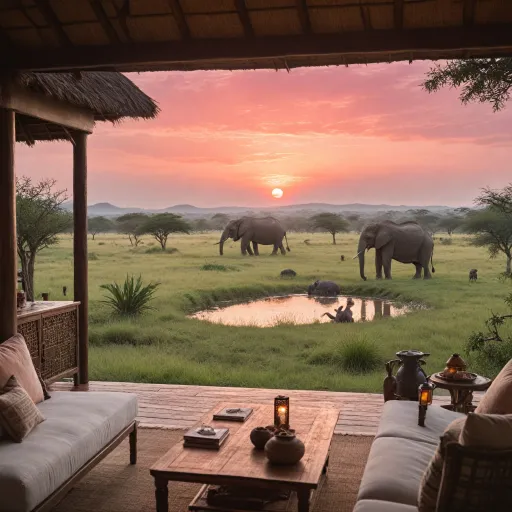
Why Uganda Safari Prices Vary So Much
One of the most important things to understand about Uganda safari prices is that the number of safari days alone does not determine the final cost. A seven-day private safari can cost more per person than a longer group safari if it uses high-end accommodation, private activities and expensive permits.
Likewise, two travelers sharing a private vehicle may pay more per person than a group of six because the fixed cost of the vehicle, guide and fuel is divided between fewer people. The same principle applies to accommodation: a room at a luxury wilderness lodge can represent a very different nightly expense from a comfortable mid-range lodge outside the park.
Route design also matters. Uganda’s major safari destinations are spread across the country, so a route that connects Murchison Falls, Kibale, Queen Elizabeth, Bwindi and Lake Mburo requires considerable road travel. Fuel, driver time, vehicle maintenance and accommodation for the guide can all influence the quotation. A carefully designed itinerary may therefore cost
more than a short route even when the number of activities appears similar. This is why travelers should look beyond the headline figure and examine the actual journey, distances, accommodation and activities included in the quote.
Safari Style Is One of the Biggest Price Factors
Safari style creates another major difference. Budget and basic safaris may use simpler accommodation and shared arrangements, while mid-range safaris generally combine comfortable lodges, private transport and a professional driver-guide. Luxury safaris can add high-end lodges, premium rooms, private experiences, more flexible schedules and sometimes domestic flights. None of
these categories automatically makes one itinerary right for every traveler.
They simply represent different ways of allocating a travel budget betweenaccommodation, transport, comfort, privacy and experiences.

What Is Usually Included in Uganda Safari Prices?
A professionally prepared Uganda safari quotation normally brings several individual travel costs together into one package. The exact combination depends on the operator and itinerary, but private transportation with a driver-guide, accommodation, meals, park-related services and agreed activities are among the most common components. Travelers should always ask
for a written inclusion list because the phrase “full-board safari” or “all-inclusive safari” can mean different things to different companies.
A clear quotation should explain what the traveler receives each day rather than leaving important details to assumption.
Common Package Inclusions
- Private safari vehicle
- Professional driver-guide
- Fuel for the planned itinerary
- Accommodation as quoted
- Meals according to the meal plan
- Selected park entrance fees
- Listed safari activities
- Bottled or safe drinking water in many packages
Common Package Exclusions
- International flights
- Visa fees
- Travel insurance
- Personal shopping
- Alcoholic beverages
- Laundry
- Tips and gratuities
- Optional activities not listed
Safari Vehicle and Transport Costs
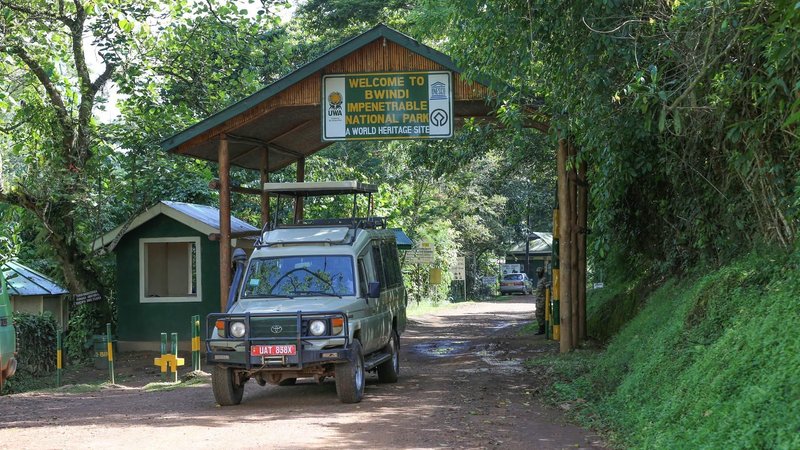
Transport is one of the largest components of Uganda safari prices because Uganda safaris often cover substantial distances between destinations. A private 4×4 safari vehicle provides flexibility that is especially valuable on game drives and remote roads. The vehicle is not simply a taxi taking guests from one hotel to another. It is part of the safari experience itself, carrying luggage, navigating park tracks, positioning guests for wildlife viewing and providing a comfortable base during long days in the field.
When reading a quotation, travelers should therefore check whether the vehicle, driver-guide and fuel are included together or charged separately.
Vehicle specifications can also affect the experience. A safari vehicle may have pop-up or open-sided viewing arrangements, large windows, charging facilities, comfortable seating and enough luggage space. Larger groups may require a safari minibus or multiple vehicles. Private travelers may prefer a smaller 4×4 because it can feel more personal and easier to position on narrow tracks. If a quotation simply says “transport included,” ask what vehicle is actually being supplied. The difference between ordinary road
transport and a purpose-built safari vehicle can be important once you are inside a national park.
Accommodation Is a Major Part of Uganda Safari Prices
Accommodation can change the total safari price dramatically. Uganda offers a wide range of places to stay, from simple guesthouses and budget lodges to comfortable mid-range properties and luxury wilderness lodges. Location is important as well. A lodge positioned close to a park gate or within a wildlife area may offer a more convenient safari experience than a cheaper property farther away. The extra cost may reduce driving time and allow the safari to begin earlier or finish later, depending on park rules and the itinerary.
Travelers should look carefully at the room basis used in the quotation. “Accommodation included” does not necessarily mean the same thing as a private room for every person. A couple may be quoted for a double room, while friends traveling together may require twin rooms. Families may need additional rooms or larger family accommodation. The meal plan also matters.
Some properties operate on bed-and-breakfast arrangements, while safari packages may include full board. Asking for the names of the lodges before confirming the booking is one of the simplest ways to understand what the accommodation portion of the quotation represents.
Ask your safari company to list every lodge by name, room category and meal plan. This makes it much easier to compare two Uganda safari prices fairly.
Are Meals Included in Uganda Safari Prices?
Meals are frequently included in safari packages, but travelers should never assume that every meal, snack or drink is covered. A full-board package commonly refers to breakfast, lunch and dinner, while some itineraries use half-board or bed-and-breakfast arrangements. During long game-drive days, lunch may be provided at the lodge, packed for the road or served at another
agreed location. The exact arrangement depends on the itinerary and accommodation. Drinking water is also often supplied by safari operators, particularly during long drives, but the quantity and format should be confirmed in advance.
Special dietary requirements should be discussed before travel. Many Ugandan lodges can accommodate vegetarian, vegan and other dietary preferences when informed in advance. However, imported specialty foods, particular medical
diets or unusual requests may require additional planning. Drinks from lodge bars, premium wines, spirits, specialty coffees and other personal purchases are generally separate unless the package specifically says otherwise. Travelers who want a genuinely all-inclusive arrangement should ask exactly which drinks and meal services are covered rather than relying on the label alone.
Park Fees, Conservation Fees and Other Official Charges
National park fees are an important part of Uganda safari prices because wildlife tourism depends on protected areas, rangers, conservation management and visitor services. Uganda Wildlife Authority publishes conservation tariffs covering park access and a range of tourism activities. The tariff applicable to a traveler depends on factors such as the activity, location, visitor category and date. Because official tariffs can change, travelers should check the current UWA rate information when planning and again before final payment.
A safari operator may pay park-related charges on behalf of the traveler and incorporate them into the package price. In that situation, the quotation should make it clear that the relevant park fees have been included. If they are excluded, the traveler should know that they remain payable in addition to the quoted safari price. This distinction is especially important for itineraries visiting several parks because the same traveler may incur different conservation charges across different protected areas.
| Official Cost | What It Relates To | What To Confirm in Your Quote |
|---|---|---|
| Park entrance fee | Access to a national park or protected area | Which park, visitor category and number of days are covered? |
| Gorilla permit | Mountain gorilla trekking in Bwindi or Mgahinga | Is the permit reserved, fully paid and included in the package? |
| Chimpanzee permit | Chimpanzee tracking or habituation experiences | Which forest or gorge and which experience are included? |
| Boat activity | Selected wildlife or scenic boat experiences | Is the boat cruise included or optional? |
| Special activity fee | Selected walks, tracking or specialist experiences | Is it included in the itinerary or payable separately? |
Gorilla and Chimpanzee Permits Can Change the Budget Dramatically
Gorilla trekking and chimpanzee tracking deserve special attention when calculating Uganda safari prices. These experiences are not ordinary sightseeing activities. They involve regulated wildlife encounters, specialized management and limited visitor capacity. As a result, their permit charges can represent a significant portion of a safari quotation. Travelers should always ask whether the quoted safari price includes the permit itself or only transportation and accommodation around the activity.
Uganda Wildlife Authority announced new low-season permit rates in February 2026 for April, May and November. The published notice states that the low-season gorilla tracking rate is US$600 for foreign non-residents and US$500 for foreign residents, while chimpanzee tracking is US$250 for foreign non-residents and US$150 for foreign residents during those specified low-season months. The same notice also announced revised rates taking effect on 1 January 2027. Because these are official tariff changes,
travelers planning dates around the transition should ask their safari operator which tariff applies to their exact trekking date.
Important UWA Permit Update
UWA’s February 2026 notice introduced low-season rates for April, May and November and announced revised activity tariffs effective 1 January 2027. For the published low-season period, gorilla tracking is listed at US$600 for foreign non-residents and US$500 for foreign residents. Chimpanzee tracking is listed at US$200 for foreign non-residents and US$150 for foreign residents.
These figures concern the specified permits and visitor categories. They should not be treated as the complete price of an entire Uganda safari. Accommodation, transport, meals, park access, additional activities and other travel costs may still apply.
The UWA announcement also sets revised activity tariffs from January 2027, including US$800 for foreign non-resident gorilla tracking, US$700 for foreign residents and US$500 for the Rest of Africa category. Gorilla habituation is listed at US$1,800 for foreign non-residents, US$1,600 for foreign residents and US$1,000 for the Rest of Africa category. Chimpanzee tracking at Kibale is listed at US$300 for foreign non-residents, US$200 for foreign residents and US$100 for the Rest of Africa category. These figures
demonstrate why the date and visitor category should always be written into a safari quotation rather than simply saying “permit included.”
| Activity | Published Low-Season Rate April, May & November |
Published Revised Rate From 1 January 2027 |
|---|---|---|
| Gorilla tracking — Foreign Non-Resident | US$600 | US$800 |
| Gorilla tracking — Foreign Resident | US$500 | US$700 |
| Chimpanzee tracking — Foreign Non-Resident | US$250 | US$300 at Kibale |
| Chimpanzee tracking — Foreign Resident | US$150 | US$200 at Kibale |
Official UWA rates can change by date and activity. A quotation prepared for travel in one season should not automatically be reused for another season.
What Is Usually Not Included in Uganda Safari Prices?
Understanding exclusions is just as important as understanding inclusions. Many travelers focus on the accommodation and activities but forget about international flights, visa costs, travel insurance, personal purchases, tips and optional experiences. These expenses may not be large individually, yet several of them together can make a noticeable difference to the total trip budget. A good safari company should provide an exclusions section so that travelers can prepare for these costs before arriving in Uganda.
International and Domestic Flights
International flights are normally excluded from land safari packages unless the quotation specifically says otherwise. The same can apply to domestic flights between Entebbe and remote safari destinations such as Kidepo Valley.
If a traveler chooses a fly-in itinerary, the airfare should be clearly identified because it can substantially change the total price. Travelers should also confirm baggage rules and airport transfers when flights are involved. A safari price that excludes flights is not necessarily incomplete; it simply means the airfare is being handled separately.
Visa, Insurance and Personal Travel Documents
Visa fees, travel insurance, passport expenses and personal documentation are normally the responsibility of the traveler unless a company explicitly provides visa assistance as part of its service. Insurance is particularly important for travelers undertaking activities such as gorilla trekking, hiking or other adventure experiences. Travelers should select coverage appropriate for their itinerary and personal circumstances rather than assuming that the safari operator’s package automatically provides insurance.
Tips, Drinks and Personal Expenses
Tips are generally separate because they are discretionary and should reflect the service received. Travelers may also spend money on souvenirs, photographs, laundry, alcoholic drinks, premium beverages, snacks and communication services. These costs are personal rather than core safari expenses, so they are commonly left outside the main quotation. Setting aside a modest personal spending allowance can make the trip feel more comfortable because travelers do not have to reconsider every small purchase.
How Seasonality Can Affect Uganda Safari Prices
Seasonality can influence both the price and availability of a Uganda safari. Accommodation rates may change according to demand, while certain wildlife and primate activities have official seasonal permit structures. Weather can also affect the practical character of the safari. Some travelers prefer drier periods because roads and walking conditions can be easier, while others appreciate the quieter atmosphere and changing landscapes associated with wetter periods. Rather than assuming that one month is universally best, travelers should decide whether their priority is wildlife viewing, primate trekking, photography, lower seasonal rates, birding, scenery or a balance of several experiences.
The 2026 UWA announcement is particularly relevant for travelers comparing dates because it introduced discounted low-season gorilla and chimpanzee permit rates for April, May and November. This illustrates why safari planning should be based on the exact travel date. If a traveler is flexible, comparing two possible travel periods can reveal meaningful differences in permit costs and accommodation availability. However, travelers should always confirm the current official tariff and the operator’s accommodation rates before making a final financial comparison.
How Group Size Changes Uganda Safari Prices Per Person
Group size has a strong effect on the per-person cost of a private safari. Many safari expenses are shared rather than multiplied exactly by the number of travelers. A vehicle, driver-guide and fuel may cost broadly the same whether two or four people are traveling, although vehicle requirements can change with group size. When more travelers share these fixed expenses, the cost per person can fall. Accommodation and permits, however, are generally calculated per traveler or room, so they do not always benefit from the same economies of scale.
This is why a quotation for two people should not be compared directly with a quotation for six people without considering the costing structure. A larger group may obtain a lower transport cost per person while requiring a larger vehicle or additional rooms. A smaller group may pay more per person but receive greater flexibility and a more private experience. The most
useful comparison is therefore the total cost alongside the number of travelers, accommodation standard, vehicle type, activities and services provided.
How to Compare Uganda Safari Quotes Properly
Comparing safari quotations becomes much easier when every company is asked to price the same itinerary using the same assumptions. The number of nights, room arrangement, vehicle type, parks, activities, meal plan and permits
should be identical. Without these details, two prices may appear to be competing offers even though they are actually different products. A lower quotation may use a different accommodation category, exclude park fees, leave out meals or omit an important activity. Conversely, a higher quotation may include more services and therefore represent a different level of service rather than simply a higher markup.
| Compare This | Question to Ask |
|---|---|
| Number of days | Does the quoted number of days include arrival and departure days? |
| Vehicle | Is it a private safari 4×4, minibus or another vehicle? |
| Guide | Is a professional driver-guide included for the entire itinerary? |
| Fuel | Is fuel already included in the transport price? |
| Lodges | What are the exact accommodation names and room categories? |
| Meals | Which meals are included each day? |
| Park fees | Are all applicable park entrance fees included? |
| Permits | Are gorilla and chimpanzee permits included and secured? |
| Activities | Which boat cruises, walks and cultural activities are included? |
| Exclusions | What expenses should the traveler budget for separately? |
How to Build a Realistic Uganda Safari Budget
A practical safari budget begins with the core package and then adds the expenses that are normally outside it. Start with the quoted safari price, then check whether international flights, visa costs and insurance are excluded. Next, consider personal spending, drinks, tips and optional activities. If your itinerary includes gorilla or chimpanzee trekking, confirm the exact permit amount and whether it has already been paid. If you are traveling to remote regions or using domestic flights, verify whether those transfers are already included. This simple process creates a more realistic picture of the total trip cost than focusing on the safari package
alone.
Travelers should also leave some flexibility in their budget. Africa is wonderfully unpredictable in the best sense: a wildlife encounter may make you want to buy a local craft, extend a community visit or spend more time photographing a landscape. Having a small personal reserve means you can enjoy these moments without turning every unexpected expense into a concern.
The goal is not to predict every dollar or shilling you will spend, but to understand the major financial categories before you travel.
A Simple Safari Cost Formula
Total trip budget = Safari package + international flights + visa/document costs + insurance + personal spending + optional activities
+ other separately quoted services.
This formula is intentionally simple. It reminds travelers that the safari quotation and the total holiday budget are not always the same thing.
Questions to Ask Before Paying for a Uganda Safari
Before making a deposit, travelers should request a final written quotation that clearly separates inclusions and exclusions. Ask whether the quoted price is per person or for the entire group. Confirm the number of travelers, room configuration, vehicle type, meal plan and exact travel dates. If permits are involved, ask whether they are only reserved or already fully paid. This distinction is particularly important because official permit availability can be limited and the rules governing reservations may change.
It is also sensible to verify the accommodation names and ask what happens if a listed lodge becomes unavailable. A professional operator should be able to explain the replacement policy and whether the alternative property will be of comparable standard. For international travelers, confirming airport pickup, emergency communication arrangements and payment terms can make the
booking process much smoother. A good quotation should leave you feeling informed rather than dependent on assumptions.
“If I pay this exact amount, what expenses will I still need to pay before or during the safari?” The answer can reveal exclusions that are not obvious from a headline package price.
Understanding Uganda Safari Prices Makes Planning Easier
The most important lesson about Uganda safari prices is that there is no meaningful way to judge a safari by the headline amount alone. A safari is a collection of connected services: the vehicle carries you across the country, the guide interprets the landscapes and wildlife, accommodation gives you a place to rest, meals keep you comfortable during long days, park fees support protected areas and specialist permits provide access to some of Uganda’s most remarkable wildlife experiences. Once these components are
separated, the final quotation becomes much easier to understand.
Travelers should pay particular attention to the distinction between included services and optional services. Park entrance fees, accommodation, transportation and listed activities may be bundled into one package, while flights, insurance, visa expenses, premium drinks, personal shopping and tips may remain outside it. Gorilla and chimpanzee permits deserve special
attention because official rates vary according to activity, visitor category and date, and UWA has announced important tariff changes for 2026 and 2027. Checking the official tariff information close to the time of booking is therefore an important part of responsible safari planning.
Ultimately, the best safari quotation for a traveler is one that is clear, detailed and matched to the experience they actually want. Someone seeking wildlife photography may prioritize a private vehicle and longer game-drive flexibility. A traveler interested in primates may allocate a larger part of the budget to Kibale and Bwindi. A family may prioritize comfortable accommodation and shorter driving days, while an adventurous traveler may spend more time hiking or exploring remote landscapes. Uganda makes these different travel styles possible, and a carefully structured itinerary helps ensure that the money spent is connected to the experiences that matter most to the traveler.
Frequently Asked Questions About Uganda Safari Prices
What is normally included in Uganda safari prices?
Most private safari packages can include accommodation, safari transport, a driver-guide, fuel, selected meals, park fees and the activities stated in the itinerary. However, inclusions vary by operator, so the written quotation should always be checked carefully.
Are gorilla permits included in a Uganda safari package?
They can be included, but this should never be assumed. A quotation should clearly state whether the gorilla permit is included, reserved or fully paid. The applicable official rate depends on the date and traveler category.
Are international flights included?
International flights are normally separate from a land safari package unless the quotation specifically includes airfare. Always check whether airport transfers are included as well.
Does a safari price include food?
Many safari packages include meals, but the meal plan varies. Confirm whether the package provides breakfast only, half board or full board, and ask which drinks are included.
Why does a private Uganda safari cost more per person?
Private safaris distribute fixed costs such as the vehicle, driver-guide and fuel among fewer travelers. They can cost more per person but provide greater privacy and flexibility.
Can Uganda safari prices change after booking?
They can change if the traveler changes the itinerary, accommodation, number of travelers or activities, or if a quoted service was subject to a tariff or rate change. Confirm the payment and amendment terms before making a deposit.
Are tips included in Uganda safari prices?
Tips are normally excluded and are discretionary. Travelers can decide what to give based on the quality and nature of the service received.
How can I compare two Uganda safari quotations?
Compare the exact itinerary, number of travelers, vehicle, accommodation, meal plan, park fees, permits, activities, airport transfers and exclusions. Comparing only the headline price can hide important differences between packages.
Planning a Uganda Safari?
A clear safari quotation should tell you where you are staying, how you are traveling, which activities are included and which expenses remain yours. Understanding these details makes it easier to plan confidently and enjoy Uganda’s wildlife, forests, lakes, mountains and welcoming communities.