
How to Save Money on a Uganda Safari: 15 Practical Tips
Learn how to save money on a Uganda safari with smart routes, value lodges, shared transport, realistic itineraries and clear gorilla permit planning. Discover practical safari planning ideas and ask our team to tailor a route around your travel dates and budget.
Editorial note: Prices, park fees, permit availability, entry rules and road conditions change. Confirm current details with the Uganda Wildlife Authority and relevant authorities before booking.
Why Safari Prices Differ
Uganda safari quotations vary because accommodation, vehicle class, guide arrangements, park activities, travel season and group size are different. Even two itineraries of equal length can have very different costs if one includes gorilla trekking, several domestic flights and luxury accommodation while the other emphasizes nearby wildlife parks and budget camps.
The most useful way to save is to understand which expenses are flexible and which are regulated or essential. The following strategies focus on reducing waste without compromising the experience.
1. Compare Travel Months Instead of Assuming Peak Season
Ask for quotations for more than one departure month if your dates are flexible. Some lodges offer lower rates in periods of reduced demand, often around parts of the rainy seasons. However, weather may make roads or forest trails more challenging, and not every property offers a discount.
Compare the final total including transport and activities, not just the nightly room rate. A seasonal offer only matters if it works with the experience you want.
2. Share Vehicle Costs With Travel Companions
Vehicle hire, fuel and guide expenses are major safari costs. When two, three or four travelers share the same suitable vehicle, the per-person cost can decrease significantly, even though each person may still pay individual permits and park fees.
Ask for prices for your actual party size. Do not assume a quoted price for four travelers also applies to a solo booking.
3. Use a Route That Avoids Backtracking
Group destinations by geography and avoid repeatedly driving to the same part of Uganda. Queen Elizabeth and Bwindi can be a sensible combination; a short Lake Mburo trip can suit some western routes.
Long unnecessary transfers add fuel, guide days and overnight costs while reducing time in the parks.
4. Select Comfortable Budget Accommodation
Choose well-reviewed guesthouses, modest safari camps or budget lodges where the location and essential facilities meet your needs. Compare private bathrooms, hot water, meals and access to activities.
Avoid choosing the lowest room price without considering extra transfers or inconvenient early starts.
5. Check Whether Kigali or Entebbe Saves Money
Kigali can suit some short gorilla trips into southwestern Uganda, while Entebbe is often more logical for a longer Uganda circuit. Border requirements, airfares, visa costs and road transfers can reverse an apparent saving.
Request complete quotations for both gateway options if you have flexibility.
6. Avoid Unnecessary Domestic Flights
Road transfers can cost less than flying on certain itineraries, particularly when a vehicle and guide are already part of the package. Domestic flights can still be worthwhile for travelers with limited time or specific comfort needs.
Calculate the cost of an extra road-transfer day before rejecting a flight solely because of its ticket price.
7. Prioritize One Major Primate Experience
Gorilla and chimpanzee trekking are separate specialist activities with their own fees. If the budget is tight, select the experience you care about most and add others only if affordable.
This is better than booking every possible activity and having to cut essential accommodation or transport quality.
8. Book Gorilla Permits Through Legitimate Channels
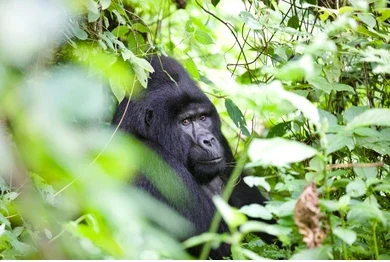
Gorilla permits are controlled by the Uganda Wildlife Authority. Be skeptical of unofficial heavily discounted permits and verify the applicable tariff for your trekking date.
A fraudulent or invalid permit can turn an apparent bargain into a major financial loss.
9. Ask About Shared Departures
A genuine group departure can spread some transport and guiding costs among travelers. Check group size, departure guarantee, room-sharing arrangements and flexibility before booking.
Private travel may still provide better value if you want special stops, a particular lodge or photography time.
10. Remove Activities That Are Not Priorities
Optional excursions, extra boat trips and repeated game drives all add value for some visitors but may not be essential for every traveler. Identify your must-do experiences before requesting a quote.
Removing a low-priority activity can create room in the budget for a better-located lodge or an extra night in the main destination.
11. Choose the Right Safari Length
An itinerary with too many parks can waste money on fuel and transfers. A shorter trip focused on fewer highlights may deliver more wildlife time per day.
Do not reduce the trip so aggressively that the entire holiday becomes a series of exhausting drives.
12. Compare Inclusions and Exclusions
Check whether the price includes park entry, boat cruises, primate permits, fuel, guide allowances, meals, bottled water, airport pickup and accommodation taxes.
Ask for an itemized list; it is the simplest way to spot hidden extras.
13. Pack Essentials Before Departure
Suitable footwear, rainwear, sun protection, a power bank and a small first-aid kit can reduce unexpected purchases during the safari. Bring any personal medication and verify entry health requirements before travel.
Do not overspend on specialist equipment you will use only once; ask your operator what is truly necessary.
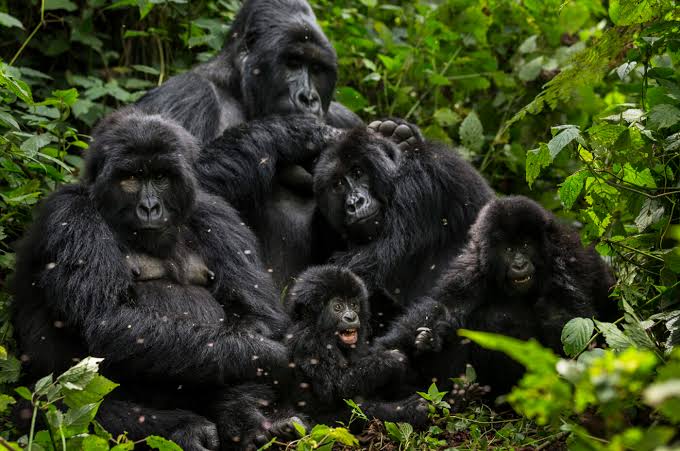
14. Stay Near the Correct Park Entrance
Bwindi has multiple trekking sectors and the distance between them matters. A cheap lodge in the wrong sector may require long transfers and create risk on trekking morning.
Confirm the actual permit location before booking accommodation.
15. Request a Tailored Budget Quote
Share your target budget, travel dates, arrival airport, group size, desired wildlife and preferred accommodation category. A planner can then show where costs are adjustable.
Ask for two alternatives—one lean and one slightly more comfortable—so you can see exactly what the additional spending buys.
What You Can and Cannot Reduce
Accommodation level, route efficiency, optional activities and the number of travelers sharing transport are flexible. Official park fees, valid permits and safe guiding arrangements should not be treated as optional.
Avoid operators who promise impossibly cheap gorilla permits or omit mandatory park charges from the quote.
Frequently Asked Questions
Does rainy-season travel always save money? No; compare actual offers and conditions. Can solo travelers save on a safari? Yes, through carefully selected routes or suitable shared departures, although private vehicle costs remain higher per person. Is it cheaper to book everything separately? Not necessarily; compare the full total and the coordination involved.
The best saving is the one that leaves you with a reliable, enjoyable trip and no surprise charges.
Uganda Safari Destination Map
Explore Uganda and the southwestern wildlife region. The map is a geographic overview, not a confirmed route or travel-time estimate.
Common Questions About Affordable Uganda Safaris
Can I request a custom budget safari?
Yes. Share your travel dates, group size, interests and preferred comfort level so an itinerary can be priced for your circumstances.
Are gorilla permits included in every advertised safari price?
No. Confirm in writing whether gorilla permits and other park activities are included or excluded.
Can I combine gorillas and wildlife on one safari?
Yes. With sufficient time and the correct permits, destinations such as Bwindi and Queen Elizabeth can be combined in one itinerary.
Get a Custom Uganda Gorilla & Wildlife Safari Quote
Tell us your intended travel month, number of travelers, arrival airport, budget range and must-see wildlife. We will help you compare a realistic route and accommodation options. Official fees and availability are confirmed at quotation time.
Official travel and conservation information: Uganda Wildlife Authority · Uganda Tourism Board.