
Best Uganda Gorilla Trekking Safaris
Uganda gorilla trekking safaris offer one of Africa’s most remarkable wildlife experiences, taking travelers into protected mountain forests where endangered mountain gorillas live in their natural habitat. From the ancient rainforest of Bwindi Impenetrable National Park to the volcanic landscapes of Mgahinga Gorilla National Park, Uganda provides exceptional opportunities to observe gorilla families while exploring some of East Africa’s most beautiful wilderness areas.
At Pridemark Safaris, we understand that choosing a gorilla trekking safari involves more than selecting a destination. Travelers must consider trekking permits, accommodation locations, road transfers, physical fitness, seasonal conditions, and the overall safari experience. This guide explains the different gorilla trekking safari options available in Uganda, helping you choose an itinerary that matches your travel interests, available time, and budget.
Why Uganda Is One of Africa’s Best Gorilla Trekking Destinations
Uganda is one of only three countries where visitors can trek to see mountain gorillas in the wild, alongside Rwanda and the Democratic Republic of the Congo. Its mountain gorilla tourism is concentrated in two protected areas: Bwindi Impenetrable National Park and Mgahinga Gorilla National Park. Both destinations offer guided treks under the management of the Uganda Wildlife Authority, with visitor numbers controlled to protect the gorillas.
One of Uganda’s greatest advantages is the variety of experiences that can be combined with gorilla trekking. Visitors can explore the savannah landscapes of Queen Elizabeth National Park, track chimpanzees in Kibale National Park, enjoy boat excursions on the Kazinga Channel, or relax beside Lake Bunyonyi. This diversity makes Uganda particularly attractive to travelers who want a complete wildlife holiday rather than a single trekking activity.
Uganda also offers accommodation across several budget categories, ranging from relatively affordable guesthouses and safari lodges to exclusive forest retreats. This flexibility allows Pridemark Safaris to design itineraries around different comfort levels without changing the fundamental gorilla trekking experience. Regardless of the accommodation category, visitors follow the same park regulations and participate in treks organized by authorized wildlife rangers.
Best Places for Gorilla Trekking Safaris in Uganda
Choosing the right gorilla trekking destination is essential because forest terrain, accommodation availability, road access, and permit allocations differ between Uganda’s protected areas. Although Bwindi receives most gorilla trekking visitors, Mgahinga provides an equally compelling alternative for travelers interested in volcanic scenery and a smaller tourism setting. Understanding these differences helps avoid unnecessary transfers and improves the overall safari experience.
Bwindi Impenetrable National Park
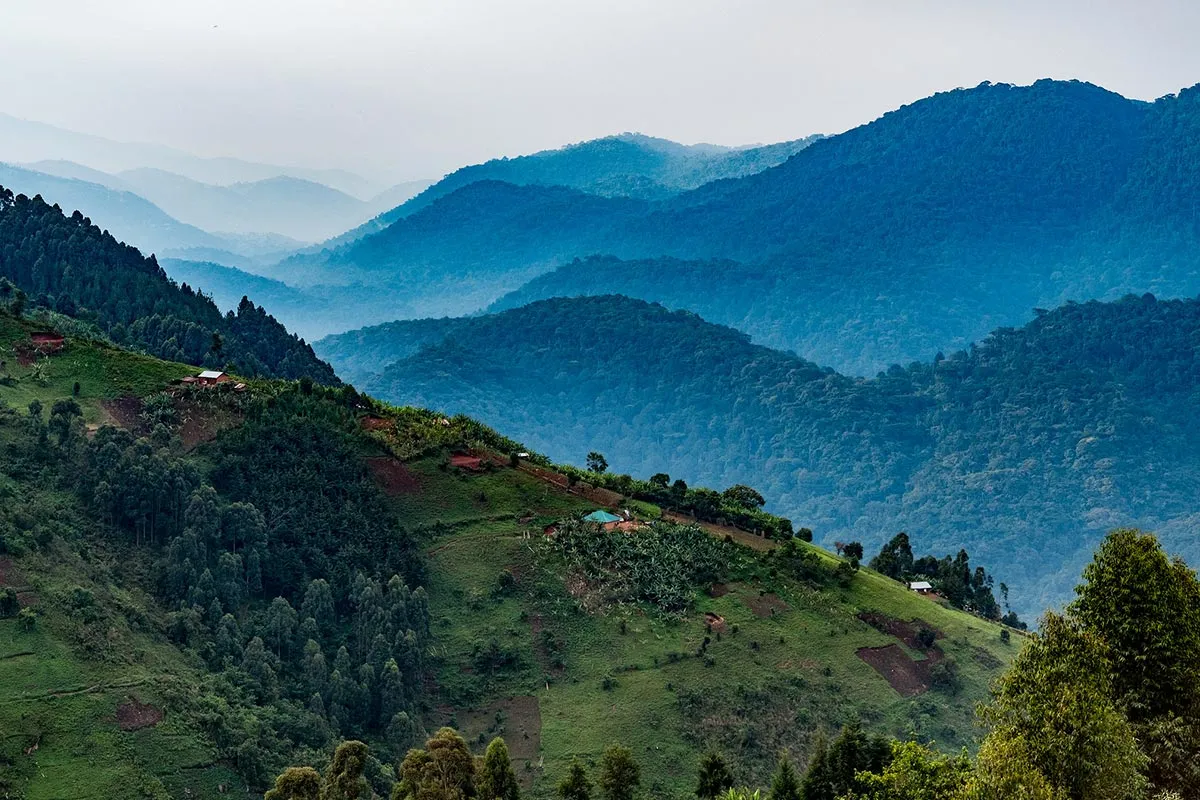
Bwindi Impenetrable National Park is Uganda’s principal mountain gorilla trekking destination and a UNESCO World Heritage Site. Located in southwestern Uganda, the park protects a biologically rich montane and lowland forest landscape covering approximately 321 square kilometers. Its steep valleys, dense vegetation, and mist-covered ridges create an unforgettable environment for guided encounters with habituated mountain gorilla families.
Bwindi is divided into four main gorilla trekking sectors: Buhoma, Ruhija, Rushaga, and Nkuringo. Each sector has designated trekking arrangements and accommodation options, making the sector indicated on a traveler’s permit an important planning detail. A lodge located near one sector may be several hours away from another, particularly when mountain roads are affected by rain.
| Trekking sector | Location and experience | Best suited for |
|---|---|---|
| Buhoma | Northern Bwindi, established tourism infrastructure | First-time visitors and varied lodge choices |
| Ruhija | Eastern Bwindi, high-altitude forest scenery | Birdwatchers and forest enthusiasts |
| Rushaga | Southern Bwindi, several trekking groups and habituation experiences | Travelers seeking flexible trekking options |
| Nkuringo | Southwestern Bwindi, steep terrain and dramatic views | Active travelers and hiking enthusiasts |
Buhoma Sector: Established Gorilla Trekking Experiences
Buhoma is situated on the northern side of Bwindi and is among the park’s longest-established gorilla tourism areas. It offers access to several accommodation categories, guided nature walks, and community experiences around the forest boundary. Travelers approaching Bwindi from Queen Elizabeth National Park often find Buhoma convenient, particularly when combining gorilla trekking with wildlife viewing in the Ishasha area.
Pridemark Safaris may recommend Buhoma for travelers seeking a balance between comfortable accommodation, accessible tourism services, and an immersive rainforest setting. However, the difficulty of a gorilla trek cannot be guaranteed by choosing Buhoma. Gorilla families move through the forest, and the distance to their location changes according to their daily feeding and movement patterns.
Ruhija Sector: Highland Forest and Birdwatching
Ruhija occupies a high-elevation section of eastern Bwindi and is particularly attractive to travelers who appreciate cool mountain environments and birdwatching. The surrounding forest supports numerous bird species, including Albertine Rift endemics. Its ridges and valleys offer extensive views across the forest landscape, although trekking routes can be physically demanding depending on gorilla movements.
Ruhija works well for visitors who want a quieter forest atmosphere and additional nature activities beyond gorilla trekking. Its position can also be useful when planning certain routes between Kabale and northern Bwindi. Pridemark Safaris considers road conditions, confirmed permit sectors, and accommodation locations before recommending Ruhija as part of a wider Uganda safari itinerary.
Rushaga Sector: Gorilla Trekking and Habituation Experiences
Rushaga lies in southern Bwindi and is particularly important for visitors interested in different gorilla viewing arrangements. In addition to standard gorilla trekking, the southern part of Bwindi is associated with the specialized gorilla habituation experience. This activity allows eligible visitors to spend more time observing a gorilla group undergoing habituation, subject to official availability and park regulations.
For travelers planning Uganda gorilla trekking safaris with a stronger focus on primate behavior, Rushaga can be an appealing choice. The surrounding landscape includes cultivated hillsides, forested valleys, and scenic rural communities. Accommodation ranges from modest lodges to upscale properties, although booking early remains important because the most convenient options can fill during popular travel periods.
Nkuringo Sector: Dramatic Landscapes and Challenging Treks
Nkuringo is located along the southwestern edge of Bwindi and is known for its elevated setting, steep forest approaches, and striking views toward the Virunga volcanic mountains. The surrounding terrain appeals particularly to adventurous travelers who enjoy hiking and mountain scenery. Trekking conditions can be strenuous, especially where routes involve substantial elevation changes or slippery forest paths.
Pridemark Safaris generally considers Nkuringo for travelers who are comfortable with potentially demanding walks and who value dramatic landscapes as part of their safari. Nevertheless, trekking difficulty remains unpredictable across all sectors. Visitors should discuss mobility limitations or fitness concerns before permits and accommodation are finalized, rather than assuming a particular sector will guarantee an easy or difficult trek.
Mgahinga Gorilla National Park
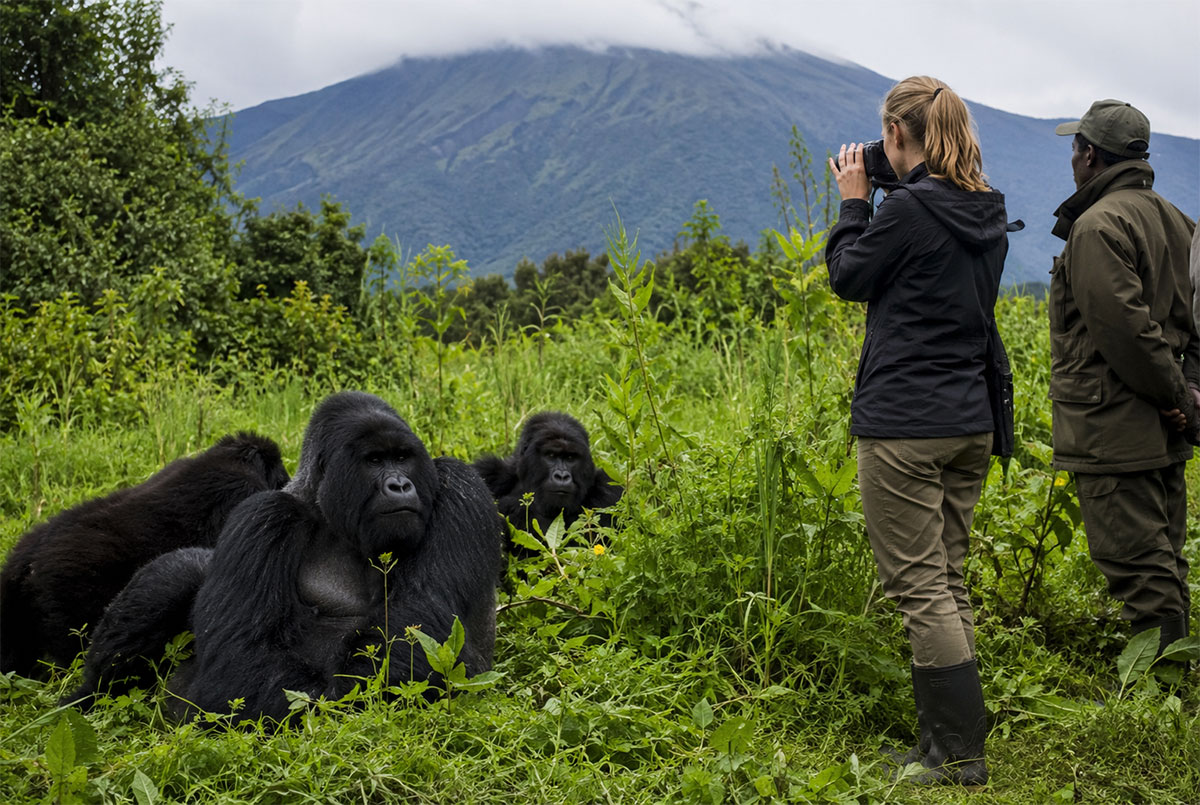
Mgahinga Gorilla National Park occupies approximately 33.7 square kilometers in southwestern Uganda, making it the country’s smallest national park. It forms part of the wider Virunga Conservation Area and protects mountain gorilla habitat around the slopes of Mount Muhabura, Mount Gahinga, and Mount Sabyinyo. The park is also known for golden monkey tracking and challenging volcanic hikes.
Mgahinga offers a distinctive alternative to Bwindi because its vegetation, volcanic landscapes, and smaller-scale tourism atmosphere create a different trekking environment. Gorilla trekking is associated with the habituated Nyakagezi group, although park management and gorilla movements determine daily operations. Travelers should confirm permit availability before selecting Mgahinga as their preferred destination.
Best Uganda Gorilla Trekking Safari Packages
The best Uganda gorilla trekking safaris are not necessarily the longest or most expensive itineraries. A successful trip depends on having sufficient time for travel, confirmed trekking permits, appropriate accommodation, and activities that suit the traveler’s interests. Some visitors prefer a focused gorilla experience, while others want chimpanzees, savannah wildlife, cultural encounters, or a more relaxed journey.
Pridemark Safaris designs gorilla trekking itineraries around these different travel priorities. The following safari formats are illustrative planning options rather than fixed departures or guaranteed packages. Actual routing, park activities, and accommodation choices depend on availability, travel dates, starting location, and the confirmed gorilla trekking sector assigned to each traveler.
| Safari duration | Main experiences | Ideal traveler |
|---|---|---|
| 3 days | Bwindi gorilla trekking and road transfers | Travelers with limited time |
| 4 days | Gorilla trekking and Lake Bunyonyi or relaxation | Visitors seeking a slower pace |
| 5 days | Gorilla trekking and Queen Elizabeth National Park | Gorilla and wildlife enthusiasts |
| 7 days | Gorillas, chimpanzees, and savannah wildlife | First-time Uganda safari visitors |
| 10 days | Multiple national parks and primate encounters | Travelers seeking a comprehensive safari |
| 12–14 days | Gorillas, wildlife, culture, and scenic destinations | Travelers with flexible schedules |
3-Day Uganda Gorilla Trekking Safari
A three-day gorilla trekking safari is suitable for travelers who want to experience mountain gorillas without spending an extended period in Uganda. The itinerary typically begins in Entebbe or Kampala, continues to Bwindi Impenetrable National Park, and includes one full day dedicated to gorilla trekking before returning to the starting point. This is a relatively intensive journey because southwestern Uganda is several hours away by road.
On the first day, travelers depart early and drive toward Bwindi, passing through rural trading centers, cultivated hillsides, and southwestern Uganda’s changing landscapes. The second day begins with a briefing by Uganda Wildlife Authority rangers before entering the forest to search for a habituated gorilla family. The third day is reserved for the return journey, with stops depending on the chosen route.
Pridemark Safaris recommends this itinerary primarily for visitors who have limited holiday time but still want a properly organized gorilla experience. Accommodation should be selected near the confirmed trekking sector, and travelers should arrive at their lodge before the trekking day. For visitors concerned about long drives, domestic flights to southwestern Uganda can sometimes reduce travel time, subject to schedules and transfer arrangements.
4-Day Gorilla Trekking and Lake Bunyonyi Safari
A four-day safari offers a more relaxed alternative by combining mountain gorilla trekking with time at Lake Bunyonyi, one of southwestern Uganda’s most scenic lakes. Surrounded by terraced hills and numerous islands, the lake provides a peaceful contrast to Bwindi’s dense forest. Travelers can enjoy canoe excursions, village visits, scenic viewpoints, or simply unwind at a lakeside lodge after trekking.
The itinerary generally includes a transfer from Entebbe or Kampala to the Bwindi region, a gorilla trekking day, a visit to Lake Bunyonyi, and the return journey. The exact sequence depends on the trekking sector, as distances between Bwindi and Lake Bunyonyi vary considerably. Travelers trekking in southern Bwindi may find the lake more convenient than those staying in northern sectors.
This safari is particularly attractive to couples, photographers, and visitors who prefer a combination of adventure and relaxation. Pridemark Safaris can arrange accommodation overlooking the lake or within easy reach of its shores. Travelers should remember that Lake Bunyonyi is a high-altitude destination, so cool evenings are common even when daytime conditions feel pleasantly warm.
5-Day Uganda Gorilla Trekking and Wildlife Safari
A five-day Uganda gorilla trekking safari can combine Bwindi Impenetrable National Park with Queen Elizabeth National Park, providing opportunities to see both mountain gorillas and savannah wildlife. This itinerary is appealing because the two protected areas offer very different ecosystems. Bwindi features steep rainforest habitats, while Queen Elizabeth protects grasslands, wetlands, crater lakes, and wildlife-rich waterways.
Depending on the route, visitors may enjoy game drives in the Ishasha or Kasenyi areas and a boat excursion along the Kazinga Channel. Queen Elizabeth National Park supports elephants, buffaloes, hippos, antelopes, and numerous bird species. Lions are also present, although sightings are never guaranteed. The Ishasha area is particularly associated with tree-climbing lions, which remain unpredictable wild animals.
Pridemark Safaris structures this journey according to the confirmed Bwindi trekking sector and the most practical route through Queen Elizabeth National Park. Visitors should avoid assuming that every five-day itinerary includes all the park’s major activities. Travel distances, permit availability, and the time required for game drives determine what can comfortably fit into the schedule.
7-Day Uganda Gorilla and Chimpanzee Trekking Safari
A seven-day safari provides a rewarding combination of Uganda’s best-known primate experiences. Visitors can trek mountain gorillas in Bwindi, search for chimpanzees in Kibale National Park, and explore the wildlife habitats of Queen Elizabeth National Park. This itinerary is particularly suitable for first-time visitors who want a broader understanding of Uganda’s forests, landscapes, and animal diversity.
Kibale National Park is recognized for its primate diversity and offers guided chimpanzee tracking experiences. Unlike mountain gorillas, chimpanzees frequently move through the forest canopy and may travel rapidly between feeding areas. Their vocalizations, social interactions, and energetic movements create a very different encounter from the comparatively calm observation of a habituated mountain gorilla family.
A seven-day itinerary requires careful coordination because chimpanzee and gorilla permits are separate reservations. Pridemark Safaris can arrange the sequence around confirmed permit availability, road transfers, and appropriate overnight locations. Travelers interested in both primates should communicate this preference early, particularly when planning travel during popular holiday periods when permits and well-located accommodation may be limited.
10-Day Uganda Gorilla Trekking and Big Five Safari
A ten-day Uganda safari creates room for a more extensive wildlife itinerary, potentially including Bwindi, Queen Elizabeth National Park, Kibale National Park, and Murchison Falls National Park. Travelers can experience rainforest trekking, savannah game drives, boat excursions, and Uganda’s famous Nile landscapes. Including rhino tracking at an authorized sanctuary can add the opportunity to seek all five traditional Big Five species.
Murchison Falls National Park is particularly memorable for the section of the Nile that passes through a narrow rocky gorge before plunging into the river below. Wildlife experiences include game drives across northern savannah areas and boat trips toward the falls. Visitors may encounter giraffes, elephants, buffaloes, crocodiles, hippos, and numerous birds, depending on location and seasonal conditions.
Pridemark Safaris recommends considering at least ten days when travelers want several national parks without turning every day into a long transfer. The itinerary should balance wildlife activities with adequate rest and realistic driving times. Gorilla trekking remains the central highlight, but the additional destinations provide a wider perspective on Uganda’s conservation areas and natural attractions.
12–14-Day Uganda Gorilla Trekking and Cultural Safari
Travelers with nearly two weeks available can explore Uganda at a more comfortable pace while incorporating cultural and community-based experiences. A longer itinerary may include Bwindi, Mgahinga, Lake Bunyonyi, Queen Elizabeth, Kibale, Murchison Falls, and selected cultural attractions. However, visiting every destination is not always necessary; a thoughtfully paced route often delivers a more enjoyable safari than an overloaded schedule.
Community experiences around Bwindi can introduce visitors to local farming traditions, crafts, food preparation, and cultural heritage. Some activities are organized with Batwa community members, whose ancestral relationship with the forest forms an important part of the region’s history. Travelers should choose experiences that respect community participation, local leadership, and fair compensation rather than treating cultural encounters as staged entertainment.
For extended Uganda gorilla trekking safaris, Pridemark Safaris can build the itinerary around particular interests such as birdwatching, photography, hiking, cultural tourism, or wildlife observation. Extra nights may also help accommodate changes caused by heavy rainfall or road conditions. A longer safari is especially valuable for visitors who prefer spending more time exploring each destination rather than moving between lodges daily.
How Much Do Uganda Gorilla Trekking Safaris Cost?
The total cost of Uganda gorilla trekking safaris depends on several factors, including the permit category, number of travelers, accommodation standard, transportation method, and itinerary duration. Gorilla permits form a substantial part of the safari budget, but they do not cover the complete journey. Travelers must also account for accommodation, meals, transfers, additional park activities, and personal expenses.
Uganda Wildlife Authority publishes permit tariffs according to visitor categories. The standard published gorilla trekking fee for a foreign non-resident is US$800, while different rates apply to qualifying foreign residents, African visitors, and East African Community citizens. Special seasonal arrangements may also apply. Because tariff periods and conditions can change, Pridemark Safaris recommends confirming the applicable official fee for the intended trekking date before making payment.
Gorilla Trekking Permit Prices
| Visitor category | Published standard permit fee |
|---|---|
| Foreign non-resident | US$800 |
| Foreign resident | US$700 |
| Rest of Africa | US$500 |
| East African Community citizen | UGX 300,000 |
Standard permit reference rates from Uganda Wildlife Authority. Confirm the applicable tariff, seasonal discounts, eligibility requirements, and booking conditions before paying.A standard gorilla trekking permit provides access to one organized gorilla trek and, when the gorilla family is located, up to one hour of observation. The published permit includes the ranger-guided activity, park entry for the trekking day, and a community conservation contribution. It does not ordinarily include private road transfers, lodge accommodation, porter services, or additional safari excursions.
Budget Uganda Gorilla Trekking Safaris
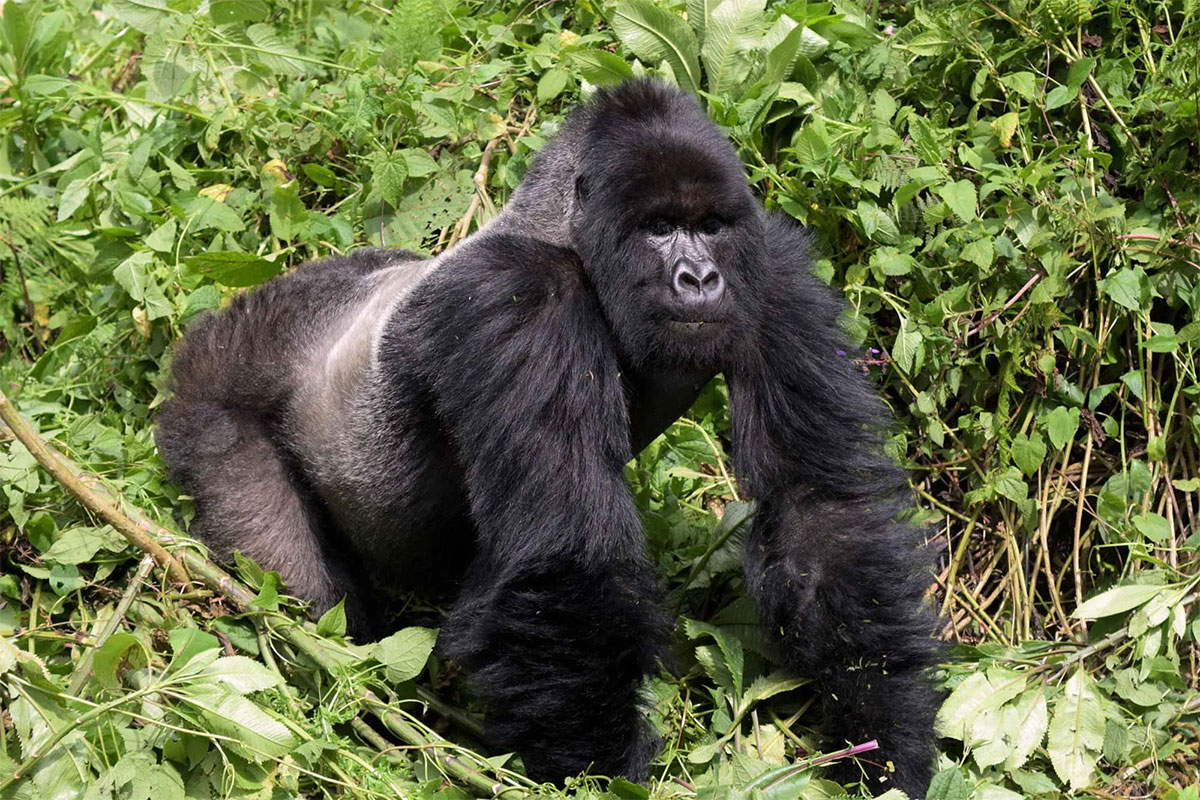
Budget gorilla trekking safaris focus on essential services while keeping accommodation and transportation expenses manageable. Travelers may stay in simple guesthouses or modest safari lodges, share transport with other participants where suitable, and limit the itinerary to a few days. The gorilla trekking permit remains the same official activity regardless of whether visitors choose budget or luxury accommodation.
A well-planned budget safari should not compromise important logistical details. Accommodation must be reasonably close to the assigned trekking sector, vehicles should be suitable for local road conditions, and the itinerary should allow enough time for transfers. Pridemark Safaris encourages travelers to compare complete package inclusions rather than selecting an offer based solely on its advertised starting price.
Midrange Uganda Gorilla Trekking Safaris
Midrange gorilla trekking safaris offer a balance between comfort, cost, and convenience. Accommodation generally includes established lodges with private rooms, meals, and convenient access to safari activities. Depending on the package, travelers may use a private safari vehicle and combine gorilla trekking with other destinations such as Queen Elizabeth National Park or Lake Bunyonyi.
For many travelers, midrange accommodation provides the most practical combination of comfort and value. A warm shower, comfortable bed, reliable meals, and a convenient lodge location become especially important after several hours of walking through Bwindi’s mountainous forest. Pridemark Safaris considers these practical needs when helping travelers compare accommodation options and safari routes.
Luxury Uganda Gorilla Trekking Safaris
Luxury gorilla trekking safaris emphasize high-quality accommodation, personalized arrangements, and greater comfort throughout the journey. Travelers may stay in exclusive forest lodges with spacious suites, scenic terraces, attentive hospitality, and carefully prepared meals. Some luxury itineraries incorporate scheduled or chartered domestic flights to reduce long road transfers between Entebbe and southwestern Uganda.
Luxury accommodation does not provide special access to wild gorillas or guarantee an easier trekking route. Every visitor must follow the same Uganda Wildlife Authority rules, and gorilla family allocations remain under park management. The additional value of a luxury safari lies primarily in accommodation quality, transport arrangements, privacy, service, and the overall travel experience.
What Is Included in a Gorilla Trekking Safari Package?
Safari package inclusions vary by operator and itinerary, making it important to request a detailed quotation before confirming a booking. Some packages include gorilla permits, full-board accommodation, transport, and park fees, while others list certain services separately. Travelers should also establish whether airport transfers, drinking water, cultural activities, and additional wildlife excursions are included in the quoted price.
| Common inclusions | Common exclusions |
|---|---|
| Gorilla permit, if explicitly stated | International flights |
| Accommodation and specified meals | Visa fees and travel insurance |
| Safari vehicle and driver-guide | Personal purchases and gratuities |
| Listed park activities | Optional activities not specified |
| Scheduled transfers | Additional accommodation outside the itinerary |
At Pridemark Safaris, we recommend that travelers review their safari quotation line by line before making a deposit. A clear itinerary should identify the accommodation category, transport arrangements, permit inclusions, meal plan, and scheduled activities. It should also explain the payment and cancellation terms, especially because gorilla permits are subject to Uganda Wildlife Authority booking conditions.
How to Book Uganda Gorilla Trekking Safaris
Booking Uganda gorilla trekking safaris requires coordination between permit availability, accommodation, transport, and the intended travel dates. Unlike ordinary sightseeing excursions, gorilla trekking cannot simply be added to an itinerary at the last minute without checking availability. Uganda Wildlife Authority regulates access to habituated gorilla families, and the number of visitors permitted to trek each group is strictly limited.
Pridemark Safaris recommends beginning the booking process by identifying your preferred travel period, number of travelers, and approximate safari duration. The next priority is confirming available gorilla permits for an appropriate park and trekking sector. Once those details are established, accommodation and transport can be arranged around the confirmed trekking location, reducing the risk of unnecessary transfers or logistical complications.
Step 1: Choose Your Preferred Travel Dates
Your preferred travel dates influence permit availability, accommodation prices, weather conditions, and the overall itinerary. Travelers planning around international flights should allow sufficient time to reach the gorilla trekking destination before their scheduled trek. It is generally more comfortable to spend the night near the park rather than attempting a lengthy road transfer immediately before the morning briefing.
Flexibility can make the booking process easier, especially when traveling as a couple, family, or group. If permits are unavailable for a particular date or sector, shifting the trek by one or two days may create alternative possibilities. Pridemark Safaris can help structure the surrounding itinerary once suitable dates have been identified.
Step 2: Confirm Gorilla Permit Availability
Gorilla permits are issued through Uganda Wildlife Authority’s authorized booking arrangements. Each permit is associated with a particular trekking date and location, making it important to verify availability before confirming nearby accommodation. The number of available permits depends on the gorilla groups open for tourism and the visitor limits established by park management.
When arranging Uganda gorilla trekking safaris, Pridemark Safaris can assist travelers with permit coordination as part of their itinerary planning. Visitors should provide accurate identification details and confirm the applicable visitor category. A safari quotation alone should not be treated as proof of a secured permit; travelers should request confirmation once the reservation and required payment have been completed.
Step 3: Select Accommodation Near Your Trekking Sector
Accommodation location is one of the most important practical considerations when planning a Bwindi safari. The park’s four trekking sectors are separated by mountainous terrain, and travel between them can take considerable time. A lodge advertised as being near Bwindi Impenetrable National Park may still be inconvenient for the specific briefing point indicated on your permit.
For this reason, Pridemark Safaris recommends choosing accommodation only after establishing the trekking sector. Staying nearby reduces early morning travel pressure and provides additional time for breakfast and preparation. Visitors should also consider lodge access roads, especially during rainy periods when some rural routes become slippery or more difficult to navigate.
Step 4: Arrange Transportation and Additional Activities
Once the trekking permit and accommodation are confirmed, the remaining safari arrangements can be organized. These may include airport transfers, a private safari vehicle, domestic flights, additional national parks, or relaxation days. Transport decisions should reflect the actual itinerary rather than simply choosing the shortest distance between destinations on a map.
Pridemark Safaris can coordinate road-based journeys and suitable flight connections according to the traveler’s preferences and available services. When combining gorilla trekking with Queen Elizabeth National Park, Kibale, or Lake Bunyonyi, route planning becomes particularly important. A realistic schedule should account for road conditions, sightseeing stops, meal breaks, and daylight travel.
Best Time for Uganda Gorilla Trekking Safaris
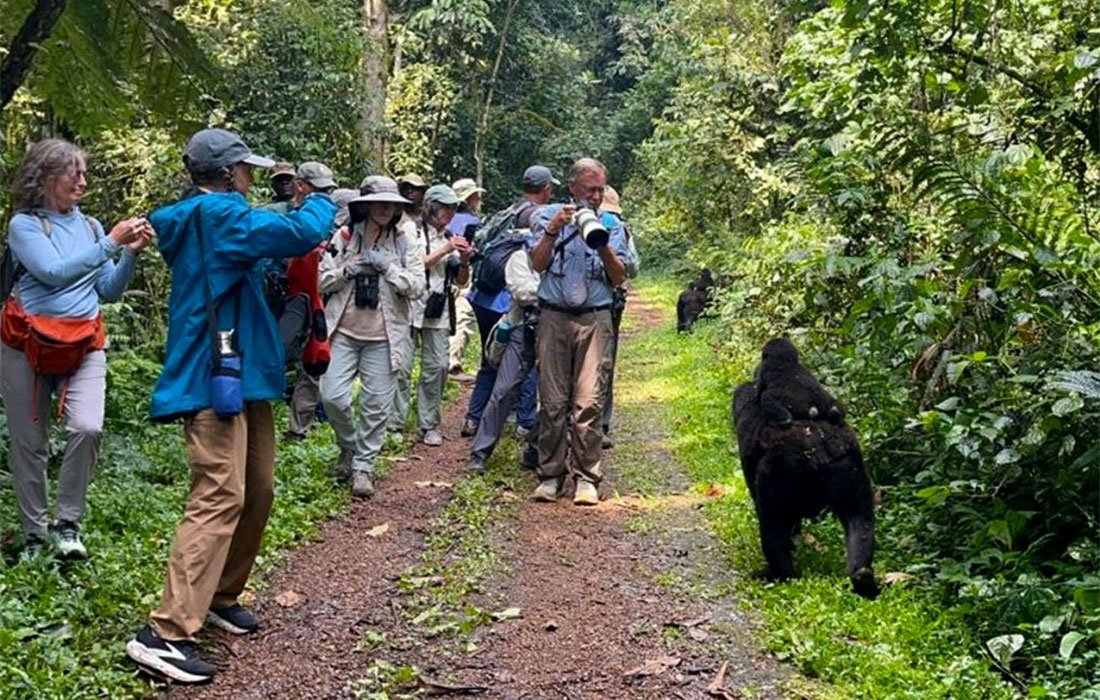
Uganda offers gorilla trekking throughout the year, and successful wildlife encounters are possible in different seasons. However, rainfall influences trail conditions, forest visibility, travel comfort, and accommodation demand. Southwestern Uganda has a tropical highland climate, meaning rain can occur even during relatively dry months, particularly within the dense forests of Bwindi and Mgahinga.
The relatively drier periods, commonly experienced from June through August and December through February, are popular for Uganda gorilla trekking safaris. Trails may be less muddy during these months, although conditions vary with elevation and local weather patterns. The wetter months can offer greener scenery, atmospheric forest landscapes, and potentially lower demand for some accommodation options.
| Travel period | Typical conditions | Planning considerations |
|---|---|---|
| June–August | Relatively drier conditions | Popular travel period; book early |
| September–November | Increasing rainfall | Muddy trails and lush vegetation |
| December–February | Often relatively dry | Good general trekking conditions |
| March–May | Generally wetter conditions | Rain protection and flexible planning are important |
Gorilla Trekking During the Drier Months
Drier conditions can make forest trekking more comfortable, particularly when walking along steep trails or crossing exposed slopes. Visitors may encounter fewer muddy sections, although Bwindi’s rainforest environment means damp ground remains common. The vegetation stays dense throughout the year, and gorilla families continue moving according to their feeding requirements rather than tourist schedules.
The principal disadvantage of popular travel periods is increased competition for permits and convenient accommodation. Pridemark Safaris encourages visitors planning travel during school holidays or major international holiday periods to begin organizing their safari well in advance. Early planning provides more flexibility when choosing trekking sectors, lodge categories, and additional wildlife activities.
Gorilla Trekking During the Rainy Months
Rainy-season gorilla trekking offers a different experience, characterized by misty hillsides, vibrant vegetation, and the distinctive atmosphere of a tropical mountain forest. Rainfall can make trails slippery, and visitors should be prepared for sudden showers during the trek. Waterproof clothing, reliable hiking boots, and suitable daypacks become particularly important during these months.
For photographers, overcast conditions may provide softer light, although rain and forest shade can make photography more challenging. Travelers should also consider that some roads become slower to navigate after heavy rainfall. Pridemark Safaris recommends allowing realistic transfer times and avoiding tightly scheduled connections when visiting southwestern Uganda during wetter periods.
What Happens During a Gorilla Trekking Experience?
A gorilla trekking day begins early, usually with breakfast at the lodge followed by a transfer to the designated park briefing point. Uganda Wildlife Authority rangers explain the trekking procedures, visitor responsibilities, and safety regulations before assigning participants to groups. The allocation process may consider factors such as physical ability and the information available about gorilla family locations.
After the briefing, visitors enter the forest accompanied by authorized ranger guides. Trackers may already be monitoring gorilla movements, helping the guides determine suitable routes. The walk can involve steep climbs, uneven ground, thick vegetation, and muddy sections. Some gorilla families are located relatively quickly, while others require several hours of walking through challenging terrain.
The moment visitors encounter a mountain gorilla family is often the emotional highlight of the safari. Gorillas may be feeding, resting, grooming, or interacting with their young. A dominant silverback may remain close to other family members while juveniles explore their surroundings. Visitors must remain calm and follow ranger instructions throughout the encounter.
Standard gorilla trekking permits allow up to one hour of observation once the group has been located. After the permitted viewing period, visitors leave the gorillas and begin walking back toward the trailhead. The complete activity may occupy much of the day, depending on the location of the gorilla family and the difficulty of the return route.
How Difficult Is Gorilla Trekking in Uganda?
Gorilla trekking difficulty varies considerably, even within the same park sector. Mountain gorillas move through their habitat in search of food, so guides cannot guarantee how far visitors will walk. Some treks involve relatively manageable routes, while others require extended climbs, descents, or movement through dense vegetation at high elevations.
Travelers do not need to be professional hikers, but a reasonable level of physical fitness is helpful. Regular walking, hill climbing, and basic cardiovascular exercise before the safari can improve comfort. Visitors with mobility concerns should discuss their circumstances during planning so that available assistance options can be explored with the relevant park authorities.
Can Older Travelers Go Gorilla Trekking?
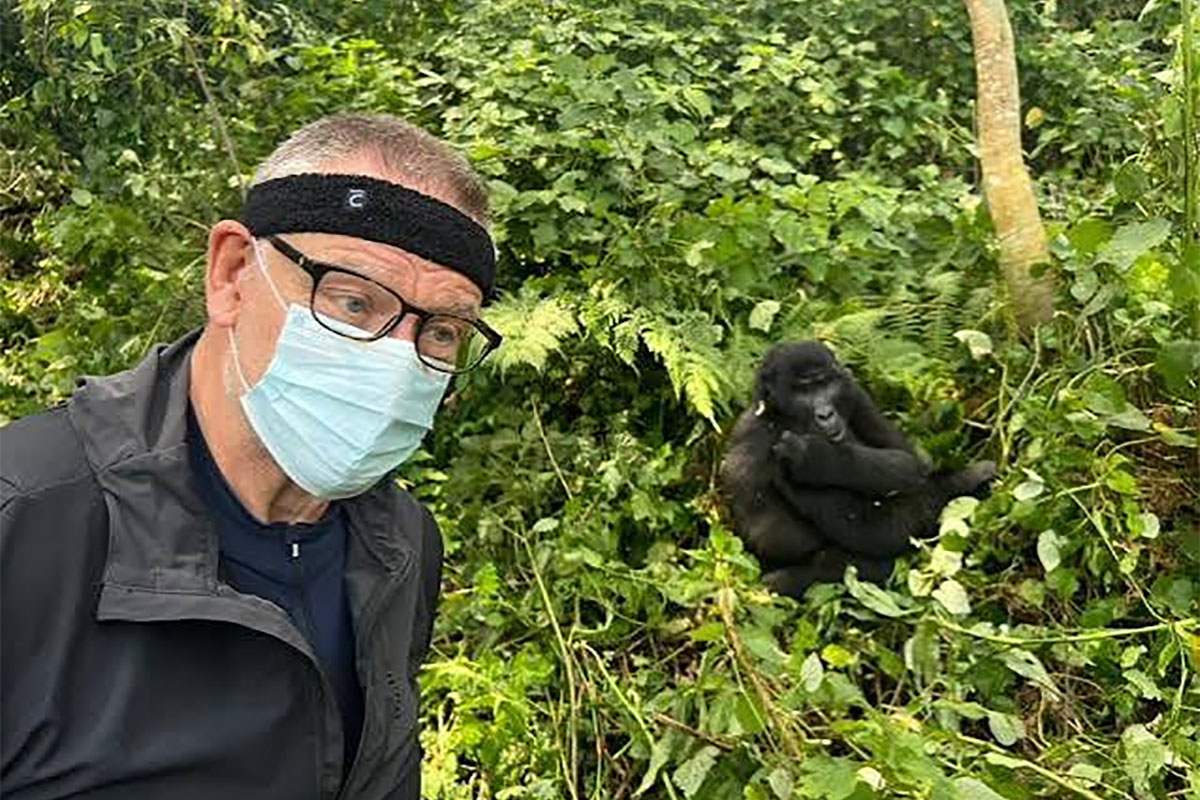
Older travelers can participate in gorilla trekking provided they meet the minimum age requirement and are sufficiently prepared for the activity. There is no universal upper age limit, but physical ability, medical circumstances, and terrain conditions must be considered individually. The forest environment can be demanding, particularly for visitors unfamiliar with hiking on steep or slippery ground.
Porter services are available around the trekking areas, and specialized assistance may sometimes be arranged for travelers with significant mobility limitations. Such arrangements depend on local availability, terrain, safety considerations, and additional costs. Pridemark Safaris recommends discussing accessibility requirements before permits are purchased rather than relying on assistance being available without prior coordination.
Gorilla Trekking Rules and Conservation Guidelines
Gorilla trekking operates under strict conservation rules because mountain gorillas are endangered wild animals that are vulnerable to human disturbance and disease transmission. Visitors must follow the instructions of Uganda Wildlife Authority rangers throughout the activity. These regulations are designed to protect both the gorillas and the people entering their habitat.
A standard gorilla visit is limited to a maximum of one hour, and the minimum trekking age is 15 years. Visitor groups are limited, and travelers must maintain the separation distance directed by park authorities. Anyone experiencing symptoms of an infectious illness should report their condition before trekking because respiratory infections can pose serious risks to gorillas.
Important Gorilla Trekking Regulations
| Regulation | What travelers should know |
|---|---|
| Minimum age | 15 years |
| Gorilla viewing time | Up to one hour on a standard trek |
| Visitor group size | Maximum of eight visitors per gorilla group |
| Physical contact | Never touch the gorillas |
| Food and drinks | Do not eat or drink near the gorillas |
| Illness | Report symptoms before trekking |
Visitors should avoid sudden movements, loud conversations, and flash photography around the gorillas. Rangers provide instructions on appropriate behavior if a gorilla approaches or displays signs of agitation. Maintaining distance is especially important because even habituated gorillas remain wild animals, and their responses can change depending on the circumstances.
Pridemark Safaris encourages responsible behavior before, during, and after every gorilla trekking experience. Conservation is not limited to following rules inside the forest. Supporting locally operated services, respecting community customs, reducing waste, and choosing legitimate tourism activities all contribute to a more responsible safari experience.
What to Pack for Uganda Gorilla Trekking Safaris
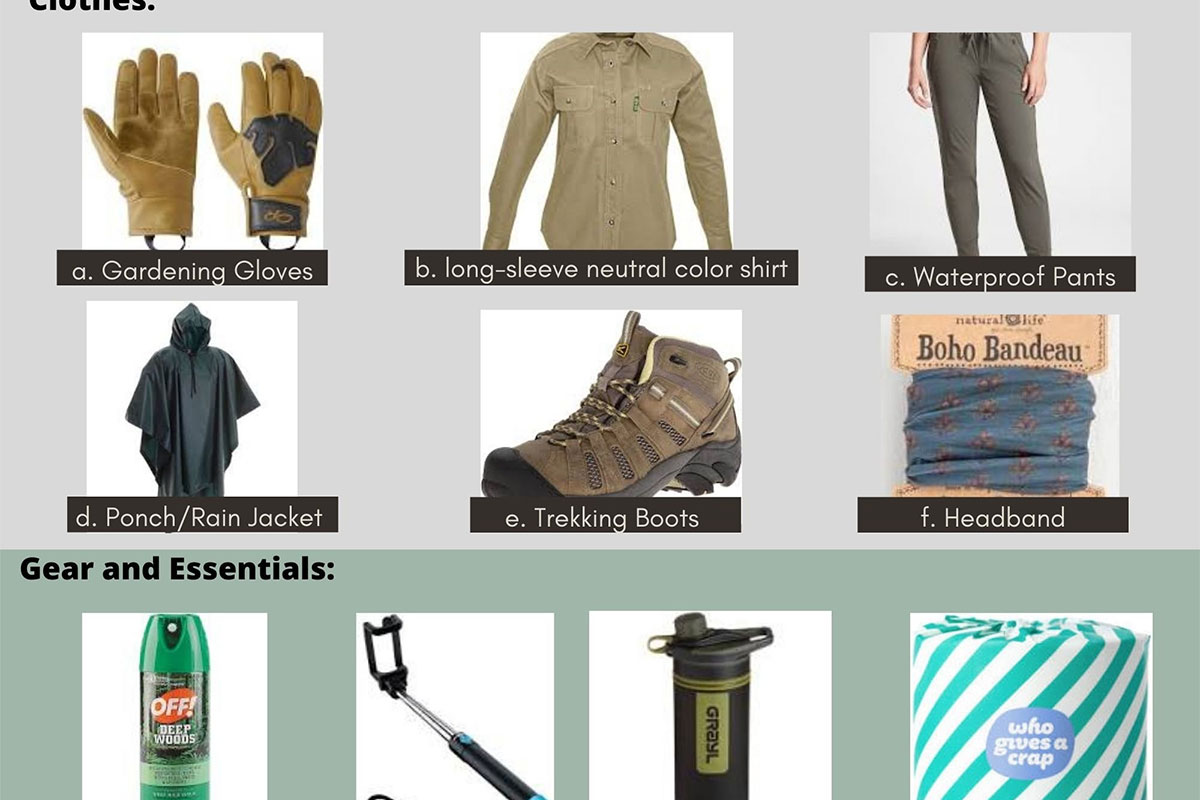
Packing appropriately can make a substantial difference to the comfort of a gorilla trekking safari. Bwindi and Mgahinga are mountainous environments where weather conditions may change quickly. Travelers should prepare for rain, cool mornings, strong sunlight in exposed areas, and humid conditions beneath the forest canopy. Clothing should prioritize comfort, protection, and freedom of movement.
Long-sleeved shirts and long trousers help protect against vegetation, insects, and minor scratches. Waterproof hiking boots with reliable grip are particularly useful on muddy or uneven trails. Gardening-style gloves can also be helpful when using vegetation for balance, although visitors should avoid damaging plants or relying on unstable branches.
Essential Gorilla Trekking Packing Checklist
| Item | Why it matters |
|---|---|
| Waterproof hiking boots | Grip and ankle support on forest trails |
| Long trousers | Protection against vegetation and insects |
| Long-sleeved shirt | Skin protection during trekking |
| Lightweight rain jacket | Protection from sudden rainfall |
| Gardening gloves | Useful when navigating dense vegetation |
| Small waterproof daypack | Carries water and personal essentials |
| Drinking water and snacks | Hydration and energy during the hike |
| Camera without flash | Wildlife photography |
| Insect repellent | Helps reduce insect bites |
| Walking stick | Additional balance on uneven terrain |
A small daypack should contain drinking water, suitable snacks, rain protection, and essential personal items. Travelers may also carry a camera, spare batteries, and a waterproof cover for electronic equipment. Heavy luggage should remain at the lodge because carrying unnecessary weight through the forest can make the trek more tiring.
Pridemark Safaris recommends wearing neutral-colored clothing that is comfortable in changing temperatures. Bright fashion items are less practical than durable outdoor garments, although specialized safari clothing is not essential. The most important equipment is a dependable pair of hiking boots that has already been worn and tested before the journey.
How to Get to Bwindi and Mgahinga Gorilla National Parks
Most international visitors begin their Uganda gorilla trekking safaris at Entebbe International Airport, the country’s main international aviation gateway. From Entebbe, travelers can reach southwestern Uganda by road or domestic air services. The most suitable option depends on available time, budget, comfort preferences, and the particular trekking sector confirmed on the gorilla permit.
Road transfers provide opportunities to experience Uganda’s countryside, including farming communities, rolling hills, and roadside markets. However, the journey from Entebbe or Kampala to Bwindi is long and generally requires most of a travel day. Actual driving time depends on the destination sector, route, traffic, road conditions, and the number of stops.
Traveling to Bwindi by Road
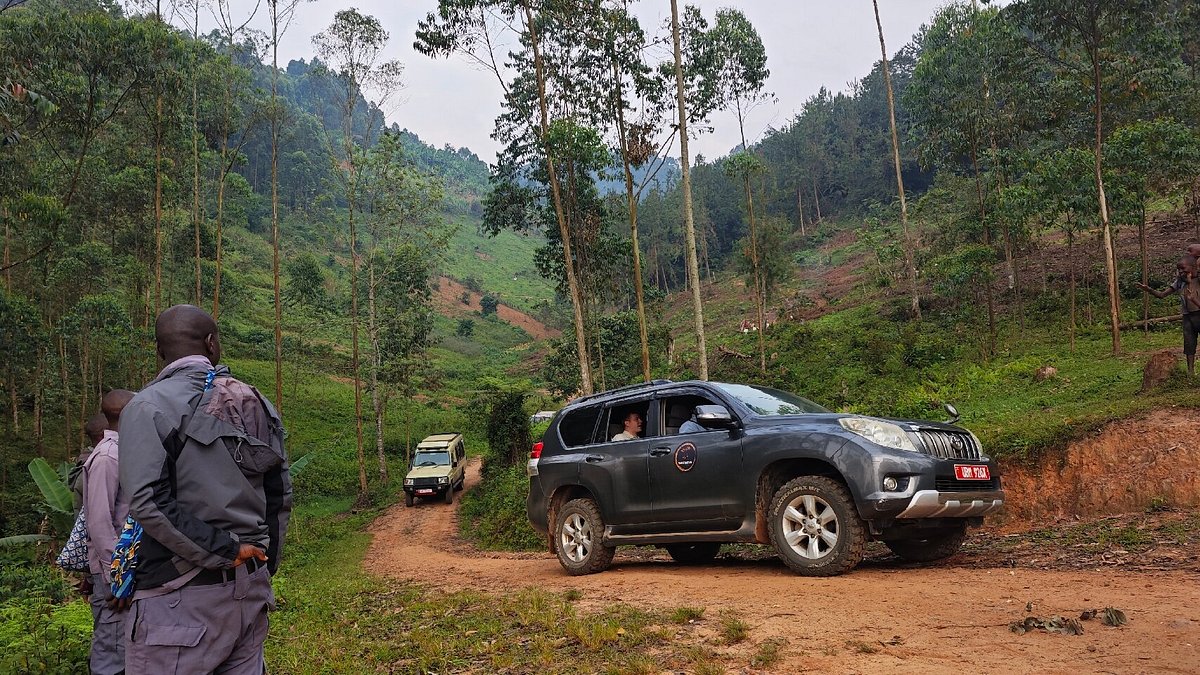
A road journey to Bwindi usually passes through southwestern Uganda, with routes commonly involving Masaka, Mbarara, Kabale, or Kisoro. Travelers approaching northern Bwindi may follow a different route from those visiting Rushaga or Nkuringo. The final approach often involves winding mountain roads, where progress can be slower than expected.
Pridemark Safaris recommends allocating a dedicated travel day rather than combining a long transfer with gorilla trekking. Travelers should arrive near their designated sector the evening before the activity. This arrangement provides time to rest, prepare equipment, and confirm the following morning’s departure to the briefing point.
Flying to Bwindi for Gorilla Trekking
Domestic flights can reduce the amount of time spent traveling between Entebbe and southwestern Uganda. Scheduled services may operate to Kihihi or Kisoro airstrips, depending on the airline and available timetable. Travelers must still complete a road transfer from the airstrip to their accommodation, and this transfer can be substantial in certain sectors.
Kihihi is commonly used for access to northern Bwindi, while Kisoro can be convenient for southern Bwindi and Mgahinga. Nevertheless, airstrip selection should reflect the actual lodge and trekking location. Pridemark Safaris can incorporate available flight services into a safari itinerary where the schedule and overall budget make flying practical.
Gorilla Trekking from Kigali, Rwanda
Some travelers choose to access Uganda’s southwestern gorilla trekking destinations through Kigali International Airport in neighboring Rwanda. This route can be practical for certain southern Bwindi sectors and Mgahinga because the road journey may be shorter than traveling from Entebbe. However, cross-border travel introduces additional immigration, visa, and transport considerations.
Travelers considering this option should confirm entry requirements for both countries, passport validity, and applicable visa arrangements before booking flights. Border crossing times may vary, and road transfers still require careful planning. Pridemark Safaris can help compare the logistics of starting in Kigali or Entebbe according to the intended trekking location.
Uganda Gorilla Trekking Versus Rwanda Gorilla Trekking
Uganda and Rwanda both provide opportunities to encounter endangered mountain gorillas under regulated tourism programs. Uganda’s trekking destinations are Bwindi and Mgahinga, while Rwanda’s gorilla trekking takes place in Volcanoes National Park. The experiences share important conservation principles, but the landscapes, access routes, permit structures, and surrounding safari opportunities differ.
Uganda is especially attractive to travelers who want to combine gorilla trekking with chimpanzees, savannah wildlife, boat excursions, and scenic lakes. Rwanda appeals to visitors seeking access to Volcanoes National Park from Kigali and a relatively compact gorilla-focused itinerary. Neither destination guarantees an easier trek or a particular wildlife encounter.
| Consideration | Uganda | Rwanda |
|---|---|---|
| Gorilla trekking parks | Bwindi and Mgahinga | Volcanoes National Park |
| Main trekking landscape | Dense mountain forest and volcanic slopes | Volcanic mountain forest |
| Additional safari experiences | Chimpanzees, savannah wildlife, lakes | Golden monkeys, cultural experiences, other national parks |
| Access | Entebbe, Kigali, road or domestic flights | Kigali and road transfers |
| Standard foreign visitor permit | US$800 published reference rate | US$1,500 standard reference rate |
Travelers comparing costs should examine the complete safari rather than the permit alone. Transportation, accommodation, international flights, and additional activities can significantly influence the final price. Pridemark Safaris recommends selecting the destination that best matches the desired travel experience, available time, and overall budget.
Gorilla Trekking and Gorilla Habituation: Which Experience Should You Choose?
Standard gorilla trekking and gorilla habituation are different wildlife activities, although both involve guided visits to mountain gorillas. Standard trekking focuses on observing a family already accustomed to controlled human presence. The habituation experience involves visiting a gorilla group undergoing a gradual process of becoming familiar with people under the supervision of authorized researchers and park personnel.
The most significant difference is the permitted observation period. Standard gorilla trekking allows up to one hour with the gorillas, while the specialized habituation experience can provide up to four hours once the designated group has been reached. Both activities require walking through natural forest habitat, and neither guarantees particular animal behavior.
| Feature | Standard trekking | Gorilla habituation |
|---|---|---|
| Gorilla observation | Up to 1 hour | Up to 4 hours |
| Experience type | Habituated gorilla family | Group undergoing habituation |
| Main appeal | Classic mountain gorilla encounter | Extended behavioral observation |
Gorilla habituation is particularly appealing to dedicated wildlife enthusiasts and photographers who want additional observation time. However, it generally costs more and can involve demanding forest walks. Travelers should confirm the available location, current permit price, physical requirements, and operational arrangements before choosing this specialized activity.
For first-time visitors, Pridemark Safaris generally considers standard gorilla trekking an excellent introduction to mountain gorillas. The one-hour encounter can provide meaningful opportunities to observe family interactions, feeding behavior, and social relationships. Travelers seeking more extensive observation may prefer habituation, provided their interests and budget justify the additional commitment.
Combine Gorilla Trekking with Other Uganda Safari Experiences
One of the strongest reasons to choose Uganda gorilla trekking safaris is the opportunity to explore several contrasting ecosystems within the same holiday. Uganda offers tropical forests, freshwater lakes, open savannah, volcanic mountains, and major river systems. Combining these destinations creates a richer journey while allowing travelers to experience wildlife beyond mountain gorillas.
Chimpanzee Trekking in Kibale National Park

Kibale National Park is one of Uganda’s leading destinations for chimpanzee tracking and primate observation. Its forest habitat supports several primate species, and guided chimpanzee encounters introduce travelers to animals with complex social relationships. Visitors may hear chimpanzee calls echoing through the forest before locating the group, making the experience distinctly different from gorilla trekking.
Combining Kibale with Bwindi is particularly suitable for travelers interested in primate conservation and behavior. Pridemark Safaris can plan a route connecting the two parks through other southwestern destinations. Because chimpanzee tracking requires its own permit, both activities should be confirmed during the safari booking process.
Wildlife Safaris in Queen Elizabeth National Park
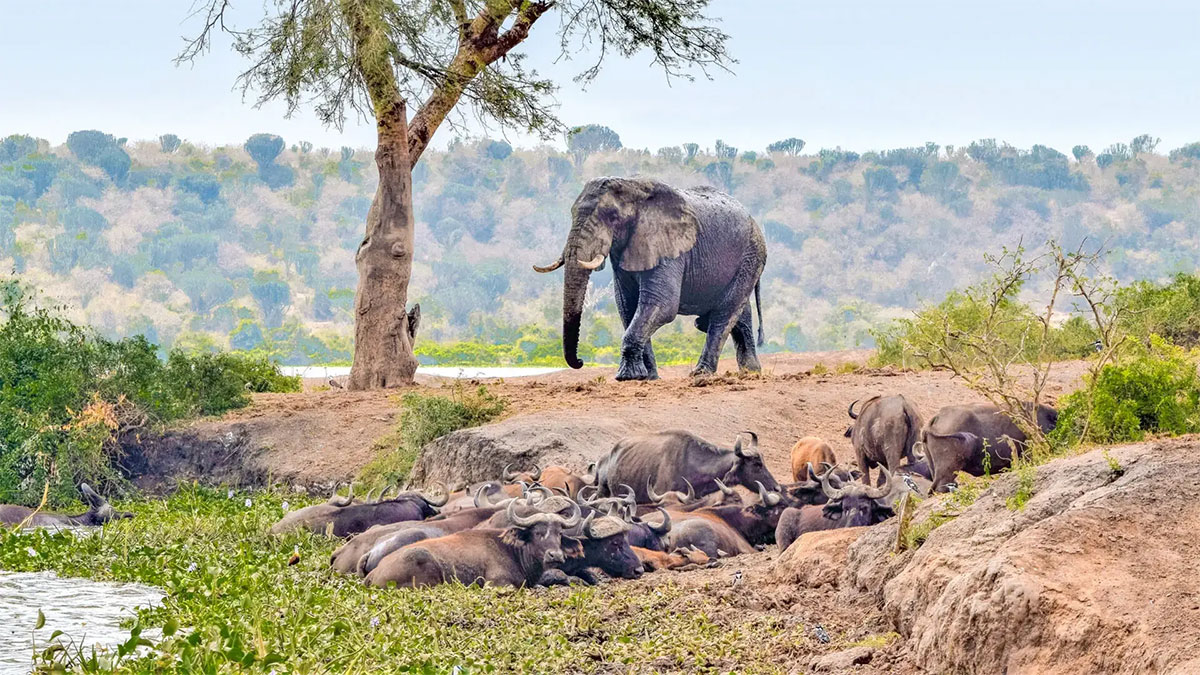
Queen Elizabeth National Park is an excellent addition to a Bwindi itinerary because it introduces visitors to Uganda’s savannah wildlife. Game drives provide opportunities to observe elephants, buffaloes, antelopes, and predators, while the Kazinga Channel is known for its hippos, crocodiles, waterbirds, and other wildlife attracted to the water.
Travelers approaching Bwindi through Ishasha may also have opportunities to search for the area’s famous tree-climbing lions. However, sightings depend on wildlife movements and cannot be promised. Pridemark Safaris recommends allocating sufficient time for game drives rather than treating Queen Elizabeth National Park as merely a transit destination.
Golden Monkey Tracking in Mgahinga
Golden monkey tracking is another rewarding primate activity available in Mgahinga Gorilla National Park. These energetic monkeys inhabit bamboo and montane forest environments along the Virunga slopes. Their golden-orange coloring and active movements make them especially interesting to wildlife photographers and travelers seeking a different primate encounter.
Visitors staying near Kisoro may be able to combine golden monkey tracking with gorilla trekking, depending on permits and the itinerary. Pridemark Safaris can help arrange a suitable sequence that allows time for both experiences without unnecessary transfers between distant destinations.
Responsible Gorilla Tourism and Community Conservation
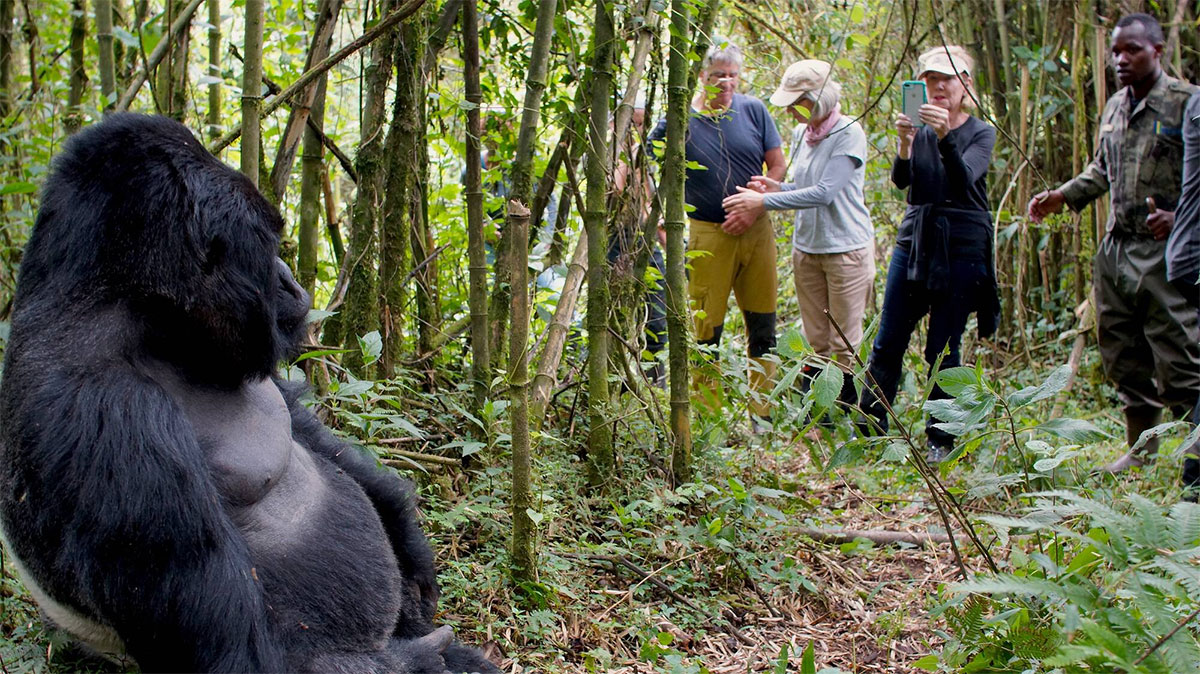
Mountain gorilla conservation depends on coordinated protection efforts involving wildlife authorities, conservation organizations, researchers, and communities living around protected areas. Regulated tourism contributes financial resources through permit revenue and associated economic activity. These resources support conservation objectives while creating opportunities for employment and tourism-related businesses.
Visitors can contribute positively by following ranger instructions, respecting wildlife viewing limits, and choosing activities that recognize the interests of surrounding communities. Hiring local porters, purchasing locally produced crafts, and participating in appropriately managed community visits can provide additional economic benefits beyond the national park itself.
Pridemark Safaris supports the principle that successful gorilla tourism should benefit both conservation and local communities. Travelers should approach forest-edge communities respectfully, ask permission before photographing residents, and avoid distributing gifts in ways that create uncomfortable interactions. Responsible tourism requires thoughtful behavior throughout the journey, not only during the gorilla encounter.
Frequently Asked Questions About Uganda Gorilla Trekking Safaris
Are Uganda Gorilla Trekking Safaris Worth the Cost?
Uganda gorilla trekking safaris offer a rare opportunity to observe endangered mountain gorillas in their natural habitat. The experience combines guided forest exploration with close-range wildlife observation under regulated conditions. For travelers particularly interested in primates and conservation, it can be a major highlight of an African holiday.
The value depends on personal expectations, budget, and interests. Pridemark Safaris recommends considering the complete experience, including the rainforest setting, ranger interpretation, surrounding wildlife destinations, and the conservation contribution associated with regulated gorilla tourism.
How Many Days Do You Need for Gorilla Trekking in Uganda?
A three-day itinerary is a practical minimum for many road-based safaris beginning in Entebbe or Kampala. This generally allows one day to reach the trekking destination, one day for gorilla trekking, and one day for the return journey. Travelers using domestic flights may have additional scheduling possibilities.
For a more relaxed holiday, four to seven days provides time for extra destinations or rest. Pridemark Safaris recommends selecting the itinerary duration according to the intended activities rather than trying to fit too many parks into a short trip.
Is Gorilla Trekking Safe in Uganda?
Gorilla trekking is a regulated activity conducted under the supervision of trained Uganda Wildlife Authority personnel. Visitors receive safety instructions before entering the forest and must follow ranger guidance during the encounter. Habituated gorilla families are accustomed to controlled human observation, but they remain wild animals.
Safety also depends on appropriate preparation, personal fitness, weather conditions, and responsible behavior. Travelers should maintain the required distance, avoid sudden movements, and disclose relevant health or mobility concerns before trekking.
Can Children Participate in Gorilla Trekking?
The minimum age for gorilla trekking in Uganda is 15 years. Children below this age are not eligible to participate in the standard activity, regardless of whether they are accompanied by parents or guardians. Families should therefore consider the ages of all travelers before purchasing permits.
For families with younger children, alternative activities may include suitable nature excursions, cultural visits, and other age-appropriate safari experiences. Pridemark Safaris can help develop family itineraries that respect the official gorilla trekking age restrictions.
How Close Can You Get to Mountain Gorillas?
Visitors must maintain the separation distance required by Uganda Wildlife Authority and follow the instructions of their ranger guides. Gorillas sometimes move closer to visitors, but tourists must never deliberately approach, touch, feed, or attempt to interact physically with them.
These restrictions reduce disturbance and help protect gorillas from human diseases. The goal of gorilla trekking is to observe natural behavior responsibly rather than encourage direct interaction.
Are Gorilla Sightings Guaranteed?
Gorilla trekking offers a strong opportunity to encounter habituated mountain gorillas, but sightings cannot be guaranteed because the animals move freely through their natural habitat. Trackers and guides use their knowledge of gorilla movements to locate groups, yet weather, terrain, and animal behavior can influence the outcome.
Travelers should approach the activity with realistic expectations and an appreciation for the unpredictability of wildlife experiences. Pridemark Safaris emphasizes that the natural forest setting is an essential part of what makes gorilla trekking special.
Why Plan Your Uganda Gorilla Trekking Safari with Pridemark Safaris?
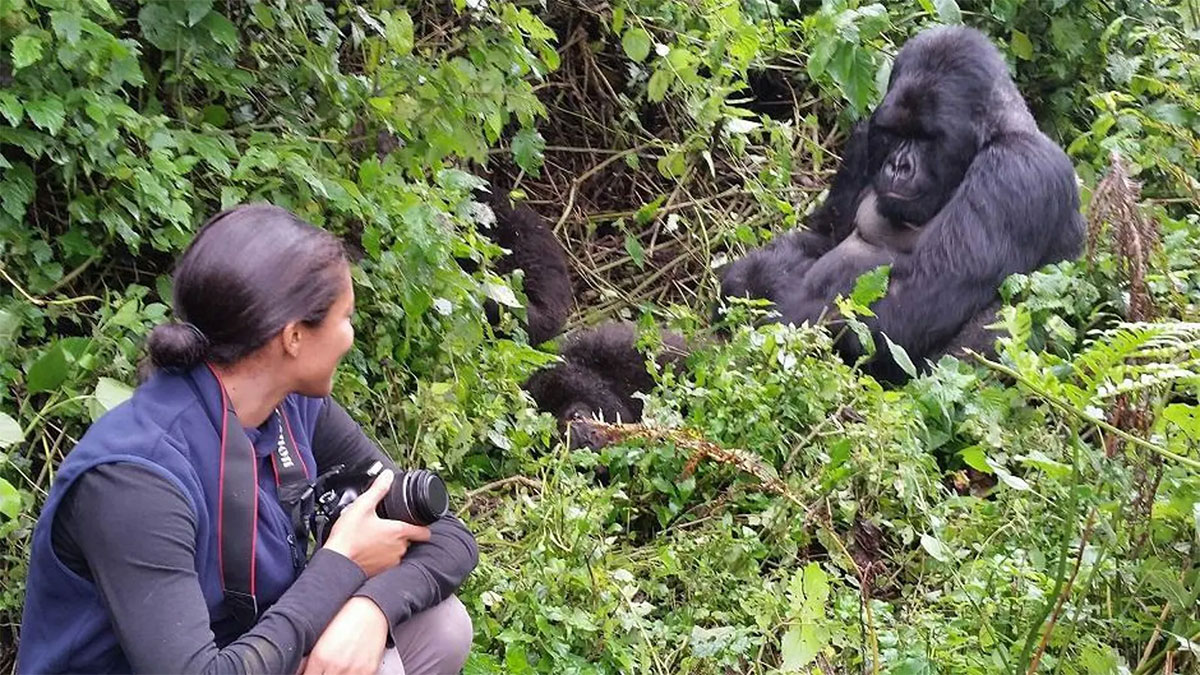
Choosing a safari operator involves more than comparing package prices. Travelers need accurate permit information, practical routing, suitable accommodation, and clear communication about what their itinerary includes. A carefully planned gorilla safari should account for the realities of southwestern Uganda’s mountainous geography and the regulated nature of gorilla tourism.
At Pridemark Safaris, our approach to Uganda gorilla trekking safaris centers on matching the itinerary to the traveler’s available time, interests, and budget. We emphasize the importance of confirmed trekking sectors, realistic transfer schedules, and accommodation that supports a comfortable trekking experience.
Whether you are interested in a short Bwindi safari, a luxury gorilla retreat, or an extended wildlife journey, Pridemark Safaris can help you explore appropriate itinerary options. Our goal is to make the planning process understandable while keeping the experience focused on Uganda’s remarkable wildlife and landscapes.
Plan Your Uganda Gorilla Trekking Safari with Pridemark Safaris
The best Uganda gorilla trekking safaris combine meaningful wildlife encounters with thoughtful planning, suitable accommodation, and enough time to enjoy the journey. From Bwindi’s ancient rainforest to Mgahinga’s volcanic slopes, Uganda offers distinctive opportunities to observe mountain gorillas while discovering the country’s wider natural and cultural attractions.
Pridemark Safaris welcomes travelers seeking personalized Uganda gorilla trekking experiences, whether their priority is affordability, comfort, photography, primate encounters, or a longer wildlife itinerary. Share your preferred travel dates, group size, approximate budget, and desired activities to begin planning a safari suited to your expectations.
Contact Pridemark Safaris to discuss your Uganda gorilla trekking safari, request a personalized itinerary, and confirm permit availability for your preferred travel dates.
.