
The short answer: who decides which gorillas you visit
The best way to approach the question is to distinguish a preference from an entitlement. When travelers ask to choose a gorilla family in Rwanda, the useful next step is not searching for a secret booking category. It is arranging the right date, making a clear accessibility request where necessary, and remaining flexible about which habituated family the park team ultimately assigns.

A mountain gorilla enjoys fresh vegetation in its natural forest habitat, demonstrating the fascinating feeding behavior visitors may observe during gorilla trekking.
How gorilla family allocation works at Kinigi
Gorilla trekking begins with an early briefing, followed by placement into groups under the supervision of park staff. The exact allocation procedure can change with field conditions, so visitors should follow the instructions issued on the day. Guides and trackers coordinate to locate the gorillas while limiting disturbance to the animals and keeping guests within managed trekking arrangements. For those hoping to choose a gorilla family in Rwanda, this distinction is central to realistic planning.
Although travelers may want to choose a gorilla family in Rwanda based on photographs online, the daily movement of gorillas makes a rigid schedule impractical. Mountain gorillas feed, rest, and travel through mountain forest and bamboo zones. Trackers use current field observations rather than treating yesterday’s location as a reliable promise for today. This is one reason itineraries should avoid over-specific route descriptions.
Allocation may take account of visitors’ apparent fitness and disclosed physical needs, but an easier route cannot be guaranteed. Even a family initially believed to be relatively close can move before trekkers arrive. A short approach can also include slippery ground, exposed roots, mud, or steep sections. Fitness preparation and suitable equipment remain important regardless of the initial allocation. That is why the ability to choose a gorilla family in Rwanda should never be advertised as guaranteed.
PrideMark Safaris recommends arriving prepared to discuss practical needs respectfully with the briefing team. State what you can and cannot comfortably manage, rather than simply requesting the most famous family. The park’s final decision serves conservation, visitor safety, and operational fairness. Understanding this process makes it easier to appreciate whichever gorilla family you encounter. Travellers who ask to choose a gorilla family in Rwanda benefit most from clear expectations.
Seven important facts before making a request
First, a gorilla trekking permit is not a family-specific ticket. Second, a request may be heard without being granted. Third, the location of habituated families changes. Fourth, group allocation depends on the park’s field assessment. Fifth, accessibility needs should be disclosed early. Sixth, photography opportunities vary with the forest and the gorillas’ behavior. Seventh, responsible operators cannot override ranger decisions. For those hoping to choose a gorilla family in Rwanda, this distinction is central to realistic planning.
These seven points answer much of the uncertainty behind the phrase choose a gorilla family in Rwanda. They also explain why two people trekking on different mornings can have very different experiences. One group may encounter gorillas resting quietly; another may see juveniles playing or a silverback moving through vegetation. Neither experience can be guaranteed in advance.
The quality of the experience is not determined by the fame of the family name. Forest light, the group’s behavior, viewing angles, weather, and the visitor’s own patience all matter. A relatively unknown family can provide a memorable encounter, while a well-known group may spend much of the permitted viewing period partly hidden by leaves or moving between feeding sites. That is why the ability to choose a gorilla family in Rwanda should never be advertised as guaranteed.
Rather than treating the trek as a checklist of named animals, focus on a safe and respectful encounter. Follow guide instructions, keep the required separation from gorillas, avoid flash photography, and never attempt to influence their movement. These rules protect both visitors and an endangered species susceptible to human disturbance and illness. Travellers who ask to choose a gorilla family in Rwanda benefit most from clear expectations.
Why gorilla families cannot be booked like hotel rooms
A hotel can reserve a room because the room remains in a known location. Mountain gorillas are wild animals whose daily movements are not controlled for tourism. Their feeding areas, social interactions, and responses to environmental conditions change naturally. That makes it inappropriate to market a particular family as though it were a fixed attraction with a guaranteed time slot. For those hoping to choose a gorilla family in Rwanda, this distinction is central to realistic planning.
When guests ask to choose a gorilla family in Rwanda, operators should explain the difference between arranging a permit and allocating a trekking group. A confirmed permit establishes the date and authorized participation subject to the applicable rules. It does not control the forest conditions or the park’s ranger deployment. Claims of guaranteed family assignments should therefore be treated cautiously.
This uncertainty is part of authentic wildlife travel, but it does not mean the day is disorganized. Rangers and trackers work within established conservation protocols to identify suitable trekking arrangements. Visitors are briefed before entering the forest and accompanied by trained staff. The journey may be physically challenging, yet it takes place within a managed visitor program. That is why the ability to choose a gorilla family in Rwanda should never be advertised as guaranteed.
The practical booking priority is securing the correct trekking date and ensuring passport details and permit arrangements are accurate. Discuss transport, accommodation near the park, and realistic departure times. These decisions are within a tour operator’s planning role and can improve your overall experience far more reliably than an unsupported promise about a specific gorilla family. Travellers who ask to choose a gorilla family in Rwanda benefit most from clear expectations.

A mountain gorilla rests against a tree in a dense forest, illustrating the natural habitat of these remarkable primates.
Famous habituated families and changing group names
You may encounter references to families such as Susa, Sabyinyo, Amahoro, Hirwa, Kwitonda, or Agashya in travel writing. These names are useful background, not a definitive current list of visitor groups. Gorilla groups can split, change composition, move across ranges, or become subject to different management decisions. The park authority is the appropriate source for current operational allocation. For those hoping to choose a gorilla family in Rwanda, this distinction is central to realistic planning.
Travelers sometimes try to choose a gorilla family in Rwanda after reading about a particularly large silverback or playful youngsters. Those descriptions may be based on observations from another season. A family’s size and composition can change through births, deaths, transfers, and social events. It is safer to enjoy such stories as context rather than a promise of what will be visible.
For wildlife enthusiasts, learning about gorilla family structure adds depth to the trek. A silverback commonly plays an important role in group protection and movement. Adult females care for infants, while juveniles may explore and play. Guides can interpret the behavior visible during your visit without encouraging guests to approach too closely or interfere with the animals. That is why the ability to choose a gorilla family in Rwanda should never be advertised as guaranteed.
If a particular family has personal significance, mention it as an interest rather than a booking condition. PrideMark Safaris can note that preference when discussing your trip, but the allocation remains with the park. The more important goal is to arrive curious, prepared, and ready to appreciate whichever habituated group you are authorized to observe. Travellers who ask to choose a gorilla family in Rwanda benefit most from clear expectations.
Can photographers request a particular gorilla group?
Photographers often prioritize unobstructed views, active juveniles, dramatic silverback portraits, or a family with infants. None of these features can be reserved. Even within the same family, the available images depend on light, vegetation, rain, animal movement, and the position selected by guides. A flexible approach usually produces better results than expectations built around a single online photograph. For those hoping to choose a gorilla family in Rwanda, this distinction is central to realistic planning.
Trying to choose a gorilla family in Rwanda for photography is understandable, especially after investing in equipment and travel. The best practical response is to prepare for forest conditions: protect cameras from moisture, use manageable equipment, and understand that flash is not permitted. Bring spare batteries and memory cards, but avoid carrying so much gear that walking becomes difficult.
Photographic opportunities should never take precedence over gorilla welfare. Visitors must obey distance and positioning instructions even when an animal approaches unexpectedly. Do not use sound, food, or movement to attract attention. Keep your camera ready without repeatedly changing lenses in muddy conditions. A quiet observation of natural behavior often tells a stronger story than an intrusive close-up. That is why the ability to choose a gorilla family in Rwanda should never be advertised as guaranteed.
Consider booking two treks on separate days if your budget and fitness allow. A second encounter can offer different weather and behavior, although a different family is not guaranteed. This is a more realistic way to increase variety than paying an operator who claims to control family allocation. PrideMark Safaris can help structure a comfortable multi-day itinerary. Travellers who ask to choose a gorilla family in Rwanda benefit most from clear expectations.
Can seniors request a shorter or easier trek?
Older travelers are not automatically excluded from gorilla trekking, and age alone does not predict hiking ability. Some seniors are experienced hill walkers, while younger visitors may struggle with altitude or muddy terrain. What matters is a candid assessment of balance, stamina, mobility, and relevant health advice before committing to the activity. For those hoping to choose a gorilla family in Rwanda, this distinction is central to realistic planning.
If your reason to choose a gorilla family in Rwanda is to avoid a difficult hike, explain your functional needs early. Ask the operator about the current procedure for communicating accessibility concerns to park staff. A request for a potentially less demanding allocation may be considered, but no route can be promised to be flat, short, dry, or free of obstacles.
Walking poles, supportive footwear, layered clothing, and the services of a porter may make the day more manageable. Some visitors with significant mobility limitations inquire about assisted carrying arrangements, which require advance discussion of availability, suitability, cost, and safety. These arrangements should never be presented as automatic or universally available. That is why the ability to choose a gorilla family in Rwanda should never be advertised as guaranteed.
Build an itinerary that avoids a late-night arrival immediately before trekking. Staying near Kinigi or Musanze reduces early-morning transfer pressure, while a rest day can be valuable for visitors adjusting to travel. PrideMark Safaris can plan realistic pacing, but final decisions about participation and trekking allocation belong to the responsible park personnel. Travellers who ask to choose a gorilla family in Rwanda benefit most from clear expectations.
What if you have limited mobility?
Accessibility is a planning conversation, not a last-minute surprise at the briefing point. Describe your mobility needs specifically: whether you can climb uneven steps, walk on slippery paths, stand for extended periods, or manage changes in altitude. This helps an operator seek accurate current information rather than relying on a vague statement that trekking is accessible to everyone. For those hoping to choose a gorilla family in Rwanda, this distinction is central to realistic planning.
People who hope to choose a gorilla family in Rwanda for mobility reasons should understand that the family’s position can change during the morning. A route initially thought manageable may become more demanding. Porters and specialized assistance may be possible in some circumstances, but availability, logistics, charges, and suitability must be confirmed before the trip.
Gorilla trekking is not a drive-through safari. Vehicles do not take guests directly to a family for a roadside viewing. The activity generally involves entering mountain habitat under ranger guidance. For travelers unable to undertake this safely, the best alternative may be a different Rwanda wildlife or cultural experience rather than a misleading promise of effortless gorilla access. That is why the ability to choose a gorilla family in Rwanda should never be advertised as guaranteed.
Ask questions about the complete journey, not just the time spent walking. Consider the transfer to the park, briefing facilities, the route from the trailhead, forest surfaces, and the return. An informed decision protects both enjoyment and safety. PrideMark Safaris should discuss limitations transparently and help visitors select an itinerary consistent with their capabilities. Travellers who ask to choose a gorilla family in Rwanda benefit most from clear expectations.
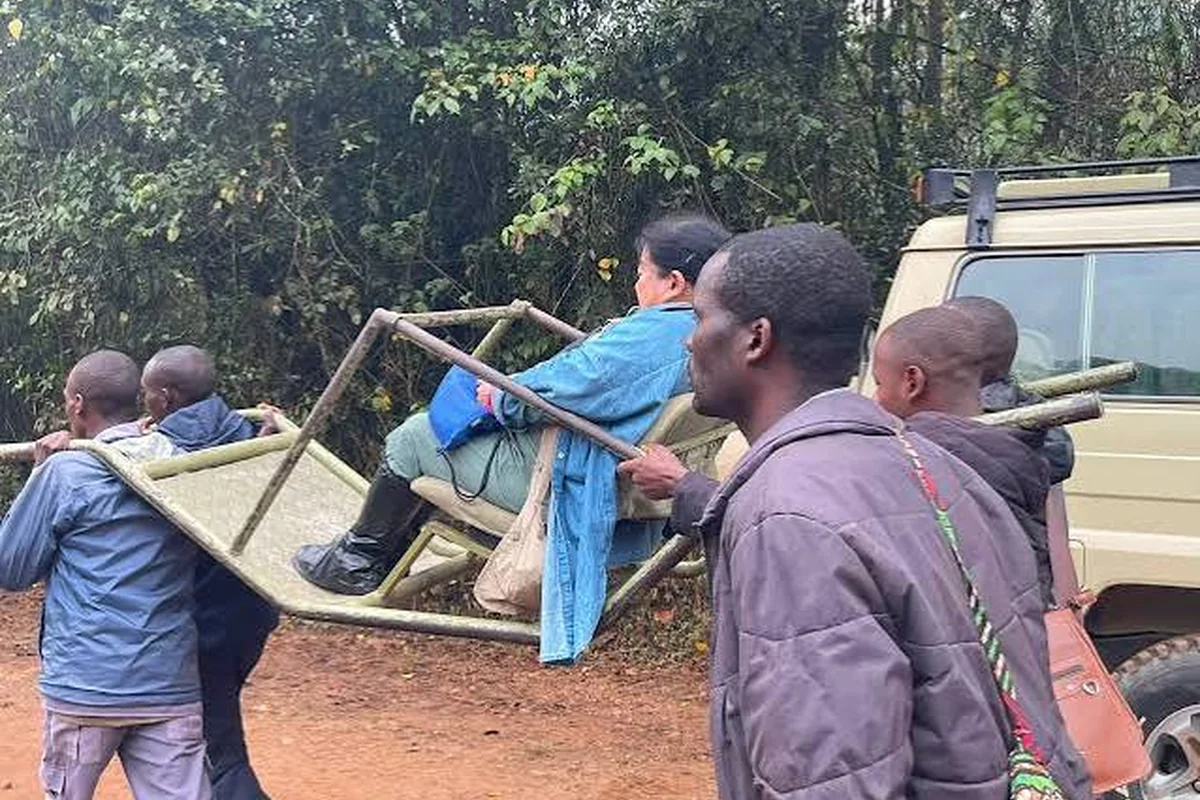
Porters carry a visitor using a sedan chair, demonstrating mobility assistance available for some gorilla trekking experiences.
Can you ask to see infants or a large silverback?
Baby gorillas and dominant silverbacks are among the most compelling subjects for travelers, but their presence in a particular viewing position is never guaranteed. Families differ in composition, and even a group known to have infants may keep them partly hidden. Wildlife viewing depends on natural behavior rather than the visitor’s preferred scene. For those hoping to choose a gorilla family in Rwanda, this distinction is central to realistic planning.
When visitors ask to choose a gorilla family in Rwanda because they want to see infants, it is helpful to separate a general interest from a promise. Rangers may know current family composition, but allocation still depends on operational and conservation considerations. No ethical operator should claim that a particular infant will be visible or that a silverback will pose for photographs.
Guides can enrich the encounter by explaining social behavior: grooming, resting, feeding, play, and the protective role of adults. Some of the most memorable moments are subtle rather than dramatic. Watching a group feed quietly can reveal as much about mountain gorilla life as seeing a juvenile tumble through vegetation. That is why the ability to choose a gorilla family in Rwanda should never be advertised as guaranteed.
Keep expectations realistic and respect the limited viewing period established by the park. Avoid pressuring guides to extend time, change position unsafely, or pursue a moving animal. The privilege of observing gorillas depends on conservation rules that place their welfare above the desire for a particular photograph. Travellers who ask to choose a gorilla family in Rwanda benefit most from clear expectations.
Does the season affect which family you visit?
Rwanda’s mountain climate changes trekking conditions across the year. Drier periods may offer firmer trails on some days, while wet conditions can make roots and slopes slippery. However, rain is possible in any month, and no season makes every gorilla family easy to reach. The animals’ movements remain independent of tourism preferences. For those hoping to choose a gorilla family in Rwanda, this distinction is central to realistic planning.
You cannot reliably choose a gorilla family in Rwanda by booking a particular month. Seasonal changes may influence vegetation and walking comfort, but they do not create a public schedule for named families. Travelers should select dates according to overall travel plans, permit availability, and their tolerance for weather variability rather than unsupported family-location predictions.
Pack waterproof layers, gaiters if useful, sturdy footwear, and a daypack that keeps essential items dry. Forest conditions can change during the trek, and altitude can make mornings cool. Clothing that allows comfortable movement is more valuable than an elaborate outfit selected only for photographs. A porter may also help reduce the physical burden of carrying gear. That is why the ability to choose a gorilla family in Rwanda should never be advertised as guaranteed.
For travelers combining gorillas with Akagera National Park, Nyungwe, or Lake Kivu, consider the entire itinerary rather than optimizing one trekking morning. PrideMark Safaris can advise on route flow and overnight stops, while official park staff remain responsible for daily gorilla allocations and safety instructions. Travellers who ask to choose a gorilla family in Rwanda benefit most from clear expectations.
Should you book one trek or two?
One trek provides an opportunity to observe a habituated mountain gorilla family within the park’s regulated visitor program. Two treks on separate days can offer a second opportunity with different light, weather, and animal behavior. They also increase the overall cost and physical demands, so the right choice depends on your interests and travel budget. For those hoping to choose a gorilla family in Rwanda, this distinction is central to realistic planning.
Booking two treks does not mean you can choose a gorilla family in Rwanda on either day. You may request variety, but a different family cannot be guaranteed. Each trekking day requires its own valid permit under the applicable rules. Visitors should confirm availability and payment terms before committing to nonrefundable accommodation or flights.
Photography enthusiasts and repeat visitors may value a second trek, while first-time travelers on a shorter itinerary may prefer to combine one gorilla experience with other attractions. Neither choice is inherently superior. Consider whether the second permit would provide more personal value than an additional night at Lake Kivu or another Rwanda activity. That is why the ability to choose a gorilla family in Rwanda should never be advertised as guaranteed.
If choosing two treks, leave enough time for rest and avoid assuming both days will be easy. Plan for early starts, variable trekking durations, and weather changes. PrideMark Safaris can propose consecutive mornings or a rest day between them, explaining the accommodation and transport implications of each arrangement. Travellers who ask to choose a gorilla family in Rwanda benefit most from clear expectations.
| Option | Best Suited To | Planning Consideration |
|---|---|---|
| One trek | Shorter itineraries | One authorized viewing opportunity |
| Two treks | Repeat visitors and photographers | Two permits and more time needed |
What does a Rwanda gorilla permit include?
Rwanda’s standard international gorilla trekking permit is commonly published at US$1,500 per person per trek, although eligibility-based rates or promotions may apply under specific conditions. Always verify the current official tariff and conditions before booking. The permit is for a regulated trekking experience, not a private appointment with a particular gorilla family. For those hoping to choose a gorilla family in Rwanda, this distinction is central to realistic planning.
Travelers who want to choose a gorilla family in Rwanda sometimes assume that paying more can secure a specific group. The standard permit system should not be interpreted that way. Costs for accommodation, private transfers, personal equipment, porter services, and other itinerary elements are separate unless explicitly included in a package quotation.
For a simple illustration, one traveler taking two standard-rate treks would budget US$3,000 in permit charges alone. Two travelers taking two treks each would budget US$6,000. These are arithmetic examples, not a quotation or a promise of permit availability. Verify applicable rates for your nationality and residency category. That is why the ability to choose a gorilla family in Rwanda should never be advertised as guaranteed.
Before paying, ask for a written explanation of what the safari price includes. PrideMark Safaris should clearly identify permits, accommodation category, meals, vehicle, guiding, and excluded personal expenses. Transparent pricing makes it easier to compare itineraries without confusing a park permit with the total cost of a Rwanda safari. Travellers who ask to choose a gorilla family in Rwanda benefit most from clear expectations.
| Travelers | Permits for One Trek | Standard Permit-Only Cost |
|---|---|---|
| 1 | 1 | US$1,500 |
| 2 | 2 | US$3,000 |
| 4 | 4 | US$6,000 |
How to prepare a respectful family preference request
A useful request is specific, honest, and flexible. Explain whether you are an experienced hiker, a photographer carrying equipment, or a visitor concerned about steep terrain. Share relevant mobility needs without assuming that a particular named family will automatically be closer. The operator can then ask about the appropriate process for communicating those details. For those hoping to choose a gorilla family in Rwanda, this distinction is central to realistic planning.
If you hope to choose a gorilla family in Rwanda, phrase the request as a preference rather than a condition of purchase. For example, you might say that you would appreciate consideration for a less strenuous route if operationally possible. This is more actionable than asking for the easiest family, since no group has a permanently fixed location.
Send important information before the travel date. That leaves time to ask about porter support, specialized assistance, and any other practical arrangements. On the day, repeat relevant needs to the briefing staff and follow their directions. Avoid exaggerating fitness to secure a desired allocation or minimizing limitations out of embarrassment. That is why the ability to choose a gorilla family in Rwanda should never be advertised as guaranteed.
After allocation, focus on the experience you have been given. Each habituated family offers a chance to learn about gorilla behavior and conservation. A respectful attitude helps guides manage the group and reduces disappointment caused by expectations that no responsible operator can guarantee. Travellers who ask to choose a gorilla family in Rwanda benefit most from clear expectations.
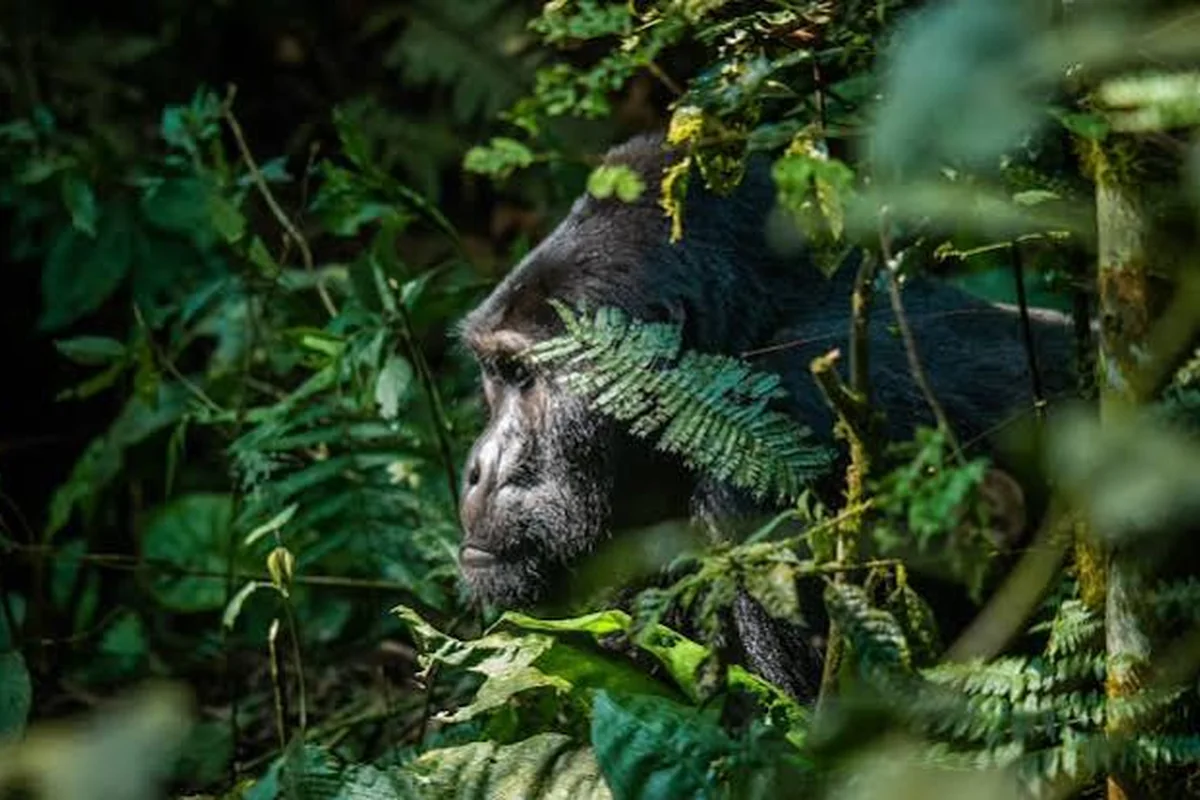
A mountain gorilla partially hidden among lush forest vegetation, illustrating the natural environment encountered during gorilla trekking.
What happens if the gorillas move during your trek?
Trackers work with current information, but gorillas can travel while visitors are approaching. A route that initially appears straightforward may lengthen as the family changes feeding sites. This is one reason guides provide instructions throughout the day and why estimated trekking times should be treated as approximate rather than fixed. For those hoping to choose a gorilla family in Rwanda, this distinction is central to realistic planning.
Even if you could choose a gorilla family in Rwanda at the briefing, that would not guarantee a predictable hike. Mountain terrain and animal movement remain dynamic. The guide may adjust the route or pace according to conditions and safety considerations. Visitors should stay together, avoid independent shortcuts, and report discomfort promptly.
Bring sufficient drinking water and any permitted personal essentials, following the park’s guidance. Choose shoes with grip and use a walking stick when appropriate. A porter can be particularly helpful on muddy inclines or when carrying photographic equipment. Preparation makes unexpected changes less stressful and allows visitors to concentrate on the forest experience. That is why the ability to choose a gorilla family in Rwanda should never be advertised as guaranteed.
If a trek becomes difficult, communicate with your guide rather than pushing beyond your limits in silence. Staff are responsible for managing the group within park procedures, and their instructions take priority over the desire to reach a specific viewpoint. Wildlife encounters should never be pursued at the expense of personal safety. Travellers who ask to choose a gorilla family in Rwanda benefit most from clear expectations.
Responsible viewing rules matter more than family names
Mountain gorillas are vulnerable to disturbance and to infections that can pass from humans. Park rules therefore regulate visitor conduct, group sizes, viewing duration, and proximity. Follow the current briefing instructions precisely, including any requirements related to illness or face coverings. Do not trek while unwell without first seeking official guidance. For those hoping to choose a gorilla family in Rwanda, this distinction is central to realistic planning.
An interest in trying to choose a gorilla family in Rwanda should never lead visitors to pressure staff to bend conservation rules. The gorillas are not performers, and a family’s natural behavior must take priority. Avoid flash photography, loud voices, sudden movements, and attempts to attract attention. Never touch a gorilla, even if one comes close.
Keep food and drinks away during the observation period as instructed. Dispose of nothing in the forest, and follow guidance on where to stand or crouch. The viewing time is limited, so use it to observe rather than repeatedly reviewing camera screens. A calm group can make the encounter more rewarding for everyone. That is why the ability to choose a gorilla family in Rwanda should never be advertised as guaranteed.
Responsible tourism also means choosing operators that describe the experience accurately. PrideMark Safaris should explain permit conditions, physical demands, and allocation uncertainty without suggesting special access that does not exist. Clear expectations help protect the destination’s reputation and the conservation effort on which gorilla tourism depends. Travellers who ask to choose a gorilla family in Rwanda benefit most from clear expectations.
Where to stay for a smoother trekking morning
Musanze and the Kinigi area are common bases for travelers visiting Volcanoes National Park. Staying nearby can reduce morning driving and make it easier to arrive for the briefing on time. Kigali offers a wider urban accommodation choice but usually requires an earlier departure if you travel to the park on trekking morning. For those hoping to choose a gorilla family in Rwanda, this distinction is central to realistic planning.
Your hotel choice does not let you choose a gorilla family in Rwanda. It does, however, influence comfort, sleep, and the ease of preparing for an early start. Travelers with mobility needs may benefit from checking room access, steps, bathroom arrangements, and the distance between rooms and dining facilities before confirming a lodge.
Budget for enough time after trekking as well. The return from the forest can be later than anticipated, so avoid tightly scheduled onward activities or international flights on the same afternoon. A relaxed overnight stay makes room for showers, equipment cleaning, and rest after a demanding day in mountain terrain. That is why the ability to choose a gorilla family in Rwanda should never be advertised as guaranteed.
PrideMark Safaris can tailor accommodation choices to budget and travel style, from practical midrange options to higher-end lodges. The best property is not always the most expensive one; it is the one that supports your itinerary, accessibility needs, and desired pace without adding unnecessary travel stress. Travellers who ask to choose a gorilla family in Rwanda benefit most from clear expectations.
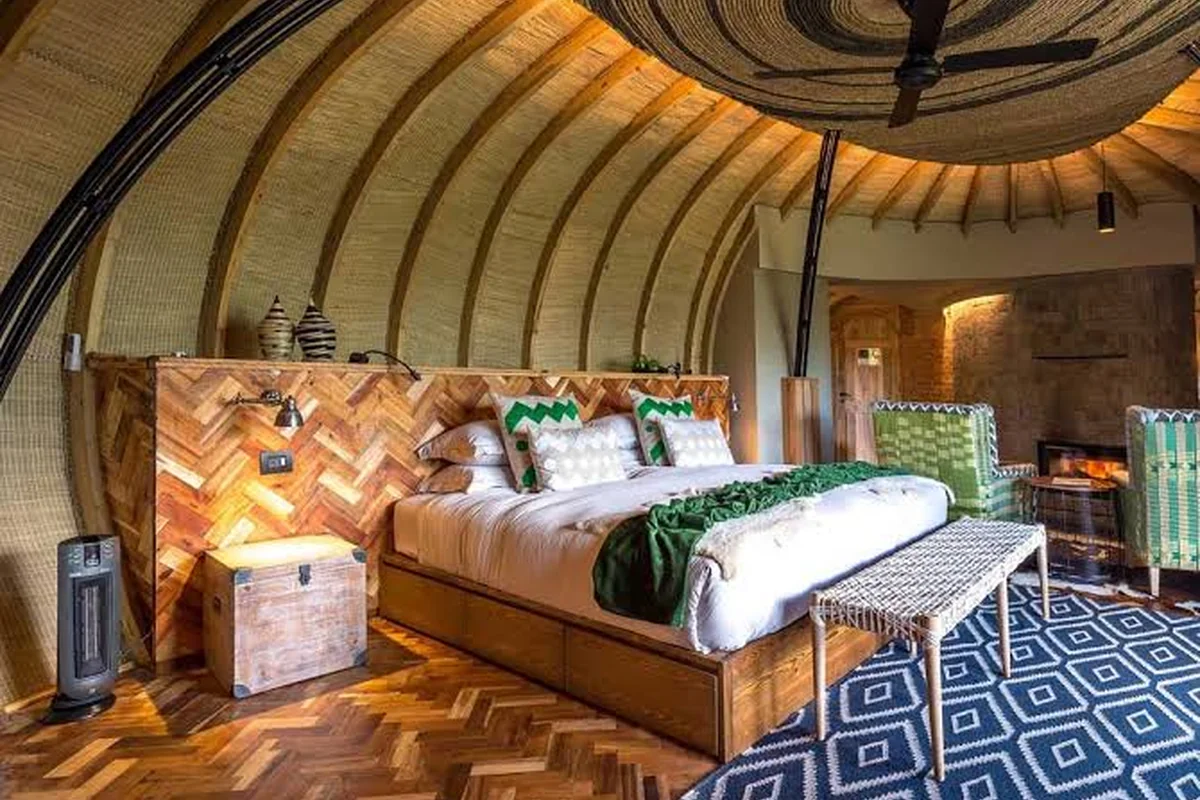
An elegant safari lodge bedroom offering comfortable accommodation for travelers planning a gorilla trekking experience.
Combining gorilla trekking with other Rwanda experiences
Rwanda offers worthwhile activities beyond a single gorilla trek. Travelers may explore Kigali’s cultural and historical attractions, spend time near Lake Kivu, or visit other protected landscapes according to available time and interests. A varied itinerary can be particularly appealing for companions who do not wish to undertake the same physical activities. For those hoping to choose a gorilla family in Rwanda, this distinction is central to realistic planning.
Rather than trying to choose a gorilla family in Rwanda as the sole measure of a successful holiday, consider what else would make the journey meaningful. Golden monkey tracking in Volcanoes National Park offers another primate experience, although it is also a guided walking activity and should not be described as effortless or universally accessible.
Akagera National Park provides a different wildlife setting, with savanna species and game-viewing opportunities subject to conditions. Nyungwe is known for forest biodiversity and primate activities. Each destination has its own entry rules, travel times, and activity requirements, so a realistic itinerary must allow enough time for transfers and rest. That is why the ability to choose a gorilla family in Rwanda should never be advertised as guaranteed.
PrideMark Safaris can combine Rwanda highlights with cross-border Uganda experiences when appropriate, accounting for border requirements and permit logistics. A thoughtfully paced journey often produces better memories than rushing between attractions or placing unrealistic demands on one gorilla trekking morning. Travellers who ask to choose a gorilla family in Rwanda benefit most from clear expectations.
Common booking mistakes to avoid
The first mistake is assuming that a famous family can be guaranteed because its name appears in a brochure. The second is treating a permit confirmation as a promise of an easy hike. The third is booking onward travel too tightly after trekking. The fourth is failing to communicate accessibility needs until the morning briefing. For those hoping to choose a gorilla family in Rwanda, this distinction is central to realistic planning.
Another mistake is searching for ways to choose a gorilla family in Rwanda through unofficial agents offering special allocation privileges. Ask for clear written permit arrangements and avoid claims that contradict the park’s authority over trekking groups. Genuine operators should be comfortable explaining what they can arrange and what they cannot control.
Photographers should avoid assuming that an expensive camera guarantees close-up images. Vegetation, distance rules, and gorilla behavior shape the available frames. Visitors should also avoid underestimating the weather. Waterproof protection and footwear with good traction are more useful than expecting perfect forest conditions on a chosen date. That is why the ability to choose a gorilla family in Rwanda should never be advertised as guaranteed.
Finally, do not overlook the emotional value of the encounter itself. A quiet hour observing gorillas in their habitat can be deeply memorable without meeting every imagined photographic or family-name preference. The most reliable way to improve the experience is careful preparation, honest communication, and respect for conservation rules. Travellers who ask to choose a gorilla family in Rwanda benefit most from clear expectations.
How PrideMark Safaris can help you plan
PrideMark Safaris can help travelers identify suitable dates, discuss the standard permit arrangements, choose accommodation near Volcanoes National Park, and organize private transfers. The company can also explain the differences between one trek and two, as well as the practical implications of combining gorillas with other Rwanda destinations. For those hoping to choose a gorilla family in Rwanda, this distinction is central to realistic planning.
If you want to choose a gorilla family in Rwanda, the company’s role is to help communicate a preference responsibly, not to promise an allocation. Share mobility concerns, photographic interests, and travel constraints before booking. A transparent discussion helps establish whether the proposed itinerary is sensible and what questions need confirmation from park authorities.
A useful quotation should identify the travel dates, number of travelers, accommodation level, meal arrangements, permit assumptions, and relevant inclusions and exclusions. Ask for clarity about changes and cancellation terms before making payment. This is especially important when permits and lodges are being secured for a specific travel period. That is why the ability to choose a gorilla family in Rwanda should never be advertised as guaranteed.
The strongest gorilla safari plan balances ambition with flexibility. Allow sufficient time for travel, choose a realistic pace, and prepare for variable forest conditions. For assistance with a tailored itinerary, contact PrideMark Safaris and explain what matters most to you. A good plan begins with accurate expectations rather than a guarantee no operator can responsibly make. Travellers who ask to choose a gorilla family in Rwanda benefit most from clear expectations.

PrideMark Safaris route map showing the journey from Kigali to Kinigi and Volcanoes National Park, where visitors receive their gorilla trekking group assignments.
Frequently asked questions
Can I choose the exact gorilla family I visit?
You can express a preference, but park authorities decide the final allocation. A gorilla permit does not guarantee access to a named family.
Can I request an easier gorilla trek?
You may communicate mobility and fitness concerns before and during briefing. Staff may consider them, but the difficulty and duration of any route cannot be guaranteed.
Can I request a family with baby gorillas?
You can mention your interest, but family composition and sightings vary. No operator should guarantee that infants will be visible.
Does a more expensive lodge improve family allocation?
No. Accommodation category does not confer authority over park allocation decisions.
Can I trek twice and see two different families?
Two separate permits allow two trekking opportunities on the authorized dates, but different family assignments are not guaranteed.
Are specific gorilla families always in the same place?
No. Mountain gorillas move naturally through their habitat, and tracking plans depend on current field conditions.
Can a photographer book a particular silverback?
A photographer may share an interest, but a particular animal or photograph cannot be reserved.
How far is Volcanoes National Park from Kigali?
The park is generally reached by road via Musanze. Journey times depend on traffic, the starting point, weather, and road conditions.
Should I arrange porter assistance in advance?
Discuss porter or specialized assistance needs with your operator early so availability, suitability, costs, and park procedures can be checked.
Is the Rwanda gorilla permit refundable?
Permit terms can vary. Check the current official booking, amendment, and cancellation conditions before paying.
Official planning resources
For current permit rules and activity guidance, consult Visit Rwanda’s gorilla tracking information. For tailored travel planning, contact PrideMark Safaris. Check all applicable rules before paying for permits.
Plan your Rwanda gorilla safari
Tell PrideMark Safaris your travel dates, group size, accommodation preferences, and any mobility considerations. We can help you plan a responsible itinerary without promising a specific gorilla family.