
PRIDEMARK SAFARIS · EXPLORE • ENCOUNTER • CONSERVE
Uganda Safari Health, Visa and Travel Requirements
A complete beginner-friendly guide to entry documents, vaccinations, insurance, trekking health rules and confident travel planning.
Preparing for your arrival in Uganda starts with understanding passport, visa and health documentation. Explore the Uganda safari travel requirements guide from Pridemark Safaris before your journey.
Uganda safari travel requirements are essential to understand before planning your first wildlife adventure in Uganda. Whether you are visiting Bwindi Impenetrable National Park for gorilla trekking, Kibale National Park for chimpanzee tracking, or Queen Elizabeth National Park for game drives, preparing your travel documents and understanding health precautions will help you travel with confidence.
This comprehensive guide from Pridemark Safaris explains Uganda safari travel requirements for first-time visitors, including passport validity, visa applications, yellow fever vaccination documentation, malaria prevention, travel insurance and essential arrival preparations. You’ll also learn where to check the latest official entry rules before departure.
1. Start Here: Your Uganda Safari Travel Checklist
Planning your first safari is exciting, but travel paperwork deserves attention long before you pack your binoculars. This guide explains the documents, health preparations and arrival arrangements that visitors commonly need when traveling to Uganda. It is designed for first-time guests joining Pridemark Safaris for gorilla trekking, chimpanzee tracking, game drives and other wildlife experiences.
The right preparation depends on your nationality, where you live, the countries you have recently visited, your medical history and the activities in your itinerary. Check the official sources linked below before paying for non-refundable flights or permits. A travel advisor or clinician can help with personal decisions, while immigration officers make final entry decisions at the border.
Use this page as a planning companion, not as a replacement for government immigration instructions or individualized medical advice. Keep digital and printed copies of your essential confirmations, and make sure the names and dates match your passport.
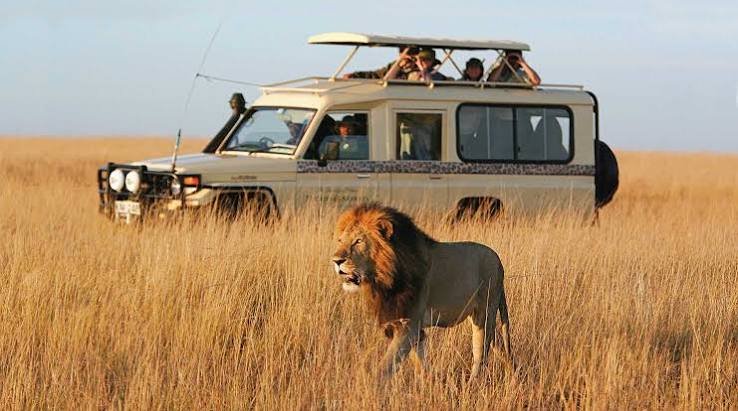
A male lion stands in the golden savannah as travelers enjoy a wildlife game drive—one of the exciting experiences to consider when planning a 7-day Uganda safari itinerary with Pridemark Safaris.
2. Passport Validity and Basic Entry Documents
A valid passport is the starting point for international travel to Uganda. Many travelers are advised to have at least six months of passport validity remaining when they arrive; verify the exact rule for your nationality and route before departure. Ensure your passport has adequate blank space for any entry stamps or other immigration requirements.
Check that your airline reservation, visa application, trekking permit details and travel insurance use the same full name as your passport. Small spelling differences can cause avoidable delays. If you are traveling with children, check any additional consent, birth certificate or custody documentation that may be relevant to your circumstances.
Keep your passport in a secure, accessible place during travel. A scanned copy stored separately is helpful if your original document is lost, but a copy is not a substitute for the passport at immigration. If you have more than one nationality, use the same passport consistently for the visa application and entry unless official instructions say otherwise.
3. Uganda Visa Requirements for First-Time Safari Visitors
Visa eligibility and exemptions vary by nationality. Many international visitors need an approved visa before entering Uganda, while certain passport holders may be exempt. The safest starting point is Uganda’s official immigration website and its current electronic visa application instructions. Avoid unofficial intermediaries that imitate government pages.
Apply with accurate passport information, your intended travel dates and the supporting documents requested for your specific visa category. Requirements may include a passport image, photograph, travel itinerary, accommodation information or proof of vaccination. Do not assume the documents requested from one traveler will be identical for another.
Allow sufficient processing time and avoid making a last-minute application. After approval, save the confirmation where you can access it without mobile data. An application receipt or payment acknowledgment should not be mistaken for a final visa approval. Confirm whether you need to print an approval notice and what you must present at the airport or land border.
Official source: Uganda Directorate of Citizenship and Immigration Control.
4. East Africa Tourist Visa and Multi-Country Safaris
If your journey combines Uganda with Kenya or Rwanda, investigate whether an East Africa Tourist Visa is available and appropriate for your nationality and route. Rules governing eligibility, issuing country, validity and entry sequence can be important. Check current government guidance for every country in the itinerary before applying.
A multi-country safari can involve different vaccination checks, immigration documents and transit conditions. The visa that works for a Uganda-only holiday may not be the best choice for a regional itinerary. Share your full route with Pridemark Safaris so the travel plan can be reviewed for practical border crossings and realistic transfer times.
Never assume that a regional visa automatically covers every East African country or that it permits unlimited travel in all circumstances. Check the latest terms on official immigration portals.

Giraffes and zebras share the open African savannah, showcasing the remarkable wildlife encounters travelers can enjoy on a safari adventure with Pridemark Safaris.
5. Yellow Fever Vaccination and Your Certificate
Yellow fever vaccination documentation is a particularly important part of Uganda travel planning. Uganda has yellow fever entry requirements, and travelers should verify the current certificate rules with the official health and immigration authorities. Requirements can be affected by age, medical exemptions and travel history.
Arrange a travel health appointment well before departure. A qualified clinician can explain whether yellow fever vaccination is suitable for you and what to do if a medical contraindication applies. Carry the official International Certificate of Vaccination or Prophylaxis when required, and confirm the details match your identity.
Do not rely on a photograph of a certificate as your only proof unless the relevant authority explicitly accepts that format. If you have been vaccinated in the past, ask your travel clinic whether your existing documentation is sufficient rather than assuming a new dose is needed.
Health resources: CDC Uganda traveler health and World Health Organization.
6. Other Travel Vaccinations and Medical Preparation
A travel medicine appointment is useful even for travelers who feel completely healthy. Your clinician can review routine immunizations and discuss destination-specific recommendations such as hepatitis A, typhoid or other vaccines where appropriate. Recommendations depend on the length of your visit, planned activities, accommodation and personal risk factors.
Bring a list of medications and allergies, and ask whether any prescription medicines require supporting documentation for international travel. Pack regular medicines in original labeled packaging and keep important doses in your hand luggage. Take enough for your itinerary, allowing for sensible delays where lawful and medically appropriate.
If you have mobility limitations, a chronic condition or concerns about high-effort trekking, tell your safari planner early. Gorilla and chimpanzee tracking can involve uneven, steep or slippery forest paths, and some guests may benefit from alternative activities or additional assistance.
7. Malaria Prevention, Insect Protection and Hygiene
Malaria is a significant travel health consideration in Uganda. Ask a travel health professional about appropriate preventive medication for your circumstances and itinerary. No single medicine is suitable for everyone, and timing before, during and after travel may matter. Follow the prescribed regimen exactly.
Practical bite prevention also helps: use an appropriate insect repellent, wear long sleeves and trousers when useful, and make use of screened rooms or mosquito nets where provided. Be particularly attentive during evenings and overnight stays. Keep your room doors and windows secured according to your lodge’s instructions.
Carry hand sanitizer for travel days and wash your hands before meals. Drink water from reliable treated or sealed sources and follow local advice about food hygiene. Seek prompt medical assessment for fever during or after travel, and tell the clinician about your recent time in Uganda.
8. Travel Insurance, Medical Care and Evacuation Cover
Travel insurance is strongly recommended for an international safari. Read the policy wording rather than relying on a short marketing summary. Confirm coverage for medical treatment, emergency evacuation, trip interruption, missed connections and the specific adventure activities you intend to undertake.
Gorilla trekking, chimpanzee tracking, boat excursions and remote game drives may be treated differently by insurers. Some policies exclude certain activities or impose conditions. If you are bringing expensive camera equipment, check personal-property limits and whether additional cover is worthwhile.
Keep the insurer’s emergency contact number, policy number and claims procedure accessible to you and a trusted travel companion. For travelers with pre-existing medical conditions, disclose them according to policy rules and ask for written confirmation of relevant coverage.
9. Gorilla and Chimpanzee Trekking Health Rules
Great apes are susceptible to several human illnesses. If you are sick before a gorilla or chimpanzee trek, inform your guide or park authorities rather than hiding symptoms. Follow all current Uganda Wildlife Authority instructions, including minimum viewing distances, group conduct, hygiene and any temporary disease-control measures.
Age limits, permitted group sizes, tracking duration and other rules vary by activity and can be revised. Check the official park information when booking, especially if you are traveling with children. Permit availability and any illness-related policies should be confirmed before final payment.
Travelers should be physically prepared for forest walking, but trekking is not a competition. Use sturdy footwear, carry drinking water and ask about porter assistance where available. Do not touch wildlife, feed animals or approach them outside the ranger’s instructions.
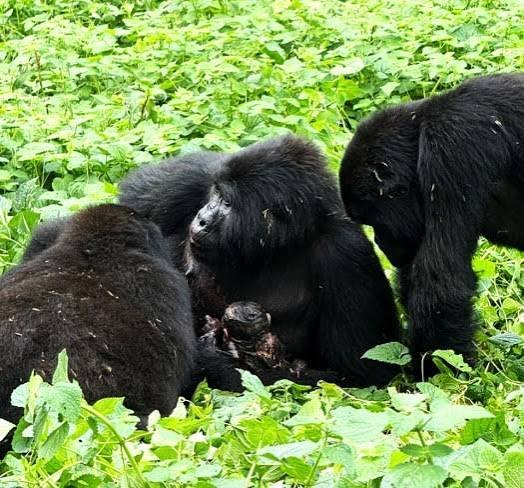
A mountain gorilla family shares a peaceful moment with a young infant in the forest.
Park authority: Uganda Wildlife Authority.
10. Arriving in Uganda: Airport and Border Preparation
Entebbe International Airport is the main international air gateway used by many safari visitors. Depending on your itinerary, you may meet your Pridemark Safaris representative after completing immigration, collecting luggage and passing customs. Confirm the meeting point and contact details before your flight.
Keep your passport, visa approval if applicable, vaccination documents, accommodation details and return or onward travel information together in a secure travel folder. Border officers may request additional information, and requirements can differ for land arrivals. Answer questions accurately and follow official instructions.
Check baggage rules with your airline, including limits for domestic flights or light aircraft if those are part of your itinerary. Valuable cameras, medications, chargers and essential travel documents generally belong in your hand luggage, subject to airline and security restrictions.
11. Practical Safety, Money and Communications
Uganda safari travel often combines cities, rural roads and protected wildlife areas. Follow your guide’s advice, respect park regulations and avoid walking around unfamiliar areas alone at night. Road travel can take longer than expected, so build flexibility into the schedule and avoid unnecessary rushed transfers.
Arrange a sensible combination of payment methods and ask your bank about overseas card use. Keep a small amount of accessible spending money for personal purchases and gratuities where appropriate, without carrying all your cash in one place. Check current exchange and payment arrangements shortly before departure.
Consider an international roaming plan or local SIM/eSIM where compatible with your device. Coverage can be intermittent in remote parks, so save essential addresses and confirmations offline. Share your travel itinerary and emergency contacts with someone at home.
12. When to Start Preparing for Your Uganda Safari
Three to six months before travel is a useful planning window for many visitors, particularly when gorilla permits, popular lodges and school holiday dates are involved. Review passport validity, ask about visa eligibility and schedule a travel health consultation early enough to address vaccination timing.
Four to eight weeks before departure, confirm permit and accommodation arrangements, review your insurance wording and check entry requirements again. This is also a good time to break in hiking boots, organize prescription medication and check the weather patterns expected during your visit.
In the final week, reconfirm flights and airport transfers, save important documents offline, check baggage limits and verify your meeting instructions. Requirements can change with little notice, so perform one last official-source check before leaving home.
Experience Uganda’s breathtaking landscapes, diverse wildlife, and unforgettable safari adventures with Pridemark Safaris.
13. Documents to Keep in Your Travel Folder
Keep your passport and any required visa approval, vaccination documentation, airline confirmations, lodge details, safari booking summary, insurance policy and emergency contacts organized. A printed backup can be helpful if a phone battery dies or mobile coverage is unavailable.
If your itinerary includes gorilla or chimpanzee permits, make sure you know who is holding the booking confirmation and what identification is needed at check-in. Your safari operator may coordinate permits, but travelers should still understand the activity dates and relevant requirements.
Use secure storage for digital copies and avoid sharing sensitive passport or payment information through unverified messages. If you need to send documents to a legitimate travel provider, confirm the destination and use an appropriate secure method.
14. Common First-Time Uganda Travel Mistakes to Avoid
One frequent mistake is assuming that a visa requirement found on an old blog post is still valid. Another is booking flights before checking passport validity or the timing of required vaccinations. The solution is simple: use current government sources and build time for corrections.
Do not assume every travel insurance policy covers gorilla trekking or remote medical evacuation. Avoid leaving medical questions until the airport, and never conceal symptoms that could put wildlife or fellow travelers at risk.
Finally, resist overpacking. A well-organized carry-on with your essentials, comfortable trekking clothing and a reliable daypack is more useful than several heavy bags. Our Uganda safari packing list provides a detailed checklist for different activities.
15. Plan a Smooth First Safari With Pridemark Safaris
Pridemark Safaris can help you structure an itinerary around your interests, preferred accommodation style and travel dates. From gorilla trekking in Bwindi or Mgahinga to chimpanzee tracking in Kibale and wildlife viewing in Queen Elizabeth or Murchison Falls, the goal is a journey that feels well paced and thoughtfully organized.
We can discuss travel logistics, park activity timing, road transfers and practical packing needs. Government authorities remain responsible for visa and border decisions, while qualified health professionals should advise on vaccinations, medications and individual medical risks.
When you contact us, share your travel month, number of guests, desired experiences and any mobility or scheduling needs you are comfortable discussing. We can then help shape a suitable safari plan and explain which reservations need to be secured first.
Uganda Safari Travel Requirements Checklist
Use this practical checklist during the final stages of your trip preparation.
| Item | What to confirm |
|---|---|
| Passport | Validity, blank pages and matching travel names |
| Visa or exemption | Correct status for your nationality and itinerary |
| Yellow fever documentation | Current official rules and personal medical advice |
| Travel clinic | Vaccinations, malaria prevention and prescriptions |
| Insurance | Medical care, evacuation and safari activity coverage |
| Flights and transfers | Arrival time, meeting point and baggage allowance |
| Trekking permits | Dates, identification and park rules |
| Emergency information | Insurance hotline, local contact and offline copies |
Related First-Time Uganda Safari Guides
Continue planning with these Pridemark Safaris resources:
Frequently Asked Questions About Uganda Safari Travel Requirements
Do I need a visa to visit Uganda for a safari?
It depends on your nationality and current immigration rules. Check Uganda’s official immigration portal for visa eligibility, exemptions and the correct application process.
How long should my passport be valid?
Many visitors plan for at least six months of validity remaining, but you should confirm the current official requirement for your passport and travel route.
Is a yellow fever certificate required for Uganda?
Yellow fever documentation is an important Uganda entry consideration. Check current official entry rules and consult a travel health professional about vaccination or exemptions.
Do I need malaria medication for Uganda?
Discuss malaria prevention with a travel health professional. Medication choice and suitability depend on your medical history and itinerary.
Can I go gorilla trekking if I have a cold?
Do not hide symptoms. Contact your operator and follow ranger and park authority instructions because great apes are vulnerable to human infections.
Should safari insurance include evacuation?
Emergency medical evacuation cover is worth checking, particularly for itineraries involving remote national parks. Read the exact policy exclusions.
Can I combine Uganda with Rwanda or Kenya?
Yes, multi-country itineraries are possible, but verify each country’s entry rules and any regional visa eligibility before booking.
When should I start preparing travel documents?
Begin several months before departure when possible, especially if you need vaccinations, visas, gorilla permits or popular-season accommodation.
What documents should I carry on arrival?
Bring your passport and any applicable visa, health documentation, travel confirmations and information requested by immigration authorities.
Can Pridemark Safaris guarantee visa approval?
No. Immigration authorities decide visa applications and admission. A safari operator can assist with itinerary information and logistics, not guarantee government decisions.