
Gorilla Trekking in Rwanda for Beginners
Understanding your first gorilla trek
For many visitors, the first surprise is that a gorilla trek is not a conventional wildlife drive. You leave the vehicle behind, meet park staff at the morning briefing, and enter mountain habitat on foot with professional trackers and guides. The destination is a habituated gorilla family living freely in the forest, not a fixed viewing platform or enclosure. That difference makes preparation more important than choosing the most expensive safari vehicle.
Volcanoes National Park protects high-altitude landscapes in northwestern Rwanda, with bamboo, dense vegetation, muddy trails and steep slopes. The precise conditions change with the weather and the gorillas’ movements. Some groups may be found after a relatively short walk, while others require a demanding hike. A beginner should prepare for uncertainty rather than expect a fixed distance, a predictable route or a guaranteed easy assignment.
Before paying a deposit, request a written breakdown of services and identify which payments are refundable, transferable or nonrefundable. This is especially important when several suppliers are involved, such as a park authority, lodge and transport company. The quotation should state whether the vehicle remains private throughout the trip and whether meals, entrance fees and optional activities are included.
Your experience begins well before the park gate. A well-paced itinerary allows time to reach the Musanze area, sleep properly, organize boots and rain protection, and discuss any mobility concerns with your operator. At PrideMark Safaris, we encourage first-time visitors to treat the night before trekking as part of the activity itself. Rushing from a late arrival into an early start can make an already exciting day unnecessarily tiring.
The most useful conversations with your safari planner are specific. Instead of asking whether the walk is easy, describe how long you comfortably walk, whether stairs are difficult, and what support you may need. That information helps the team communicate with the appropriate park personnel, while recognizing that the final route and assignments are controlled locally.
Gorilla trekking in Rwanda for beginners is most rewarding when expectations are realistic. The central experience is an intimate, carefully managed encounter with wild mountain gorillas, generally limited to one hour once the group is reached. The journey to that encounter can be physically demanding, and the gorillas may spend time feeding, resting or moving. Their natural behavior, rather than a staged performance, is what makes the visit remarkable.
A useful way to judge readiness is to separate what you can control from what you cannot. You can choose suitable clothing, practice walking, sleep near the park and ask clear questions. You cannot determine where gorillas will travel, how muddy a particular path will become or which family the authorities will assign. Good planning prepares you for that uncertainty without removing the sense of discovery.

A close encounter with a mountain gorilla illustrates the unforgettable experience of gorilla trekking for first-time visitors.
Tip 1: Reserve permits before building the rest of your trip
A Rwanda gorilla trekking permit is the foundation of the itinerary. For a standard international visitor, the published headline permit price is US$1,500 per person for one trek, although eligible visitor categories and promotions may have different terms. Permits are date-specific and availability is limited. Confirm the applicable rate and conditions with the relevant official booking channel before making nonrefundable travel arrangements.
First-time travelers sometimes book flights and accommodation before checking permits. That reverses the safest order of planning, especially during popular travel periods. Start with preferred trekking dates, check permit availability, and only then finalize hotels and transfers. If your schedule has little flexibility, consider more than one possible trekking day while researching availability. A permit inquiry is not the same as a confirmed reservation.
Weather planning should focus on practical preparation rather than searching for a completely rain-free date. Rwanda’s mountain environment can be wet in different seasons, and trails remain natural rather than paved. Pack for changing conditions, leave room for delays and avoid promising yourself a perfect photograph. A flexible attitude helps preserve the pleasure of the encounter.
Each person who intends to trek needs an appropriate permit and must meet the park’s eligibility rules, including the minimum age requirement. A permit does not normally include your international flights, accommodation, private road transfers, porter charges or personal travel insurance. Ask for an itemized quotation so the permit cost is not confused with the total safari price. Transparent inclusions help avoid last-minute surprises.
Environmental responsibility extends beyond the hour spent near gorillas. Carry reusable water containers where practical, avoid litter, respect local communities and follow instructions about staying on designated paths. Purchasing services from trained local guides and porters can also support livelihoods connected to conservation. Ask how each optional activity is organized before adding it to your schedule.
PrideMark Safaris can help travelers coordinate the permit request with the wider itinerary, but official park rules and permit conditions take precedence. Keep a copy of your booking confirmation and identification details accessible while traveling. If a flight delay or illness threatens your trekking date, contact your operator immediately rather than assuming a permit can be moved freely. Any change depends on current official policies and availability.
Standard permit-only cost examples
| Travelers | Permits for one trek | Standard permit-only cost |
|---|---|---|
| 1 | 1 | US$1,500 |
| 2 | 2 | US$3,000 |
| 4 | 4 | US$6,000 |
Illustrative standard international visitor permit costs only; confirm current rates and eligibility before booking.
Tip 2: Prepare your fitness for uneven mountain terrain
You do not need to be an elite athlete to enjoy a first gorilla trek, but basic walking fitness matters. Expect stretches of uneven ground, roots, vegetation, wet soil and possible climbs at altitude. Walking regularly before travel, including on hills where available, is more useful than relying only on gym equipment. Start comfortably and build duration gradually rather than attempting a strenuous training session immediately before departure.
Try several walks in the footwear you intend to bring. This reveals pressure points, helps you choose suitable socks and gives you a realistic sense of how long you can remain comfortable. A modest daypack adds another useful rehearsal. For travelers with knee, balance, breathing or cardiovascular concerns, medical advice before booking is sensible because the activity takes place away from immediate urban facilities.
For visitors arriving from long-haul flights, a sensible first evening is often more valuable than squeezing in another attraction. Eat, hydrate, organize your gear and sleep. Ask the driver to explain the following morning’s departure arrangements and confirm the meeting point. Having these details settled reduces stress and allows you to concentrate on the trek.
Altitude can affect how hard a familiar effort feels, particularly if you arrive directly from a lower-elevation destination. Give yourself time to rest, drink water regularly and avoid unnecessary exertion on the preceding evening. During the hike, tell your guide promptly if you are struggling. It is better to communicate early than to continue silently until fatigue becomes difficult to manage.
When comparing safari offers, distinguish a lower headline price from a genuinely complete itinerary. A quote that omits transfers, meals or essential permits may cost more after extras are added. Likewise, an expensive lodge does not change park rules or guarantee a closer gorilla family. Value comes from reliable coordination, appropriate comfort and clear communication.
Gorilla trekking in Rwanda for beginners should never be sold as universally easy. Park staff may consider visitors’ fitness when organizing groups, but no operator can promise a particular gorilla family, walking distance or terrain. Hiring a porter can reduce the burden of carrying personal items and provide practical support on difficult sections. Ask in advance about local arrangements, fees and availability.

A trekking guide helps a visitor climb an uphill trail, illustrating the support available during guided gorilla trekking adventures.
Tip 3: Pack for rain, mud and changing temperatures
The most useful packing choice is a pair of comfortable, broken-in walking boots with dependable grip. Trails can be slippery even when the morning starts dry. Long trousers and a long-sleeved top protect against vegetation, while lightweight layers help you adjust to cool mornings and warmer walking conditions. Avoid clothing that restricts movement or becomes extremely heavy when damp.
A waterproof jacket belongs in your daypack regardless of the forecast. Mountain weather can shift quickly, and rain may arrive during the walk rather than before departure. A small pack cover or waterproof liner protects spare clothing and camera equipment. Gloves can be useful when moving through vegetation, but they should allow a secure grip and should not replace care on steep sections.
The most useful conversations with your safari planner are specific. Instead of asking whether the walk is easy, describe how long you comfortably walk, whether stairs are difficult, and what support you may need. That information helps the team communicate with the appropriate park personnel, while recognizing that the final route and assignments are controlled locally.
Carry drinking water, any permitted snacks, necessary personal medication and a compact first-aid kit appropriate to your needs. A walking stick may help with balance; ask about locally available sticks during the briefing. Keep your load light because you may be walking for several hours. A porter can carry a bag, leaving you freer to concentrate on footing and instructions from the guide.
Before paying a deposit, request a written breakdown of services and identify which payments are refundable, transferable or nonrefundable. This is especially important when several suppliers are involved, such as a park authority, lodge and transport company. The quotation should state whether the vehicle remains private throughout the trip and whether meals, entrance fees and optional activities are included.
For photography, a camera with a practical zoom and spare battery is often more helpful than a large collection of lenses. Dense forest produces uneven light, and the gorillas may be partly obscured by leaves. Flash photography is not permitted. Practice changing settings before travel so you do not spend the precious viewing hour navigating menus instead of watching the animals.
Keep essential items easy to reach rather than burying them under spare clothes. A light waterproof pouch for your passport copy, phone and medicine can be useful if rain begins suddenly. Bring a dry shirt for the return vehicle, and avoid carrying unnecessary valuables into the forest. The aim is a compact, practical kit that supports safe walking and comfortable observation.
Tip 4: Understand the morning briefing and guide instructions
Trekking mornings begin early, usually with a transfer from your lodge to the designated park assembly and briefing area. Exact meeting arrangements should be confirmed shortly before travel. Bring the identification and permit documentation requested by your operator. Park staff explain the rules, organize visitors and assign trekking groups. Listen closely because instructions may respond to current gorilla locations and conditions.
You will normally travel with experienced park guides and trackers who communicate about the gorilla families’ movements. Their role is both practical and protective: they help visitors navigate forest conditions while reducing disturbance to wildlife. Stay with the group and do not attempt to take shortcuts or approach animals independently. If you need a pause, ask rather than leaving the trail without telling anyone.
Environmental responsibility extends beyond the hour spent near gorillas. Carry reusable water containers where practical, avoid litter, respect local communities and follow instructions about staying on designated paths. Purchasing services from trained local guides and porters can also support livelihoods connected to conservation. Ask how each optional activity is organized before adding it to your schedule.
Before reaching the gorillas, the guide may ask you to leave bags or walking sticks at a suitable point and approach quietly. Follow instructions about spacing, voice level and movement. The commonly stated minimum viewing distance is seven metres, although gorillas may move closer of their own accord. Never deliberately close the gap, touch an animal or block its path.
Weather planning should focus on practical preparation rather than searching for a completely rain-free date. Rwanda’s mountain environment can be wet in different seasons, and trails remain natural rather than paved. Pack for changing conditions, leave room for delays and avoid promising yourself a perfect photograph. A flexible attitude helps preserve the pleasure of the encounter.
If a gorilla moves unexpectedly, remain calm and follow the guide rather than trying to run or photograph from a better angle. Keep your voice low and avoid direct, prolonged staring when instructed. These rules protect visitors and gorillas alike. The encounter is not an opportunity to test how close you can get; respecting boundaries is central to responsible tourism.
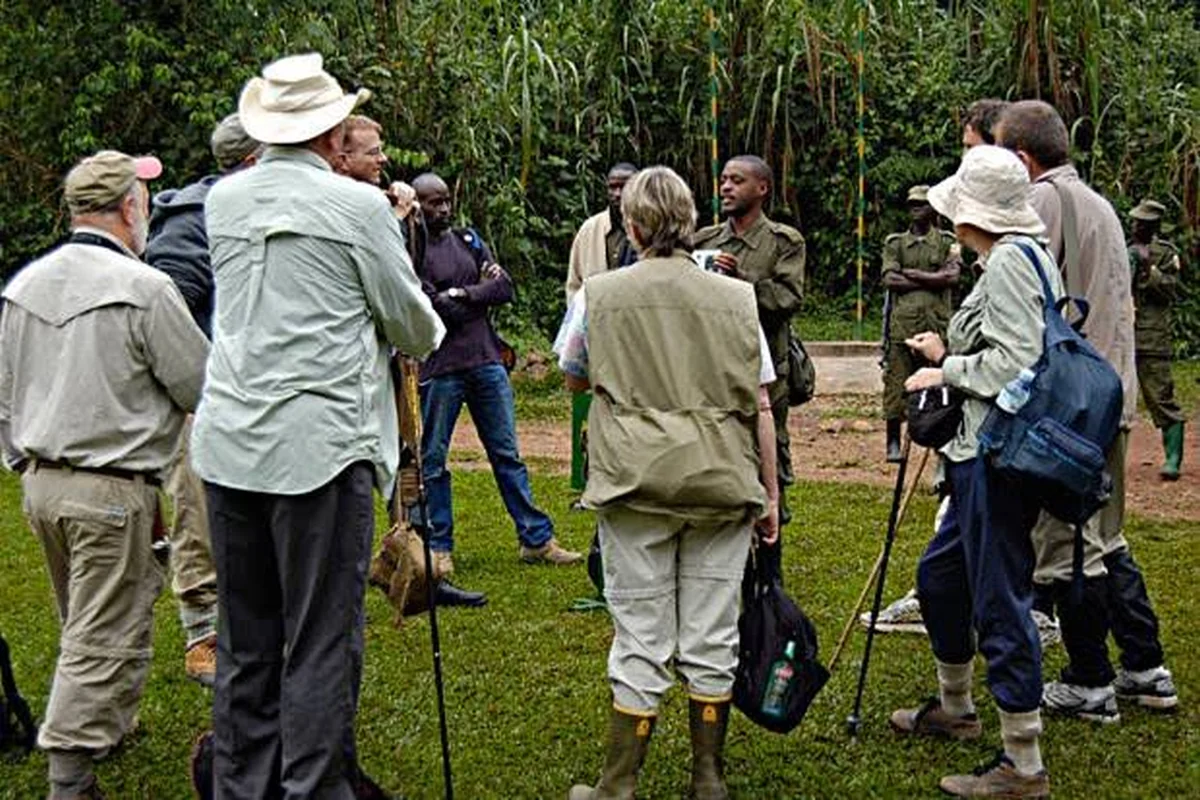
Visitors gather with trekking guides for instructions and preparations before beginning their gorilla trekking adventure.
Tip 5: Make the one-hour encounter count
The viewing period is generally limited to one hour once the gorilla family is found. It may sound brief on paper, yet it can feel remarkably rich when you pay attention to the small details: a youngster playing, an adult feeding, or a silverback resting while the group moves nearby. Leave space for observation rather than trying to capture every second through a screen.
Photograph patiently and accept that foliage, mist and low light are part of a natural forest setting. Turn off flash before approaching the gorillas and keep electronic sounds quiet. Your guide may suggest where to stand safely, but the animals determine their own movements. A photograph is never worth stepping outside the permitted area or interrupting the group.
When comparing safari offers, distinguish a lower headline price from a genuinely complete itinerary. A quote that omits transfers, meals or essential permits may cost more after extras are added. Likewise, an expensive lodge does not change park rules or guarantee a closer gorilla family. Value comes from reliable coordination, appropriate comfort and clear communication.
Health precautions are especially important because mountain gorillas are vulnerable to human infections. Visitors who are ill should disclose symptoms and follow park guidance; do not conceal a cough or fever to protect a booking. Maintain hygiene, observe the rules about eating and drinking near gorillas, and avoid leaving any waste behind. Responsible behavior helps protect the population that makes trekking possible.
For visitors arriving from long-haul flights, a sensible first evening is often more valuable than squeezing in another attraction. Eat, hydrate, organize your gear and sleep. Ask the driver to explain the following morning’s departure arrangements and confirm the meeting point. Having these details settled reduces stress and allows you to concentrate on the trek.
Gorilla trekking in Rwanda for beginners is also an exercise in patience. The animals may be resting rather than performing dramatic displays, and the guide may need to adjust your position to maintain a safe distance. When the hour ends, depart promptly and quietly. The quality of the experience comes from witnessing natural life with minimal interference, not from maximizing proximity.
Tip 6: Choose accommodation and transfers strategically
Many visitors stay in or around Musanze and Kinigi, the main gateway area for Volcanoes National Park. Lodges range from relatively simple guesthouses to high-end properties with extensive services. For a first trek, location, reliable early breakfast, transport arrangements and a comfortable night’s sleep often matter more than decorative extras. Ask whether the quoted rate includes meals and relevant taxes.
The drive from Kigali to the Volcanoes National Park area commonly takes roughly two and a half to three hours, depending on your starting point, road conditions and stops. That makes an overnight stay near the park attractive before an early briefing. A same-day journey may be possible in some circumstances, but it can produce an extremely early departure and little margin for delays.
Before paying a deposit, request a written breakdown of services and identify which payments are refundable, transferable or nonrefundable. This is especially important when several suppliers are involved, such as a park authority, lodge and transport company. The quotation should state whether the vehicle remains private throughout the trip and whether meals, entrance fees and optional activities are included.
When comparing lodges, ask practical questions: Can the property provide an early breakfast or packed meal? Is there secure storage for extra luggage? Can muddy boots be cleaned or dried? Is there a comfortable place to rest after trekking? These small details become significant when you return tired and damp from the forest.
The most useful conversations with your safari planner are specific. Instead of asking whether the walk is easy, describe how long you comfortably walk, whether stairs are difficult, and what support you may need. That information helps the team communicate with the appropriate park personnel, while recognizing that the final route and assignments are controlled locally.
For travelers combining Rwanda with Uganda, road border arrangements, entry requirements and permit dates need separate attention. A cross-border safari is not simply an extension of the same permit. PrideMark Safaris can structure the transfers around the booked trekking date, allowing time for sightseeing or rest without turning the schedule into a sequence of rushed departures.
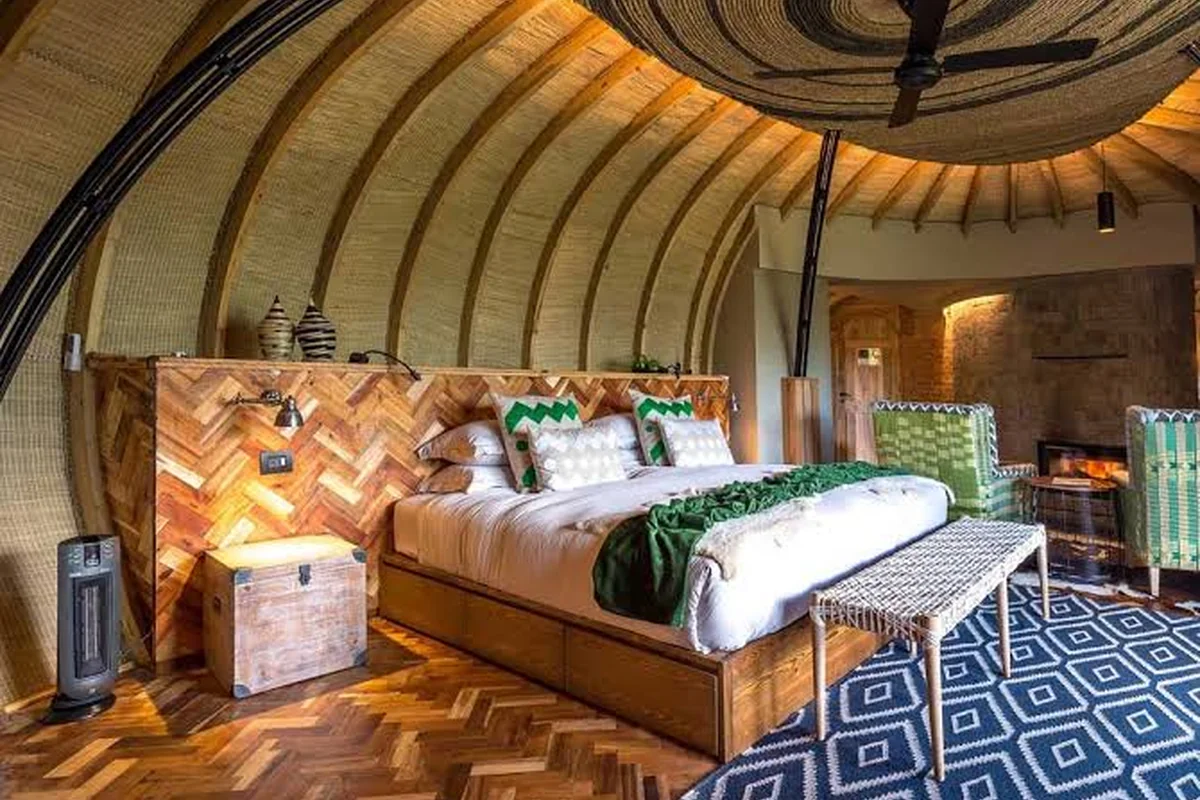
An elegant safari lodge bedroom offering comfortable accommodation for travelers planning a gorilla trekking experience.
Tip 7: Allow enough time and budget beyond the permit
A three-day itinerary can work well for visitors with limited time: arrive and transfer toward Musanze, trek on the second day, and return to Kigali on the third. However, it leaves relatively little room for flight disruption or additional recovery. Travelers who prefer a gentler pace may find four days more comfortable, particularly if they want a relaxed afternoon before the trek.
Five days allows space for Kigali sightseeing, cultural visits, nature experiences or a second activity where available. More days do not make the trek itself easier, but they can make the overall holiday less hurried. When planning a first gorilla safari, compare the rhythm of each itinerary rather than assuming the shortest option provides the best value.
Weather planning should focus on practical preparation rather than searching for a completely rain-free date. Rwanda’s mountain environment can be wet in different seasons, and trails remain natural rather than paved. Pack for changing conditions, leave room for delays and avoid promising yourself a perfect photograph. A flexible attitude helps preserve the pleasure of the encounter.
Budget beyond the permit for accommodation, private transport, guide services, meals not included in the lodge rate, porter assistance, tips where appropriate and insurance. Optional sightseeing and personal purchases also add up. A clear quotation should distinguish mandatory items from optional upgrades and state what happens if a scheduled activity cannot proceed.
Environmental responsibility extends beyond the hour spent near gorillas. Carry reusable water containers where practical, avoid litter, respect local communities and follow instructions about staying on designated paths. Purchasing services from trained local guides and porters can also support livelihoods connected to conservation. Ask how each optional activity is organized before adding it to your schedule.
Gorilla trekking in Rwanda for beginners becomes easier to plan when the itinerary has a sensible financial buffer. Choose a lodge category that matches your comfort expectations without sacrificing reliable transfers or proper preparation. Travelers seeking luxury should ask what extra services are actually included, while budget-conscious visitors should compare total trip costs rather than room prices alone.
What a first trekking day usually looks like
The evening before trekking, lay out your clothes, charge devices and confirm the departure time with your driver. Put documents, water and rain protection in the same small bag. A calm preparation routine is useful because the morning often begins before normal hotel breakfast hours. Request a packed meal if the lodge and itinerary call for one.
After arriving at the designated briefing point, you will receive instructions and join your assigned group. Some itineraries include a short vehicle transfer toward the trailhead before walking begins. Trackers may already be in the forest locating the family. Their information helps guides choose an approach, but it cannot eliminate changes in direction or walking time.
For visitors arriving from long-haul flights, a sensible first evening is often more valuable than squeezing in another attraction. Eat, hydrate, organize your gear and sleep. Ask the driver to explain the following morning’s departure arrangements and confirm the meeting point. Having these details settled reduces stress and allows you to concentrate on the trek.
The walk may pass cultivated edges, bamboo zones or thicker forest, depending on the family and starting point. Expect stops for rest, water and guidance. Once the group nears the gorillas, follow the instructions about bags and equipment. The atmosphere often becomes quieter as visitors focus on the animals and guides manage safe positioning.
When comparing safari offers, distinguish a lower headline price from a genuinely complete itinerary. A quote that omits transfers, meals or essential permits may cost more after extras are added. Likewise, an expensive lodge does not change park rules or guarantee a closer gorilla family. Value comes from reliable coordination, appropriate comfort and clear communication.
After the viewing period, you walk back to the trailhead and reunite with your vehicle. Some visitors return early; others spend much of the day outdoors. Avoid scheduling a tight onward flight or a nonrefundable activity immediately after trekking. A flexible afternoon allows you to rest, clean up and reflect on the encounter without watching the clock.

Tourists observe and photograph a mountain gorilla in its natural forest habitat during a guided wildlife encounter.
Common beginner mistakes and how to avoid them
One frequent mistake is assuming the permit guarantees a short, easy hike. The permit grants participation subject to park rules, not a chosen gorilla family or a specified walking distance. Train for variable conditions and tell the operator about genuine mobility needs in advance. Avoid anyone who promises a particular easy route without official confirmation.
Another mistake is packing for the temperature in Kigali rather than for the mountains. Cool mornings, rain and muddy ground can make unsuitable shoes and thin clothing uncomfortable. Pack layers, waterproof protection and a dry change of clothes for afterward. Test your footwear before travel rather than discovering a blister problem at the park.
The most useful conversations with your safari planner are specific. Instead of asking whether the walk is easy, describe how long you comfortably walk, whether stairs are difficult, and what support you may need. That information helps the team communicate with the appropriate park personnel, while recognizing that the final route and assignments are controlled locally.
Visitors also underestimate how much a rushed schedule affects the experience. Late arrivals, insufficient sleep and long road transfers can make the trekking day harder than necessary. Where budget and leave allow, spend the preceding night near the park. A relaxed schedule is especially valuable for families, first-time hikers and travelers crossing several time zones.
Before paying a deposit, request a written breakdown of services and identify which payments are refundable, transferable or nonrefundable. This is especially important when several suppliers are involved, such as a park authority, lodge and transport company. The quotation should state whether the vehicle remains private throughout the trip and whether meals, entrance fees and optional activities are included.
Finally, some guests focus so intensely on photographs that they miss the wildlife encounter. Decide in advance to take a few deliberate images and then watch with your own eyes. Observe the guide’s instructions, keep flash off and never move closer for a better shot. Respect for the gorillas should shape every decision in the forest.
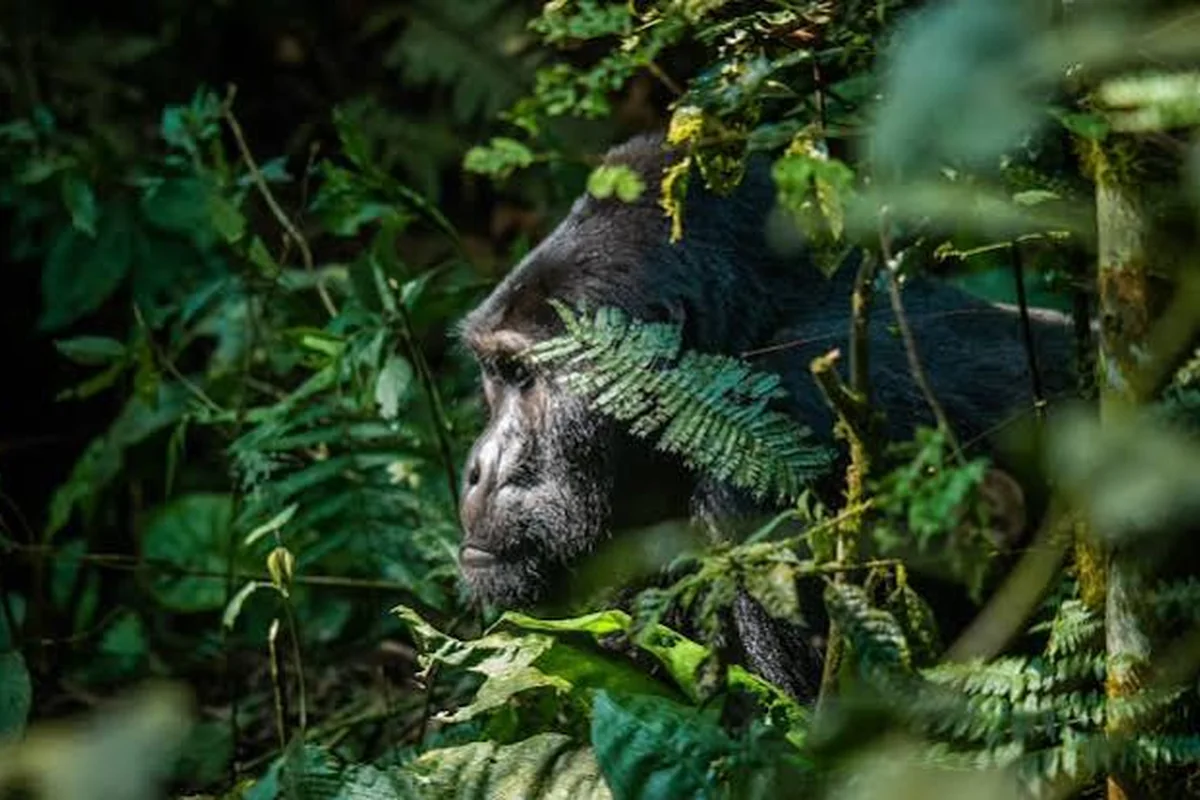
A mountain gorilla partially hidden among lush forest vegetation, illustrating the natural environment encountered during gorilla trekking.
Choosing between a three-, four- and five-day itinerary
Three days is a practical starting point for travelers who already know their arrival and departure times. It generally combines a Kigali arrival or transfer, one trekking day and a return journey. This structure keeps accommodation nights down but offers little flexibility if transport is disrupted. It is best considered by visitors comfortable with a compact schedule.
Four days can create a more balanced first-time safari. An additional night may be used for recovery, a leisurely arrival or a visit in the Musanze area. The extra accommodation cost is worth comparing against the comfort of not rushing. For travelers concerned about fatigue, this is often the first itinerary length to examine.
Environmental responsibility extends beyond the hour spent near gorillas. Carry reusable water containers where practical, avoid litter, respect local communities and follow instructions about staying on designated paths. Purchasing services from trained local guides and porters can also support livelihoods connected to conservation. Ask how each optional activity is organized before adding it to your schedule.
Five days opens the door to more varied experiences, such as Kigali cultural sites or other activities in northern Rwanda where suitable and available. It also permits more generous driving and rest periods. The trade-off is a higher total budget for lodging, transport and meals. Match the itinerary to your interests rather than adding activities simply to fill time.
Weather planning should focus on practical preparation rather than searching for a completely rain-free date. Rwanda’s mountain environment can be wet in different seasons, and trails remain natural rather than paved. Pack for changing conditions, leave room for delays and avoid promising yourself a perfect photograph. A flexible attitude helps preserve the pleasure of the encounter.
PrideMark Safaris can tailor each option around permit availability and individual travel requirements. No itinerary should promise that the gorilla family will be nearby or that a trekking day will end by a precise hour. The best schedule is the one that protects the essential experience while leaving reasonable flexibility around it.
| Itinerary | Best suited to | Planning consideration |
|---|---|---|
| Three days | Visitors with limited time | Less flexibility for recovery |
| Four days | Travelers seeking a gentler pace | Additional lodge night |
| Five days | Guests combining trekking with sightseeing | Higher overall trip cost |
Frequently asked questions
Is gorilla trekking suitable for someone who has never hiked? Many first-time hikers participate, but conditions can be steep, wet and physically demanding. Build walking stamina beforehand, choose suitable footwear and disclose mobility limitations when planning. The park decides assignments and the actual route depends on the gorillas’ location, so a short or gentle hike cannot be guaranteed.
How long will I walk before seeing gorillas? There is no universal walking time. Trackers locate the families, and guides respond to terrain, weather and movement on the day. Some walks are shorter while others take several hours. Keep the trekking day free of tight commitments and prepare for a range of possible conditions.
Can I choose which gorilla family to visit? Visitors may communicate relevant fitness considerations, but family allocation is managed by park authorities. Operators cannot guarantee a particular group or distance. If you have a medical or mobility concern, explain it before the trek and follow the advice of qualified professionals and park staff.
What is the minimum age for trekking? Rwanda’s gorilla trekking minimum age is generally 15 years. Confirm current eligibility and documentation requirements when booking, particularly for families traveling with teenagers. Do not purchase a permit on the assumption that an exception will be available at the gate.
Can I trek when it rains? Treks commonly operate in changing mountain weather, including rain, subject to park safety decisions. Waterproof clothing and boots with traction are important. Rain may make trails muddier and photography more difficult, so protect your equipment and allow the guides to set a safe pace.
Is one hour with gorillas enough? The permitted viewing time is generally one hour, which helps limit disturbance. Many travelers find the encounter deeply memorable, even when the animals are quiet or partly hidden. Focus on observing behavior and listening to your guide rather than trying to capture every moment on camera.
Do I need a porter? A porter is optional for many visitors but can be valuable for carrying a daypack and offering assistance on difficult ground. Ask about arrangements and costs at the park. Porter support does not remove all physical demands, and visitors should still assess their fitness realistically.
Can I use a drone or flash? Flash photography is prohibited around gorillas, and drone use is subject to strict park and aviation rules rather than ordinary tourist discretion. Do not bring or operate a drone without explicit authorization from the relevant authorities. A camera that performs reasonably in low light is a better practical choice.
What happens if I am sick on trekking day? Because gorillas can catch human infections, disclose symptoms and follow official health rules. Do not assume you can participate while visibly unwell. Ask your operator about the current policies for illness-related changes or refunds, and obtain medical advice where appropriate.
When should I book? Book as early as practical once your travel dates are firm, particularly for popular periods. Permit availability is limited and can change. Confirm the permit first, then finalize accommodation and flights in a coordinated way. Keep written confirmation of the booked date and applicable terms.

PrideMark Safaris’ beginner-friendly Rwanda gorilla trekking route, showing the journey from Kigali to Volcanoes National Park and back.
Plan your first Rwanda gorilla safari with PrideMark Safaris
A well-designed first gorilla trek balances excitement with realistic preparation. Confirm permits, choose a sensible schedule, prepare for mountain walking and understand the rules that protect gorillas. A few thoughtful decisions before departure can make the difference between an exhausting rushed trip and an experience you can appreciate fully.
PrideMark Safaris helps travelers combine Rwanda’s Volcanoes National Park with comfortable accommodation, private transfers and optional regional safari experiences. We aim to make each quotation clear about permit costs, inclusions, exclusions and practical timing. Tell us your preferred dates, number of travelers, accommodation level and any mobility considerations so the itinerary reflects your needs.
Gorilla trekking in Rwanda for beginners is not about conquering a trail or collecting a photograph. It is an opportunity to enter a remarkable mountain ecosystem responsibly and spend a carefully managed hour observing wild gorillas. With realistic expectations, good footwear and respect for park guidance, your first trek can become the highlight of a much broader East African journey.
Before confirming your journey, send your travel dates, preferred accommodation standard and number of guests in one message. Mention whether you want time in Kigali or an onward safari in Uganda. With those details, an operator can propose a realistic day-by-day route, explain the permit booking process and identify the parts of the budget that remain subject to confirmation.
Official reference: Visit Rwanda gorilla tracking information. For a personalized itinerary, contact PrideMark Safaris.