How to get to Queen Elizabeth National Park

Murchison Falls National Park Activities and attractions
March 6, 2026
All About Mountain Gorillas of Africa
March 11, 2026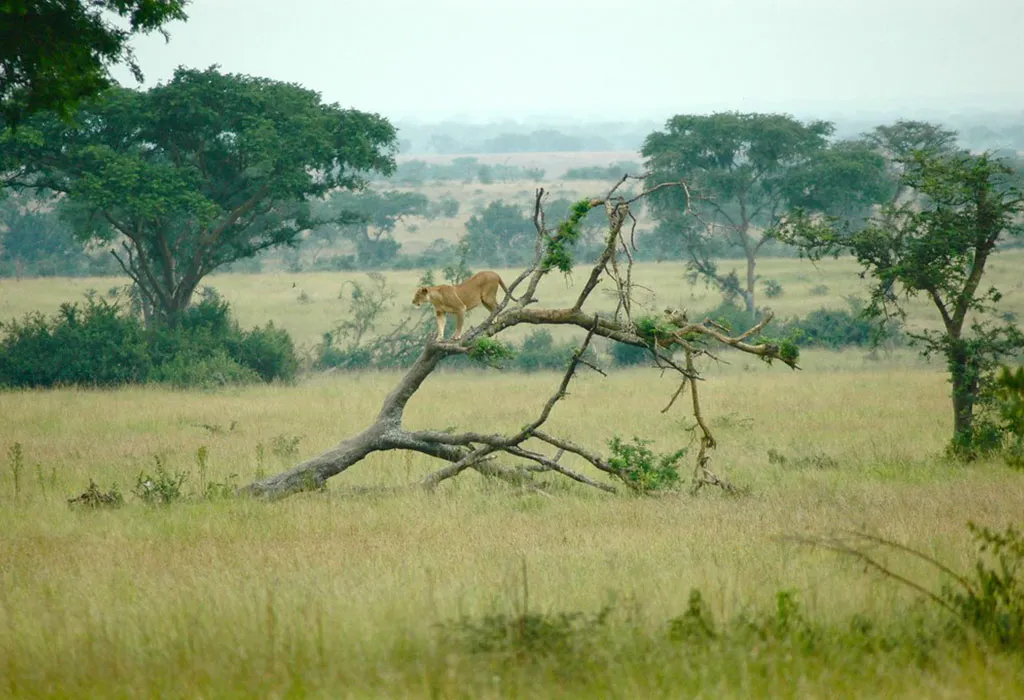
Queen Elizabeth National Park is one of Uganda’s most popular wildlife destinations. It sits in western Uganda, stretching across the districts of Kasese, Kamwenge, Rubirizi, and Rukungiri. The park covers about 1,978 square kilometres and sits along the equator, giving it a rich and diverse ecosystem.
The park is home to over 95 mammal species and more than 600 bird species, making it a top choice for both wildlife lovers and bird watchers. From tree-climbing lions in the Ishasha sector to hippo-filled channels and active volcanoes in the distance, the park offers a rare mix of landscapes and wildlife.
Getting to Queen Elizabeth National Park is straightforward whether you are flying into Entebbe International Airport in Uganda or Kigali International Airport in Rwanda. Both routes are well-travelled and can be done by road or by air charter. Once inside the park, there is no shortage of things to do. Game drives, boat cruises, chimpanzee tracking, bird watching, and community visits are among the most rewarding experiences. This article walks you through how to reach the park from both airports and highlights the five major activities you should not miss during your visit.
How to Get to Queen Elizabeth National Park from Entebbe Airport
By Road
Entebbe Airport is located about 370 kilometres from Queen Elizabeth National Park. The drive takes between 5 to 6 hours depending on traffic and road conditions.
From Entebbe or Kampala, you take the Kampala–Masaka highway, then branch off towards Mbarara. From Mbarara, you continue west through Bushenyi and then head towards Kasese or Ishasha, depending on which gate you plan to enter through. The main entry point is the Katunguru Gate, near the Kazinga Channel.
The road is largely tarmacked and in good condition for most of the journey. A 4WD vehicle is recommended for the last stretch into the park, especially during the rainy season.
By Charter Flight
If you prefer to fly, charter flights are available from Entebbe or Kajjansi Airstrip to Mweya Airstrip inside the park. The flight takes about 1 hour. Several operators offer this service and it is a popular choice for travellers on tight schedules or luxury safari packages.
How to Get to Queen Elizabeth National Park from Kigali Airport
By Road
Kigali is located in Rwanda, about 370 to 400 kilometres from Queen Elizabeth National Park. The drive takes roughly 5 to 7 hours. From Kigali, you cross the Rwanda–Uganda border at Katuna or Cyanika. From Katuna, you pass through Kabale, then head north through Bushenyi toward the park. From Cyanika, you pass through Kisoro and Kabale before joining the same route. The Ishasha sector of the park, famous for tree-climbing lions, is the closest entry point from the Kigali direction.
This cross-border route is a popular option for travellers combining a Rwanda gorilla trekking trip with a Uganda safari.
By Charter Flight
Charter flights from Kigali to Mweya Airstrip are also available, though less common. Most travellers on this route prefer the road journey since it passes through scenic highlands and allows for stops along the way.
Major Activities to Do in Queen Elizabeth National Park
Game Drives
Game drives are the most popular activity in the park. The Kasenyi Plains and the Northern Sector are the best areas for spotting lions, elephants, buffaloes, leopards, and Uganda kob. Morning and evening drives offer the best chances of seeing predators in action. The Ishasha Sector, in the southern part of the park, is the place to go if you want to see the famous tree-climbing lions resting in fig trees.
Boat Cruise on the Kazinga Channel
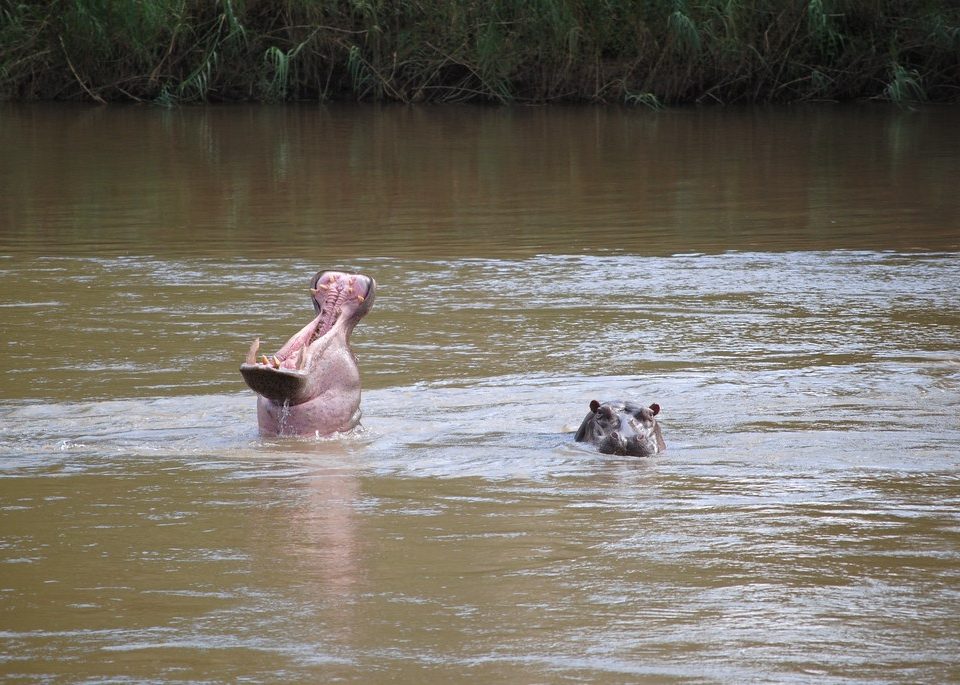
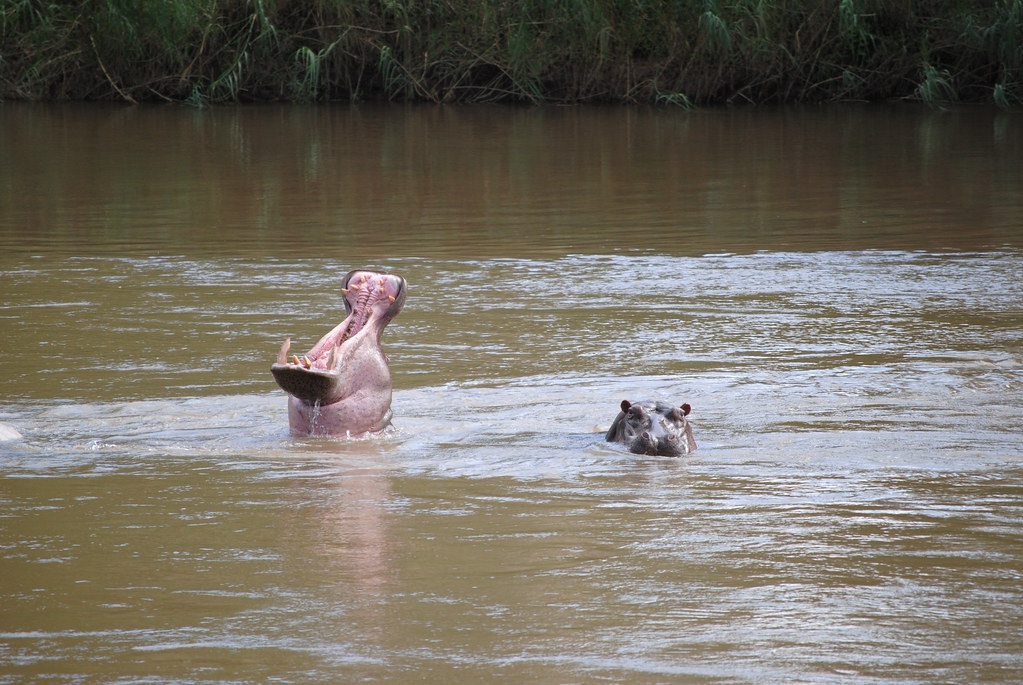
The Kazinga Channel connects Lake Edward and Lake George and is one of the best places in Africa to see hippos, crocodiles, and elephants up close. A two-hour boat cruise takes you slowly along the channel while game rangers explain what you are seeing. You will also spot hundreds of water birds including pelicans, kingfishers, and African skimmers.
Chimpanzee Tracking in Kyambura Gorge
Kyambura Gorge is a dramatic forest valley cut into the savannah floor. It is home to a habituated community of chimpanzees that can be tracked on foot with a trained guide. The tracking experience takes between 2 to 5 hours. Besides chimpanzees, you may also see black-and-white colobus monkeys, baboons, and various forest birds along the gorge walls.
Bird Watching
With over 600 recorded bird species, Queen Elizabeth National Park is a paradise for bird watchers. The Maramagambo Forest, the Kazinga Channel shores, and the Ishasha Sector all offer excellent birding. Notable species include the African fish eagle, shoebill stork, African skimmer, and the rare Verreaux’s eagle owl. Both beginners and experienced birders will find the park deeply rewarding.
Community and Cultural Visits
Just outside the park boundaries, several local communities offer cultural experiences that bring depth to your safari. The Kikorongo Women’s Group near Kasese and the Kazinga Community Programme near Katunguru give visitors a chance to learn about traditional crafts, local cooking, and the daily lives of people who live alongside the park. These visits also directly support conservation by providing income to communities that protect the wildlife around them.