

Travellers should keep passports secure and accessible throughout their Uganda safari.
Lost Passport on a Uganda Safari can turn an exciting journey into a stressful travel emergency very quickly. You may be staying near Bwindi, travelling through Queen Elizabeth National Park, preparing to cross into Rwanda, or getting ready for your international flight when you suddenly realise your passport is missing.
For an international traveller, a passport is more than an identification document. It may be required for border crossings, airline check-in, visa verification, immigration procedures and other official travel arrangements. Losing it during a safari can therefore affect much more than one day of your itinerary.
At PrideMark Safaris, we help travellers manage the practical side of unexpected disruptions, including contacting lodges, adjusting transport and assisting with route changes while the appropriate embassy, consulate, police or immigration authority handles the official document process.
However, PrideMark Safaris cannot replace a passport, issue an emergency travel document or override immigration requirements.
Those responsibilities belong to the appropriate embassy, consulate, immigration authority or other government agency.
This detailed guide explains what to do if you lose your passport during a Uganda safari, what changes if it was stolen, how to contact the correct embassy, what emergency travel documents are, what happens if you need to cross into Rwanda, how travel insurance may help, and how to reduce the risk before the safari begins.
First, Stop and Search Carefully
When travellers discover that their passport is missing, the natural reaction is often panic.
Before assuming it is permanently lost, stop moving and search carefully.
Think about the last time you physically handled it.
Was it at immigration when you arrived at Entebbe International Airport?
Did you give it to lodge reception during check-in?
Did you place it inside a room safe?
Was it inside your daypack during a road transfer?
Did you move it into another bag when changing accommodation?
Passports are often misplaced rather than permanently lost.
A document may have been placed in a different section of a suitcase, left in a hotel safe or handed to reception and forgotten.
Search systematically rather than randomly.
Check your wallet, travel pouch, hand luggage, daypack, room safe, luggage pockets and vehicle storage areas.
If you are still at the lodge, ask reception staff whether the passport was left at the desk.
If you have already departed, tell your PrideMark guide immediately so that the previous accommodation can be contacted.

Before reporting a passport lost, carefully check luggage, the vehicle, lodge reception and room safe.
Retrace the Previous 24 Hours
One of the most effective ways to find a missing passport is to reconstruct the previous day.
Try to remember every place where the document may have been used.
This could include:
- Airport immigration.
- Airline check-in.
- Hotel or lodge reception.
- A border post.
- Domestic flight check-in.
- Money exchange.
- Visa verification.
- A police or immigration office.
- A vehicle document pouch.
Your driver-guide can help contact places along the route.
If you stayed at several properties in a short period, start with the most recent.
Lodge staff can usually check reception, the room and the safe.
If a passport was forgotten at the property, arrangements may sometimes be made to send it forward with another vehicle or staff member, depending on location and timing.
Why You Should Search Before Reporting It Lost
This is an important point.
Once a passport is formally reported lost or stolen, it may be cancelled by the issuing authority.
That means finding it later does not necessarily make it valid again.
For that reason, travellers should search carefully before making a formal loss report unless theft is obvious or an authority advises immediate reporting.
Current Uganda entry guidance also warns that passports previously reported lost or stolen may not be accepted for travel. (gov.uk)
Act quickly, but do not rush into cancelling a passport that may still be sitting inside a lodge safe.
Tell Your PrideMark Driver-Guide Immediately
If the passport cannot be found, tell your driver-guide as soon as possible.
The missing document may affect the rest of the itinerary.
A passport problem becomes especially urgent when the traveller is:
- Flying internationally within the next few days.
- Crossing from Uganda into Rwanda.
- Continuing into Kenya or another neighbouring country.
- Taking a regional flight.
- Returning to Kigali after gorilla trekking.
- Staying far from Kampala or the relevant embassy.
Your guide can help evaluate whether continuing the original route still makes sense.
For example, if an embassy requires you to appear in Kampala, travelling farther into a remote national park may create unnecessary complications.
In another case, if the passport is found at the previous lodge, it may be possible to continue while arrangements are made to reunite you with the document.
The correct decision depends on the situation.
Your safari driver-guide can help manage transport and communication when unexpected travel problems arise
If the Passport Was Stolen
When you believe the passport was stolen rather than misplaced, the situation becomes more serious.
Report the theft to the relevant police authority.
A police report can serve several purposes.
Your embassy may ask for it before issuing a replacement or emergency travel document.
Your travel insurer may require it before processing a claim.
It can also document the circumstances of the theft.
Try to provide accurate information about where and when the passport was last seen.
Do not exaggerate or guess.
If other belongings were stolen at the same time, list them separately.
Contact Your Embassy or Consulate
Once you are confident that the passport is lost or stolen, contact the embassy or consulate responsible for your nationality.
Different countries use different emergency-document procedures.
Some governments may issue an emergency passport.
Others may provide a temporary travel document intended mainly for returning home.
Some may require an in-person appointment.
You may be asked to provide:
- A police report.
- Passport-sized photographs.
- A copy of the lost passport.
- Proof of citizenship.
- Another form of identification.
- Your flight booking.
- Your travel itinerary.
- A completed application.
- An emergency contact.
- Payment of a replacement or document fee.
Do not rely on another traveller’s experience.
Requirements can differ significantly between nationalities.
Use the official website of your embassy or foreign affairs department.
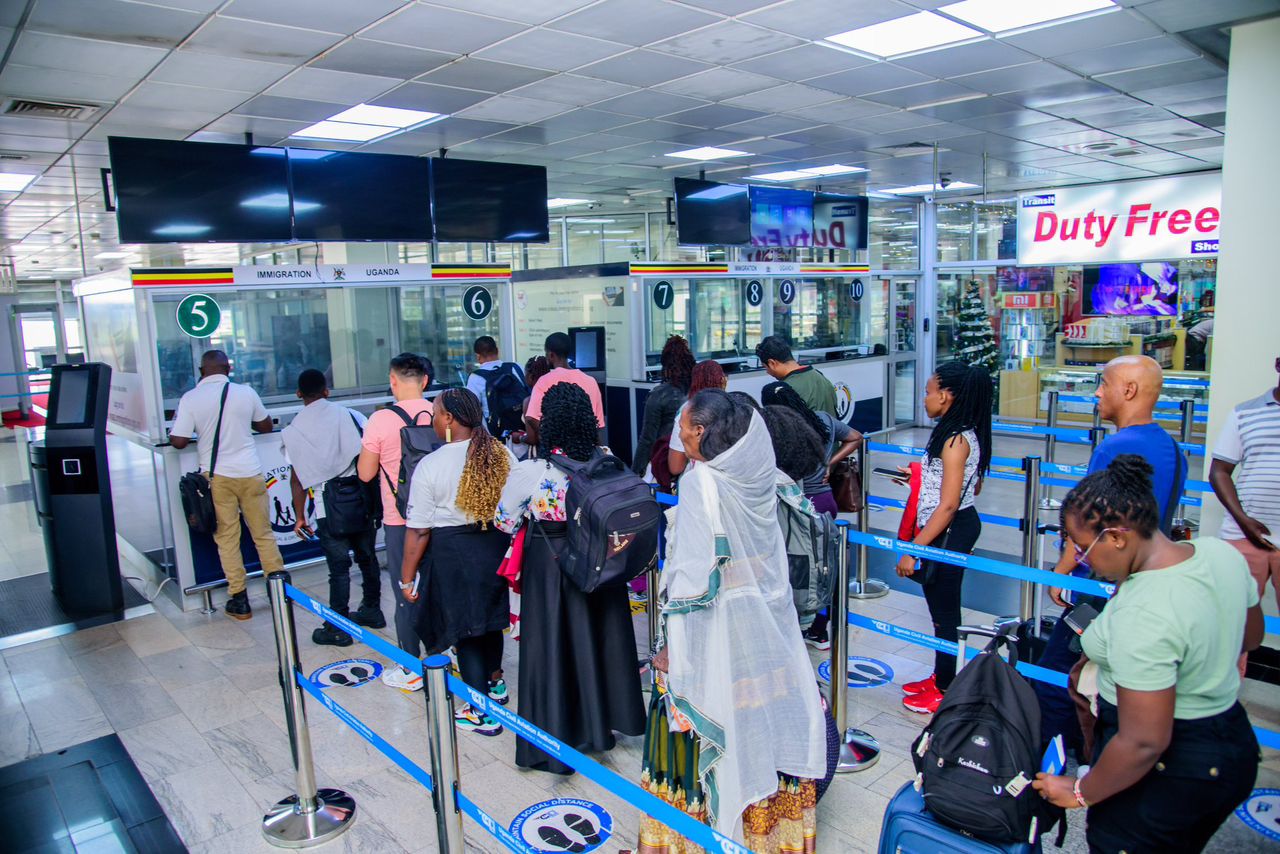
Travellers should follow the official instructions of their embassy or consulate after confirming that a passport is lost.
What If Your Country Does Not Have an Embassy in Uganda?
Not every country maintains a full embassy in Kampala.
Some countries are represented by a high commission, honorary consul or regional embassy based in another East African country.
If your country does not have a full diplomatic mission in Uganda, contact your government’s official foreign affairs service for instructions.
They may direct you to:
- An honorary consul.
- A partner embassy.
- A regional embassy.
- Another authorised diplomatic mission.
This is another reason to save embassy information before travelling.
Finding the right diplomatic contact is much easier when the details are already stored on your phone.
Why Passport Copies Matter
A photocopy or digital scan does not replace the original passport.
You cannot normally use it to board an international flight or cross a border.
However, it can make the replacement process much easier.
A clear copy can show:
- Your full legal name.
- Passport number.
- Nationality.
- Date of birth.
- Issue date.
- Expiry date.
- Issuing authority.
That information can help when speaking with your embassy, airline, police or insurer.
Before travelling, keep at least one secure digital copy and one paper copy.
Store them separately from the original.
Keep More Than One Digital Backup
Do not rely on only one copy stored on your phone.
Phones can be lost, damaged, stolen or run out of battery.
A safer approach is to store passport information in more than one secure location.
You might keep:
- A password-protected cloud copy.
- A copy in your email.
- A copy with a trusted family member.
- A printed copy in separate luggage.
Do not share passport copies casually.
They contain sensitive personal information.
Losing a Passport in Bwindi
Bwindi Impenetrable National Park is one of Uganda’s most popular safari destinations, but it is far from Kampala.
If you discover a missing passport while staying in Bwindi, tell your guide immediately.
The first priority is checking the lodge, vehicle and previous accommodation.
If the passport cannot be found and your embassy requires you to appear in person, the itinerary may need to change.
This becomes particularly important for travellers whose journey is supposed to continue into Rwanda after gorilla trekking.
A valid travel document is normally required for the international border.
Losing a Passport in Queen Elizabeth National Park
Queen Elizabeth National Park is often part of a longer itinerary between Kibale and Bwindi.
If the passport goes missing here, there may still be time to solve the issue before the next international movement.
However, do not wait until reaching the border to address it.
Tell your guide early.
If the previous lodge has the passport, arrangements may be possible.
If it has genuinely disappeared, embassy and police procedures should begin as soon as practical.
Losing a Passport in Murchison Falls
Murchison Falls National Park is large and can involve considerable driving.
Discovering a missing passport deep inside the park can make the logistics more complicated.
The first step should still be checking the vehicle, lodge and previous accommodation.
If the passport is genuinely lost, PrideMark Safaris can help review the route and determine the most practical next move.
Travelling deeper into a remote itinerary while an international flight is approaching may not be sensible.
Losing a Passport Before Crossing Into Rwanda
This is one of the most serious scenarios on a multi-country safari.
Many Uganda itineraries connect with Rwanda.
Travellers may start in Kigali and cross into Uganda for gorilla trekking, or begin in Uganda and continue into Rwanda later.
Rwanda requires foreign travellers to have a valid recognised travel document. (migration.gov.rw)
A photocopy of the lost passport is normally not enough.
If your passport is missing before the border crossing, do not simply continue to the border and hope the officers will accept the situation.
Contact the relevant embassy or immigration authority first.
Gatuna and Cyanika Border Crossings
Two important Uganda–Rwanda border crossings used by safari travellers are Gatuna and Cyanika.
These routes are commonly used for journeys between Kigali, Bwindi and Mgahinga.
Rwanda’s Directorate General of Immigration and Emigration lists recognised border posts between the two countries. (migration.gov.rw)
The border itself is not the place to discover that your emergency document is not accepted.
Confirm the requirements before travelling there.
East African Citizens and the Inter-State Pass
There is an important distinction for certain East African travellers.
Uganda’s immigration authority states that citizens of Uganda, Rwanda and Kenya can use national identity cards under the Inter-State Pass arrangement for travel between those countries. (immigration.go.ug)
This does not apply to most international safari visitors.
A traveller from Europe, North America, Asia or another region should not assume that a national ID card from home will substitute for the lost passport.
Losing a Passport Before a Kigali Gorilla Safari
Some gorilla safaris begin in Kigali because southwestern Uganda is relatively accessible from Rwanda.
In this situation, the passport is especially important because the itinerary involves an international border.
If you lose it in Kigali before the safari begins, resolve the issue before driving toward Uganda.
If you lose it while already in Uganda and are due to return to Kigali, contact the appropriate authorities before travelling toward the border.
The safari guide cannot override immigration rules.
Emergency Travel Documents
An emergency travel document is a temporary document issued by a government when a traveller cannot use their normal passport.
Its purpose and validity vary.
Some are valid only for one journey home.
Others may allow limited travel through certain countries.
Do not assume that an emergency document automatically allows you to continue your original multi-country safari.
Confirm:
- Which countries will accept it.
- Whether transit countries will accept it.
- Whether airlines will accept it.
- Whether visas must be reissued.
- How long the document remains valid.
This can affect both the safari and your return flight.
Uganda Certificates of Identity
Uganda’s immigration authority provides Certificates of Identity for certain emergency situations involving people who cannot readily access normal travel documents. (immigration.go.ug)
However, travellers should not assume they automatically qualify.
Eligibility depends on the circumstances and must be confirmed by the appropriate authority.
Lost Passport Before Flying Home
If your passport disappears shortly before your international departure, contact your embassy or consulate immediately.
You should also notify the airline.
The airline may have specific procedures for passengers who need to change travel because of missing documentation.
Do not travel to the airport assuming that a photocopy will be accepted.
International boarding requirements are strict.
Missing a Flight Because of a Lost Passport
A passport emergency can cause additional expenses.
You may need:
- Extra hotel nights.
- New airport transfers.
- Rebooked flights.
- Transport to an embassy.
- Passport photographs.
- Police documentation.
- Replacement travel documents.
Keep every receipt.
If your travel insurance covers lost documents or trip interruption, these records may be required for a claim.
Travel Insurance and Passport Loss
Not all insurance policies cover lost passports in the same way.
Some may reimburse replacement costs.
Others may cover reasonable expenses such as transport, accommodation or rebooking.
Some policies may provide emergency assistance but limited financial reimbursement.
Read the policy before travelling.
Check whether you need to contact the insurer before making major new bookings.
What PrideMark Safaris Can Do
PrideMark Safaris can help manage the travel disruption.
We may be able to assist with:
- Contacting your previous lodge.
- Checking the safari vehicle.
- Reorganising road transfers.
- Reaching the nearest police station.
- Transporting you toward Kampala.
- Adjusting accommodation reservations.
- Communicating with suppliers.
- Reworking the safari route.
- Helping you reach an embassy or consulate.
This local support can make a stressful situation easier.
What PrideMark Safaris Cannot Do
There are also clear limits.
PrideMark Safaris cannot:
- Issue a passport.
- Issue an emergency travel document.
- Guarantee an embassy appointment.
- Override immigration decisions.
- Guarantee entry into Rwanda.
- Guarantee airline boarding.
- Cancel a passport.
- Decide whether an emergency document is legally valid.
These decisions belong to government authorities and airlines.
Solo Travellers
Solo travellers should prepare particularly carefully.
There may be nobody beside you who has copies of your documents or knows your travel details.
Before departure, give a trusted person at home:
- Your itinerary.
- Passport copy.
- Insurance details.
- Emergency contact information.
Keep the same information accessible to yourself.
If something goes wrong, tell your PrideMark guide immediately.
Couples and Families
Families should avoid keeping every important document in one bag.
If the bag is stolen or misplaced, everyone could lose their passports simultaneously.
Where practical, divide document storage.
Parents should also keep copies of children’s travel documents.
For minors, additional immigration requirements may apply depending on nationality and destination.
Protecting Your Passport in Safari Lodges
Many lodges provide room safes or another secure storage option.
If using a safe, develop a simple habit.
Every time you check out, include the passport in your final room check.
Look inside:
- The safe.
- Bedside drawers.
- Wardrobes.
- Bathroom shelves.
- Desk drawers.
- Charging areas.
Travellers often forget valuables because they deliberately placed them somewhere hidden.
Avoid Constantly Moving Your Passport
Moving your passport between multiple bags increases the risk of losing it.
Choose one secure location and keep it there whenever possible.
If you move it for a border crossing or flight, return it to the same place afterward.
A consistent routine reduces mistakes.
Passport Security During Game Drives
You generally do not need to hold your passport in your hand during game drives.
Carrying it loosely increases the chance of damage or loss.
Keep it secure unless the day’s programme requires it.
If your itinerary includes a border crossing or flight, your guide can advise when you should keep travel documents immediately accessible.
Passport Security During Gorilla Trekking
Avoid carrying unnecessary important documents into a wet forest environment.
Gorilla trekking can involve rain, mud and steep terrain.
If you do not need your passport during the trek, store it securely according to the arrangements at your accommodation.
Keep a digital or paper copy separately.
Passport Damage Can Also Cause Problems
Loss is not the only risk.
A badly damaged passport may also create difficulties.
Protect it from:
- Water.
- Torn pages.
- Excessive bending.
- Mud.
- Heat.
- Accidental washing.
Using a waterproof travel pouch can help, especially on itineraries involving forest trekking or frequent transfers.
Check Expiry Dates Before Booking
Do not wait until your safari is fully booked before checking your passport expiry date.
Current Uganda entry guidance says the passport should usually remain valid for at least six months after arrival for travellers covered by that guidance. (gov.uk)
Rules can vary according to nationality.
Check official requirements before paying for flights and safari arrangements.
Check Visa Details Too
A replacement passport may also affect visas.
If your Uganda or Rwanda visa is linked to the lost passport number, ask the relevant immigration authority whether a new visa or amendment is required.
Do not assume the original visa automatically transfers to a new emergency document.
This is particularly important on multi-country itineraries.
Before Leaving Home
A little preparation can dramatically reduce the stress of a lost-passport situation.
Before travelling:
- Check passport validity.
- Scan the photo page.
- Keep one paper copy separately.
- Save embassy contact details.
- Save your insurer’s emergency number.
- Check visa requirements.
- Check Rwanda border requirements if applicable.
- Store your passport consistently.
- Keep essential documents in hand luggage.
- Give a trusted person a copy of your itinerary.
These steps take very little time but can save hours if something goes wrong.
Frequently Asked Questions About a Lost Passport on a Uganda Safari
What Is the First Thing I Should Do?
Search carefully and tell your driver-guide. Check the lodge, room safe, luggage and safari vehicle before formally reporting the passport lost.
Should I Contact My Embassy?
Yes, if the passport cannot be found. Your embassy or consulate will explain the replacement or emergency-document procedure.
Do I Need a Police Report?
Possibly. Police reports are especially important for stolen passports and may be required by your embassy or insurer.
Can I Use a Photocopy to Cross Into Rwanda?
Normally no. Foreign travellers generally need a valid recognised travel document.
Can PrideMark Safaris Replace My Passport?
No. PrideMark can help with practical travel arrangements, but replacement passports are issued by government authorities.
Can I Continue the Safari?
Possibly. It depends on the itinerary, how soon you need to cross a border or fly, and what your embassy requires.
Can I Fly Home With a Passport Copy?
Normally no. You will usually need a valid passport or an authorised emergency travel document accepted by the airline and relevant authorities.
What If I Find the Passport After Reporting It Lost?
Do not use it without checking with the issuing authority. It may already have been cancelled.
Does Insurance Cover Lost Passports?
Some policies do. Coverage varies, so check your policy.
Should I Carry My Passport Every Day?
Not necessarily. Keep it secure and accessible when required for flights, border crossings or official checks.
Travel With Confidence With PrideMark Safaris
Losing a passport on a Uganda safari can be stressful, but careful preparation makes the situation much easier to manage.
Search thoroughly.
Tell your driver-guide immediately.
Contact the previous lodge.
Speak to the appropriate embassy or consulate.
Report theft where required.
Keep copies of important documents.
And never attempt an international border crossing without the correct travel document.
At PrideMark Safaris, we help travellers manage the practical side of their journey from arrival to departure.
If an unexpected problem occurs, our role is to help with logistics, communication and route adjustments while you work with the appropriate authorities.
Whether your safari includes gorilla trekking in Bwindi, wildlife viewing in Queen Elizabeth National Park, Murchison Falls or a cross-border journey between Uganda and Rwanda, good preparation gives you the freedom to travel with greater confidence.
Plan your Uganda safari with PrideMark Safaris and enjoy a carefully organised journey with practical support throughout your trip.