
How to Plan a Uganda Safari on a Budget: Complete Gorilla & Wildlife Guide
Plan a Uganda safari on a budget with practical advice on gorilla trekking, wildlife parks, transport, affordable lodges and realistic safari itineraries. Discover practical safari planning ideas and ask our team to tailor a route around your travel dates and budget.
Editorial note: Prices, park fees, permit availability, entry rules and road conditions change. Confirm current details with the Uganda Wildlife Authority and relevant authorities before booking.
Can You Really Plan an Affordable Uganda Safari?
Yes, but an affordable safari starts with careful decisions rather than unrealistic discounts. Uganda combines rainforest primates, open savannah, lakes and cultural encounters; the price depends on which experiences you choose, the number of days, how far you drive and whether vehicle costs are shared. A visitor who prioritizes one wildlife park and comfortable budget accommodation may spend far less than someone combining multiple distant parks and high-end lodges. Gorilla trekking is a specialist activity with a regulated permit cost, so the smartest savings usually come from the rest of the itinerary rather than the permit itself.
A practical budget should preserve safety, legal park access, a dependable vehicle and time to enjoy the wildlife. Cutting too many nights can lead to exhausting transfers and an experience that feels rushed. PrideMark Safaris can help compare sensible alternatives before you commit to a route.
Step 1: Set a Complete Safari Budget
Begin with a total figure per traveler and distinguish the safari operator quotation from expenses paid independently. Include international flights, travel insurance, visa or entry documents, safari vehicle and fuel, driver-guide, accommodation, specified meals, park entrance fees, gorilla or chimpanzee permits, boat excursions, tips and personal purchases. Ask whether prices are per person sharing, per room, or for the entire vehicle; these differences matter especially to solo travelers.
For example, a low-priced package that excludes a gorilla permit and most park activities may cost more overall than a slightly higher quotation with those items included. Ask for an itemized inclusion-and-exclusion statement and confirm which amounts are subject to change before paying.
Step 2: Choose Your Most Important Wildlife Experience
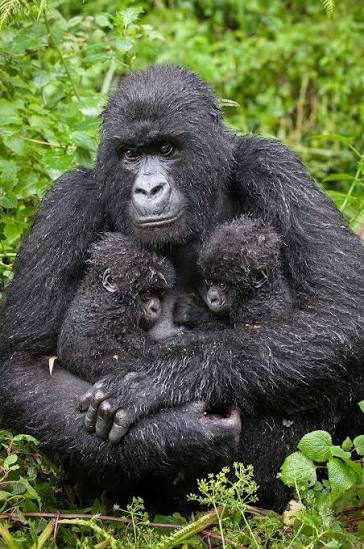
Decide whether gorillas, chimpanzees, lions and elephants, birdwatching or general scenery is the main reason for the trip. If gorillas are essential, allocate the appropriate permit and plan around the correct Bwindi or Mgahinga trekking location. If your budget cannot accommodate that activity, a wildlife-first itinerary to Lake Mburo, Queen Elizabeth or Murchison Falls can still be rewarding.
Trying to see every park in a five-day trip creates long driving days, high fuel costs and little time for the experiences you paid to enjoy. Choose two complementary highlights instead of five disconnected destinations.
Step 3: Travel in a Value-Friendly Season
Uganda can be visited throughout the year, but accommodation demand and road conditions vary. The wetter months can bring fewer visitors and occasional lodge promotions, while the relatively drier periods are popular for trekking and general travel. April, May and November may offer value opportunities at some properties, but rain can make forest trails slippery and some roads more challenging.
Compare actual lodge offers for your dates instead of assuming that all rainy-season travel is cheaper. A low room rate is not a saving if your itinerary requires extra nights or expensive detours.
Step 4: Pick Parks That Fit Together
Lake Mburo is often a useful short wildlife addition to routes through western Uganda. Queen Elizabeth National Park offers savannah game drives and the Kazinga Channel and can combine naturally with Bwindi. Murchison Falls is attractive for Nile scenery, boat trips and wildlife but requires its own realistic travel allocation. Bwindi and Mgahinga are best chosen according to permit arrangements, access roads and the rest of the route.
A coherent itinerary minimizes backtracking. For instance, a Queen Elizabeth–Bwindi combination generally makes more geographical sense than repeatedly returning to Kampala between parks. Exact travel times depend on road conditions and the entry points selected.
Step 5: Compare Entebbe and Kigali Gateways
Entebbe is a natural arrival point for Uganda-wide safaris, particularly those including Murchison Falls, Kibale, Queen Elizabeth and Bwindi. Kigali can be practical for some short southwestern Uganda gorilla itineraries, but travelers must account for international border formalities, visas, permits, transfer costs and the assigned Bwindi sector.
Do not choose Kigali based only on a map showing a shorter distance. Compare total airfare, travel days, border requirements and the final safari quotation from each gateway.
Step 6: Select Budget Lodges Strategically
A clean, well-located guesthouse or modest safari camp can be a better choice than a luxurious property far from the activity. Ask about private bathrooms, hot water, electricity, meals, road access, and the distance to the park gate or trekking briefing point. In Bwindi, accommodation must match the relevant sector: Buhoma, Ruhija, Rushaga and Nkuringo are not interchangeable.
A lodge that looks cheaper on a booking site may create extra vehicle hours and an unnecessarily early departure. The best value is the combined cost of the room, location and logistics.
Step 7: Choose the Right Transport and Group Size
A private safari vehicle offers flexibility but its daily costs are shared among fewer travelers. Two friends or a family can often lower the per-person vehicle expense by traveling together. Genuine small-group departures may reduce costs further, although they require fixed dates and less itinerary flexibility. Public buses are useful for ordinary travel but do not replace suitable transport and authorized guiding for many park activities.
Ask whether your quotation uses a safari van, a four-wheel-drive vehicle or another option and whether fuel, driver allowances and park-related vehicle charges are included.
Step 8: Choose a Realistic Safari Duration
Two or three days can work for selected short wildlife experiences or carefully organized gorilla trips from an appropriate gateway. Four to six days allows more breathing room for a gorilla-and-wildlife combination. Seven to ten days gives visitors more opportunities to combine parks, but also adds accommodation and vehicle days.
A short safari is not automatically better value. If the itinerary involves very long transfers and almost no time for activities, an extra night in the right place can materially improve the experience.
Step 9: Compare Quotations Line by Line
Ask every operator to specify accommodation category, room arrangement, meals, transport, fuel, guide services, park entrance, boat trips, primate permits, airport transfers, taxes and exclusions. Confirm cancellation and payment conditions and whether the quote is based on confirmed availability.
Compare like with like. A cheaper quote is not genuinely cheaper if it omits the activity you most want to do.
Step 10: Build a Practical Sample Route
A short wildlife-only plan might include arrival in Entebbe, a transfer to Lake Mburo, a full activity day and return. A five-day gorilla-and-wildlife plan might combine Queen Elizabeth with Bwindi, with nights allocated to avoid rushed trekking mornings. A seven-day itinerary can add a third destination if road conditions and activities allow.
These are planning examples, not guaranteed bookable packages. The final sequence should be based on arrival flights, confirmed park activities, available accommodation and gorilla permit dates.
Packing, Health and Responsible Travel
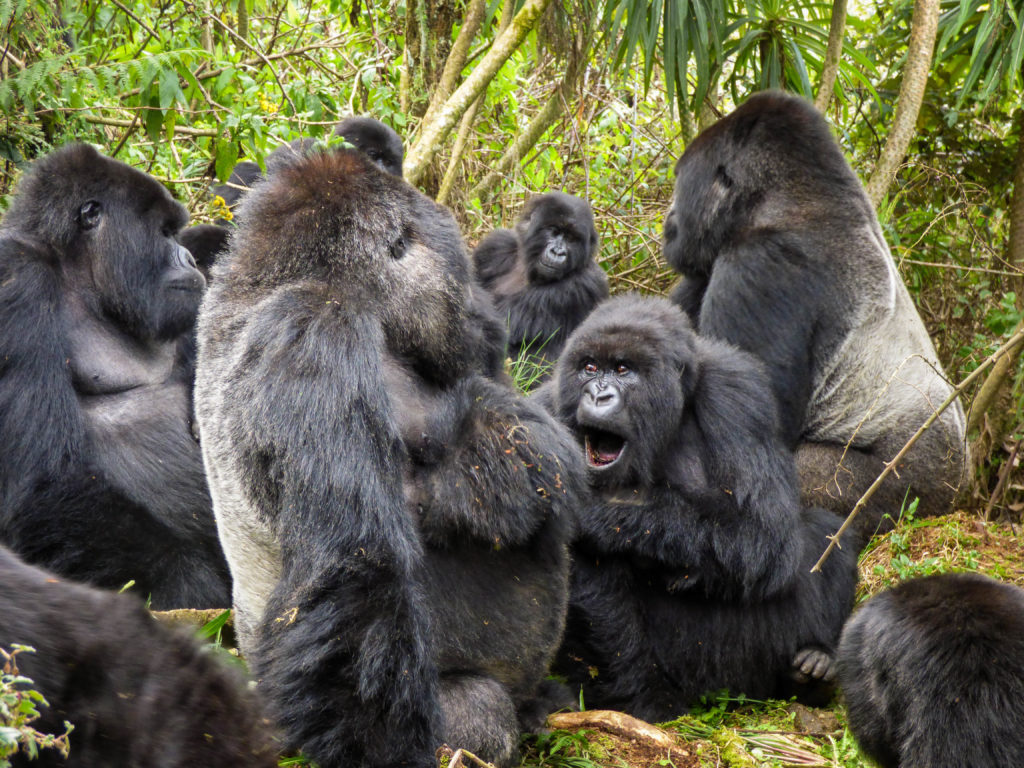
Bring broken-in walking shoes, a light rain jacket, breathable layers, insect repellent, sunscreen, personal medicines, refillable water and any necessary travel documents. For gorilla trekking, pack long trousers, gloves where useful and a small daypack. Follow ranger instructions and avoid trekking if you are ill with symptoms that could put gorillas at risk.
Budget travel should still support conservation and local livelihoods. Respect park rules, pay legitimate fees, use qualified guides and choose businesses that treat staff and communities fairly.
Frequently Asked Questions
Can I visit Uganda without trekking gorillas? Absolutely: wildlife parks, birding, lakes and cultural activities can form a complete trip. Is a budget lodge safe? Quality varies, so evaluate recent property information, location and the operator’s recommendations. Should I book flights before permits? For a gorilla-focused safari, check permit feasibility and the overall itinerary before making non-refundable commitments.
What is the cheapest way to organize a safari? Usually by selecting a sensible route, choosing value accommodation and sharing transport where practical, rather than by cutting mandatory fees or safety measures.
Uganda Safari Destination Map
Explore Uganda and the southwestern wildlife region. The map is a geographic overview, not a confirmed route or travel-time estimate.
Common Questions About Affordable Uganda Safaris
Can I request a custom budget safari?
Yes. Share your travel dates, group size, interests and preferred comfort level so an itinerary can be priced for your circumstances.
Are gorilla permits included in every advertised safari price?
No. Confirm in writing whether gorilla permits and other park activities are included or excluded.
Can I combine gorillas and wildlife on one safari?
Yes. With sufficient time and the correct permits, destinations such as Bwindi and Queen Elizabeth can be combined in one itinerary.
Get a Custom Uganda Gorilla & Wildlife Safari Quote
Tell us your intended travel month, number of travelers, arrival airport, budget range and must-see wildlife. We will help you compare a realistic route and accommodation options. Official fees and availability are confirmed at quotation time.
Official travel and conservation information: Uganda Wildlife Authority · Uganda Tourism Board.