How Much is a Safari in Uganda?

Where to See Lions in Uganda and Rwanda
May 9, 2026
How Much is a Gorilla Trekking Safari in Uganda?
May 16, 2026
How much is a safari in Uganda? Many travelers ask this question before planning their African adventure. Uganda is one of Africa’s top safari destinations because it offers mountain gorilla trekking, wildlife safaris, chimpanzee tracking, bird watching, and cultural experiences. The country also offers beautiful scenery, friendly people, and excellent value for money. Safari prices in Uganda vary depending on accommodation, transportation, activities, and the season of travel. Some travelers choose budget safaris while others prefer luxury experiences. No matter the budget, Uganda offers unforgettable safari adventures for every traveler.
Factors That Affect How Much a Safari in Uganda Costs
Several factors determine how much a safari in Uganda costs. The biggest factors include gorilla permits, accommodation, transportation, park entrance fees, and safari activities. The number of days also affects the overall safari price. A short safari costs less than a long safari that includes multiple destinations and activities. Travelers who choose luxury lodges and domestic flights usually spend more than travelers who choose budget lodges and road transportation.
How Much is a Safari in Uganda for Gorilla Trekking?
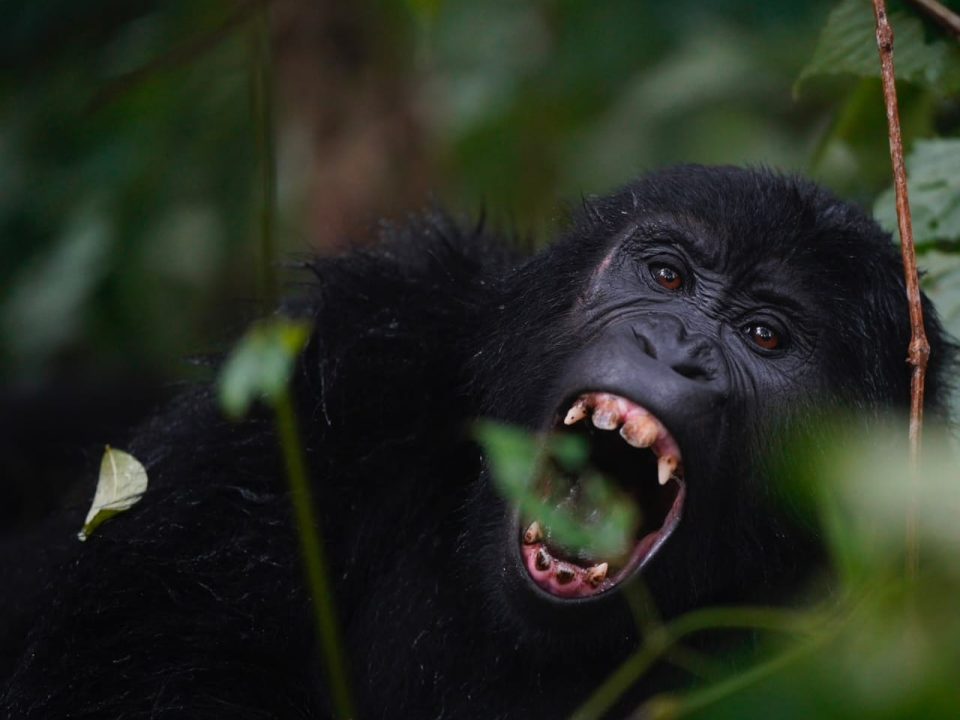
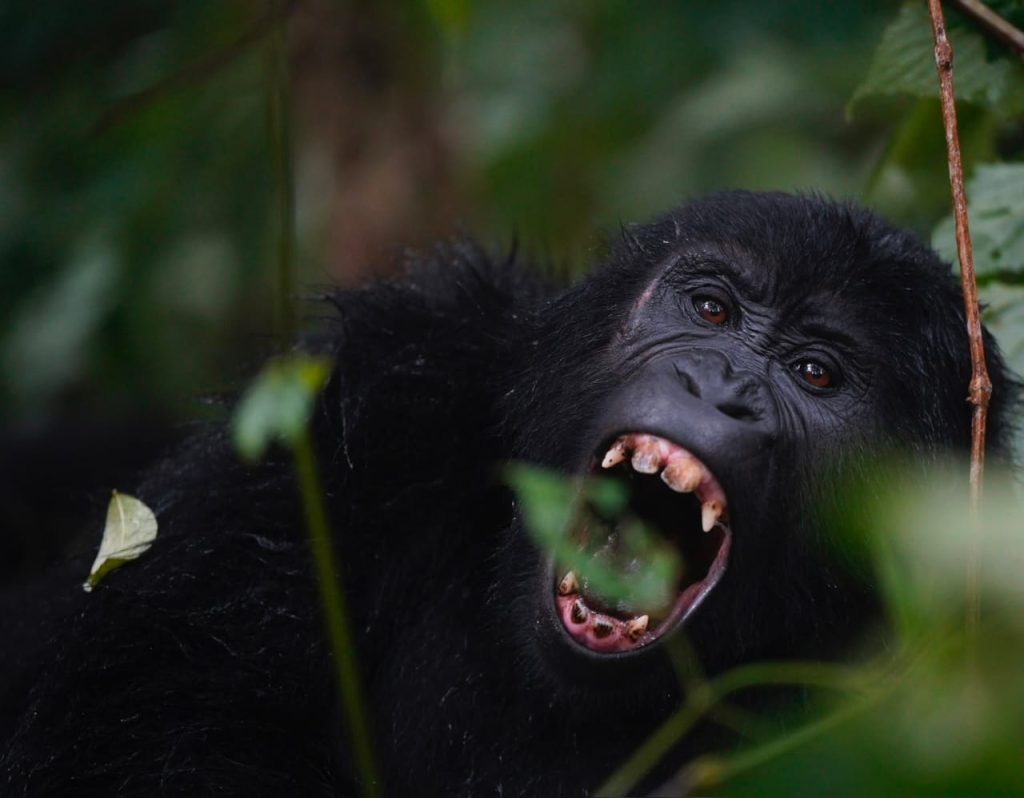
Mountain gorilla trekking is one of the most popular safari activities in Uganda. Travelers visit Bwindi Impenetrable National Park and Mgahinga Gorilla National Park to see endangered mountain gorillas in their natural habitat. Uganda Wildlife Authority charges $800 for a gorilla permit for foreign non-residents. The permit allows visitors to spend one hour with a gorilla family after the trek. Many travelers consider this experience priceless because it creates unforgettable memories.
A typical 3-day gorilla trekking safari usually costs between $1,100 and $2,500 depending on the level of accommodation and transportation. Budget travelers often choose shared transportation and budget lodges to reduce costs. Luxury travelers prefer high-end lodges and fly-in safaris for more comfort and convenience.
How Much is a Safari in Uganda for Budget Travelers?
Budget safaris in Uganda are ideal for travelers who want affordable adventures. Most budget safaris cost between $150 and $250 per person per day without gorilla permits. These safaris often include budget accommodation, meals, park entrance fees, guide services, and transportation in a shared safari vehicle.
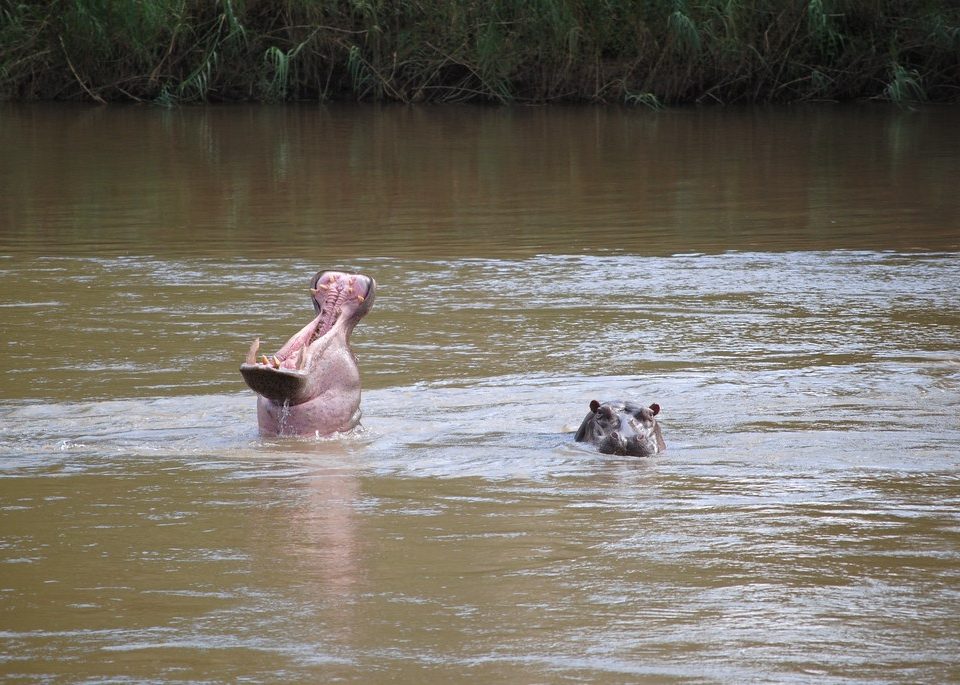
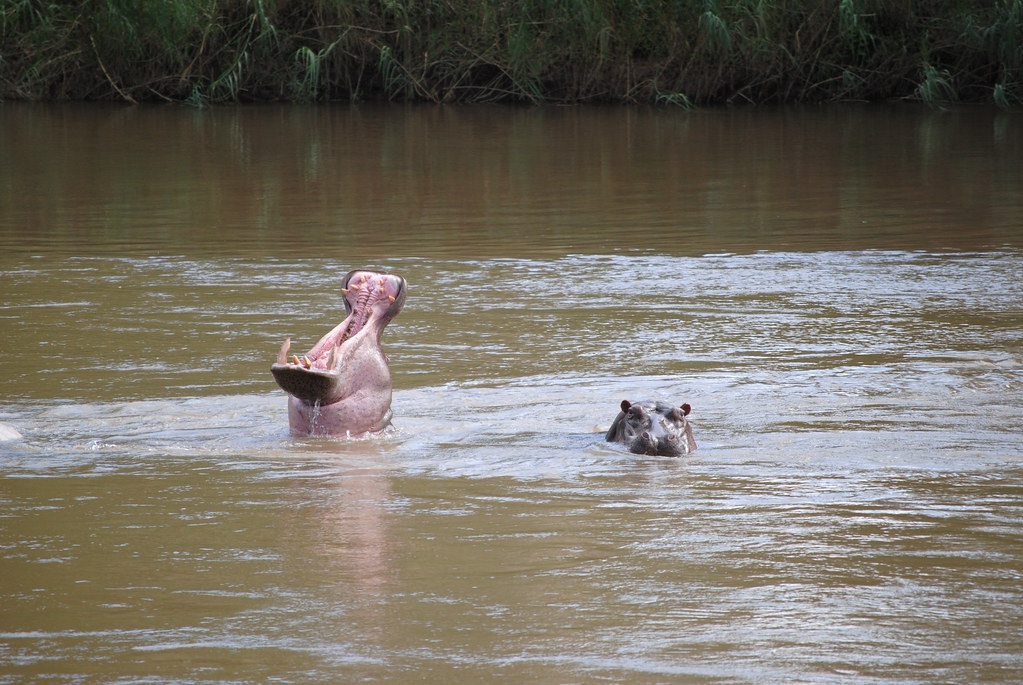
Budget travelers can still enjoy incredible wildlife experiences in destinations such as Queen Elizabeth National Park and Murchison Falls National Park. These parks offer game drives, boat cruises, and chances to see lions, elephants, buffaloes, giraffes, and hippos.
How Much is a Safari in Uganda for Mid-Range Travelers?
Mid-range safaris offer more comfort and personalized services. These safaris usually cost between $250 and $500 per person per day. Travelers stay in comfortable lodges with private bathrooms, quality meals, and beautiful views near national parks.
Mid-range safaris often include private transportation, experienced guides, and flexible itineraries. Many travelers choose mid-range safaris because they provide a good balance between comfort and affordability.
How Much is a Safari in Uganda for Luxury Travelers?
Luxury safaris provide premium comfort and exclusive experiences. These safaris usually cost between $600 and $2,000 or more per person per day. Luxury lodges offer spacious rooms, fine dining, spa services, private decks, and stunning views.
Many luxury travelers choose fly-in safaris because they reduce travel time between destinations. Domestic flights connect travelers to parks such as Kidepo Valley National Park and Bwindi. Luxury safaris also include personalized services and private guides.
Transportation Costs on Uganda Safaris
Transportation plays a major role in safari pricing. Most travelers use 4×4 safari vehicles for road trips across Uganda. Road safaris cost less and allow visitors to enjoy Uganda’s beautiful landscapes and local communities along the journey.
Domestic flights offer faster travel but increase safari costs. Fly-in safaris are popular among luxury travelers who want to maximize comfort and save time. Private safaris also cost more than group safaris because travelers do not share expenses with others.
Best Time to Visit Uganda for a Safari
Uganda welcomes visitors throughout the year, but safari prices may change depending on the season. The dry seasons from June to September and December to February attract more visitors because wildlife viewing becomes easier during these months. Lodges often charge higher prices during the high season because of increased demand.
The rainy seasons from March to May and October to November usually offer lower safari prices and discounted accommodation rates. Many travelers choose the low season to save money while still enjoying excellent wildlife experiences.
Additional Costs to Consider
Travelers should also budget for extra costs when planning a safari in Uganda. These costs may include international flights, Uganda visas, travel insurance, tips, drinks, souvenirs, and optional activities. Some safari packages include these services while others charge separately. Travelers should always confirm what the package includes before booking.
Why Uganda Safaris Are Worth the Cost
Uganda offers unique safari experiences that many travelers cannot find elsewhere in Africa. Gorilla trekking, chimpanzee tracking, boat safaris, bird watching, and cultural encounters make Uganda a special destination. The country also offers excellent value for money compared to many other African safari destinations.
Travelers often leave Uganda with unforgettable memories because the country combines incredible wildlife, stunning scenery, and warm hospitality. Whether you choose a budget adventure or a luxury safari, Uganda delivers amazing experiences.
Explore Uganda with Pridemark Safaris
PrideMark Safaris offers customized safari experiences across Uganda for budget, mid-range, and luxury travelers. The company helps visitors explore Uganda’s national parks, mountain gorillas, wildlife, and cultural attractions with experienced guides and carefully planned itineraries. Whether you want a short gorilla trekking safari or a complete Uganda adventure, Pridemark Safaris can help you create unforgettable memories in the Pearl of Africa.