Miss Gorilla Trekking Time? Here are 10 Essential Truths

How Much Cash Should You Carry on an African Safari?
September 9, 2026
How to Identify a Genuine Safari Company: 10 Things to Check
September 16, 2026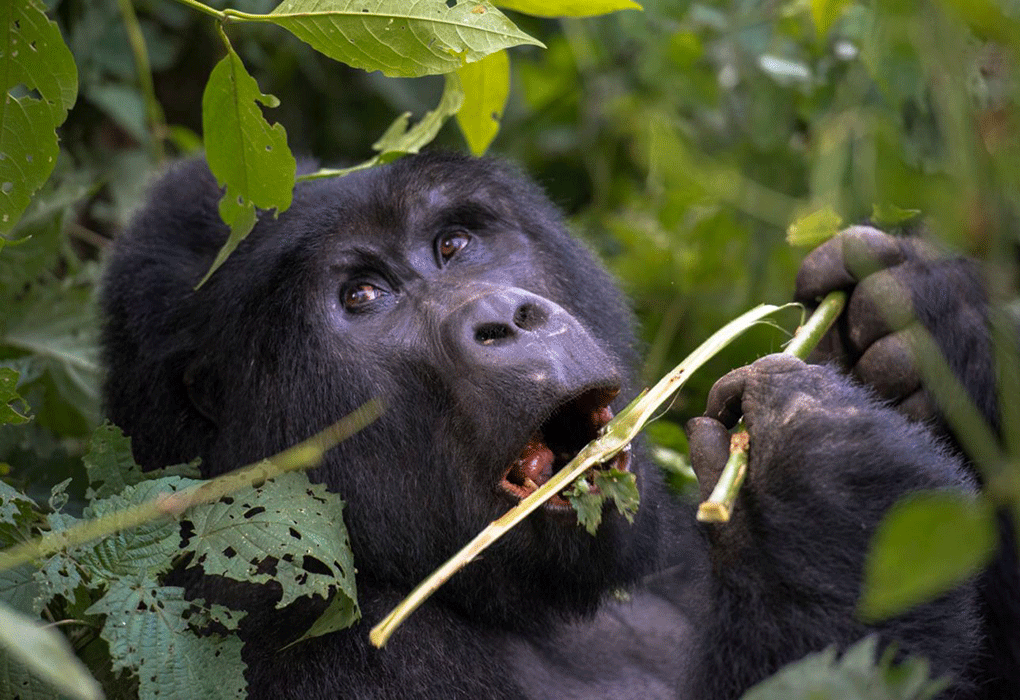
What Happens If I Miss Gorilla Trekking Time? Here’s the Truth
You miss gorilla trekking time? Missing your gorilla trekking time in Uganda can be one of the most worrying situations you may face during a safari. After spending money on international flights, accommodation, transportation and a gorilla permit, the thought of arriving late can be frightening. Many travelers immediately wonder whether the gorillas will wait, whether they can still join the trek, whether the permit will be lost or whether they will have to pay for another permit.
The truth is that missing your gorilla trekking time does not have one automatic outcome. What happens depends on why you are late, how late you are, whether the trekking group has already departed, where you are staying, the arrangements at your particular trekking sector and what options are available under Uganda Wildlife Authority (UWA) procedures. The most important thing is to communicate with your safari guide or tour operator as soon as you realize that you may be delayed.
Gorilla trekking in Uganda is a carefully managed wildlife activity. Visitors do not simply arrive at Bwindi Impenetrable National Park or Mgahinga Gorilla National Park and walk into the forest whenever they want. There is a reporting, permit-validation, orientation and briefing process before tracking begins. UWA’s guidelines also require tracking clients to be accompanied by authorized guides and trackers.
That means your gorilla trekking morning should be treated as one of the most important appointments on your safari.


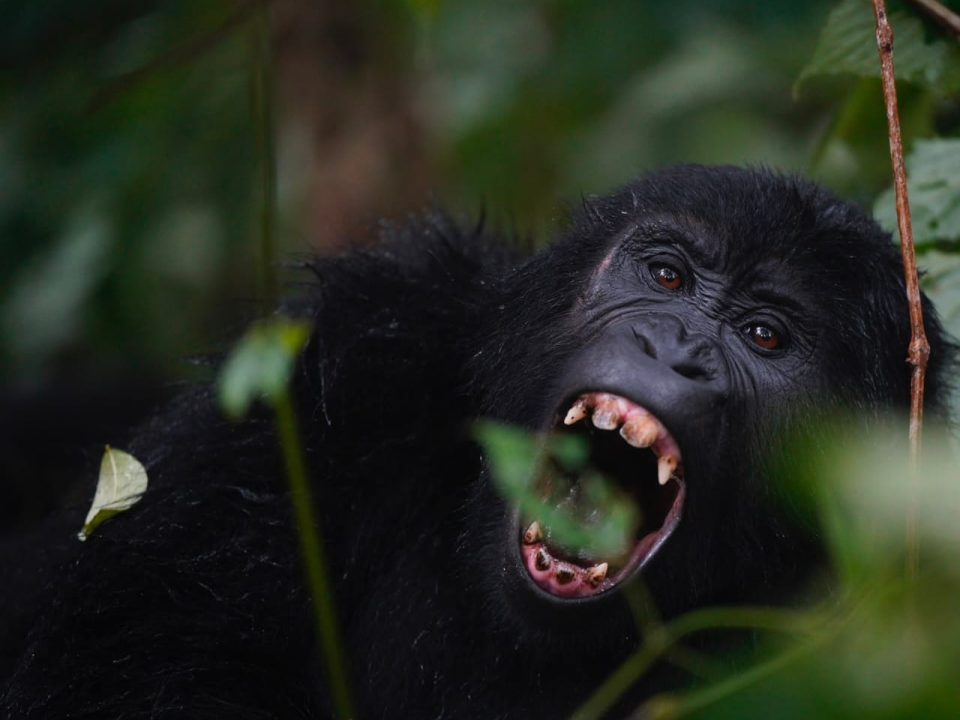
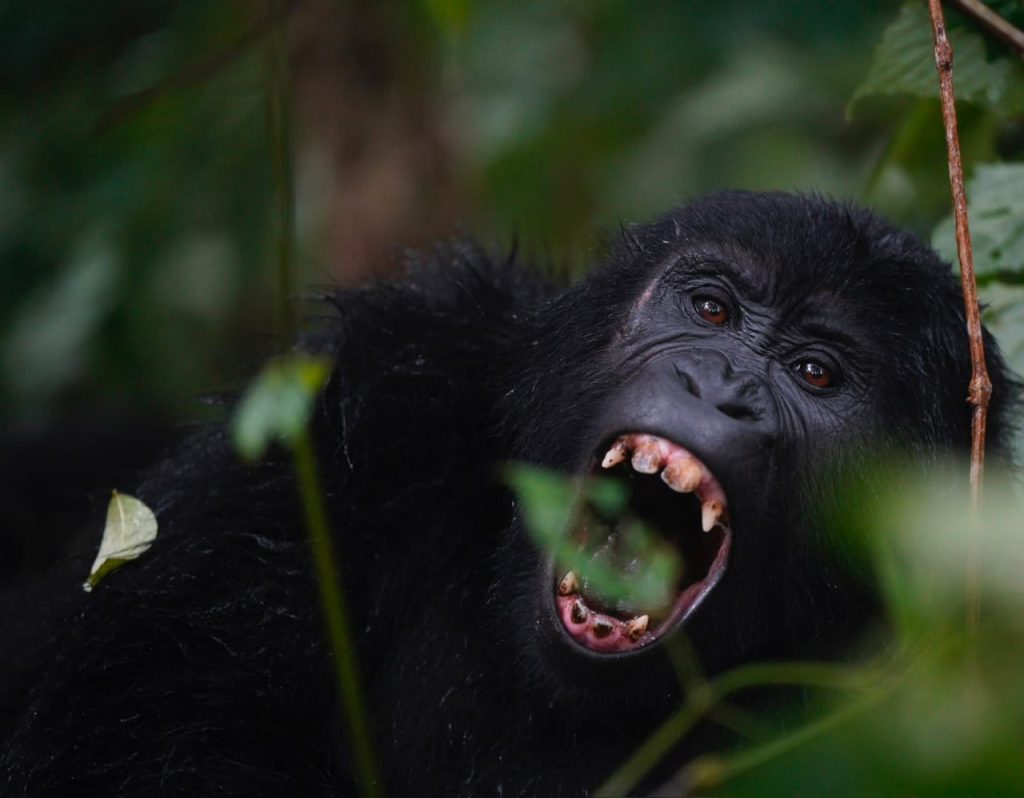
Mountain gorilla in the forests of Bwindi Impenetrable National Park, Uganda.
What Time Does Gorilla Trekking Start in Uganda?
Gorilla trekking follows an organized morning schedule rather than an open-ended arrival system. Before visitors begin tracking, they must report to the designated reception or entry point where their permits or tickets are validated and where orientation and briefing take place. UWA’s July 2024 guidelines state that visitors must report to the designated entry-point reception for permit or ticket validation, orientation and briefing before tracking. The same guidelines state that tracking clients must be accompanied by UWA guides and trackers.
The exact practical arrangements can vary between trekking locations and may also change over time, so travelers should always follow the instructions provided by their safari operator and the relevant UWA team rather than relying on an old timetable found online.
The important point is that you should arrive early enough to complete the required procedures before the trekking activity begins.
Your safari guide should normally tell you when to wake up, when breakfast should be taken and when the vehicle will leave your lodge. If you are staying close to your trekking sector, the journey to the briefing point may be relatively short. If you are staying farther away, however, the departure time needs to be much earlier.
This is why the accommodation location is an important part of gorilla safari planning.


Gorilla trekking begins with an organized briefing and preparation before visitors enter the forest.
What Happens If You Arrive Late for Gorilla Trekking?
If you arrive late, the first thing you should do is contact your safari guide or tour operator immediately.
Do not assume that you can simply walk to the forest and find your group. Gorilla trekking is guided and organized. If your group has already departed, you need to receive instructions from the responsible personnel about what can or cannot be done.
The outcome may be different depending on whether you are five minutes behind schedule and still approaching the reporting point, or whether you arrive after the trekking group has already entered the forest.
This distinction is important.
Your guide can communicate with the relevant people and determine whether there is still an opportunity to proceed with the day’s arrangements. If the original trekking arrangement cannot be accommodated, your operator can also discuss whether your permit qualifies for rescheduling under the applicable UWA rules.
The safest approach is therefore not to panic and not to make your own assumptions.
Contact your guide, explain the situation and follow the instructions provided.
Will the Gorilla Family Wait for You?
No. A gorilla family does not wait for individual travelers who arrive late.
Mountain gorillas are wild animals living in their natural forest habitat. Their movements are not controlled according to the tourist timetable. The purpose of trekking is to locate the habituated gorilla family with the assistance of trained trackers and guides.
When you purchase a gorilla permit, you are purchasing access to a regulated trekking experience on a particular date and under specific conditions. It does not mean that a gorilla family remains in one place waiting for a particular visitor.
This is also one reason why you cannot simply enter the forest alone after missing your group.


Mountain gorillas move naturally through their forest habitat and are located with the assistance of trained trackers and guides.
Can I Join My Group After They Have Entered the Forest?
This is one of the most common questions travelers ask after realizing they are late.
You should not attempt to enter the forest independently to search for your group.
UWA’s gorilla and chimpanzee tracking guidelines state that tracking clients must be accompanied by UWA guides and trackers. Visitors must also have their documents validated before tracking.
This means gorilla trekking is not comparable to hiking on a public trail where you can simply follow the path until you find your friends.
Bwindi is a dense rainforest environment with steep and challenging terrain in many areas. The forest is also a protected conservation area. The organized trekking system exists to help manage interactions between people and wildlife and to maintain appropriate conservation standards.
If your group has already left, remain with your safari guide or follow the instructions of the responsible UWA personnel.
Do not try to solve the problem by entering the forest alone.


Visitors walk through Bwindi’s dense rainforest under the guidance of trained trekking personnel.
Why Gorilla Trekking Has Strict Timing
Gorilla trekking is different from many ordinary tourist attractions because it involves wild animals, protected habitat and a carefully managed visitor experience.
UWA manages gorilla tracking in Uganda’s two principal gorilla destinations: Bwindi Impenetrable National Park and Mgahinga Gorilla National Park. In Bwindi, the main trekking sectors include Buhoma, Ruhija, Rushaga and Nkuringo.
The organized start of the activity helps ensure that visitors are properly registered, briefed and accompanied by the appropriate guides and trackers.
The timing also matters because the gorillas are not stationary. Trackers work to locate the assigned habituated gorilla family, and visitors follow the instructions of the trekking team throughout the experience.
UWA states that gorilla trekking can take approximately two to seven hours, depending on the trek, and visitors are allowed a designated period of observation once they encounter the gorillas.
That means travelers need to allow enough time not only for getting to the briefing point but also for the actual forest experience.

what if i miss my gorilla treking time


Bwindi’s forest trails can involve steep and challenging terrain, making proper timing and preparation important.
What If Traffic Makes You Late?
Traffic and road delays are among the most realistic reasons a traveler might miss or approach their gorilla trekking time late.
The southwestern region of Uganda contains mountainous areas, winding roads and rural routes. Travel times can also vary depending on weather, road conditions, construction, traffic and unexpected stops.
The problem becomes greater when travelers try to combine a long-distance transfer with a gorilla trek on the same morning.
For example, if your gorilla permit is for the Rushaga sector and you are staying a considerable distance away, leaving your accommodation in the morning may introduce unnecessary risk. Even if the journey normally takes a certain number of hours, unexpected delays can reduce your margin.
A well-planned safari therefore normally places you near your gorilla trekking sector the night before.


Road conditions and travel distances should be considered carefully when planning the journey to a gorilla trekking sector.
Does Your Gorilla Trekking Sector Matter?
Yes.
This is an important detail that first-time visitors sometimes overlook.
Bwindi Impenetrable National Park is divided into four major trekking sectors: Buhoma, Ruhija, Rushaga and Nkuringo.
These sectors are located in different parts of the wider Bwindi landscape. Therefore, saying that you are “staying in Bwindi” does not provide enough information to determine how long it will take you to reach your briefing point.
Your permit sector should be one of the first things considered when selecting accommodation.
If your permit is for Buhoma, your safari itinerary should be designed around Buhoma. If it is for Ruhija, your accommodation and transportation arrangements should take Ruhija into account. The same applies to Rushaga and Nkuringo.
This becomes particularly important when planning transfers from places such as Kabale, Kisoro, Queen Elizabeth National Park or other destinations.


Map showing the Bwindi area and the main gorilla trekking sectors.
Why You Should Stay Near Bwindi the Night Before
One of the easiest ways to reduce the risk of missing your gorilla trek is to spend the previous night close to the sector where your trek is scheduled.
This creates a valuable time buffer.
If you stay far away, your morning depends on everything going perfectly. You need to wake up on time, have breakfast, load the vehicle, travel the entire distance and reach the briefing point without significant delays.
If you stay close to the trekking sector, you have considerably more breathing room.
The evening before your trek is therefore not the best time for a long transfer if you can avoid it. It is better used for resting, preparing your trekking equipment and confirming the next morning’s arrangements with your guide.
You should know:
- Your gorilla trekking sector.
- Your reporting point.
- Your expected departure time.
- Your breakfast arrangements.
- What time you need to wake up.
- What equipment you should carry.
- Who to contact if something goes wrong.
A good safari operator should make these arrangements clear before the trekking morning.


Bwindi’s mountainous rainforest landscape is one reason travelers should allow sufficient time for transportation.
What If Your Flight Is Delayed?
Flight delays can create a more complicated situation because they may be outside your control.
Suppose you are scheduled to arrive in Uganda and connect with your safari, but your flight is delayed. Or perhaps a domestic connection is disrupted and you can no longer reach your planned destination at the expected time.
The most important thing is to contact your safari operator immediately.
Do not wait until the following morning.
Your tour operator can communicate with the relevant parties and establish what options may be available. Depending on the circumstances, the original arrangements may need to be changed.
However, travelers should not assume that an airline delay automatically guarantees another gorilla trekking date. Gorilla permits operate under UWA’s rules and rescheduling is subject to availability and applicable conditions.
This is another reason why experienced safari planning matters. When international flights are involved, your itinerary should include reasonable buffers rather than placing the gorilla trek immediately after a complicated series of connections.
What If I Oversleep and Miss gorilla trekking time?
Oversleeping is probably the most avoidable reason for missing a gorilla trek, but it can happen.
If you wake up late and realize that you are behind schedule, call your guide immediately.
Do not spend another twenty minutes getting dressed, packing your bag and eating breakfast before telling anyone.
Your guide needs to know what is happening.
If you are still close to the reporting point and there is time to reach it, your situation may be different from someone who arrives after the organized group has already departed.
Never assume that the park will simply wait for you.
Before going to bed, prepare your clothes, hiking boots, rain jacket, backpack and other essentials. Set an alarm and confirm the morning departure time with your guide.
It is much easier to prevent the problem than to solve it.
What If the Whole Group Is Late?
Group safaris can create another challenge because one person’s delay can affect everyone.
Imagine a family or group of friends traveling together. Everyone needs to use the same vehicle, and one person is still asleep when the driver is ready to leave.
The entire group may then arrive late.
For this reason, everyone in the group should understand that the gorilla trekking morning is different from a normal sightseeing day.
There is a fixed operational schedule, and the group needs to work together.
If you are traveling with a large group, agree on the previous evening what time everyone should be ready. Your guide should also clearly communicate when the vehicle will leave.
The goal is simple: everyone should be ready before the actual departure time, not at the departure time.
Can a Gorilla Permit Be Rescheduled?
Yes, UWA’s current guidelines provide a formal framework for rescheduling gorilla and chimpanzee tracking permits or tickets, but this does not mean every missed trek is automatically rescheduled.
According to the July 2024 UWA guidelines, a specific permit or ticket may be rescheduled up to two times, subject to availability at the requested location and date. The first reschedule can be made once without a surcharge, while the second reschedule attracts a 25% surcharge, subject to availability.
The guidelines also state that after two reschedules, the new tracking date cannot exceed twelve months from the original booked tracking date. A permit that has been rescheduled is not refundable, and if the new date falls into a higher-priced tariff period, the applicable difference may need to be paid.
UWA also states that rescheduling requests should normally be received at least 14 days before the tracking date. Requests received less than 14 days before tracking may be processed depending on availability.
Therefore, if you know in advance that you cannot make your original date, contact your safari company as soon as possible.
Do not wait until the morning of your trek unless the situation itself is genuinely unexpected.
What If You Become Sick Before Your Gorilla Trek?
Illness is another situation that should be communicated quickly.
If you become seriously unwell before your trek, tell your safari operator immediately. Gorilla trekking involves walking through a natural forest environment and can last several hours. UWA describes the activity as requiring moderate fitness and notes that trekking duration can vary considerably.
Your health and safety should not be ignored simply because you are worried about the permit.
If the illness occurs days before the trek, there may be more time to discuss possible arrangements. If it occurs on the actual morning, contact your guide and operator immediately so they can explain what options may be available under UWA procedures.
The important thing is to avoid making your own assumptions about whether a permit can or cannot be changed.
What If You Know Beforehand That You Cannot Make Your Trek?
If you know several days in advance that you will not be able to make your booked gorilla trekking date, contact your safari operator immediately.
Early communication is particularly important because UWA’s rescheduling process has specific conditions and is subject to availability.
For example, imagine that your international airline changes your flight schedule several weeks before your safari. Rather than waiting until you arrive in Uganda, tell your operator as soon as you receive the airline notification.
The same applies if you have another unavoidable change to your itinerary.
Your safari company can then investigate the appropriate procedure rather than trying to solve the problem after the original trekking date has arrived.
How to Avoid Missing Your Gorilla Trekking Time
The easiest way to deal with a missed gorilla trek is to avoid missing it in the first place.
Start by staying near your designated trekking sector the night before. This is especially important because the different sectors of Bwindi are not interchangeable locations on a small city map.
Confirm your reporting point with your safari guide before going to bed.
Prepare your hiking clothes and equipment in advance. Put your boots, trousers, rain jacket, backpack, water and other necessities where you can access them quickly.
Do not leave packing until the morning.
Set an alarm and give yourself enough time for breakfast. If your lodge has a specific breakfast schedule for trekkers, follow the instructions provided.
Most importantly, build a time buffer into your morning.
If your guide says the vehicle leaves at 6:00 a.m., being ready at 6:00 a.m. is not the same as being ready before 6:00 a.m.


Preparing trekking clothing and equipment the night before can make the morning much easier.
What Should You Do If You Realize You Are Running Late?
If the morning has already gone wrong, follow a simple process.
1. Contact Your Guide
Call or message your safari guide as soon as you realize you are delayed.
2. Explain Your Situation
Tell the guide whether the delay is caused by traffic, a vehicle problem, illness, oversleeping or another reason.
3. Follow Their Instructions
Your guide can communicate with the relevant personnel and establish what can be done.
4. Do Not Enter the Forest Alone
You should never attempt to find your group by entering the forest independently. UWA requires clients to be accompanied by authorized guides and trackers.
5. Ask About Your Permit
If the original trek cannot proceed, ask your operator whether your permit qualifies for rescheduling under the current UWA rules.
6. Be Prepared for Availability Restrictions
A different date is not necessarily guaranteed. Rescheduling is subject to availability and the conditions applicable to the permit.
What Happens Once You Reach the Trekking Point?
Once you reach the designated entry point, the organized process begins.
Your permit or ticket is checked and validated. Visitors receive orientation and briefing before tracking, and the trekking group proceeds with UWA guides and trackers.
The briefing is an important part of the experience.
Visitors learn how to behave around the gorillas, how to follow instructions from the guides and how to minimize disturbance to the animals.
The actual trek then begins.
The duration can vary considerably because the gorillas are not waiting at a fixed viewing platform. UWA states that gorilla tracking may last approximately two to seven hours.
This is why travelers should be prepared for a genuine wilderness experience rather than expecting a perfectly predictable schedule.
Why You Should Not Plan a Long Transfer on Gorilla Trekking Morning
One of the biggest planning mistakes is treating the morning of your gorilla trek as another opportunity to cover a large distance.
For example, a traveler may think:
“The drive normally takes three hours, and the briefing is in the morning, so we should be fine.”
The problem is that “normally” is not the same as “guaranteed.”
A vehicle can experience a mechanical problem. Traffic can slow down the journey. Rain can affect road conditions. A traveler can need an unexpected stop. The group can leave the lodge later than planned.
Every small delay reduces your safety margin.
Instead, the better approach is to make the gorilla trekking sector the destination for the previous day.
Arrive, check into your lodge, rest and prepare for the following morning.
That way, the trek becomes the beginning of your day rather than the final appointment after a long transfer.
Gorilla Trekking in Bwindi Is a Conservation Experience
It is also worth remembering why these arrangements are so carefully controlled.
Bwindi Impenetrable National Park is a major protected rainforest in southwestern Uganda and is internationally recognized for its exceptional biodiversity. UNESCO lists Bwindi as a World Heritage property and notes its importance for mountain gorillas and other species.
Gorilla tourism therefore operates within a conservation framework.
The organized system helps manage the number and movement of visitors and ensures that trekking takes place with trained personnel.
This is why the rules around reporting, validation, briefing and guided tracking should be taken seriously.
Missing your time can be stressful, but trying to bypass the system is not the solution.
Does Missing the Trek Mean Your Safari Is Ruined?
Not necessarily.
Missing your scheduled time is certainly a serious problem, particularly because gorilla permits are valuable and trekking dates are limited. However, travelers should not immediately conclude that there is absolutely nothing that can be done.
The correct response is to communicate quickly.
If you are still able to reach the reporting point, your guide can determine what is possible. If the original arrangement cannot proceed, your operator can investigate whether your permit qualifies for rescheduling under UWA’s rules.
The important distinction is that rescheduling is governed by UWA procedures and availability. It is not something a safari company can simply guarantee independently.
This is why choosing an experienced safari operator is valuable. When an unexpected problem occurs, the operator can communicate with the appropriate people and help you understand the available options.
Frequently Asked Questions About Missing a Gorilla Trekking Time
What happens if I arrive late for gorilla trekking in Uganda?
Contact your safari guide immediately. The outcome depends on how late you are, the circumstances and whether the organized trekking process has already proceeded. Do not enter the forest independently.
Will the gorillas wait for me?
No. Mountain gorillas are wild animals and do not remain in one location waiting for late visitors. Guides and trackers work to locate the habituated gorilla family.
Can I join my group after they enter the forest?
You should not attempt to enter the forest alone. UWA requires gorilla tracking clients to be accompanied by UWA guides and trackers.
Can my gorilla permit be rescheduled?
UWA’s July 2024 guidelines provide for up to two reschedules of a specific permit or ticket, subject to availability and applicable conditions. The first reschedule is permitted once without a surcharge, while the second attracts a 25% surcharge.
Can I reschedule a gorilla permit at the last minute?
UWA states that rescheduling requests should normally be submitted at least 14 days before tracking. Requests received less than 14 days before tracking may be processed depending on availability.
What if my flight is delayed?
Contact your safari operator as soon as you know about the delay. The operator can communicate with the relevant parties and determine what options may be available.
What if traffic makes me late?
Call your guide immediately. Your guide can determine the best course of action based on how much time remains and the location of the group.
Can I travel to Bwindi on the morning of my trek?
It is possible to have different itinerary arrangements, but a long-distance morning transfer creates additional risk. Staying near your trekking sector the previous night provides a much better time buffer.
What if I oversleep?
Contact your guide immediately. Do not wait until you are completely ready before communicating the problem.
What if I become sick?
Tell your guide and safari operator as soon as possible. They can explain the available options and communicate with UWA where necessary.
Does the trekking sector matter?
Yes. Bwindi has four major trekking sectors: Buhoma, Ruhija, Rushaga and Nkuringo. Your accommodation and transportation should be planned around the sector specified for your trek.
The Bottom Line: Don’t Panic, But Don’t Ignore the Situation
Missing your gorilla trekking time in Uganda is something every traveler should try to avoid, but it is not a situation where you should immediately panic or assume that your permit is automatically gone.
The correct response is straightforward: contact your safari guide immediately, explain what happened, follow the instructions provided and ask about the options available under the current UWA procedures.
Do not enter Bwindi or Mgahinga on your own looking for your group. Do not assume the gorillas will wait. Do not assume that a permit can automatically be transferred to another date. And do not wait unnecessarily before informing your safari company.
The best solution, however, starts before the trekking morning.
Stay near your correct trekking sector. Confirm your reporting time. Prepare your equipment the night before. Leave early. Build a reasonable buffer into your schedule. And make sure your safari operator has carefully planned the route around your gorilla permit.


Meeting a mountain gorilla in Uganda’s ancient rainforest is the experience that makes careful preparation worthwhile.
Plan Your Gorilla Trekking Experience With PrideMark Safaris
Gorilla trekking is one of Uganda’s most remarkable wildlife experiences, but the experience begins long before you enter the forest. Good planning includes selecting the right trekking sector, choosing suitable accommodation, allowing enough travel time and understanding the procedures surrounding your gorilla permit.
At PrideMark Safaris, we believe a successful gorilla safari should be planned around the realities of the destination rather than simply filling an itinerary with attractions. Your accommodation, transportation, trekking sector and daily schedule should work together so that you can approach your gorilla trek rested, prepared and on time.
And if something unexpected happens, the first step is always communication.
Don’t panic. Don’t enter the forest alone. Contact your guide, follow the official instructions and allow your safari operator to help you understand what can be done.
That is the truth about missing your gorilla trekking time in Uganda.