Can Children Go on an African Safari? 10 Essential Safe ParentTips

How to Identify a Genuine Safari Company: 10 Things to Check
September 16, 2026
What Happens If My Safari Vehicle Breaks Down in the Bush? 5 Key Things to Know
September 17, 2026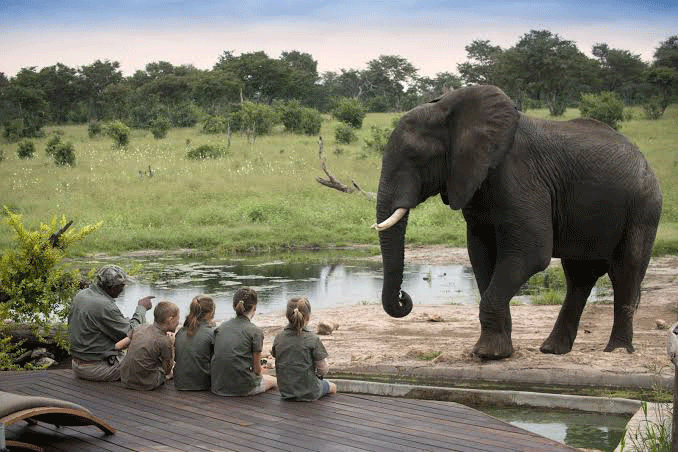
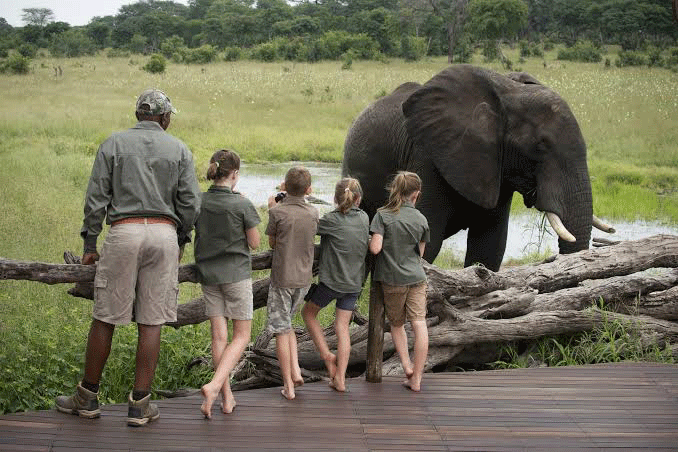
children looking at an elephant on a safari
An African safari is often imagined as an adult adventure involving long game drives, remote lodges, early mornings and encounters with wild animals. That description is partly true, but it does not mean that safari travel is only for adults. In fact, children can find a safari fascinating because it turns many things they learn from books, television and school into real experiences. Instead of seeing an elephant only in a picture, a child may watch an elephant family moving through the grassland. Instead of reading about birds, they may learn to identify species from the back of a safari vehicle. A family safari can also introduce children to conservation, geography, local cultures, ecosystems and responsible travel in a way that is difficult to reproduce in a classroom.
The important question is therefore not simply whether children can go on an African safari. The better question is what kind of safari is appropriate for the particular child. A two-year-old, a seven-year-old and a sixteen-year-old can all experience Africa, but they may need very different itineraries. Younger children generally benefit from shorter activities, flexible schedules, comfortable accommodation and fewer long transfers. Older children can often handle longer game drives, nature walks, boat trips and more educational wildlife experiences. Teenagers may also be interested in photography, birding, conservation, primates and more adventurous activities.
Quick Facts: Children and African Safaris
| Question | What Parents Should Know |
|---|---|
| Can children go on safari? | Yes. Family safaris are possible when the itinerary, accommodation and activities are matched to the child’s age. |
| Is there one universal safari age limit? | No. Age restrictions vary by country, park, lodge and activity. |
| Gorilla trekking in Uganda | UWA guidance sets the minimum age for gorilla tracking and viewing at 15 years. |
| Chimpanzee tracking in Uganda | UWA guidance sets the minimum age for chimpanzee tracking and viewing at 12 years. |
| Best activities for younger children | Game drives, selected boat trips, wildlife viewing, birdwatching, cultural activities and nature-based experiences can be suitable depending on the child and operator. |
| Main health consideration | Parents should obtain destination-specific medical advice, including malaria prevention where relevant. |
| Most important safety rule | Children should never approach, feed, chase or touch wild animals and should follow the guide’s instructions at all times. |
| Best safari vehicle setup | A private vehicle is often useful for families because the schedule can be adapted around children. |
| What makes a safari child-friendly? | Shorter driving days, comfortable lodges, flexible meal times, private transport, engaging guides and activities appropriate for the child’s age. |
Can Children Go on an African Safari? The Short Answer
Yes, children can go on an African safari, but parents should not assume that every safari is automatically family-friendly. Safari conditions vary enormously. One trip might involve a comfortable lodge, short drives and several wildlife-viewing opportunities close to the accommodation. Another might involve six or seven hours on rough roads, very early departures, remote camps and physically demanding activities. Both may be marketed as safaris, but they can feel completely different for a child.
For families considering a safari in Uganda, this distinction is particularly important because Uganda offers several different types of wildlife experiences. The Uganda Wildlife Authority manages national parks including Murchison Falls, Queen Elizabeth, Lake Mburo, Kibale, Bwindi Impenetrable, Mgahinga Gorilla, Kidepo Valley, Semuliki, Rwenzori Mountains and Mount Elgon. This gives families the possibility of combining classic game viewing with forests, primates, boat experiences, landscapes and cultural encounters.
The best family safari is rarely the itinerary with the greatest number of destinations. Instead, it is the itinerary that gives children enough time to enjoy what they are seeing without becoming exhausted by constant movement. A family may be able to visit fewer destinations and actually enjoy the safari more because there is enough time to rest, watch wildlife, swim where appropriate, enjoy the lodge and ask questions. Parents should think about the safari as a family holiday rather than a checklist of every possible attraction.
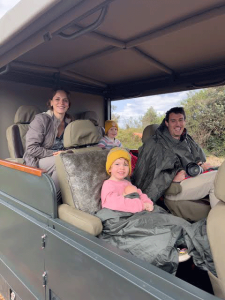
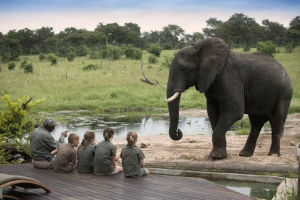
Family travel in Africa can combine wildlife viewing, education, nature and unforgettable outdoor experiences.
What Is the Best Age for an African Safari?
There is no single age that can be called the perfect age for an African safari. A child’s personality, health, patience, previous travel experience and ability to follow safety instructions can matter just as much as their age. Some children can happily sit in a safari vehicle looking for elephants and giraffes, while others may become restless after twenty minutes. Some teenagers become enthusiastic wildlife photographers, while others may need a more varied itinerary that includes cultural activities, boat trips and opportunities to relax.
Infants and very young children require the greatest amount of planning. Their feeding, sleeping, hygiene and medical needs can make remote travel more complicated. Parents travelling with babies should carefully consider how long they will spend away from major towns, the availability of suitable food and medical services, road conditions and the distance between destinations. A safari can still be possible, but the itinerary should be deliberately slow and comfortable rather than ambitious.
Children in the early school years can often enjoy safari very well when the itinerary is designed around them. They may become fascinated by animal tracks, footprints, birds, insects, elephants, zebras, antelopes and monkeys. A guide who knows how to communicate with children can transform a game drive from simply looking at animals into an interactive wildlife lesson. For example, a guide might ask children to count giraffes, identify different horn shapes or look for animals that camouflage themselves in grass.
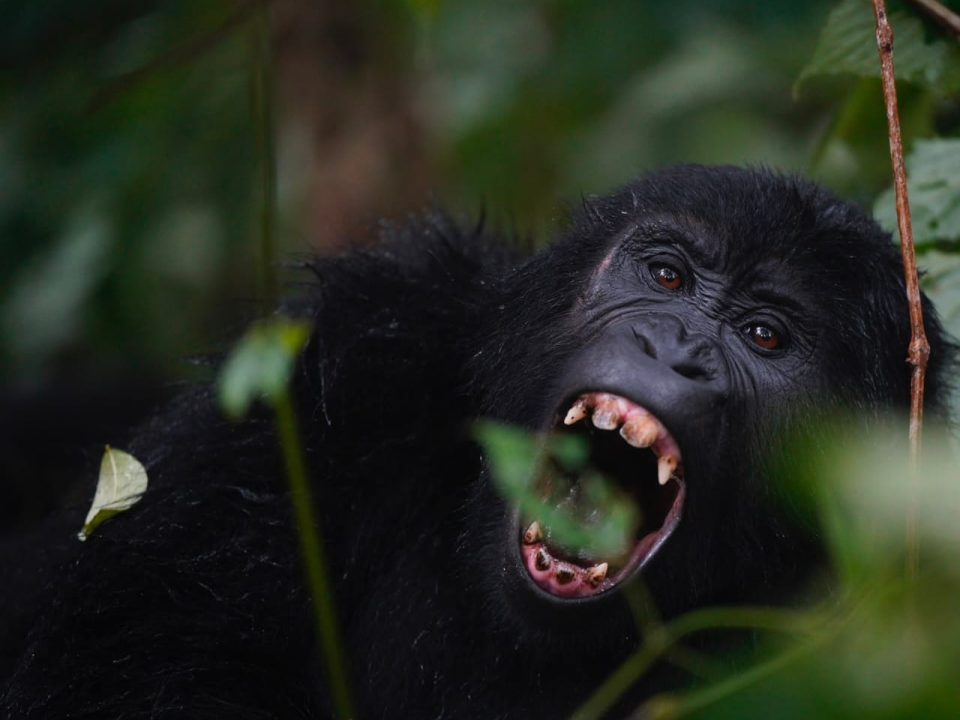
Older children and teenagers can usually participate in a wider range of activities, but parents still need to check individual age requirements. In Uganda, for example, the Uganda Wildlife Authority’s current guidelines state that the minimum age for tracking and viewing gorillas is 15 years, while chimpanzee tracking and viewing has a minimum age of 12 years. :contentReference[oaicite:2]{index=2} This means a family with younger children can still have a fantastic Uganda safari, but the itinerary should not be built around activities that the children cannot legally participate in.
Why a Family Safari Can Be an Amazing Experience for Children
One of the greatest advantages of taking children on safari is that wildlife becomes a real-world learning experience. A child who studies animals at school may remember a safari encounter for years because the lesson becomes connected to a real place, sound and experience. Seeing an elephant move silently through a woodland, hearing hippos calling from a river or watching monkeys moving through a forest creates memories that are very different from reading a paragraph in a textbook.
Safari can also teach children about conservation. A good guide can explain why national parks exist, how communities benefit from tourism, why wildlife needs protected habitats and why visitors must behave responsibly around animals. Uganda’s protected areas are managed for wildlife conservation, and UWA describes its work as including ecosystem management, monitoring, research and community involvement. :contentReference[oaicite:3]{index=3} This makes a safari an opportunity to discuss conservation in a practical and age-appropriate way.
Children can also learn patience. Wildlife does not perform on demand. A safari guide cannot guarantee that a lion will appear at exactly 10:00 a.m. or that elephants will cross the road when everyone is ready. Waiting quietly and paying attention can become part of the adventure. For younger children, parents can turn this into a game by creating simple wildlife bingo cards or asking them to look for specific colours, animal shapes, birds or tracks.
For families travelling internationally, a safari can also expose children to different languages, foods, landscapes and cultures. In Uganda, families may encounter local communities, traditional crafts, agricultural landscapes and different cultural traditions alongside wildlife experiences. When cultural experiences are arranged respectfully and with local participation, they can become an important part of the trip rather than an optional extra.
Are African Safaris Safe for Children?
Safari safety depends heavily on behaviour, planning and professional guidance. Wild animals are unpredictable, even when they appear calm. Children should therefore understand from the beginning that a safari is not a zoo. Animals are not there for visitors to touch or feed, and approaching wildlife outside controlled circumstances can be dangerous. Children should remain inside the safari vehicle when instructed, keep their voices controlled, avoid sudden movements and follow the guide’s instructions.
Parents should also explain that even small animals can cause injuries. Children are naturally curious and may want to approach monkeys, birds, dogs, cats or other animals they encounter. The CDC specifically advises that young children be watched closely around unfamiliar animals because children can be more likely to be bitten, scratched or seriously injured. :contentReference[oaicite:4]{index=4}
Vehicle safety is another important part of a family safari. Children should use appropriate seat belts and remain seated while the vehicle is moving. Parents travelling with very young children should discuss child-seat arrangements with the safari operator before departure because the availability and type of child restraints can vary by destination and vehicle. The CDC recommends paying attention to road safety and appropriate car or booster seats when travelling internationally with children. :contentReference[oaicite:5]{index=5}
Parents should also avoid assuming that because a safari vehicle is large, every situation is automatically safe. Guides are trained to understand animal behaviour and should make decisions about positioning the vehicle, maintaining appropriate distances and when it is safe to stop. Families should allow the guide to control wildlife encounters rather than asking the driver to move closer for a better photograph.
Malaria and Health: What Parents Should Know Before a Safari
Health planning is one of the most important parts of travelling to a malaria-risk safari destination with children. Children can be particularly vulnerable to serious malaria illness, and parents should not treat malaria prevention as an optional part of safari preparation. The CDC’s current travel guidance advises families travelling to malaria-risk areas to seek destination-specific medical advice and discusses preventive medication, insect-bite prevention and other precautions for children. :contentReference[oaicite:6]{index=6}
Parents should arrange a pre-travel appointment with a qualified healthcare professional or travel-medicine specialist well before departure. The exact recommendations can depend on the destination, child’s age and weight, medical history, previous vaccinations and the specific activities planned. The CDC recommends discussing travel with a healthcare professional at least one month before departure where possible and ensuring that routine vaccinations are up to date. :contentReference[oaicite:7]{index=7}
Mosquito protection should be part of the family’s daily routine. Depending on medical advice, this may include appropriate insect repellent, long sleeves and trousers, sleeping under mosquito netting where provided and taking prescribed malaria prevention medication. The CDC notes that malaria transmission occurs in many safari areas in sub-Saharan Africa and recommends combining chemoprophylaxis with measures to reduce mosquito bites. :contentReference[oaicite:8]{index=8}
Parents should also pack a small family health kit containing the medicines their children normally use, prescriptions, basic first-aid supplies and any items recommended by their healthcare provider. Medicines should be kept securely away from children. Families should also know what they will do if a child develops a fever during or after travel. Fever following travel to a malaria-risk area should be taken seriously and medical care should be sought promptly. :contentReference[oaicite:9]{index=9}
Which African Safari Activities Are Suitable for Children?
Not every safari activity has the same physical or age requirements. A classic game drive is often easier to adapt for families than a strenuous forest trek. A boat safari may provide an exciting wildlife experience without requiring children to walk for several hours. A cultural activity may also provide a welcome change after several hours in a vehicle. The key is to build variety into the itinerary rather than expecting children to remain interested in one type of activity throughout the entire trip.
| Safari Activity | Family Considerations | What Parents Should Check |
|---|---|---|
| Game drives | Often suitable for families, especially when drives can be adjusted around children. | Drive duration, road conditions, departure times and vehicle comfort. |
| Boat safari | Can be exciting for children because wildlife may be visible from the water. | Minimum age, life-jacket availability, water conditions and supervision. |
| Nature walks | Short walks can work well for active children. | Distance, terrain, wildlife risks and minimum age. |
| Chimpanzee tracking | Age restrictions apply in Uganda. | UWA currently sets the minimum age at 12 years for tracking/viewing. |
| Gorilla trekking | Physically demanding and subject to a strict age limit in Uganda. | UWA currently sets the minimum age at 15 years. |
| Cultural experiences | Can provide an educational break from wildlife viewing. | Age suitability and respectful interaction with communities. |
| Birdwatching | Excellent for curious older children and teenagers. | Guide’s ability to make birding interactive and engaging. |
The distinction between a wildlife safari and a primate trekking experience is especially important in Uganda. Parents sometimes assume that because a child can join a normal game drive, the same child can automatically join gorilla or chimpanzee tracking. That is not the case. UWA’s current guidelines establish specific minimum ages for these activities. :contentReference[oaicite:10]{index=10} Families should therefore discuss the ages of every traveller before permits or activities are booked.

Wildlife encounters can become memorable educational experiences for children when viewed safely from a professional safari vehicle.
Why Private Safari Vehicles Can Be Better for Families
For families with children, a private safari vehicle can make a major difference to the overall experience. In a shared vehicle, everyone has to follow the same schedule. If a child becomes tired, hungry or restless, the group may still need to continue according to the planned itinerary. With a private vehicle, there is usually more flexibility to adjust departure times, take breaks and spend longer at an interesting wildlife sighting when the children are engaged.
Private travel can also make the guide’s communication more family-friendly. A guide can explain animals in a way that suits the child’s age rather than delivering the same information to a group of adults. For example, a younger child might enjoy simple animal-identification games while an older teenager may want detailed information about conservation, behaviour, photography or ecology.
Parents should also consider the amount of driving between destinations. Uganda is geographically diverse, and some of the country’s major national parks are separated by considerable distances. UWA’s published park information lists approximate distances from Kampala including Murchison Falls at about 305 km, Kibale at about 358 km, Queen Elizabeth at about 389 km and Bwindi at about 512 km. :contentReference[oaicite:11]{index=11} These distances illustrate why a family itinerary should be designed carefully rather than simply moving from one destination to another every day.
Long road transfers are not necessarily a reason to avoid a Uganda safari with children. They simply need to be managed. Breaks, snacks, comfortable accommodation, interesting roadside stops and realistic daily schedules can make a major difference. Families should ask how long each transfer is expected to take under normal road conditions rather than looking only at the distance in kilometres.
How to Choose Child-Friendly Safari Accommodation
Accommodation can determine whether a family safari feels relaxing or exhausting. Parents should look beyond the star rating and ask practical questions. Does the lodge have family rooms? Are children accepted at the property? Are meals flexible? Is there a swimming pool? Are there safe areas where children can relax? Are rooms close to the main building? Does the lodge have mosquito protection? Are there restrictions around children walking outside at night?
Parents should also remember that a lodge located in a wildlife area is not the same as a normal city hotel. Children may need to be escorted between buildings after dark depending on the location and wildlife situation. They should never be allowed to wander outside independently simply because the property appears quiet. The lodge staff should explain the property’s safety procedures on arrival.
Food is another consideration. Younger children may be reluctant to eat unfamiliar foods after a long day of travel. Parents can ask accommodation providers whether they can prepare simple child-friendly meals. Bringing familiar snacks can also be useful, particularly during long drives or between meals.
What Should Children Wear on an African Safari?
Safari clothing does not need to be complicated. Comfort, sun protection and protection from insects are usually more important than fashion. Lightweight long-sleeved shirts and trousers can be useful, particularly around mosquitoes and other biting insects. A hat with good sun coverage, comfortable closed shoes and a lightweight jacket or fleece can also be useful because temperatures can change significantly between early mornings, daytime and evenings.
Neutral or earthy colours are commonly recommended for safari because they blend naturally into the environment and are practical for dust and outdoor activities. However, parents should not become overly concerned about creating a perfectly coordinated safari wardrobe. Children need clothing they can comfortably wear for several hours in a vehicle or outdoors.
Sun protection is particularly important. Parents should pack child-appropriate sunscreen, hats and sunglasses where suitable. Children should also drink enough water throughout the day, especially during warm weather and long game drives.
Family Safari Packing Checklist
| Item | Why It Matters |
|---|---|
| Comfortable clothing | Children spend considerable time outdoors and in vehicles. |
| Long-sleeved shirts and trousers | Useful for sun and insect protection. |
| Hat | Provides protection from strong sun. |
| Comfortable walking shoes | Useful for walks and lodge activities. |
| Insect repellent | Important for reducing mosquito and other insect bites. |
| Personal medication | Bring sufficient supplies and keep them secure. |
| Reusable water bottle | Helps children stay hydrated during travel. |
| Snacks | Useful during long road transfers and between meals. |
| Binoculars | Makes wildlife watching more interactive and exciting. |
| Camera | Encourages children to document what they see. |
| Small backpack | Allows older children to carry personal essentials. |
| Books or wildlife guide | Can keep children engaged during quiet periods. |
How Parents Can Keep Children Interested During Long Game Drives

The biggest challenge on some family safaris is not safety but boredom. Wildlife is unpredictable, and there can be long periods when nothing dramatic happens. Parents can make these quiet moments much more enjoyable by giving children something to do. A simple wildlife checklist can encourage them to look for elephants, antelopes, monkeys, birds, zebras or other species. Older children can keep a wildlife journal and record what they saw, where they saw it and what the guide explained.
Binoculars can also transform a child’s experience. Instead of simply looking at a distant animal, children can search for movement in the grass, watch birds in trees or examine an animal’s behaviour. A child-friendly wildlife book can help them identify species and compare what they expected to see with what they actually encounter.
Parents should also resist the temptation to promise children that they will see specific animals. A safari is not a wildlife exhibition with guaranteed appearances. It is better to explain that every drive is an exploration. Sometimes the most exciting sighting might be an animal the family did not expect to see.
What Parents Should Know About Wildlife Around Children
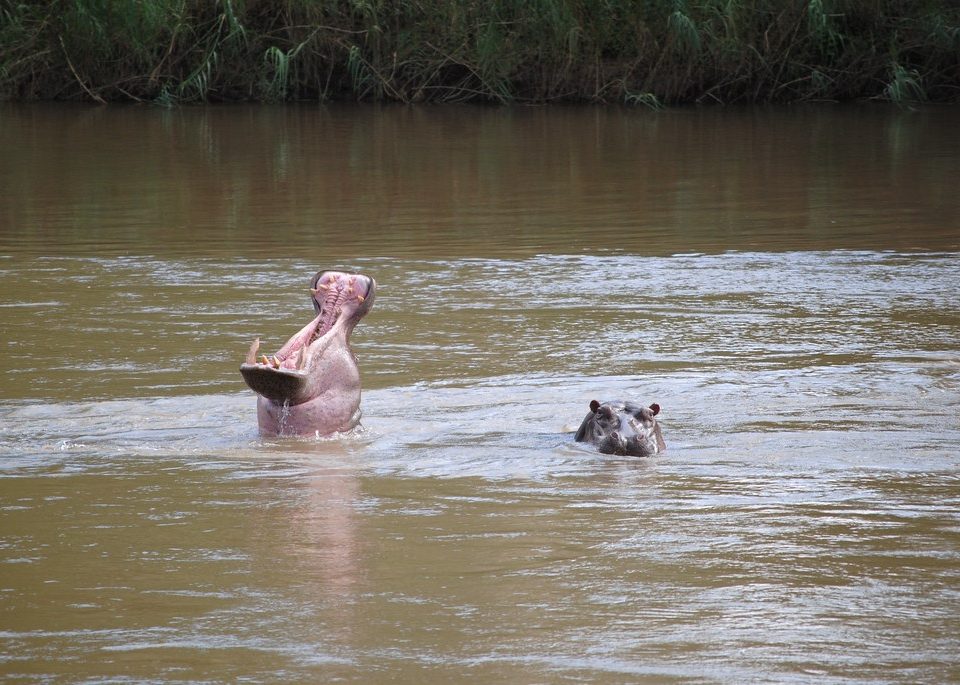
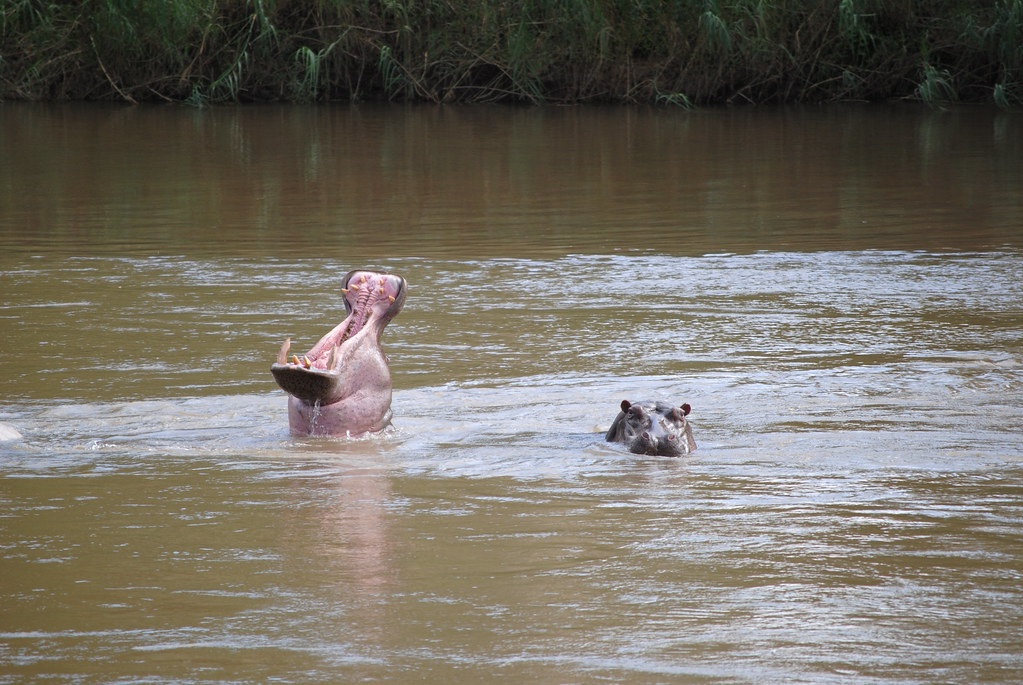
Children should understand one simple rule before entering a national park: wildlife deserves distance and respect. Even animals that appear harmless can behave unpredictably. A small antelope can run suddenly across a road, monkeys may approach food, and hippos can be extremely dangerous when people get too close. Children should never be encouraged to feed wildlife or call animals closer.
The same rule applies at lodges. Parents should ask staff about the property’s wildlife procedures and follow instructions. If a lodge provides an escort after dark, use it. If staff tell guests not to walk alone, children should never be allowed to do so. Safari safety works best when parents, children, guides and lodge staff all follow the same rules.
Parents should also explain why silence matters. Loud shouting, banging on vehicle windows or making animal noises can disturb wildlife and reduce the quality of the experience. Teaching children to observe quietly can become part of the adventure. In many cases, children are surprisingly good wildlife observers once they understand that they are playing the role of a wildlife detective.
Is Uganda a Good Destination for a Family Safari?
Uganda can offer families a particularly varied safari experience because its protected areas combine savannah landscapes, forests, lakes, rivers and primate habitats. The Uganda Wildlife Authority lists ten national parks, including Murchison Falls, Queen Elizabeth, Lake Mburo, Kibale, Bwindi Impenetrable, Mgahinga Gorilla and Kidepo Valley. :contentReference[oaicite:12]{index=12} This variety allows families to build an itinerary around the ages and interests of their children.
For younger children, a safari centred around classic wildlife viewing may be easier than an itinerary dominated by strenuous trekking. Murchison Falls, Queen Elizabeth and Lake Mburo can form part of a wildlife-focused itinerary, with game drives and other activities selected according to the child’s age and the current rules of the park and operator. UWA has specifically highlighted game drives, boat cruises and nature-based experiences among activities available in its parks. :contentReference[oaicite:13]{index=13}
Families with older children and teenagers can consider adding primate experiences where the relevant age limits are met. However, the distinction between ordinary wildlife viewing and specialist primate tracking should always be made before booking. Uganda’s current UWA guidance sets the minimum age at 15 for gorilla tracking and viewing and 12 for chimpanzee tracking and viewing. :contentReference[oaicite:14]{index=14}
This means a family with children below those ages does not need to cancel the idea of a Uganda safari. Instead, the itinerary can be designed around activities everyone can enjoy. Parents can also split certain activities when appropriate, with older family members participating in an age-restricted activity while another suitable adult stays with younger children. Such arrangements should be discussed and planned with the safari operator before the trip.

How to Build a Child-Friendly African Safari Itinerary
The first principle of a child-friendly safari itinerary is to avoid trying to do too much. Parents often become excited when planning Africa and want to include every famous destination, but too many hotel changes can turn a wonderful trip into a tiring road journey. Children usually benefit from spending two or more nights in selected locations rather than packing and unpacking every morning.
The second principle is to balance active and quiet days. A long game-drive day can be followed by a relaxed morning. A boat safari can be followed by time at the lodge. A long transfer should not automatically be followed by another demanding activity. This rhythm gives children time to recover and helps the whole family enjoy the trip.
The third principle is flexibility. If the children are tired, the family should be able to return to the lodge. If they are fascinated by elephants, the guide should be able to spend additional time observing them where appropriate. If rain changes the conditions, the itinerary should have enough flexibility to adapt.
The fourth principle is realistic driving time. A map can make destinations appear relatively close, but road conditions, stops, traffic, weather and wildlife-viewing opportunities can affect the actual journey. Parents should ask their safari company for realistic transfer times and discuss how often breaks can be made.
What a Family-Friendly Safari Day Can Look Like
| Time | Example Family-Friendly Plan |
|---|---|
| 6:30–7:00 | Wake up, breakfast and prepare for the morning activity. |
| 7:30–10:30 | Morning wildlife activity or game drive, depending on the destination. |
| 10:30–12:00 | Return to the lodge, snack, rest or swimming where appropriate. |
| 12:00–14:00 | Lunch and relaxed family time. |
| 14:00–15:30 | Rest, reading, lodge activity or family time. |
| 15:30–18:00 | Afternoon wildlife activity, boat trip or selected experience. |
| 18:00 onward | Return to accommodation, dinner and early rest. |
The times above are only an example and should never be treated as a fixed safari schedule. Actual activity times depend on the destination, park regulations, weather, wildlife conditions, lodge arrangements and the safari operator. The important idea is to avoid making every hour of the day an organised activity. Children need downtime, just as adults do.
What If Your Child Gets Tired, Sick or Frustrated?
Parents should build flexibility into the safari from the beginning because children can respond differently to travel than adults. A child who is excited about wildlife on day one may become tired after several early mornings. Another child may become uncomfortable with a long vehicle transfer. Parents should not interpret this as failure. It is simply part of travelling with children.
A private safari arrangement can make this easier because the family has more control over the schedule. Parents can discuss with the guide whether an activity can be shortened, whether the family can return to the lodge or whether a later departure would be more appropriate. Good safari planning should leave room for these adjustments.
If a child becomes unwell, parents should prioritise medical care rather than trying to continue the itinerary. This is particularly important for fever following travel in a malaria-risk area. The CDC advises travellers and healthcare professionals to consider malaria promptly when a traveller returning from a malaria-risk destination develops fever or flu-like symptoms. :contentReference[oaicite:15]{index=15}
How Much Does a Family Safari Cost?
The cost of an African safari with children varies considerably depending on the country, number of travellers, accommodation standard, transport, activities, season and whether the family uses a private vehicle. Parents should not assume that adding a child simply means adding an adult price because some park fees and accommodation policies can treat children differently. For example, UWA’s published conservation tariff has historically included separate adult and child categories for several Ugandan parks, but families should always confirm the current tariff applicable to their travel dates before budgeting. :contentReference[oaicite:16]{index=16}
The biggest cost-saving mistake is choosing an itinerary solely because it appears cheap. A very long road transfer may reduce accommodation costs while creating a tiring experience. A slightly more expensive lodge closer to an activity may save driving time and make the trip more comfortable. Parents should therefore compare the total experience rather than looking only at the nightly room rate.
When requesting a quotation, families should tell the safari company the children’s exact ages. This allows the operator to check age restrictions, accommodation requirements, activity eligibility and applicable fees. It also allows the itinerary to be designed around the family’s actual needs rather than a generic adult safari package.
Questions Parents Should Ask a Safari Company Before Booking
Parents should feel comfortable asking detailed questions before paying for a family safari. A professional safari company should be able to explain the expected driving times, accommodation arrangements, vehicle type, guide arrangements, child policies, activity age limits and what happens if a child becomes unwell or tired.
- What age are my children, and are they permitted on every planned activity?
- How long are the longest driving days?
- Will we have a private safari vehicle?
- Can the itinerary be adjusted if the children become tired?
- Does the accommodation accept children of our ages?
- Are family rooms available?
- Can the lodges provide child-friendly meals?
- What wildlife safety procedures apply at each lodge?
- What malaria precautions should we discuss with our doctor?
- Are child seats or appropriate restraints available for the safari vehicle?
- What activities are suitable for younger children?
- What happens if one family member cannot participate in an age-restricted activity?
- How far are medical facilities from the accommodation?
- What should we pack for the children?
The more specific the questions are before booking, the fewer surprises the family is likely to encounter during the safari. A good operator should welcome these questions because the ages and needs of children directly affect itinerary design.
Can Babies and Toddlers Go on Safari?
Travelling with a baby or toddler requires more planning than travelling with an older child. It is not automatically impossible, but parents should carefully evaluate the destination, road conditions, accommodation, access to healthcare, food arrangements and the child’s ability to cope with long vehicle journeys. A safari that works beautifully for a ten-year-old may be much harder for a one-year-old.
Families with very young children should consider shorter transfer days and accommodation where they can rest comfortably. They should also carry sufficient supplies of any essential baby food, formula, nappies and medication rather than assuming that every remote lodge will stock the exact products they use at home.
The CDC recommends that parents travelling internationally with young children consider health preparation, routine vaccinations, destination-specific travel advice, food and water safety, road safety and access to appropriate medical care. :contentReference[oaicite:17]{index=17}
What Parents Should Teach Children Before the Safari
A short family conversation before the trip can make the safari much easier. Children should know that wild animals are not pets, that they must listen to the guide, that they should never throw food toward animals and that they should remain seated in the vehicle when instructed. Parents can also explain that safari is about observation rather than chasing animals.
It can be useful to introduce children to some of the animals they might see before departure. Looking at pictures of elephants, lions, giraffes, hippos, buffaloes, antelopes, monkeys and birds can create excitement and give children a basic understanding of what they are likely to encounter. Older children can learn simple facts about conservation and ecosystems.
This preparation can also help children understand why some activities have age limits. If a child is too young for gorilla trekking in Uganda, parents can explain that the restriction exists as part of the rules governing the activity rather than presenting it as a punishment. The family can then choose another experience that the child can enjoy.
Is an African Safari Worth It for a Family?
For many families, safari can offer much more than wildlife viewing. It can become a shared learning experience where parents and children discover landscapes, animals, cultures and conservation together. The memories are often created in small moments: a child’s first elephant sighting, the excitement of identifying a bird, a sunset viewed from a lodge, an unexpected monkey encounter or a guide explaining animal tracks.
The experience becomes significantly better when parents choose an itinerary based on the family rather than trying to force the family into a standard adult safari. Children need rest, variety and flexibility. They may not need to see every destination. They need enough time to appreciate the destinations they do visit.
For Uganda in particular, families have the opportunity to combine savannah wildlife with forests, lakes, rivers and primate experiences. UWA’s national park network provides a wide range of environments and wildlife experiences, while specific age restrictions help determine which specialist activities are appropriate for different children. :contentReference[oaicite:18]{index=18}
Final Thoughts: Can Children Go on an African Safari?
Can children go on an African safari? Absolutely, but the safari should be planned around the children rather than simply adding them to an adult itinerary. Age is important, but it is only one part of the decision. Parents should consider the child’s health, patience, interests, ability to follow instructions and tolerance for long journeys. They should also check the age requirements for individual activities because some experiences have strict minimum ages.
In Uganda, this is particularly important for families interested in primates. Current Uganda Wildlife Authority guidance places the minimum age for gorilla tracking and viewing at 15 years and chimpanzee tracking and viewing at 12 years. :contentReference[oaicite:19]{index=19} Younger children can still enjoy many other safari experiences, including wildlife viewing and family-friendly nature and cultural activities, provided the specific park and activity rules permit them.
Health preparation should also begin before departure. Parents should seek professional medical advice about vaccinations, malaria prevention and medications appropriate for their children. The CDC advises families travelling to malaria-risk destinations to combine appropriate preventive medication, when prescribed, with measures to avoid mosquito bites. :contentReference[oaicite:20]{index=20}
Ultimately, the most successful family safari is one that gives everyone enough time to enjoy Africa. Choose comfortable accommodation, keep driving days realistic, use a professional guide, consider a private vehicle where practical, build in rest time and make sure every activity is suitable for the youngest traveller. When these details are handled properly, an African safari can become more than a holiday. For a child, it can be a first lesson in wildlife, conservation, geography, culture and the natural world that they remember for the rest of their life.
Family Safari Quick Summary
| What Parents Should Consider | Why It Matters |
|---|---|
| Child’s age | Different activities and destinations may have different minimum ages. |
| Health preparation | Children may require destination-specific medical advice and malaria prevention. |
| Driving time | Long journeys can be tiring, particularly for younger children. |
| Accommodation | Family rooms, meals, safety procedures and child policies should be confirmed. |
| Private transport | Provides greater flexibility for family schedules. |
| Activity variety | Combining wildlife, nature and cultural experiences can keep children engaged. |
| Wildlife safety | Children must remain supervised and follow the guide’s instructions. |
| Rest time | Children need downtime between early starts and activities. |
| Food and snacks | Familiar snacks can help during long transfers and between meals. |
| Professional guide | An experienced guide can make wildlife experiences educational and age-appropriate. |
Frequently Asked Questions About Children and African Safaris
Can a 5-year-old go on an African safari?
Yes, a five-year-old can potentially enjoy a safari, but the itinerary should be designed specifically for the child’s age. Shorter game drives, comfortable accommodation, regular breaks and engaging guides can make the experience much easier. Parents should check the minimum age for every activity because age restrictions vary.
Can toddlers go on safari in Africa?
Toddlers can travel on some African safaris, but the trip requires additional planning. Parents should consider road conditions, medical access, feeding, sleeping arrangements, child seats, heat, insects and the child’s ability to tolerate long vehicle journeys.
What is the best age for a family safari?
There is no universal best age. School-age children often enjoy safari because they can understand basic wildlife information and participate in games and wildlife spotting, while teenagers can appreciate more detailed conservation and photography experiences. Younger children can also travel successfully when the itinerary is adapted to their needs.
Can children go gorilla trekking in Uganda?
Uganda’s current Uganda Wildlife Authority guidelines set the minimum age for gorilla tracking and viewing at 15 years. Families with children below this age can still enjoy other wildlife and nature experiences, but they should not plan the safari around gorilla trekking for those children. :contentReference[oaicite:21]{index=21}
Can children track chimpanzees in Uganda?
Uganda’s current UWA guidance sets the minimum age for chimpanzee tracking and viewing at 12 years. Families should confirm the current rules when booking because park regulations and operational requirements can change. :contentReference[oaicite:22]{index=22}
Is a private safari vehicle better for families with children?
A private vehicle can provide greater flexibility because the family can discuss departure times, breaks and the pace of activities with the guide. This can be particularly helpful with younger children who may need more rest or shorter activities.
What should children wear on safari?
Comfortable lightweight clothing, long trousers, long-sleeved shirts, a hat and comfortable shoes are useful. Parents should also pack appropriate insect repellent and sun protection. Clothing should be practical for outdoor conditions rather than focused solely on appearance.
Is malaria a concern when taking children on safari?
Malaria can be a serious concern in malaria-risk parts of Africa, and children can develop severe illness. Families should seek professional travel-health advice before departure about malaria prevention and medication appropriate for each child’s age and weight. :contentReference[oaicite:23]{index=23}
How can parents keep children entertained on safari?
Wildlife bingo, binoculars, wildlife books, photography, animal-counting games and simple nature journals can keep children engaged. Parents can also ask guides to explain animal behaviour in an age-appropriate way.
Should parents take children on long safari drives?
Long drives can be part of an African safari, but families should avoid unnecessarily long transfer days where possible. Breaks, snacks, comfortable vehicles and a well-paced itinerary can make road journeys easier for children.
Plan a Family Safari Around Your Child’s Age
If you are researching an African safari with children, the most important step is to provide your safari planner with the exact ages of everyone travelling. This makes it possible to check activity restrictions, accommodation policies, transportation requirements and the overall pace of the itinerary. A family safari in Uganda can be designed around wildlife viewing, landscapes, boat experiences, cultural encounters and age-appropriate nature activities while leaving enough time for children to rest.
At PrideMark Safaris, families can discuss their children’s ages, interests and travel preferences before the itinerary is prepared. The goal should be a safari that works for the whole family rather than a standard adult itinerary with children added afterwards.