
How Much Money Do I Need for a Uganda Safari? 7 Amazing Tips
From mountain gorillas to the Nile, build a safari budget that reflects the experiences you actually want. An original, practical guide to tour costs, personal spending, permits, transport and financial peace of mind.
Request a Personal Safari Quote →Explore Our Complete Cost Guide
How much money do I need for a Uganda safari? Add your confirmed safari quotation, international travel and pre-departure costs, personal spending and a separate contingency reserve. The correct total depends on your travel dates, party size, itinerary, accommodation and permits.
All illustrative amounts on this page are examples, not confirmed offers or official tariffs.
This guide separates confirmed tour costs from optional spending, explains how permits and transport affect the price, and gives you a practical worksheet to plan a trip without relying on misleading headline rates.
The question behind every safari budget
There is a moment in planning a Uganda journey when the exciting list of places becomes a practical question: how much money should you actually set aside? A traveler might begin with an image of a silverback in Bwindi, a boat on the Nile, or elephants moving through Queen Elizabeth National Park. Then the questions arrive together. Does the advertised price cover the gorilla permit? Will a private guide be included? How much cash should you carry after the tour has been paid for? And is it possible to enjoy the country without choosing the most expensive lodge in every location?
The useful answer is not one magic figure. A safari is a collection of decisions that create a final cost. Some expenses are fixed before departure, some change according to the number of people traveling, and others are optional. A well-planned journey separates these layers so that the traveler knows both what the holiday costs and what money may still be needed on the ground.
At PrideMark Safaris, the most useful starting point for a tailored proposal is a clear description of your travel dates, group size, preferred accommodation and priority experiences. Those details matter more than a broad label such as budget or luxury. Two people may both request a mid-range safari yet imagine very different experiences: one values comfortable rooms and a longer wildlife route, while the other would rather spend more on gorilla trekking and stay in simpler accommodation. Neither preference is wrong, but the price will not be identical.
This guide treats the budget as a planning tool, not a sales headline. It explains the main cost categories, gives transparent hypothetical calculations, and shows where small choices can have a meaningful impact. By the end, you should be able to read a safari quotation with confidence and recognize the difference between a low initial price and genuinely good value.
How much money do I need for a Uganda safari? The three-part budget
The easiest way to answer “how much money do I need for a Uganda safari?” is to divide the trip into three financial layers. The first is the core safari package: vehicle, guide, accommodation, meals, entrance fees and booked activities to the extent that they are included in the operator’s written quotation. This is the part you can compare between operators, but only after checking that they have priced the same dates and services.
The second layer covers travel arrangements outside the safari package. International flights are a major example. Depending on your point of departure, airfares can be a large part of the entire holiday, yet many safari quotations exclude them. Other items can include a visa where required, travel insurance, pre- or post-safari hotel nights, airport transfers not listed in the itinerary, vaccinations or medical consultations where appropriate, and specialist personal equipment. A safari quote can be completely accurate while still not representing the total cost of your holiday.
The third layer is personal spending and flexibility. Think of tips, alcoholic or specialty drinks, laundry, souvenirs, extra snacks, telephone data, optional excursions and a reserve for unexpected needs. These costs are often relatively small compared with the core package, but forgetting them can make a carefully planned budget feel tight. It is better to identify them in advance than to discover them at the end of a long journey.
A practical worksheet therefore has three subtotals: safari services, travel-to-Uganda expenses, and personal money. Add the three together to see the likely whole-trip commitment. Keep a separate emergency reserve rather than treating it as an amount you must spend. The purpose of the reserve is reassurance and flexibility, not permission to inflate every category.
Understand what drives the biggest differences in price
Trip duration is the first obvious driver. Every extra day can add accommodation, meals, guide time, vehicle use and activities. Yet the relationship is not perfectly linear. A short itinerary involving long transfers may have a surprisingly high daily cost because transport is concentrated into fewer days. A longer route may have a higher total but deliver more experiences for each day of travel.
Group size is another major factor. A private safari vehicle and driver-guide are shared costs. For one traveler, the entire transport component may fall on one person; for two, it can be divided; for a family, it may be spread across several guests until vehicle capacity or room requirements change. This is why a per-person figure without a stated group size is difficult to interpret. Always ask whether the price assumes two guests sharing a room, four people traveling together or a larger group.
Accommodation affects cost in ways beyond the room rate. A lodge close to the activity area can reduce time on the road and help guests make the most of an early game drive or a gorilla trekking briefing. A cheaper lodge farther away may look attractive in a spreadsheet but create an exhausting morning. Meal plans also matter: full board can simplify budgeting, while bed-and-breakfast rates leave lunch and dinner to be purchased separately.
Finally, the choice of wildlife experiences makes a decisive difference. Gorilla trekking, chimpanzee tracking, boat cruises, guided walks and special excursions do not have the same pricing structure. Some require regulated permits or separate reservations. An itinerary with a gorilla permit cannot be compared fairly with one that visits only a wildlife park, even if both are described as five-day Uganda safaris. Before deciding that one quote is expensive, identify exactly what it contains.
Illustrative safari budgets: how to read the numbers
Many travelers want a starting figure before they contact an operator. That is reasonable, but a planning range should never be mistaken for a confirmed 2027 or 2028 rate. Accommodation prices vary with season and availability; official fees may change; and transport, fuel and exchange rates can move. The figures in the example table below are hypothetical illustrations intended to show how different styles of travel can change the total, not published PrideMark Safaris offers.
For example, imagine two adults comparing a focused three-day wildlife journey with a seven-day primate-and-wildlife route. The shorter trip may require fewer lodge nights and activities, while the longer itinerary could include multiple national parks and a gorilla permit. The longer trip costs more overall but may be more efficient for travelers who want several experiences in a single visit. A couple who wants only gorilla trekking might reasonably choose a shorter route rather than paying for additional parks they are not interested in.
The same reasoning applies to accommodation categories. A comfortable mid-range lodge may offer the balance that matters most to a wildlife-focused traveler: good rest, reliable meals and convenient access to the next day’s activity. A luxury property can add privacy, design, service and memorable views. These are meaningful benefits for some travelers, but they are not necessary to appreciate the animals or landscapes.
Use any published starting price as an invitation to ask better questions. What exact dates is it based on? How many guests? Which lodges? Is the gorilla permit included? What meal plan applies? Are park entrance fees, fuel and guiding covered? If two quotations answer those questions differently, the lower number does not automatically represent the better deal.
The real cost of mountain gorilla trekking
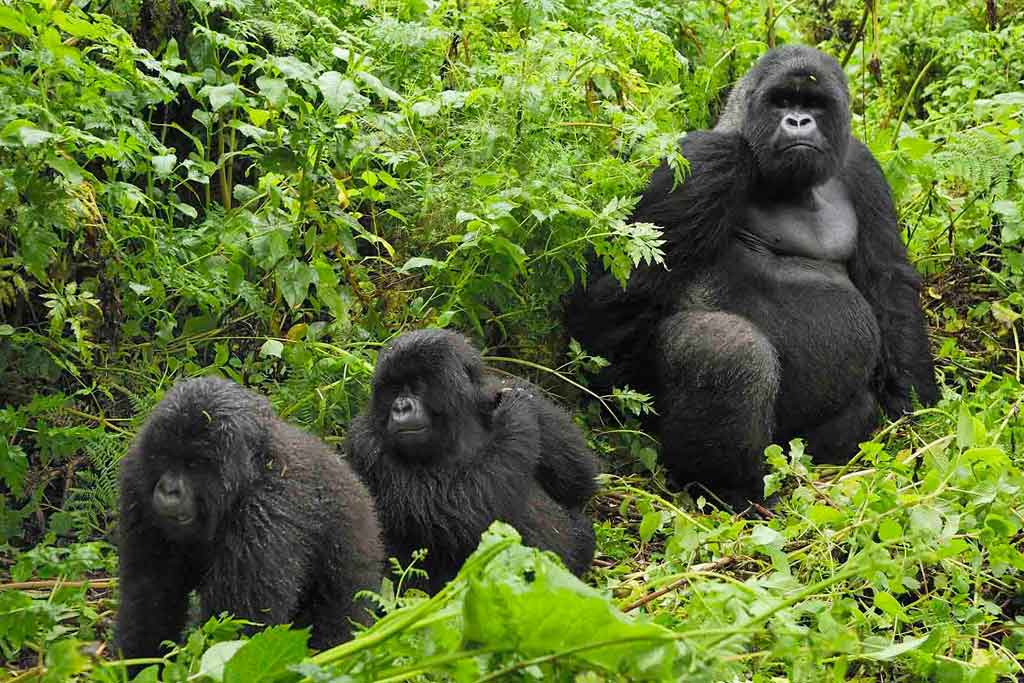
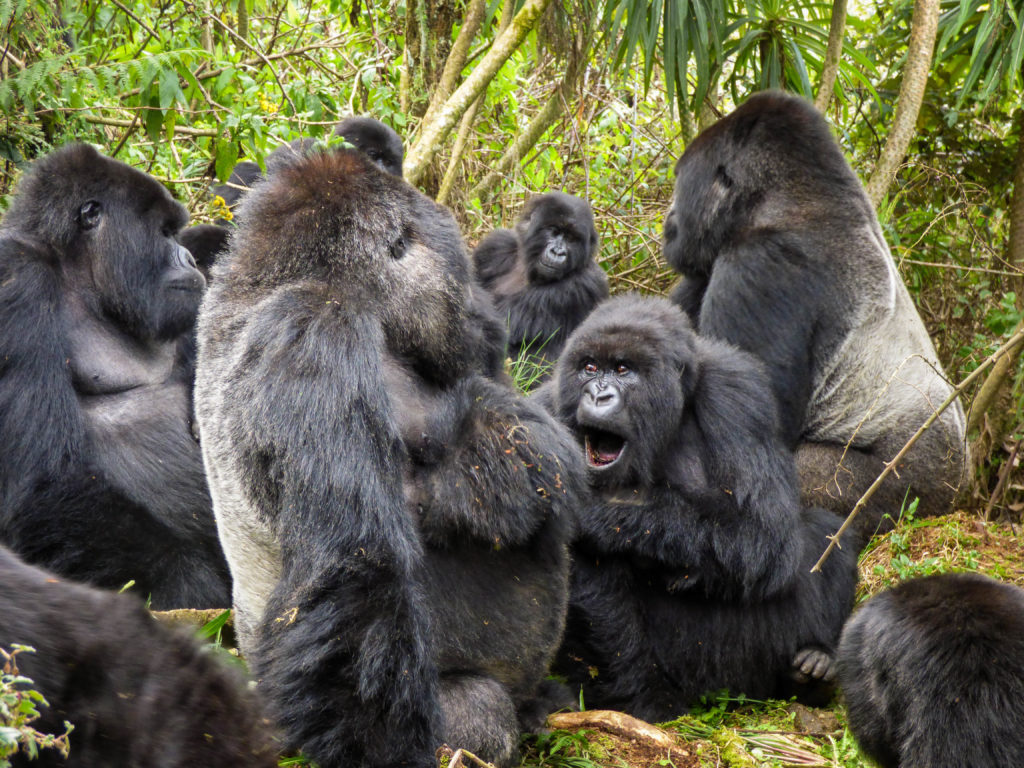
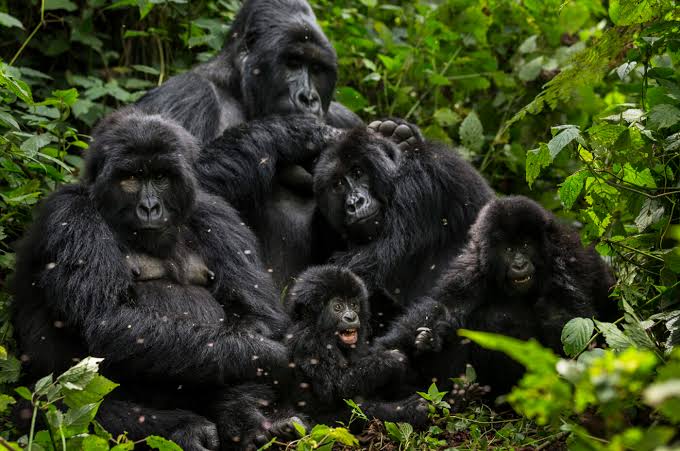
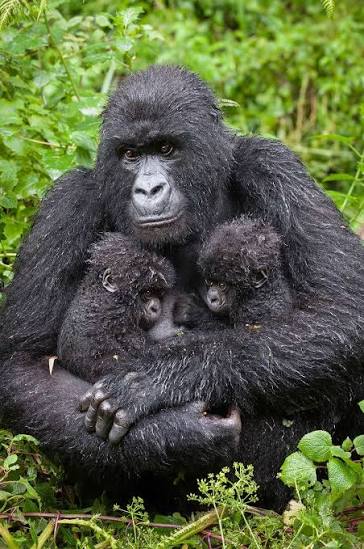
For many visitors, mountain gorillas are the emotional center of the journey. The hour spent observing a habituated gorilla family can be extraordinary, but the experience has a regulated cost structure. A gorilla trekking permit is separate from many ordinary safari expenses, and its applicable price depends on the official tariff and traveler category. The permit also has to be available for the chosen date and trekking location. For that reason, it should never be treated as an informal add-on that can be guaranteed without confirmation.
There are other expenses surrounding the permit. You must reach the trekking area, stay somewhere suitable for the early start, and travel with an appropriate itinerary. A guest who chooses a lodge close to the assigned briefing point may have a more comfortable morning than someone facing a long transfer before sunrise. Trekking conditions can also be physically demanding; appropriate boots, rain protection and a daypack are practical investments rather than luxury extras.
When requesting a quote, ask the operator to state explicitly whether each guest’s gorilla permit is included. Ask which park and sector the itinerary uses, whether the accommodation location is practical, and what happens if permits are unavailable for the preferred date. Travelers considering both Uganda and Rwanda should compare the entire route rather than only a single permit fee, since transfer distances and accommodation choices can materially affect the final price.
For current permit categories and official rules, consult the Uganda Wildlife Authority and request written confirmation from your tour operator. Avoid building a budget around an old screenshot or a rate quoted for a different nationality category. A transparent gorilla safari proposal should make the permit arrangement clear before payment.
For official wildlife permits and protected-area information, visit the
. Check the tariff applicable to your dates and visitor category.
Chimpanzees, rhinos and the activities people overlook
Uganda offers more than one signature wildlife encounter. A trip may include chimpanzee tracking in Kibale or another authorized forest area, rhino tracking at Ziwa, a boat cruise on the Nile, a Kazinga Channel excursion, or a guided walking safari in Lake Mburo. These experiences can transform the itinerary, but each should be considered separately when reviewing the cost.
A common budgeting mistake is to assume that national park entry automatically covers every activity inside the park. In practice, an entrance fee and a specialist experience may be different line items. A boat cruise may require a booking, a primate trek may require a permit, and a guided walk may have its own arrangements. A quote should explain which experiences are scheduled and paid for, rather than merely naming the national park.
Consider the traveler who chooses Queen Elizabeth National Park primarily for the Kazinga Channel. If the cruise is omitted from the quoted inclusions, the itinerary may technically visit the park while missing the experience the guest most wanted. The same issue arises when an itinerary says “chimpanzee forest visit” without making clear whether a tracking permit is included. Precision protects the traveler and makes the operator’s promise easier to understand.
The best approach is to create a short list of non-negotiable experiences before requesting prices. If seeing gorillas and chimpanzees is essential, say so. If a Nile boat trip matters more than a second game drive, say that too. Prioritizing activities can save money because it prevents a package from accumulating excursions that are attractive on paper but less important to the people taking the trip.
Why safari transport deserves a closer look
Uganda’s national parks and forest destinations are spread across a varied landscape. Roads connect the country’s major safari circuits, but journey times can be substantial and depend on conditions. Transport therefore deserves careful attention, especially when a proposal includes several distant destinations in a short period.
For a private road safari, ask what kind of vehicle is proposed and whether the rate includes the driver-guide, fuel, airport pickup, transfers between lodges and transport during game drives. The vehicle is more than a means of reaching a park; it can also be part of the wildlife-viewing experience. Space, seating arrangement, visibility and luggage capacity matter to the comfort of the group. Families with children or travelers carrying camera equipment may have additional needs.
A cheaper itinerary sometimes achieves its price by squeezing long drives into days that are described as sightseeing days. This can reduce the time available for the activities guests actually want. An extra overnight stop may add a lodge cost but create a safer-feeling, more enjoyable pace and allow the group to arrive before dark. The right decision depends on your priorities and the route, not simply on the smallest total.
Domestic flights can reduce time on the road for selected routes, but they introduce additional costs and baggage considerations. They may be worthwhile for guests with limited time or a preference for less driving. Compare both options in a written itinerary with realistic travel expectations. The question is not only what transport costs, but what time and energy it gives back to the holiday.
Choosing lodges without paying for the wrong things
Accommodation is one of the most personal parts of safari planning. One traveler imagines a room with a sweeping valley view, another wants a quiet lodge with reliable hot water and comfortable beds, and another dreams of a high-end retreat with an intimate atmosphere. These preferences influence price, but the most expensive option is not always the best match.
Start with location. If gorilla trekking begins early, a well-situated lodge can make the day easier. Near a wildlife park, staying close to the gate or inside an appropriate area may reduce the time spent transferring before a morning drive. Next consider room configuration. Two adults sharing one room usually have a different cost structure from a solo traveler using the same room alone. Families may need connecting rooms, a family cottage or multiple rooms depending on the ages of the children and the property’s rules.
Then examine the meal plan. Full board typically simplifies the daily budget, but it is important to confirm exactly which meals are included on arrival and departure days. Drinks may be charged separately even when meals are provided. A lodge advertised as affordable can become less economical if several meals must be purchased independently or if transfers to activities are longer than expected.
Ask for named accommodation properties, not only a category such as “mid-range lodge.” If the operator uses the phrase “or similar,” request an explanation of what comparable means: location, standard, room type and meal plan. A transparent substitution policy matters because lodge availability can change. This attention to detail makes the safari feel tailored rather than assembled from a generic price list.
Solo travelers: where the extra cost comes from
A solo safari can be deeply rewarding. Traveling alone allows you to shape the days around your own interests, linger over a sighting, and enjoy quiet moments without negotiating the group’s preferences. Financially, however, the trip is different from a quotation built for two people sharing.
The main reason is that some costs do not halve when the number of guests falls from two to one. A vehicle and driver-guide still have to operate, and a lodge may charge for single occupancy rather than half of a double room. A solo guest may also pay the full cost of private transfers. This is why a per-person price advertised for “two sharing” cannot be assumed to apply to a single traveler.
There are ways to manage the difference without compromising the whole journey. A shorter route with fewer distant transfers can reduce vehicle days. Choosing comfortable but not premium accommodation can keep the room cost proportionate. A traveler open to a genuinely shared departure may find another pricing model, although availability and the group’s itinerary need to be confirmed. It is important not to describe a private safari as shared unless the arrangement is actually offered.
Solo travelers should request a quotation specifically marked for one guest and ask whether it includes single-room supplements, private guiding, airport transfers and the same activities advertised to couples. A transparent solo quote is more useful than a low starting figure that quietly assumes a second person will share the costs.
Couples and two travelers: balancing comfort and value
For two people, the budget often becomes easier to understand because accommodation and transport can be shared. Yet there is still a wide difference between a wildlife-focused journey and a romantic holiday designed around privacy, premium rooms and a slower pace. A couple does not necessarily need a luxury safari, and a luxury safari does not necessarily need every possible activity.
Start by agreeing on the two or three experiences that matter most to both travelers. Perhaps gorilla trekking is the main reason for visiting Uganda, with a boat cruise and one wildlife park as complementary highlights. Perhaps the goal is a broad circuit including chimpanzees, elephants, lions and time by a lake. Once the priorities are clear, the route can be designed around them rather than around the longest possible list of destinations.
A shared room may reduce accommodation costs compared with two single rooms, but it is still important to confirm the room type. A double bed, twin beds, a private balcony or a particular view may carry different availability or pricing implications. Honeymoon travelers should also distinguish between a normal private safari and optional special arrangements such as celebratory dinners or upgraded suites.
For couples, the strongest value often comes from combining thoughtful routing with the right lodge locations. Spending a little more on one memorable night may feel worthwhile if the remaining nights are comfortable and practical. The objective is to spend deliberately, not uniformly, so that the final holiday reflects what the couple actually enjoys.
Family safaris: count the people, not just the rooms
A family safari requires a different kind of cost planning because the ages of children, room requirements and activity rules can shape the itinerary. An advertised family rate is meaningful only when it specifies the number of adults and children and the ages used in the calculation. Two adults with one teenager may need a different room arrangement from two adults traveling with three younger children.
Families should begin with the activities rather than the accommodation category. Certain wildlife experiences have minimum-age rules or other participation requirements, and those rules can change the suitability of the route. Do not assume every child can join a gorilla trek or a chimpanzee activity simply because the family is staying nearby. Confirm the current regulations with the relevant authority and operator before paying for permits.
Transport comfort also matters. A route that looks reasonable for two adults may be tiring for young children, especially if it includes long driving days followed by early departures. Extra rest time, manageable transfer distances and suitable meals can be worth more than fitting another park into the schedule. A family may save money by choosing fewer destinations while enjoying each one more fully.
When comparing family quotes, ask for a clear breakdown of the room setup, child rates where applicable, park and activity fees by age, meals, vehicle seating and any optional childcare or alternative activity arrangements. A properly customized family proposal should make those details visible. That is how a family avoids paying for an itinerary that some members cannot fully enjoy.
What three, five, seven, ten and fourteen days really mean
The number of days on a safari is not simply a price multiplier. It determines how many destinations can be visited comfortably and how much of the trip will be spent in transit. Three days may work well for a focused wildlife experience or a tightly planned gorilla journey, depending on the starting point and logistics. It is not enough time to experience every major national park, and pretending otherwise can create an exhausting schedule.
Five days offer more room for a deliberate combination, such as gorilla trekking with another wildlife experience. Seven days can allow a broader circuit that balances primates, game drives and boat activities. Ten days provide greater flexibility for additional parks, a less hurried pace or extra time in a favorite destination. Fourteen days can support a more extensive exploration, but the value depends on the route and the experiences rather than on filling every date with transfers.
The budget should be compared by what happens on each day. A day spent driving between distant regions is not equivalent to a full day of wildlife viewing, even though both require vehicle and accommodation costs. On the other hand, a scenic transfer with well-chosen stops can be part of the experience. The itinerary needs to describe the balance honestly.
If you are unsure about trip length, begin with the essential experiences and work backward. List the nights required near each activity, allow for sensible transfers, and add rest time where appropriate. This method produces a trip length that makes sense before a price is attached to it. It also prevents a traveler from choosing a ten-day package merely because the daily average looks attractive.
Travel season, weather and availability
Uganda can be visited at different times of year, but seasonal conditions influence both the experience and the budget. Popular travel periods can bring greater demand for certain lodges and permits. Wetter months may create different opportunities and challenges, including muddy forest trails and variable road conditions. The best month is therefore a balance of travel preferences, availability and the activities you want to prioritize.
It is tempting to assume that the rainy season always means a cheap safari. That is too simple. Some properties may offer attractive rates in quieter periods, but official permits and park fees do not necessarily fall just because a month is wetter. Likewise, an advertised low-season room rate may not apply to every lodge or travel date. The complete itinerary should be priced for the exact period requested.
Travelers who have flexible dates may benefit from comparing two or three departure windows. A shift of several days could open a preferred lodge or allow a more logical sequence of activities. Those savings are not guaranteed, but flexibility can increase the number of workable options. Travelers with fixed holiday dates should instead focus on booking key components early enough to avoid unnecessary substitutions.
Weather also affects the equipment budget. Good walking shoes, rain protection and suitable layers are useful for forest activities regardless of the season. Rather than buying a large collection of specialist gear, consider what you already own and what is genuinely necessary for the itinerary. Practical preparation can improve comfort without becoming a separate expensive project.
Flights, visas, insurance and other pre-trip expenses
A safari package is only one part of an international holiday. Before committing to a travel budget, compare realistic flight options from your home airport and check baggage conditions, transit requirements and arrival times. A late-night arrival may justify an extra hotel night before a long road transfer. That additional night can make the start of the journey more comfortable, even though it increases the total slightly.
Entry requirements depend on nationality and travel circumstances. Check official Ugandan immigration information for the applicable visa process rather than relying on a generic travel article. Travel insurance should be reviewed carefully for medical coverage, evacuation, cancellation conditions and activities included in your itinerary. A policy that looks inexpensive but excludes a planned activity may not provide the protection you expect.
Other pre-departure costs can include medical advice, recommended health preparations, clothing and equipment, and international payment fees. These vary widely by traveler, so they are best treated as personal line items rather than hidden inside a safari average. A guest who already owns suitable walking boots may spend almost nothing on gear, while someone preparing for their first forest trek may need a few essentials.
Keep digital copies of confirmations and receipts, and make sure the name on each booking matches the relevant travel documents. Good organization is a budget strategy too: it reduces the chance of paying twice for a transfer, missing an included service or arranging an unnecessary extra night.
For official entry requirements, consult the
Directorate of Citizenship and Immigration Control
before travel.
How much spending money should you carry?
Once the major safari costs are prepaid, travelers often ask how much cash to bring. The answer depends on what the quotation includes and how you like to travel. A guest whose itinerary includes full board, activities and transport may need relatively little day-to-day spending money beyond tips and personal purchases. Someone who prefers independent meals, drinks and spontaneous excursions will need more flexibility.
Rather than recommending one cash amount for everyone, create a daily personal-spending allowance based on the likely opportunities. List drinks not included in the meal plan, small purchases, laundry, tips and any optional activity you might decide to add. Multiply the daily items by the number of days and add a separate allowance for souvenirs or special purchases. This gives you a personalized estimate without pretending that every traveler spends the same way.
Ask your operator which payments are best made in cash and which can be handled electronically. Payment acceptance may differ between city businesses, lodges and remote areas. Carrying a reasonable combination of payment methods can be more practical than relying on a single card or carrying an unnecessarily large sum. Keep money and important documents secure, and avoid exchanging currency through unverified sources.
Tips deserve their own line because travelers often forget them until the end. Tipping practices vary with the service and personal satisfaction, so ask for guidance on local expectations rather than treating an arbitrary online figure as mandatory. The purpose of personal spending money is to make the trip easy and enjoyable, not to create pressure to spend a fixed amount each day.
A sensible contingency fund without overspending
A contingency reserve is money you hope not to use. It can cover unexpected personal costs, a change of plans, an extra hotel night or another unplanned expense. The right size depends on your financial comfort, the length of the journey, the reliability of your payment methods and how much of the trip is already prepaid. There is no universal reserve that suits a solo traveler and a large family equally.
The important distinction is between a reserve and the planned safari budget. If your operator has already included accommodation, guiding, fuel and booked activities, do not count those costs again as daily cash needs. Conversely, if the quotation excludes several meals or transfers, those are expected expenses and belong in the main budget rather than in the emergency fund.
Travel insurance and a contingency reserve serve different purposes. Insurance may help with specific covered events, while a reserve provides immediate flexibility for costs that may not be insured or may need to be paid before a claim is processed. Read the policy wording and keep emergency contact details accessible. Planning for uncertainty does not mean expecting a problem; it means avoiding unnecessary financial stress if something changes.
A good budget should leave you comfortable after paying for the holiday. If a proposed itinerary consumes every available dollar, consider simplifying the route, choosing a different lodge category or postponing optional upgrades. A safari should be memorable for the experiences, not for anxiety about the final payment.
How to compare safari quotations fairly
Comparing safari quotations is a little like comparing houses: the headline number does not tell you what is inside. Two operators may offer the same number of days but include different lodges, permits, meals, activities and transport arrangements. A fair comparison starts by placing the proposals side by side and checking each component rather than looking only at the total.
Begin with the basics: travel dates, number of guests, room configuration and itinerary length. Next check the exact destinations and scheduled activities. Confirm whether gorilla and chimpanzee permits are included, whether national park fees are covered, and whether boat cruises or guided walks are booked services or optional extras. Then examine accommodation names and meal plans, followed by transport and guide arrangements.
Pay attention to exclusions and terms. A quotation should identify international flights, visas, travel insurance, tips and personal expenses where these are not included. It should also explain the deposit, payment schedule, cancellation conditions and what happens when a named lodge is unavailable. A transparent quote gives you fewer surprises and makes it easier to decide whether the package represents good value.
If one proposal is substantially cheaper, ask the operator to explain the difference. The reason may be perfectly legitimate: simpler lodges, fewer included activities, a shorter route or more people sharing transport. What matters is that the difference is visible and consistent with your expectations. Choosing the lowest price without understanding the contents is rarely the strongest budgeting decision.
Seven ways to protect your safari budget
First, decide which wildlife encounters are essential before choosing the route. A traveler who wants gorillas and chimpanzees should not pay for a long circuit that sacrifices time in the forests for less important stops. Second, ask for a realistic itinerary with manageable transfers. Extra destinations can look impressive but reduce the time available to enjoy them.
Third, choose accommodation according to location and comfort rather than labels alone. A practical mid-range lodge near the activity area may be better value than a cheaper room that requires a long daily drive. Fourth, understand the group-size assumption behind every per-person price. The same vehicle cost is distributed differently between one traveler, a couple and a family.
Fifth, check permit availability and the applicable official tariff before committing to dates. Gorilla trekking and other regulated experiences should not be treated as guaranteed until properly confirmed. Sixth, request a written list of inclusions and exclusions. This simple step prevents the most common surprise costs, especially where meals, park fees or special activities are concerned.
Seventh, keep the travel budget separate from the spending-money allowance and the emergency reserve. This gives you a clear view of what you have committed to pay and what remains optional. None of these seven habits requires choosing the cheapest possible safari. They help you direct money toward experiences you will value, while avoiding expenses that do not improve the trip.
What a good PrideMark safari enquiry should include
A useful enquiry does not need to be long, but it should answer the questions that shape the price. Tell PrideMark Safaris when you would like to travel, whether your dates are flexible, how many adults and children are coming, and whether you prefer a private trip. If children are traveling, include their ages because room arrangements and activity eligibility may be affected.
Describe your must-see experiences. For some guests, gorilla trekking is the entire purpose of visiting Uganda. Others want a combination of mountain gorillas, chimpanzees, rhinos, elephants, lions and boat cruises. If you have a preferred number of days, include it, but also say whether you would consider a slightly longer or shorter route if it improves the pacing.
Accommodation preferences are equally helpful. Terms such as budget, mid-range and luxury provide a starting point, but adding practical details makes them more meaningful. You might prefer quiet properties with views, comfortable rooms and full board, or you might be happy with simpler lodges to make room in the budget for another wildlife experience. Mention any mobility, dietary or other practical requirements that the operator should plan around.
Finally, share an approximate budget if you are comfortable doing so, and clarify whether it includes international flights. This does not lock you into a price. It helps the itinerary designer avoid proposing a trip that is either far beyond your expectations or so stripped back that it misses the experiences you care about. A thoughtful enquiry is the first step toward a thoughtful quotation.
The final answer: budget for the experience you want
So how much money do I need for a Uganda safari? You need enough for the exact route, dates, accommodation and activities you choose, plus the costs outside your safari quotation and a comfortable personal reserve. That answer is less dramatic than a single advertised price, but it is much more useful when you are preparing to book.
A short wildlife trip and a two-week primate-and-national-parks journey are not the same purchase. A solo traveler and a family of five do not share the same cost structure. A couple who wants one exceptional gorilla encounter may find better value in a carefully focused itinerary than in a longer tour full of activities they do not particularly want. The right safari budget is the one that reflects your priorities and clearly explains what you are paying for.
When reviewing a proposal, look for transparent inclusions, practical travel times, well-chosen accommodation and confirmed arrangements for regulated activities. Ask questions about anything that seems unclear. A reliable quotation should help you imagine the actual journey, not merely present a total at the bottom of the page.
PrideMark Safaris can be contacted for a personalized itinerary based on your dates, group size and wildlife interests. Use this guide as a checklist when making that enquiry. The goal is not simply to spend less; it is to understand the costs well enough to spend wisely and travel with confidence.
Before you pay: a safari quotation quality checklist
A reliable Uganda safari budget begins with a clear written proposal. Use this checklist to identify missing services before paying a deposit. If an item does not apply to your itinerary, ask the operator to mark it as not applicable rather than leaving the status unclear.
| Question | What a clear quotation should state |
|---|---|
| Who is traveling? | Number of adults and children, ages where relevant, and whether the trip is private or shared |
| Which rooms? | Named lodges, room type, nights, meal basis and substitution terms |
| Which experiences? | Exact scheduled game drives, boat trips, forest walks and permit activities |
| What is prepaid? | Gorilla and chimpanzee permits, park fees, guiding, fuel and transfers, as applicable |
| What is excluded? | International flights, insurance, visas where needed, tips, drinks and optional purchases |
| What happens if plans change? | Payment deadlines, refund or cancellation conditions, and supplier substitutions |
When two operators quote different prices, this comparison often explains the gap more accurately than a daily average. If your dates or group size change, request a revised total instead of assuming the earlier price still applies.
How much money do I need for a Uganda safari? An illustrative worksheet
To see the budgeting method in action, imagine two travelers who receive a hypothetical private safari quotation of USD 5,600 for both guests. They estimate USD 2,000 for their combined international flights, USD 450 for insurance, entry-related and pre-trip expenses, USD 350 for personal purchases and tips, and keep USD 500 as a contingency reserve. The resulting planning envelope is USD 8,900 for the pair. This is a worked example, not a PrideMark price, airfare quote, fee schedule or recommendation to carry that amount in cash.
| Example category | Illustrative total for two | What to check |
|---|---|---|
| Safari quotation | USD 5,600 | Exactly which lodges, activities and permits are included |
| International flights | USD 2,000 | Actual flights from your departure airport |
| Pre-trip costs | USD 450 | Insurance, visa if required, personal preparations |
| Personal spending | USD 350 | Tips, drinks, souvenirs and optional extras |
| Contingency reserve | USD 500 | Held aside, not expected spending |
| Total planning envelope | USD 8,900 | USD 4,450 per traveler if split equally |
The example numbers above are hypothetical arithmetic, not verified Uganda safari market prices. Official fees, flights, lodge rates and availability must be checked for each journey.
A simple formula you can reuse is
confirmed safari price + travel costs outside the package + personal spending allowance + contingency reserve = overall planning budget
. The formula is more dependable than a general claim that every Uganda safari costs a particular amount.
More PrideMark Safaris planning guides and packages
Affordable Uganda Safari from Kigali →
Uganda Gorilla Permit Guide →
Affordable Uganda Safari Packages 2027 →
Affordable Uganda Safari Packages 2028 →
Cheapest Time to Visit Uganda →
Uganda Safari on a Budget →
Save Money on a Uganda Safari →
5-Day Gorilla and Game Safari →
7-Day Uganda Primates and Game Safari →
3-Day Chimpanzee Trekking →
Frequently asked questions about Uganda safari money
How much money do I need for a Uganda safari if the tour is already paid for?
Budget separately for anything excluded from your written quotation, including tips, drinks, souvenirs, optional activities and unexpected expenses. The amount depends on your habits and meal plan.
Should I bring all my safari money in cash?
No universal cash amount is appropriate. Ask your operator which payments need cash and which methods are accepted, and avoid carrying unnecessary large sums.
Is gorilla trekking always included in a Uganda safari price?
No. Confirm whether a valid permit for each participant is explicitly included in the quote, and verify the applicable official tariff.
Is a private safari more expensive for one person?
Often the per-person cost is higher because vehicle, guide and some room costs are not shared. Ask for a specific solo-traveler quote.
Can I reduce the budget without removing gorilla trekking?
Potentially. Compare routes, travel dates and lodge categories while keeping the permit and the experiences that matter most. Savings are not guaranteed.
How do I know whether a safari quote is complete?
Check named lodges, room type, meal plan, vehicle, guide, park fees, activity permits, transfers, exclusions, payment terms and cancellation policy.
What is the difference between spending money and a contingency reserve?
Spending money covers expected personal purchases. A contingency reserve is set aside for unexpected needs and may never be used.
Do children pay the same safari prices as adults?
Not necessarily. Rates and activity eligibility may depend on age and provider rules. Provide children’s ages when requesting a family quotation.