
Uganda Safari Cost for a Family
Family safari costs depend on the ages of the children, the number of rooms, park eligibility, driving distances and the activities everyone can join. Explore practical cost factors and plan your safari with local Uganda experts.
Compare correctly
Check total cost and per-person cost.
Price drivers
Duration, permits, rooms, route and group size.
Get clarity
Ask for a dated, itemized quotation.
Uganda Safari Cost for a Family: Quick Answer
Family safari costs depend on the ages of the children, the number of rooms, park eligibility, driving distances and the activities everyone can join. The exact uganda safari cost for a family depends on your dates, accommodation, itinerary and the number of guests. Start by comparing the full package inclusions instead of relying on a headline rate.
Uganda Safari Cost For A Family: How family size changes safari costs
A family of four may share the vehicle and driver-guide cost, but accommodation can require two rooms or a family cottage. Compare the full family total rather than multiplying a headline per-person price.
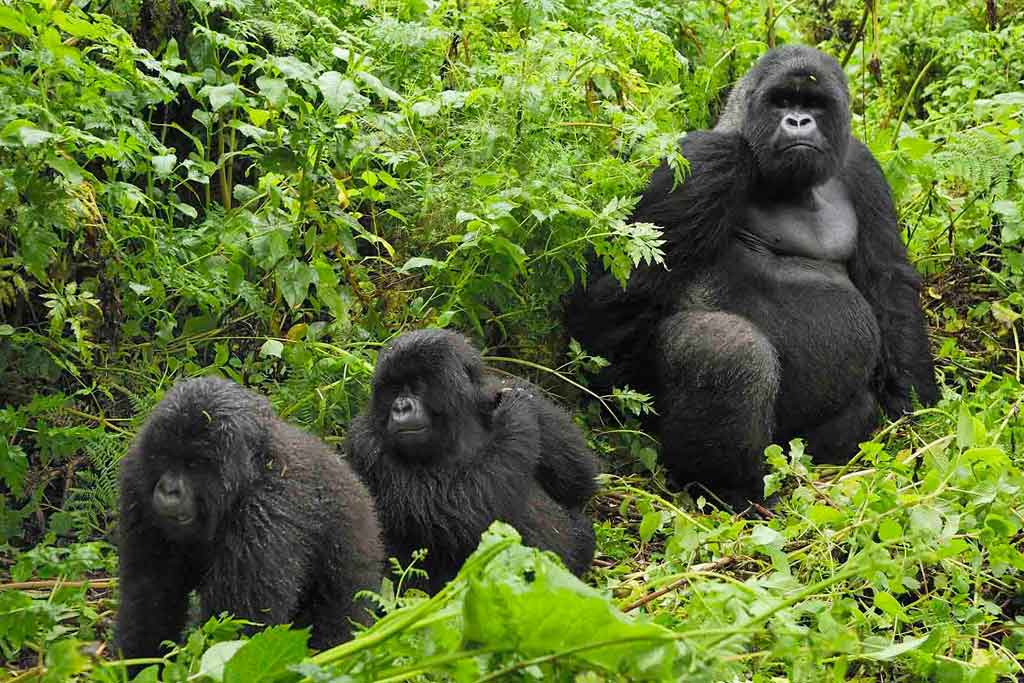
Uganda Safari Cost For A Family: Child ages and activity eligibility
Children may have different park fee categories and age restrictions for gorilla trekking or other primate activities. Confirm the applicable rules with the Uganda Wildlife Authority before including activities in a family itinerary.
When evaluating family safari budgets, request a comparison using the same dates, guest numbers, lodge standard and activities. An itinerary that omits a permit or park excursion may look less expensive without delivering the same experience. Our Uganda Safari Cost complete guide explains the broader budgeting framework.
Uganda Safari Cost For A Family: Family rooms versus separate rooms
A family cottage may be more convenient than two separate rooms, but it is not always cheaper. Ask the lodge for its exact bedding configuration, child policy and meal basis.
Uganda Safari Cost For A Family: Choosing family-friendly parks
Queen Elizabeth, Murchison Falls and Lake Mburo can support wildlife-focused family itineraries. Select a route with manageable travel days, planned breaks and enough time at each lodge.
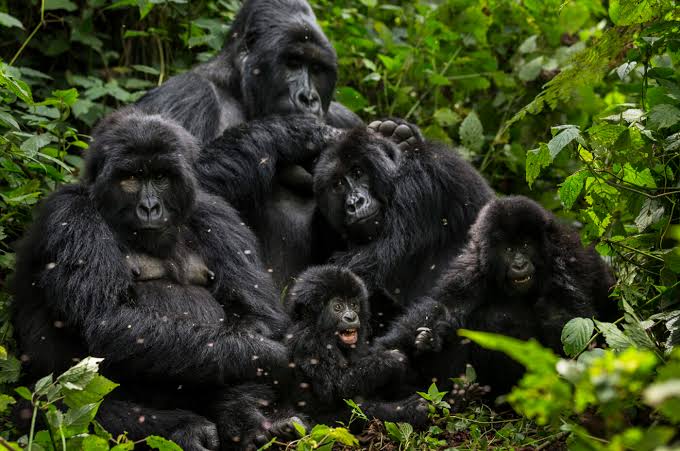
Uganda Safari Cost For A Family: What a family quote should itemize
Ask for the ages used in pricing, room types, private vehicle seating, child-specific activity fees, meals, transfers, and any additional babysitting or guide costs.
When evaluating family safari budgets, request a comparison using the same dates, guest numbers, lodge standard and activities. An itinerary that omits a permit or park excursion may look less expensive without delivering the same experience. Our Uganda Safari Cost complete guide explains the broader budgeting framework.
Uganda Safari Cost For A Family: How to reduce family costs sensibly
Travel outside peak weeks where practical, reduce unnecessary one-night stops, choose family accommodation carefully and prioritize two or three major wildlife experiences.
Uganda Safari Cost For A Family: Sample family budget worksheet
Write down the quoted vehicle and guiding total, every room night, park entry for each traveler, permitted activities, meals, airport transfers and an allowance for personal expenses.
Uganda Safari Cost Breakdown: What to Check
Use the table below to review each proposal and identify charges that may sit outside the advertised package price. This is especially important when comparing private and shared safaris.
| Cost category | What to confirm |
|---|---|
| Private vehicle and guide | Confirm vehicle days, fuel, guide, airport transfers and group size |
| Lodges and meals | Confirm every night, occupancy, room category and meal plan |
| Park entry and activities | Confirm park fees, game drives, boat cruises and nature walks |
| Gorilla or chimpanzee permits | Confirm official visitor category, permit availability and inclusion |
| International and personal costs | Flights, insurance, visas, tips, laundry, drinks and extras |
For the current official rules and permit information, consult the Uganda Wildlife Authority. Its published tariffs, eligibility requirements and availability should be checked before booking.
Explore PrideMark Safaris Packages and Related Articles
Explore More Uganda Safari Cost Articles
Frequently Asked Questions
The answers below provide original planning guidance and illustrative budgets. All dollar ranges are estimates for comparing options, not verified tariffs or confirmed package offers. Official admission, permit and package prices must be checked for your dates.
What affects uganda safari cost for a family?
Travel dates, number of guests, room arrangements, vehicle costs, route, activities and official permit fees can all affect the total.
Are gorilla permits included in the price?
Only if the written itinerary explicitly includes them. Confirm the permit type, visitor category and trekking date.
Can PrideMark Safaris prepare a customized quote?
Yes. Share your dates, traveler numbers, accommodation preferences and priority wildlife experiences to request an itemized proposal.
How much does a safari cost per person in Uganda?
For early-stage planning, a privately guided Uganda wildlife safari may require roughly US$180–350 per person per day at a modest comfort level when two or more people share transport and rooms. Higher-end lodges, domestic flights and exclusive arrangements can push the daily budget beyond US$450–800. These are illustrative planning ranges, not PrideMark Safaris quotations or official rates. A gorilla-trekking itinerary has a particularly important additional permit expense. The most reliable comparison separates accommodation, vehicle and guide, park access, activity permits and personal spending. A solo guest may pay more per person because the vehicle and guide are not shared; a family may save on transport but need extra rooms.
How much do safaris cost per person?
There is no single African safari price because a short road-based trip and a fly-in luxury itinerary are fundamentally different products. As a budgeting exercise, allow approximately US$150–300 per person per day for a simpler shared or value-oriented trip, US$300–600 for a comfortable private itinerary, and US$600 or more for premium arrangements. These broad estimates are not live market offers and may exclude flights, specialist permits and some activities. To judge value, divide the full payable trip total by the number of travelers, then compare identical dates, room arrangements, game-drive schedules and inclusions. The cheapest headline price can become more expensive once missing transfers or park fees are added.
How much is the entrance fee at Zoo Uganda?
The attraction commonly called Uganda Zoo is the Uganda Wildlife Conservation Education Centre (UWEC) in Entebbe. Entrance prices can vary by residency or visitor category, age and the type of experience purchased. A standard admission ticket should not be confused with a guided encounter, education programme or other special activity. Because admission tariffs can change, this article does not present an unverified amount as today’s price. Before visiting, ask UWEC directly for its current adult and child entry fees, acceptable identification, opening hours and any extra charges. A visit to UWEC can be a useful family activity near Entebbe, but it is not a substitute for a national-park safari.
How much is a 7 day African safari trip?
For a seven-day Uganda-focused safari, a useful preliminary budgeting model is about US$1,400–2,800 per person for a value-oriented road itinerary, or US$2,800–5,000+ for more comfortable or premium arrangements. These figures are hypothetical planning allowances, not fixed package prices, and the final cost can differ substantially. Gorilla permits, flights, occupancy, travel season and the choice of parks matter. For example, seven days could combine Entebbe, Queen Elizabeth National Park and Bwindi, but long drives may make a slower itinerary more enjoyable for children. Request a day-by-day quote showing which nights, meals, park fees, boat trips, treks and transfers are actually included.
Why can’t I wear white on safari?
White clothing is not universally forbidden on safari. It is simply less practical on dusty roads, muddy trails and open vehicles: marks show quickly, and bright fabric may be conspicuous during quiet wildlife viewing. Neutral khaki, olive, brown or muted grey often works better for repeat use. For a lodge afternoon or a vehicle-based drive, a white shirt is generally not a major problem; for bush walks and gorilla trekking, choose tougher, subdued clothing. Comfort, weather protection and the guide’s safety instructions matter more than a rigid colour rule.
What are some affordable safari packages available?
Affordable Uganda safari formats include a three-day Lake Mburo wildlife escape, a four- or five-day Murchison Falls road safari, a five-day Queen Elizabeth wildlife itinerary, or a seven-day combination that limits hotel changes and long transfers. These are suggested itinerary formats, not claims that a particular package is currently available. To keep costs manageable, travel with several guests in one vehicle, choose good-value lodges outside the most expensive category, avoid unnecessary domestic flights and decide in advance which paid activities matter most. Ask for two itemized versions of the same route: one with essential game drives and one with optional boat cruises or primate experiences. See the linked PrideMark Safaris package pages elsewhere in this article for itinerary ideas, and confirm dates and rates before booking.
What are some good family safari packages available?
A strong family safari is designed around children’s ages and attention spans rather than the maximum number of parks. For younger children, consider three or four days in Lake Mburo with shorter wildlife outings and generous lodge downtime. Families wanting big wildlife experiences could choose five to seven days around Murchison Falls or Queen Elizabeth, allowing time for a boat excursion and relaxed game drives. Families with older teenagers may consider a seven- to ten-day wildlife-and-primates route if everyone meets the relevant activity age requirements. Request adjoining rooms or a family cottage, flexible meal times, child-appropriate activities, seat belts and realistic driving times. Any gorilla or chimpanzee activity should be checked against current age and permit rules before it is promised to a child.
Can I wear red in Africa?
Yes. Africa is a continent with many different environments, and there is no continent-wide rule against red clothing. For Uganda wildlife drives, muted colours are usually a practical choice because they blend into the landscape and are easy to mix and match. A red jacket or shirt is not automatically dangerous or prohibited, but bright colours may be discouraged for certain guided walks or sensitive wildlife encounters. Follow the specific operator’s instructions for the activity you have booked. In areas where tsetse flies occur, dark blue and black are commonly avoided; lightweight neutral clothing is a sensible alternative.
What not to bring on African safari?
Avoid bringing hard-sided oversized luggage when your vehicle or small-aircraft baggage allowance is limited, as well as excessive valuables, bulky jewellery, unnecessary electronics and more clothing than you can comfortably carry. Do not pack drones without confirming permissions: protected areas and aviation rules may restrict them. Leave wildlife-attracting food out of your day bag unless your guide approves it, and never carry animal products or prohibited items. Camouflage or military-style clothing can create legal or practical problems in some countries, so plain colours are safer. Pack prescription medicines in their original packaging, essential travel documents, sun protection, insect repellent, a refillable bottle and a lightweight rain layer. Ask the operator for the exact luggage and medication requirements relevant to your route.
How do you go to the bathroom while on safari?
Most Uganda safari days include toilet stops at lodges, visitor centres, park gates or designated rest areas. Tell your driver-guide early when you need a stop rather than waiting until it becomes urgent. On a remote game drive, the guide may identify a safe and permitted place to stop, but guests should never step out of the vehicle without explicit permission: wildlife may be hidden nearby. Carry tissues, hand sanitiser and a small sealable bag for waste where appropriate, and leave no litter. During trekking, follow the ranger’s directions on sanitation and privacy. Families and older travelers can request more frequent planned comfort breaks when arranging the itinerary.
Is 70 too old to go on safari?
No. Being 70 does not, by itself, make a Uganda safari unsuitable. The important considerations are mobility, stamina, medical needs, heat tolerance and the physical demands of each activity. Many travelers prefer a private vehicle, shorter drives, comfortable lodges with minimal stairs, and game viewing that does not require strenuous walking. Gorilla trekking is more demanding because terrain, altitude and trek length can vary; discuss fitness, available assistance and any medical concerns before purchasing a permit. A traveler with ongoing health conditions should seek individualized advice from a healthcare professional. Build in rest days, keep medication accessible, confirm travel insurance and ask the safari planner to describe each day’s actual exertion rather than relying on an age label.
Editorial guidance: verify all links, image files, current permit rules and itinerary availability before publishing. Add the SEO title, description and focus keyword in Rank Math directly.ption etc