For travelers planning Bwindi Impenetrable National Park or Mgahinga Gorilla National Park, the most important lesson is that refund eligibility depends on timing, the reason for cancellation, supporting evidence and the decision of the Uganda Wildlife Authority (UWA). PrideMark Safaris can help travelers organize the information needed for a request, but neither an operator nor a website can guarantee UWA approval.
This article uses the UWA guidelines effective July 2024 as its principal policy source. The rules may change, so verify the version applying to your booking before cancelling or purchasing a new permit. We also explain the difference between a permit refund and refunds for hotels, transport, flights or other safari services, which often follow separate supplier contracts.
If you are still choosing your trip, compare a 3-day Uganda gorilla trekking safari with a 3-day luxury fly-in gorilla safari before paying. Knowing which parts of the itinerary can be adjusted may be as valuable as knowing the percentage UWA might return if your plans unexpectedly change.
Understanding Uganda Gorilla Permit Refunds
A gorilla trekking permit authorizes a particular visitor to participate in an official guided trek on an allocated date and at an allocated entry point. It is not an open-ended admission pass. Park staffing, conservation controls, visitor limits and allocations all depend on the booked day, so a cancellation affects more than a single traveler’s plans.
Uganda gorilla permit refunds refer specifically to money that may be returned under UWA rules after a valid cancellation or another qualifying event. They should not be confused with compensation from a travel insurer, reimbursement from an airline, a hotel credit, or a tour operator’s own cancellation policy. Each arrangement may have different deadlines and evidence requirements.
Under the July 2024 guidelines, the Executive Director may authorize or reject cancellation or refund requests for fully paid permits, subject to the policy terms. This means a percentage in a schedule is not the same as cash already approved for repayment. Travelers should request written confirmation of eligibility, deductions and the expected payment process.
The date that matters for general cancellations is the date UWA receives the written request, not necessarily the date you first tell a friend, send a message to a travel agent or decide privately that you will not travel. If your plans are uncertain, prompt written communication can protect your options and create a clear record.
Visitors should also distinguish a cancelled permit from an unused permit. Simply failing to appear for a trek does not automatically create a refund claim. If you cannot attend, ask for the applicable procedure before the date passes, and keep copies of every relevant booking document.
The official rules address both gorilla and chimpanzee tracking and habituation experiences. This article concentrates on standard Uganda gorilla trekking permits; travelers with other activities should confirm the exact conditions printed on their reservation and the policy applying to that product.
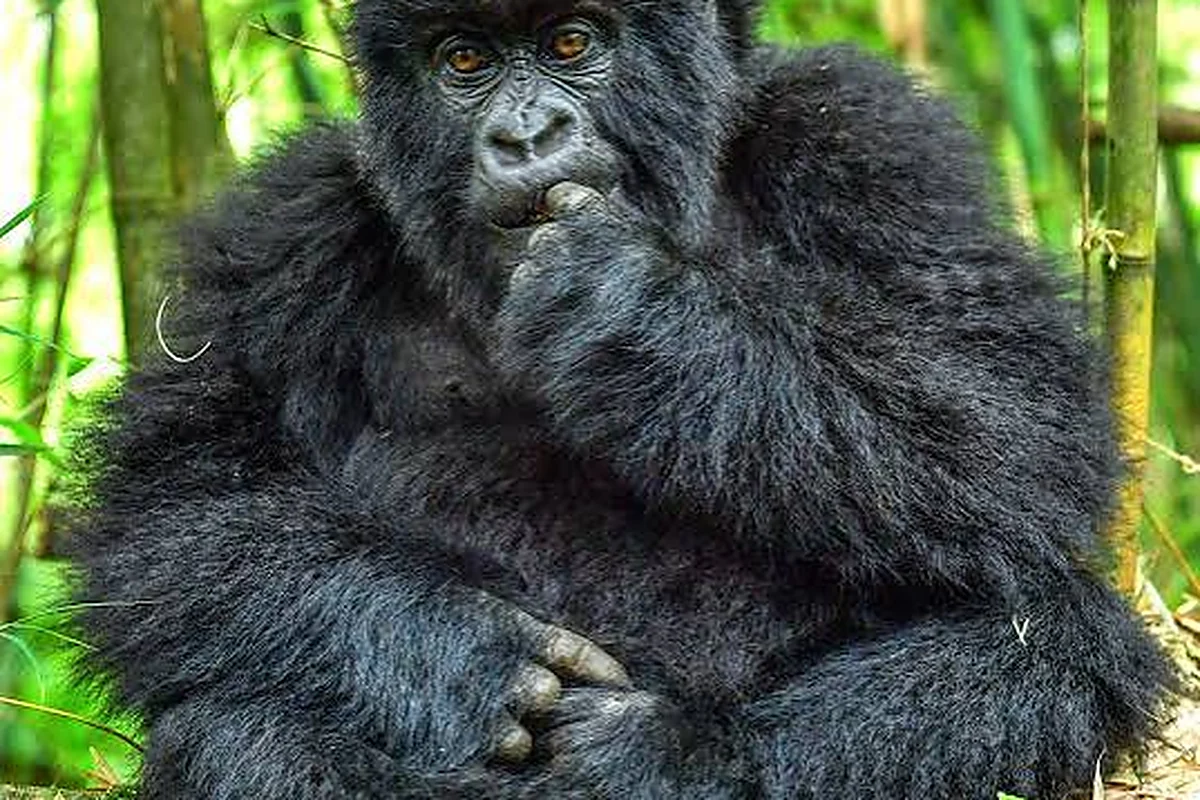
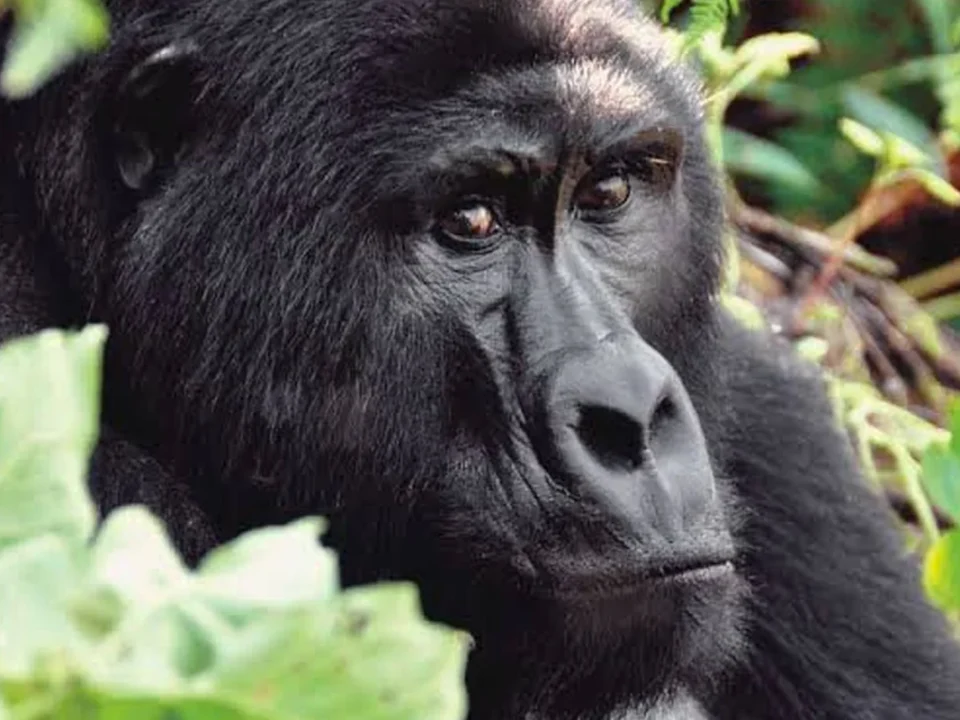
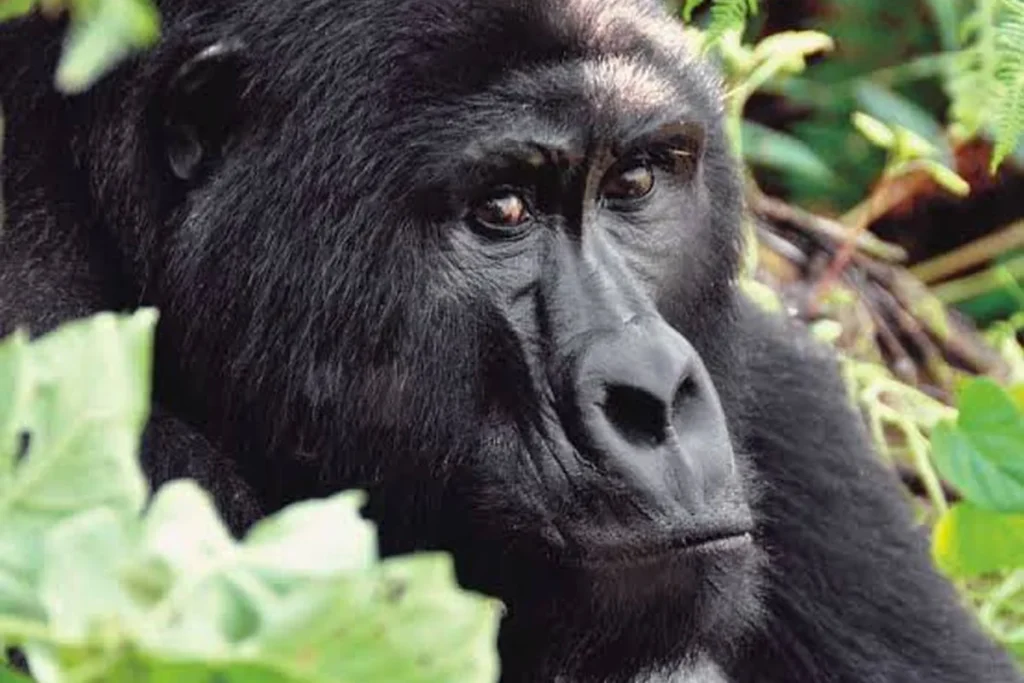
A mountain gorilla sits quietly among lush forest vegetation.
Why conservation permits have specific rules
Gorilla tourism is carefully managed to protect the animals, their habitat and visitors. Permit controls help UWA plan guide assignments, monitor the number of people entering sensitive areas and fund conservation operations. That management structure explains why an unused space cannot always be treated like a fully refundable hotel room.
For safari budgeting, the practical response is to treat the permit as a significant committed expense. Ask about its refund terms before sending money, and make sure the safari quotation clearly separates the permit charge from accommodation, vehicle hire and optional activities.
Uganda Wildlife Authority Cancellation and Refund Rules
The UWA guidelines effective July 2024 set out four general cancellation bands. If a written request is received 61 days or more before trekking, the stated refund is 75% of monies paid. At 46–60 days, it is 50%. At 15–45 days, it is 25%. A cancellation within 14 days of trekking is not eligible for a general refund.
The percentages are subject to the applicable UWA approval process and deductions for incidental costs, such as bank charges and government taxes already incurred. Therefore, a traveler should not calculate the exact amount arriving in their account by multiplying the original permit price by the percentage and ignoring all other terms.
These July 2024 thresholds differ from older schedules sometimes repeated online. A website referring to a nine-day cutoff or a 91-day band may be quoting an earlier policy. Always check the effective date of the primary document, and ask UWA if there has been a newer amendment.
The rules specifically say the date of receipt of the cancellation request is used for determining the refund. This is especially important near a boundary. A request drafted on day 61 but delivered or received on day 60 may fall into a different band. Submit in writing with enough time to obtain acknowledgment.
For example, imagine two travelers have the same permit date but different cancellation dates. One sends a documented request well over two months before the trek; the other waits until the final week. Even if both have understandable personal reasons, the general cancellation schedule can produce very different outcomes.
A tour operator may have its own administrative terms, but these do not replace the UWA permit rules. When comparing offers, ask for the amount paid to UWA, the operator’s separate service charges, and how any approved refund would be passed back to the traveler.
How to interpret the refund schedule
The refund bands describe potential reimbursement under the general-cancellation category. They are not a promise that every cancellation qualifies, nor do they include automatically refundable flights or lodges. Special cases such as verified illness at the park, a park accident, duplicate payment and a full-day trek without seeing gorillas are considered under separate provisions.
When requesting Uganda gorilla permit refunds, write down the tracking date, the date UWA received your request, the policy version, and any amount withheld. A simple timeline makes it easier to understand an official decision and to share accurate information with an insurer.
| Written request received by UWA | General refund potentially payable | Important qualification |
|---|---|---|
| 61+ days before trekking | 75% | Less applicable incidental costs |
| 46–60 days before trekking | 50% | Less applicable incidental costs |
| 15–45 days before trekking | 25% | Less applicable incidental costs |
| Within 14 days | 0% | General cancellations are ineligible |
When Travelers May Qualify for a Gorilla Permit Refund
The general cancellation timetable is only one part of the policy. UWA also describes particular situations in which a refund may be considered because the visitor could not safely participate or did not see the animals despite completing a full day of tracking. The conditions for these exceptions are specific and should not be broadened into blanket promises.
If a visitor becomes ill or shows signs of illness before tracking, they must not visit the gorillas or chimpanzees and may be referred to a health facility for assessment. The guidelines require a medical report and say the visitor bears the cost of diagnosis and treatment. The Executive Director may authorize a 50% permit refund for a visitor declared unfit.
A visitor who cannot track because of an accident sustained in the park before the activity may also qualify for a 50% refund, subject to the policy and deductions. This does not mean every travel disruption or accident anywhere in the journey receives the same treatment. Obtain the park’s incident documentation and ask which rule applies.
Where a visitor tracks for an entire day without seeing gorillas, the Executive Director may authorize a rescheduled trek for the following day. If there are no available slots or the traveler cannot remain an extra day, the policy provides for a 60% refund following confirmation by the Chief Warden or Warden in Charge, less relevant incidental costs.
Duplicate payment is another recognized category. If the same activity has been paid for twice, UWA may authorize a full refund when the traveler provides evidence. Keep the proforma invoice, transaction references, receipts and bank records rather than relying on a verbal explanation.
The practical distinction is between an exceptional circumstance documented under UWA’s rules and a personal change of plans handled under the ordinary cancellation schedule. A missed flight, a change of employer leave or a decision to visit a different destination does not automatically qualify for a special medical or park-related refund.
Illness before arrival versus illness at the park
Travelers sometimes assume that any doctor’s note guarantees a 50% refund. The wording of the UWA policy should be reviewed carefully with the authority for the particular circumstances, especially when illness occurs days before arrival rather than at the park. Do not promise a medical refund until UWA has confirmed the applicable provision.
If you develop symptoms of a contagious illness, protect the gorillas by informing your operator and following ranger and medical guidance. A refund dispute should never become a reason to conceal illness. Ask about postponement, insurance and the official process instead.
| Situation | Possible UWA response | Evidence / conditions |
|---|---|---|
| General cancellation | 0–75% by timing | Written request; UWA receipt date |
| Illness before tracking | Potential 50% refund | Medical report and applicable official determination |
| Accident in the park before tracking | Potential 50% refund | Official park circumstances and documentation |
| Full day without seeing gorillas | Next-day trek or potential 60% refund | Warden confirmation; conditions and deductions |
| Duplicate payment | Potential full refund | Proof of duplicate transaction |
Seven Costly Mistakes to Avoid When Cancelling a Permit
The largest financial mistakes usually occur before a traveler formally cancels. People assume a safari quotation is fully refundable, wait too long to notify the booking office, or rely on outdated percentages. A few careful administrative steps can reduce confusion even when a cancellation is unavoidable.
Mistake one is treating the permit like a flexible airline ticket. The tracking date, entry point and visitor details are recorded, and changing one part of a safari does not automatically change the permit. Ask what is confirmed and what is still pending before you rearrange the rest of the trip.
Mistake two is delaying the written cancellation request. A short delay around the 61-day, 46-day or 15-day boundaries can materially change the general refund band. If you need to cancel, contact the booking party immediately and request written acknowledgment from the appropriate channel.
Mistake three is using an outdated refund chart. Some older travel articles publish different cutoff dates and percentages. For Uganda gorilla permit refunds, consult the July 2024 UWA guidelines and check for later official amendments instead of assuming every search result reflects the same policy.
Mistake four is confusing a refund with a reschedule. Moving a trek may preserve an opportunity to visit the gorillas, but it can have different fees, time limits and consequences for later refunds. Compare the alternatives before requesting either action.
Mistake five is failing to keep evidence. A medical certificate, park report, payment receipt, written request and UWA response may each matter for a different type of claim. Save documents in one folder and record when they were submitted.
Mistake six is expecting the permit refund to cover the entire safari. Hotels, flights, vehicle services, park activities and operator planning fees can each have separate cancellation terms. Request an itemized breakdown of what can be recovered and what is nonrefundable.
Mistake seven is assuming an operator can guarantee approval. A responsible company can assist with correspondence and explain published rules, but UWA makes the official permit decision. Be cautious of anyone promising a certain percentage without reviewing the circumstances or providing the policy basis.
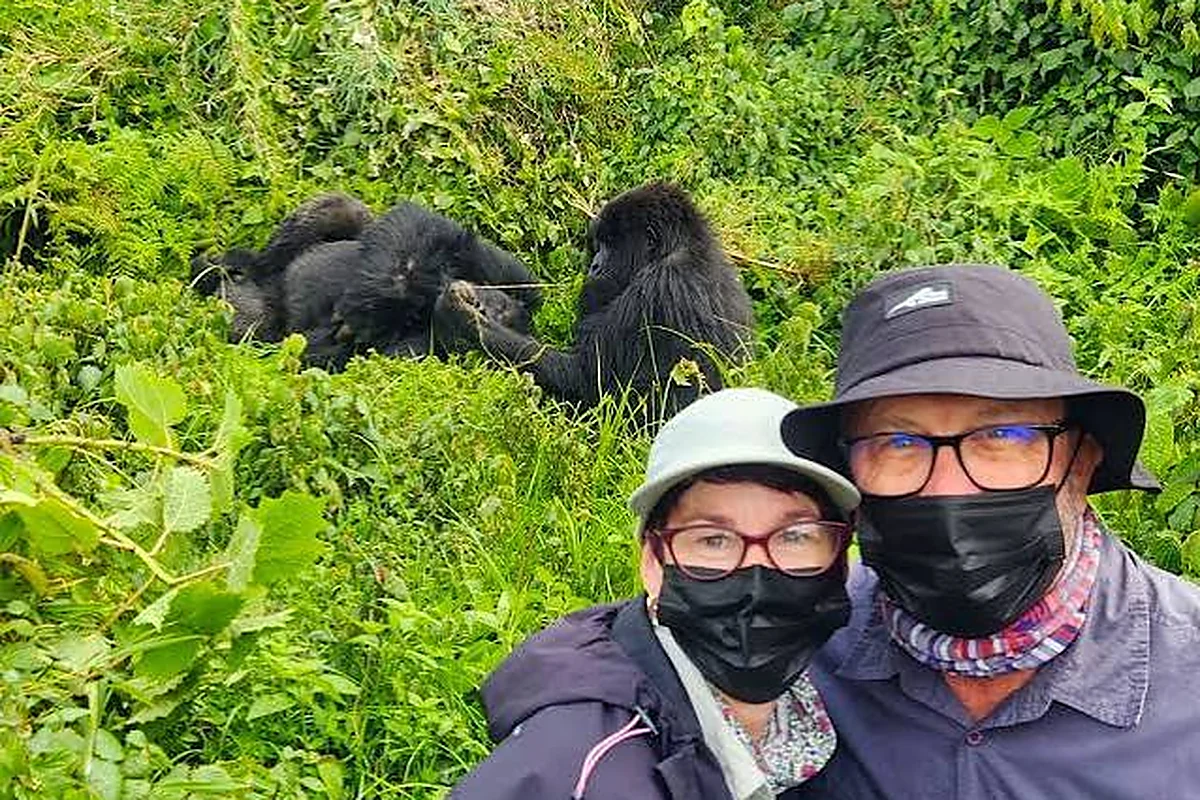
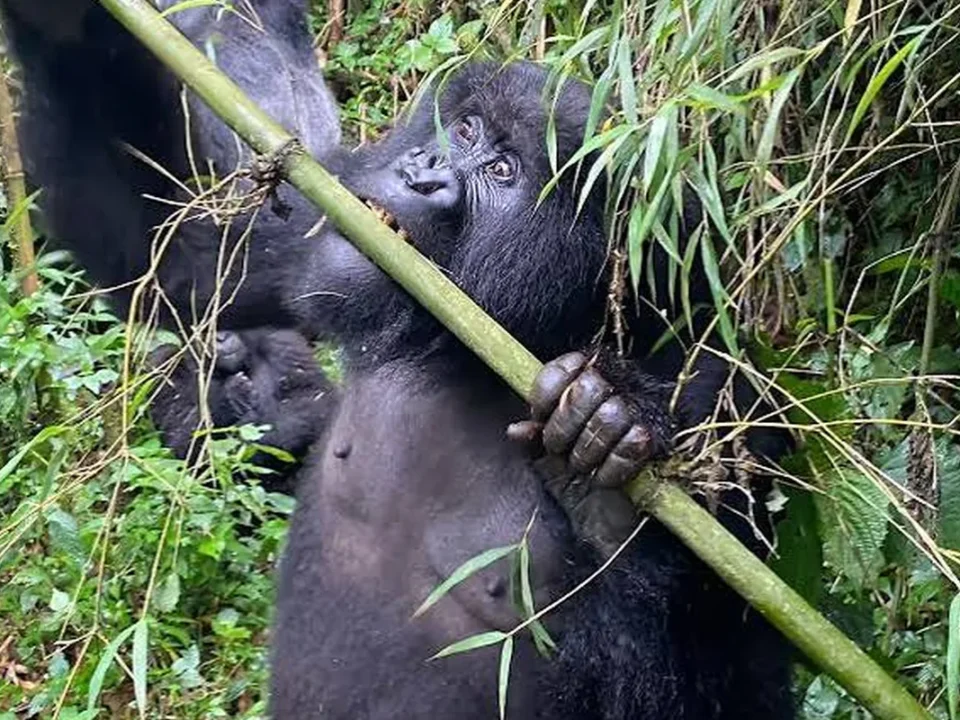
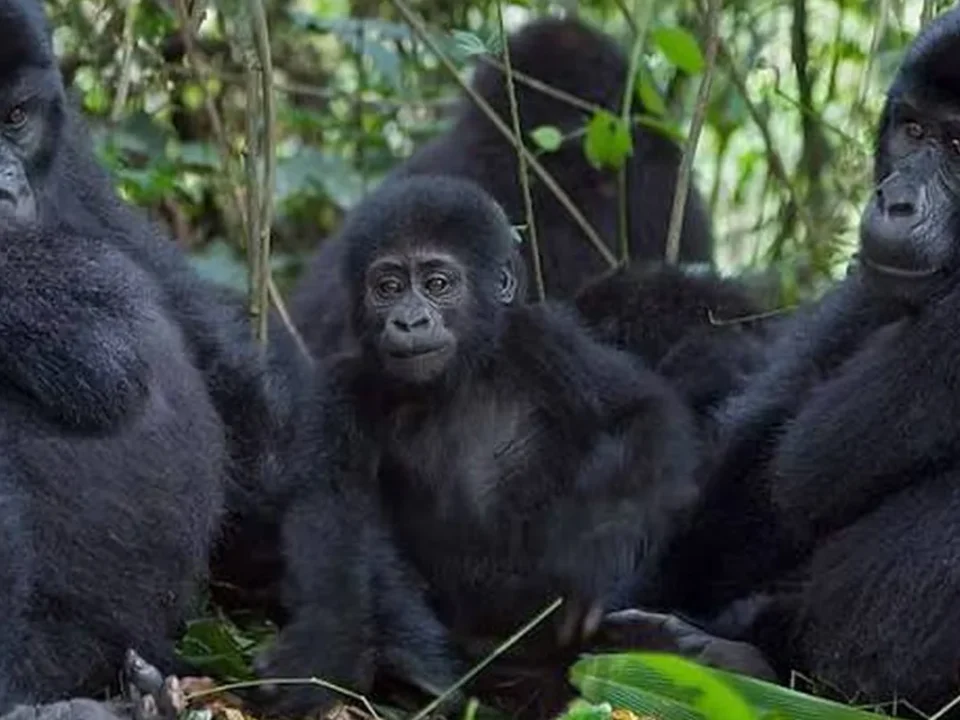
Two visitors capture a memorable moment with mountain gorillas resting among lush rainforest vegetation.
A simple pre-cancellation checklist
Before sending a final cancellation instruction, verify your exact tracking date, permit reference, visitor category, payment status and the date your request will be received. Ask whether rescheduling is possible, whether the permit has already been rescheduled and whether other suppliers have independent deadlines.
If you are comparing a replacement trip, review 5-day gorilla and game safari and ask PrideMark Safaris for a clear separation of permit and safari-service costs. A transparent breakdown is more useful than a vague statement that the entire holiday is refundable.
How to Request Uganda Gorilla Permit Refunds
Start by identifying who made the original reservation and how it was paid. If a licensed tour operator booked the permit, contact that operator with your cancellation instructions and ask how the written request will be submitted to UWA. If you booked through a channel permitted for your visitor category, follow the official reservations procedure.
Under the published policy, the tour operator or client requests cancellation or refund in writing to the UWA Executive Director. Include the traveler’s name, tracking date, designated entry point, permit or booking reference, reason for cancellation and a reliable contact address. Attach the supporting documents relevant to the claim.
For an ordinary cancellation, make the timing unmistakable. State the date you are sending the request and ask for acknowledgment of the date UWA receives it. If the reason is medical or relates to a park incident, ask what certification is required rather than submitting incomplete documents and assuming the request has been accepted.
For an unsuccessful full-day trek, speak to the park officials while the facts can still be verified. The policy refers to confirmation by the respective Chief Warden or Warden in Charge. Do not leave the park assuming that an unsupported email several weeks later will be treated the same as an official contemporaneous record.
For a double payment, attach the original UWA invoice and evidence of both transactions. Check whether two payments truly reached the authority rather than one transaction being a temporary bank authorization. Your bank and UWA may need to reconcile references before a refund can be approved.
Ask for written confirmation of the decision, the percentage or amount approved, deductions, the receiving account or payment route, and any further action needed. Refund-processing times can vary; do not promise yourself a fixed deadline unless the relevant authority has provided one for your case.
UWA lists its Reservations Office in Kampala and the email address reservations@wildlife.go.ug in the July 2024 guidelines. Confirm current contact information from the official website before sending personal documents or banking details, and avoid responding to unverified requests for payment.
A sample cancellation request
A concise request can say: “I request cancellation and consideration of a refund for the gorilla trekking permit booked under [reference], for [visitor] on [date] at [entry point]. Please acknowledge the date of receipt, advise which policy provision applies, and confirm any additional evidence required.” Adapt the wording to your circumstances.
Do not include unnecessary medical details in general correspondence. Where medical evidence is required, use the appropriate official submission channel and share only what the reviewing authority needs. Keep your own copy of the documents and the response.
Refunds Versus Rescheduling and Permit Transfers
Cancellation is not always the best first option. If your travel dates have changed but you still want to see the gorillas, ask whether the existing permit can be rescheduled. The July 2024 UWA guidelines allow up to two reschedules for a particular permit, subject to availability and other conditions.
The first approved reschedule is described as free, while the second attracts a surcharge of 25% of the permit cost. A request received less than 14 days before tracking may also attract a 25% surcharge, subject to availability. If the new travel period has a higher permit tariff, a top-up may be required.
A critical rule is that once a permit has been rescheduled, no refund is permitted against that permit under the published rescheduling provisions. Travelers should therefore compare the value of keeping the trek with the potential value of a timely cancellation before agreeing to move the date.
Reschedules are also restricted by activity, conservation area and applicable time limits. Promotional and complimentary permits have additional restrictions, and UWA states that certain permits cannot be rescheduled at all. A tour operator should check the exact permit category rather than assume every booking has identical flexibility.
Transferring a permit to another traveler is a different question from changing its date. UWA validates visitor identity against booking records. The guidelines do not grant a general right to privately sell or reassign a permit, so any proposed substitution requires direct clarification and approval through official channels.
For more detail on that distinction, read our Uganda gorilla permit transfer guide. If you need to reorganize a trip urgently, our article about last-minute gorilla permits in Uganda explains why a newly available slot should never be assumed to be yours until confirmed.
There is no universal answer to whether cancellation or rescheduling saves more money. The right choice depends on timing, the ability to travel later, the permit’s rescheduling history, available slots and the independent costs of moving flights and accommodation.
Questions to ask before rescheduling
Ask whether the proposed new date and entry point have confirmed capacity, whether this would be the first or second reschedule, whether a late surcharge applies, and whether the permit would become ineligible for a future refund. Get these answers in writing before altering nonrefundable travel arrangements.
If a change would move you to a different season, also ask whether your lodge and vehicle are available. A permit change that looks inexpensive on paper can become costly if it forces a completely new route or additional nights.
| Option | When it may help | Key risk |
|---|---|---|
| Cancel | You cannot take the trek | Refund decreases nearer the trekking date |
| First reschedule | You can travel on another available date | No later refund on a rescheduled permit |
| Second reschedule | Further unavoidable date change | 25% surcharge; other limits apply |
| Visitor substitution | Original traveler cannot attend | No automatic transfer right; seek UWA approval |
What Happens When Illness or Emergencies Prevent Trekking?
Gorilla trekking takes place near a species vulnerable to human disease. Visitors who are ill should disclose symptoms and follow the directions of park staff and health professionals. The desire to avoid losing a permit fee must never outweigh the need to protect gorillas and other people.
The July 2024 guidelines say a visitor who develops or shows signs of illness before tracking will not be allowed to visit the primates and should be referred for assessment. A medical report is required, and the cost of diagnosis and treatment belongs to the visitor. A 50% refund may be authorized for a visitor declared unfit under the relevant provision.
The same guidelines provide a potential 50% refund for a visitor unable to track because of an accident sustained in the park before the trek. This is not a general promise of reimbursement for accidents occurring at home, at an airport or during unrelated travel. The circumstances and official documentation matter.
A family emergency, disrupted international flight or lost travel document may be deeply serious, but it does not automatically fall under the specific park-illness or park-accident clauses. In many cases the general cancellation schedule and any available travel insurance will be the starting points.
If an emergency arises, contact your operator promptly, preserve evidence and ask about both cancellation and rescheduling before the deadline passes. If you cannot travel at all, also notify hotels and airlines directly or through the booking party; their policies may operate independently of UWA.
For people traveling with ongoing medical conditions, a realistic itinerary can reduce unnecessary risk. Build in time for rest and travel delays, discuss fitness concerns with an appropriate clinician, and make sure your insurance policy addresses the activities and circumstances relevant to your trip.
It is wise to avoid making broad promises about a refund based on a diagnosis alone. A medical condition, its severity, the timing of symptoms and the specific UWA procedure can all affect the outcome. A clear, documented request is more reliable than advice copied from an unrelated case.
If the gorillas are not seen
An unsuccessful trek is different from a voluntary cancellation. The policy describes the possibility of tracking the following day after a full day without a sighting, subject to approval. If no slot is available or the visitor cannot remain, a 60% refund may be authorized with the required warden confirmation and deductions.
Do not assume that a brief or distant sighting automatically qualifies as “no sighting.” The relevant park officials must confirm the circumstances under UWA rules. Raise concerns during the trek debriefing, when the guiding team can document what occurred.
How Travel Insurance Affects Gorilla Permit Cancellations
Travel insurance and UWA permit refunds solve different problems. UWA applies its official permit policy; an insurer assesses a claim under the purchased insurance contract. A traveler may be able to claim some unrecovered expenses from insurance, but coverage is never automatic simply because a gorilla trek was booked.
Before purchasing a policy, check whether it covers trip cancellation, medical emergencies, travel disruption and pre-paid wildlife permits. Some policies exclude particular causes, require a purchase within a certain time after booking, or distinguish an illness diagnosed before travel from a new unexpected medical event.
Also check whether the policy covers the rest of the safari: domestic or international flights, prepaid lodges, transfers and guided activities. A permit refund of 25%, 50% or 75% does not indicate what an insurer might reimburse for other costs, or whether a deductible will apply.
Insurers often request a receipt, a copy of the supplier cancellation policy, confirmation of the amount actually refunded, the original itinerary and evidence supporting the cause of cancellation. Save the written UWA decision because it can help demonstrate the unrecovered permit cost.
If you have to cancel, contact the insurer as soon as possible and follow its claim-notification rules. Waiting until all suppliers have finished their refund processes may cause problems if the insurance policy imposes a separate reporting deadline.
A “cancel for any reason” option, where available, may have different reimbursement limits and eligibility requirements from ordinary trip-cancellation coverage. Read the actual wording rather than relying on the marketing name. Ask the insurer directly whether Uganda gorilla trekking is included.
Travelers should also compare the cost of rescheduling with the cost of cancelling and claiming insurance. An insurer may expect you to mitigate losses where reasonably possible, while UWA may limit refunds after a permit has been rescheduled. These policies need to be considered together.
The best time to understand insurance is before paying for the permit. A few minutes spent checking exclusions, claim documents and supplier deadlines can prevent an unpleasant surprise months later.
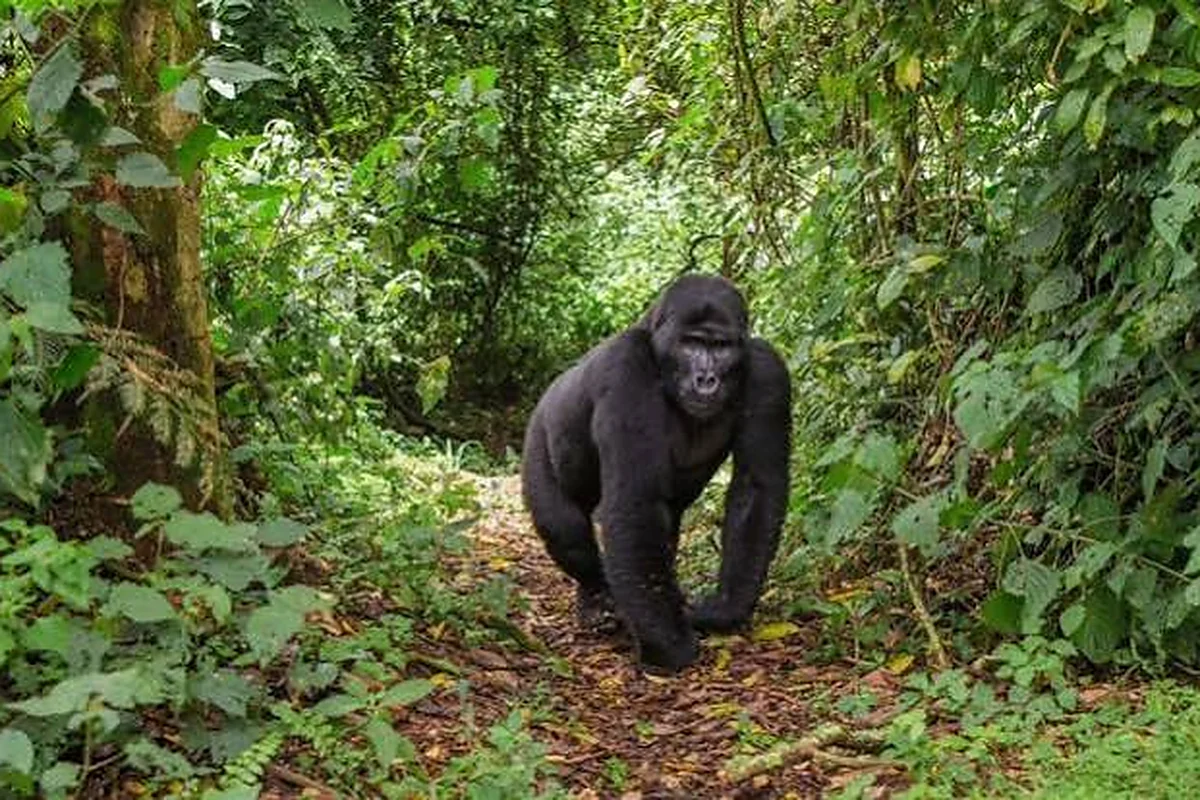
A silverback mountain gorilla walks along a natural trail through lush rainforest vegetation.
Build a clear financial record
Keep an itemized invoice that identifies the UWA permit charge separately from lodging, transport and operator services. If a refund is approved, request a statement showing the amount retained and any incidental deductions. This makes your travel budget and potential insurance claim much easier to reconcile.
When comparing policies, ask specifically about pre-existing conditions, infectious illness, park access restrictions, airline disruption and cancellation of prepaid excursions. Not every product will cover every event, and it is better to discover a gap before departure.
How PrideMark Safaris Helps With Cancellation Requests
PrideMark Safaris can help travelers understand the practical steps involved when a Uganda gorilla trekking booking needs to change. The first task is to review the reservation details and determine whether the issue concerns the UWA permit, accommodation, transport or several parts of the itinerary at once.
For clients whose permits were arranged as part of a safari, PrideMark Safaris can help gather the relevant booking references, clarify the tracking date and entry point, and coordinate a request through the appropriate official channel. UWA retains authority over its own permit cancellation, refund and rescheduling decisions.
If the original trek can no longer take place, PrideMark Safaris can discuss possible alternative travel dates and safari structures. For example, a traveler with limited time may compare a 3-day Uganda gorilla trekking safari with a 3-day luxury fly-in gorilla safari, while someone adding wildlife viewing may prefer a 5-day gorilla and game safari. All options remain subject to availability and supplier terms.
A careful itinerary review should include the permit, nights already reserved, ground transport, flights and any additional activities. This helps prevent a common mistake: cancelling one component while leaving the rest of the itinerary unchanged and still payable.
Our related guide on how far in advance to book gorilla permits explains why early planning matters, while the article about gorilla trekking without a permit clarifies why a valid permit is essential for an authorized trek. Together, these resources help travelers understand booking obligations before unexpected changes arise.
For help reviewing a proposed itinerary or discussing a change to an existing safari, contact PrideMark Safaris with your intended trekking date, the nature of the change and the booking details you are comfortable sharing. We can explain the next steps without promising an outcome controlled by UWA.
The most useful advice is also the simplest: confirm official permit availability before paying, understand supplier cancellation rules, keep your documents, and communicate changes promptly. These habits can reduce avoidable losses and help you make informed decisions under pressure.
Ultimately, Uganda gorilla permit refunds are a policy-driven process, not a negotiation over an ordinary attraction ticket. Travelers who understand the timelines, exceptions and evidence requirements are better prepared to protect their safari investment while respecting Uganda’s conservation framework.
Frequently Asked Questions About Uganda Gorilla Permit Refunds
Are Uganda gorilla permits refundable?
They may be refundable under specified UWA conditions. The general cancellation schedule allows different potential percentages depending on when UWA receives a written request. Other circumstances, such as documented illness at the park or a verified unsuccessful full-day trek, have separate provisions. Approval and deductions can apply.
How much of my gorilla permit fee can I get back?
Under the July 2024 general cancellation rules, potential refunds are 75% at 61 or more days, 50% at 46–60 days, 25% at 15–45 days, and none within 14 days. These are not unconditional guarantees, and incidental costs may be deducted.
Can I cancel my gorilla permit one week before trekking?
You can communicate that you cannot attend, but the general cancellation rules state that a request received within 14 days of the trekking date is not eligible for a refund. Ask UWA about any genuinely applicable special provision or permitted rescheduling option.
Do I get a refund if I am sick before gorilla trekking?
The guidelines provide for possible 50% refunds in qualifying cases where a visitor is declared unfit due to illness, with medical assessment and documentation. The exact timing and circumstances matter. Confirm eligibility with UWA rather than assuming any medical note guarantees payment.
What if I complete a trek but do not see gorillas?
UWA may authorize a following-day reschedule after a full day without a sighting. If no slot is available or the itinerary prevents staying, a 60% refund may be authorized subject to the required warden confirmation and applicable deductions.
Can I get a refund for a duplicate gorilla permit payment?
UWA may authorize a full refund where evidence establishes a double payment. Keep the original invoice, receipts and bank or mobile-money transaction records, and submit a written request through the official channel.
Can I reschedule instead of cancelling my permit?
Possibly. UWA permits up to two reschedules subject to conditions and availability. The first is generally free; the second and certain late requests attract a 25% surcharge. The published guidelines state that a permit already rescheduled is not eligible for a refund.
Can I transfer my gorilla permit to a friend?
Do not assume you can. A change of visitor is different from a change of date, and UWA validates visitor identity. Ask UWA to confirm whether any proposed update is permissible before attempting a transfer or resale.
Does my safari operator decide whether I receive a refund?
The operator may help submit documents and explain its own service terms, but UWA makes decisions about refunds of UWA permits. Hotels, transport providers and other suppliers may make separate decisions about their charges.
Does travel insurance cover a cancelled gorilla permit?
It depends on the policy and the reason for cancellation. Some policies cover certain nonrefundable prepaid travel costs, subject to exclusions, limits and evidence requirements. Ask the insurer before purchase and retain the UWA decision if you make a claim.
How long does a gorilla permit refund take?
The July 2024 guidelines do not provide a universal processing time that should be promised to every traveler. Ask UWA or your booking operator for a case-specific update and keep written records of the request and decision.
Where do I request a Uganda gorilla permit refund?
The guidelines direct the operator or client to submit a written request to the UWA Executive Director. The official document lists the UWA Reservations Office in Kampala and reservations@wildlife.go.ug. Verify current contact details before sharing sensitive information.
Official Sources and Further Reading
This article is based principally on the UWA Guidelines for the Management of Gorilla/Chimpanzee Tracking and Other Tourism Products (effective July 2024). For permit purchase and payment safety, see the UWA public advisory on permit purchasing. Policies and procedures can be amended; verify the current position with UWA before taking action.
Planning a safari despite changing travel dates? Speak with PrideMark Safaris about suitable itinerary options and the practical steps involved in coordinating official permit inquiries.