
Chimpanzee Trekking in Uganda for Beginners
This expanded guide to chimpanzee trekking in Uganda for beginners explains the practical decisions that matter most: where to go, what to book, how to prepare, what happens during the trek and how to behave responsibly. It is designed for travellers who want more than a checklist and prefer to understand how the entire day fits into a comfortable, well-organized safari.
We also explain the difference between an official conservation rule and a practical travel recommendation. This matters because advice about clothing, weather and photography may be flexible, while age limits, viewing distance and health restrictions are requirements. For official rules and updates, consult the Uganda Wildlife Authority before departure.
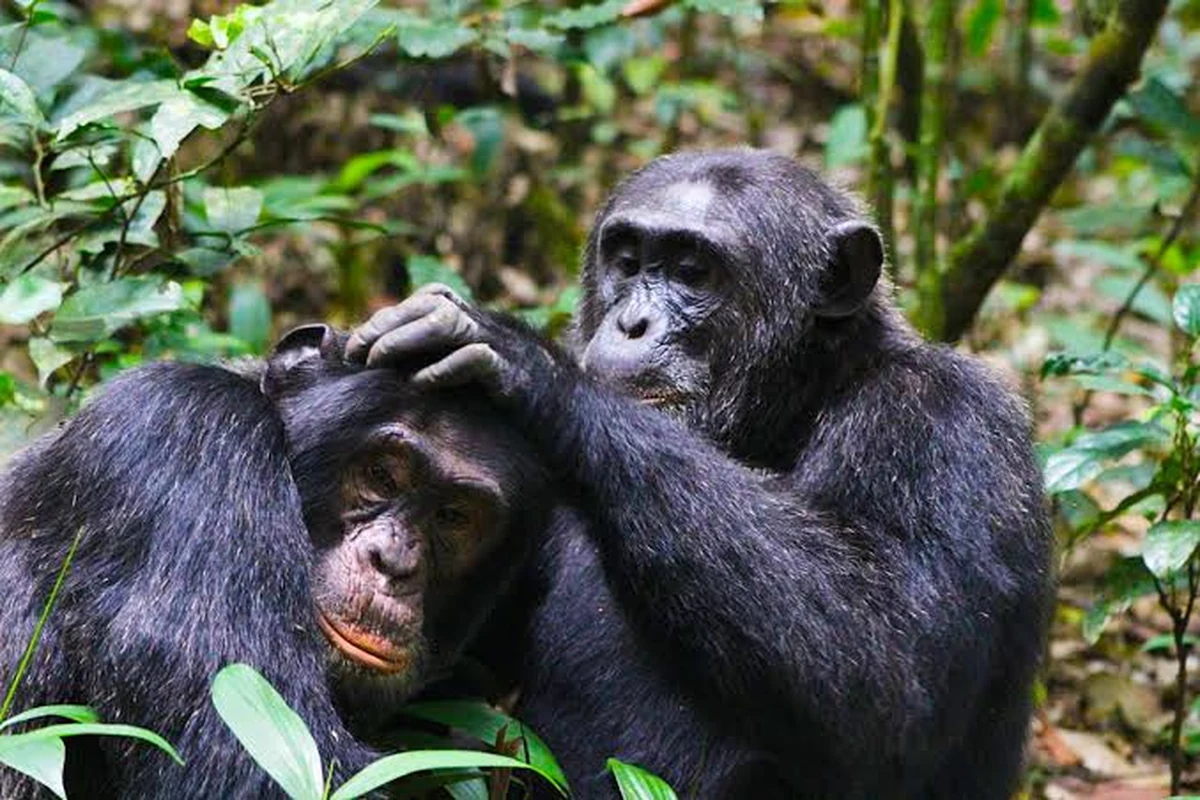
Two chimpanzees engage in social grooming in a lush tropical forest, demonstrating the strong social bonds within chimpanzee communities.
Quick comparison for first-time visitors
| Planning question | Beginner-friendly answer | What to confirm |
|---|---|---|
| Where to go? | Kibale is a popular established choice | Destination and briefing location |
| How long is the encounter? | Standard viewing is limited to one hour | Total forest time may be longer |
| How old must visitors be? | Minimum 12 years for UWA chimpanzee tracking | Child age and current rules |
| What if it rains? | Trekking may still proceed in wet conditions | Footwear, rainwear and local advice |
| Are sightings guaranteed? | Wild animals move freely | Never accept a guarantee |
1. Understand what chimpanzee trekking really means
Chimpanzee trekking is a guided forest walk to locate habituated wild chimpanzees. It is not a zoo visit, a staged feeding session or a guaranteed close-up encounter. Rangers interpret calls, nesting sites, movement and other forest signs while visitors follow an approved route. Your experience begins long before you see an animal: listening to the forest, moving quietly and understanding the habitat are essential parts of the day.
For a first-time visitor, the most helpful expectation is flexibility. A chimpanzee group may be feeding in the canopy, moving across the forest floor or resting out of sight. The pace and duration of the search vary according to the animals and the day’s conditions. Guides decide when and where the group can safely move; travellers should not attempt to approach independently.
A good beginner safari balances excitement with patience. Keep your attention on the guide rather than constantly searching through a camera viewfinder. Ask questions at appropriate moments, remain with the group and appreciate other primates, birds and plants encountered along the way. The experience is valuable even when the chimpanzees are partially obscured by leaves.
2. Choose the right forest for your first trek
Kibale National Park is the best-known choice for travellers seeking a dedicated chimpanzee experience, with established visitor operations and a wider range of nearby accommodation. Its location in western Uganda makes it a logical stop on an itinerary that also includes Fort Portal, Bigodi and Queen Elizabeth National Park. A beginner who values a well-developed trekking programme may find Kibale particularly appealing.
Kalinzu Forest offers a different forest setting and can be convenient for travellers already visiting the Queen Elizabeth region. Kyambura Gorge offers a dramatic landscape and a distinct experience, but sightings and practical arrangements should never be treated as identical across destinations. Check which authority manages each activity and obtain a current, written confirmation of fees and availability.
Choose based on your route, budget, mobility and expectations, not on a single promotional claim about sighting success. Forests differ in terrain, habituated groups, booking channels and the distance between your lodge and the briefing point. The right destination is the one that fits the whole safari, not simply the lowest advertised permit price.
For related planning ideas, read our Uganda gorilla trekking cost article, or contact PrideMark Safaris for advice tailored to your travel dates.
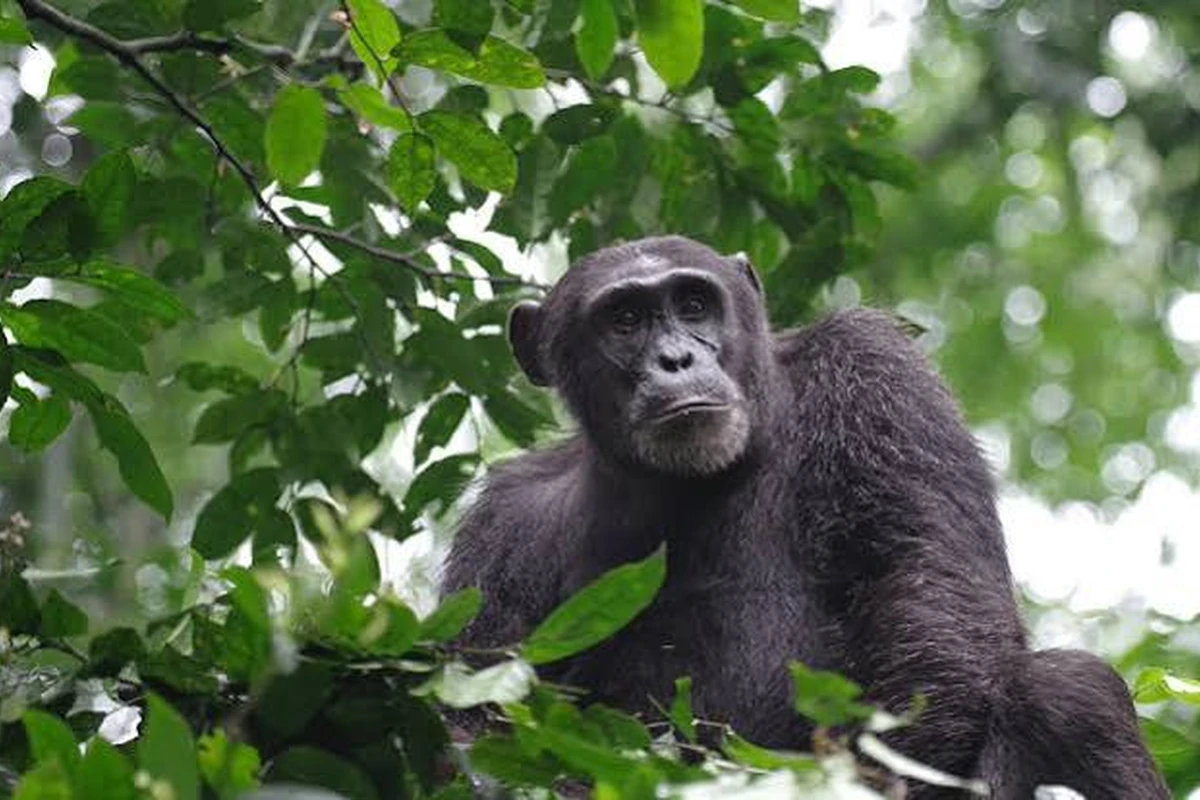
A chimpanzee rests among leafy branches in a tropical forest, illustrating the natural encounters visitors may experience during chimpanzee trekking.
3. Understand permits and the true cost
A chimpanzee permit is the activity authorization for a specified destination, visitor category and date. It should not be confused with a complete safari package. Transport, accommodation, meals, other park activities and personal expenses may be quoted separately. Always ask for a written breakdown rather than assuming a single headline price includes everything.
UWA tariffs are periodically revised. An article or social media post published several years ago may quote a different price from the tariff that applies to your departure. Before paying, ask your operator to confirm the official rate, visitor-category eligibility, activity type, date and whether a permit is available. Do not assume that a cheaper lodge means a cheaper conservation permit.
A professional quotation should clearly identify whether you are booking standard tracking or a habituation experience. Those activities have different formats and tariffs. The permit may be date-specific and subject to restrictions on changes or refunds. Keep your confirmation documents accessible and ask about the terms before transferring a deposit.
For related planning ideas, read our affordable Uganda safari planning article, or contact PrideMark Safaris for advice tailored to your travel dates.
| Cost component | What beginners should ask | Why it matters |
|---|---|---|
| Permit | Is the exact activity and visitor category included? | Avoids surprises at booking |
| Accommodation | Which lodge, room type and meals? | Makes quotes comparable |
| Vehicle | Private/shared, fuel and transfers? | Shows transport inclusions |
| Other activities | Included or optional? | Clarifies total holiday budget |
| Booking terms | Deposit, balance and cancellation? | Explains commitments |
4. Check the minimum age and suitability
UWA’s published chimpanzee tracking rules specify a minimum age of 12 years. Families should not confuse this with the 15-year minimum stated for gorilla tracking. Parents should supply the ages of all children before a safari is priced or a permit requested. Age requirements can determine whether a proposed family itinerary is workable.
There is no universal promise that a chimpanzee trek will be easy. Forest tracks may be steep, uneven, muddy or crossed by roots. The time required to find chimpanzees changes from day to day, so a traveller who is comfortable walking for an hour on a paved path may still find forest conditions demanding. Discuss mobility limitations and any assistance needs before booking.
Fitness preparation need not be extreme. Regular walks, gentle hill training and practice using the shoes you will bring can improve confidence. Travellers with relevant medical concerns should consult their clinician about exertion, altitude, humidity and travel needs. Tell the operator about practical limitations so the itinerary and accommodation can be chosen responsibly.
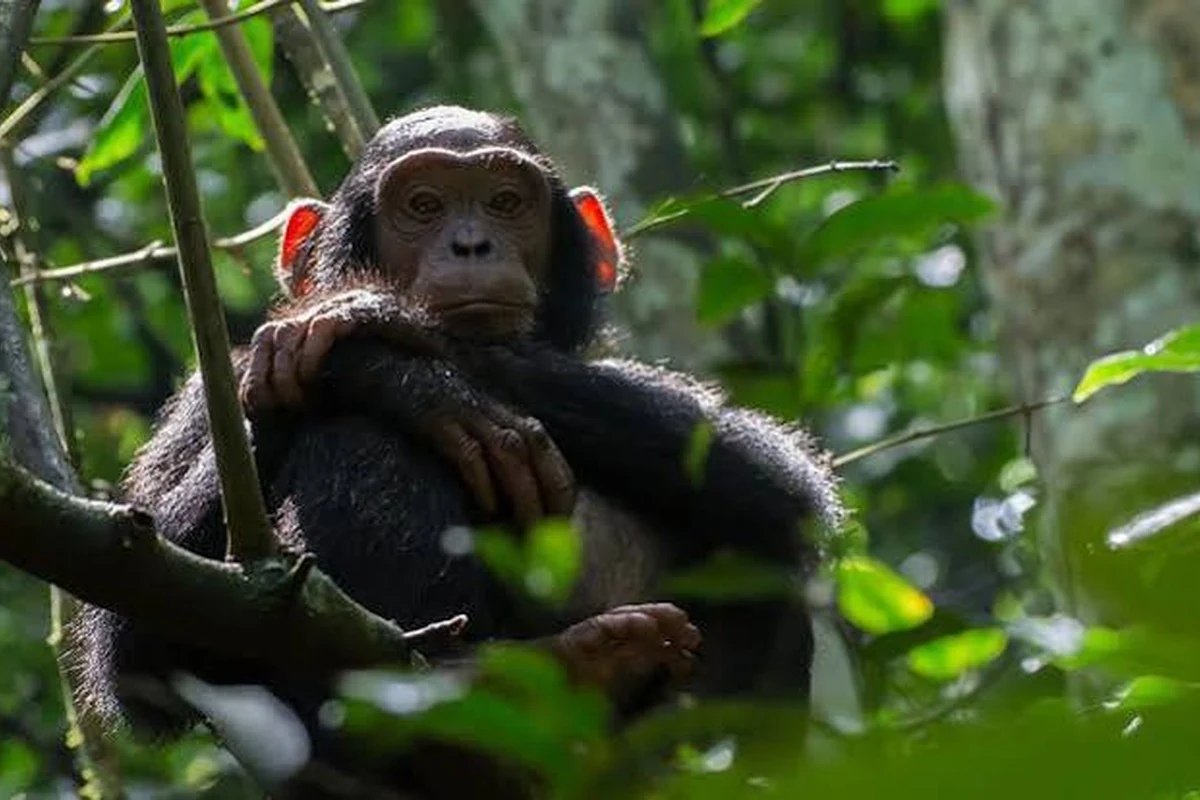
A chimpanzee rests comfortably on a tree branch surrounded by lush tropical forest vegetation, offering a glimpse into its natural habitat.
5. Plan the best season without expecting perfect weather
Chimpanzee trekking can take place throughout the year, but weather affects how the forest feels. Drier periods often provide more comfortable footing on some trails, while wetter months can bring mud, rain showers and lush vegetation. Rain can occur in any month in a tropical forest, so waterproof preparation is useful even when the forecast looks favourable.
The Uganda Wildlife Authority notes that chimpanzee movements and food availability can make rainy-season tracking rewarding in Kibale. This is why it is misleading to claim that the dry season always guarantees better chimpanzee sightings. Visibility, trail comfort, group movements and visitor preferences are separate considerations.
For beginners, the best travel period may be the one that matches their tolerance for mud, preferred safari activities and available holiday dates. If combining chimpanzees with game drives or gorilla trekking, consider conditions across the entire route. Book the permit and suitable lodging together rather than choosing dates based on weather alone.
For related planning ideas, read our affordable Uganda safari planning article, or contact PrideMark Safaris for advice tailored to your travel dates.
6. Pack practical clothing and footwear
Wear long trousers, a lightweight long-sleeved top and sturdy closed footwear with reliable grip. These items help protect against vegetation, insects and minor scratches. Avoid brand-new boots on trekking day; break them in during ordinary walks. Neutral colours are convenient in the forest, but comfort, fit and weather protection matter more than fashionable safari outfits.
Carry a lightweight waterproof jacket, drinking water, insect repellent, sun protection and any essential medication in a small daypack. Socks that stay in place help reduce friction, and some travellers prefer light gloves when moving near rough vegetation. Avoid carrying unnecessary weight because the route can be unpredictable.
A phone or camera should be protected from rain and humidity. Bring a spare battery or power bank if you plan to photograph extensively, but keep equipment manageable. Ask your guide before using any accessory that could disturb wildlife. The goal is to arrive prepared without turning a forest walk into an exhausting equipment expedition.
For related planning ideas, read our Uganda gorilla trekking cost article, or contact PrideMark Safaris for advice tailored to your travel dates.
| Bring | Why it helps | Beginner note |
|---|---|---|
| Closed hiking shoes | Grip on roots and mud | Wear them before travel |
| Long trousers and sleeves | Protects from vegetation | Choose breathable fabric |
| Rain jacket | Weather can change | Pack even in drier months |
| Water and daypack | Comfort during longer walks | Keep weight manageable |
| Camera without flash | Responsible photography | No flash near chimpanzees |
7. Know what happens at the morning briefing
Your trekking day usually begins at a designated meeting point, where staff check bookings, explain the rules and organize visitors with guides. The exact reporting time and location are provided with your confirmed activity. Arrive early enough to use facilities, adjust your clothing and ask questions before the group enters the forest.
Listen carefully to instructions about staying together, speaking quietly, maintaining distance and what to do if chimpanzees move toward the trail. Guides may explain the expected terrain, but they cannot promise where the animals will be. A briefing is also a chance to disclose any immediate concern that could affect your ability to participate safely.
Keep your permit details and identification ready according to the booking instructions. Do not leave essential items in a distant vehicle if you will need them during the trek. Once the walk begins, follow the assigned ranger rather than another group or an unofficial trail.
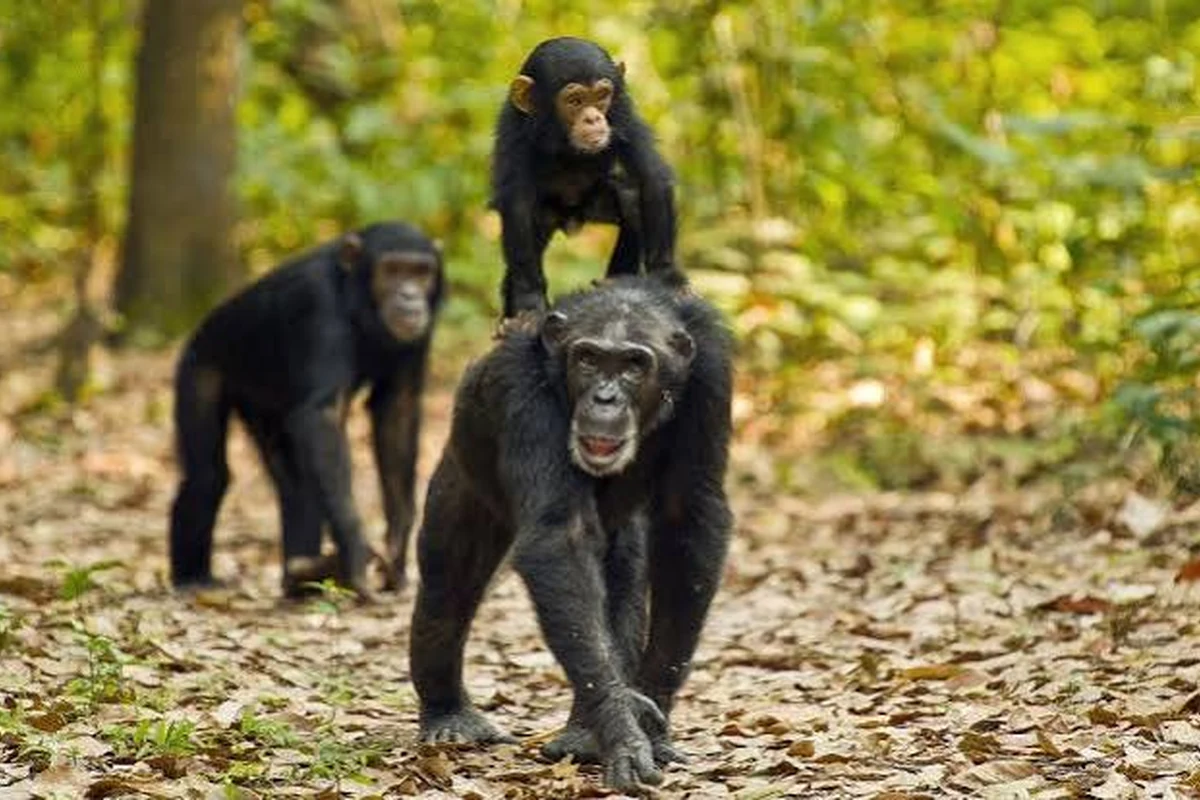
A young chimpanzee rides on an adult’s back while another chimpanzee follows along a forest path, illustrating chimpanzee family behaviour.
8. Prepare for the forest walk itself
A chimpanzee trek may involve quiet walking, waiting and occasional changes in direction as guides interpret calls and movement. The forest can be humid and the ground slippery even after a dry morning. Step carefully, watch for roots and let the guide set the pace. There is no advantage in rushing ahead.
When chimpanzees are heard nearby, excitement can make people move too quickly. Resist the urge to run toward vocalizations or separate from the group. A safe encounter depends on the guide managing both visitors and the changing behaviour of wild animals. Keep bags secured and avoid sudden gestures.
If you become tired, tell the guide promptly rather than silently falling behind. Drink water when permitted and at an appropriate distance from chimpanzees. The best first-time trekkers are not necessarily the fastest walkers; they are those who stay attentive, communicate clearly and respect the instructions.
9. Understand the one-hour viewing limit
UWA’s published standard chimpanzee tracking rules limit visits to one hour with the chimpanzees. This is the regulated viewing period, not a guarantee that the entire activity will last only sixty minutes. Searching for the animals and returning from the forest can add considerable time.
The hour begins according to the guide’s management of the encounter, and visitors should follow the ranger’s instructions about when the group must leave. The viewing limit helps reduce disturbance and provides a consistent structure for tourism around habituated chimpanzees. It is not appropriate to negotiate extra time directly with the animals nearby.
If you are considering a longer-format chimpanzee habituation experience, ask specifically about that activity, its current availability and rules. Do not assume that standard tracking can be extended by paying an informal fee. A beginner who prefers a shorter, more structured activity may find standard tracking the simpler first choice.
For related planning ideas, read our Uganda gorilla trekking cost article, or contact PrideMark Safaris for advice tailored to your travel dates.
10. Respect distance and never touch or feed chimpanzees
UWA’s published rules require visitors to stay at least ten metres from chimpanzees. This distance protects both people and animals and should be maintained even when a chimpanzee appears calm. Wild chimpanzees are powerful, unpredictable primates, not pets or photo props.
Never offer food, try to touch an animal, block its path or imitate its calls. Feeding changes natural behaviour and can create dangerous associations between people and food. If a chimpanzee approaches unexpectedly, remain calm and follow the guide’s directions rather than attempting to take a close-up selfie.
A respectful encounter may involve watching from behind vegetation or accepting that a chimpanzee moves away before you capture a photograph. That is part of responsible wildlife tourism. The welfare of the animal takes priority over the perfect image or an uninterrupted view.
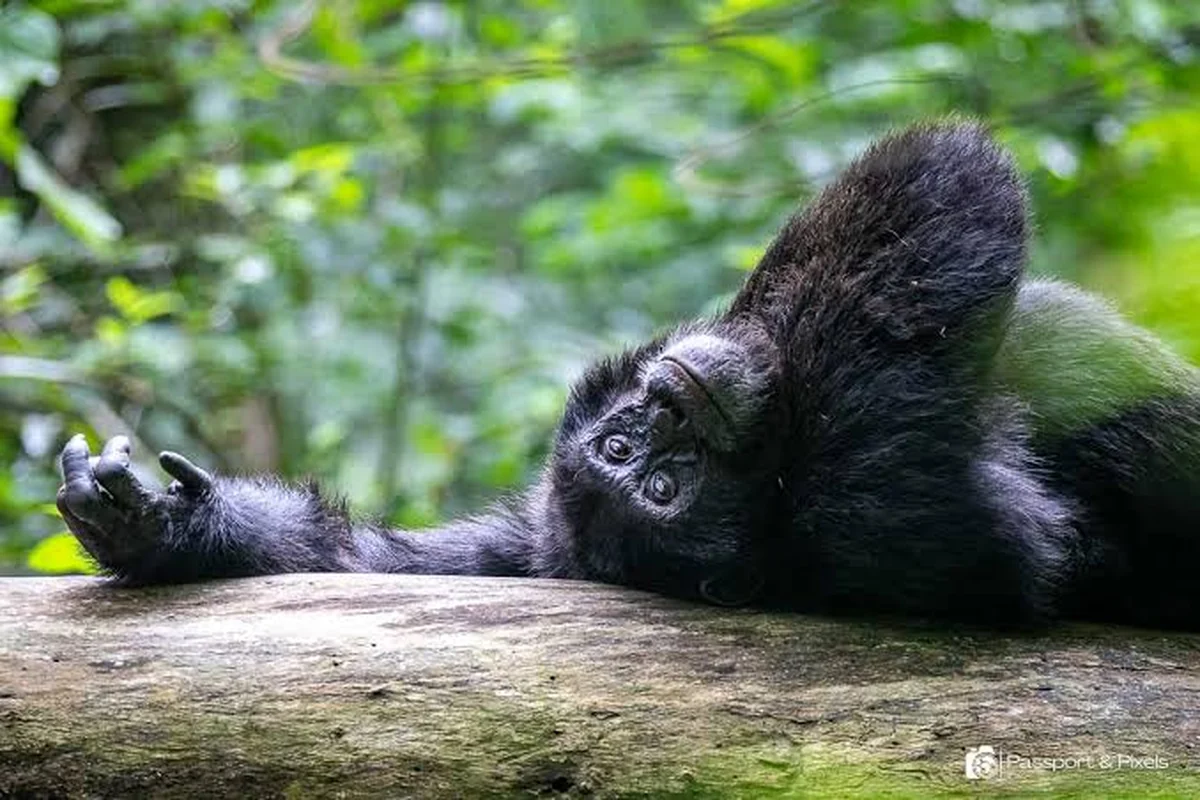
A chimpanzee relaxes on its back along a fallen tree trunk, displaying natural resting behaviour in a lush forest.
11. Follow health and hygiene precautions
Chimpanzees can contract illnesses from humans. UWA rules say visitors must not enter the forest when sick, and this matters particularly for symptoms of infectious respiratory illness. Inform the operator or ranger if you become unwell before your scheduled trek and ask what official options apply to your booking.
Do not eat, drink or smoke during the tracking encounter, and follow the ranger’s instructions on appropriate breaks away from chimpanzees. Never leave tissues, food wrappers or other waste behind. UWA guidance also specifies how human waste should be handled in the forest, so ask the guide rather than improvising.
Hand hygiene, sensible cough etiquette and avoiding unnecessary contact with surfaces or animals are practical safeguards. Do not rely on the assumption that mild symptoms are harmless to wildlife. Protecting chimpanzees from human disease is one of the clearest ways a visitor can contribute to conservation.
12. Take better photographs without flash
Flash photography is prohibited under UWA’s chimpanzee tracking rules. Forest light can be uneven, so adjust camera settings before approaching the chimpanzees and accept that some photographs may be darker or less sharp than pictures taken in open savannah. A stable stance and patient observation often matter more than expensive equipment.
Avoid leaning across other visitors, stepping off the approved route or moving closer to improve a frame. Use natural light, watch the animal’s behaviour and keep the camera ready without constantly raising it to your face. A short video or a few thoughtful photographs may preserve the memory better than hundreds of hurried images.
Remember that other trekkers have paid for the same experience. Give them space to see the animals and follow the guide’s instructions about where to stand. Photographs should document a responsible encounter, not create a reason to break the rules.
13. Avoid common first-timer mistakes
One common mistake is assuming the chimpanzees will be waiting beside the briefing point. Another is choosing a lodge without checking the transfer to the correct starting location. Travellers sometimes overlook permit availability while booking non-refundable flights, or they underestimate how much time a road transfer can take.
Beginners may also arrive wearing slippery shoes, carrying too little water or expecting the entire trek to last exactly one hour. These misunderstandings can make a rewarding day unnecessarily stressful. Ask specific questions about the forest, meeting point, included services and realistic return timing before you travel.
A final mistake is comparing packages only by price. A lower quotation may exclude a permit, meals, fuel, park fees or transfers. The right comparison is between complete itineraries with the same activities, accommodation standard and number of travellers.
For related planning ideas, read our Uganda safari for $2000 article, or contact PrideMark Safaris for advice tailored to your travel dates.
14. Combine chimpanzees with a sensible safari route
Kibale pairs naturally with Fort Portal and the Bigodi area, while Queen Elizabeth National Park adds game drives and the Kazinga Channel. With additional days, travellers can continue toward Bwindi for gorilla trekking, Lake Bunyonyi for relaxation or Lake Mburo on the return toward Entebbe. The exact sequence should be based on the confirmed permits and accommodation.
A short itinerary should not try to include every major national park. Long drives immediately before a forest trek can leave visitors exhausted. A thoughtful route provides enough time to arrive, sleep well, attend the briefing and recover afterward. This is particularly important for families and travellers unfamiliar with Uganda’s road distances.
When comparing routes, consider the starting airport, number of nights, comfort level and whether the vehicle is private. A well-planned three- to five-day chimpanzee-focused safari can feel more rewarding than an overpacked week of transfers. Longer journeys work best when each destination has a clear purpose.

Illustrated PrideMark Safaris route map showing Kibale Forest and other popular Uganda wildlife destinations for first-time visitors.
For related planning ideas, read our Uganda safari for $2000 article, or contact PrideMark Safaris for advice tailored to your travel dates.
| Safari style | Useful combination | Planning priority |
|---|---|---|
| Short primate escape | Entebbe – Kibale – Entebbe | Allow for travel and briefing |
| Wildlife and chimpanzees | Kibale – Queen Elizabeth | Balance forest and game drives |
| Longer primate safari | Kibale – Queen Elizabeth – Bwindi | Coordinate both permit dates |
| Relaxed scenic circuit | Kibale – Queen Elizabeth – Lake Bunyonyi | Avoid rushed transfers |
15. Book confidently with a licensed safari operator
Before confirming your first chimpanzee safari, ask for a written itinerary that identifies the trekking destination, permit category, date, accommodation, meal plan, vehicle, guide arrangements and exclusions. Verify the payment schedule and cancellation conditions. If you have flexibility, share alternative dates so the operator can check availability before you make irreversible travel commitments.
PrideMark Safaris is listed in the Uganda Tourism Board licensed tour companies directory. The company can help coordinate permits, route planning and accommodation according to the traveller’s needs. A licensed operator should provide clear written information rather than vague promises of guaranteed sightings or special access to wildlife.
Once arrangements are confirmed, keep the itinerary and booking contacts accessible offline. Review entry requirements, travel insurance and health advice for your nationality and travel circumstances. Your first trek should feel adventurous, but the logistics should be organized well enough that you can focus on the forest experience.
Additional practical planning advice for first-time chimpanzee trekkers
How to decide whether your first safari should be private or shared
A private safari gives you greater control over departure times, accommodation and the pace of transfers between destinations. It does not mean that a private vehicle automatically gives you a private chimpanzee encounter: the forest activity itself is managed under the relevant authority’s group arrangements. Ask exactly which services are private and which are shared with other visitors. This distinction is particularly useful for couples and families who value flexible road travel but are happy to participate in an ordinary ranger-led trekking group.
A shared road safari may lower the per-person transport cost, but it can also involve fixed dates and a standard itinerary. Before selecting one, confirm how many people share the vehicle, whether every participant has a confirmed chimpanzee permit and how luggage will be accommodated. A lower price is worthwhile only when the activity, meals and overnight arrangements remain suitable for your needs.
Why accommodation location matters more than a glossy lodge photograph
Kibale-area accommodation ranges from simple guesthouses and permanent tented camps to comfortable midrange lodges and premium properties. For beginners, proximity to the correct briefing point can be as important as the room category. A beautiful property may be inconvenient if the morning transfer is long or the road is difficult after rain. Ask for the name and exact location of the proposed lodge before accepting the quotation.
Look beyond the photograph of the bedroom. Check whether the room is en-suite, whether breakfast is available before the trekking departure, what meals are included and whether the lodge can accommodate early starts. Travellers who prefer a relaxed safari may appreciate staying an additional night in the region rather than driving a long distance immediately after their forest encounter.
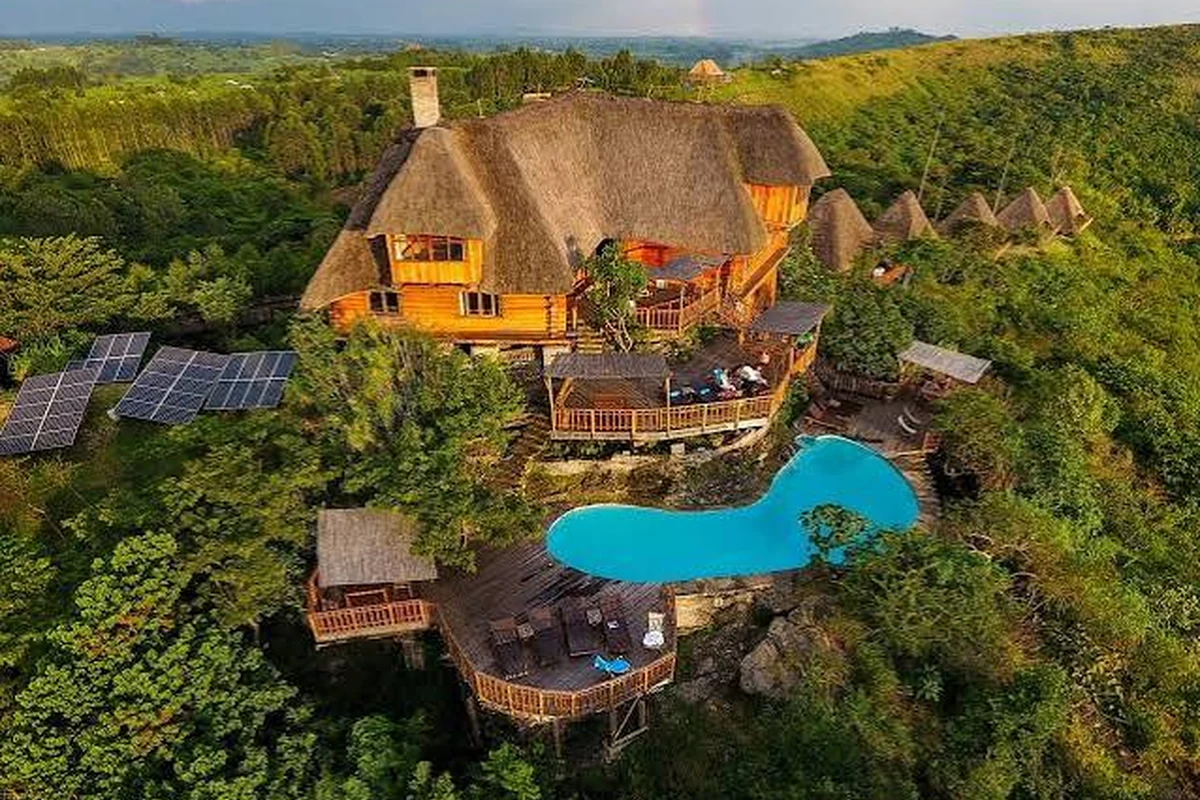
A beautiful safari lodge surrounded by lush forest, featuring traditional thatched roofs, spacious wooden terraces and a swimming pool.
How to read a chimpanzee trekking quotation confidently
A complete quotation should separate conservation permits from accommodation, transport and optional experiences. Ask whether the vehicle includes fuel, driver-guide services and airport transfers. Check whether bottled drinking water is provided throughout the safari, which meals are covered and whether park entry or activity charges are already included. These details matter more than a headline claim that a trip is all-inclusive.
If two offers differ significantly, compare them line by line. One may include a private vehicle and a better-located lodge, while another may exclude the permit or charge extra for transfers. Confirm the number of travellers used to calculate the per-person rate. A quotation for four people sharing a vehicle cannot be compared directly with a solo private safari without understanding the underlying costs.
What to do if chimpanzees are difficult to locate
There are days when the forest feels quiet despite the guides’ efforts. Chimpanzees move in response to food, social activity and other factors that are beyond visitor control. Instead of becoming frustrated, listen to the guide’s interpretation of the calls, tracks and forest environment. Other wildlife sightings and the walk itself remain part of the experience. A realistic expectation makes the day more rewarding.
If your group does not see chimpanzees, ask the operator or park staff about the official terms applicable to your permit. Do not assume that an unsuccessful sighting automatically qualifies for a refund or free second attempt. Policies vary by authority and product, so written booking terms should be understood before travel. An ethical guide will not promise to bend conservation rules to secure a photograph.
Planning for travellers who prefer a gentler pace
Some beginners are enthusiastic about wildlife but concerned about walking on slippery ground or managing a long day. The best approach is to discuss those concerns honestly with the operator before booking. They can explain the likely conditions, the available accommodation and whether a particular destination is more practical for the rest of your itinerary. No one can guarantee an easy trail because chimpanzees move freely.
A relaxed pace can be built around the trekking day even when the forest walk itself remains unpredictable. Stay close to the briefing point the night before, avoid late arrivals, carry only essential items and leave the afternoon relatively open. A comfortable lodge and a second night nearby may improve the experience more than adding another attraction immediately after the trek.
Understanding forest etiquette beyond the written rules
Respectful behaviour includes more than keeping the required distance. Allow other members of the group to see, avoid loud conversations, keep your equipment close and do not push ahead when the chimpanzees become visible. A guide may ask everyone to stand still while the animals cross an area or move into the trees. Following these instructions protects the group and reduces disturbance.
If you are travelling with friends, resist the temptation to pose for photographs while blocking the trail. Never use food to attract animals or ask a ranger to move you closer for a special shot. Good wildlife etiquette is often quiet and unobtrusive. It allows the chimpanzees to continue their ordinary activities while visitors observe from an appropriate distance.
Why a longer Uganda safari may suit first-time visitors
A longer safari gives travellers time to experience Uganda beyond a single forest walk. Fort Portal’s scenery, Bigodi’s community and wetland experiences, Queen Elizabeth’s game drives and boat excursions, and the landscapes around Lake Bunyonyi each offer a different perspective. Adding these experiences should follow a logical route rather than a list of every famous attraction.
First-time visitors sometimes underestimate the distances between national parks. A day that looks short on a map can involve winding roads, scenic stops and slower travel after rain. Choose a route that allows adequate sleep before the chimpanzee trek and enough time to enjoy each destination. The quality of a safari often improves when unnecessary transfers are removed.
Preparing children and first-time wildlife travellers
For eligible children and teenagers, preparation should focus on patience, quiet behaviour and realistic expectations. Explain that the chimpanzees may be high in trees or partly hidden, and that nobody can run toward them. Practice walking together and listening to instructions before the holiday. Confirm the applicable minimum age and bring documentation requested by the booking authority.
Adults should also prepare for the emotional intensity of encountering wild primates. Chimpanzees may vocalize loudly, move quickly or appear unexpectedly close to the path. Remaining calm and following the ranger is essential. The goal is not to make the encounter feel tame, but to help everyone appreciate a genuinely wild experience safely.

A safari guide introduces children to wildlife education during an outdoor family safari experience.
The value of conservation-focused travel
A chimpanzee permit is more than an admission ticket. Regulated tourism can support protected-area management and provide economic reasons for conserving forests and wildlife, although the exact distribution of revenue depends on the authority and programme. Visitors contribute most responsibly when they book through legitimate channels and follow the rules designed to protect the animals.
Travellers can extend that approach by choosing operators that explain conservation requirements clearly, avoiding wildlife products of questionable origin and treating local communities respectfully. Responsible tourism also means recognizing that chimpanzees are not available on demand. Their welfare and the health of the forest must take precedence over a visitor’s wish for an uninterrupted view.
A final checklist for the evening before trekking
The night before your trek, confirm your reporting time and meeting point, lay out your boots and long trousers, and pack your rain jacket, drinking water and identification. Charge your camera and keep a dry bag or protective cover ready. Ask the lodge about early breakfast arrangements and make sure your driver-guide knows the correct departure time.
Get adequate rest and avoid scheduling a demanding late-night activity immediately before the trek. If you develop symptoms of illness, tell your operator rather than hoping they will disappear by morning. A well-prepared beginner arrives ready to listen, walk carefully and enjoy the forest without unnecessary logistical distractions.
Frequently asked questions about chimpanzee trekking in Uganda for beginners
Is chimpanzee trekking safe for first-time visitors?
It is a managed wildlife activity with trained guides, but it takes place around powerful wild animals in uneven forest terrain. Follow instructions, disclose mobility concerns and respect distance rules.
Will I definitely see chimpanzees?
No ethical operator can guarantee a wild sighting. Guides use their knowledge to locate chimpanzees, but movements and visibility vary.
How long does chimpanzee trekking take?
The search and return journey vary. Standard viewing time with chimpanzees is limited to one hour under UWA rules.
Can a ten-year-old participate?
UWA’s published chimpanzee tracking minimum age is 12. Confirm current requirements before booking a family trip.
Do I need expensive hiking equipment?
No. Reliable footwear, practical clothing, rain protection and a light daypack matter more than premium brands.
Can I take photographs?
Yes, subject to ranger instructions, but flash photography is prohibited. Do not approach animals for a better photograph.
Can I trek while I have a cold?
UWA rules prohibit entering the forest when sick because chimpanzees can catch human diseases. Notify your operator promptly.
Is the rainy season a bad time to go?
Not necessarily. Trails may be muddier, but chimpanzee tracking operates year-round and seasonal food availability can affect movements.
Should I choose standard tracking or habituation?
Standard tracking is a structured introductory experience. Habituation has a different format and permit; compare current availability, physical demands and costs before choosing.
Can I combine chimpanzees with gorillas?
Yes, with enough time for road transfers and separate permits. The minimum age for gorilla tracking is different, so family itineraries need extra care.
A practical three-day example for beginners
Day 1: Entebbe to the Kibale region
Travel west with suitable stops and settle into accommodation near the designated trekking area. Confirm the next morning’s reporting point and prepare your clothing and documents before dinner.
Day 2: Chimpanzee trekking and optional local experience
Attend the official briefing, follow the ranger into the forest and enjoy the regulated viewing opportunity if chimpanzees are located. Rest afterward or choose an optional nearby community or wetland activity if time and energy allow.
Day 3: Return or continue the safari
Travel back toward Entebbe or continue to Queen Elizabeth National Park for a wildlife extension. The correct schedule depends on your flights, road conditions and whether you want a slower pace.
More useful PrideMark Safaris resources
For realistic safari budgets, read our Uganda safari for $2000 examples. If you are adding gorillas, our Uganda gorilla trekking cost guide explains why permits and accommodation should be budgeted separately. Travellers choosing dates can also review our cheapest time to visit Uganda planning article.
We have also developed related chimpanzee guides covering permits, seasonal conditions, Kibale Forest and trekking rules. Their WordPress permalinks should be confirmed before inserting additional links to draft or unpublished pages; do not publish guessed URLs.
Why choose a registered Uganda tour operator?
PrideMark Safaris is listed by the Uganda Tourism Board among licensed tour companies under licence UTB/RTT/TT/2026/102323. Travellers can verify the company in the official UTB directory. Registration is useful context, but travellers should still request written itineraries, permit details and clear booking conditions.
Plan your first chimpanzee trekking safari
Tell us your preferred dates, number of travellers, starting point and accommodation style. We can help design a route that makes sense for your time and interests, with clear inclusions and permit arrangements subject to availability.
Official sources: UWA chimpanzee tracking rules (published 2024–2026 tariff); UWA Kibale National Park; UTB licensed tour companies.