A Uganda safari for $2000 can take you much further than many first-time travelers expect. With thoughtful planning, comfortable mid-range accommodation, private road transport, carefully selected activities and a realistic choice of destinations, about USD 2,000 can create a memorable journey through Uganda’s forests, savannahs, lakes, mountains and wildlife-rich national parks. The secret is not trying to visit every famous destination in one trip. Instead, the smartest approach is to choose an itinerary where the experiences complement each other and where your budget is spent on the moments that matter most.
Uganda is particularly interesting for travelers working with a defined budget because a single journey can combine several completely different experiences. You can wake up beside a rainforest, spend the afternoon watching chimpanzees in Kibale, travel across rolling countryside toward Queen Elizabeth National Park, watch elephants beside a savannah track, cruise past hippos on the Kazinga Channel, or climb into the misty hills of southwestern Uganda to meet mountain gorillas. The country is also home to Murchison Falls, Lake Mburo, Mgahinga and a remarkable collection of cultural landscapes. Uganda Tourism Board describes the country as a destination combining wildlife, landscapes and cultural heritage, while Uganda Wildlife Authority manages the country’s national parks and wildlife areas.
This guide presents six different ways to build a Uganda safari for $2000. They are not identical packages with different names. Each itinerary has been designed around a different travel personality: the classic wildlife traveler, the primate enthusiast, the gorilla dreamer, the first-time safari visitor, the traveler who wants a little of everything, and the person who prefers the dramatic volcanic scenery of southwestern Uganda. The prices are target budgets for a private safari using sensible mid-range accommodation and road transport, rather than guaranteed quotations. Your exact price will depend on your travel dates, number of travelers, room arrangement, permit availability, accommodation choice and activities selected.
What Can $2,000 Buy on a Uganda Safari?
The answer depends heavily on what you want to see. A budget of USD 2,000 per person is not a universal “Uganda safari price” because safaris are built from several moving parts. Transport is one of the biggest costs, especially when the safari is private. Accommodation can range from simple guesthouses and budget camps to comfortable mid-range lodges and luxury properties. Park entrance fees and specialist activities add another layer, while primate permits can become the single largest expense on an itinerary. This is particularly important for travelers interested in gorillas or chimpanzees.
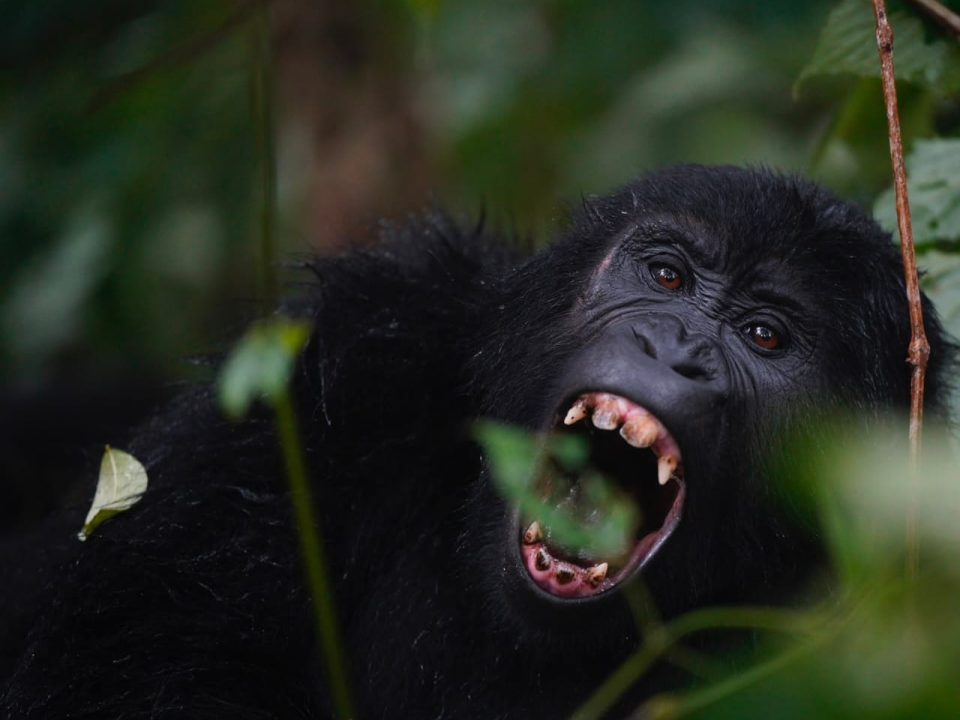
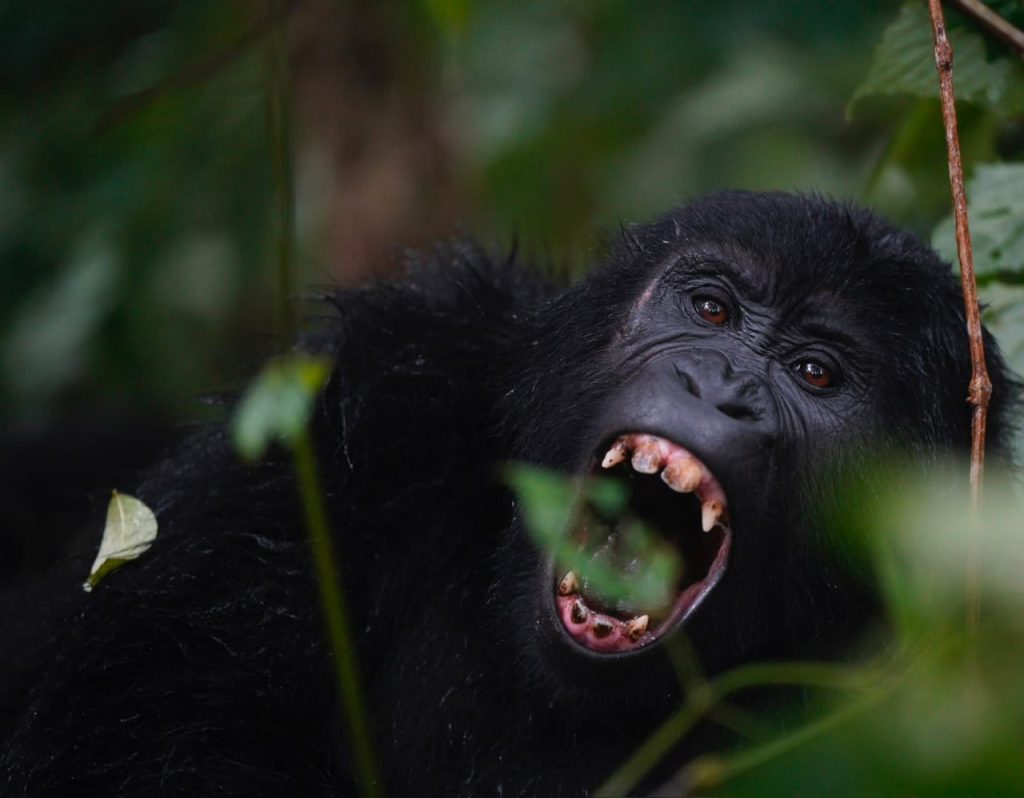
For example, the standard foreign non-resident gorilla tracking permit is currently listed at USD 800, which means that a large part of a USD 2,000 budget can disappear into one unforgettable activity before accommodation and transportation are even considered. Uganda Wildlife Authority’s current information also shows that gorilla tracking takes place in Bwindi Impenetrable National Park and Mgahinga Gorilla National Park, while Kibale is one of Uganda’s principal chimpanzee destinations. UWA states that a gorilla trek can last several hours depending on the location of the family, followed by a maximum one-hour viewing period with the gorillas.
That is why a good Uganda safari under $2000 needs balance. If gorillas are your priority, you may need to accept fewer parks and a shorter itinerary. If wildlife and scenery are more important, you can stretch the same money across more days and several destinations. If chimpanzees are your main interest, Kibale can become the centerpiece of a trip that also includes Queen Elizabeth National Park and the spectacular Kazinga Channel. If you simply want the broadest classic safari experience, Murchison Falls or a combination of Murchison, Kibale and Queen Elizabeth can provide an impressive mixture of wildlife, forests and waterways.
| Budget Item | Typical Role in a $2,000 Safari |
|---|---|
| Accommodation | Comfortable budget or mid-range lodges, usually sharing a twin or double room |
| Transport | Private 4×4 safari vehicle with professional driver-guide on a road itinerary |
| Meals | Breakfast, lunch and dinner depending on the lodge/package arrangement |
| Park activities | Game drives, selected boat cruises, nature walks or primate activities |
| Permits | Chimpanzee or gorilla permits where the chosen itinerary includes them |
| International flights | Normally excluded |
| Visa and travel insurance | Normally excluded |
| Personal expenses | Souvenirs, alcoholic drinks, laundry and optional activities are normally extra |
Tour 1: Murchison Falls Wildlife Adventure Around $2,000
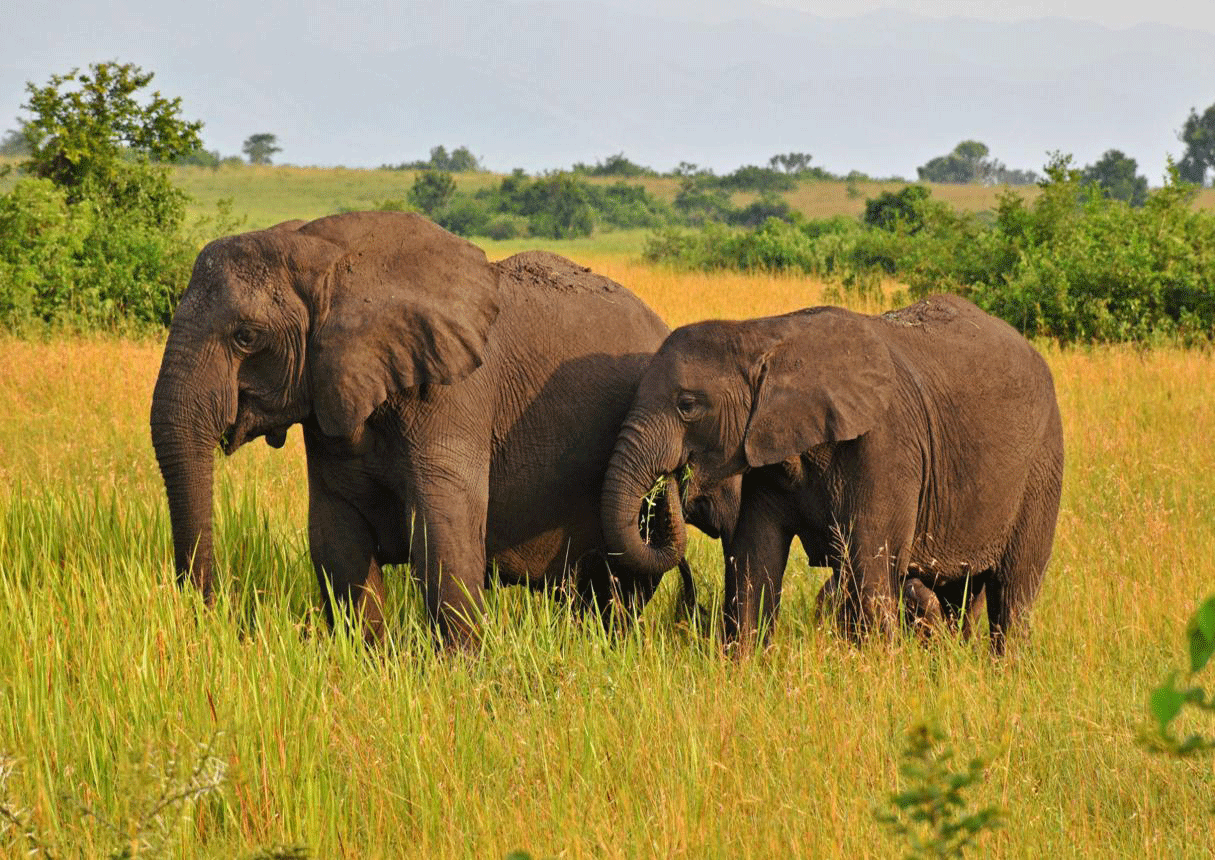
For travelers who picture Uganda as wide savannah, elephants, giraffes, lions, the Nile River and a thundering waterfall, this is one of the most straightforward ways to use a Uganda safari for $2000. The itinerary is designed around Murchison Falls National Park, Uganda’s largest national park, with enough time for game drives and a Nile boat cruise without forcing the journey into an exhausting sequence of long transfers. UWA places the park roughly 305 kilometers from Kampala and notes that the drive to the southern entrance takes approximately four to five hours, although the total journey to a lodge inside or around the park can be longer.
The journey begins in Entebbe or Kampala and heads north toward the Murchison Falls Conservation Area. A stop at Ziwa Rhino Sanctuary can be added if the budget and timing allow, giving travelers the chance to experience rhino tracking before continuing toward the park. Once inside Murchison Falls, the character of the landscape changes dramatically. Savannah opens around the vehicle, palms and woodland appear on the horizon, and wildlife sightings become part of the rhythm of the journey. Early morning game drives are particularly valuable because animals are often more active before the heat of the day becomes intense.
Day-by-day itinerary
Day 1: Pick-up in Entebbe or Kampala and drive toward Murchison Falls National Park, with an optional stop at Ziwa Rhino Sanctuary depending on the final budget and travel schedule. Continue to the lodge for dinner and overnight.
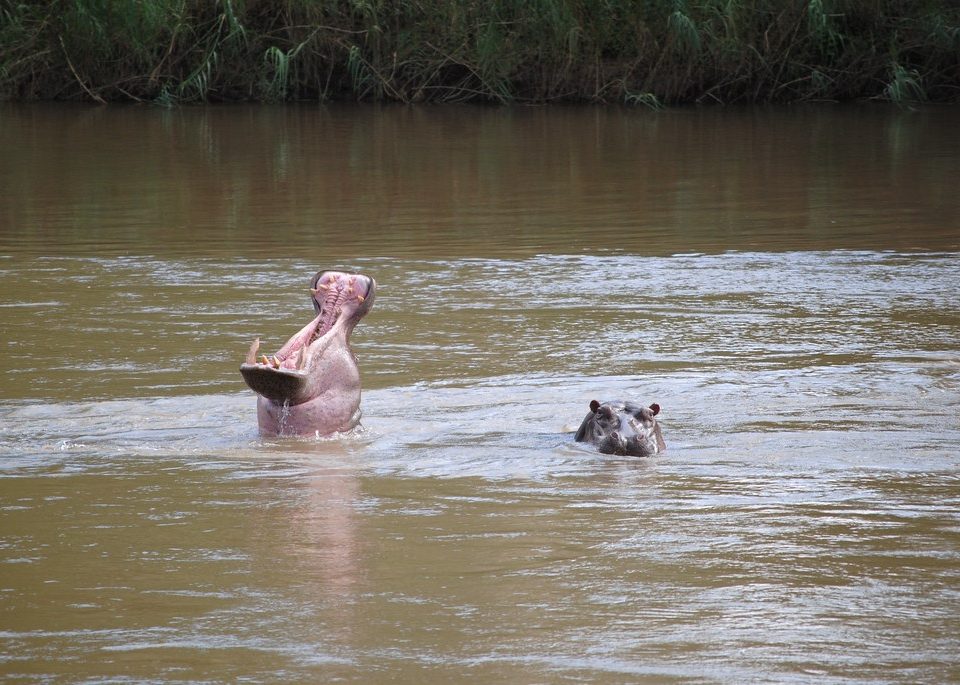
Day 2: Begin with an early morning game drive across the northern sector of the park. The drive can focus on elephants, Uganda kob, buffaloes, giraffes, hartebeest, antelopes and, with good fortune and experienced guiding, lions. Return for lunch and later take a boat cruise along the Victoria Nile toward the base of Murchison Falls, where hippos, crocodiles and numerous waterbirds can be observed along the riverbanks.
Day 3: Enjoy another game drive or visit the top of Murchison Falls before beginning the journey toward Kampala or Entebbe. If the departure schedule permits, the waterfall viewpoint adds a spectacular final chapter to the safari.
Suggested duration: 3 days / 2 nights
Style: Private mid-range road safari
Main highlights: Game drives, Nile boat cruise, Murchison Falls, elephants, giraffes, buffaloes and possible lions
This option is particularly attractive for someone who wants a genuine African game-drive atmosphere without spending the majority of the budget on a primate permit. Murchison Falls also creates a strong visual contrast: one moment you are watching a giraffe move through golden grassland, and the next you are standing beside the Nile listening to water thunder through the narrow gorge. For a short safari, that variety is difficult to beat.
Tour 2: Kibale Chimpanzee and Queen Elizabeth Safari
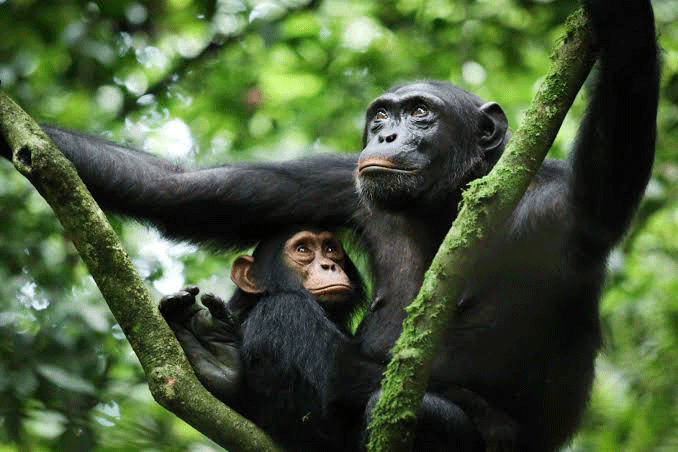
The second Uganda safari for $2000 is designed for travelers who want primates and classic wildlife in the same journey. Kibale National Park is renowned for its primate diversity and chimpanzee experiences, while Queen Elizabeth National Park adds savannah, elephants, buffaloes, hippos, birds and the famous Kazinga Channel. Rather than spending the entire budget on gorilla trekking, this itinerary uses a chimpanzee experience as the primate centerpiece and then gives the traveler more time for game viewing.
The route from Kampala toward Kibale can be made through Fort Portal, a beautiful part of western Uganda where tea plantations, crater lakes and rolling green hills begin to replace the busier urban landscape. UWA notes that Kibale can be reached from Kampala by a fully paved route of approximately 326 kilometers, taking around six hours under normal conditions. From Kibale, the safari continues south toward Queen Elizabeth National Park, creating one of the most logical combinations for a traveler who wants forests and savannah without repeatedly crossing the same roads.
Day-by-day itinerary
Day 1: Travel from Entebbe or Kampala to Fort Portal and continue toward Kibale Forest. Check into the lodge and enjoy a relaxed evening surrounded by forest scenery.
Day 2: Take part in chimpanzee tracking in Kibale Forest. The forest comes alive early, with calls moving through the canopy and guides interpreting tracks, feeding signs and primate behavior. After the trek, relax at the lodge or add a Bigodi Wetland experience if the budget allows.
Day 3: Travel toward Queen Elizabeth National Park. Depending on arrival time, enjoy an evening game drive or a relaxed lodge afternoon overlooking the park.
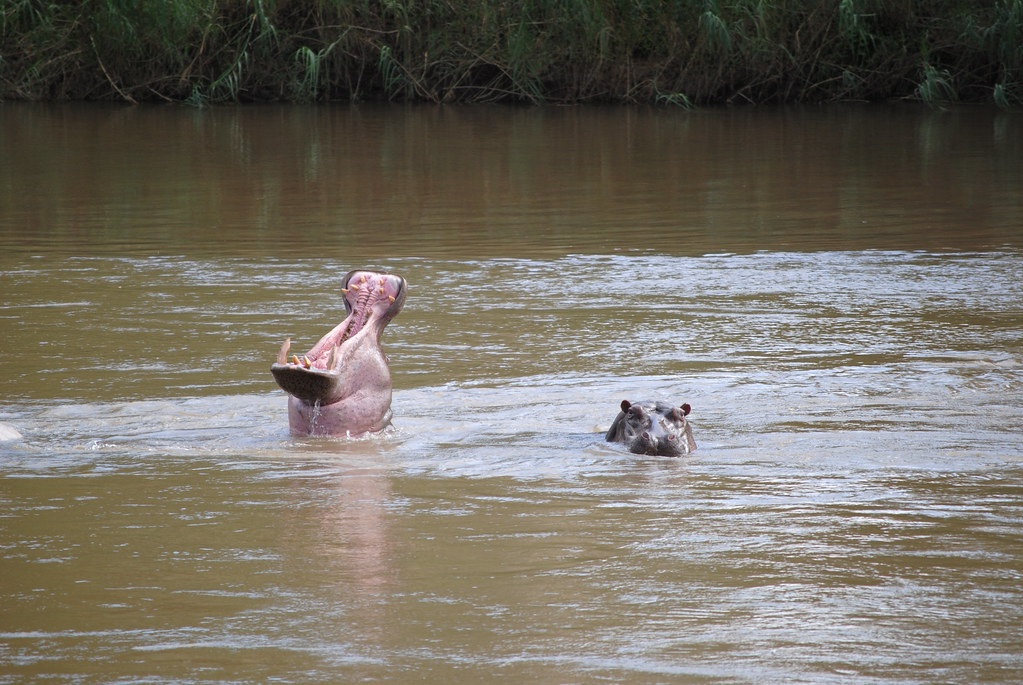
Day 4: Enjoy an early morning game drive followed by the famous Kazinga Channel boat cruise. The channel connects Lake Edward and Lake George and is known for concentrations of hippos, crocodiles, elephants and waterbirds along its shores.
Day 5: Morning game drive followed by the journey back toward Entebbe or Kampala.
Suggested duration: 5 days / 4 nights
Style: Private mid-range safari
Main highlights: Kibale chimpanzees, Bigodi option, Queen Elizabeth wildlife, Kazinga Channel and game drives
The strength of this itinerary is its balance. You get the intimacy of a forest walk, the excitement of chimpanzee tracking and the open landscapes of a classic game safari. For travelers researching an $2000 Uganda safari itinerary, this combination is also useful because it demonstrates how choosing one major primate activity instead of trying to include every expensive experience can produce a much richer overall journey.
Tour 3: Gorilla Trekking and Lake Bunyonyi Escape
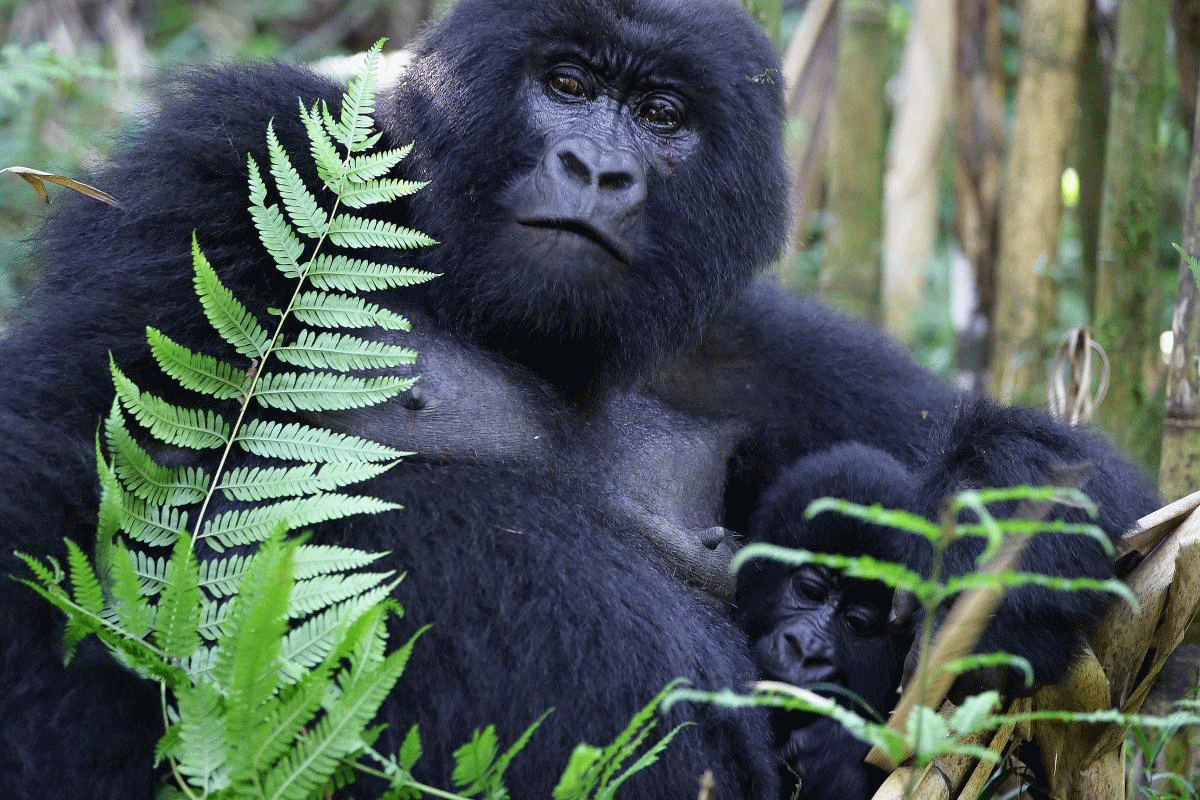
For many travelers, the real dream is simple: “I want to see mountain gorillas.” If that is the priority, the entire safari needs to be designed differently. A Uganda safari for $2000 can include gorilla trekking, but the budget works best when the itinerary remains focused rather than trying to combine gorillas with several distant national parks. This five-day concept concentrates on southwestern Uganda, using Bwindi Impenetrable National Park as the main attraction and Lake Bunyonyi as the peaceful setting before or after the trek.
UWA states that gorilla tracking in Uganda takes place in Bwindi and Mgahinga and that trekking may last from roughly two to seven hours depending on circumstances, followed by one hour of observation with a habituated gorilla family. This makes the experience very different from a normal game drive. There is no guarantee that the gorillas will be found within a particular short distance from the trailhead. Instead, the day is a genuine forest expedition, with guides and trackers interpreting signs and moving through dense vegetation.
Day-by-day itinerary
Day 1: Travel from Entebbe or Kampala toward southwestern Uganda, with an overnight around Lake Mburo or another suitable stop depending on the selected route.
Day 2: Continue toward Lake Bunyonyi and enjoy the dramatic Kigezi highlands. The lake’s numerous islands, terraced hills and cool atmosphere make it an ideal place to slow down after a long road journey.
Day 3: Gorilla trekking day in Bwindi. Begin early with the UWA briefing before entering the forest. The trek can be physically demanding, but the encounter with the gorilla family is the reason the journey exists. Return to the lodge after the trek and enjoy a quiet evening.
Day 4: Relax around Lake Bunyonyi, take a canoe trip, enjoy a community experience or simply appreciate the highland landscape before beginning the return journey.
Day 5: Return toward Entebbe or Kampala.
Suggested duration: 5 days / 4 nights
Style: Private road safari with mid-range accommodation
Main highlight: Standard gorilla trekking permit and Lake Bunyonyi experience
This is the itinerary where the phrase “budget safari” needs to be understood carefully. It does not mean a basic experience. The gorilla permit itself represents a substantial conservation and tourism cost, so the rest of the itinerary must be planned efficiently. The reward is that a relatively short trip can still contain one of Africa’s most memorable wildlife encounters. Travelers should also remember that gorilla permits need to be secured through the appropriate booking channels and that availability for a particular date can affect the entire itinerary.
Tour 4: Uganda Wildlife and Gorilla Highlights
The fourth itinerary is for travelers who do not want to choose between gorillas and a traditional wildlife safari. With careful accommodation selection and a sensible route, around USD 2,000 can be used to combine Bwindi with Queen Elizabeth National Park and Lake Mburo. This is a more ambitious trip than the dedicated gorilla itinerary, but the journey makes sense geographically because these destinations sit along the broad southwestern safari circuit.
The experience begins with the landscapes of Lake Mburo, where zebras, impalas, eland, buffaloes and other species create a very different wildlife experience from the tropical forests of Bwindi. UWA identifies Lake Mburo as a strong destination for zebra and impala viewing, and the park’s landscape of savannah, woodland, wetlands and rocky areas gives it a distinctive character. From there, the route continues toward Queen Elizabeth National Park, before eventually reaching the highlands surrounding Bwindi.
Day-by-day itinerary
Day 1: Depart Entebbe or Kampala and travel toward Lake Mburo National Park. Enjoy an evening game drive or nature experience.
Day 2: Morning game drive or guided walking experience before continuing toward Queen Elizabeth National Park. The scenery changes from open plains to greener western landscapes as the journey continues.
Day 3: Game drive in Queen Elizabeth National Park followed by a Kazinga Channel boat cruise. The cruise is one of the most relaxing wildlife experiences in Uganda because many animals gather close to the water.
Day 4: Continue toward Bwindi. The road becomes increasingly mountainous and the scenery changes dramatically as you enter the Kigezi highlands.
Day 5: Gorilla trekking day. Spend the day in Bwindi with the UWA-guided trekking team.
Day 6: Enjoy a relaxed morning around Bwindi or Lake Bunyonyi before beginning the return journey.
Day 7: Continue toward Entebbe or Kampala.
Suggested duration: 7 days / 6 nights
Style: Mid-range private safari
Main highlights: Lake Mburo, Queen Elizabeth, Kazinga Channel, Bwindi and gorilla trekking
This itinerary demonstrates an important rule of affordable Uganda travel: the number of destinations is not the same as the quality of the safari. Seven days is enough to create a powerful story if the route is organized carefully, but the schedule should not become a race from one lodge to another. The most memorable moments are often the quiet ones between the headline activities — watching mist rise over the hills, seeing cattle being moved along a rural road, stopping at a viewpoint or sharing stories with a local guide.
Tour 5: Murchison, Kibale and Queen Elizabeth Explorer
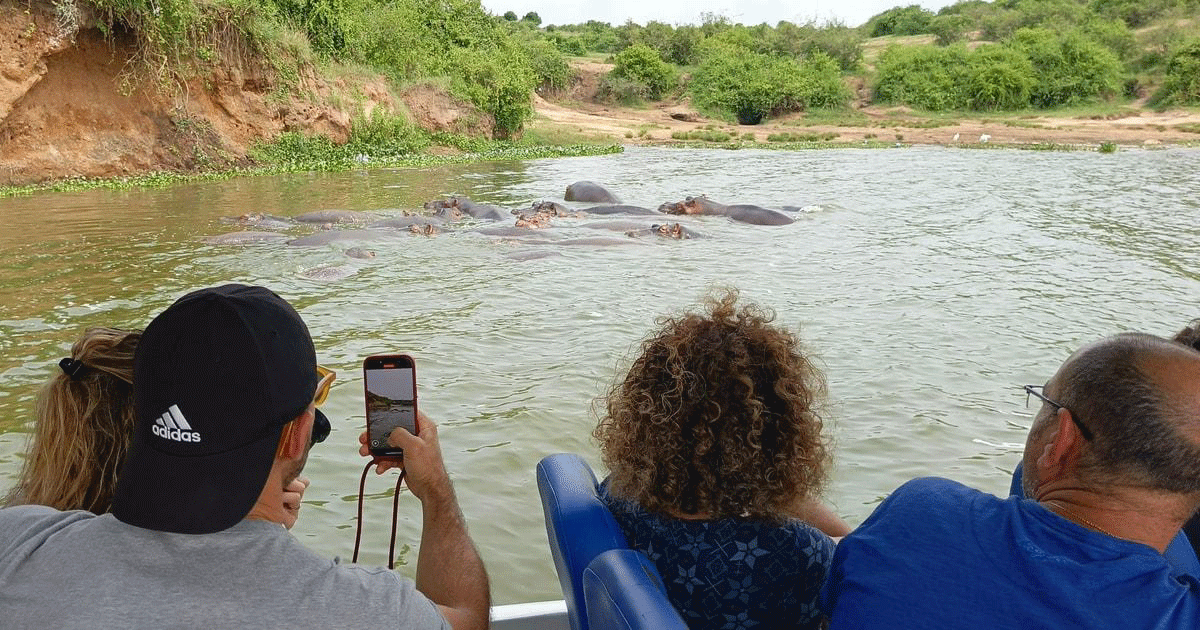
If you want your USD 2,000 to cover as much variety as possible without paying for gorilla trekking, this is arguably the most comprehensive style of itinerary in the collection. It combines Murchison Falls National Park in the northwestern part of the country with Kibale Forest and Queen Elizabeth National Park in western Uganda. The result is a journey that moves through savannah, tropical forest and freshwater ecosystems while including both game drives and primate tracking.
This itinerary is longer, so the budget depends particularly strongly on the number of travelers sharing the vehicle and rooms. A couple traveling privately may have a different price from a small group sharing transport. The most important cost-control measure is choosing comfortable but sensible accommodation rather than luxury lodges. The second is keeping the route logical. Although Uganda’s roads can make distances feel surprisingly long, a well-designed loop prevents unnecessary backtracking.
Day-by-day itinerary
Day 1: Entebbe or Kampala to the Murchison Falls area. Overnight near the park.
Day 2: Early morning game drive followed by lunch and a boat cruise along the Nile. Watch elephants, buffaloes, hippos, crocodiles and birds along the river.
Day 3: Morning wildlife activity followed by the journey toward Kibale through the countryside of western Uganda.
Day 4: Chimpanzee trekking in Kibale Forest. Spend the afternoon resting or visiting the Bigodi Wetland area if time and budget permit.
Day 5: Travel toward Queen Elizabeth National Park. Enjoy an evening game drive if arrival time allows.
Day 6: Morning game drive followed by the Kazinga Channel boat cruise.
Day 7: Final game drive or relaxed breakfast before returning toward Entebbe or Kampala.
Suggested duration: 7 days / 6 nights
Style: Private mid-range road safari
Main highlights: Murchison Falls, Nile cruise, chimpanzees, Kibale, Queen Elizabeth and Kazinga Channel
For someone searching for the best way to spend $2,000 on a Uganda safari without making gorilla trekking the centerpiece, this itinerary offers remarkable variety. In one week you can move from the broad savannah of Murchison to the dense forest of Kibale and then into the wetlands and grasslands of Queen Elizabeth. It is the kind of journey where every few days the landscape feels like a different country.
Tour 6: Mgahinga Golden Monkey and Gorilla Adventure
The sixth option is perhaps the most specialized of the six. Instead of combining many national parks, it concentrates on Mgahinga Gorilla National Park and the surrounding Kisoro region. The result is a primate-focused adventure built around mountain gorillas, golden monkeys, volcanic landscapes and the cultural atmosphere of southwestern Uganda. UWA describes Mgahinga as Uganda’s smallest national park, covering about 33.7 square kilometers, while also identifying it as an important habitat for mountain gorillas and endangered golden monkeys.
Golden monkey tracking is an excellent companion to gorilla trekking because the two experiences feel completely different. UWA explains that golden monkeys are endemic to the Virunga Mountains and occur in Uganda in Mgahinga Gorilla National Park. Their bright golden-orange coloring makes them visually striking, while their movements through the bamboo and forest can create an energetic contrast to the slower, more contemplative gorilla encounter.
Day-by-day itinerary
Day 1: Travel from Entebbe or Kampala toward Kisoro and Mgahinga, with an overnight in the Kisoro area.
Day 2: Golden monkey tracking in Mgahinga. Spend the afternoon exploring the local landscape or resting at the lodge.
Day 3: Gorilla trekking day. Begin with the ranger briefing before entering the forest. The trek may be physically demanding depending on where the gorilla family is located.
Day 4: Relax around Lake Mutanda, Lake Bunyonyi or the Kisoro highlands. Optional community or cultural activities can be added depending on the final budget.
Day 5: Begin the journey back toward Entebbe or Kampala, with an optional overnight stop if a slower return is preferred.
Suggested duration: 5 days / 4 nights
Style: Private primate-focused road safari
Main highlights: Gorilla trekking, golden monkey tracking, Virunga scenery and southwestern Uganda
This itinerary is ideal for the traveler who would rather experience two remarkable primate encounters than spend the same money visiting many destinations quickly. It also makes the most of the dramatic volcanic scenery around Kisoro. The landscape itself becomes part of the safari: steep cultivated hills, distant volcanoes, misty forests and small communities create an atmosphere that feels completely different from Uganda’s northern savannah.
Comparing the Six $2,000 Uganda Safari Ideas
There is no single itinerary that suits every traveler. Someone who dreams of gorillas will naturally be happier putting most of the budget into Bwindi or Mgahinga, while someone whose favorite wildlife memory is likely to be elephants, giraffes and lions may prefer Murchison Falls. A traveler fascinated by primates can use Kibale as the heart of the journey, while someone who wants a first taste of almost everything may prefer the longer Murchison-Kibale-Queen Elizabeth circuit.
| Safari | Approx. Days | Main Experience | Target Budget |
|---|---|---|---|
| Murchison Falls Wildlife Adventure | 3 | Big game, Nile cruise and waterfall | $1,800–$2,000 |
| Kibale & Queen Elizabeth | 5 | Chimpanzees and classic wildlife | $1,850–$2,000 |
| Gorilla & Lake Bunyonyi | 5 | Gorilla trekking and highland scenery | $1,900–$2,000 |
| Wildlife & Gorilla Highlights | 7 | Lake Mburo, Queen Elizabeth and gorillas | $1,950–$2,100 |
| Murchison, Kibale & Queen Elizabeth | 7 | Wildlife, chimps and Nile cruise | $1,900–$2,000 |
| Mgahinga Gorilla & Golden Monkey | 5 | Gorillas, golden monkeys and volcanoes | $1,900–$2,000 |
How to Make a $2,000 Uganda Safari Go Further
The first major factor is group size. A private safari vehicle has a fixed operating cost that can be shared between travelers, so two people generally pay more per person for transport than a small group. This does not mean joining a large group is always necessary. It simply means that travelers who are comfortable sharing transport or traveling as a small private group may be able to stretch the same budget further.
The second factor is accommodation. Uganda has an impressive range of safari lodges, camps and guesthouses, and the difference between a comfortable mid-range property and a luxury lodge can be significant. For a USD 2,000 itinerary, the goal should be a property that provides clean rooms, reliable meals, a good location and a comfortable place to rest after a long day. Spending less on accommodation can leave more room for the activities that define the trip.
Travel timing also matters. UWA introduced discounted low-season gorilla and chimpanzee permit rates for selected dates in April, May and November 2026, with conditions attached to those permits. Travelers considering a lower-season trip should ask their operator to confirm the exact applicable rate and booking conditions rather than assuming every permit qualifies. UWA’s published information is the appropriate reference point for permit rules and tariff changes.
Another useful strategy is avoiding unnecessary flights. Domestic flights can save time, but a road safari can transform the journey between destinations into part of the experience. Uganda’s countryside is filled with farms, markets, roadside fruit sellers, tea plantations, hills and villages. When the schedule allows, traveling by road gives you the opportunity to see the country rather than simply flying over it.
What Should a $2,000 Uganda Safari Include?
A well-built package should be transparent about what is included and what is not. Travelers should know whether the quoted price covers airport transfers, private transport, driver-guide services, accommodation, meals, park entrance fees, boat cruises and primate permits. The most important question is whether the price is per person or for the entire vehicle. These are very different numbers.
| Usually Included | Usually Excluded |
|---|---|
| Private safari vehicle | International flights |
| Professional driver-guide | Uganda visa |
| Accommodation listed in itinerary | Travel insurance |
| Meals according to package | Personal shopping |
| National park entry where specified | Alcoholic drinks |
| Game drives | Optional activities not listed |
| Boat cruise where listed | Tips and gratuities |
| Chimpanzee/gorilla permit where specifically stated | Other personal expenses |
Before paying a deposit, ask for a written itinerary showing the accommodation name, room type, activities, permits, transport arrangements and exclusions. UWA has also issued guidance concerning the purchase of gorilla and chimpanzee permits and advises foreign non-residents to use licensed tour operators and obtain the appropriate official documentation. Travelers should therefore verify their operator and understand exactly what they are paying for before sending money.
When Should You Take a $2,000 Uganda Safari?
Uganda can be visited throughout much of the year, but the experience changes with the seasons. For travelers interested in wildlife viewing, UWA notes that the dry seasons from June to August and December to February are generally favorable for primate tracking and savannah wildlife viewing. During wetter periods, vegetation can be lush and landscapes particularly beautiful, although some roads and forest trails can become more challenging.
For travelers focused specifically on gorilla trekking, the season should be considered alongside permit availability and accommodation. The lower-season permit promotions introduced in 2026 created another possible way of reducing the cost of certain primate itineraries, but travelers should always confirm whether their exact date qualifies. A lower permit price does not automatically mean that every other safari cost will fall by the same amount.
Ultimately, the best time for a Uganda safari for $2000 is the time that matches your priorities and allows the budget to be used efficiently. If you want the strongest combination of wildlife viewing and road conditions, consider the traditionally drier months. If flexibility and value are more important, discuss shoulder or low-season dates with your safari operator.
Why Uganda Works So Well for a $2,000 Safari
One of Uganda’s greatest strengths is variety. A traveler does not have to choose between a traditional savannah safari and a rainforest adventure. The country allows those experiences to exist within the same journey. You can spend one morning watching elephants in the grasslands of Murchison Falls, another morning following chimpanzees through Kibale Forest and another day sitting quietly beside a gorilla family in Bwindi.
That variety also means that a limited budget can be used creatively. Instead of thinking only about the number of safari days, think about the number of meaningful experiences you want. Three days focused on Murchison Falls can be more satisfying than seven rushed days across too many parks. Five days around Kibale and Queen Elizabeth can provide an excellent mixture of chimpanzees, wildlife and waterways. A short Bwindi itinerary can make sense when gorillas are the dream and everything else is secondary.
Uganda is also a country where the journey itself matters. Between the parks are communities, farms, mountains, wetlands, lakes and changing landscapes. A road trip through the country is not simply transportation from one attraction to another. It is part of understanding the Pearl of Africa.
Frequently Asked Questions About a $2,000 Uganda Safari
Can I really go on a Uganda safari with $2,000?
Yes, approximately USD 2,000 can support a well-designed Uganda safari, particularly when the itinerary uses mid-range accommodation, road transport and a sensible number of activities. The exact number of days depends on whether the trip includes expensive primate permits. A gorilla-focused safari will generally be shorter than a wildlife-only itinerary because the gorilla permit represents a significant part of the budget.
Can $2,000 include gorilla trekking?
Yes, it can be possible when the itinerary is carefully designed around the gorilla experience. Standard gorilla tracking for foreign non-residents is currently listed at USD 800, leaving approximately USD 1,200 for accommodation, transport, meals and other costs. This is why a focused five-day gorilla itinerary can make more sense than trying to combine gorillas with several distant national parks.
Can I see chimpanzees and gorillas for $2,000?
It can be challenging but possible depending on travel dates, accommodation, group size and applicable permit prices. For a 2027 trip, travelers should remember that UWA’s revised tariff lists Kibale chimpanzee tracking at USD 300 for foreign non-residents from January 1, 2027. Combining both primate permits leaves less money for transport and accommodation, so a short, carefully planned itinerary is necessary.
Does a $2,000 safari include international flights?
Normally it does not. The USD 2,000 figures in this article are intended as safari package budgets within Uganda. International flights, visa fees, travel insurance and personal expenses should normally be budgeted separately.
Is $2,000 enough for a private safari?
It can be, especially for travelers sharing a vehicle and room. Private transport is more affordable per person when the vehicle cost is divided among several travelers. Couples can still build a private itinerary around $2,000, but the number of days and accommodation level may need to be adjusted.
Which parks can I visit for around $2,000?
Depending on the itinerary, possibilities include Murchison Falls National Park, Kibale National Park, Queen Elizabeth National Park, Lake Mburo National Park, Bwindi Impenetrable National Park and Mgahinga Gorilla National Park. The key is not to include every destination simply because it is possible. A good route should be geographically sensible and leave enough time to enjoy each place.
What is the cheapest way to experience Uganda’s wildlife?
Traveling as a small group, selecting comfortable mid-range accommodation, using road transport and choosing activities carefully can significantly improve value. Lake Mburo is also useful for shorter wildlife itineraries because of its location closer to Kampala than several western and northern parks. UWA highlights Lake Mburo for wildlife including zebra and impala, making it a strong option for travelers who have limited time.
Planning Your Own Uganda Safari for $2,000
The most important lesson from these six itineraries is that USD 2,000 is not a single safari. It is a starting point from which several very different journeys can be created. One traveler might use the money for a short Murchison Falls wildlife adventure, another might invest heavily in a gorilla trek, while another might spread the budget across Kibale and Queen Elizabeth for a mixture of primates and savannah wildlife.
The right itinerary begins with one question: what do you most want to remember when you return home? If the answer is gorillas, build around Bwindi or Mgahinga. If the answer is chimpanzees, build around Kibale. If you dream about elephants, giraffes, lions and the Nile, Murchison Falls deserves the spotlight. If you want a mixture of wildlife and waterways, Queen Elizabeth is a natural choice. And if you want a little of everything, combine destinations carefully rather than trying to collect them all.
A good safari is not measured by how many kilometers you travel or how many lodges appear on your booking confirmation. It is measured by the quality of the moments. It is the first elephant appearing through the morning mist, the sudden call of a chimpanzee somewhere above the trail, the silence before a gorilla emerges from the vegetation, the sound of the Nile crashing through Murchison Falls, or the evening light falling across the hills of southwestern Uganda.
That is why a carefully planned Uganda safari for $2000 can be such an exciting proposition. The budget is large enough to open the door to some of Uganda’s most memorable experiences, while still encouraging travelers to make thoughtful choices about where their money goes. With the right route, comfortable accommodation, experienced guiding and properly arranged permits, USD 2,000 can become far more than a number on a travel budget. It can become a story you carry home from the Pearl of Africa.
Ready to Plan Your Uganda Safari?
PrideMark Safaris can help turn one of these sample itineraries into a personalized Uganda safari based on your travel dates, group size, accommodation preference and favorite wildlife experiences.