Gorilla trekking is an outdoor activity with variable routes and weather. A shirt alone cannot protect against every scratch, insect bite or sudden shower, and it does not replace a waterproof layer. The aim is to build a practical clothing system that works with your boots, trousers, backpack and the instructions of your park guide. When evaluating the best long-sleeved shirts for gorilla trekking, use comfort on a real walk as your final test.
1. Best Long-Sleeved Shirts For Gorilla Trekking: Why Long-Sleeved Shirts Matter
When comparing the best long-sleeved shirts for gorilla trekking, start with arm coverage, comfort and how the garment works beneath your outer layer.
Coverage in dense vegetation
Forest paths can pass through leaves, grasses and branches that brush against the arms. A long-sleeved shirt gives useful coverage while allowing you to keep moving. It is not a substitute for watching where you step, and it cannot guarantee protection from thorns or insects. The practical goal is to reduce exposed skin without wearing something so heavy that it becomes uncomfortable during a climb.
Comfort over an unpredictable trek
The duration and route of a gorilla trek depend on where trackers locate the gorilla family. Some walks are relatively straightforward, while others involve steep ground and repeated stops. A shirt should feel comfortable during both vigorous movement and quieter moments. Sleeves that bind at the elbows or a collar that scratches the neck can become distracting after several hours outdoors.
Different travellers have different preferences for collars, fabric texture and sleeve fit. If you have sensitive skin, pay particular attention to labels, inner seams and cuffs. Wear the shirt during a practice walk before departure. A small discomfort in the shop can become a persistent irritation after hours of movement with a backpack. The best long-sleeved shirts for gorilla trekking should work with your backpack and removable rain protection.
A useful part of the clothing system
Your shirt works alongside trousers, boots, socks, gloves and a waterproof outer layer. The best choice is not necessarily the warmest garment; it is the one that performs comfortably beneath your rain jacket and backpack. A lightweight shirt may be enough during active walking, while a separate insulating layer can help when conditions feel cooler.
Practical expectations
Long sleeves are a common packing recommendation rather than a guarantee of safety or an independent permission to approach wildlife. Uganda Wildlife Authority guides manage the trek and explain the rules before departure. Choose clothing that helps you follow their instructions comfortably, and remember that your movement and behaviour matter more than the brand on your shirt.
One useful question is whether you would still choose the same garment if the trail became wet and the walking pace slowed. Consider how it feels when damp, how it sits beneath a jacket and whether you can move your arms without pulling at the seams. These practical checks are more reliable than judging performance from appearance alone.
Planning before you buy
Before shopping, check the shirts already in your wardrobe. A comfortable outdoor shirt with durable stitching and adequate coverage may be suitable. Test it during a brisk walk with your intended backpack. If it becomes heavy with perspiration, rubs at the shoulders or pulls when you raise your arms, you have identified a useful reason to choose another garment. Compare the best long-sleeved shirts for gorilla trekking by fit, fabric feel and practical coverage.
A useful pre-trip exercise is to walk for half an hour in your proposed trekking outfit, including your backpack and rain layer. Notice whether the shirt rides up when you reach forward, whether the sleeves restrict elbow movement and whether the fabric feels unpleasant when you warm up. These observations are more useful than choosing a garment from a photograph alone. If something rubs during a short practice walk, consider a different size or design before departure.
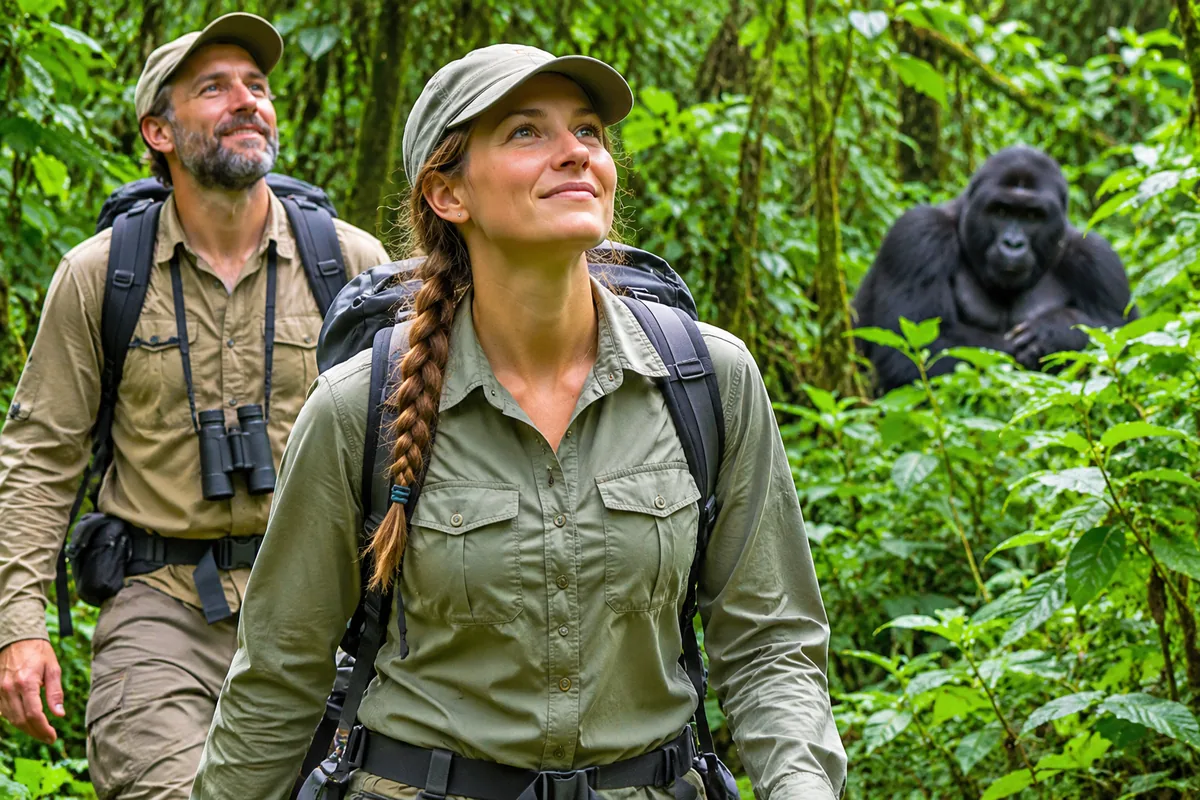
Two hikers wearing practical long-sleeved safari shirts in a lush forest, illustrating comfortable clothing choices for gorilla trekking adventures.
2. Best Types of Long-Sleeved Shirts
The best long-sleeved shirts for gorilla trekking come in several designs, and the right style depends on fit rather than a single fabric label.
Lightweight woven safari shirts
Woven hiking or safari shirts often have collars, button fronts and practical chest pockets. Nylon or polyester blends can dry more quickly than heavy cotton. Look for enough room through the shoulders and back to reach forward and lift your arms. Roll-up sleeve tabs can be convenient outside the forest, but keep sleeves down when you want full coverage.
Technical long-sleeved base layers
A fitted but nonrestrictive technical top can manage moisture well and sit smoothly beneath a jacket. Some have flat seams that reduce friction under backpack straps. Avoid very tight garments that pull across the chest or elbows. A slightly relaxed fit may feel more comfortable in humid conditions, especially when you are moving slowly through thick vegetation. For the best long-sleeved shirts for gorilla trekking, prioritize movement and a manageable drying time.
Good preparation also means keeping expectations realistic. Long sleeves provide coverage, not complete protection against plants or insects. Quick-drying fabric can still become wet, and breathable fabric can still feel warm when layered heavily. Follow the park guide’s directions and adapt your clothing sensibly to the actual conditions.
Sun-protective hiking shirts
Some outdoor shirts are marketed with a stated ultraviolet protection factor. This can be helpful on exposed travel days, although much of a gorilla trek may take place under forest cover. Do not confuse sun protection with rain protection or abrasion resistance. A shirt may be excellent for sunny walks yet too delicate for frequent contact with branches.
Merino-blend tops
Merino wool blends can feel comfortable across different temperatures and may retain less odour during repeated wear. However, light merino garments vary in durability and can be expensive. Consider a blend with a synthetic fibre if you want improved resilience. Check the care label and make sure the fabric does not itch or feel too warm during active walking.
During a safari, your clothing may move between cool mornings, warmer afternoons, vehicle transfers and forest walks. A versatile shirt should be comfortable across several of these situations. Pack a dry change for after the trek, and allow enough time for washed clothing to dry before your next activity. This reduces the need to carry an excessive number of outfits. When evaluating the best long-sleeved shirts for gorilla trekking, use comfort on a real walk as your final test.
Everyday cotton shirts
A familiar cotton button-down may seem suitable because it covers the arms, but thicker cotton can hold moisture and dry slowly. In a damp forest, that may feel clammy during stops. A thin cotton shirt can still work for casual safari activities, but a purpose-designed quick-drying shirt is often a more versatile first choice for the trek itself.
| Shirt type | Main advantage | Consideration |
|---|---|---|
| Woven safari shirt | Durable coverage and adjustable collar | Check backpack comfort |
| Technical long-sleeved top | Moisture management and light weight | Avoid restrictive fits |
| Sun-protective shirt | Useful for exposed safari activities | Not necessarily rainproof |
| Merino-blend top | Comfort across temperatures | Check durability and care |
| Heavy cotton shirt | Familiar feel | Slow drying when wet |
Think about how often you will use the shirt beyond the gorilla trek. A versatile woven hiking shirt may work for travel days, nature walks and relaxed lodge activities. A technical base layer may be easier to wear beneath a rain jacket. Both can be worthwhile, but the ideal purchase depends on the rest of your wardrobe. You do not need a different specialist shirt for every activity on a safari.
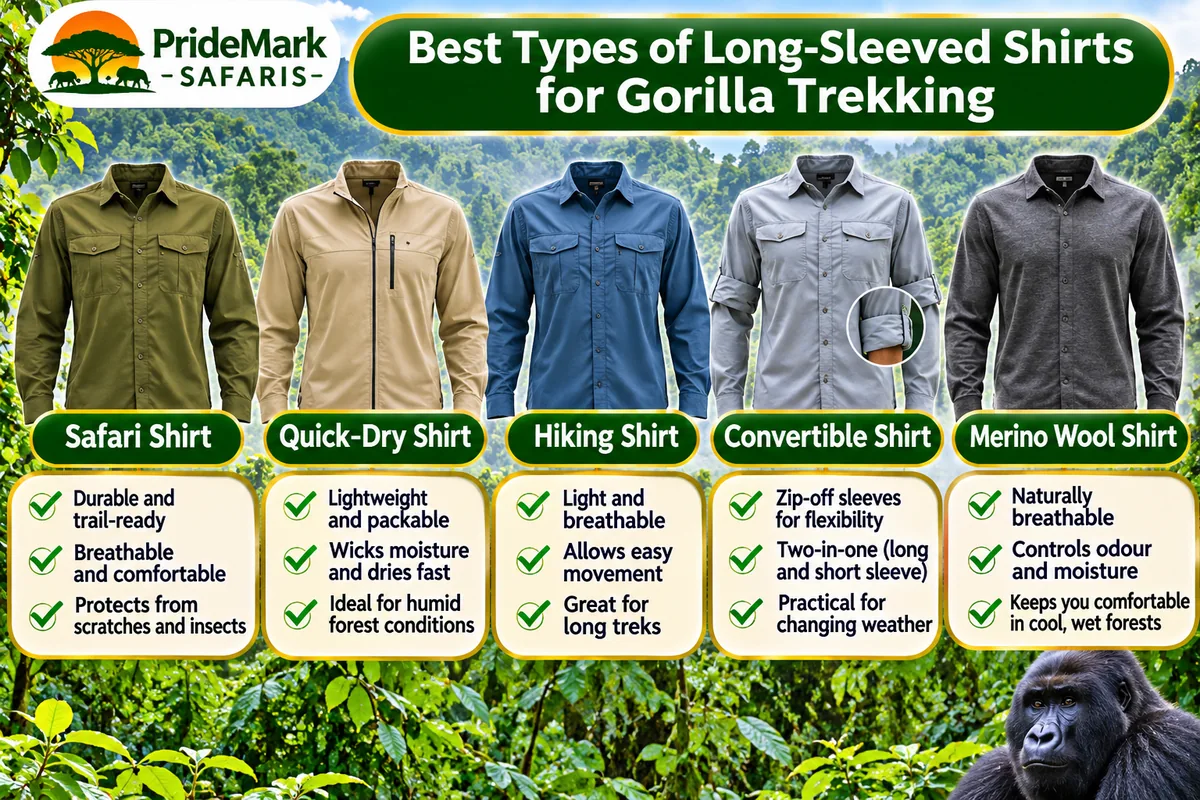
Five types of long-sleeved shirts compared for gorilla trekking, including safari, quick-drying, hiking, convertible and merino wool shirts.
3. Cotton, Polyester, Nylon and Merino Compared
Fabric comparisons are most useful when you test the best long-sleeved shirts for gorilla trekking in the conditions you expect to encounter.
Cotton: familiar but moisture-retentive
Cotton is widely available, soft and comfortable in many everyday settings. Its limitation is the tendency to absorb and retain water. After rain or perspiration, a heavy cotton shirt can stay wet for a long time, particularly in humid conditions. This does not make cotton universally wrong, but it is a reason to consider alternatives for a forest walk. The best long-sleeved shirts for gorilla trekking should work with your backpack and removable rain protection.
Polyester: practical and accessible
Polyester hiking shirts are often light, relatively affordable and quick to dry. They can work well as a base layer beneath a waterproof jacket. Their feel varies: some are smooth and comfortable, while others may trap odour or feel unpleasant against the skin. Try the actual garment rather than assuming that every polyester shirt performs identically.
One useful question is whether you would still choose the same garment if the trail became wet and the walking pace slowed. Consider how it feels when damp, how it sits beneath a jacket and whether you can move your arms without pulling at the seams. These practical checks are more reliable than judging performance from appearance alone.
Nylon: useful for woven shirts
Nylon is commonly used in lightweight woven outdoor shirts because it can offer good durability for its weight. Blends may improve stretch or moisture handling. A tightly woven nylon shirt can provide a useful barrier against minor contact with vegetation, but fabric thickness and construction matter. Check that the shirt remains breathable during exertion.
Merino wool: comfort with trade-offs
Merino fibres can be comfortable in changing temperatures and are popular with travellers who want to rewear clothing between washes. Very fine merino may snag more readily than robust woven fabric. A wool blend may offer a useful compromise, but it should be tested for skin comfort and washed according to its label. Compare the best long-sleeved shirts for gorilla trekking by fit, fabric feel and practical coverage.
Different travellers have different preferences for collars, fabric texture and sleeve fit. If you have sensitive skin, pay particular attention to labels, inner seams and cuffs. Wear the shirt during a practice walk before departure. A small discomfort in the shop can become a persistent irritation after hours of movement with a backpack.
Blended fabrics: a balanced choice
Many successful outdoor shirts use blends rather than a single fibre. Polyester with elastane may improve movement, while nylon blends can combine durability and stretch. Focus on how the finished garment fits and feels. Fibre labels are informative, but they do not replace checking seam quality, drying behaviour and comfort with a backpack.
Fabric performance is shaped by more than fibre content. The thickness of the weave, the placement of seams and the amount of stretch can affect comfort just as much as the label. Compare shirts by wearing them, not only by reading specifications. When possible, wash the garment before travel and check whether it remains comfortable after drying. This simple trial helps you avoid surprises when the forest trail becomes challenging.
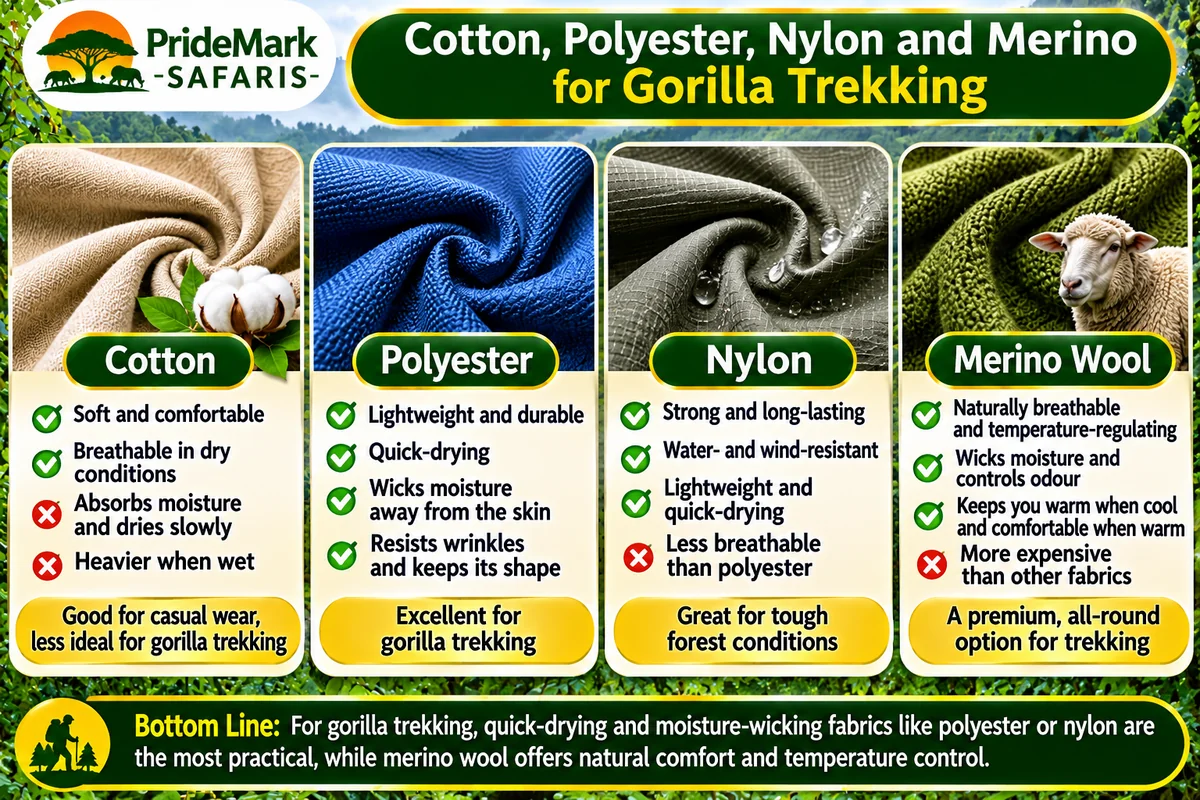
Comparison of cotton, polyester, nylon and merino wool fabrics, highlighting their comfort, durability, drying performance and suitability for gorilla trekking.
4. Best Long-Sleeved Shirts For Gorilla Trekking: Breathability, Moisture and Quick-Drying Performance
For the best long-sleeved shirts for gorilla trekking, moisture handling and breathability should work together with a sensible rain layer.
Breathability during uphill walking
Even in cool forest air, climbing can make you sweat. A breathable shirt allows heat and moisture to escape more comfortably than a thick, tightly layered outfit. Looser woven designs and suitable technical knits can both work. Choose based on personal comfort rather than relying on a single marketing claim about ventilation.
Moisture wicking versus waterproofing
Moisture-wicking fabrics move perspiration across or away from the skin to support evaporation. This is not the same as blocking rain. Your shirt can be quick-drying yet become wet when rain passes through your jacket opening. Carry a suitable outer layer when conditions warrant it and avoid expecting one garment to perform every function.
During a safari, your clothing may move between cool mornings, warmer afternoons, vehicle transfers and forest walks. A versatile shirt should be comfortable across several of these situations. Pack a dry change for after the trek, and allow enough time for washed clothing to dry before your next activity. This reduces the need to carry an excessive number of outfits.
Why drying time matters
A shirt that dries reasonably quickly after a wash or unexpected shower is useful on multi-day safaris. Humidity, shade and airflow affect drying time, so even technical clothing may remain damp overnight. Where possible, pack a spare shirt and use the lodge’s laundry guidance. Do not assume an advertised quick-dry label guarantees immediate drying. When evaluating the best long-sleeved shirts for gorilla trekking, use comfort on a real walk as your final test.
Ventilation without exposing too much skin
Some shirts include underarm panels, mesh-lined back vents or adjustable cuffs. These features may improve comfort, but large openings can allow insects or debris inside. Evaluate the design while wearing your backpack. A back vent that is completely covered by a pack may offer less benefit than expected.
Good preparation also means keeping expectations realistic. Long sleeves provide coverage, not complete protection against plants or insects. Quick-drying fabric can still become wet, and breathable fabric can still feel warm when layered heavily. Follow the park guide’s directions and adapt your clothing sensibly to the actual conditions.
Managing layers as conditions change
Rather than wearing several heavy shirts, start with a comfortable long-sleeved layer and add a light insulating piece or rain jacket as needed. Store unused layers in your daypack. The aim is to avoid becoming overheated during climbs and chilled during longer stops. Ranger guidance and the day’s actual weather should inform your choices.
| Fabric | Typical strength | Potential limitation |
|---|---|---|
| Polyester | Lightweight and often quick-drying | Feel and odour retention vary |
| Nylon | Durable woven construction | Breathability varies by weave |
| Merino blend | Comfort and odour management | May snag or need gentle care |
| Cotton | Soft and familiar | Retains moisture |
| Mixed technical fabric | Balances stretch and durability | Quality depends on construction |
Do not mistake moisture management for weatherproofing. A breathable shirt is designed primarily for comfort next to your skin, whereas a waterproof jacket helps block rain. Wearing too many layers can trap heat and sweat even on a cool morning. Keep a removable layer accessible and adjust your clothing during permitted stops. This is often more practical than starting the trek in the heaviest clothing you own. The best long-sleeved shirts for gorilla trekking should work with your backpack and removable rain protection.
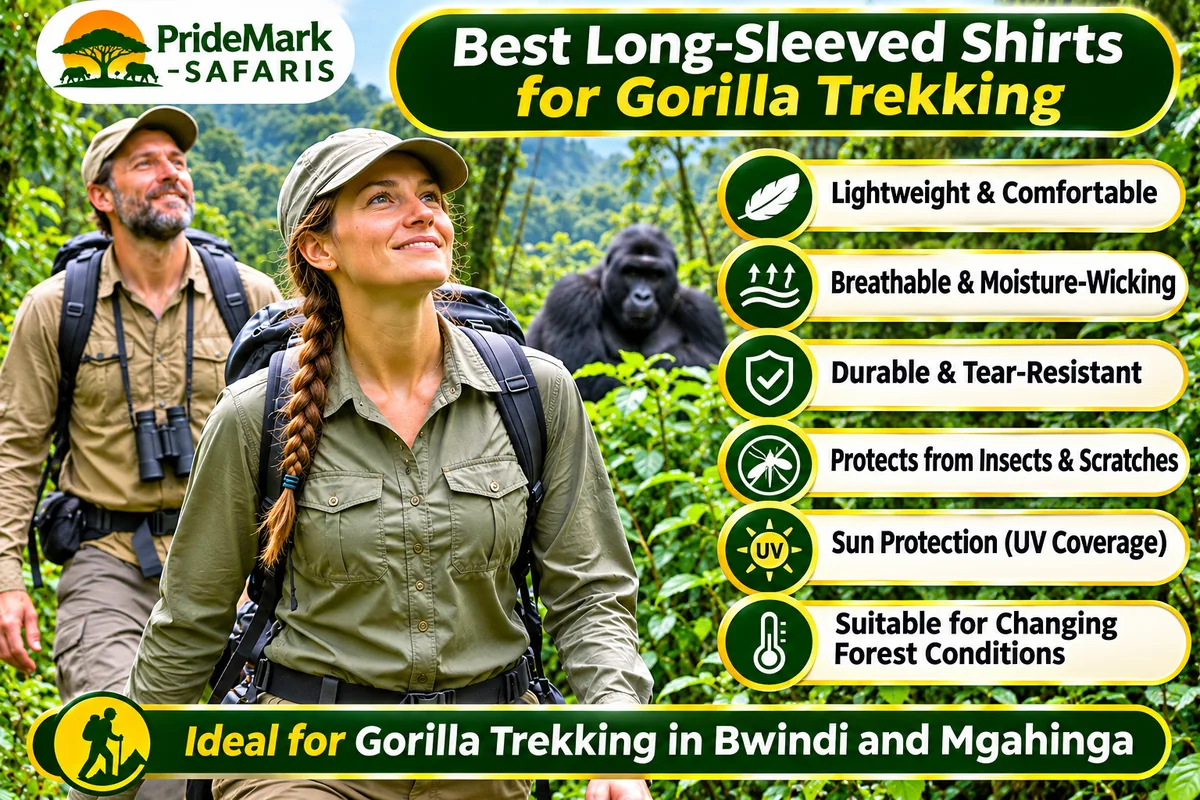
Six important features to consider when choosing long-sleeved shirts for gorilla trekking: comfort, breathability, durability, arm coverage, sun protection and suitability for changing forest conditions.
5. Choosing Fit, Sleeve Length and Shirt Details
Fit can determine whether the best long-sleeved shirts for gorilla trekking feel comfortable after several hours on the trail.
Shoulders and arm movement
Raise both arms, reach across your body and bend your elbows while trying on a shirt. The shoulder seams should not pull tightly and the sleeves should not ride far up your forearms. A gusset or shaped sleeve can improve mobility, but good overall sizing is more important than technical terminology.
Cuffs and sleeve coverage
Sleeves should cover your wrists when your arms are extended. Adjustable cuffs can keep fabric from sliding down over your hands, while elastic cuffs may be convenient beneath a rain jacket. Avoid cuffs that pinch. If you intend to wear gloves, try the two together so there is no uncomfortable gap or bulky overlap.
Different travellers have different preferences for collars, fabric texture and sleeve fit. If you have sensitive skin, pay particular attention to labels, inner seams and cuffs. Wear the shirt during a practice walk before departure. A small discomfort in the shop can become a persistent irritation after hours of movement with a backpack. Compare the best long-sleeved shirts for gorilla trekking by fit, fabric feel and practical coverage.
Collars and neck comfort
A soft collar can provide extra coverage around the neck, but stiff edges may rub under a backpack or rain jacket. Test the collar with your jacket zipped up. Some people prefer a crew-neck technical top because it has fewer seams and buttons. Choose whichever style stays comfortable during movement.
Backpack compatibility
A backpack can press seams, pockets and buttons against the shoulders or chest. Wear the loaded daypack during your fitting test and walk for at least several minutes. If a seam rubs under the straps, try a different cut. Keep heavy items out of shirt pockets, especially when climbing.
One useful question is whether you would still choose the same garment if the trail became wet and the walking pace slowed. Consider how it feels when damp, how it sits beneath a jacket and whether you can move your arms without pulling at the seams. These practical checks are more reliable than judging performance from appearance alone.
Buttons, zips and pockets
Buttons and quarter-zips allow some temperature adjustment, while a full button front makes changing easier. Pockets are useful for light items but should close securely. Avoid dangling cords or bulky accessories that could snag vegetation. Practical simplicity is usually more valuable than numerous decorative features. For the best long-sleeved shirts for gorilla trekking, prioritize movement and a manageable drying time.
When fitting a shirt, look for comfort in movement rather than a perfectly tailored appearance. A little extra room at the shoulders and elbows may help when climbing or using a walking stick. At the same time, excessive loose fabric can catch on vegetation. Try the shirt with your actual backpack straps. A garment that feels ideal without equipment may behave differently once you are carrying water and other essentials.
6. Best Long-Sleeved Shirts For Gorilla Trekking: Preparing for Bwindi and Mgahinga Forest Conditions
The best long-sleeved shirts for gorilla trekking should be chosen with Bwindi and Mgahinga’s variable forest conditions in mind.
Bwindi: damp vegetation and varied slopes
Bwindi Impenetrable National Park includes forested slopes and dense plant growth. Trekking conditions vary between sectors and individual routes. A durable, long-sleeved shirt helps cover your arms when leaves brush past. Combine it with suitable trousers and boots, and keep a rain jacket accessible rather than assuming the forest will stay dry.
Mgahinga: mountain conditions
Mgahinga Gorilla National Park lies in the Virunga mountain landscape, where temperatures and weather can shift during a trek. A breathable shirt under a removable layer offers flexibility. Check the day’s forecast and seek current advice from your operator, but remember that forecasts cannot predict every local shower or temperature change. When evaluating the best long-sleeved shirts for gorilla trekking, use comfort on a real walk as your final test.
Good preparation also means keeping expectations realistic. Long sleeves provide coverage, not complete protection against plants or insects. Quick-drying fabric can still become wet, and breathable fabric can still feel warm when layered heavily. Follow the park guide’s directions and adapt your clothing sensibly to the actual conditions.
Rain in every travel season
Travelers sometimes assume that a dry-season booking removes the need for rain protection. Forest conditions are less predictable. Choose clothing that remains comfortable when damp and bring a waterproof layer. If your shirt becomes wet, change into a dry one at your lodge when practical.
Steep trails and exertion
A route may require sustained uphill walking, careful descents and stepping over roots. Restrictive sleeves or heavy fabrics can make these movements more tiring. Practice wearing your chosen shirt on a local hill or staircase. The objective is to discover fit problems before you reach the park.
During a safari, your clothing may move between cool mornings, warmer afternoons, vehicle transfers and forest walks. A versatile shirt should be comfortable across several of these situations. Pack a dry change for after the trek, and allow enough time for washed clothing to dry before your next activity. This reduces the need to carry an excessive number of outfits. The best long-sleeved shirts for gorilla trekking should work with your backpack and removable rain protection.
Responsible wildlife viewing
Clothing does not change the rules for gorilla encounters. Follow Uganda Wildlife Authority guides, remain with your group and respect the distance and behaviour instructions given at the briefing. Avoid presenting any shirt colour, fabric or accessory as a special permit to move closer to gorillas.
Forest conditions are not identical from one visit to the next. Rain, temperature and the location of the gorilla family influence how the day feels. Ask your safari operator for current practical advice, but pack for reasonable variation. A tested long-sleeved shirt, a rain layer and a dry change offer a flexible starting point. Remember that park guides determine the route and provide the wildlife-viewing instructions that visitors must follow.
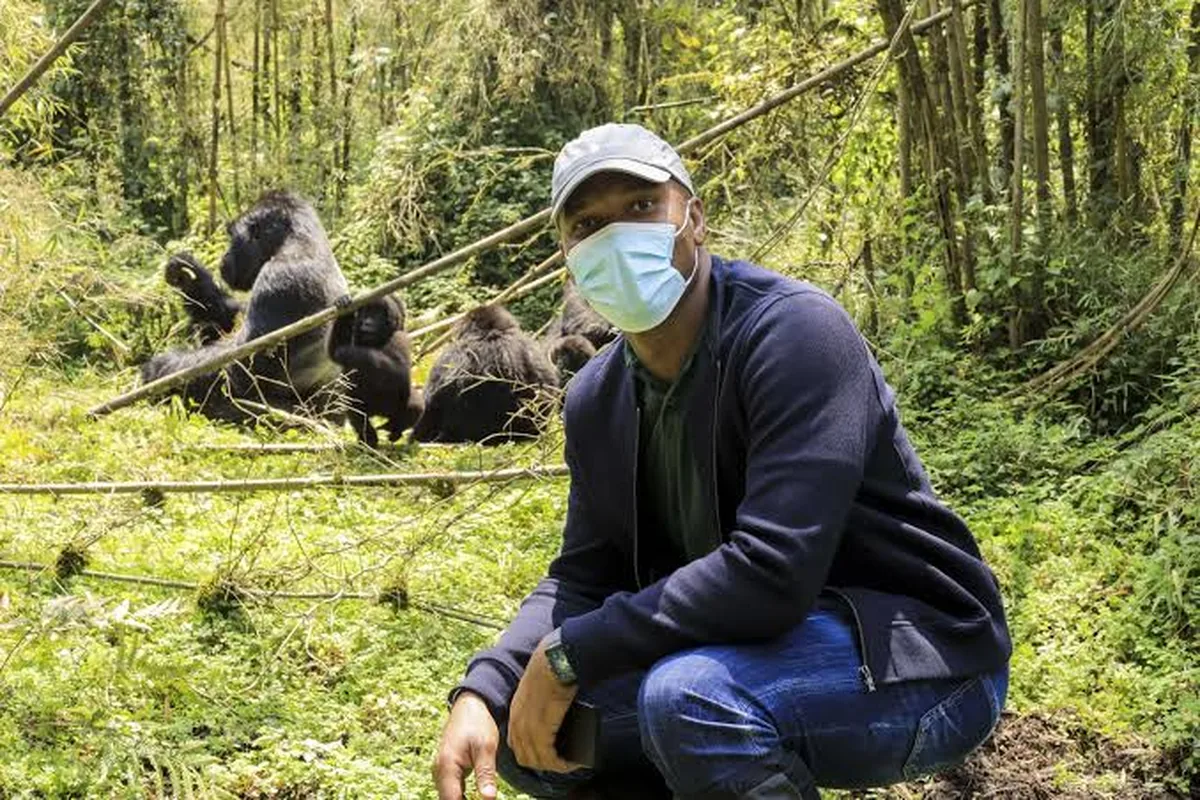
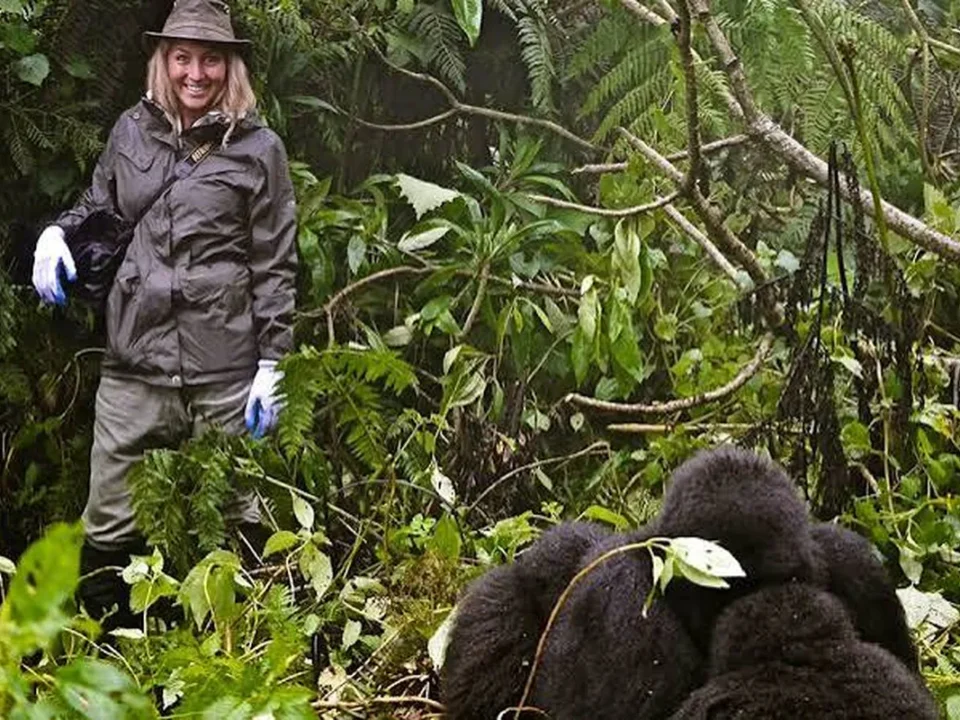
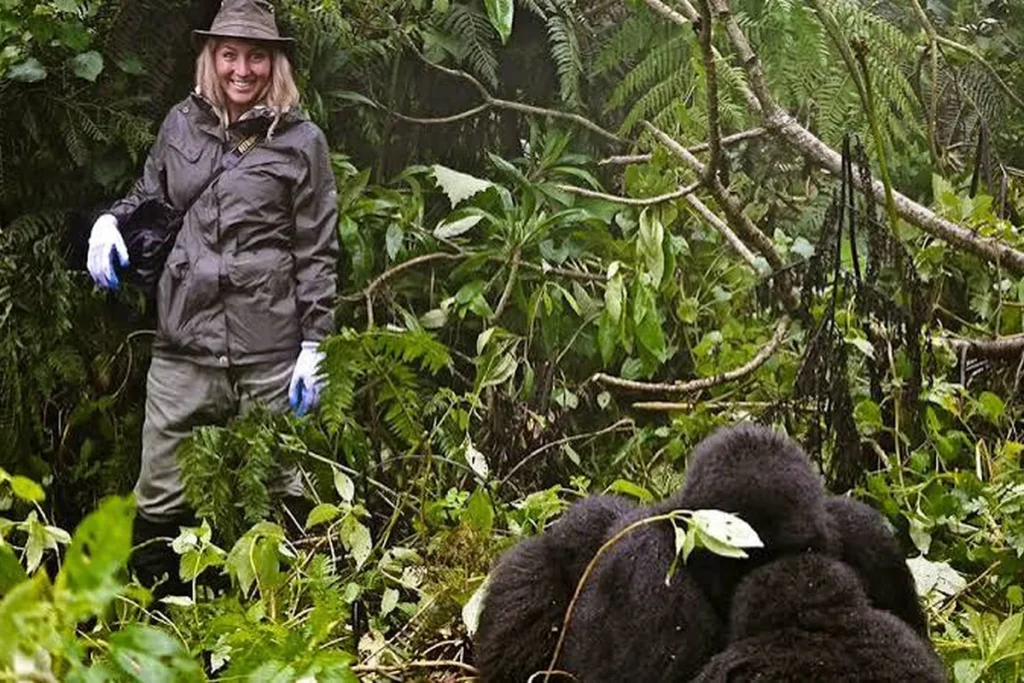
A visitor wearing long-sleeved clothing and a face mask near a group of gorillas, illustrating practical clothing and health precautions during gorilla trekking.
7. Long-Sleeved Shirts Versus T-Shirts and Jackets
Comparing the best long-sleeved shirts for gorilla trekking with T-shirts and jackets clarifies why layering matters.
Short-sleeved T-shirts
T-shirts can feel cool and comfortable in town or during a vehicle safari, but they leave more of the arms exposed to brush and insects. A long-sleeved shirt offers more adaptable coverage for a forest trek. If you prefer a T-shirt at your lodge, keep it as a separate change of clothing. Compare the best long-sleeved shirts for gorilla trekking by fit, fabric feel and practical coverage.
Heavy safari jackets
A heavy jacket may provide warmth and storage, but it can become uncomfortable during a humid climb. It is not a direct replacement for a breathable base shirt. Wear a long-sleeved layer underneath and add the jacket only when needed. Avoid overloading jacket pockets with heavy objects.
One useful question is whether you would still choose the same garment if the trail became wet and the walking pace slowed. Consider how it feels when damp, how it sits beneath a jacket and whether you can move your arms without pulling at the seams. These practical checks are more reliable than judging performance from appearance alone.
Waterproof rain jackets
A rain jacket protects against external moisture, while a long-sleeved shirt helps manage comfort next to the skin. They serve different purposes and often work best together. Choose a rain jacket that fits comfortably over your shirt without restricting arm movement. A jacket alone may feel clammy against bare arms.
Thermal tops
A warm thermal top can be helpful for travellers who feel cold easily, particularly during early starts. However, heavy thermal fabrics may be excessive once you begin climbing. Consider a lighter base layer with removable insulation. Your comfort during movement matters more than the morning temperature at the lodge. For the best long-sleeved shirts for gorilla trekking, prioritize movement and a manageable drying time.
Different travellers have different preferences for collars, fabric texture and sleeve fit. If you have sensitive skin, pay particular attention to labels, inner seams and cuffs. Wear the shirt during a practice walk before departure. A small discomfort in the shop can become a persistent irritation after hours of movement with a backpack.
The versatile two-layer approach
For many travellers, a breathable long-sleeved shirt and a lightweight waterproof outer layer provide a useful foundation. Add an insulating layer when conditions warrant it. This approach allows you to adapt to changes without carrying an entire wardrobe on the trail. Try all layers together before departure.
A comfortable base layer and a separate outer layer are often more adaptable than one bulky garment. This matters when you alternate between active climbing and periods of slower movement. Keep your arms covered when vegetation is dense, but do not overheat simply to follow a packing list rigidly. Clothing should support your ability to walk comfortably and pay attention to the guidance of the ranger.
8. Best Long-Sleeved Shirts For Gorilla Trekking: Nine Essential Tips for Choosing Trekking Shirts
Use these tips to assess the best long-sleeved shirts for gorilla trekking without relying solely on brand names.
Tip 1: Cover your arms comfortably
Choose sleeves that reach the wrists without restricting movement. Full-length coverage is useful around vegetation, but the fabric should not bunch under gloves or a jacket. Test your reach and elbow movement.
Tip 2: Prefer manageable drying time
Look for a fabric that does not remain heavy and wet after light rain or perspiration. Synthetic hiking shirts often perform well, though actual drying time varies. A spare shirt at the lodge is a sensible backup.
During a safari, your clothing may move between cool mornings, warmer afternoons, vehicle transfers and forest walks. A versatile shirt should be comfortable across several of these situations. Pack a dry change for after the trek, and allow enough time for washed clothing to dry before your next activity. This reduces the need to carry an excessive number of outfits.
Tip 3: Test with your backpack
Wear your daypack and check the shoulder seams, collar and pocket positions. Walk and raise your arms. If the fabric rubs under straps, a different cut may be better. The best long-sleeved shirts for gorilla trekking should work with your backpack and removable rain protection.
Tip 4: Balance durability and lightness
A very thin shirt can snag, while a heavy shirt can feel hot. Choose a practical middle ground for forest vegetation and active walking. Inspect stitching and seams before purchase.
Good preparation also means keeping expectations realistic. Long sleeves provide coverage, not complete protection against plants or insects. Quick-drying fabric can still become wet, and breathable fabric can still feel warm when layered heavily. Follow the park guide’s directions and adapt your clothing sensibly to the actual conditions.
Tip 5: Think about ventilation
Breathability matters on uphill routes. Select a comfortable weave or technical knit and avoid piling on unnecessary layers. Ventilation features are useful only when they work with your pack.
Tip 6: Check cuffs and collar
Adjustable cuffs and a comfortable collar can improve coverage, but stiff or tight edges may irritate the skin. Try the shirt with gloves and your rain jacket before travelling. Compare the best long-sleeved shirts for gorilla trekking by fit, fabric feel and practical coverage.
Tip 7: Choose practical pockets
Secure pockets can hold a tissue or small lightweight item. Bulky pockets may rub under backpack straps. Keep phones, passports and heavier equipment in an appropriate daypack.
Tip 8: Wear it before the trek
Wash the shirt according to its label and take it on a practice walk. This helps reveal rubbing seams, unpleasant fabric feel and sizing problems while there is still time to make a change.
Tip 9: Pack a dry change
A clean spare long-sleeved shirt is useful after a wet trek and on multi-day itineraries. Consider laundry access and drying conditions. Avoid bringing unnecessary duplicates when one reliable backup will do.
Use the nine tips as a fitting checklist rather than a shopping list of expensive features. It is entirely possible to find a practical trekking shirt without premium branding. Test the garment on a walk, inspect the seams and choose a fabric that you are happy to wear for several hours. The best long-sleeved shirts for gorilla trekking are those that suit your body, climate tolerance and planned equipment.
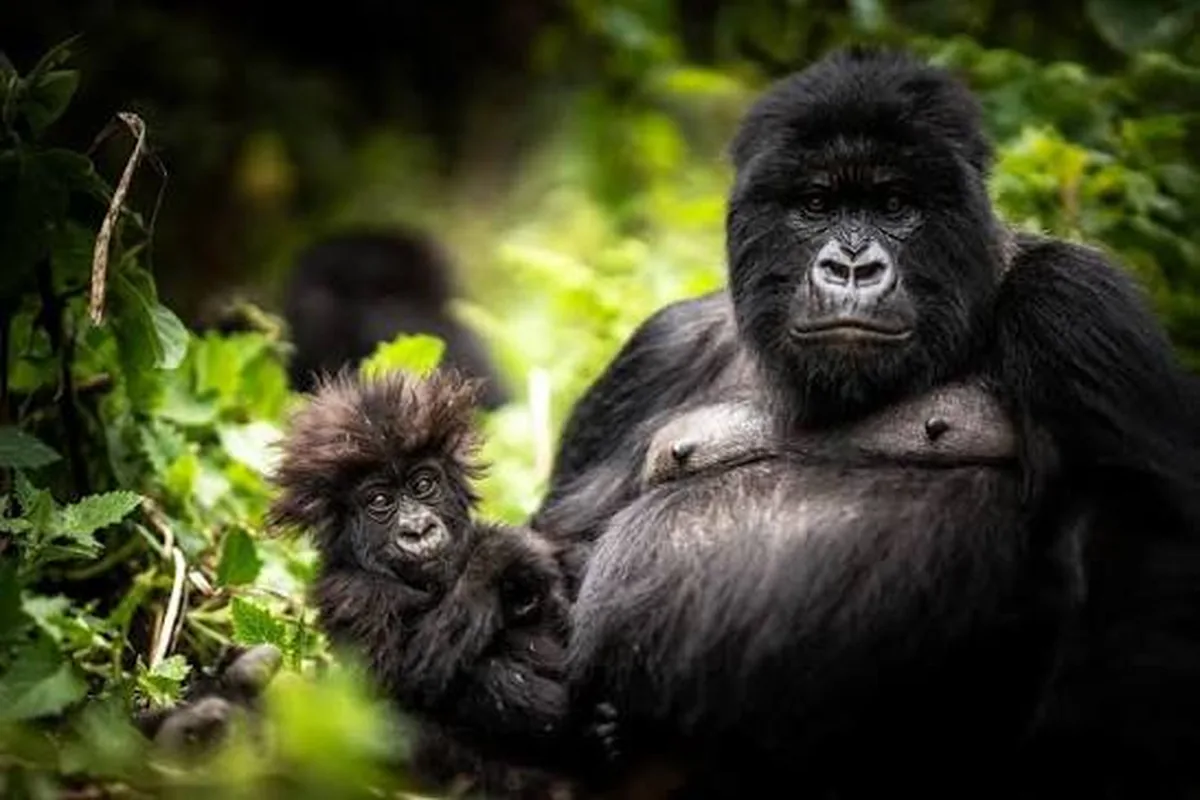
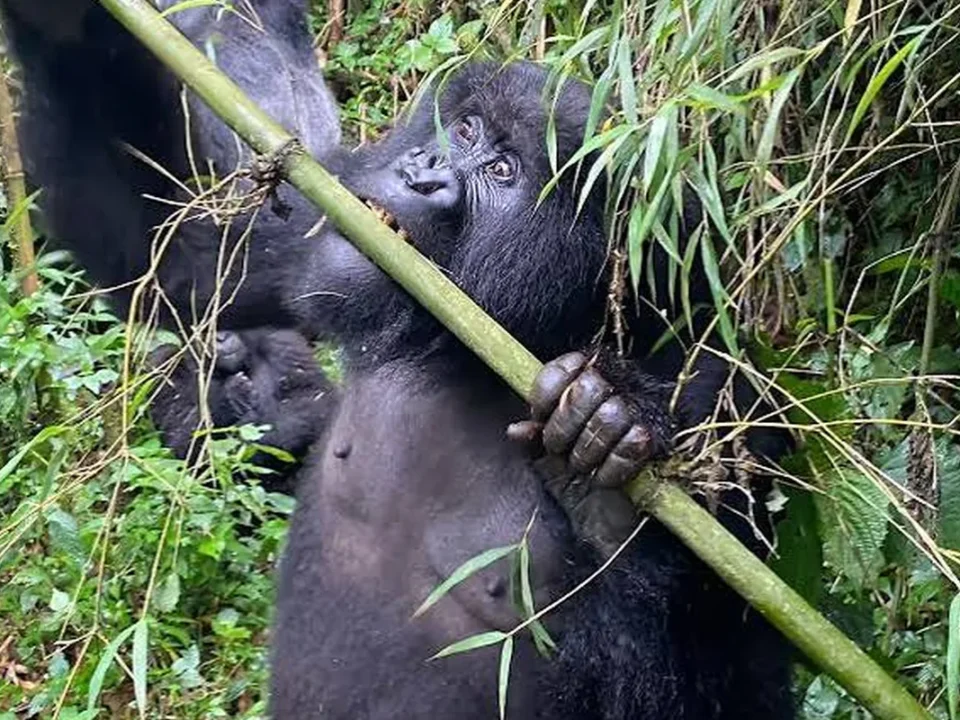
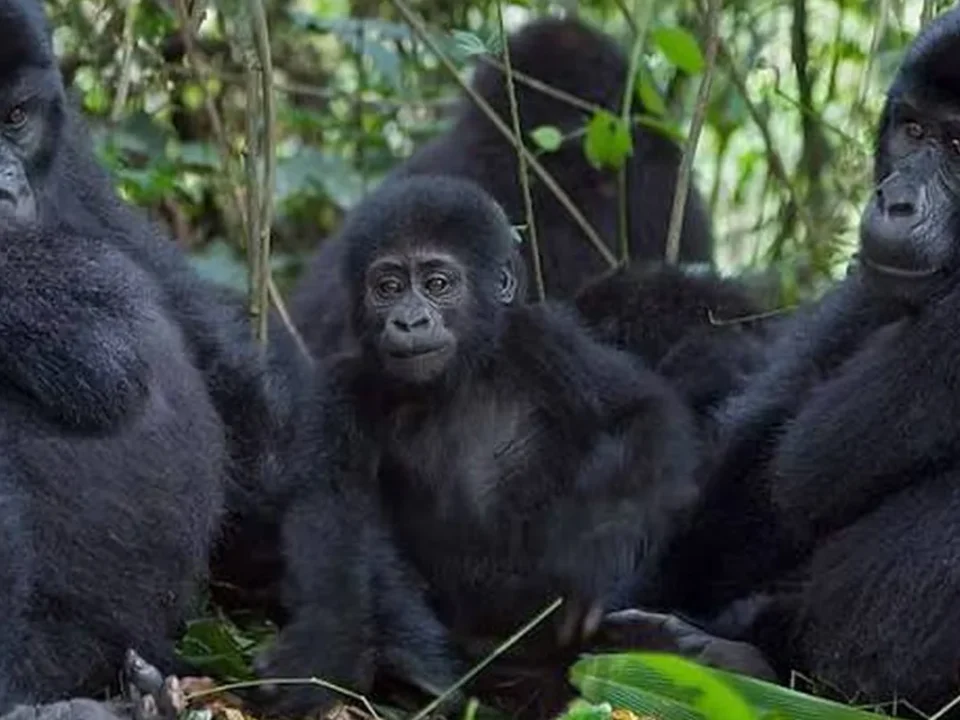
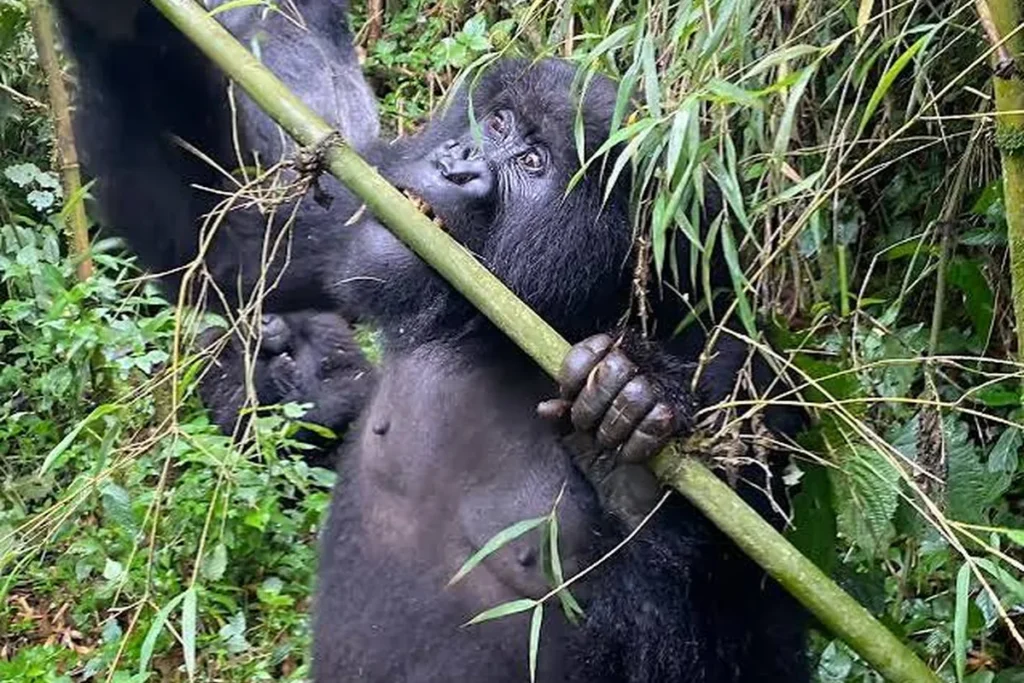
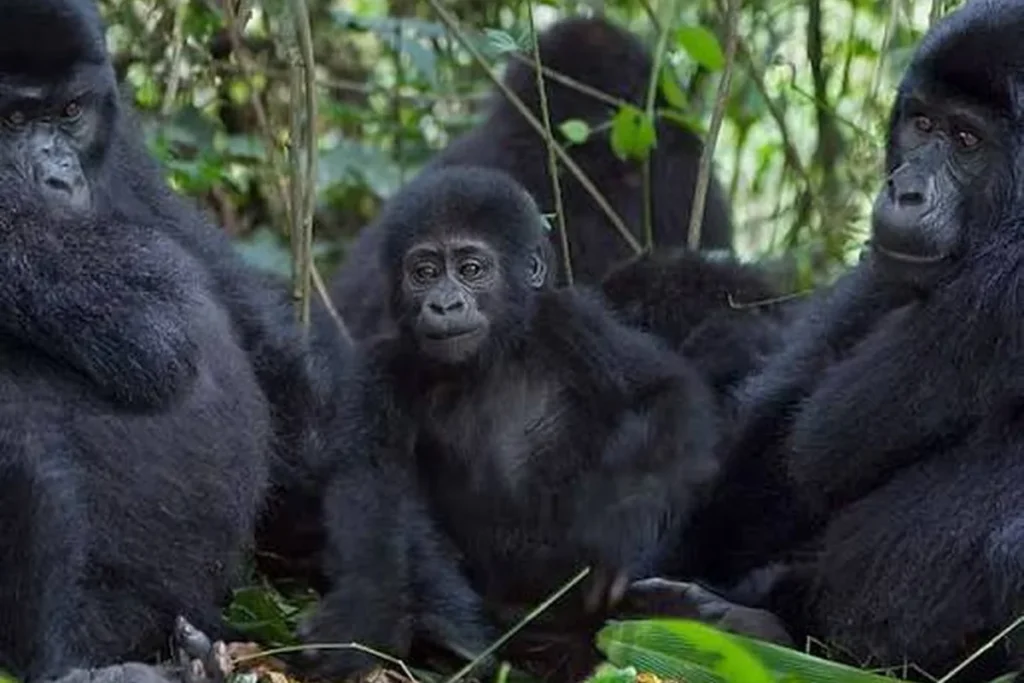
Best Long-Sleeved Shirts for Gorilla Trekking – Adult and Young Gorilla
9. Practical Buying, Packing and Care Checklist
A buying and care checklist helps you keep the best long-sleeved shirts for gorilla trekking comfortable over repeated trips.
Before buying
Check the fibre composition, fit, sleeve length, seams, ventilation and ease of care. Try the shirt with your intended boots, trousers, backpack and rain jacket. Choose an item you can use on other safari activities rather than paying extra for features that do not improve your comfort.
What to pack
Pack one tested long-sleeved trekking shirt for the activity and a dry change for afterwards. For longer itineraries, consider a second trekking shirt depending on laundry opportunities. Add a waterproof jacket and other layers as needed. Keep the daypack light and make sure essential items remain accessible.
Different travellers have different preferences for collars, fabric texture and sleeve fit. If you have sensitive skin, pay particular attention to labels, inner seams and cuffs. Wear the shirt during a practice walk before departure. A small discomfort in the shop can become a persistent irritation after hours of movement with a backpack. When evaluating the best long-sleeved shirts for gorilla trekking, use comfort on a real walk as your final test.
Washing after the trek
Follow the garment care label. Brush off dried mud gently, rinse where appropriate and use a suitable detergent. Avoid assuming that hot water or strong bleach is safe for technical fabrics. Some treatments require special care; follow the manufacturer’s guidance to preserve the garment.
Drying and storage
Allow the shirt to dry fully before packing it away for an extended period. Humid conditions can slow drying, so do not seal a damp garment inside a bag. Repair loose stitching early and check buttons or zips before your next trip. A well-maintained shirt may be useful on many outdoor journeys.
One useful question is whether you would still choose the same garment if the trail became wet and the walking pace slowed. Consider how it feels when damp, how it sits beneath a jacket and whether you can move your arms without pulling at the seams. These practical checks are more reliable than judging performance from appearance alone.
Planning with PrideMark Safaris
PrideMark Safaris can help arrange gorilla trekking itineraries, accommodation, transfers and permits while sharing practical preparation advice. Contact the team with your dates, destination and travel preferences. A clear packing plan should support your safari rather than complicate it with unnecessary purchases. The best long-sleeved shirts for gorilla trekking should work with your backpack and removable rain protection.
| Common mistake | Better approach | Why it helps |
|---|---|---|
| Choosing a tight fit | Test arm raises and backpack movement | Reduces pulling and rubbing |
| Wearing heavy cotton | Consider a quick-drying outdoor shirt | Improves damp-weather comfort |
| Ignoring sleeve length | Check wrist coverage when reaching | Reduces exposed skin |
| Packing no spare | Keep a dry change at the lodge | Improves comfort after rain |
| Assuming all shirts are waterproof | Bring a separate rain layer | Better protection in showers |
A thoughtful packing plan should leave room for the rest of your safari essentials. Keep a clean change at your accommodation and avoid filling your trekking daypack with clothing you are unlikely to use. Ask your operator about the activity schedule and expected conditions. For help planning your trip, contact PrideMark Safaris through our website. Our team can discuss itineraries, permits, transfers and practical preparation without requiring you to buy a specific clothing brand.
Frequently Asked Questions About Long-Sleeved Gorilla Trekking Shirts
Do I need a long-sleeved shirt for gorilla trekking?
A long-sleeved shirt is widely recommended because it covers your arms when walking through vegetation. It should be comfortable and allow free movement. Confirm any current park-specific guidance with your operator or rangers rather than treating every packing suggestion as an official rule.
What fabric is best for a trekking shirt?
Lightweight polyester, nylon and suitable blends are often practical because they can dry relatively quickly. Merino blends can also be comfortable. The best fabric depends on your skin comfort, budget and the garment’s construction. Test it during a walk before travel.
Can I wear a cotton shirt?
You can wear cotton for many travel activities, but heavy cotton may retain moisture and dry slowly during damp forest trekking. A quick-drying hiking shirt is often more convenient. If using cotton, choose a comfortable fit and plan for changing into dry clothing afterwards. Compare the best long-sleeved shirts for gorilla trekking by fit, fabric feel and practical coverage.
Are safari shirts better than technical tops?
Neither style is universally superior. Woven safari shirts may offer collars and useful pockets, while technical tops can sit smoothly under backpacks and jackets. Try both styles and choose the one that allows easy movement without rubbing.
Should I wear a collared shirt?
A collar can add some neck coverage, but it is not essential. A soft crew-neck technical shirt may be more comfortable for some travellers. Check how the neckline feels beneath your rain jacket and backpack straps.
What colour shirt should I wear?
Neutral colours such as olive, grey, tan and brown are common safari choices. Comfort, coverage and practical fabric matter more than matching a particular colour scheme. Follow any instructions provided by park staff for your specific activity.
Do I need insect-repellent clothing?
Some outdoor garments are sold with insect-repellent treatments, but no shirt can guarantee protection from bites. Follow product instructions and consider other appropriate precautions. Long sleeves help reduce exposed skin but do not replace general insect-avoidance advice. For the best long-sleeved shirts for gorilla trekking, prioritize movement and a manageable drying time.
How many shirts should I pack?
For one trek, a tested shirt plus a clean dry change is a useful starting point. Longer safaris may require additional shirts depending on laundry facilities and activities. Pack for your itinerary rather than relying on a fixed number for every traveller.
Are thermal shirts necessary in Bwindi?
Not everyone needs a thermal top. Mornings can feel cool, but uphill walking generates heat. A breathable long-sleeved base with removable layers is often more adaptable. Consider your personal cold tolerance and the expected conditions.
Can I wear a short-sleeved T-shirt under a jacket?
A short-sleeved T-shirt can be comfortable, but bare forearms may rub against the inside of a jacket and you lose arm coverage when removing it. A lightweight long-sleeved layer offers more flexibility for changing conditions.
Should I tuck my shirt into my trousers?
This is mainly a comfort and fit decision. Tucking can keep the hem from riding up, while leaving it untucked may improve ventilation. Try both with your backpack hip belt and choose the arrangement that avoids bunching. When evaluating the best long-sleeved shirts for gorilla trekking, use comfort on a real walk as your final test.
Where can I get a gorilla trekking packing checklist?
Your safari operator can tailor a checklist to your destination and itinerary. PrideMark Safaris provides practical preparation guidance alongside safari planning. For official park procedures and gorilla tracking information, consult Uganda Wildlife Authority.
Final Recommendations and Safari Planning
The best long-sleeved shirts for gorilla trekking balance comfortable coverage, freedom of movement and manageable drying time. A lightweight woven shirt or technical long-sleeved top can work well for many visitors. Try the shirt with your backpack and rain jacket, and keep a dry spare at your accommodation. The most useful clothing is the clothing you have tested before departure.
For official tracking information, consult the Uganda Wildlife Authority gorilla tracking guide and the Bwindi park information. Explore Uganda safari ideas or contact PrideMark Safaris for a tailored itinerary. You can also learn more about our team.