1. Why the Right Backpack Matters for Gorilla Trekking
When comparing the best backpacks for gorilla trekking, consider how a small decision at home affects your experience on the trail. A secure bag makes it easier to respond to changing weather, take a careful step over roots and follow your guide without worrying about loose belongings. The goal is not to carry a full expedition kit. It is to carry a small, thoughtful selection of items that support your comfort. The best backpacks for gorilla trekking should work quietly in the background, leaving you free to appreciate the forest and its wildlife.
A daypack is part of your trekking system
A gorilla trek is not an ordinary sightseeing walk. Forest trails can be muddy, steep and uneven, and the duration of the approach varies according to the gorillas’ location and the group’s pace. Your bag needs to keep drinking water, snacks, a rain layer and small essentials organized without interfering with your balance. A well-chosen daypack reduces distractions so you can concentrate on walking safely and listening to your ranger guide.
Plan for variable weather and terrain
Bwindi and Mgahinga are mountainous forest environments where conditions can change during a single outing. A sunny briefing may be followed by mist, drizzle or heavy rain under the canopy. A backpack that feels comfortable in a shop may behave differently on slippery slopes, particularly when its straps are loose or the load is poorly distributed. Test your equipment before travel and think about protection for electronics and spare clothing.
Keep the pack practical rather than impressive
A large expedition backpack is rarely necessary for a typical gorilla trekking day. More capacity can encourage overpacking, while a very small fashion bag may lack useful support and rain protection. The best backpacks for gorilla trekking are generally compact daypacks with dependable straps, a stable fit and enough space for the supplies you genuinely need. Prioritize usability over branding, complicated compartments or unnecessary accessories.
How PrideMark Safaris helps you prepare
When you organize a trek with PrideMark Safaris, discuss your walking comfort, the season of travel and any equipment questions before departure. Your operator can help you understand the day’s general arrangements and what to bring, while the park’s ranger team directs the actual trek. Keep your essentials accessible because a backpack is most useful when you can find your water or raincoat quickly without unpacking everything.
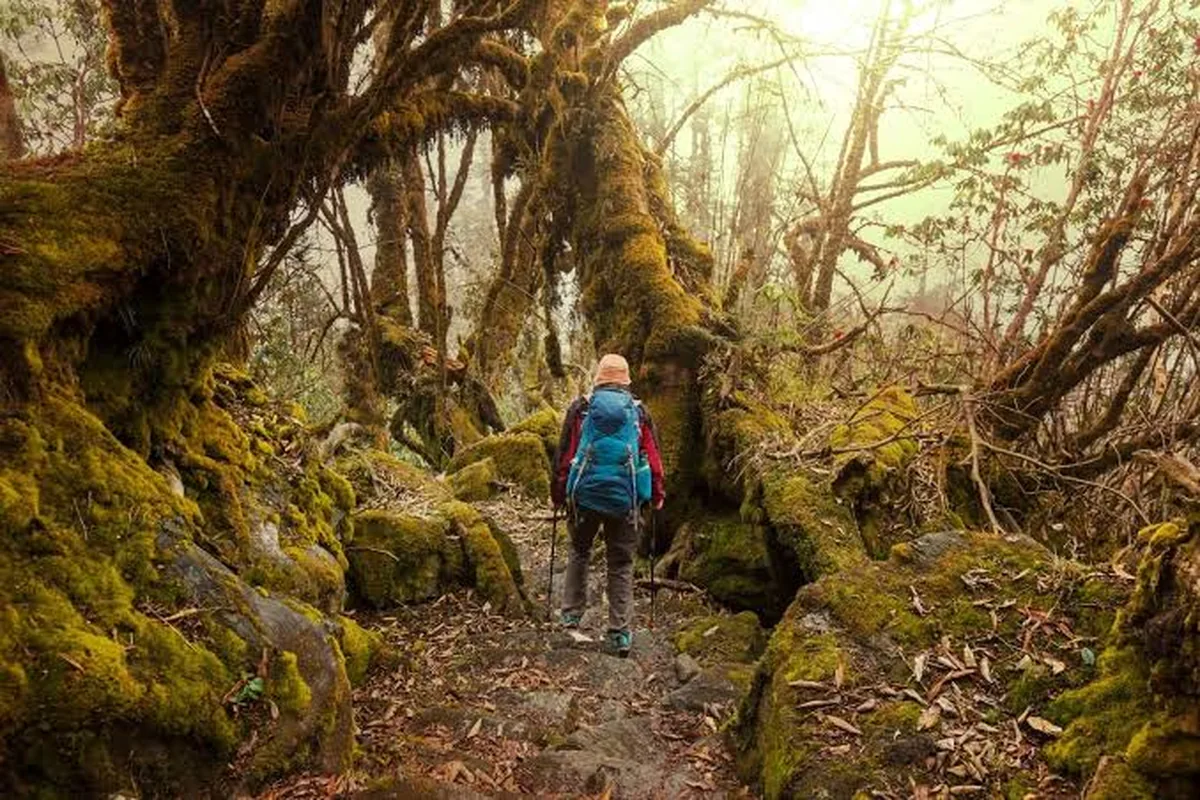
A hiker carrying a backpack explores a forest trail surrounded by moss-covered trees and rocks, illustrating the importance of comfortable trekking equipment.
2. Best Types of Backpacks for Gorilla Trekking
It helps to examine backpacks in person where possible. Open the pockets, try the buckles and check how the bag sits over a long-sleeved shirt or light raincoat. Do not assume that every product advertised as a trekking pack has been designed for the same climate or terrain. The best backpacks for gorilla trekking combine useful organization with carrying comfort. When selecting among the best backpacks for gorilla trekking, pay attention to what you can reach without putting the entire bag on the ground, particularly water and rain protection.
Lightweight hiking daypacks
A purpose-built hiking daypack is usually the strongest all-round option. Look for padded shoulder straps, an adjustable chest strap, side bottle pockets and a back panel that feels comfortable when worn for several hours. A simple top-opening design can work well, provided frequently used items remain easy to reach. Choose a model with sturdy seams and zippers rather than relying only on its advertised capacity.
Hydration-compatible daypacks
Some hiking packs include a sleeve and routing for a hydration reservoir. This can make regular drinking convenient, especially on steep sections where stopping to retrieve a bottle feels awkward. However, reservoirs need cleaning, can leak if poorly secured and may be harder to refill or inspect. If you prefer a bottle, select a pack with reachable side pockets or plan to stop safely when you need water.
Water-resistant commuter backpacks
A durable everyday backpack can be sufficient if it fits securely and protects your belongings. Many commuter bags have useful padded compartments but lack a chest strap, ventilation or comfortable weight distribution for uneven terrain. They may also absorb water or swing from side to side when you climb. Test the bag on a hilly walk before relying on it for a gorilla trek.
Roll-top and waterproof dry-bag styles
Roll-top packs can help protect belongings from rain, particularly when the closure is properly folded and the material is suitable. The trade-off is that small items can become harder to access and some designs lack supportive straps. A waterproof liner inside a comfortable hiking pack is often more flexible than a waterproof bag that does not carry well. Check product claims carefully: water-resistant and waterproof are not interchangeable.
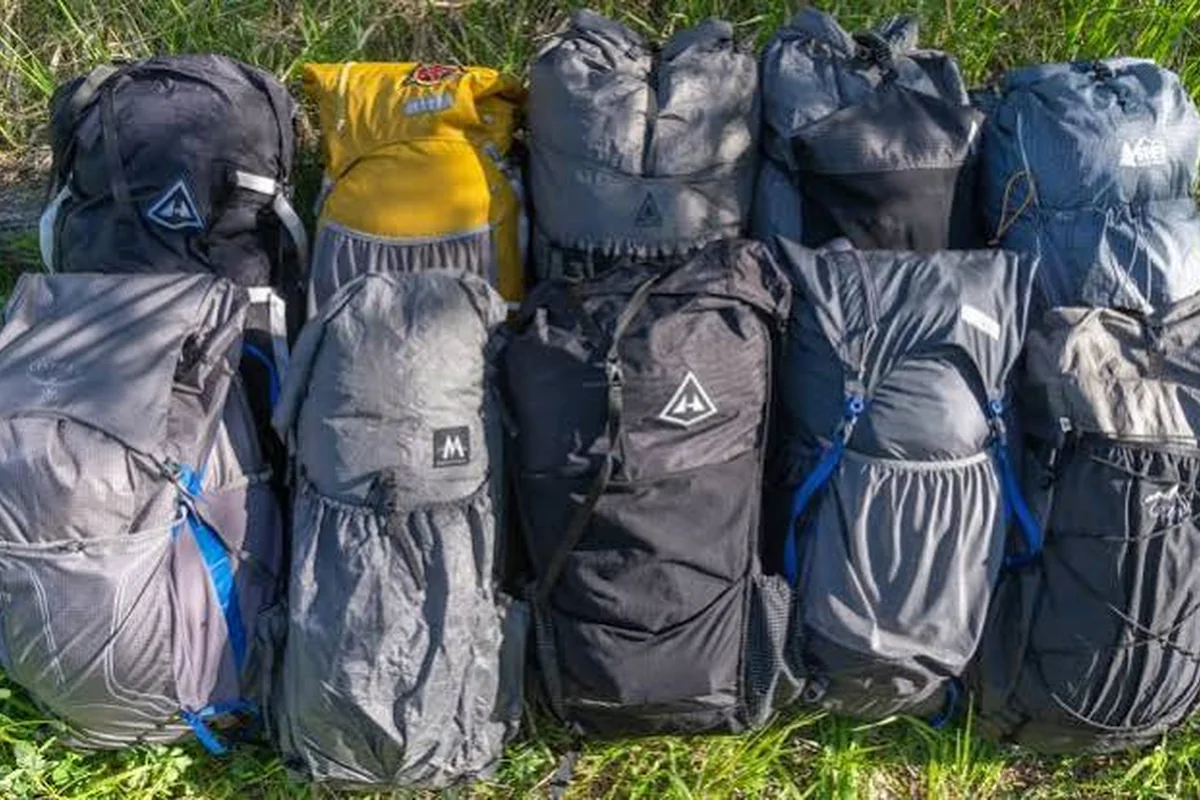
A selection of hiking backpacks in different sizes and designs, illustrating the importance of choosing a comfortable and practical daypack for gorilla trekking.
Camera-focused backpacks
Travelers carrying a camera body, lenses or binoculars may value padded compartments and quick access. Yet rigid camera packs can be heavy, bulky or uncomfortable on a long ascent. Consider a lightweight padded insert inside a hiking daypack, and protect equipment from moisture with an appropriate dry bag. Keep wildlife photography equipment secure and follow ranger instructions during the gorilla encounter.
| Backpack type | Main advantage | What to consider |
|---|---|---|
| Hiking daypack | Stable straps and outdoor-focused organization | Check loaded comfort and pocket layout |
| Hydration daypack | Convenient access to drinking water | Reservoir maintenance and leak prevention |
| Everyday backpack | Affordable if you already own one | May lack sternum strap and ventilation |
| Roll-top pack | Can improve rain protection | Access and carrying comfort vary |
| Camera backpack | Protective compartments for equipment | Can be bulky or heavy |
3. Choosing the Ideal Backpack Capacity: 15L, 20L, 25L or 30L
Capacity is a planning tool rather than a competition. Two packs marked with the same number of liters can have different shapes, openings and usable pockets. The best backpacks for gorilla trekking have enough room for essential equipment while keeping the weight close to your body. Think about whether you will bring a camera, whether you prefer a bottle or hydration reservoir and whether you need an extra layer. The best backpacks for gorilla trekking allow you to pack those items securely without leaving hard objects pressing against your back.
When a 15-liter pack can work
A 15-liter daypack may suit someone carrying only a compact rain jacket, water, snacks and a few personal items. It is easiest to keep light, but capacity can disappear quickly if you need a warmer layer or camera equipment. Check whether the pack accommodates your water container and whether its straps are supportive enough for your intended load.
Why 20 liters is a useful starting point
For many travelers, a 20-liter pack offers a practical middle ground between capacity and convenience. It can accommodate a waterproof shell, small first-aid essentials, snacks, water and valuables without feeling oversized. Exact usable space varies with pocket layout and pack shape, so try packing your actual kit instead of buying purely by the number on the label.
Who might prefer 25 liters
A 25-liter pack may be worthwhile if you carry a camera, extra insulating layer or additional supplies. This size can also be convenient when sharing some group items, although everyone should still have access to their own essentials. Do not fill unused space simply because it exists. Keep the heavier items close to your back and the bag’s overall weight manageable.
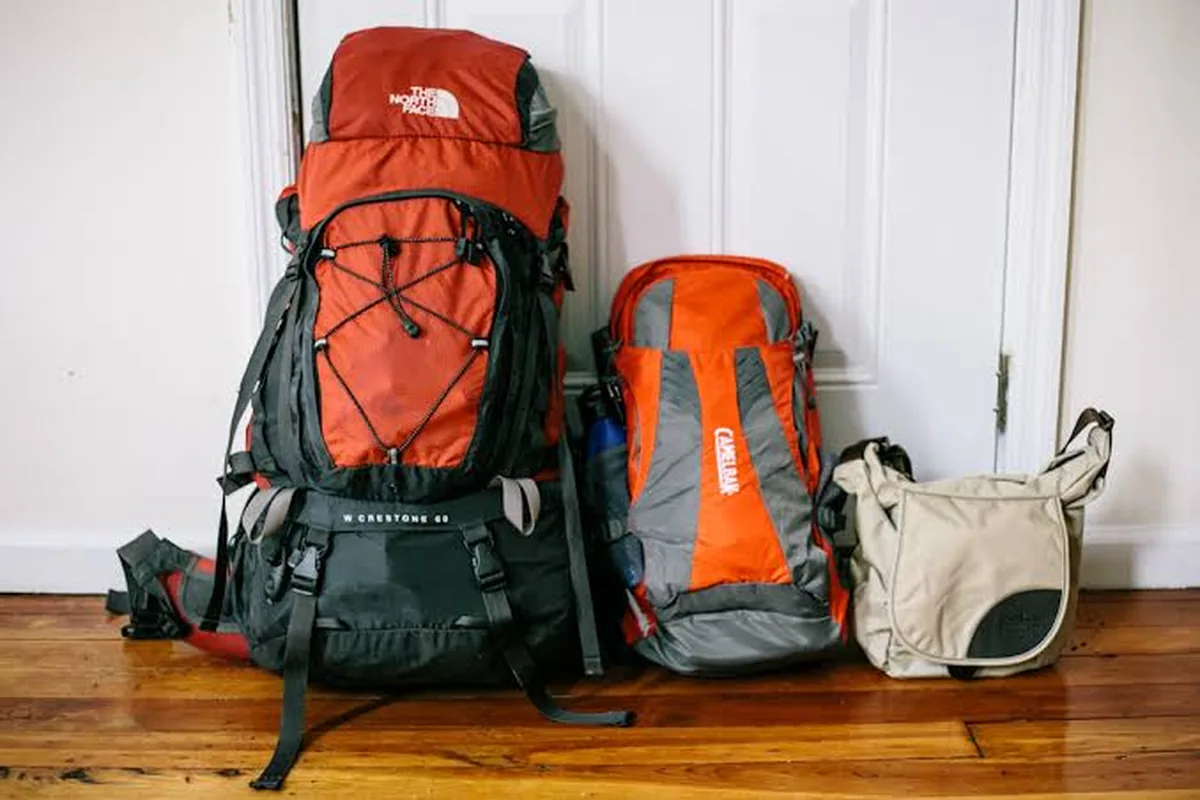
Three different bag sizes, from a large hiking backpack to a compact shoulder bag, illustrating the importance of selecting suitable carrying capacity for gorilla trekking.
When 30 liters becomes unnecessary
A 30-liter daypack can be suitable for travelers with specialized gear, but it may be larger than needed for a standard trekking outing. A half-empty bag can shift awkwardly unless its compression straps work well. A full 30-liter bag may become tiring on steep ground. The best backpacks for gorilla trekking are selected by real packing needs, not by choosing the largest option available.
Try a realistic packing test
Before traveling, put your water, rainwear, snacks, medication and camera into the candidate backpack. Walk for at least half an hour, climb stairs or use a local hill, and adjust the straps. Check for shoulder pressure, rubbing, bounce and difficulty reaching essential items. Repeat the test with the clothing you intend to wear on the trek; a jacket can change how shoulder straps sit.
| Capacity | Typical use | Important consideration |
|---|---|---|
| 15L | Minimal personal essentials | May be tight for extra layers |
| 20L | Balanced everyday trekking kit | Useful starting point for many travelers |
| 25L | Extra layers or camera accessories | Avoid filling unused space |
| 30L | Specialized or bulkier equipment | Keep weight and movement manageable |
4. Waterproof Materials, Rain Covers and Durability
Rain preparation should be simple enough to use quickly. If a sudden shower starts, you should be able to reach your waterproof layer and cover your bag without searching through several compartments. The best backpacks for gorilla trekking are not necessarily completely waterproof, but they should be compatible with a dependable moisture-protection system. Keep dry items separate from anything already wet and make sure the bag can be cleaned after muddy conditions. The best backpacks for gorilla trekking balance protection, durability and practical access rather than relying on a single marketing claim.
Understand the language on product labels
Water-resistant fabric can shed light rain but may eventually allow water through, especially at seams and zippers. A waterproof material is not necessarily a waterproof backpack unless closures and seams are appropriately protected. A rain cover provides another barrier, but wind and runoff can still reach the back panel. For important documents and electronics, use an internal waterproof pouch or dry bag.
Choose durable fabric without excess weight
Nylon and polyester are common backpack fabrics because they can provide good strength at relatively low weight. Denier numbers describe yarn thickness rather than guaranteeing total durability. Reinforced stress points, secure stitching, sound zipper construction and abrasion-resistant base panels may matter more in practice. Examine the entire bag instead of judging quality by a single fabric specification.
A simple layered rain-protection strategy
Place moisture-sensitive items in a sealed internal liner or dry bag, then use the pack’s rain cover when conditions warrant. Keep your rain jacket in a reachable pocket so you can put it on without exposing everything else. After a wet trek, open the backpack at your accommodation, remove damp items and allow the bag to dry thoroughly before storage.
Zippers, seams and pockets
Inspect zipper pulls with wet or gloved hands in mind. Pockets should close securely enough that small items cannot fall out when you bend or step over roots. Side bottle pockets need sufficient depth or retention. A backpack with fewer, reliable pockets is often preferable to one with many flimsy compartments that become difficult to use in rain.
Avoid misleading promises
No ordinary backpack makes a forest hike completely dry, effortless or free from damage. Even high-quality coatings wear with use, and an exposed zipper can leak. Product performance also depends on maintenance and correct use. When PrideMark Safaris helps travelers prepare their packing lists, the emphasis is on dependable layers of protection rather than a single supposedly perfect piece of equipment.
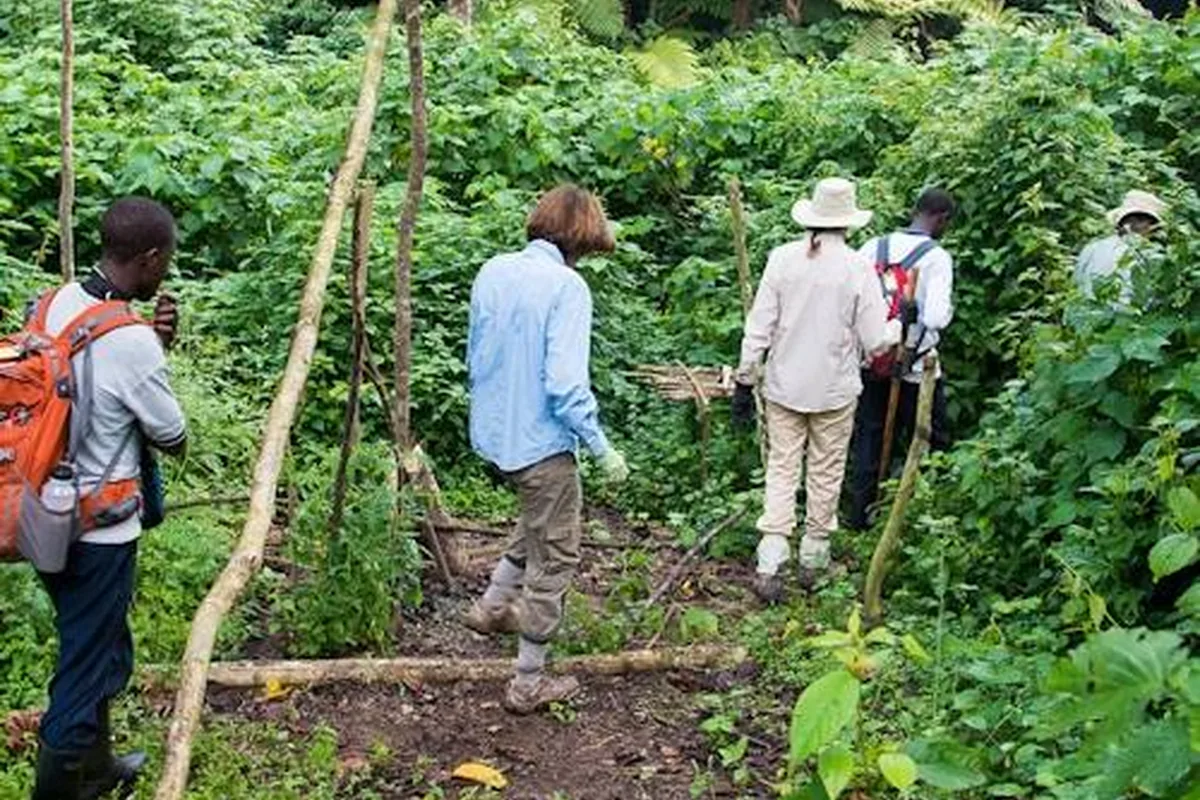
Trekkers and guides navigate a narrow forest trail surrounded by dense vegetation, illustrating the importance of comfortable and practical backpacks for gorilla trekking.
5. Shoulder Straps, Back Ventilation and Comfortable Fit
Comfort cannot be judged by a photograph or a product description alone. A pack that fits one person beautifully may sit awkwardly on another person’s shoulders. The best backpacks for gorilla trekking should feel stable when walking uphill and when carefully descending uneven ground. Check the position of the straps and how the bag behaves when you bend slightly. Among the best backpacks for gorilla trekking, choose the one that causes the least rubbing and requires the fewest adjustments during a realistic test walk.
Fit matters more than a feature list
The shoulder straps should follow your body without digging into your neck or sliding toward the outer edges of your shoulders. Adjust them so the pack sits close to your back rather than hanging low. If the pack has a sternum strap, use it to stabilize the load without restricting breathing. A waist belt can help on some designs, but a small daypack may only have a light stabilizing strap.
Back panels and ventilation
A ventilated back panel can improve comfort in humid conditions, but no system eliminates sweating during an uphill rainforest walk. Raised mesh panels may create an air gap while also shifting the load farther from your body. Compare the actual feel of different designs. Breathable clothing, reasonable pace and access to water are as important as ventilation claims.
Avoid pressure points
Pay attention to rubbing near the collarbones, underarms and lower back. The wrong torso length or overloaded pockets can make a pack uncomfortable even when the fabric and stitching are excellent. If you use a camera strap or binocular harness, test those items together with the backpack because multiple straps can overlap and create pressure.
Stability on slippery ground
A bouncing bag can disturb your balance when stepping across roots or moving down muddy slopes. Tighten compression straps and distribute the load evenly. Keep heavy objects centered and close to your spine. If you use a walking stick or trekking pole, make sure you can still move your arms naturally and that dangling straps cannot catch on vegetation.
Practice before your safari
You do not need a complicated training program to test a daypack. Wear it on several ordinary walks with a realistic load, and adjust it until it feels stable. Travelers booking through PrideMark Safaris can use this simple preparation step to identify uncomfortable straps or poorly placed pockets before reaching the forest. A pack that works well at home is less likely to become an avoidable distraction during the trek.
6. Preparing Your Backpack for Bwindi and Mgahinga Conditions
Bwindi and Mgahinga are memorable destinations, but visitors should prepare for physical walking rather than treating the trek as a short paved excursion. The best backpacks for gorilla trekking are compact enough to move through vegetation and practical enough to hold a rain layer and personal essentials. Different seasons and routes can present different challenges, and the location of gorillas is not predictable. The best backpacks for gorilla trekking therefore offer flexible packing space without encouraging unnecessary weight. Ask your safari planner about the general arrangements, then follow the ranger team’s current instructions.
Bwindi: dense vegetation and changing conditions
Bwindi’s forest trails can involve steep gradients, wet foliage, mud and thick undergrowth. Keep loose straps secured and choose a bag that does not project excessively beyond your shoulders. A compact profile makes it easier to move along narrow paths. Pack rainwear near the top, protect valuables inside the bag and avoid attaching fragile items to the outside.
Mgahinga: mountain weather and layering
Mgahinga’s volcanic mountain environment can feel cool, especially in mist or rain, while exertion may make you warm. A backpack should allow you to stow a light insulating layer and rain protection without crushing or soaking them. Bring appropriate clothing for the conditions expected on your date, and follow your ranger’s instructions about the route and pace.
Briefing and gorilla-viewing etiquette
The Uganda Wildlife Authority sets park rules and ranger guidance for gorilla trekking. Keep your hands free for safe movement, follow directions on where to stand and never use your bag as a reason to approach gorillas. Avoid food handling near wildlife and secure any loose belongings. The exact procedures may be updated, so consult the Uganda Wildlife Authority and the ranger team for current requirements.
Porters and carrying arrangements
A porter may be available to help carry your daypack on trekking routes, depending on local arrangements. This can be useful for travelers who would prefer assistance on steep or muddy sections. Even when someone helps carry the bag, keep critical medication and any immediately needed personal items accessible according to your needs. Ask PrideMark Safaris about planning arrangements ahead of time.
Avoid overpacking for a single outing
A useful packing list includes water, suitable snacks, rainwear, personal medication, sun protection where appropriate, and carefully protected electronics. Additional layers depend on weather and individual comfort. Avoid packing full-size toiletries, multiple changes of clothing or unnecessary heavy accessories. The goal is to carry what supports your safety and comfort, not everything you brought on safari.
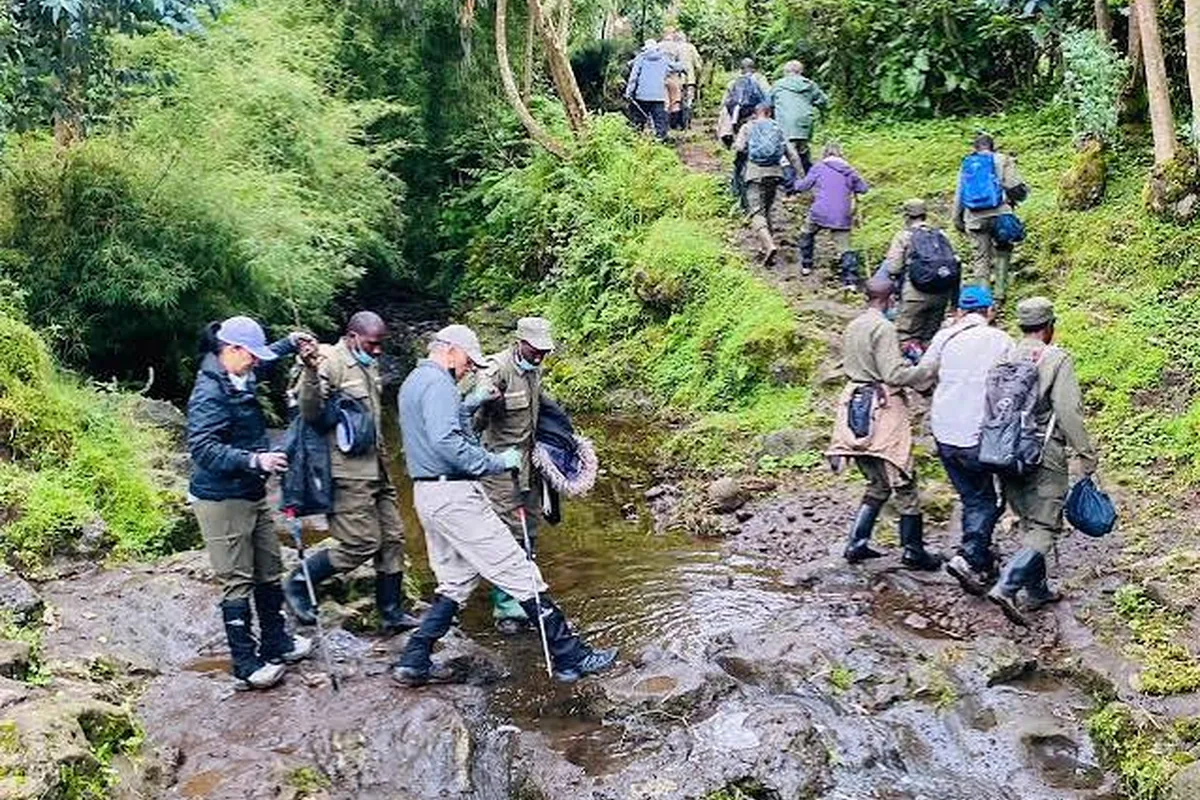
Trekkers carrying backpacks cross a rocky stream and navigate a muddy forest trail, highlighting the importance of comfortable, secure and weather-protected hiking equipment.
7. Hiking Daypacks Versus Ordinary Backpacks
If you already own a backpack, begin by checking whether it meets the essential requirements. You may not need to buy something new. The best backpacks for gorilla trekking are defined by fit, weather preparation and usability, not simply by an outdoor label. Examine how the straps attach, whether the contents stay secure and how you would protect a phone or camera in heavy rain. In many cases, the best backpacks for gorilla trekking are familiar bags that have been carefully tested and packed with a few well-chosen accessories.
Support and load distribution
Hiking daypacks are often designed around repeated movement and may offer shaped shoulder straps, sternum straps and compression systems. An ordinary school or city backpack can still work if it fits well and carries the required load comfortably. Compare actual construction rather than assuming one label guarantees better performance.
Access to water and rain gear
A good trekking bag makes frequently used items accessible without unpacking its main compartment. Side pockets, a small top pocket and a secure front pocket can be useful. Many everyday backpacks prioritize laptop sleeves and stationery organization instead. Those features are not harmful, but they may take up space better used for outdoor essentials.
Weather protection and cleaning
Forest trails expose bags to damp soil, leaves and rain. A trekking pack with wipe-clean fabric and a simple interior can be easier to maintain than a bag with many fabric-lined pockets. Regardless of style, use a waterproof internal liner for sensitive items. After the outing, empty and dry the pack rather than leaving muddy or damp equipment sealed inside.
Budget and value
The most expensive backpack is not automatically the best choice. A reasonably priced bag with sound seams, stable straps and suitable capacity may be more practical than a premium model with features you will never use. If you already own a comfortable daypack, test it with your trekking kit before purchasing another one. Spend money where it makes a meaningful difference to comfort and reliability.
A straightforward decision rule
Choose a hiking daypack if you expect to use it regularly on trails, need better load stability or want easy water access. Keep an existing everyday backpack if it is comfortable, sufficiently durable and protected against rain. The best backpacks for gorilla trekking are the ones that fit the individual traveler and the specific contents they need to carry.
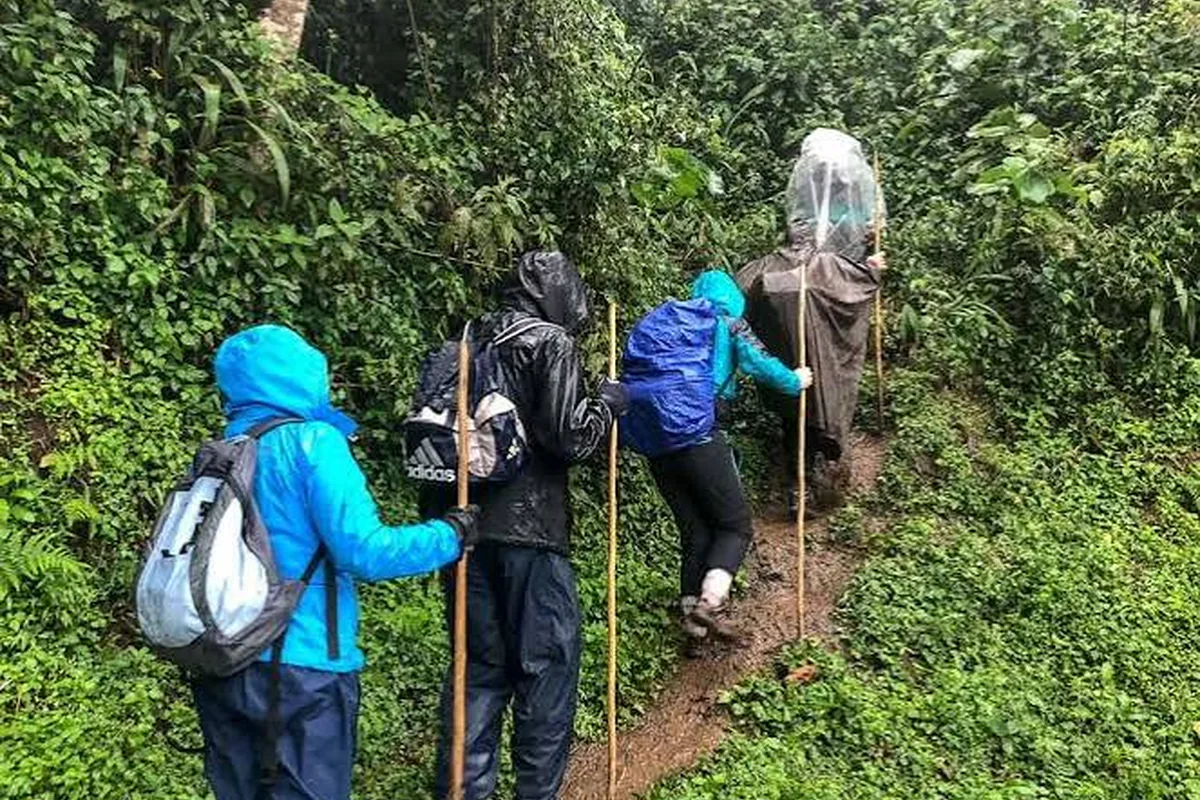
Trekkers carrying backpacks and using walking sticks navigate a narrow forest trail, demonstrating the importance of rain protection and comfortable hiking equipment.
8. Nine Essential Tips for Choosing a Gorilla Trekking Backpack
Use these nine tips as a decision checklist rather than a shopping scorecard. A single excellent feature cannot compensate for a pack that hurts your shoulders or shifts while walking. The best backpacks for gorilla trekking are reliable across several small details: sensible capacity, sturdy hardware, good organization and a secure fit. Consider which features matter most to your own body and equipment. The best backpacks for gorilla trekking should make each practical task easier, from finding water to protecting your camera during a sudden shower.
Tip 1: Start with the items you will actually carry
Write down your essential equipment before looking at bag sizes. Include water, a rain jacket, a snack, medication and any camera equipment. This prevents buying a pack that is too small or unnecessarily large. Remember that clothing worn on your body does not need to occupy backpack space unless you expect to remove it.
Tip 2: Test a loaded pack, not an empty one
A backpack can feel excellent when empty and uncomfortable after adding two bottles of water and a camera. Test it with your intended load. Walk uphill, bend carefully and adjust the straps. Pay attention to pressure on your shoulders and whether the bag swings when you turn.
Tip 3: Prioritize a secure fit
Look for adjustable shoulder straps and, ideally, a chest strap that helps keep the load steady. The bag should sit close to your back without restricting your movement. Excessively long dangling straps can catch on branches, so secure them before entering dense vegetation.
Tip 4: Protect valuables from rain
Do not rely solely on a label that says water-resistant. Put your phone, passport copy and camera accessories into sealed pouches where appropriate. A pack cover can provide useful extra protection, but an internal liner offers a second safeguard if rain enters through seams or openings.
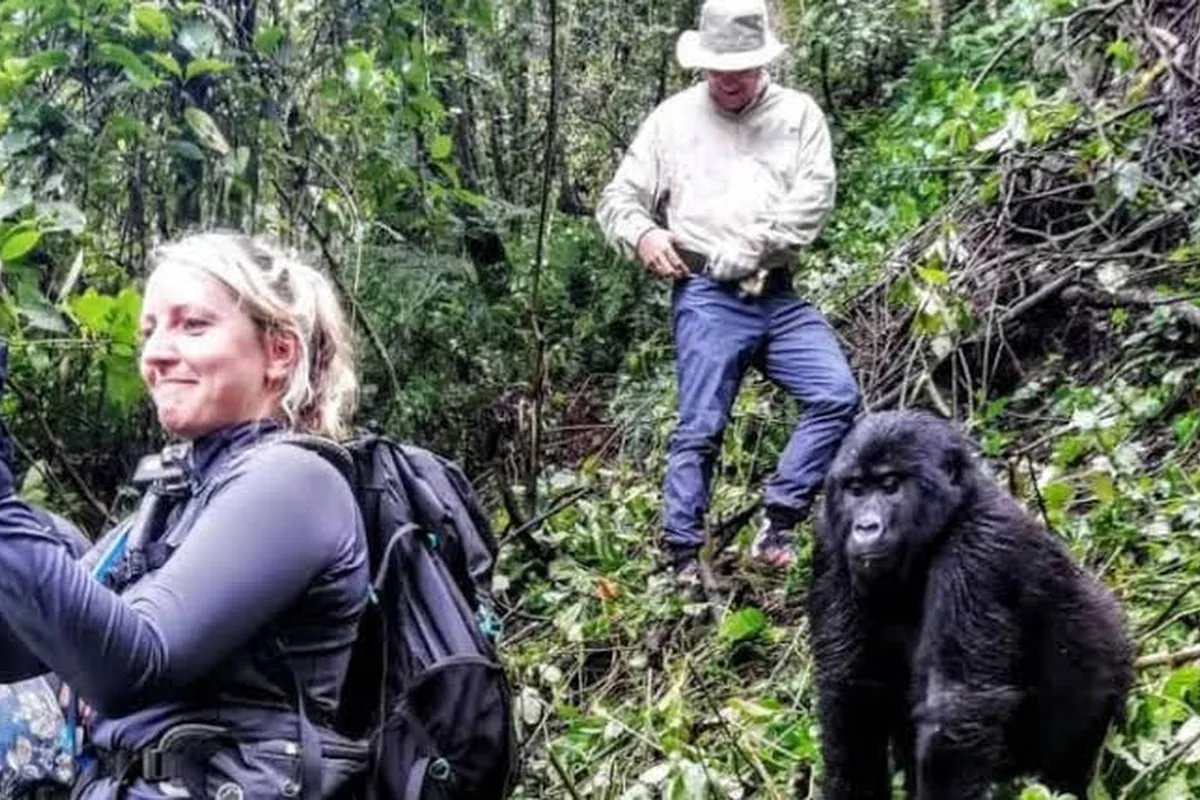
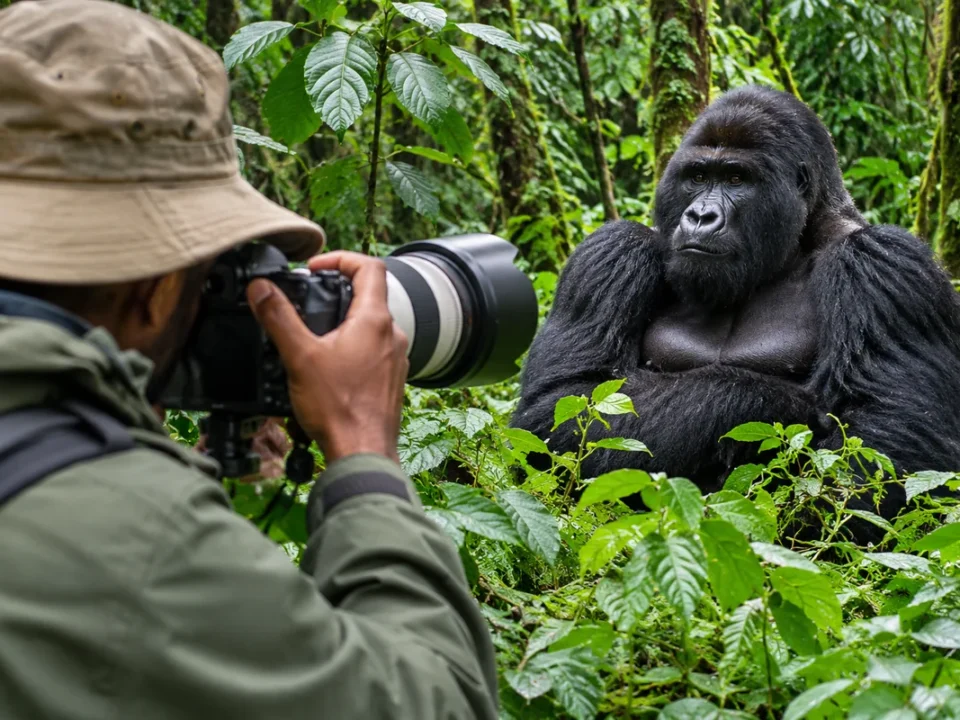
A visitor carrying a hiking backpack photographs a gorilla during a forest wildlife encounter, illustrating the importance of practical trekking equipment.
Tip 5: Keep water easy to access
Regular hydration is easier when your bottle or reservoir is convenient to use. Choose secure side pockets or a hydration-compatible design that suits your habits. Make sure the container cannot fall out when you lean forward. Follow any park guidance about carrying and consuming food and drink.
Tip 6: Inspect seams, zippers and buckles
Pull gently on straps and test each zipper before buying. Check the stitching where shoulder straps attach to the bag. Weak hardware can become frustrating during travel, especially in wet conditions. Reliable construction is more valuable than a long list of decorative features.
Tip 7: Use a sensible packing layout
Put heavier items near your back and frequently used items near the top or in secure outer pockets. Separate wet clothing from dry essentials. Avoid hanging bottles, shoes or loose accessories from the outside of the bag where they can snag vegetation.
Tip 8: Match the pack to your clothing
Try the backpack with your trekking shirt, rain jacket and any camera straps. Thick layers can change the fit, while slick rainwear may make shoulder straps move. Confirm that the pack does not restrict your arms or interfere with your walking stick.
Tip 9: Ask about trek logistics before departure
Check the general packing guidance provided by PrideMark Safaris and the current instructions from park authorities. Conditions and procedures can vary, so avoid relying on a generic online checklist alone. A short equipment review before travel helps you remove unnecessary weight and prepare for rain, mud and changing temperatures.
| Common mistake | Why it matters | Better approach |
|---|---|---|
| Buying by capacity alone | Fit and shape differ across brands | Test your complete packing list |
| Trusting a water-resistant label | Rain may enter at seams and zippers | Use a sealed internal liner |
| Carrying unnecessary gear | Extra weight increases fatigue | Pack only essentials |
| Leaving straps loose | Bag can bounce or snag | Adjust and secure straps |
| Ignoring a test walk | Problems appear on steep ground | Walk with a realistic load |
9. Practical Backpack Packing and Care Checklist
Packing the night before helps prevent hurried decisions on trekking morning. Lay out everything you expect to carry and ask whether each item serves a clear purpose. The best backpacks for gorilla trekking make it easy to separate frequently needed supplies from items that should remain dry and secure. Leave enough room to put away a rain layer if the weather improves. After the trek, clean and dry your bag promptly. Caring for the best backpacks for gorilla trekking properly can help preserve their usefulness for future hikes and safaris.
What to pack the evening before
Lay out the clothing you will wear, then pack the bag with water, suitable snacks, a waterproof layer, personal medication and essential small items. Charge electronics, protect them from moisture and check that spare batteries or memory cards are secure. Keep your bag organized so you can locate everything without emptying it in the forest.
What to check on trekking morning
Confirm the pack is comfortable over your chosen clothing. Tighten loose straps, close every pocket and ensure your water container is secure. Place rainwear within easy reach. Avoid carrying valuables that are not needed on the trail. Follow the ranger briefing and any instructions about belongings, food and wildlife viewing.
What to do after a wet trek
Remove all contents as soon as practical, wipe away mud and let the pack dry in a ventilated area away from excessive direct heat. Clean the fabric according to the manufacturer’s instructions. Inspect straps, zippers and rain covers before your next excursion. Store the bag fully dry to reduce the chance of odors or mildew.
A final packing perspective
A backpack is a supporting tool, not the main attraction of your safari. The goal is to arrive prepared, move comfortably and enjoy the forest experience responsibly. PrideMark Safaris can help travelers plan a suitable gorilla trekking itinerary and understand the practical preparations before arrival. Keep your kit simple, test it early and follow the guidance of your ranger team throughout the day.
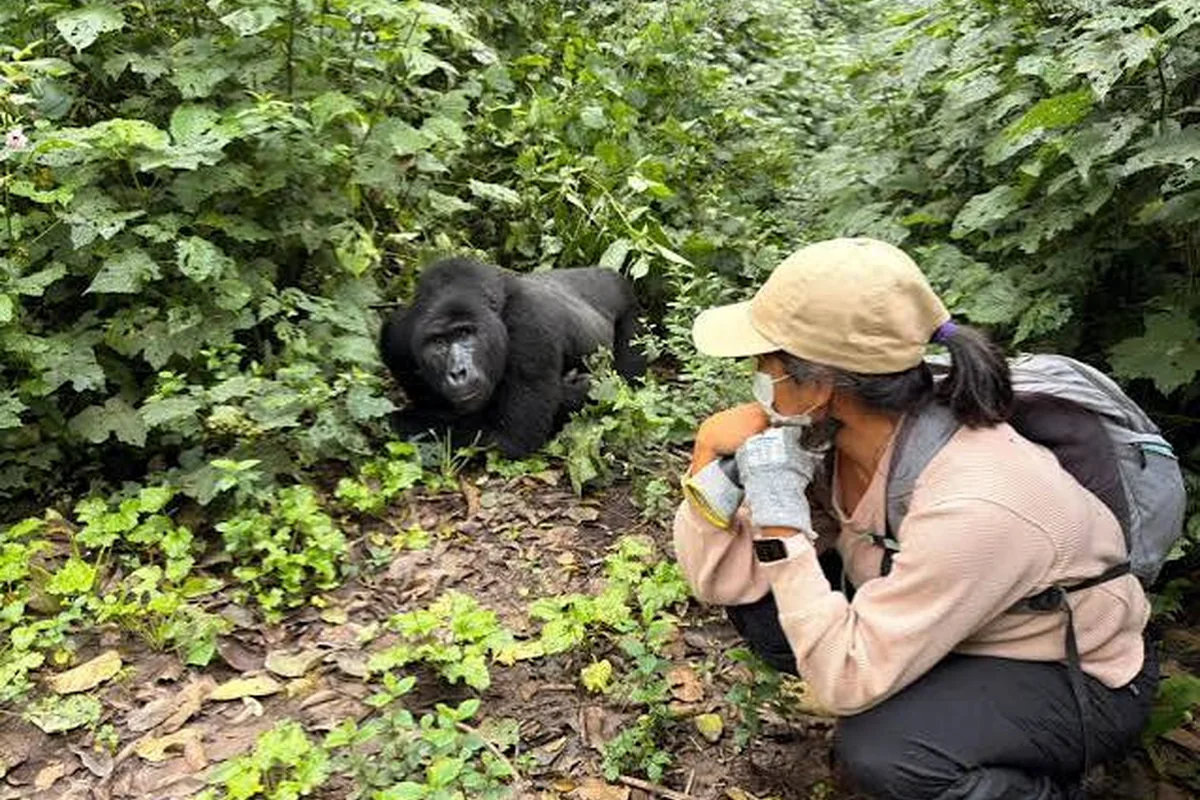
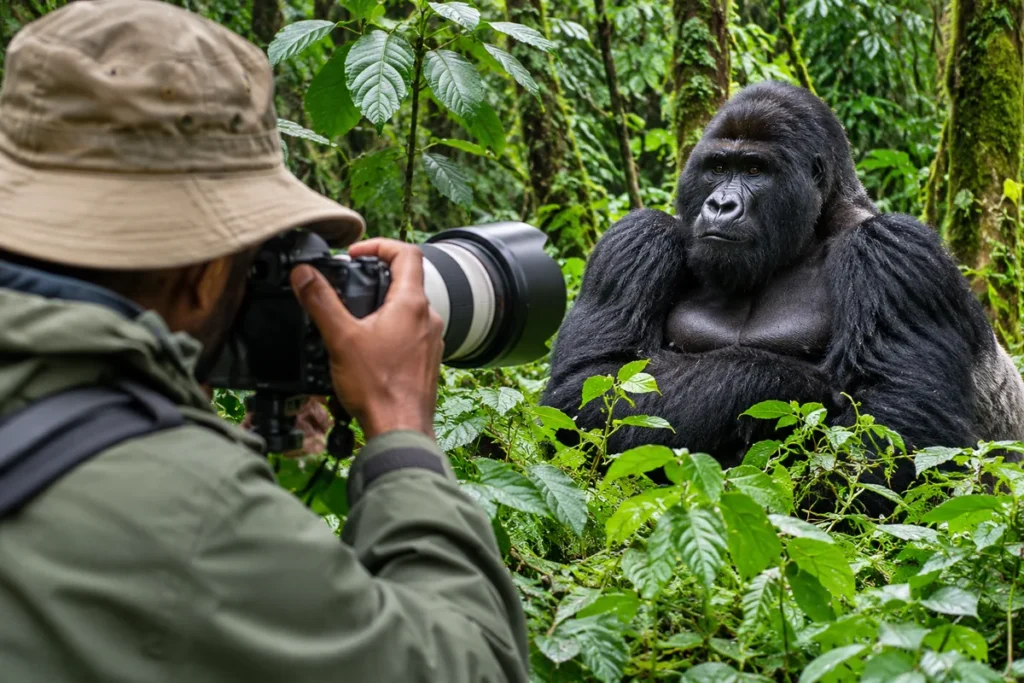
A visitor carrying a hiking backpack observes a gorilla among lush forest vegetation, illustrating the wildlife encounters that make gorilla trekking memorable.
Frequently Asked Questions About the Best Backpacks for Gorilla Trekking
What size backpack is best for gorilla trekking?
A compact daypack of around 15–25 liters works for many travelers, depending on clothing, water and camera needs. Twenty liters is a useful starting point rather than a universal rule. Test your actual kit inside the pack and check comfort while walking.
Is a 30-liter backpack too large?
Not necessarily. A 30-liter bag can work if you need extra layers or camera gear, but avoid filling it unnecessarily. Compression straps and a stable fit matter more than the printed capacity. For a light personal kit, a smaller daypack is often easier to carry.
Do I need a waterproof backpack?
You need reliable protection for the contents, but the entire bag does not have to be fully waterproof. A comfortable hiking pack with a rain cover and sealed internal pouches is a practical solution. Protect electronics and important items separately because rain can enter through openings and seams.
Can I use a normal school backpack?
Yes, if it is sturdy, comfortable when loaded and has adequate space. Many ordinary backpacks lack a chest strap or useful water pockets, so test yours on uneven ground first. Add an internal waterproof liner and keep the load modest.
Should I bring a hydration bladder or water bottles?
Either can work. Hydration reservoirs make sipping convenient but require careful cleaning and leak checks. Bottles are simple to refill and inspect, although they may be harder to reach. Choose whichever system you can use safely and comfortably.
What should I keep inside my daypack?
Common essentials include drinking water, a rain layer, suitable snacks, personal medication and protected electronics. A small pouch for valuables and a spare dry layer may also be useful. Adjust the list to the weather, personal needs and park guidance.
Can a porter carry my backpack?
Porter assistance may be available, subject to local arrangements. Ask your operator before the trek and confirm the procedure at the briefing. Even with assistance, plan how you will access essential medication and any items you may need promptly.
Are camera backpacks suitable for gorilla trekking?
They can be, but some camera bags are bulky or poorly ventilated. A comfortable hiking daypack with a padded camera insert may provide better carrying comfort. Keep equipment protected from rain and follow ranger directions during wildlife viewing.
Should I choose nylon or polyester?
Both materials can work well. Evaluate fabric construction, seams, reinforcement, zippers and the bag’s overall fit. Material labels alone cannot tell you whether a pack will be comfortable or withstand wet forest use.
Do I need a backpack rain cover?
A rain cover is useful in wet conditions, but it is not a complete substitute for internal waterproof protection. Rain may reach the bag from the back or through exposed openings. Carry a cover if your pack is not weatherproof and protect sensitive items in sealed pouches.
How heavy should my backpack be?
There is no single ideal weight for everyone. Carry only the essentials you need, distribute the load carefully and test it on a walk before departure. If the bag strains your shoulders or changes your balance, remove nonessential items or consider asking about porter assistance.
Where can I get help planning a gorilla trek?
You can contact PrideMark Safaris for help arranging a Uganda or Rwanda safari and discussing practical packing preparations. For current park rules, permits and ranger procedures, consult the Uganda Wildlife Authority and follow official guidance at the trekking briefing.
Plan Your Gorilla Trekking Safari with PrideMark Safaris
The best backpacks for gorilla trekking help you travel lighter, stay organized and protect the items you need during the forest walk. Choose a manageable size, check the fit with your actual equipment, prepare for wet weather and keep frequently used essentials accessible. Good preparation lets you focus on the extraordinary experience of exploring gorilla habitat with your ranger team.
Ready to organize your trip? PrideMark Safaris can help you plan a tailored gorilla trekking safari in Uganda or Rwanda, including suitable accommodation, transport and itinerary arrangements. Contact PrideMark Safaris to discuss your preferred travel dates and safari interests.
Gorilla trekking permits are subject to availability and should be arranged in advance. Follow the latest official park requirements and ranger instructions.