Can You Trek Gorillas Twice in a Day in Uganda?

Can You Go Gorilla Trekking Alone in Uganda?
October 19, 2026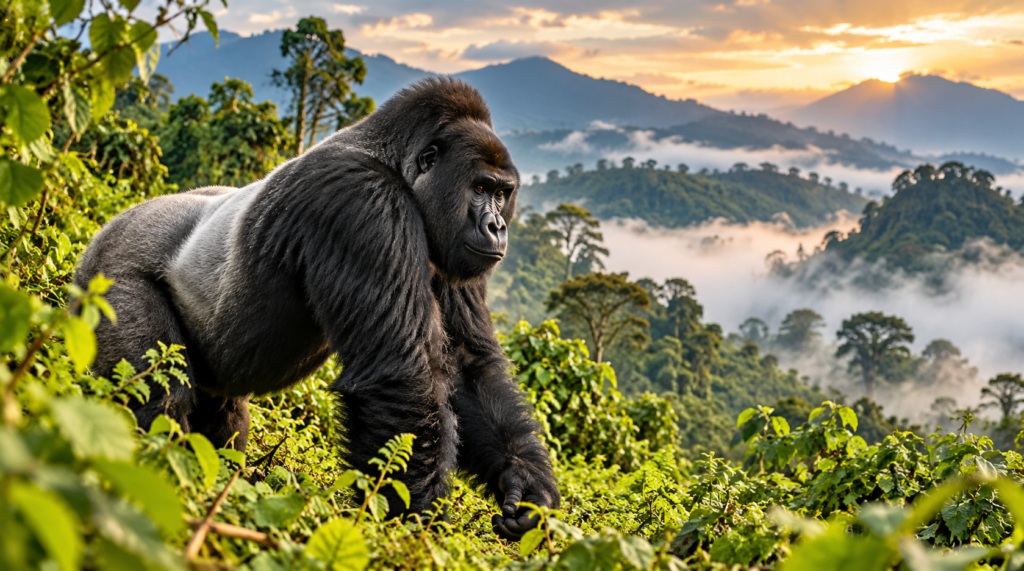

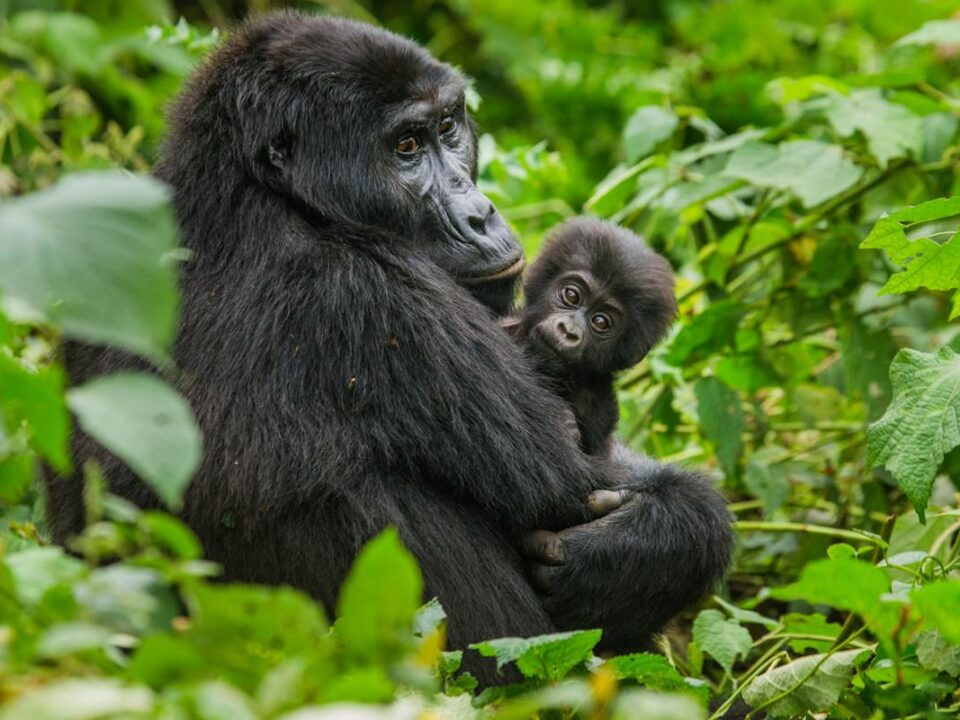
A majestic silverback mountain gorilla walks through lush rainforest vegetation, showcasing the strength and beauty of Uganda’s endangered mountain gorillas. Discover unforgettable gorilla trekking experiences in Bwindi Impenetrable National Park with PrideMark Safaris.
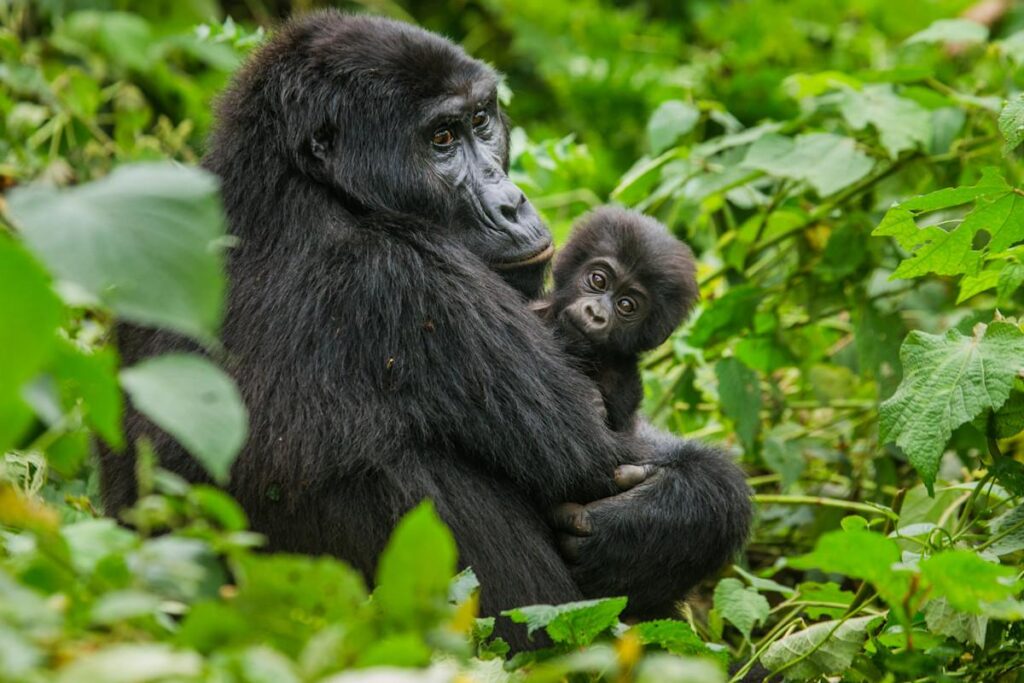
Can you trek gorillas twice a day in Uganda? This is one of the most frequently asked questions by travelers planning a mountain gorilla trekking safari in Bwindi Impenetrable National Park or Mgahinga Gorilla National Park. Many visitors dream of spending more time with endangered mountain gorillas, watching silverbacks protect their families, young gorillas play, and mothers care for their babies.
However, you cannot normally trek gorillas twice a day in Uganda, because standard gorilla trekking activities are organized around a single morning departure, with visitors allowed up to one hour observing a habituated gorilla family.
Fortunately, Uganda offers excellent alternatives for travelers seeking more time with mountain gorillas. You can book two separate gorilla trekking permits for consecutive days or participate in the special gorilla habituation experience, which allows up to four hours of observation.
In this comprehensive guide, PrideMark Safaris explains how gorilla trekking works, why two treks on the same day are not normally possible, and how to plan a safari that offers more meaningful time with these extraordinary primates.
Can You Trek Gorillas Twice a Day in Uganda? Understanding the Rules
Although many travelers would love to experience two gorilla treks in a single day, Uganda’s standard gorilla trekking program does not offer separate morning and afternoon trekking sessions.
Gorilla trekking normally begins early in the morning, and visitors are assigned a habituated gorilla family by park authorities. Each trekking permit allows one scheduled encounter with a maximum of one hour observing the gorillas.
Travelers interested in multiple gorilla encounters should consider booking separate trekking permits for consecutive days. Alternatively, Uganda’s gorilla habituation experience provides an opportunity to spend up to four hours observing a gorilla family undergoing habituation.
Understanding Gorilla Trekking in Uganda
Gorilla trekking is a guided wildlife activity that involves hiking through protected tropical forests to locate and observe a habituated mountain gorilla family.
Uganda offers gorilla trekking in two national parks:
-
Bwindi Impenetrable National Park: The country’s best-known gorilla trekking destination, with trekking organized across Buhoma, Ruhija, Rushaga, and Nkuringo sectors.
-
Mgahinga Gorilla National Park: A beautiful alternative in southwestern Uganda, characterized by bamboo forests and volcanic mountain scenery.
Both parks are managed by the Uganda Wildlife Authority (UWA), which regulates gorilla trekking permits, visitor numbers, ranger-guided activities, and conservation measures.
Gorilla trekking usually begins with a morning briefing at the designated park headquarters. During this briefing, visitors receive instructions about forest safety, gorilla behavior, trekking procedures, and conservation regulations.
Afterward, tourists are divided into small groups and assigned a gorilla family. Experienced ranger guides lead each group through the forest, sometimes assisted by trackers who have already located the gorillas.
The journey can involve walking through thick vegetation, crossing muddy trails, and climbing steep hillsides. Depending on the gorillas’ location and the terrain, the entire activity may take approximately two to seven hours.
Once the gorillas are located, visitors are allowed one hour of observation, after which they return to the starting point.
For official details, visit the Uganda Wildlife Authority’s gorilla tracking guide.
Can You Actually Trek Gorillas Twice in a Day?
Although the idea of trekking twice in one day sounds exciting, it is not part of the normal gorilla trekking arrangements in Uganda.
Standard gorilla trekking is organized around morning departures, and Uganda Wildlife Authority does not ordinarily operate a second afternoon gorilla trekking session.
This means that even when a visitor finishes their first trek early, there is usually no second scheduled trek available to join.
There are several reasons why trekking twice on the same day is not practical.
1. Gorilla Trekking Is Scheduled for the Morning
Gorilla trekking activities typically begin early in the morning, when visitors gather for a briefing before entering the forest.
The actual trekking time varies because mountain gorillas move freely within their natural habitat.
Some groups may locate their assigned gorilla family relatively quickly, while others spend several hours hiking before reaching the animals.
Since standard treks are organized around a morning departure, completing a second trek later that afternoon is not an established option.
2. The Trekking Duration Is Unpredictable
Unlike a traditional game drive, gorilla trekking does not follow a fixed route or guaranteed timetable.
Mountain gorillas move throughout the forest searching for food, resting areas, and suitable habitats.
A trek that takes two hours on one day could take significantly longer on another day.
Because of this unpredictability, arranging two separate gorilla trekking experiences within the same day would be extremely difficult.
3. Gorilla Conservation Regulations Must Be Respected
Mountain gorillas are endangered primates that require careful protection from excessive human disturbance.
Tourism activities are regulated to minimize stress, reduce the risk of disease transmission, and protect the gorillas’ natural behavior.
Limiting the duration of standard tourist encounters is one of the measures used to manage human interaction with gorilla families.
Visitors are also required to follow ranger instructions, maintain the prescribed viewing distance, avoid trekking when sick, and refrain from touching or feeding the animals.
These regulations help make gorilla tourism more sustainable.
4. Gorilla Trekking Permits Are Date- and Sector-Specific
A gorilla trekking permit authorizes participation in a scheduled gorilla trekking activity on a particular date and at a designated trekking entry point.
Visitors do not independently choose a gorilla family and enter the forest whenever they wish.
Instead, park authorities allocate visitors to gorilla groups during the organized trekking process.
Purchasing another permit would not automatically create an additional afternoon trekking session.
For further information, travelers can consult the official UWA gorilla and chimpanzee tracking guidelines.
Can You Trek Gorillas Twice on Different Days in Uganda?
Yes! Trekking gorillas twice on different days is possible and is one of the best ways to enjoy a more comprehensive gorilla safari in Uganda.
Travelers can arrange two separate gorilla trekking permits for consecutive days, subject to availability.
For example, you could trek gorillas in the Buhoma sector on your first day and enjoy another gorilla trekking experience in Ruhija or another suitable sector on the following day.
Alternatively, you could remain in the same sector for both days, depending on permit availability and your preferred accommodation.
Each trekking experience offers something different because gorilla families have unique social structures, personalities, and daily routines.
During your first trek, you might encounter a family resting beneath the forest canopy, while your second trek could reveal young gorillas playing, feeding, or interacting with their silverback.
Even if you visit the same gorilla family on different days, the encounter can be completely different.
Benefits of Trekking Gorillas Twice on Consecutive Days
Booking two gorilla trekking experiences provides several advantages.
More time observing mountain gorillas: Two standard trekking permits allow up to two separate hours of gorilla observation across two days.
Opportunities to see different gorilla families: Depending on the assignments made by park authorities, you may encounter different habituated gorilla groups.
Better wildlife photography opportunities: A second trek offers another chance to photograph mountain gorillas under different lighting, weather, and forest conditions.
A more immersive safari experience: Spending two days in gorilla habitat allows travelers to appreciate the rainforest ecosystem, local conservation efforts, and unique behavior of mountain gorillas.
Less pressure during the first encounter: Knowing you have another trekking opportunity can help you relax and enjoy the experience without feeling rushed.
At PrideMark Safaris, we can help travelers plan multi-day gorilla trekking safaris with suitable accommodation, transportation, and permit arrangements.
Gorilla Habituation Experience: The Best Alternative to Trekking Twice in One Day

Discover the magic of gorillas in the mist during an unforgettable Uganda gorilla trekking safari. Explore the breathtaking rainforests of Bwindi Impenetrable National Park and experience close encounters with endangered mountain gorillas with PrideMark Safaris.
For travelers who want to spend considerably more time observing mountain gorillas during a single day, Uganda offers a special activity known as the Gorilla Habituation Experience.
Unlike standard gorilla trekking, which allows one hour of observation, the gorilla habituation experience provides up to four hours with a gorilla family undergoing habituation.
Gorilla habituation is the gradual process through which researchers and experienced trackers help wild mountain gorillas become accustomed to the presence of humans.
The process takes considerable time and involves repeated, carefully managed visits by trained conservation teams.
During the habituation experience, visitors accompany authorized guides and researchers into the forest to observe gorillas that are still becoming familiar with human presence.
Where Does Gorilla Habituation Take Place?
The gorilla habituation experience is offered in Rushaga, in the southern part of Bwindi Impenetrable National Park, subject to current park arrangements.
This region is particularly attractive for gorilla enthusiasts because it combines beautiful mountain scenery with access to both standard trekking and habituation activities.
What Makes Gorilla Habituation Special?
During the extended observation period, visitors may witness behaviors that are difficult to observe during a standard one-hour trek.
These may include feeding patterns, family communication, social grooming, interactions between silverbacks and younger gorillas, and periods of rest.
The experience is especially appealing to wildlife photographers, primate researchers, documentary enthusiasts, and travelers who want a deeper understanding of mountain gorilla behavior.
However, gorilla habituation is not simply four standard trekking sessions combined. It is a distinct conservation-based activity with its own permits, visitor limits, and procedures.
Gorilla Trekking vs. Gorilla Habituation Experience
| Feature | Standard Gorilla Trekking | Gorilla Habituation |
|---|---|---|
| Time Observing Gorillas | Up to 1 hour | Up to 4 hours |
| Location | Bwindi and Mgahinga | Bwindi, designated sectors |
| Gorilla Families | Fully habituated | Undergoing habituation |
| Main Focus | Wildlife observation | Extended observation and habituation |
| Permit Required | Yes | Yes |
| Physical Demands | Moderate to challenging | Often more demanding |
Both activities provide unforgettable opportunities to observe mountain gorillas, but the habituation experience is particularly suitable for travelers seeking a longer encounter.
How Much Does It Cost to Trek Gorillas Twice in Uganda?
The cost of trekking gorillas twice depends on the number of permits purchased, the visitor’s residency category, and the current Uganda Wildlife Authority tariff.
For example, using the standard foreign non-resident gorilla trekking permit rate of US$800 per person, two separate treks would cost:
One trekking permit
$800
Two trekking permits
$1,600
Illustrative permit costs per foreign non-resident, excluding accommodation, transport, guiding, porter services, and other safari expenses. Confirm the applicable tariff for your travel dates.
Gorilla habituation permits are priced separately and generally cost more than standard trekking permits.
Permit rates may change, and special rates can apply to foreign residents, African citizens, and East African Community citizens.
PrideMark Safaris can assist with checking the applicable permit prices and building a safari package around your travel budget.
Can You Trek Gorillas in Bwindi and Mgahinga on the Same Day?
Some travelers wonder whether they can trek gorillas in Bwindi Impenetrable National Park in the morning and then travel to Mgahinga Gorilla National Park for another trek later that day.
Although the two parks are located in southwestern Uganda, this arrangement is not feasible under normal trekking schedules.
Both destinations organize their standard gorilla trekking activities in the morning.
Furthermore, traveling between the parks takes time, particularly when departing from different trekking sectors within Bwindi.
Road conditions, mountainous terrain, and the unpredictable duration of the first trek make same-day double trekking impractical.
For travelers interested in visiting both parks, we recommend allocating at least two trekking days, with sufficient travel time between destinations.
This arrangement also offers the opportunity to explore the scenic landscapes of southwestern Uganda.
What Is the Best Itinerary for Trekking Gorillas Twice in Uganda?
For travelers interested in experiencing gorilla trekking twice, a four-day Uganda gorilla safari is a practical option.
This itinerary provides sufficient time to travel to Bwindi Impenetrable National Park, complete two separate gorilla treks, and return comfortably.
Day 1: Transfer to Bwindi Impenetrable National Park
Begin your journey from Entebbe or Kampala toward southwestern Uganda. Enjoy views of rolling hills, rural communities, and beautiful countryside before arriving at your lodge near the designated trekking sector.
Day 2: First Gorilla Trekking Experience
After breakfast, transfer to the park headquarters for your morning briefing. Enter the forest with professional ranger guides and enjoy up to one hour observing a habituated gorilla family. Return to your lodge for relaxation.

Two playful mountain gorillas interact in their natural rainforest habitat, showcasing the fascinating social behavior visitors can witness during a gorilla trekking safari in Uganda. Discover unforgettable gorilla encounters with PrideMark Safaris.
Day 3: Second Gorilla Trekking Experience
Return to the forest for another gorilla encounter. Depending on park allocations, you may visit a different gorilla family and observe new behaviors. Spend the afternoon relaxing or enjoying an optional cultural activity.
Day 4: Return to Entebbe or Kampala
After breakfast, begin your return journey, enjoying scenic stops along the way. Alternatively, extend your safari to Lake Bunyonyi, Queen Elizabeth National Park, or another Ugandan destination.
This itinerary can be customized depending on your arrival point, budget, preferred accommodation, and available trekking permits.
Explore more safari options on the PrideMark Safaris official website.
What Is the Best Time to Trek Gorillas Twice in Uganda?
Gorilla trekking in Uganda is available throughout the year, making it possible to plan a safari during different seasons.
However, weather conditions can influence trekking comfort, forest accessibility, and photography opportunities.
Dry Seasons: June to September and December to February
These months are generally considered favorable for gorilla trekking because rainfall is often lower and forest trails may be less muddy.
The drier conditions can make walking through steep forest terrain more comfortable, although rain is still possible at any time.
These periods are popular among international travelers, so gorilla trekking permits and accommodation can become limited.
Booking well in advance is recommended, particularly when planning two separate treks.
Rainier Seasons: March to May and October to November
During the rainier months, Bwindi’s rainforest becomes especially lush and green.
Although trails may be slippery and trekking conditions more challenging, the forest scenery can be spectacular.
Travelers visiting during these periods may also encounter fewer tourists, depending on the specific travel dates.
For visitors planning two treks, choosing comfortable accommodation near the trekking headquarters is especially important.
Important Tips for Planning Two Gorilla Treks in Uganda
To make the most of your double gorilla trekking safari, consider the following recommendations.
1. Book your permits early. Each trekking day requires its own permit. Secure both dates before finalizing accommodation and transport.
2. Choose suitable trekking sectors. Bwindi has four main trekking sectors, and transfers between them can be time-consuming. Staying in one sector for both treks can simplify logistics.
3. Prepare physically. Gorilla trekking may involve steep slopes, uneven terrain, and several hours of walking. Moderate physical preparation before your safari can make the experience more enjoyable.
4. Pack appropriate trekking equipment. Carry waterproof hiking boots, long trousers, a rain jacket, gardening gloves, insect repellent, drinking water, and a small backpack.
5. Consider hiring a porter. Local porters can assist with carrying bags and navigating challenging sections of the forest while providing valuable income to surrounding communities.
6. Follow gorilla trekking regulations. Listen carefully to ranger instructions, respect the required viewing distance, and avoid trekking when you have symptoms of a contagious illness.
7. Work with an experienced local safari operator. A knowledgeable tour company can coordinate permits, accommodation, transport, and other details to ensure your itinerary runs smoothly.
Why Book Your Gorilla Trekking Safari with PrideMark Safaris?

Experience an unforgettable gorilla trekking adventure in Uganda’s Bwindi Impenetrable National Park, where expert local guides lead visitors through lush tropical rainforests in search of endangered mountain gorillas. Explore Uganda with PrideMark Safaris.
Planning a successful gorilla trekking safari requires more than simply purchasing a permit. Travelers must consider trekking sectors, accommodation locations, transport arrangements, park regulations, and suitable travel dates.
At PrideMark Safaris, we specialize in organizing personalized Uganda and Rwanda safari experiences that allow travelers to explore East Africa’s remarkable wildlife and landscapes.
Based in Kabale, southwestern Uganda, we are conveniently positioned near Uganda’s famous mountain gorilla trekking destinations.
Whether you want to trek gorillas once, arrange two trekking days, or participate in the extended gorilla habituation experience, our team can help you design a safari that matches your interests, budget, and available time.
Our services include gorilla permit arrangements, private safari transportation, accommodation bookings, customized itineraries, and professional local guiding.
We offer budget-friendly, mid-range, and luxury safari options for individuals, couples, families, photographers, and small groups.
With PrideMark Safaris, your gorilla trekking adventure becomes more than a wildlife encounter. It is an opportunity to discover Uganda’s natural beauty, appreciate mountain gorilla conservation, and experience the hospitality of local communities.
Frequently Asked Questions About Trekking Gorillas Twice in Uganda
Can I use one gorilla trekking permit twice in Uganda?
No. A standard gorilla trekking permit covers one scheduled trekking experience on the specified date. Visitors planning two separate treks must purchase two permits.
Can I trek gorillas in the morning and again in the afternoon?
No. Standard gorilla trekking in Uganda is organized around morning departures, and a second afternoon trekking session is not ordinarily offered.
Can I visit two different gorilla families on consecutive days?
Yes, it is possible to encounter different gorilla families on separate trekking days. However, the specific gorilla family assignment is determined by park authorities and cannot be guaranteed.
Can I spend more than one hour with mountain gorillas?
Yes. Uganda’s gorilla habituation experience allows up to four hours with a gorilla family undergoing habituation. This is a separate activity requiring a special permit.
Is gorilla trekking twice worth the extra cost?
For wildlife photographers, primate enthusiasts, and travelers seeking a deeper gorilla trekking experience, two separate treks can be worthwhile. They provide additional opportunities to observe gorilla behavior and appreciate the rainforest environment.
Can beginners trek gorillas twice?
Yes. First-time trekkers can participate in two separate gorilla trekking experiences, provided they meet park requirements and are physically prepared. Treks vary in difficulty, and travelers should discuss mobility or fitness concerns with their safari operator.
What is the minimum age for gorilla trekking in Uganda?
The standard minimum age is 15 years. Travelers should confirm current eligibility requirements when booking.
How many days do I need for two gorilla treks in Uganda?
A four-day itinerary from Kampala or Entebbe is a practical choice. A longer safari allows additional time for relaxation, wildlife viewing, and exploring other destinations.
Final Thoughts: Can You Trek Gorillas Twice in One Day in Uganda?
While trekking gorillas twice in one day is not possible under Uganda’s normal gorilla trekking arrangements, visitors have excellent alternatives for enjoying more time with these endangered primates.
Booking two gorilla trekking permits for consecutive days allows you to experience two separate forest adventures, potentially encounter different gorilla families, and enjoy additional wildlife photography opportunities.
Alternatively, the gorilla habituation experience offers up to four hours of observation during one carefully managed forest excursion.
Whichever option you choose, Uganda remains one of Africa’s most extraordinary destinations for mountain gorilla encounters.
With proper planning, suitable permits, and experienced local guides, your gorilla trekking safari can become an unforgettable journey into the heart of Africa’s tropical rainforests.
Plan Your Gorilla Trekking Adventure with PrideMark Safaris
Are you dreaming of spending more time with mountain gorillas in Uganda?
Let PrideMark Safaris help you plan an unforgettable gorilla trekking safari in Bwindi Impenetrable National Park or Mgahinga Gorilla National Park.
Whether you prefer a single trek, two consecutive trekking days, or the extended gorilla habituation experience, we can help arrange a personalized adventure that suits your travel plans.

Experience the magic of mountain gorilla trekking in Uganda’s Bwindi Impenetrable National Park, where visitors can encounter endangered gorillas in their natural rainforest habitat with PrideMark Safaris.
PrideMark Safaris
Discover East Africa. Experience the Extraordinary. Travel with Purpose.
Kabale, Uganda
Explore Our Gorilla Safaris
info@pridemarksafaris.com