
PRIDEMARK SAFARIS · EXPLORE • ENCOUNTER • CONSERVE
Duration Of A Uganda Safari
A comprehensive beginner’s guide to planning 3, 5, 7, 10 or 14 days in Uganda, including gorilla trekking, wildlife, travel times and sample routes.
How many days do you need for a Uganda safari? Seven to ten days is a practical starting point for many first-time visitors who want to combine gorilla trekking, chimpanzees and savannah wildlife. Three to six days can suit a focused trip, while eleven to fourteen days offer a slower pace and more destinations. The right choice depends on your interests, permits, flights and budget.
Uganda Safari Duration Comparison
| Duration | Best fit | Planning advice |
|---|---|---|
| 3–4 days | One highlight | Limit transfers |
| 5–6 days | Two experiences | Stay within a practical region |
| 7 days | Classic first safari | Prioritize key wildlife |
| 8–10 days | Primates and game drives | Allow rest and variety |
| 11–14 days | Deeper exploration | Add regions selectively |
Choosing the right safari duration
A first safari in Uganda can include rainforest primates, open savannah wildlife, river cruises, scenic lakes and community experiences. These attractions are spread across several regions, so the length of your trip matters just as much as the list of destinations. A carefully paced itinerary creates space for wildlife encounters instead of filling every day with transfers.
Begin with your main goal. Some visitors dream of meeting mountain gorillas, while others prioritize chimpanzees, elephants, lions, giraffes or birdlife. Your available leave, arrival flight, preferred accommodation and travel budget should shape the route. There is no single perfect number of days for everyone.
Ask your safari planner to distinguish full activity days from arrival, departure and road-transfer days. Seven calendar days do not necessarily mean seven days inside national parks. Understanding this difference prevents disappointment and helps you choose a route that delivers the experiences you value most.
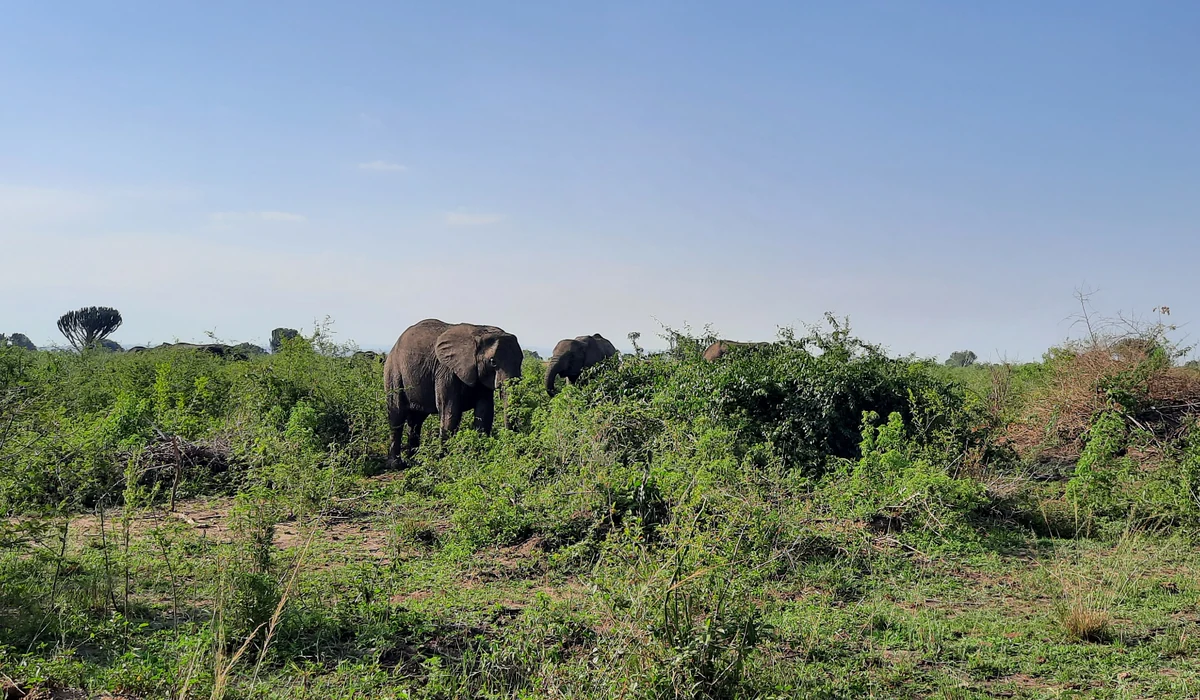
Three days in Uganda
Three days can deliver a rewarding introduction when you choose one accessible region and keep expectations realistic. Lake Mburo is one possible focus for visitors already in the country, while other short trips may be built around a specific wildlife experience. The best option depends on where you start and the time you have available.
A short safari should have one headline activity and enough time to enjoy it. Avoid combining distant parks simply because they appear together on a map. Road conditions, traffic and the time required for park entry can make a rushed itinerary uncomfortable. Shorter travel distances often produce a better holiday.
For international visitors, arrival and departure schedules are particularly important. A late flight into Entebbe may make an overnight stay sensible before beginning a longer journey. When time is limited, tell Pridemark Safaris your non-negotiable activity first and ask for the most practical route around it.
Four days for a focused adventure
Four days provide slightly more flexibility than a weekend trip, but they still work best with one main destination. A carefully planned wildlife park stay might include a game drive and another activity, while a gorilla-focused itinerary needs to account for reaching the correct trekking sector before the permit date.
Travelers considering gorilla trekking should understand that the forest experience begins with an early briefing and can involve several hours on uneven ground. The animals move naturally, so trekking duration varies. Arriving near your assigned sector the previous day is usually more comfortable than attempting a very early long-distance transfer.
A fourth day can be used for a relaxed return journey or an extra activity instead of another destination. That choice is especially useful for travelers who prefer photography, scenic stops or comfortable lodge time. Good safari planning is about the quality of each day rather than how many park names fit on the schedule.
Five to six days in Uganda
Five or six days are suitable for visitors who want two complementary experiences without attempting a countrywide circuit. A western route might combine savannah wildlife with gorilla trekking, while another itinerary could focus on a river-based wildlife park and a forest area. The exact pairing should follow realistic driving connections.
The extra night in a six-day itinerary often makes a meaningful difference. It may allow a second game drive, a scheduled boat excursion or an easier transfer after a demanding trek. For first-time travelers, this flexibility can be more valuable than adding another distant attraction.
Ask which activities are actually included in the quotation. Some safari descriptions mention a park without allowing time for a full game drive. Check the overnight locations, permit dates, estimated transfers and whether optional activities cost extra. This comparison helps you assess the real value of the itinerary.
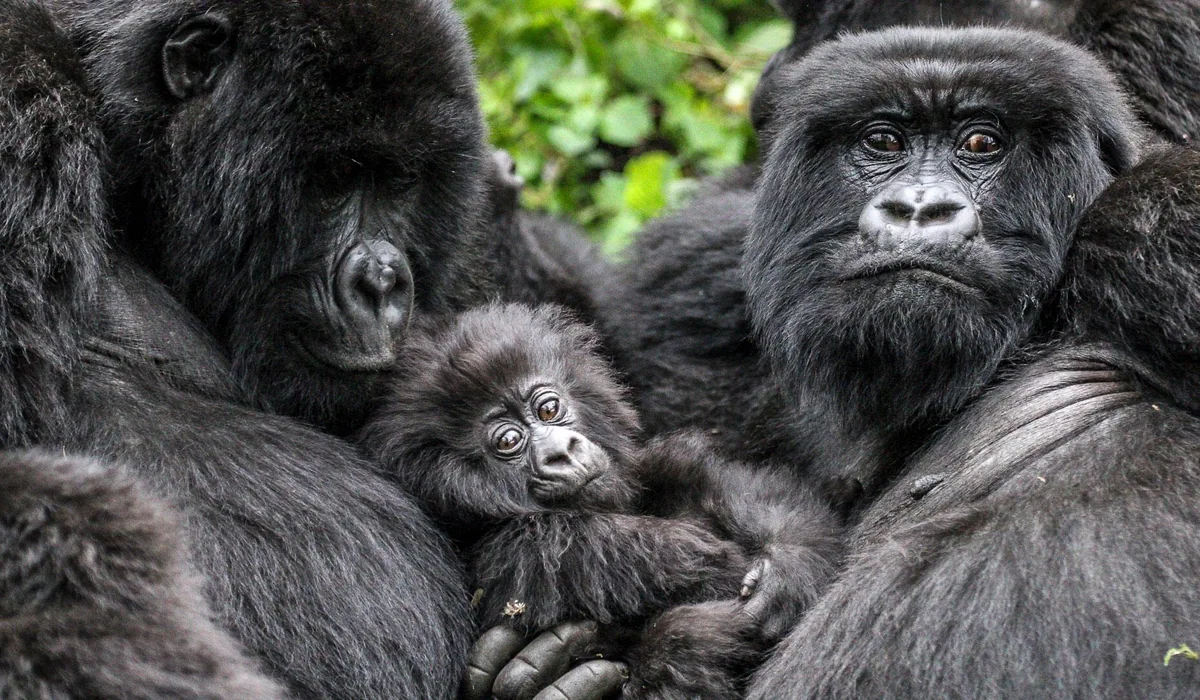
Seven days: a classic first safari
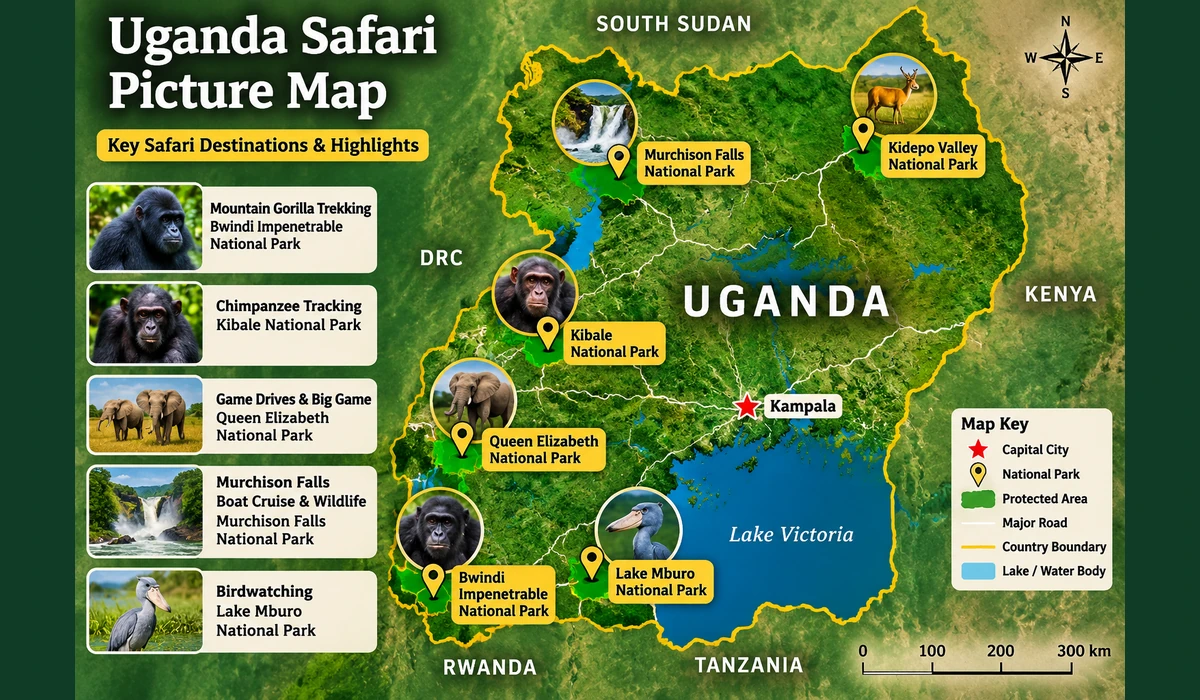
Seven days offer a useful framework for visitors who want several of Uganda’s signature wildlife experiences. A western itinerary may connect the Kibale region, Queen Elizabeth National Park and Bwindi, provided the final route is arranged around permits and travel times. Another seven-day option could emphasize gorillas and scenic lakes.
The biggest decision is what to leave out. Adding remote destinations to a one-week route may mean spending too many hours in the vehicle. Focus on two or three geographic areas and allow sufficient time for wildlife viewing. The strongest itineraries include an achievable balance of forest trekking, savannah encounters and rest.
If you are choosing between two seven-day proposals, compare the number of nights at each park and the activities on offer. One route may provide a full day of game viewing, while another offers only a short drive before departure. The total number of days alone does not tell the whole story.
Eight to ten days: the comfortable option
For many first-time visitors, eight to ten days strike a comfortable balance between variety and pace. This duration can support gorilla trekking, chimpanzee tracking, wildlife game drives and a boat excursion without forcing every transfer into the shortest possible window. It also leaves room for a quiet afternoon or scenic detour.
Additional time can improve the experience of each destination. Two nights near a wildlife park may allow different game drives and changing light for photography. An extra evening near the forest can make the day before gorilla trekking more relaxed. These are meaningful benefits rather than empty days.
An itinerary of this length is especially attractive to couples, photographers and travelers who want time to appreciate their accommodation. Discuss your energy level and preferred style with Pridemark Safaris. A well-designed ten-day trip should feel varied, not like a continuous race between parks.
Eleven to fourteen days: explore further
An eleven- to fourteen-day safari creates opportunities to visit more regions or spend longer in favorite places. Depending on your interests, you may add Murchison Falls to a western circuit, extend your stay for birdwatching or explore quieter landscapes. Remote destinations such as Kidepo require additional logistical consideration.
Longer itineraries work particularly well when you prefer unhurried wildlife viewing. Animals are wild and sightings cannot be guaranteed, so multiple game drives can offer more opportunities. Longer stays also make room for cultural visits, scenic walks and time to talk with experienced local guides.
Even with two weeks available, resist adding destinations only to fill the calendar. Some of the most rewarding safari moments happen when you are not rushing: watching animals interact, listening to birds at dawn or enjoying the changing landscape. Let your interests determine the pace.
How much time gorilla trekking needs
Gorilla trekking is a major reason visitors travel to Uganda and often determines the rest of the itinerary. Treks take place in forested mountain terrain, with early briefings and routes that vary according to where the gorillas are located. The experience is memorable but can be physically demanding.
Bwindi has several trekking sectors, and your accommodation needs to match the sector assigned to your permit. Mgahinga offers another gorilla trekking destination with different access considerations. Permits should be confirmed before a fixed itinerary is finalized because availability is limited.
Allow a night near the trekking start point and avoid scheduling a distant activity immediately afterward. Some visitors prefer an additional recovery evening, especially after a strenuous trek. If you want to trek twice, you will need extra time and another permit, subject to availability.
Chimpanzee tracking and forest activities
Chimpanzee tracking brings a different perspective on Uganda’s primates. Kibale National Park is a prominent destination, while other forest areas offer experiences under different arrangements. Briefing times, permit conditions and travel logistics should be checked when building the route.
A chimpanzee experience cannot simply be squeezed into a spare hour between long drives. Allow time for the briefing, the walk through the forest and travel to or from your lodge. The terrain may be muddy or uneven, especially after rain, so practical clothing and comfortable footwear matter.
Combining chimpanzees with gorillas is possible on a thoughtfully designed itinerary, but it adds a second major trekking activity and additional travel. Seven days may work for a focused route, while eight to ten days often allow a more comfortable combination with savannah wildlife.
Game drives and boat safaris
Game drives are most rewarding when you have enough time to explore rather than pass quickly through a park. Morning and late-afternoon outings may offer different light and animal activity. Queen Elizabeth and Murchison Falls are well known for wildlife experiences, but every sighting remains unpredictable.
Boat excursions can complement road-based viewing by revealing wildlife and scenery from the water. They usually operate to scheduled departures and depend on local conditions. A good itinerary allows time to reach the departure point without rushing from another activity.
When reviewing a proposal, count actual viewing opportunities rather than only destinations. Two nights in a park may support several activities, while a one-night stop can be dominated by arrival and departure. That difference is central to deciding how many days you need.
Road transfers and domestic flights
Uganda’s landscapes make road travel interesting, but distances can be substantial. Mountain roads, traffic, weather and stops can affect journey times. A route that looks short on a map may require most of a day once real travel conditions are considered.
Domestic flights may shorten selected transfers, especially to remote safari regions, but they introduce flight schedules, baggage restrictions and additional road connections. Ask for the full door-to-door journey time before deciding whether flying is worthwhile.
Arrival and departure flights should anchor your schedule. If you land late in Entebbe, a nearby overnight stay may be sensible. If your international departure is early, do not assume you can complete a long road transfer that morning. Realistic timing makes the whole trip safer and calmer.
Safari duration and budget
Each additional day can increase accommodation, vehicle, guiding and meal costs, yet a longer itinerary is not always poor value. A rushed short safari with expensive transfers may offer fewer meaningful experiences than a slightly longer route with a better geographic flow.
Gorilla and chimpanzee permits can form a substantial part of the budget. Rates, eligibility and availability can change, so request a dated quotation that separates permits, park fees, accommodation, transport and optional activities. Compare inclusions before comparing total prices.
If your budget is fixed, prioritize the experiences you care about most. A focused six-day safari with a confirmed gorilla permit may be more satisfying than a longer itinerary that misses your main goal. Ask Pridemark Safaris to present two durations at a similar accommodation level.
Weather and the best time to travel
Uganda is a year-round destination, although rainfall can influence trail conditions and driving comfort. Drier periods may make some forest paths easier, while wetter periods bring green scenery and changing conditions. Weather varies across regions and from year to year.
During busy travel periods, popular accommodation and trekking permits may fill early. A short itinerary offers less flexibility if your preferred activity date is unavailable. Booking ahead is especially important when a specific gorilla trek is the centerpiece of the journey.
Build a little flexibility into the schedule if you dislike long drives in uncertain weather. An extra night can be helpful, but it is not a guarantee against delays. Choose travel dates based on your priorities and confirm current conditions before departure.
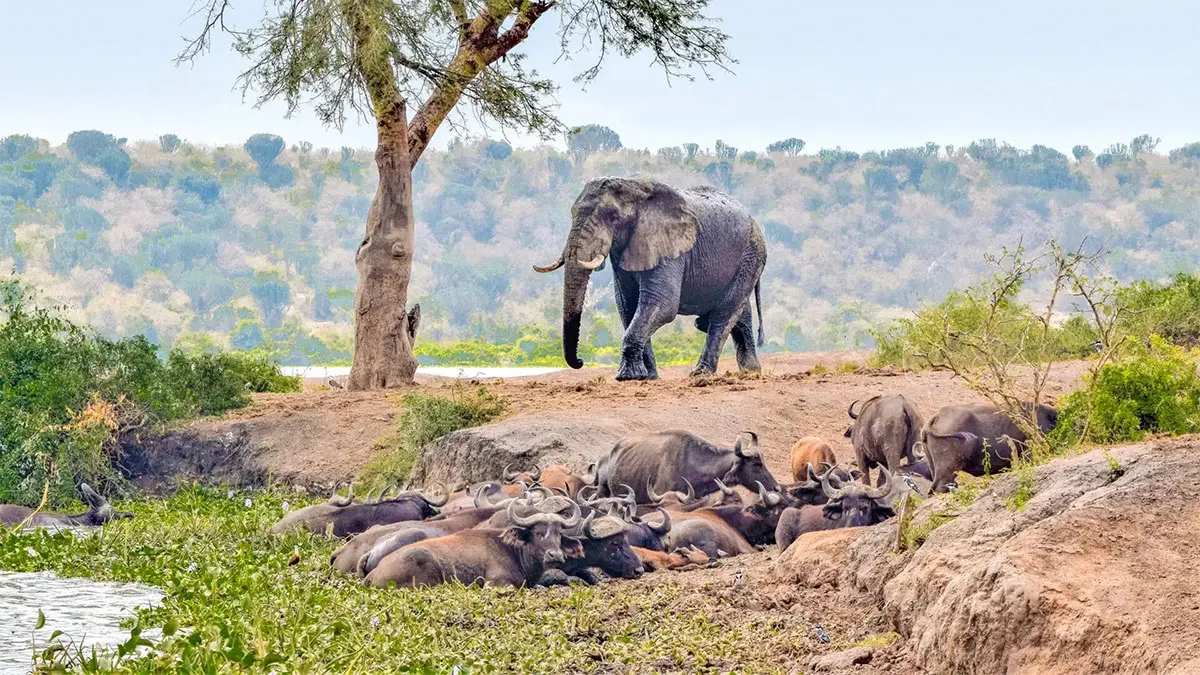
Families, seniors and travel pace
Different travelers enjoy different levels of activity. Families may prefer shorter transfers and time for meals and rest. Minimum ages apply to some primate activities, so verify current rules before promising a trekking experience to children.
Older travelers and guests with mobility concerns should discuss terrain, walking distances and vehicle comfort with their operator. Age alone does not determine trekking suitability; fitness, health and personal comfort are more relevant. Some activities may have limitations that need to be understood in advance.
Couples may enjoy extra time at scenic lodges, while solo travelers might prefer a busier schedule with several guided activities. The best safari duration reflects the people traveling, not just the destinations. A personalized route can balance ambition with comfort.
Common mistakes to avoid
A common mistake is counting travel days as full sightseeing days. Another is assuming that a tour with more national parks is automatically better. Long transfers can leave little time for wildlife viewing and make even beautiful destinations feel rushed.
Travelers sometimes book accommodation before securing the right gorilla permit or underestimate the recovery time needed after trekking. Others overlook what is excluded from a quotation, such as park fees, boat activities or airport transfers. These details can affect both the schedule and budget.
Read every day of the proposed itinerary carefully. Ask when you leave, when you arrive, which activities are confirmed and what alternatives exist if plans change. A transparent itinerary is more valuable than an impressive but unrealistic list of attractions.
Planning with Pridemark Safaris
Start your safari inquiry by sharing your dates, group size, approximate budget and three most important experiences. Mention whether you prefer road travel, domestic flights, comfortable lodges or a more adventurous pace. These details help shape a route that suits your priorities.
A personalized proposal should explain overnight stops, transfer expectations, included activities and permit arrangements. If two itineraries have different lengths, ask exactly what the additional days provide. They might offer a second game drive, a rest day or access to another region.
Pridemark Safaris can help you compare a compact route with a more relaxed alternative. The final itinerary should be confirmed against actual permits, accommodation and transport availability. Choose the duration that leaves you excited about the journey rather than exhausted by the schedule.
Suggested Uganda Safari Routes
4-day focused safari
Choose one park or one headline experience, schedule your main activity on the middle days and reserve realistic time for arrival and departure. This is an excellent approach for visitors who have limited leave or are combining Uganda with another trip.
6-day gorilla and wildlife safari
Build a route around one savannah destination and the gorilla trekking region, subject to permit availability. Plan a night before the trek and avoid excessive transfers. A sixth day can provide valuable breathing room.
7-day classic Uganda safari
Consider a focused western circuit involving chimpanzee tracking, Queen Elizabeth wildlife and gorilla trekking where practical. The exact day-by-day sequence must follow permits, accommodation and travel conditions.
10-day comfortable safari
Allow additional nights around Kibale, Queen Elizabeth and Bwindi, with a suitable arrival and departure plan. This can create time for more than one game drive, a boat excursion and a relaxed evening after trekking.
14-day extended Uganda safari
Explore more regions or spend longer in key destinations, potentially adding Murchison Falls or another northern highlight if the travel logistics work. Keep the pace balanced and avoid filling every spare day with a long transfer.
Explore Related Pridemark Safaris Guides
Gorilla Trekking in Uganda →
7-Day Uganda Safari Itinerary →
Best Time for a Uganda Safari →
Uganda Safari Packing List →
Chimpanzee Tracking in Uganda →
Uganda Safari Travel Requirements →
Verify internal page permalinks before publishing. For official park information and current activity rules, visit Uganda Wildlife Authority.
Frequently Asked Questions
Is seven days enough for a Uganda safari?
Yes, for a focused first-time route. Prioritize a few regions and allow realistic transfer times.
How many days should I allow for gorilla trekking?
Plan to arrive near your assigned trekking sector before the permit date and allow time to travel onward.
Can I combine gorillas and chimpanzees?
Yes, with careful permit scheduling and enough time for travel between forest regions.
Is ten days better than seven?
Ten days often allows a more relaxed pace and additional wildlife activities.
Can I take a three-day Uganda safari?
Yes, when you choose one main destination or experience.
How long should families stay?
Choose a duration with manageable drives, rest breaks and age-appropriate activities.
Do rainy seasons require more days?
A buffer can help, especially if you prefer flexibility around road transfers.
Can I visit Murchison Falls and Bwindi?
Yes, but the distance between regions calls for a longer, carefully planned itinerary.
Should I use domestic flights?
Flights may help on selected routes; compare costs and complete transfer times.
When should I book?
Book early when permits or popular lodges are essential to your plans.