What to Pack for Gorilla Trekking in Bwindi: The Complete Packing Guide for an Unforgettable Adventure

The Best Time for Gorilla Trekking in Uganda Month by Month
June 30, 2026
Uganda’s Most Beautiful Sunset Spots
June 30, 2026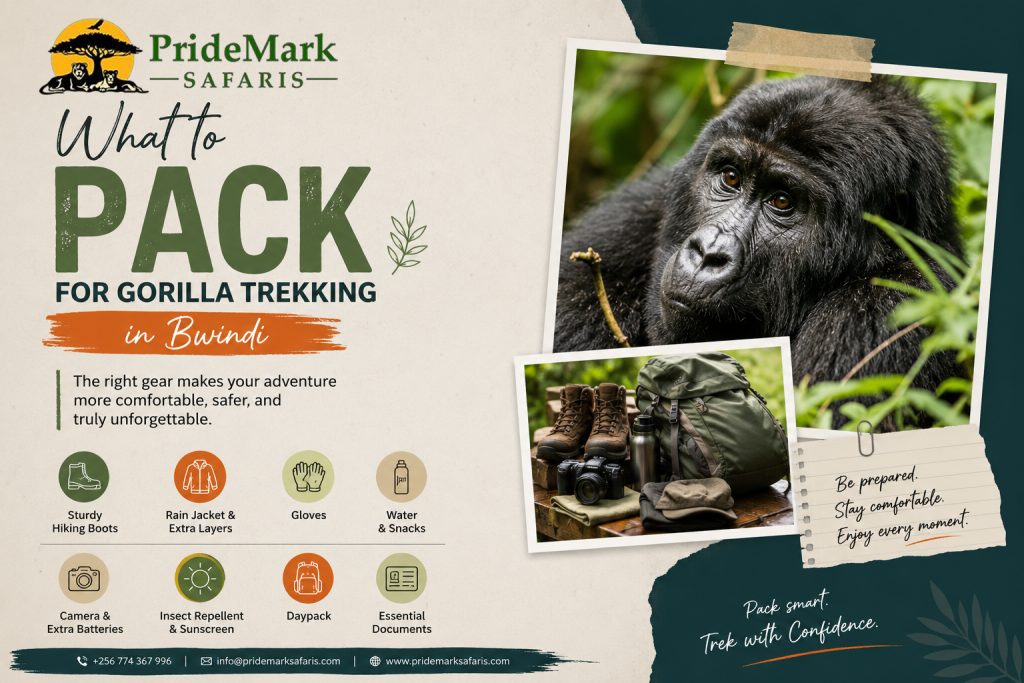
What to Pack for Gorilla Trekking in Bwindi
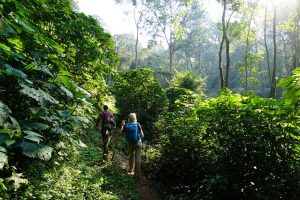
Few wildlife encounters compare to standing just a few meters away from a family of endangered mountain gorillas in the misty forests of Bwindi Impenetrable National Park. Every year, thousands of travelers journey to southwestern Uganda for this once-in-a-lifetime experience, yet many underestimate how physically demanding and unpredictable the trek can be. Bwindi is a true tropical rainforest where steep hills, thick vegetation, muddy trails, sudden rainfall, and varying temperatures are all part of the adventure. Packing wisely not only improves your comfort but also enhances your overall trekking experience while protecting both you and the gorillas.
Whether you are visiting during the dry months or the wetter seasons, choosing the right clothing, footwear, and equipment makes a remarkable difference. Gorilla trekking permits are among the most sought-after wildlife permits in Africa, making every trekking day incredibly valuable. The last thing any traveler wants is to be distracted by soaked clothing, painful blisters, or forgotten essentials. With proper preparation, you can fully immerse yourself in one of Africa’s greatest wildlife experiences.
At PrideMark Safaris, we prepare every guest long before they arrive in Uganda. We provide detailed pre-departure information and practical advice that helps visitors travel confidently and comfortably. This complete guide explains exactly what to bring, what to leave behind, and how to prepare for a successful gorilla trekking adventure in Bwindi Impenetrable National Park.
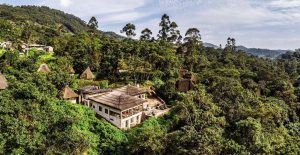
Why It Is Important to Pack for Gorilla Trekking Properly
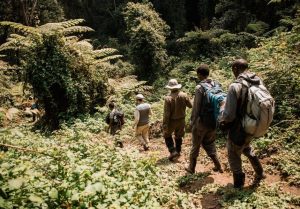
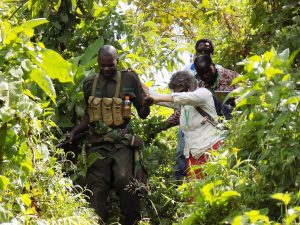
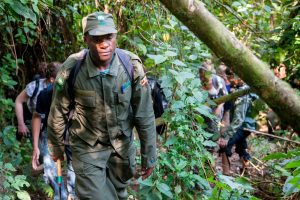
Gorilla trekking is not a typical nature walk. Rangers lead visitors through dense rainforest, across slippery slopes, over tangled tree roots, and sometimes through thick bamboo vegetation before locating a habituated gorilla family. Some treks last less than an hour, while others can extend beyond six hours depending on the gorillas’ movements.
The rainforest environment changes quickly. A sunny morning may suddenly become a heavy downpour before returning to bright sunshine an hour later. Proper clothing keeps you dry, comfortable, and protected against scratches, insects, and thorny plants. Good footwear prevents slips and reduces fatigue, while the right accessories help you enjoy every moment without unnecessary discomfort.
Packing carefully also demonstrates respect for the protected environment. Visitors who come prepared require fewer emergency interventions and can focus entirely on observing these magnificent primates responsibly. PrideMark Safaris always encourages guests to view packing as an essential part of preparing for the adventure itself rather than as an afterthought.
Essential Clothing to Pack for Gorilla Trekking
Choosing appropriate clothing is one of the most important parts of preparing for gorilla trekking. Comfort, protection, and practicality should always take priority over fashion. Since temperatures usually range between 10°C and 25°C depending on altitude and weather, dressing in layers provides the greatest flexibility.
Long-sleeved shirts offer excellent protection against insects, branches, and stinging nettles that grow along forest trails. Lightweight breathable fabrics perform better than heavy cotton because they dry faster after rain or perspiration. Neutral colors such as olive green, khaki, brown, or grey blend naturally into the environment and help minimize disturbance to wildlife. Bright colors are generally discouraged because they attract attention and can stand out against the forest backdrop.
Long hiking trousers provide additional protection from scratches, biting ants, and dense undergrowth. Many experienced trekkers prefer quick-drying outdoor trousers that remain comfortable even after walking through wet vegetation. Convertible hiking pants with zip-off legs may appear practical, but keeping your legs fully covered throughout the trek offers much better protection.
A lightweight waterproof jacket is another essential item. Rain showers are common throughout the year, even during Uganda’s drier months. A breathable rain jacket keeps you comfortable without causing excessive overheating while hiking through humid rainforest conditions.
The Best Footwear to Pack for Gorilla Trekking
Footwear often determines whether a trek feels enjoyable or exhausting. Bwindi’s terrain includes muddy paths, steep inclines, loose rocks, exposed roots, and slippery slopes that become especially challenging after rainfall. Sturdy waterproof hiking boots with excellent ankle support provide the stability needed for these demanding conditions.
New boots should always be broken in before arriving in Uganda. Wearing brand-new boots for the first time during a gorilla trek significantly increases the likelihood of painful blisters that can affect the rest of your safari.
Quality hiking socks deserve equal attention. Moisture-wicking socks help prevent friction and keep feet comfortable throughout the day. Many experienced trekkers wear knee-high gaiters over their boots to stop mud, insects, and small stones from entering their footwear while moving through thick vegetation.
Packing an extra pair of dry socks also provides welcome relief after completing the trek, particularly if heavy rain falls during the hike.
Rain Gear to Pack for Gorilla Trekking
Bwindi Impenetrable National Park receives rainfall during every month of the year due to its tropical rainforest climate. Although Uganda experiences relatively drier seasons from June to August and December to February, rain remains possible at any time.
A compact waterproof rain jacket should always be packed regardless of the season. Waterproof backpack covers protect valuable electronics, travel documents, and clothing from unexpected showers. Many visitors also carry lightweight dry bags inside their backpacks for extra protection of cameras, phones, and passports.
Umbrellas are generally less practical because trekking often requires both hands for balance while climbing steep slopes or navigating uneven terrain. Lightweight rain gear designed specifically for hiking provides far greater convenience.
Accessories to Pack for Gorilla Trekking
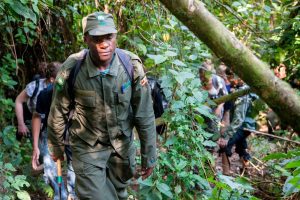
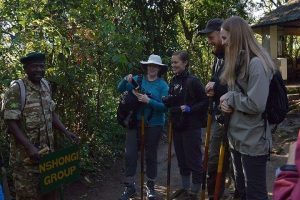
Several small accessories greatly improve comfort during the trek. A wide-brimmed hat protects against strong sunshine before entering the forest, while sunglasses remain useful during transfers between lodges and trekking sectors.
Gardening gloves or lightweight hiking gloves have become surprisingly popular among gorilla trekkers. Rangers frequently encourage visitors to grip vegetation while climbing steep hills or descending muddy slopes. Gloves protect hands from thorns, rough bark, stinging plants, and sharp branches.
A reusable water bottle or hydration pack helps prevent dehydration during long hikes. Most visitors should carry at least two liters of drinking water depending on their fitness level and expected trekking duration.
High-energy snacks such as granola bars, trail mix, dried fruit, or energy bars provide additional fuel during longer treks. Rangers usually recommend eating only during designated breaks and never near the gorillas themselves.
Health Essentials to Pack for Gorilla Trekking
Maintaining good health protects both visitors and the endangered mountain gorillas. Gorilla tourism follows strict conservation guidelines because gorillas share approximately 98 percent of human DNA and remain vulnerable to many human diseases.
A small personal medical kit should include adhesive bandages, blister plasters, antiseptic wipes, pain relief medication, personal prescriptions, insect repellent, sunscreen, lip balm, and hand sanitizer. Travelers who suffer from allergies should carry any necessary medications at all times.
Many visitors also find trekking poles helpful, particularly those with knee or balance concerns. While some lodges provide walking sticks, bringing adjustable trekking poles ensures maximum comfort and familiarity.
Before traveling, consult your healthcare provider regarding recommended vaccinations and malaria prevention appropriate for Uganda.
Camera Equipment to Pack for Gorilla Trekking
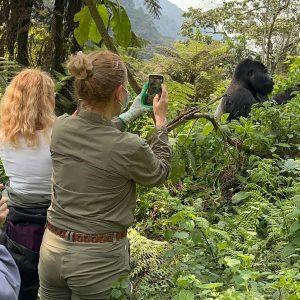
Capturing memories of your gorilla encounter is one of the highlights of any Uganda safari. Cameras are permitted during gorilla trekking, but flash photography is strictly prohibited because it may disturb the gorillas.
Mirrorless cameras, compact DSLRs, and advanced smartphones all produce excellent photographs under the forest canopy. Carry extra batteries because cooler temperatures and extended use can shorten battery life. Additional memory cards prevent storage limitations during your safari.
Protecting camera equipment from rain and humidity is equally important. Waterproof camera bags or padded dry bags provide excellent protection while hiking through the rainforest.
Documents to Pack for Gorilla Trekking
Travel documents should remain organized and easily accessible throughout your journey. Visitors should carry their passport, Uganda visa documentation where applicable, travel insurance details, gorilla trekking permit confirmation, emergency contact information, and copies of important documents stored separately from the originals.
Although your tour operator, including PrideMark Safaris, handles most logistics, having digital and printed copies of essential documents provides additional peace of mind.
Items You Should Avoid Bringing
Overpacking can become just as inconvenient as forgetting important items. Heavy luggage makes transfers between destinations more difficult and increases the likelihood of carrying unnecessary weight during the trek.
Avoid wearing strong perfumes because gorillas possess an excellent sense of smell. Expensive jewelry offers little practical value in the rainforest and should remain securely stored at your lodge. Plastic waste should never be left inside the national park, making reusable containers the preferred option whenever possible.
Large umbrellas, bulky backpacks, and excessive camera accessories may also become cumbersome while navigating dense vegetation.
How PrideMark Safaris Helps You Prepare
Planning a gorilla safari involves much more than booking permits. At PrideMark Safaris, we believe that thorough preparation creates unforgettable experiences. Every guest receives comprehensive travel guidance before departure, including detailed packing recommendations tailored to the travel season, accommodation standards, and planned safari activities.
Our experienced safari consultants answer questions about weather conditions, luggage requirements, airline baggage allowances, photography equipment, and personal gear. Upon arrival in Uganda, our professional guides provide additional briefings before trekking day, ensuring every traveler feels confident and well prepared.
Beyond gorilla trekking, many of our itineraries combine wildlife safaris, chimpanzee tracking, cultural encounters, boat cruises, and scenic drives across Uganda. We help travelers prepare for every destination while delivering exceptional service from arrival to departure.
Final Thoughts on What to Pack for Gorilla Trekking
Packing thoughtfully is one of the simplest ways to guarantee a comfortable, enjoyable, and memorable gorilla trekking experience in Bwindi Impenetrable National Park. Every item you carry serves a purpose, whether it protects you from unpredictable weather, supports you on challenging trails, or allows you to preserve unforgettable memories through photography. With the right preparation, you can focus entirely on the extraordinary privilege of observing mountain gorillas in their natural habitat.
Choosing an experienced tour operator also makes a significant difference. PrideMark Safaris provides expert guidance before your journey begins, ensuring every traveler arrives fully prepared for one of Africa’s most remarkable wildlife adventures. When you pack wisely and travel with knowledgeable professionals, your gorilla trekking experience becomes more comfortable, safer, and infinitely more rewarding.
Frequently Asked Questions
What should I pack for gorilla trekking in Bwindi?
Pack waterproof hiking boots, long trousers, a long-sleeved shirt, a waterproof jacket, gardening gloves, drinking water, snacks, insect repellent, sunscreen, a camera, and personal medications.
Can I wear sneakers for gorilla trekking?
No. Waterproof hiking boots with strong ankle support are strongly recommended because the trails are steep, muddy, and uneven.
Is rain gear necessary during the dry season?
Yes. Bwindi is a tropical rainforest where rainfall can occur at any time of the year.
Do I need gloves for gorilla trekking?
Yes. Lightweight gardening or hiking gloves protect your hands from thorns, rough vegetation, and slippery branches.
Can I bring a camera?
Yes. Cameras are allowed, but flash photography is strictly prohibited.