How to Add a Night Safari to Your Uganda Safari

10 Amazing Uganda Gorilla Trekking Tours & Safari Guide
October 4, 2026
Why Do Gorillas Beat Their Chests?
October 5, 2026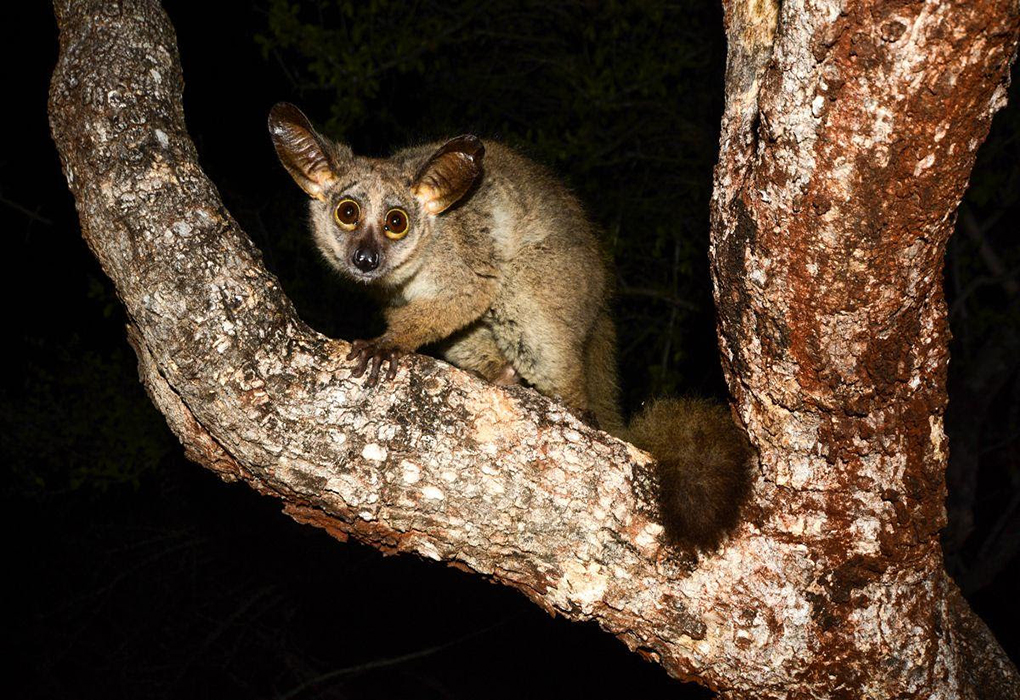
Night safari in Uganda. There is something wonderfully different about Uganda after sunset. During the day, the savannah seems to belong to elephants moving through golden grass, Uganda kobs grazing on open plains, buffalo resting beneath trees and lions stretched lazily in the shade. Then the sun disappears, the colours of the landscape fade into silhouettes, and an entirely different Uganda begins to reveal itself. A distant hyena calls. Bushes rustle beside the track. A pair of reflective eyes suddenly appears in the beam of a spotlight. Somewhere beyond the vehicle, a leopard may be moving silently through the grass. With PrideMarkSafaris, this is the magic of a night safari Uganda experience, and for travellers who already have a daytime wildlife drive in their itinerary, adding one carefully planned evening can transform a very good safari into something genuinely memorable.
A night safari Uganda experience is not simply a daytime game drive that happens to continue after dark. The atmosphere is different, the wildlife behaviour is different, the pace is different and even the way you look at the landscape changes. Instead of scanning the horizon for large animals in clear daylight, you learn to listen, watch for movement and search the darkness with a spotlight under the guidance of a trained ranger. Some animals that were almost invisible during the day may become much more active after sunset, while familiar species may behave in completely different ways. Uganda is therefore an especially interesting destination for travellers who want to experience wildlife beyond the conventional morning and afternoon game drives.
The important point, however, is that a night safari should be added strategically to your itinerary rather than simply squeezed into any available evening. The best experience comes from choosing a suitable park, staying in appropriate accommodation, allowing enough time for the activity and arranging the necessary UWA requirements in advance. In this guide, we explain how to do exactly that, where a night drive fits naturally into a Uganda safari, what you may see, what it costs in principle, what to pack, how to photograph wildlife after dark and how to make the experience comfortable, safe and respectful of the animals.
Table of Contents
- What Is a Night Safari in Uganda?
- Why Add a Night Safari to Your Uganda Safari?
- Where Can You Do a Night Game Drive in Uganda?
- Lake Mburo: An Excellent Night Safari Stop
- Queen Elizabeth National Park After Dark
- Murchison Falls National Park at Night
- What Wildlife Can You See on a Night Safari?
- The Best Time to Add a Night Safari
- How to Add a Night Safari to Different Uganda Itineraries
- How Much Does a Night Safari in Uganda Cost?
- What to Pack for a Night Game Drive
- Night Safari Photography Tips
- Safety and Responsible Wildlife Viewing
- How to Book a Night Safari in Uganda
- Is a Night Safari Worth Adding to Your Uganda Safari?
- Frequently Asked Questions
- Final Thoughts
What Is a Night Safari in Uganda?
A night safari Uganda experience is a guided wildlife drive conducted after darkness has fallen, normally using a safari vehicle equipped with a spotlight and accompanied by an authorised wildlife guide or ranger. The purpose is not simply to find the same animals that visitors see during the day. Instead, night drives give travellers an opportunity to experience the nocturnal side of Uganda’s wildlife, when some predators, small mammals and other creatures become more active. The experience is generally quieter and slower than a conventional game drive because the guide is constantly watching the road edges, listening for sounds and scanning the vegetation for the telltale reflection of animal eyes.
The darkness itself is part of the attraction. During a daytime safari, your eyes can take in an enormous landscape almost instantly. At night, your field of vision becomes narrower. The spotlight illuminates only a section of grass, a tree trunk or a patch of woodland, and everything outside that beam remains hidden. That creates suspense. A small movement can become fascinating because you do not immediately know what caused it. You may hear something before you see it, and sometimes the most memorable part of the experience is not a dramatic predator sighting but simply sitting quietly in the vehicle while the sounds of the African night surround you.
A night safari should therefore be thought of as a different style of wildlife experience rather than a replacement for a morning game drive. The morning drive gives you excellent visibility and the opportunity to observe animals as the day begins. The evening or night drive gives you another perspective, particularly on species that become active after sunset. Combining the two is often much more rewarding than choosing one or the other.
Quick Facts About a Uganda Night Safari
| Feature | What to Expect |
|---|---|
| Experience | Guided wildlife drive after dark |
| Typical setting | Savannah, woodland and wildlife tracks |
| Main attraction | Nocturnal wildlife and nighttime behaviour |
| Guide | UWA ranger/authorised guide required where applicable |
| Vehicle | Safari 4×4, usually with open or pop-up viewing |
| Lighting | Controlled spotlight used by guide |
| Duration | Often around 2–3 hours, depending on park and arrangement |
| Best approach | Add it to an overnight stay inside the relevant park |
| Booking | Arrange in advance through your tour operator, lodge or UWA |
| Photography | Possible, but challenging and dependent on conditions |
| Clothing | Warm layer, closed shoes and long trousers recommended |
| Main rule | Never attempt an independent night drive |
UWA’s current guidance is particularly important for planning: its published regulations state that night game drives are restricted to tourists sleeping within the park and that a UWA guide is mandatory. Always reconfirm the current operating arrangements with UWA or your safari operator before travel because specific access, timing, fees and operational areas can change.
Why Add a Night Safari to Your Uganda Safari?
The biggest reason to add a night safari Uganda experience is simple: the wilderness changes after sunset. Uganda’s savannah parks are not places that switch off when the last daytime safari vehicle returns to camp. Wildlife continues moving, hunting, feeding, communicating and searching for water. Some creatures that are difficult to encounter during daylight hours become much easier to detect at night, while other animals simply behave differently.
For photographers, naturalists and repeat safari travellers, the night can reveal details that a standard safari misses. Leopards are a classic example because they are secretive and often difficult to observe in daylight. Hyenas may become more active and vocal. Genets, civets, bush babies, mongooses and porcupines can become interesting targets for the spotlight. Owls and nightjars may be heard or seen, while hippos can be active outside the water after dark. Even animals that are normally associated with daytime safari can become fascinating because their behaviour changes as temperatures cool.
There is also an emotional reason to choose a night drive. A daytime safari can feel visually spectacular from the moment you enter the park. A night safari builds anticipation gradually. The sun sets. The sky darkens. The last colours disappear. The vehicle moves slowly. The spotlight sweeps across the vegetation. Then suddenly the guide stops and whispers that something is ahead.
That feeling of discovery is one of the reasons a night safari Uganda experience works so well as an addition rather than the centrepiece of an entire safari. You do not need to redesign your whole holiday around it. One carefully selected night can provide an entirely new dimension to an itinerary that already includes gorilla trekking, chimpanzee trekking, boat cruises and daytime game drives.


Where Can You Do a Night Game Drive in Uganda?
One of the most important points for anyone researching a night safari Uganda experience is that not every national park should be treated as though it offers the same night-driving opportunities. Uganda has a remarkable range of protected landscapes, from forested primate habitats to open savannah, but a night game drive is most naturally suited to the savannah parks where established vehicle tracks and wildlife-viewing circuits make the experience practical.
The strongest conventional choices are Lake Mburo National Park, Queen Elizabeth National Park and Murchison Falls National Park, with availability and operating arrangements needing to be confirmed for your particular dates. Uganda tourism sources consistently identify these parks as the principal destinations for night game drives, while UWA remains the authority that regulates activities inside its protected areas.
Comparing the Main Night-Safari Options
| Destination | Best For | Night Experience | Ideal Safari Traveller |
|---|---|---|---|
| Lake Mburo | Accessibility and intimate wildlife viewing | Woodland, grassland and lakeside wildlife | First-time safari travellers, couples and short safaris |
| Queen Elizabeth | Predators and varied landscapes | Mweya-area night viewing | Wildlife enthusiasts and photographers |
| Murchison Falls | Large savannah landscape and predators | Northern-sector experience | Travellers spending several nights in the park |
| Other parks | Specialised experiences | Availability varies | Confirm directly before booking |
The practical lesson is important: do not choose a park purely because a website says “night safari.” Ask exactly where the activity operates, whether your accommodation qualifies, whether a UWA ranger is included, which vehicle will be used and whether the activity has to be reserved in advance.
Lake Mburo: An Excellent Night Safari Stop
If your main question is where should I add a night safari to a Uganda itinerary?, Lake Mburo deserves serious consideration. Its location makes it particularly convenient for travellers travelling between Kampala or Entebbe and western Uganda, while its savannah-and-woodland environment creates a fascinating setting for an after-dark experience.
Lake Mburo is also useful from an itinerary-design perspective because it does not require travellers to dedicate an entire week to wildlife viewing. It can be incorporated naturally at the beginning or end of a longer western Uganda circuit. A traveller heading from Entebbe toward Queen Elizabeth National Park, Bwindi or Kibale can spend a night around Lake Mburo, enjoy a daytime game activity, have dinner and then take a guided night drive before returning to the lodge.
The experience is different from the broad open plains of larger parks. Lake Mburo’s combination of grassland, acacia woodland, wetlands and lake environments can create interesting encounters with species that are not always the focus of a conventional Big Five safari. Travellers may look for leopard, hyena, bush pigs, mongooses, genets and other smaller nocturnal mammals, while some daytime species remain visible as they settle down for the night.
Lake Mburo is also particularly attractive for travellers who enjoy a quieter safari atmosphere. The park is smaller than Uganda’s major savannah destinations, and that can make a night drive feel intimate. Instead of thinking about how many animals you can photograph in the shortest possible time, you can slow down and appreciate the sounds, darkness and changing behaviour of the ecosystem.


Queen Elizabeth National Park After Dark
Queen Elizabeth National Park offers another compelling option for travellers who want to include a night safari Uganda experience within a classic western Uganda wildlife itinerary. The park is already famous for its diverse habitats, savannah wildlife and the Kazinga Channel boat cruise, so adding a night drive allows you to see the same ecosystem from a completely different perspective.
Night drives in Queen Elizabeth are associated particularly with the Mweya area, and travellers should confirm the exact operating sector when booking because not every game-drive track operates identically after dark. Tourism sources describe the Mweya Peninsula as an important location for night drives, with trained ranger guidance and spotlight viewing of nocturnal wildlife.
The attraction here is the variety. During a night drive you may be searching for leopard, hyena, serval, civet, genet, bush babies and other nocturnal species, while lions, elephants, hippos and antelope may also behave differently once temperatures fall. A skilled ranger can make a huge difference because the success of a night drive is not simply determined by how many animals happen to be on the track. It is about understanding where animals are likely to move, recognising calls and interpreting tracks, sounds and behaviour.
Queen Elizabeth works particularly well for a traveller who is already planning two or three nights in the park. You can dedicate the morning to a conventional game drive, spend the afternoon relaxing or enjoying a Kazinga Channel boat cruise, have an early dinner and then head out for your night experience. This avoids the common mistake of trying to fit too many activities into a single day.
Murchison Falls National Park at Night
Murchison Falls National Park is Uganda’s largest national park, and its broad savannah landscapes make it one of the country’s most important wildlife destinations. UWA places the park approximately 305 kilometres from Kampala, with the southern entrance requiring roughly four to five hours of driving from Kampala before continuing toward the main lodge areas.
A night safari Uganda experience in Murchison can be particularly attractive because it can be added to a longer stay rather than requiring a separate journey. A typical Murchison itinerary may already include a morning game drive, the Victoria Nile boat cruise and a visit toward the top of Murchison Falls. A night drive then provides the opportunity to explore the wildlife landscape after the daytime vehicles have returned.
The northern part of the park is particularly important for conventional wildlife viewing, and tourism operators offering night activities commonly arrange drives around the northern-sector road network. Some camps and lodges also arrange the experience directly or through authorised partners. Because the exact operating rules and available routes can change, your safari operator should confirm the current route, ranger arrangement and departure time before promising a specific night-drive circuit.
Murchison is an excellent choice for travellers who want their night safari Uganda experience to form part of a bigger wildlife story. During the day, you might watch elephants approach the Nile, see giraffes crossing the plains or search for lions. At night, the same landscape becomes quieter and more mysterious, with the spotlight picking out movement along the grass margins.


What Wildlife Can You See on a Night Safari?
One of the most exciting aspects of a night safari Uganda experience is that the wildlife list changes. You should never book a night drive with a promise that you will see a particular animal, because wildlife is wild and sightings cannot be guaranteed. Instead, think of the experience as increasing your opportunity to observe animals that are active, mobile or easier to detect after sunset.
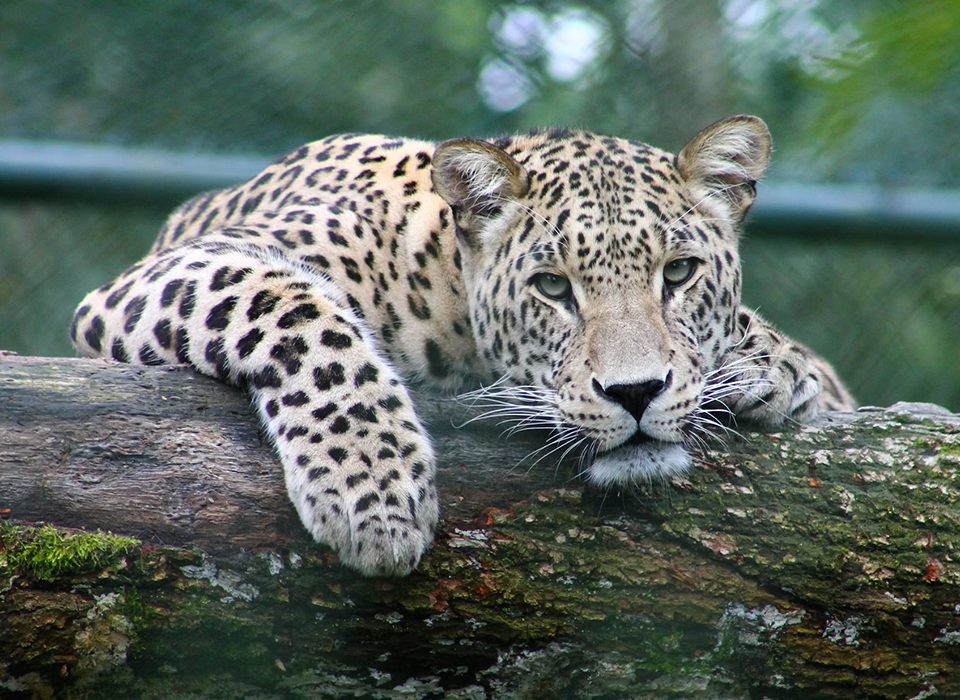
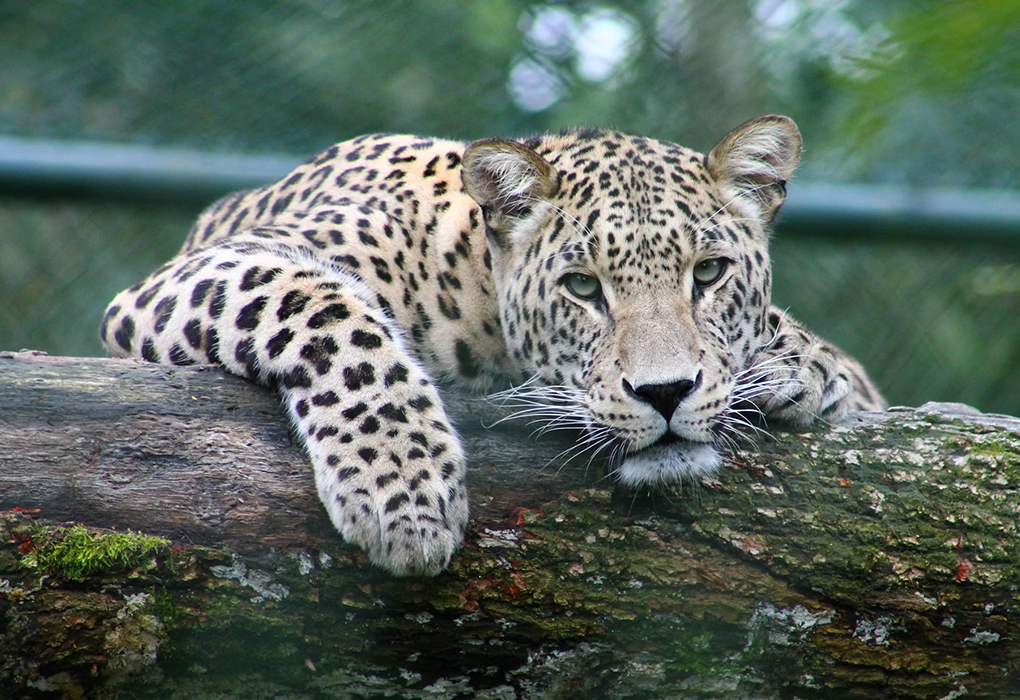
Leopards are among the animals travellers often hope to encounter because their secretive nature and nocturnal activity can make them challenging to find during ordinary daytime drives. Uganda Wildlife Authority notes that leopards are nocturnal and can be difficult to spot on normal game drives, which is one reason an after-dark drive can be so appealing.
Spotted hyenas are another fascinating possibility. Their calls can travel surprisingly far through the darkness, and sometimes the sound arrives before the animal does. Genets and civets are smaller and more secretive, making them especially rewarding sightings. Bush babies may be detected in trees or heard calling, while porcupines, mongooses and other small mammals may appear along the track.
Wildlife Commonly Sought on Uganda Night Drives
| Animal or Group | Why Night Viewing Is Interesting |
|---|---|
| Leopard | More active and easier to search for after dark |
| Spotted hyena | Vocal, mobile and fascinating to observe at night |
| Genet | Small, secretive nocturnal carnivore |
| Civet | Primarily nocturnal and elusive |
| Bush baby | Often detected by calls or movement in trees |
| Porcupine | Nocturnal and usually difficult to encounter during the day |
| Mongoose | Some species remain active around dusk and night |
| Serval | May hunt through grass after dark |
| Lion | Can become more active as temperatures cool |
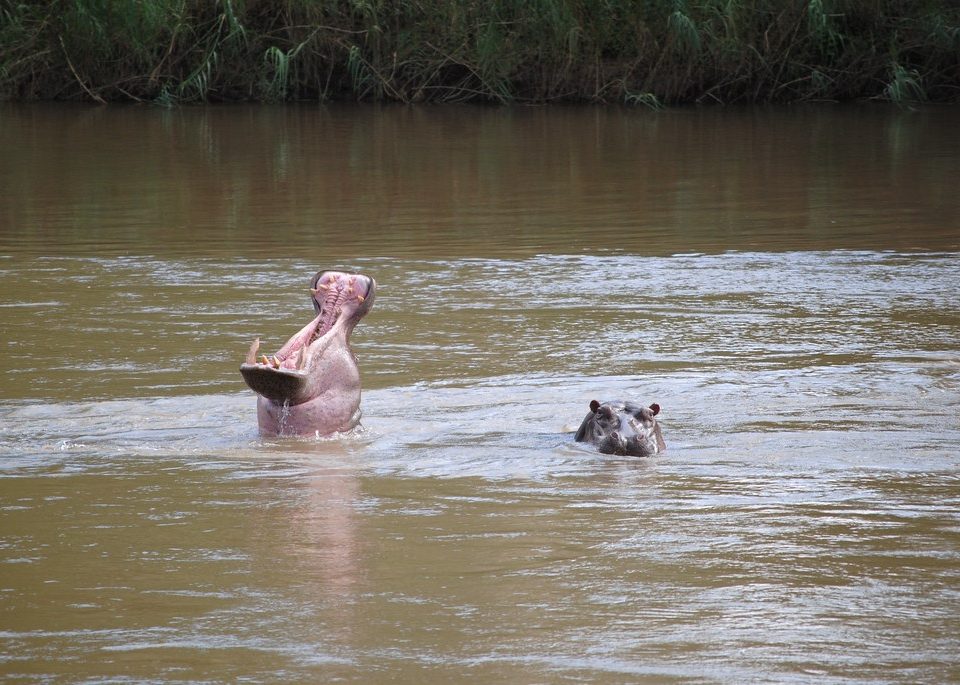
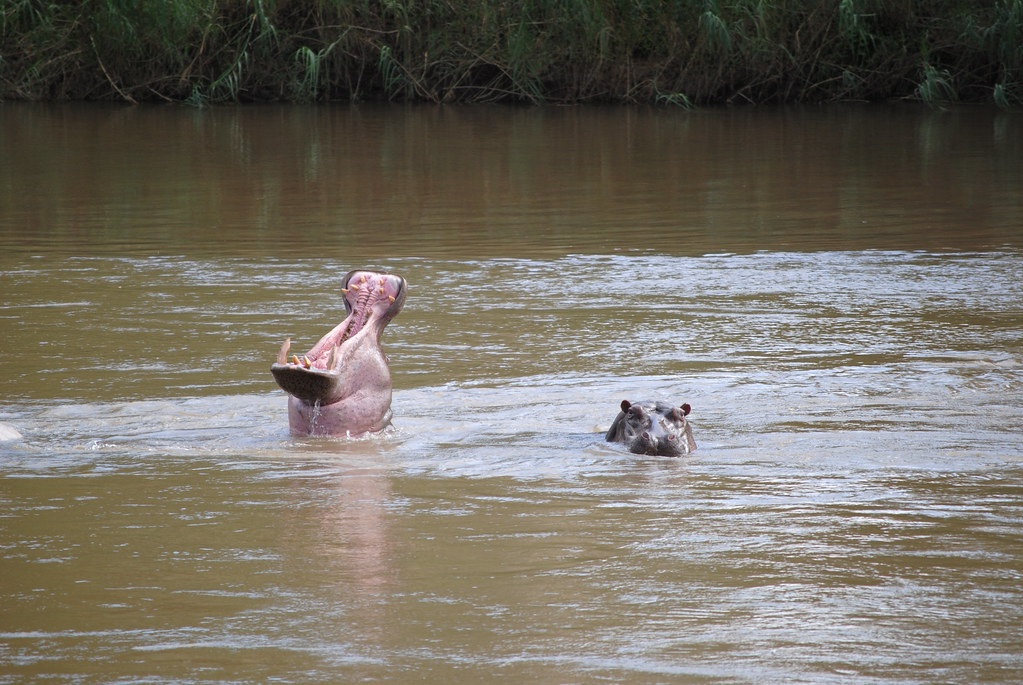
| Hippo | Often more active on land after dark |
| Owls/nightjars | Night-active birds that create a different birding experience |
The spotlight should be used responsibly. It is not designed to chase animals or hold them in a beam indefinitely. Your guide should control the light and keep an appropriate distance. Good night guiding is about observing without turning wildlife into a spectacle.
The Best Time to Add a Night Safari
There are two different meanings of “best time” when planning a night safari Uganda experience. The first concerns the season of your safari, while the second concerns the time of evening when the drive actually takes place.
Uganda can be visited throughout the year, but drier periods are generally popular for traditional savannah wildlife viewing because tracks are more accessible and vegetation can be less dense. However, a knowledgeable safari operator can design excellent experiences outside the classic peak periods too, and rainfall can create its own advantages, including greener scenery, dramatic skies and seasonal wildlife activity.
For the actual night drive, the transition from daylight to darkness is fascinating because you experience the change in wildlife behaviour in real time. Some activities begin around dusk or after dinner, depending on the park, lodge and current regulations. Because departure times can vary, do not build your itinerary around an exact time until the operator confirms it.
The moon can also influence the atmosphere. A bright moon can illuminate parts of the landscape and make the experience feel completely different from a dark, moonless evening. On the other hand, a darker night can make the spotlight feel more dramatic and can create excellent conditions for observing reflective eyes in the vegetation.
How to Add a Night Safari to Different Uganda Itineraries
The easiest way to add a night safari Uganda experience is to attach it to a destination where you are already spending the night. This sounds obvious, but it is one of the most important itinerary-planning principles. Because UWA’s current published guidance restricts night drives to tourists sleeping within the park, simply being near a park is not necessarily enough. Your accommodation and activity need to work together.
For a short Uganda safari of four or five days, Lake Mburo can be an excellent place to add the experience. A traveller might arrive in the afternoon, enjoy a short game activity, have dinner and then take the night drive. The following morning can then continue toward Queen Elizabeth or another western destination.
For a seven- to ten-day wildlife itinerary, Queen Elizabeth or Murchison Falls can be more convenient. Instead of creating an additional transfer day, the night drive becomes one activity within a multi-night stay.
For a gorilla-and-safari combination, the night drive can work particularly well in the transition between the savannah parks and the forest regions. A traveller might spend time in Queen Elizabeth or Lake Mburo before continuing toward Bwindi for gorilla trekking.
Example 7-Day Wildlife-and-Night-Safari Structure
| Day | Destination | Main Experience |
|---|---|---|
| Day 1 | Entebbe / Kampala | Arrival and preparation |
| Day 2 | Lake Mburo | Game drive and overnight |
| Day 3 | Lake Mburo | Night safari + onward travel |
| Day 4 | Queen Elizabeth | Wildlife drive |
| Day 5 | Queen Elizabeth | Game drive + Kazinga Channel |
| Day 6 | Queen Elizabeth | Optional night experience |
| Day 7 | Entebbe / onward destination | Departure or connection |
For a longer safari, the night drive can be positioned more selectively. You do not need a night drive every night. In fact, doing so can reduce its special character and leave you tired. One or two well-planned night drives are usually more sensible than trying to turn every evening into a late wildlife activity.
How Much Does a Night Safari in Uganda Cost?
The cost of a night safari Uganda experience depends on the park, vehicle arrangement, guide, accommodation, traveller category, operator and the applicable UWA tariff at the time of travel.
This is an area where safari websites can become confusing because older tariff figures remain online while UWA periodically revises its rates. UWA’s current website now shows a 2026–2027 tariff update, while the detailed tariff document that is widely circulated online covers July 2024 to June 2026.
For that reason, a professional safari quotation should distinguish between park entry, accommodation, transport, guide services and the additional night-drive activity rather than simply giving one unexplained “night safari fee.”
Ask your safari company these questions before paying:
| Question | Why It Matters |
|---|---|
| Is the night drive included? | Prevents unexpected extra charges |
| Is the UWA ranger included? | A ranger is required for night drives under UWA rules |
| Is the vehicle private or shared? | Determines privacy and overall cost |
| Is park entry separate? | Night activity does not automatically mean entry is included |
| Is accommodation inside the park? | Important because of night-drive eligibility |
| Is the spotlight provided? | Essential equipment for the activity |
| Is advance reservation required? | Helps avoid disappointment |
| What is the current UWA rate? | Rates can change between seasons and tariff periods |
For the most accurate current figure, check the UWA tariff applicable to your travel date or ask your licensed Uganda safari operator to confirm the current rate before issuing the final quotation.
What to Pack for a Night Game Drive
A night safari is not the time to discover that you left your warm jacket in the luggage at the lodge. Even in tropical Uganda, temperatures can feel considerably cooler once the sun disappears, especially when travelling in an open-sided or open-roof safari vehicle.
Wear comfortable long trousers and closed shoes. Bring a lightweight fleece, sweater or windbreaker. A scarf can also be surprisingly useful because the vehicle may be moving slowly but the air can still feel cool. Mosquito protection is sensible, particularly around wetter habitats, although your accommodation or operator may advise on the best local precautions.
A pair of binoculars can be useful, although the spotlight and your guide’s positioning are usually more important than magnification. Bring a camera if photography is important to you, but do not let equipment distract you from the experience itself.
Simple Night Safari Packing Checklist
| Item | Importance |
|---|---|
| Warm layer | Essential |
| Long trousers | Recommended |
| Closed shoes | Recommended |
| Insect repellent | Useful |
| Binoculars | Useful |
| Camera | Optional but valuable |
| Extra battery/power bank | Highly recommended |
| Small bag | Useful |
| Water | Recommended |
| Hat/cap | Useful |
| Red-light headlamp | Only if permitted and used appropriately |
| Waterproof layer | Useful during wet weather |
Night Safari Photography Tips
Photography during a night safari Uganda experience is completely different from photographing wildlife in daylight. You may be working with low light, moving vehicles, limited visibility and a guide-controlled spotlight. Your camera settings therefore need to be flexible.
A fast lens can make a substantial difference. Increase your ISO when necessary rather than expecting the scene to behave like a daytime safari. Keep your shutter speed fast enough to freeze animal movement, but remember that the best setting depends on the amount of available light and whether the animal is moving.
Do not use your own flash without permission. A sudden flash can disturb animals and interfere with the guide’s spotlighting. The guide should control the light and determine how the vehicle approaches wildlife.
The most beautiful photographs may not necessarily be the technically perfect ones. A pair of glowing eyes surrounded by darkness can communicate the feeling of a night drive better than an overexposed close-up. Silhouettes, reflections, moonlit landscapes and atmospheric vehicle photographs can also tell the story of the experience.
For wildlife photographers, it is worth discussing expectations with the safari company before booking. A specialist photographic vehicle or private vehicle can provide more flexibility than joining a larger group, but availability and regulations vary.


A night safari is exciting precisely because you are entering an environment where humans do not naturally have the advantage. Darkness limits visibility, and wildlife may be active close to the vehicle without being immediately obvious. That is why travellers should never attempt to conduct an independent night drive inside a protected area.
A qualified ranger or authorised guide understands the park, knows the regulations and can interpret wildlife behaviour. UWA’s published guidance specifically requires a UWA guide for night game drives.
Remain inside the vehicle unless the guide specifically tells you otherwise. Do not lean excessively over the sides of the vehicle, shine personal lights directly into animals’ eyes, shout to attract wildlife or ask the driver to move closer simply because an animal is difficult to photograph.
Responsible night viewing is especially important because many nocturnal animals rely on darkness. The objective is not to dominate the environment with bright lights and noise. The best guides use the spotlight carefully, allowing animals to remain comfortable while giving visitors enough time to observe them.
This approach also produces better sightings. Animals that are repeatedly disturbed are more likely to move away, while a quiet vehicle can sometimes remain near wildlife for longer.
How to Book a Night Safari in Uganda
The easiest way to book a night safari Uganda experience is to tell your safari operator about it before the itinerary is finalised. This gives the operator time to select suitable accommodation and coordinate the necessary ranger and activity arrangements.
If you are already travelling independently, contact the relevant park office or accommodation provider before assuming a night drive can be arranged on arrival. Availability can depend on staffing, vehicles, permits, accommodation location and other operational considerations.
A good safari operator should be able to explain exactly what your quotation includes. It should be clear whether the price covers the vehicle, driver-guide, UWA ranger, park-related fees and accommodation.
UWA provides official information about Uganda’s national parks and protected areas, and its website should be one of the first places to verify current park information and regulations.
For a travel company blog, this is also an excellent place to create an internal conversion link such as “Request a Custom Uganda Safari Quote” or “Plan Your Uganda Wildlife Safari.” The night-drive article should not only attract search traffic; it should make it easy for readers who are already dreaming about Uganda to take the next step.
Suggested Uganda Safari Map
A full-width Uganda safari map should appear near the beginning of this article, preferably immediately after the introductory section or after the first Quick Facts table. The map should visually show Kampala/Entebbe, Lake Mburo, Queen Elizabeth National Park, Murchison Falls National Park, Kibale, Bwindi and Kidepo, allowing readers to understand where a night safari can fit into a wider Uganda route.
UWA’s published conservation material includes a Uganda map showing the country’s national parks, wildlife reserves and their general locations.
Recommended map caption:
Map of Uganda showing the major national parks and safari destinations, including the principal areas where travellers can consider adding a night game drive.


A second full-width route map can be placed halfway through the article showing a sample western Uganda circuit:
Entebbe → Lake Mburo → Queen Elizabeth → Kibale → Bwindi → Entebbe
For travellers interested in Murchison Falls, create a second route variation:
Entebbe/Kampala → Murchison Falls → Kibale → Queen Elizabeth → Bwindi → Entebbe
This makes the article much more useful because readers can immediately understand that a night drive does not necessarily require a separate detour.
Is a Night Safari Worth Adding to Your Uganda Safari?
For most wildlife enthusiasts, the answer is yes — provided it is added at the right place.
A night safari Uganda experience is particularly worthwhile if you have already planned at least one or two daytime game drives and want to experience Uganda’s wildlife from another perspective. It is also an excellent choice for photographers, couples, repeat African safari travellers and anyone who enjoys nature experiences that feel intimate rather than predictable.
It may be less suitable for travellers with very young children, people who strongly dislike darkness or those whose itinerary already contains extremely early starts every day. A gorilla trekking morning followed by a late night drive, for example, may not be the best combination if rest is important for the next day’s trek.
The key is balance. Uganda offers so many experiences that your itinerary should not become a checklist. A safari is not improved simply by adding more activities. It is improved by choosing the right experiences and giving yourself enough time to enjoy them.
A night drive is therefore best treated as a special evening rather than another box to tick.
Frequently Asked Questions
Is a night safari available in Uganda?
Yes. Night game drives are offered in selected Ugandan wildlife areas, with Lake Mburo, Queen Elizabeth and Murchison Falls among the principal destinations commonly associated with the experience. Exact operating areas and availability should be confirmed for your travel dates.
What is the best place for a night safari in Uganda?
There is no single answer for every traveller. Lake Mburo is convenient and intimate, Queen Elizabeth is attractive for travellers seeking varied wildlife and predator opportunities, while Murchison Falls is excellent for travellers already spending several nights in the park.
Can I do a night safari in Uganda without a guide?
No. UWA’s published tariff guidance states that a UWA guide is mandatory for night game drives. Night driving is also subject to restrictions concerning where visitors stay and where the activity can operate.
Do I have to sleep inside the national park?
UWA’s current published guidance states that night game drives are restricted to tourists sleeping within the park. This makes accommodation selection an important part of planning your night safari rather than something to arrange separately.
What animals can I see during a night safari Uganda experience?
Potential sightings include leopard, hyena, genet, civet, serval, bush babies, mongooses, porcupines and other nocturnal animals. Lions, hippos, elephants, antelope and other daytime species may also be active or behave differently after sunset. Sightings are never guaranteed.
How long does a Uganda night game drive last?
The duration varies according to the park, operating arrangement and itinerary. Many night drives are around two to three hours, but travellers should confirm the precise schedule with their operator.
Is a night safari safe?
When conducted through the appropriate authorities, with an experienced guide or ranger and in a properly equipped safari vehicle, a night game drive can be a safe and highly rewarding activity. Visitors should follow all guide instructions and remain inside the vehicle unless specifically instructed otherwise.
What should I wear on a night safari in Uganda?
Wear long trousers, comfortable closed shoes and a warm layer such as a fleece or lightweight jacket. Temperatures can feel cooler after sunset, particularly when the vehicle is moving.
Can I take photographs during a night game drive?
Yes, but night photography requires different camera techniques. Avoid flash unless specifically authorised, follow the guide’s instructions about lighting and do not ask the vehicle to approach wildlife simply to obtain a photograph.
Can I add a night safari to a gorilla safari?
Yes. In fact, a night drive can complement a gorilla trekking itinerary very well if it is placed in a savannah destination such as Lake Mburo or Queen Elizabeth before or after the forest portion of the trip.
Should I do a night safari or another daytime game drive?
If your itinerary already includes several daytime drives, a night safari can add more variety. If you have only one game drive planned, however, I would normally prioritise a good morning or late-afternoon daytime drive first and then add a night experience if time and budget allow.
Final Thoughts
Uganda is often celebrated for its mountain gorillas, chimpanzees, spectacular forests and dramatic landscapes, but the country’s savannah wilderness deserves just as much attention. During daylight hours, the parks provide the classic African safari experience of elephants, buffalo, lions, antelope, giraffes and wide-open landscapes. After dark, however, the same wilderness becomes quieter, more mysterious and unexpectedly alive.
Adding a night safari Uganda experience is one of the easiest ways to deepen a Uganda safari without completely changing the itinerary. The secret is simply to plan it properly. Choose a suitable park, stay where the activity is permitted, confirm the current UWA regulations and fees, arrange the ranger and vehicle in advance, dress for the cooler evening conditions and allow yourself to enjoy the experience rather than focusing entirely on finding a particular animal.
Perhaps the greatest appeal of a night drive is that it reminds you that the safari does not end when the sun goes down. The animals continue moving. The sounds continue. The grasslands continue breathing beneath the stars. And for a few hours, sitting quietly in a safari vehicle with only a narrow beam of light cutting through the darkness, you get to experience a side of Uganda that most daytime visitors never see.