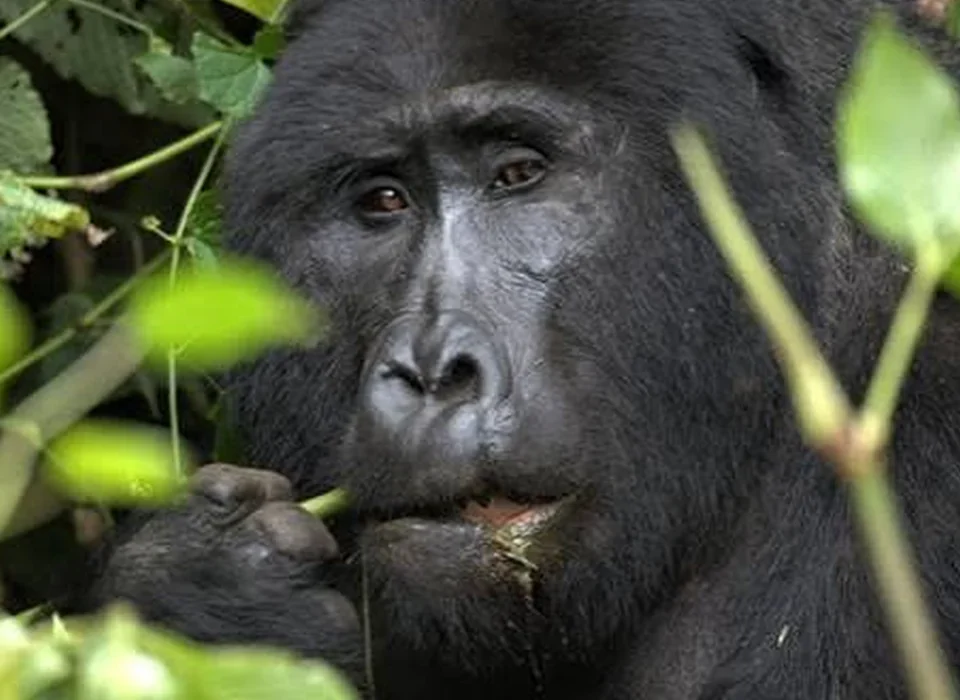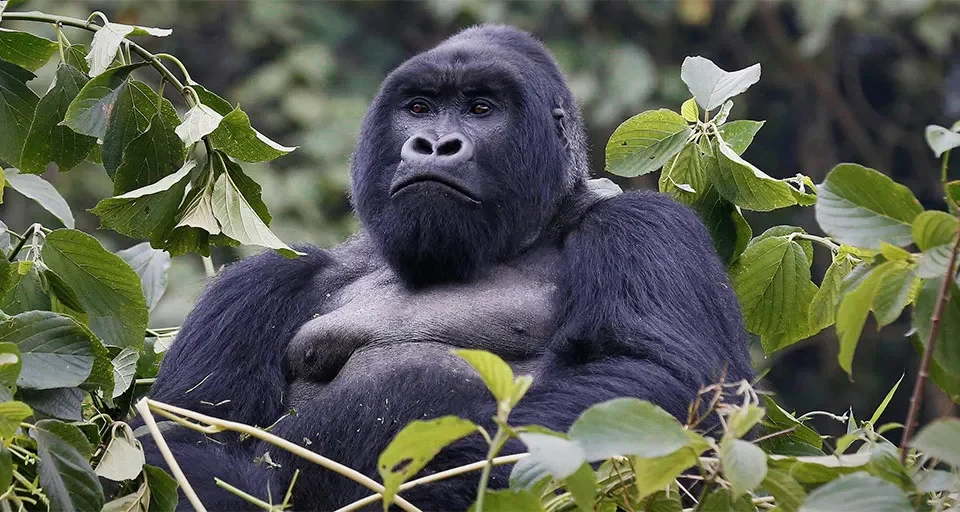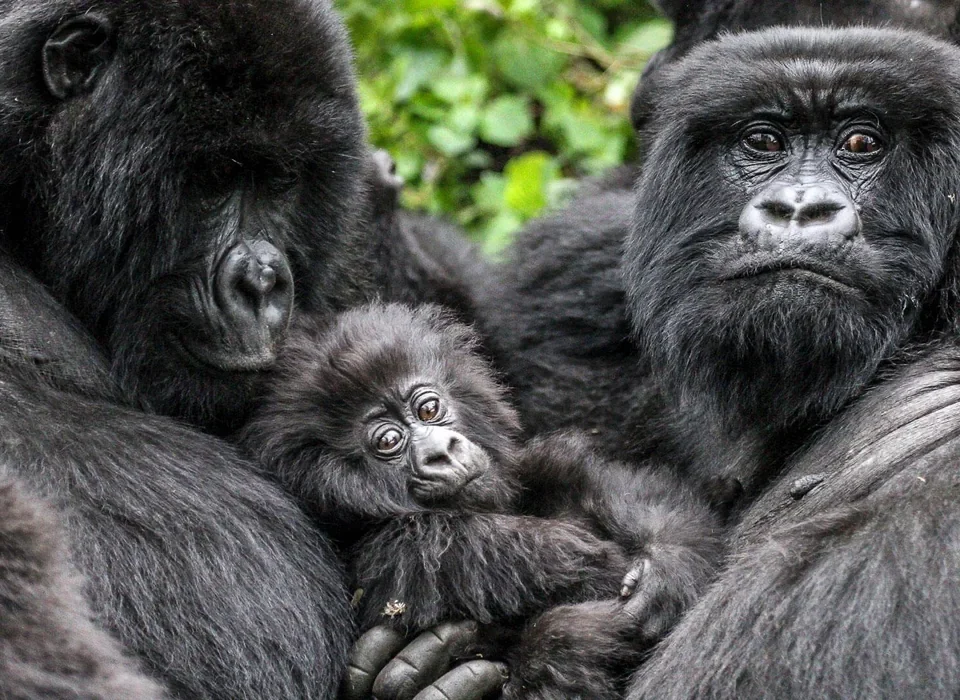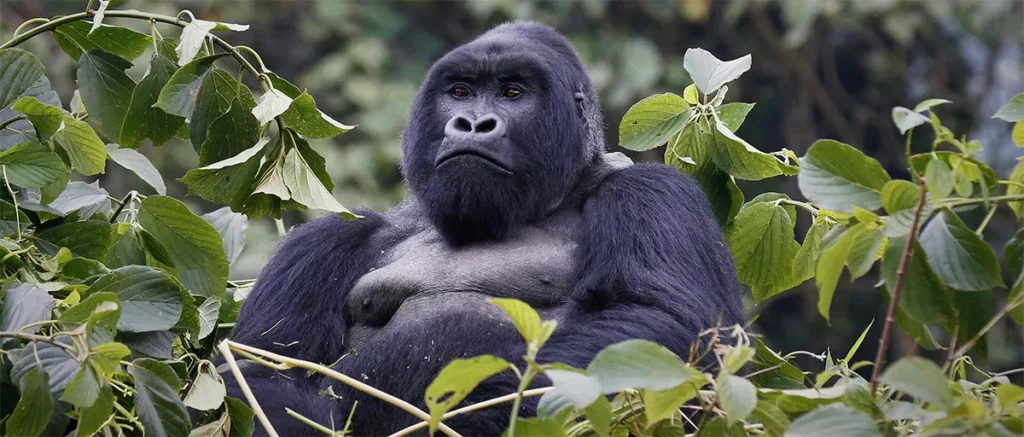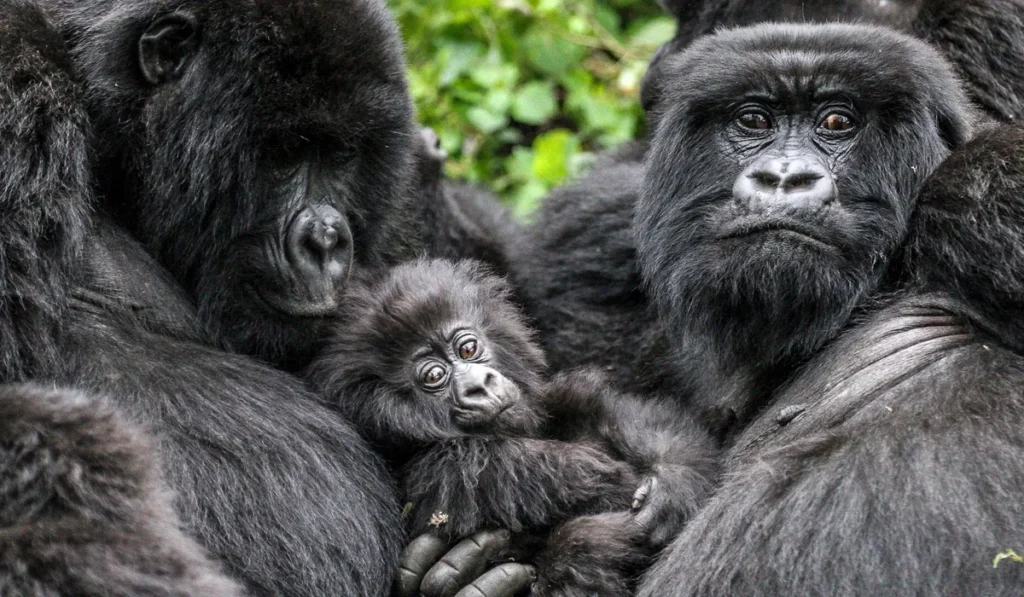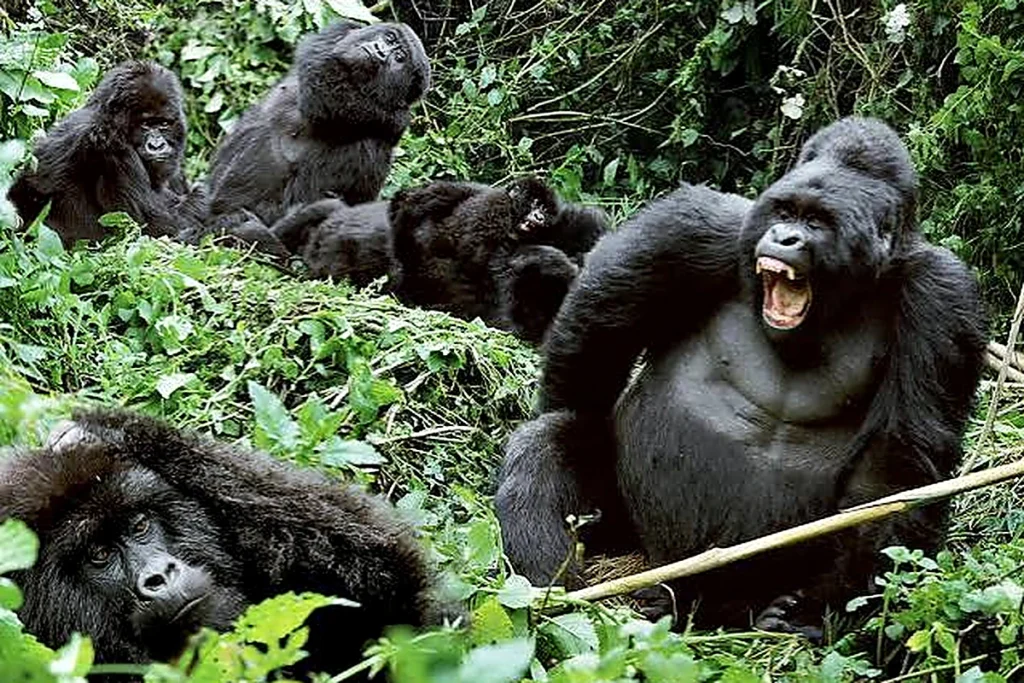
The key official rule is straightforward: Uganda Wildlife Authority’s published gorilla tracking regulations require human waste to be buried 30 centimeters, or 12 inches, deep. Rangers determine how to manage an appropriate stop on the day. Never walk away from your trekking group without their permission.
In this Pridemark Safaris guide, you will learn what facilities may be available before departure, how to ask for a break, what to pack, how to protect the forest and how to prepare for special personal needs. These nine essential tips will help you enjoy the trek with greater confidence.
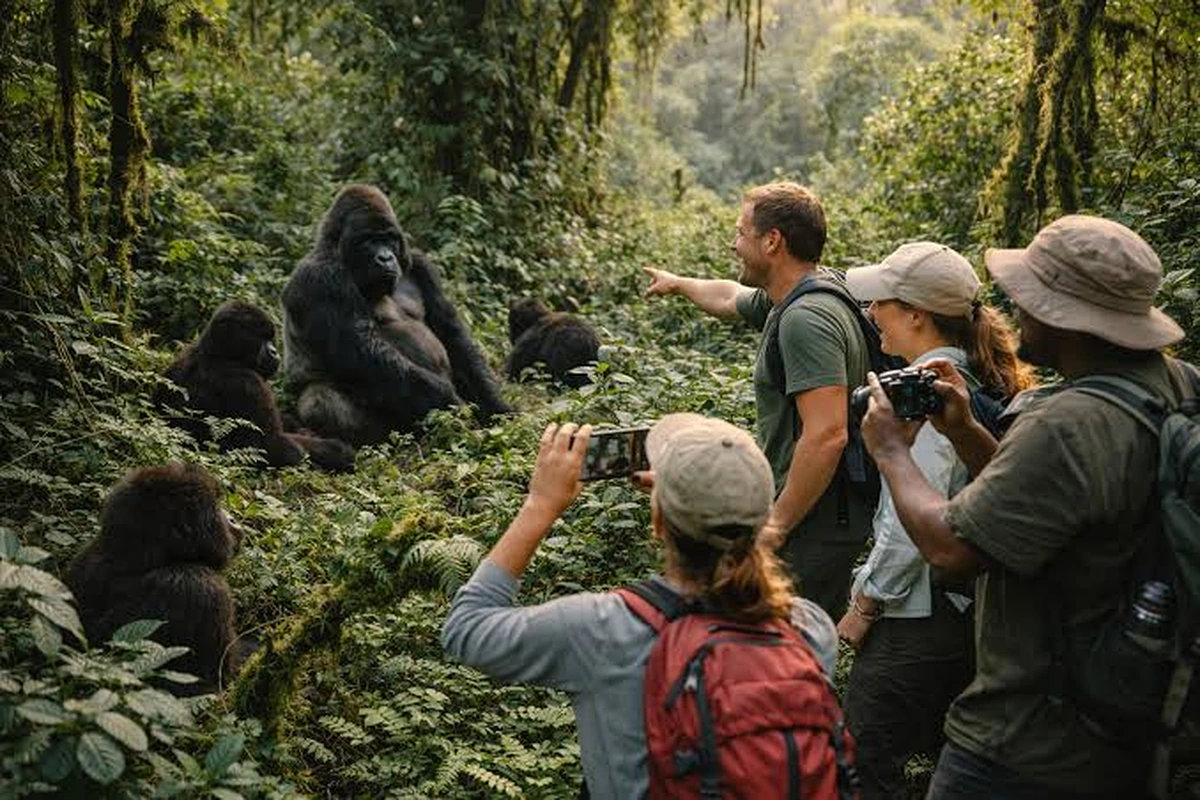
Visitors observe and photograph a mountain gorilla family surrounded by dense forest vegetation during a gorilla trekking experience.
The difference between briefing facilities and the forest
A toilet during gorilla trekking is a practical concern, especially for travelers who have never spent several hours walking in a rainforest. The important distinction is between facilities at the departure point and conditions once the group has entered the forest. You may find a toilet at or near a designated briefing area, but you should not expect conventional bathrooms along the route.
Uganda’s mountain gorilla trekking takes place in Bwindi Impenetrable National Park and Mgahinga Gorilla National Park. Both are protected natural landscapes rather than constructed hiking attractions. Trekking routes change with the location of habituated gorilla groups, and the time away from established facilities can vary substantially.
Use the toilet at your accommodation before leaving. If facilities are available at the briefing point, use them again before the ranger team sets out. Ask your driver-guide which facilities are available for your particular departure sector instead of assuming that every meeting point has identical amenities.
A lodge may be described as being close to Bwindi while still requiring a drive to your assigned briefing point. Confirm your departure sector and morning schedule the evening before trekking. That helps you plan breakfast, medication, water and bathroom time without feeling rushed.
The good news is that needing a bathroom break does not make you an unsuitable visitor. Experienced ranger teams work with travelers who have ordinary bodily needs. The solution is to communicate promptly, follow local instructions and protect the forest from contamination.
This guide explains what to do when no toilet is nearby, how waste is managed, what to pack and how to discuss special requirements with Pridemark Safaris before booking. It also distinguishes official rules from sensible preparation tips so you know what can actually be relied upon.
For more preparation advice, read our guide to gorilla trekking without hiking experience.
What Happens If You Need a Toilet Break in the Forest?
Ask the ranger rather than walking away
If you need the toilet during gorilla trekking, tell your ranger or the designated guide as soon as you realize it. A simple, quiet request is enough. You do not need to explain intimate personal details to the whole group, and you should not wait until an urgent situation makes safe planning difficult.
The ranger knows the immediate terrain, wildlife considerations and the requirements for protecting the habitat. They can advise whether the group needs to pause, where a suitable location might be, and how to deal with waste according to park rules. Do not select a location independently or disappear behind vegetation.
Gorilla trekking is a guided conservation activity, not an unrestricted walk. Thick vegetation, slippery slopes and limited visibility make it easy to lose sight of the group. There may also be wildlife nearby that visitors cannot detect. Remaining under ranger direction protects you and avoids unnecessary disturbance.
You may need to wait briefly while the team identifies an appropriate place. If the need is urgent, state that clearly so the guide can respond appropriately. Communication is particularly important when a group is moving toward a gorilla family, because the ranger may need to coordinate everyone carefully.
A toilet break is not an opportunity to wander, explore a side trail or take photographs away from the group. Keep your movements limited to what the ranger permits. Follow instructions about privacy, distance from the group and where to rejoin the trail.
If you are worried about asking in front of strangers, tell your ranger quietly during the morning briefing that you might need a discreet stop. This can make the request feel easier later. It also helps the guide understand your preference without promising that every forest location will offer complete privacy.
Above all, remember that your comfort and the gorillas’ welfare both matter. A responsible bathroom break is managed in a way that avoids litter, limits contamination and respects the authority of the park team.
How Does Uganda Wildlife Authority Require Human Waste to Be Handled?
The 30-centimeter rule and conservation reasons
Uganda Wildlife Authority’s published gorilla tracking rules state that human waste should be buried 30 centimeters, or approximately 12 inches, deep. This is a specific official requirement, not a general suggestion invented by a safari blog. Follow the ranger’s instructions for how the rule is applied during your actual trek.
Do not assume that you should bring your own digging tool or start making a hole wherever you like. Rangers may have a preferred procedure and may determine which location is suitable. Ask for guidance before doing anything that disturbs soil or vegetation.
The reason for careful waste management goes beyond appearances. Gorilla habitats are sensitive ecosystems, and mountain gorillas are vulnerable to pathogens carried by people. Improper disposal can contaminate soil or water and create unnecessary risks for wildlife and other visitors.
Human waste and disposable hygiene materials are not the same thing. The published burial instruction concerns human waste. Toilet paper, wet wipes, sanitary products and plastic packaging should not simply be abandoned in the forest. Ask your ranger how to contain and carry out used materials safely.
Even products advertised as biodegradable should not be left on a forest trail. Decomposition takes time, and a protected habitat is not a suitable place to dispose of convenience products. A secure, opaque waste bag is useful for taking personal hygiene items back to a proper disposal point.
Never treat a stream or watercourse as a place to wash away waste. Water supports forest life and may connect to wider ecosystems. Your ranger should determine a suitable location for any necessary stop, including consideration of water, trails and the position of wildlife.
The most reliable source for the rule is the Uganda Wildlife Authority’s published conservation tariff and park regulations. Check the latest guidance before travel, since conservation procedures can change. On the day, the ranger’s directions should govern your actions.
For travelers, the practical message is straightforward: inform the ranger, use the location they approve, follow the required burial procedure and leave no litter. A few minutes of careful behavior help preserve the very forest that makes gorilla trekking possible.
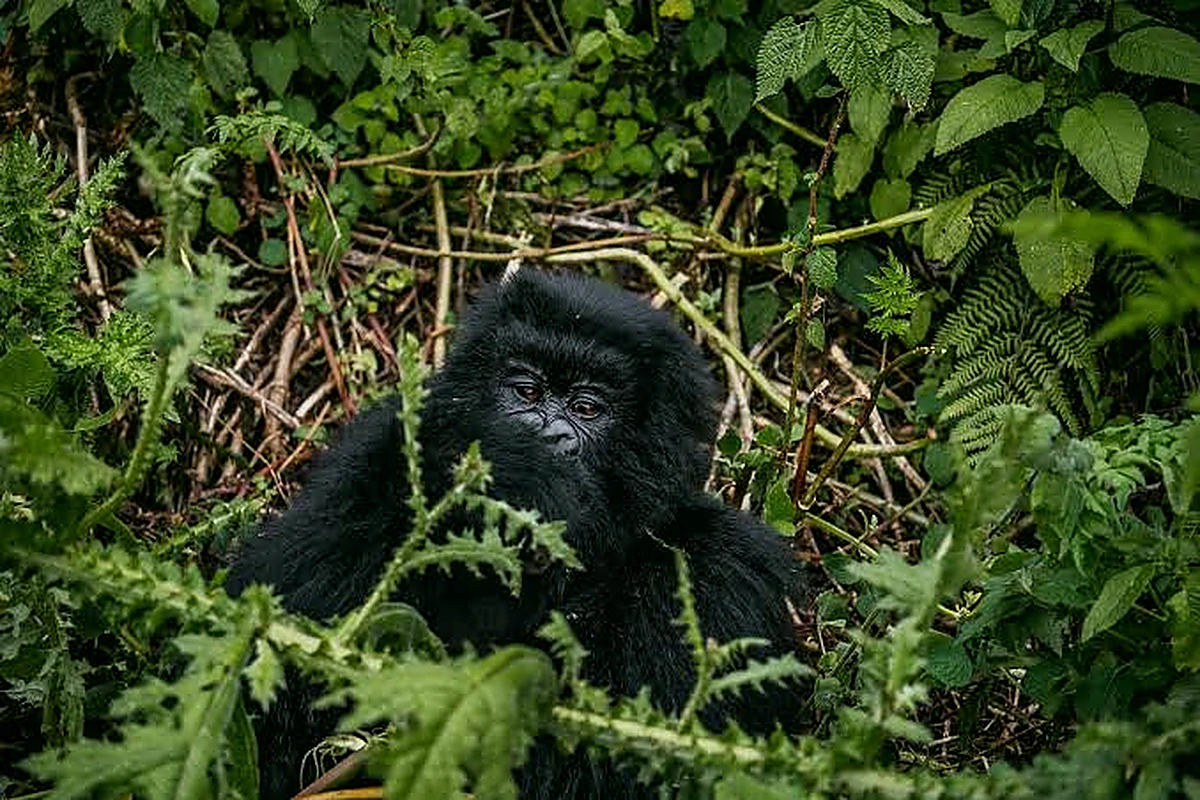
A young mountain gorilla surrounded by lush forest vegetation during a wildlife encounter.
What Should You Pack for a Gorilla Trekking Bathroom Emergency?
A compact and discreet hygiene kit
A small hygiene kit can make a long forest outing far more comfortable. It does not need to be heavy or elaborate. Pack a modest quantity of tissues or toilet paper, hand sanitizer, an opaque sealable bag and any personal products you normally use. Keep the kit accessible rather than buried under camera equipment.
Choose packaging that will not open accidentally in a damp backpack. A second waterproof pouch can protect clean supplies from rain. If you carry used hygiene items out, keep the waste bag separate from snacks, drinking water and other belongings.
Hand sanitizer is convenient when running water is unavailable, although washing with soap and clean water is preferable when facilities are available. Use products according to their instructions, and do not pour leftover chemicals into the forest.
Travelers who menstruate should pack their preferred menstrual products, enough supplies for a longer-than-expected outing and a secure way to carry used items. Menstrual cups may be convenient for some people, but they still require hygienic handling and are not automatically the best choice for everyone.
If you use continence products, pack the quantity you might reasonably need plus a spare. Plan for discreet storage and transport of used materials. Explain any relevant practical needs to your operator before the trek without feeling obliged to share a detailed diagnosis.
Include any medication you may require during the outing in a clearly identified and accessible place. If a medication affects bathroom frequency, discuss your trekking plans with the prescribing clinician rather than adjusting treatment solely to avoid toilet breaks.
Your daypack should also contain water, appropriate food for the walking portion, rain protection and personal essentials. A porter may be able to carry much of the bag, but keep items needed urgently within reach and tell your porter where they are stored.
Packing is about readiness, not anxiety. Most travelers will use little or none of the hygiene kit, but having it available can remove a distraction and help you focus on the forest, the ranger’s briefing and the gorilla encounter.
Should You Drink Less Water to Avoid Using the Toilet?
Hydration, meals and sensible timing
Do not deliberately dehydrate yourself to avoid a toilet during gorilla trekking. Walking on uneven terrain can be physically demanding, and weather conditions may change during the outing. Inadequate fluid intake can make exertion more uncomfortable and may create health risks.
Instead, drink normally and prepare a realistic plan. Use the bathroom before leaving your lodge and again at the briefing point if a facility is available. Carry sufficient drinking water for the planned activity, recognizing that the walk may take longer than expected.
There is no universal drinking schedule that suits everyone. Fluid needs depend on your body, activity, weather and medical circumstances. If you have a condition requiring restricted fluids or another individualized plan, follow professional medical advice rather than a generic travel tip.
Some visitors find that a very large coffee immediately before departure increases their need for a bathroom break. If you know how caffeine affects you, plan your morning accordingly. There is no need to avoid your usual breakfast entirely, but unfamiliar food choices may be unhelpful on a demanding day.
Eat a suitable breakfast and take the packed meal arranged by your lodge or operator. Eating and drinking restrictions apply when you are with gorillas, so follow ranger instructions about when it is appropriate to stop for refreshments.
Never leave food scraps, bottles or wrappers in the forest. The same leave-no-trace principle applies to bathroom supplies. Keeping your waste contained helps protect the habitat and prevents future visitors from encountering litter.
If you experience diarrhea, vomiting, fever or other potentially infectious symptoms before trekking, tell your operator and the park team. Gorilla tracking rules restrict visits by people with infectious illnesses because human infections can threaten great apes. Do not conceal symptoms simply because you have already purchased a permit.
Good planning means balancing hydration, comfort and conservation. You can prepare for a possible bathroom break without sacrificing the water and nourishment needed for a safe walk.
Travelers with concerns about trekking conditions may also appreciate our gorilla trekking alone in Uganda guide.
How Can Women, Older Travelers and Visitors With Medical Needs Prepare?
Privacy and accessibility without assumptions
Bathroom needs vary from person to person. Some travelers are comfortable with an outdoor stop, while others have concerns about privacy, balance, menstruation, urinary urgency or managing medication. There is no single solution that works for everyone, so discuss practical needs before departure.
Women may prefer a compact hygiene kit containing tissues, menstrual products and an opaque waste bag. Clothing that is easy to adjust can also help. Choose long trousers and other protective clothing suitable for forest vegetation, while considering what will be manageable if a bathroom break becomes necessary.
Older travelers should not be assumed to have difficulty with the trek. Walking ability, balance and personal health are more relevant than age alone. If you anticipate frequent bathroom breaks or need help on steep ground, explain that when planning your itinerary.
For visitors with limited mobility, reaching a private outdoor location may be difficult. Ask Pridemark Safaris about the likely terrain, porter assistance and whether specialized mobility arrangements can be investigated. Availability and suitability require advance coordination and cannot be guaranteed.
If you live with a bladder or bowel condition, you can describe your functional needs without disclosing more personal information than necessary. For example, tell the operator that you may need a bathroom break with little notice, or that you require help navigating uneven ground.
Speak to a healthcare professional if you are uncertain whether the exertion or limited access to facilities is suitable for your situation. A safari guide can manage forest logistics, but cannot provide an individualized medical clearance.
Travel companions can be supportive by respecting privacy and avoiding jokes about bathroom needs. A short pause for one visitor is an ordinary part of group travel. The ranger still has to balance the needs of the group with conservation requirements and the gorillas’ movements.
The earlier you discuss a practical concern, the more opportunity there is to plan. Thoughtful communication makes a potentially awkward topic manageable without promising that a remote rainforest can provide the same facilities as a hotel.
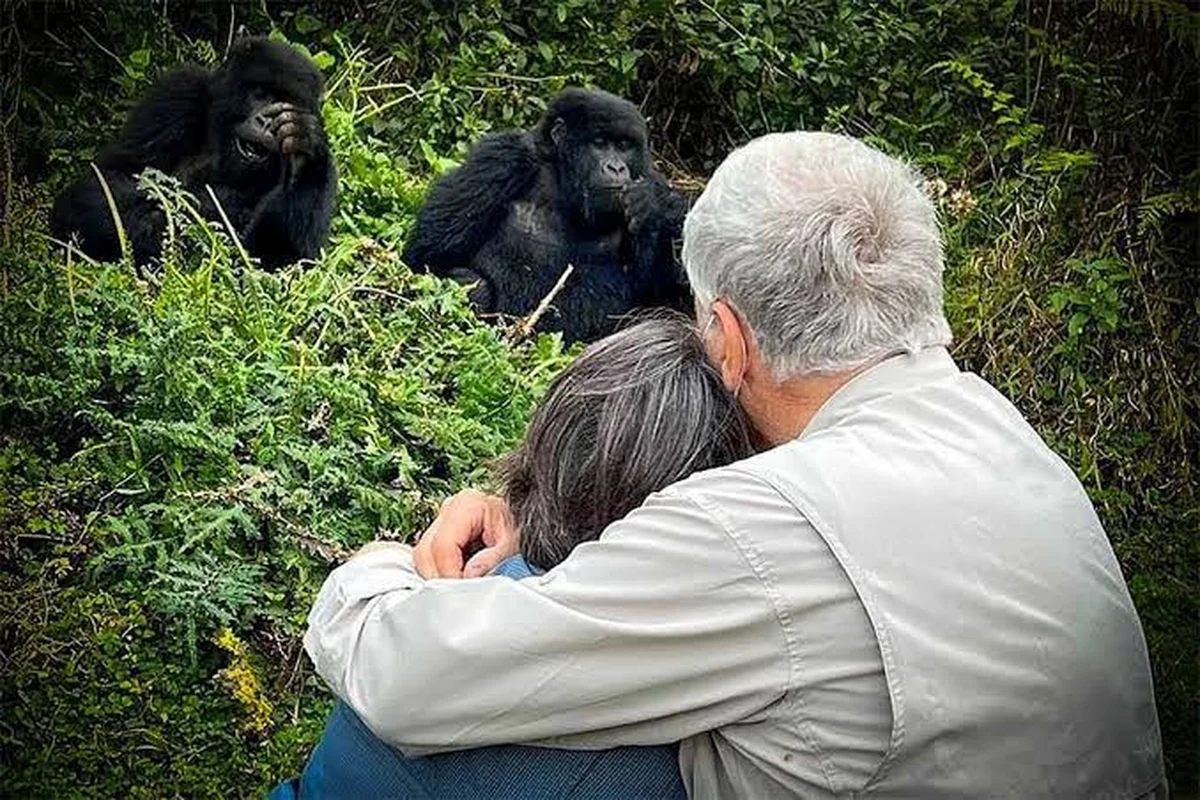
Travelers enjoy a close view of mountain gorillas during a guided forest trek. Visitors should follow ranger instructions throughout the experience.
When Is the Best Time to Ask for a Bathroom Break?
Before the gorilla encounter, during the walk and afterward
The easiest time to use a formal toilet is usually before entering the forest. During the briefing, ask any questions about facilities, the anticipated walking conditions and what to do if you need a stop. Once the trek begins, let the ranger know early rather than waiting for an emergency.
The search for gorillas may involve several hours of walking. Trackers locate the animals, but gorilla groups move freely and the exact route can change. Because the duration is uncertain, a visitor should not assume they can simply wait until a predictable lunch stop or a fixed return time.
If you need a break while the group is walking, alert the ranger. They may coordinate a pause at an appropriate location. Stay with the team until instructed otherwise, and avoid making independent decisions based on what looks like a convenient patch of vegetation.
Once the group reaches the gorillas, visitor behavior becomes more restricted. Uganda Wildlife Authority rules specify a minimum distance, a limited viewing period and restrictions on eating, drinking and other activities during the encounter. A toilet stop should never be improvised beside the animals.
If a need becomes urgent during the viewing period, tell the ranger quietly and follow their directions. The ranger may need to move you away from the gorillas or make another safe arrangement. Do not leave the viewing group alone or assume that privacy is more important than distance from wildlife.
After the permitted viewing period, there is still a return walk. Save some water and energy for this stage. You may be tired, and slippery downhill sections can require extra care. A bathroom request on the return route should be handled with the same attention as one on the way in.
The most useful habit is early communication. Rangers are better able to respond when they know what you need before the situation becomes urgent. Clear requests, patience and respect for park rules make the day easier for everyone.
What Mistakes Should You Avoid When Using the Toilet in Gorilla Habitat?
Protect yourself, your group and the gorillas
The first mistake is walking away from the trekking group without permission. Dense vegetation and uneven terrain can conceal hazards, and the group may move while you are out of sight. Always speak to your ranger and follow the instructions given.
The second mistake is leaving tissues, wet wipes or sanitary products behind. Even a small piece of litter is inappropriate in a protected forest. Carry a secure bag for used materials and dispose of them properly after returning to an established facility.
A third mistake is ignoring the official burial rule for human waste. Uganda Wildlife Authority’s published park rules specify a depth of 30 centimeters. Let the ranger direct the process and do not assume that simply covering waste with leaves is adequate.
Another mistake is choosing a spot near a stream or water source because it appears secluded. Privacy is important, but protecting the environment is more important. The ranger should select an appropriate location that minimizes disturbance and contamination.
Do not stop close to gorillas or attempt to rejoin the group by taking a shortcut. Great apes can be susceptible to human diseases, and the ranger team controls how visitors approach and move around them. Your bathroom needs must be managed without compromising wildlife protection.
Avoid carrying an excessive amount of loose hygiene supplies that can fall from your bag. Keep items in a zipped pouch, and check that you have collected everything before returning to the trail. A quick visual check can prevent accidental littering.
Do not restrict fluids so aggressively that you feel weak or unwell. A manageable toilet concern is preferable to avoidable dehydration. If you have medical advice about fluid intake, follow that advice and plan the trek accordingly.
Finally, do not be embarrassed into silence. Telling your ranger that you need a bathroom break is safer than hoping the problem disappears. Responsible visitors ask for guidance, respect the habitat and communicate before an ordinary need becomes a difficult situation.
Knowing how to manage a toilet during gorilla trekking helps visitors prepare for a comfortable and responsible wildlife experience in Uganda.
For related guidance on respecting wildlife, see Can You Touch Gorillas? and What Should I Do If a Gorilla Charges at Me?.
How Can Pridemark Safaris Help You Plan a Comfortable Gorilla Trek?
Practical preparation and a booking checklist
A well-planned gorilla safari begins before you arrive at the forest. Tell Pridemark Safaris your intended dates, number of travelers, preferred accommodation and any practical concerns about walking or bathroom access. The team can help explain what a typical trekking day involves and what details should be confirmed locally.
Ask which trekking destination and sector your permit is associated with, where your morning briefing takes place and how long the transfer from your lodge may be. These details influence your breakfast time, departure schedule and opportunity to use a formal bathroom before walking.
If privacy or frequent bathroom access is a concern, say so during the planning stage. The operator can discuss the limitations of forest trekking, communicate relevant needs where appropriate and help you consider whether the experience is suitable for your circumstances.
You can also ask about porter arrangements, suitable clothing, packed meals and how to carry a small hygiene kit. A porter may make the walk more comfortable by reducing the weight you carry, although they cannot guarantee an easier route or access to toilets.
For visitors who are nervous about the experience, a longer itinerary with a restful night near the briefing point may be preferable to arriving late and trekking the following morning. Good sleep and an unhurried start help you focus on ranger instructions.
Before paying, confirm the current Uganda Wildlife Authority permit requirements and the inclusions of your quotation. Ask what happens if illness prevents participation, and check travel insurance carefully. Official policies and rates may change, so obtain current details rather than relying on an older blog post.
Pridemark Safaris can help design a gorilla trekking journey that balances conservation, adventure and personal comfort. The company cannot control where gorillas move or guarantee a particular trekking duration, but thoughtful logistics can reduce avoidable stress.
Ready to begin? Contact Pridemark Safaris with your travel dates and questions. A straightforward conversation about your needs is the first step toward a more comfortable, well-prepared Uganda gorilla trekking experience.
Knowing how to manage a toilet during gorilla trekking helps visitors prepare for a comfortable and responsible wildlife experience in Uganda.
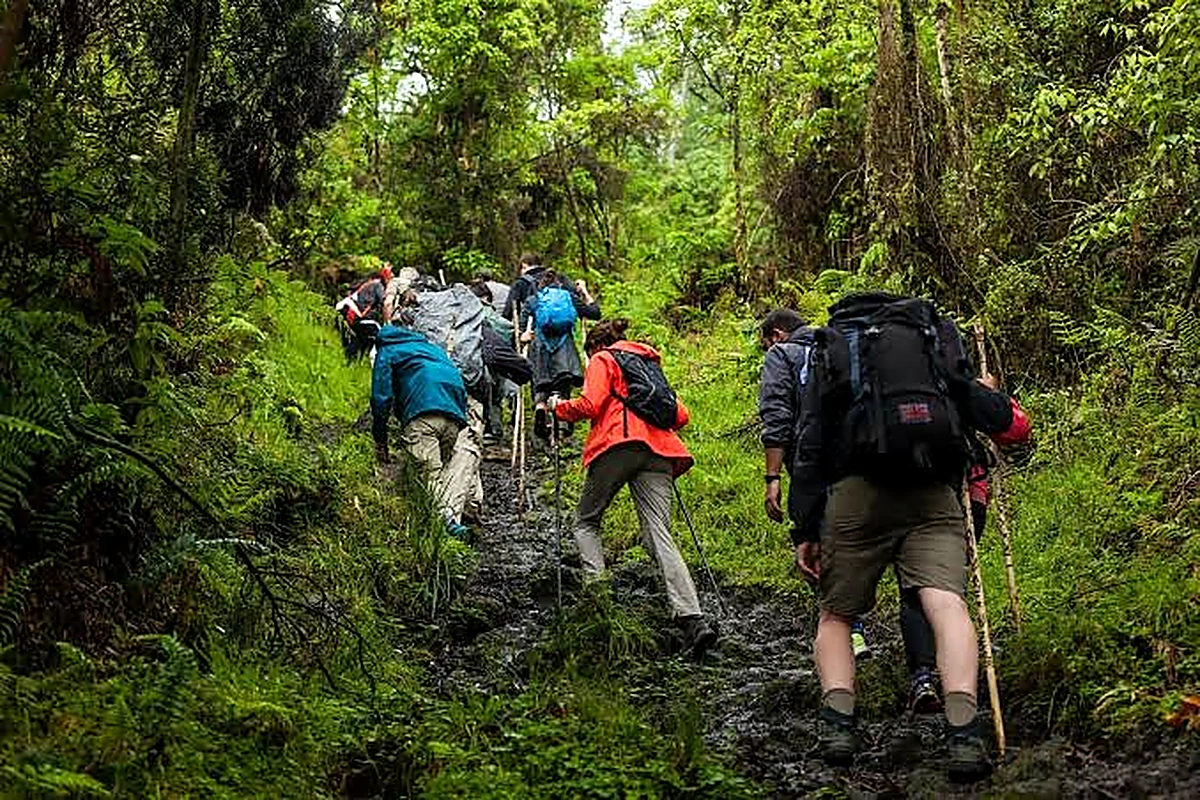
Trekkers navigate a muddy forest trail surrounded by lush vegetation during a guided gorilla trekking adventure.
Frequently Asked Questions About a Toilet During Gorilla Trekking
Is there a toilet during gorilla trekking in Uganda?
There may be toilets at or near some briefing facilities, but you should not expect conventional toilets along the forest route. Confirm facilities for your specific departure point.
Can I ask to use the toilet during a gorilla trek?
Yes. Tell your ranger promptly and follow their instructions. Never walk away from the group independently.
What happens if I need to poop in the forest?
Inform the ranger. Uganda Wildlife Authority’s published gorilla tracking rules state that human waste should be buried 30 centimeters (12 inches) deep. Follow the ranger’s directions.
Can I leave toilet paper in Bwindi Forest?
Do not leave toilet paper, wet wipes, sanitary products or packaging in the forest. Ask your ranger how to carry used materials out safely.
Should I drink less water before gorilla trekking?
No. Deliberately dehydrating yourself can make strenuous walking harder. Drink appropriately and plan for possible bathroom breaks.
Are toilets available at every gorilla trekking briefing point?
Facilities vary by location and can change. Ask your safari operator to confirm the arrangements for your assigned sector.
Can women manage periods during gorilla trekking?
Yes, with planning. Bring suitable products, spare supplies and an opaque waste bag, and follow ranger instructions for any bathroom stop.
What if I have a bladder condition?
Discuss your practical needs with your operator before booking and seek medical advice where appropriate. Forest routes cannot guarantee immediate access to facilities.
Can I go to the toilet while viewing gorillas?
Tell the ranger immediately if the need is urgent. Do not move away alone or attempt to use the toilet close to gorillas; the ranger will determine a safe response.
How long will I be away from a toilet?
It varies with gorilla movements, terrain and your route. Some treks are shorter; others can take several hours including the return walk.
Can I bring wet wipes on a gorilla trek?
You can carry personal hygiene supplies, but do not leave used wipes in the forest. Pack them out for appropriate disposal.
Who should I contact about trekking logistics?
Ask Pridemark Safaris to confirm your briefing location, transfer schedule, porter options and current park guidance before travel.
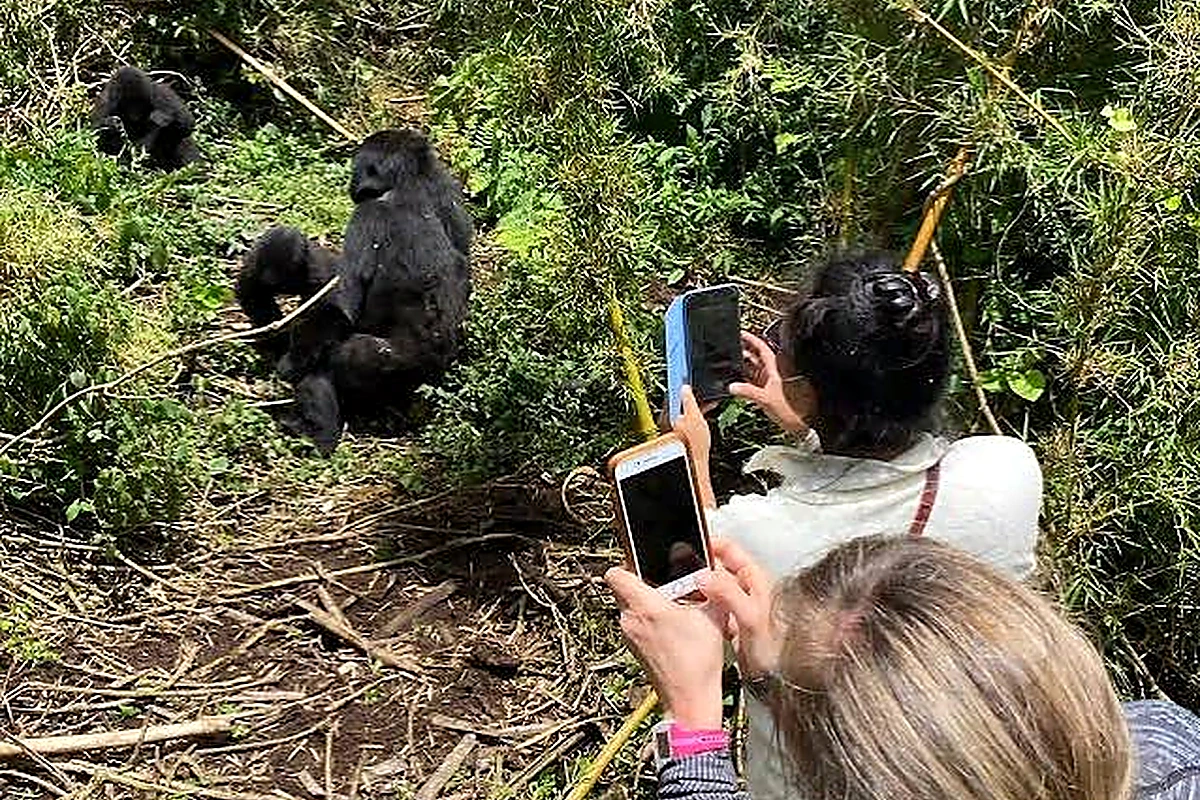
Visitors photographing mountain gorillas in their natural forest habitat during a guided gorilla trekking experience.
Book a Well-Planned Uganda Gorilla Safari With Pridemark Safaris
If you have questions about toilet access, trekking duration, mobility or forest hygiene, Pridemark Safaris can help you prepare. Share your preferred travel dates, number of guests and any practical requirements so the team can discuss a suitable itinerary and confirm the latest local arrangements.
Request a Tailor-Made Uganda Gorilla Safari Quote with Pridemark Safaris.
Knowing how to manage a toilet during gorilla trekking helps visitors prepare for a comfortable and responsible wildlife experience in Uganda.
Official Guidance and Editorial Sources
- Uganda Wildlife Authority: Conservation Tariff and Park Rules, July 2024–June 2026 (historical publication; verify current rules)
- Uganda Wildlife Authority: Gorilla and Chimpanzee Tracking Guidelines, July 2024
- Uganda Wildlife Authority official website