Best Gorilla Trekking Months Compared: When Is the Best Time to Visit Uganda and Rwanda?

Ultimate Kigali to Bwindi Gorilla Safari: Your Complete Guide to Gorilla Trekking in Uganda
November 1, 2026
What Happens If You Don’t See Gorillas During Trekking in Uganda? 7 Essential Facts
November 2, 2026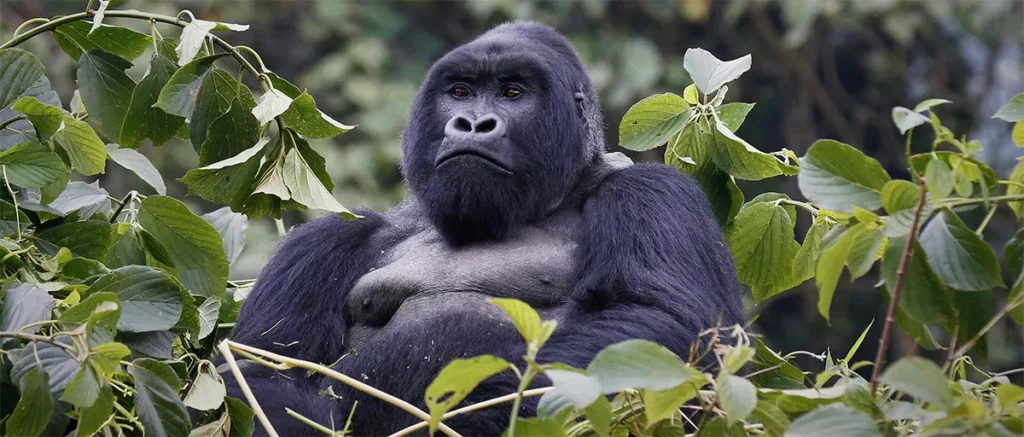
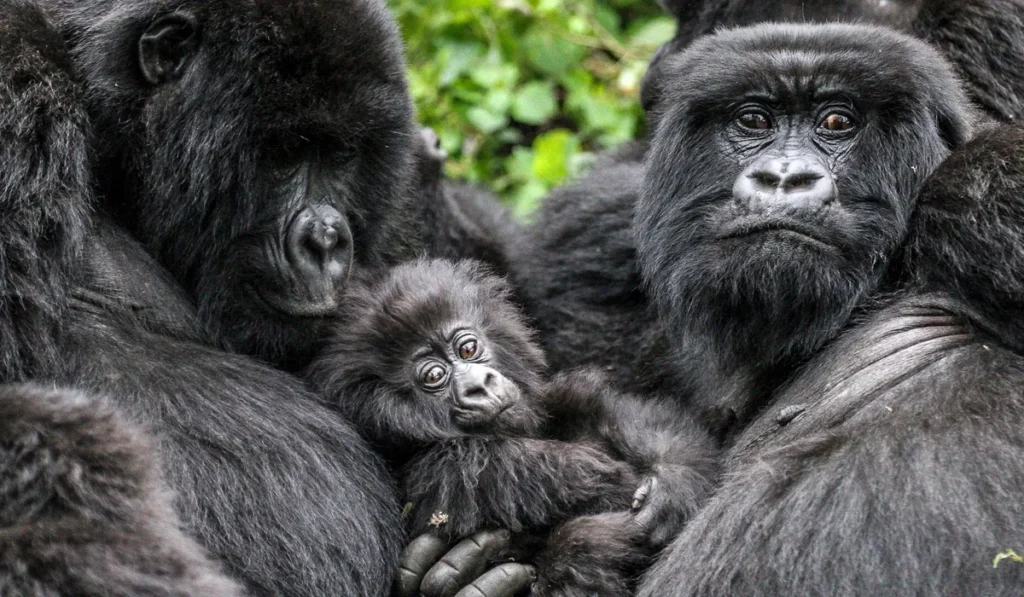
Imagine standing just a few metres away from a family of mountain gorillas, watching a silverback relax beneath the forest canopy while young gorillas play around their mother. It is one of Africa’s most unforgettable wildlife experiences.
But when is the best time to experience this extraordinary adventure?
Choosing the right month for gorilla trekking can make a significant difference to your safari. Weather conditions, muddy forest trails, tourist numbers, accommodation prices and permit availability all influence your experience.
Whether you are planning to visit Bwindi Impenetrable National Park or Mgahinga Gorilla National Park in Uganda, or Volcanoes National Park in Rwanda, understanding the different seasons will help you plan a more rewarding journey.
In this guide, PrideMark Safaris compares the best gorilla trekking months, explains the advantages of travelling during dry and rainy seasons, and helps you choose the ideal time for your African gorilla safari.
What Are the Best Months for Gorilla Trekking?

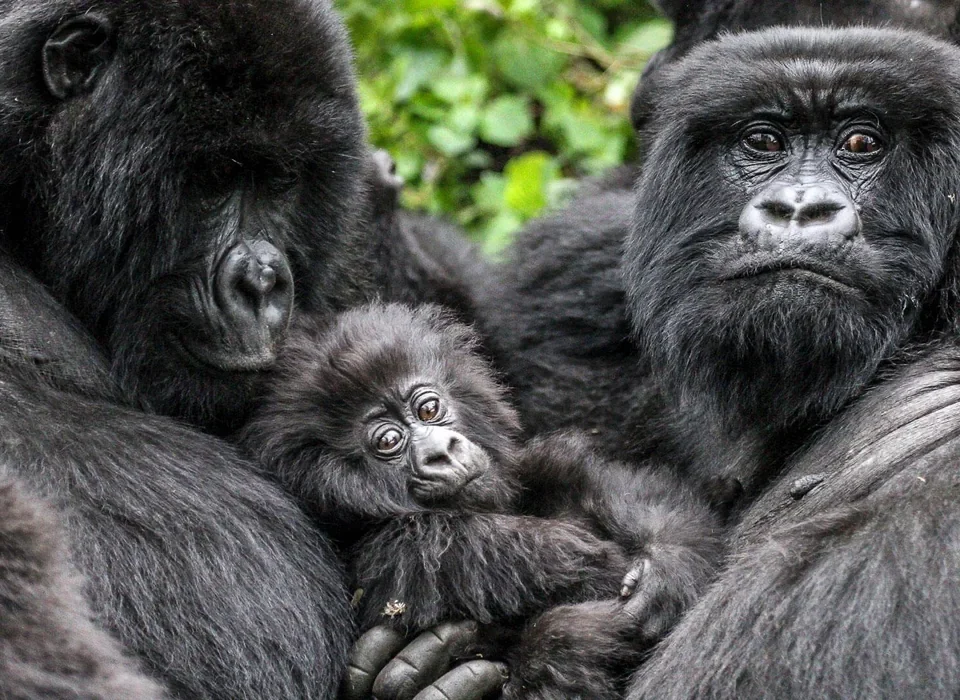
A mountain gorilla family in Bwindi – silverback protecting his group in the lush forest.
The best months for gorilla trekking in Uganda and Rwanda are generally June, July, August, September, December, January and February.
These months fall within the two main drier periods in the region. Forest trails are generally less muddy, hiking conditions are more comfortable, and visitors have a better chance of enjoying clear photography conditions.
However, gorilla trekking is available throughout the year. Mountain gorillas live in tropical forests where rainfall can occur even during the drier months.
Here is a quick comparison:
| Months | Season | Trekking Conditions |
|---|---|---|
| January–February | Dry | Excellent |
| March | Rainy season begins | Moderate |
| April–May | Long rainy season | Challenging |
| June–September | Long dry season | Excellent |
| October–November | Short rainy season | Moderate to challenging |
| December | Short dry season | Very good |
Our recommendation: June and September are excellent choices for travellers seeking a balance between favourable trekking conditions and seasonal demand. January and February are also great alternatives.
Dry Season vs Rainy Season: Which Is Better?
Understanding the difference between the dry and rainy seasons is one of the most important parts of planning a gorilla trekking safari.
Dry Season: June to September and December to February
The dry season is generally considered the most comfortable period for gorilla trekking in East Africa.
During these months, rainfall is usually lower, making forest trails easier to navigate. This is particularly helpful in Bwindi Impenetrable National Park, where steep slopes, dense vegetation and uneven terrain can make the trek physically demanding.
Advantages of trekking during the dry season:
- Firmer and less slippery hiking trails.
- More comfortable walking conditions.
- Better opportunities for forest photography.
- Easier access along some forest roads.
- Excellent opportunities to combine gorilla trekking with other wildlife safaris.
Disadvantages:
- Higher demand for gorilla permits.
- Popular lodges may be more expensive.
- Accommodation and transport should be booked early.
The dry season is particularly suitable for first-time trekkers, families with eligible participants and travellers with fixed safari dates.
Rainy Season: March to May and October to November
When you meet eye to eye in the wild. ✨ A quiet, respectful moment between human and mountain gorillas in the morning mist.
The rainy season offers a different but equally memorable gorilla trekking experience.
During these months, the forests become greener, vegetation grows thicker and the landscape takes on a beautiful tropical appearance.
Although hiking can be more challenging because of muddy and slippery trails, gorilla trekking continues throughout the year.
Advantages of trekking during the rainy season:
- Fewer tourists compared with peak travel periods.
- Potentially better accommodation deals.
- More opportunities to enjoy quieter forest experiences.
- Beautiful green landscapes for nature photography.
- Greater flexibility in finding suitable travel dates.
Disadvantages:
- Slippery and muddy hiking trails.
- Frequent rainfall.
- More demanding hiking conditions.
- Waterproof clothing and proper hiking equipment are essential.
The rainy season is a good option for adventurous travellers who are comfortable with unpredictable weather and want a quieter safari experience.
Gorilla Trekking Month-by-Month Comparison
Let’s look at what each month offers to help you decide when to book your gorilla trekking adventure.
January – Excellent for Gorilla Trekking
January is one of the best months to visit Uganda and Rwanda for gorilla trekking.
It falls within the short dry season, with generally favourable hiking conditions and relatively lower rainfall.
In Bwindi, visitors can enjoy trekking through the forest with less muddy terrain compared with the wetter months.
Why visit in January?
- Generally favourable weather.
- Good hiking conditions.
- Excellent wildlife photography opportunities.
- Suitable for combining gorilla trekking with other safari activities.
Verdict: One of the best months for a comfortable gorilla trekking experience.
February – Another Excellent Month
February is another excellent month for gorilla trekking, particularly for visitors who prefer relatively dry conditions.
The weather is generally favourable in Uganda and Rwanda, making forest hikes more manageable.
Standing strong, watching over the mountains he calls home. A lone silverback surveying the Virunga mountains – king of his highland kingdom.
It is also a good month for combining gorilla trekking with chimpanzee tracking, wildlife viewing and cultural experiences.
Why visit in February?
- Relatively dry forest trails.
- Comfortable safari conditions.
- Good opportunities for photography.
- Excellent for multi-destination East African safaris.
Verdict: Highly recommended for travellers seeking favourable trekking conditions.
March – The Beginning of the Long Rains
March marks the beginning of the longer rainy period in much of the region.
Rainfall gradually increases, and forest trails can become muddy, particularly towards the end of the month.
However, the forests begin to look greener, and visitor numbers may be lower than during the peak dry season.
Why visit in March?
- Beautiful green scenery.
- Potentially fewer visitors.
- Opportunities for more flexible accommodation arrangements.
Verdict: Suitable for flexible travellers who do not mind occasional rainfall.
April – The Wettest and Most Challenging Month
April is generally among the wettest months for gorilla trekking in Uganda and Rwanda.
Forest trails can become slippery, and hiking through steep sections may require additional effort.
However, the mountain gorillas remain in their natural habitat, and trekking continues.
Why visit in April?
- Lush tropical forest scenery.
- Fewer tourists.
- Potential accommodation savings.
- Excellent opportunities for dramatic forest photography.
Verdict: Best suited to adventurous travellers who are prepared for wet conditions.
May – Rainfall Begins to Ease
May is generally a transitional month as the long rainy season gradually comes to an end.
Conditions can remain wet, particularly during the first part of the month, but the weather may improve towards the end.
It can be a good option for visitors looking for fewer crowds before the busy June–September season.
Why visit in May?
- Greener landscapes.
- Potentially better accommodation availability.
- Fewer visitors than during peak season.
Verdict: Late May can be a worthwhile option for flexible travellers.
June – One of the Best Months
June marks the beginning of the long dry season and is one of the most recommended months for gorilla trekking.
Forest trails generally become easier to navigate, and the weather is more favourable for hiking.
Demand for gorilla permits also increases as international travellers begin their peak-season holidays.
Why visit in June?
- Better hiking conditions.
- Reduced rainfall.
- Excellent opportunities for wildlife photography.
- Good conditions for combining gorilla trekking with other safaris.
Verdict: One of the best overall months for gorilla trekking.
July – Peak Gorilla Trekking Season
July is among the most popular months for gorilla trekking in Uganda and Rwanda.
The dry weather generally provides favourable hiking conditions, making it an excellent time for visitors who prefer more comfortable forest walks.
However, high demand means that permits and popular accommodation options should be secured well in advance.
Why visit in July?
- Generally dry trails.
- Excellent trekking conditions.
- Good visibility for photography.
- Ideal for family holiday planning where participants meet park requirements.
Verdict: Excellent for trekking, but early booking is essential.
August – Excellent for Wildlife Adventures
August continues the long dry season and is another highly recommended month.
It is especially attractive to international travellers planning a broader East African safari.
You can combine your gorilla trekking experience with game drives, boat cruises and other wildlife activities.
Why visit in August?
- Favourable hiking conditions.
- Relatively dry forest trails.
- Great safari combination opportunities.
- Excellent for travellers with summer holiday schedules.
Verdict: One of the best months, although demand can be high.
September – Excellent Conditions with Seasonal Flexibility
September is another excellent month for gorilla trekking.
It marks the latter part of the long dry season, and trail conditions are generally favourable, although occasional rainfall is still possible.
As the international summer holiday period ends, some destinations may experience a gradual reduction in visitor demand.
Why visit in September?
- Generally good trekking conditions.
- Beautiful forest scenery.
- Potentially less competition for some accommodation options.
- Excellent for photography and wildlife experiences.
Verdict: One of our top recommendations for gorilla trekking.
October – The Short Rains Begin
That smile when you finally meet them. A happy moment from gorilla trekking in the heart of the forest.
October marks the beginning of the shorter rainy season in much of Uganda and Rwanda.
Rainfall becomes more frequent, and trails may become slippery.
Nevertheless, trekking remains possible, and the green landscapes offer attractive scenery for nature lovers.
Why visit in October?
- Beautiful green forest scenery.
- Potentially quieter trekking experiences.
- Opportunities for more flexible travel arrangements.
Verdict: A good option for travellers who are comfortable with changing weather.
November – A Quieter Trekking Month
November is generally part of the shorter rainy season.
Some days may experience considerable rainfall, making hiking more challenging.
However, fewer visitors can make this month attractive for travellers looking for a quieter safari.
Why visit in November?
- Lush rainforest scenery.
- Potentially better accommodation deals.
- Fewer visitors compared with peak dry-season months.
Verdict: Suitable for adventurous travellers seeking a quieter experience.
December – A Great Month for Gorilla Trekking
December marks the beginning of the short dry season in the region.
It is an excellent month for gorilla trekking, especially during the first part of the month.
The Christmas and New Year holiday period can be particularly busy, so advance planning is important.
Why visit in December?
- Generally favourable trekking conditions.
- Excellent holiday safari opportunities.
- Good conditions for combining gorilla trekking with other destinations.
- Beautiful end-of-year African safari experiences.
Verdict: Excellent for a festive-season gorilla trekking adventure.
Best Months for Gorilla Trekking in Uganda
Family meeting got heated. That one gorilla said exactly what we were all thinking. The whole troop taking a break – six mountain gorillas lounging together in the forest.
Uganda is one of Africa’s leading destinations for mountain gorilla trekking.
The country offers gorilla trekking in two protected areas:
- Bwindi Impenetrable National Park: Famous for its mountain gorilla population and several trekking sectors, including Buhoma, Ruhija, Rushaga and Nkuringo.
- Mgahinga Gorilla National Park: Located in southwestern Uganda, this park offers an opportunity to trek mountain gorillas in the beautiful Virunga volcanic landscape.
The best months to visit these parks are generally June to September and December to February.
Bwindi’s mountainous rainforest receives rainfall throughout the year, so even during the dry season, visitors should be prepared for occasional showers.
Uganda is particularly attractive to travellers who want to combine gorilla trekking with other experiences such as:
Explore more: PrideMark Safaris – Uganda Gorilla Trekking Tours
Best Months for Gorilla Trekking in Rwanda
Rwanda offers mountain gorilla trekking in Volcanoes National Park, located in the northwestern part of the country.
The park is part of the Virunga Mountains and is home to endangered mountain gorillas.
The best months for trekking in Rwanda are generally:
- June.
- July.
- August.
- September.
- December.
- January.
- February.
These months offer relatively favourable weather conditions and generally drier hiking trails.
Rwanda is an excellent choice for travellers looking for a gorilla trekking experience combined with luxury accommodation, cultural experiences and convenient travel connections.
Visitors can also combine gorilla trekking with:
- Golden monkey tracking.
- Kigali city tours.
For official destination information, visit Visit Rwanda – Gorilla Trekking.
Uganda vs Rwanda: Which Destination Is Better for Gorilla Trekking?
The ultimate photobomb guest. When the forest king decides to join the group picture during a trek.
Both Uganda and Rwanda offer unforgettable mountain gorilla trekking experiences. The best destination depends on your travel budget, preferred safari style, available time and other activities you would like to enjoy.
| Comparison | Uganda | Rwanda |
|---|---|---|
| Main trekking destination | Bwindi and Mgahinga | Volcanoes National Park |
| Best months | June–September, December–February | June–September, December–February |
| Trekking experience | Multiple forest sectors | Virunga volcanic forest |
| Safari combinations | Excellent wildlife and primate options | Excellent luxury and cultural options |
| Travel style | Budget to luxury | Budget to luxury |
| Trekking availability | Year-round | Year-round |
Why choose Uganda?
Uganda is a wonderful option for travellers looking for a more extensive wildlife safari. You can combine gorilla trekking with chimpanzee tracking, classic game drives, boat cruises and beautiful lakeside experiences.
Why choose Rwanda?
Rwanda is an excellent option for visitors seeking a convenient gorilla trekking safari, especially when combining the experience with Kigali, Volcanoes National Park and luxury accommodation.
Ultimately, both destinations offer exceptional opportunities to see mountain gorillas in their natural environment.
When Should You Book Your Gorilla Trekking Permit?
One of the most important parts of planning your gorilla safari is securing your trekking permit.
Gorilla permits are limited because visitor numbers are controlled to protect mountain gorillas and their natural habitat.
We recommend booking your gorilla trekking permit several months in advance, particularly if you intend to travel during June, July, August, September or the Christmas holiday period.
Uganda and Rwanda have different permit prices and booking arrangements. Always confirm current prices, eligibility requirements and availability with the relevant wildlife authority before making payment.
For official information, consult:
- Uganda Wildlife Authority – Uganda’s national parks and gorilla trekking information.
- Rwanda Development Board – Rwanda’s tourism and conservation information.
Planning a gorilla safari? PrideMark Safaris can help you organise your itinerary, accommodation, transport and gorilla permit arrangements.
What Should You Pack for Gorilla Trekking?
No rain stops the adventure. Trekking through the mist to meet the giants. Muddy boots, wet jackets, worth every step.
Regardless of the month you choose, packing the right equipment will make your gorilla trekking adventure more comfortable.
The weather in tropical mountain forests can change quickly, so preparation is essential.
We recommend packing:
- Waterproof hiking boots with good grip.
- Lightweight waterproof jacket or raincoat.
- Long-sleeved shirts and comfortable hiking trousers.
- Gardening or trekking gloves for handling vegetation.
- A small backpack for personal essentials.
- Reusable drinking water bottle.
- Insect repellent.
- Sunscreen.
- Camera with suitable lenses.
- A walking stick, which can often be arranged at the park.
- Extra socks and a change of clothes.
Hiring a local porter is also a great idea. Porters help carry your backpack and provide valuable assistance on challenging sections of the trail while supporting local communities.
So, What Is the Best Month for Gorilla Trekking?
The best month ultimately depends on what you value most during your African safari.
Here is our final recommendation:
| Your Travel Priority | Best Months |
|---|---|
| Easiest trekking conditions | June–September |
| Short dry-season adventure | January–February |
| Fewer visitors | April, May and November |
| Greener forest photography | April–May and October–November |
| Christmas holiday safari | December |
| Best overall balance | June and September |
If you are visiting for the first time and prefer more comfortable hiking conditions, we recommend June, July, August, September, January or February.
If you are more flexible and do not mind occasional rain, the wetter months can also offer a rewarding experience.
Remember that mountain gorillas can be visited throughout the year. The most important thing is to choose a month that matches your travel preferences and prepare appropriately.
Book Your Gorilla Trekking Safari with PrideMark Safaris
Your gorilla trekking adventure deserves careful planning, reliable arrangements and knowledgeable local guidance.
At PrideMark Safaris, we help travellers experience the beauty of Uganda and East Africa through memorable wildlife and nature adventures.
Whether you want to explore Bwindi Impenetrable National Park, trek mountain gorillas in Mgahinga, or experience Rwanda’s Volcanoes National Park, we can help you plan an unforgettable safari.
Our safari planning services can include:
- Gorilla trekking permit arrangements.
- Private safari transport.
- Accommodation bookings.
- Professional safari guides.
- Airport transfers.
- Customised Uganda and Rwanda safari itineraries.
- Combined gorilla trekking and wildlife safari packages.
Ready to meet the mountain gorillas?
Contact PrideMark Safaris today to start planning your adventure.
Website: https://pridemarksafaris.com/
Call to action: Plan your gorilla trekking safari with PrideMark Safaris and experience one of Africa’s most extraordinary wildlife encounters.
Frequently Asked Questions About the Best Gorilla Trekking Months
What is the best month for gorilla trekking in Uganda?
June and September are excellent choices because they generally offer favourable trekking conditions and can provide a good balance between weather and seasonal demand. January, February, July and August are also excellent.
Can you go gorilla trekking during the rainy season?
Yes. Gorilla trekking is available throughout the year in Uganda and Rwanda. However, rainy-season conditions can make forest trails muddy and slippery, so appropriate clothing and hiking equipment are important.
Is June better than December for gorilla trekking?
Both months can offer excellent trekking conditions. June falls within the long dry season, while December is part of the shorter dry season. December can be particularly busy around Christmas and New Year.
Which country is cheaper for gorilla trekking, Uganda or Rwanda?
Uganda generally has a lower standard gorilla permit price than Rwanda, although the total safari cost depends on accommodation, transport, the number of travel days and other activities.
Always confirm the latest permit prices with the respective wildlife authorities.
Are gorillas easier to see during the dry season?
Mountain gorillas are present throughout the year, and trekking is possible in both dry and rainy seasons. Dry weather mainly improves hiking conditions; it does not guarantee that gorillas will be easier to find.
How far in advance should I book a gorilla trekking safari?
Booking three to six months ahead is a sensible planning target, particularly for peak-season travel. Earlier booking is advisable for popular dates, preferred trekking sectors and specific accommodation choices.
Is gorilla trekking physically difficult?
It can be moderately challenging to strenuous depending on the location of the gorilla family, terrain, altitude and weather. A reasonable level of fitness, appropriate footwear and the assistance of a porter can make the experience more comfortable.
Can I combine gorilla trekking in Uganda with a wildlife safari?
Absolutely. You can combine gorilla trekking in Bwindi with game drives in Queen Elizabeth National Park, chimpanzee tracking in Kibale Forest and relaxation around Lake Bunyonyi.
PrideMark Safaris can help create a customised itinerary.
Final word: There is no bad time to experience the magic of mountain gorillas. However, choosing the right month can make your adventure more comfortable and enjoyable. Plan ahead, prepare well and let PrideMark Safaris help you discover the extraordinary wildlife of East Africa.