What If Your Gorilla Trek Ends Without a Sighting?
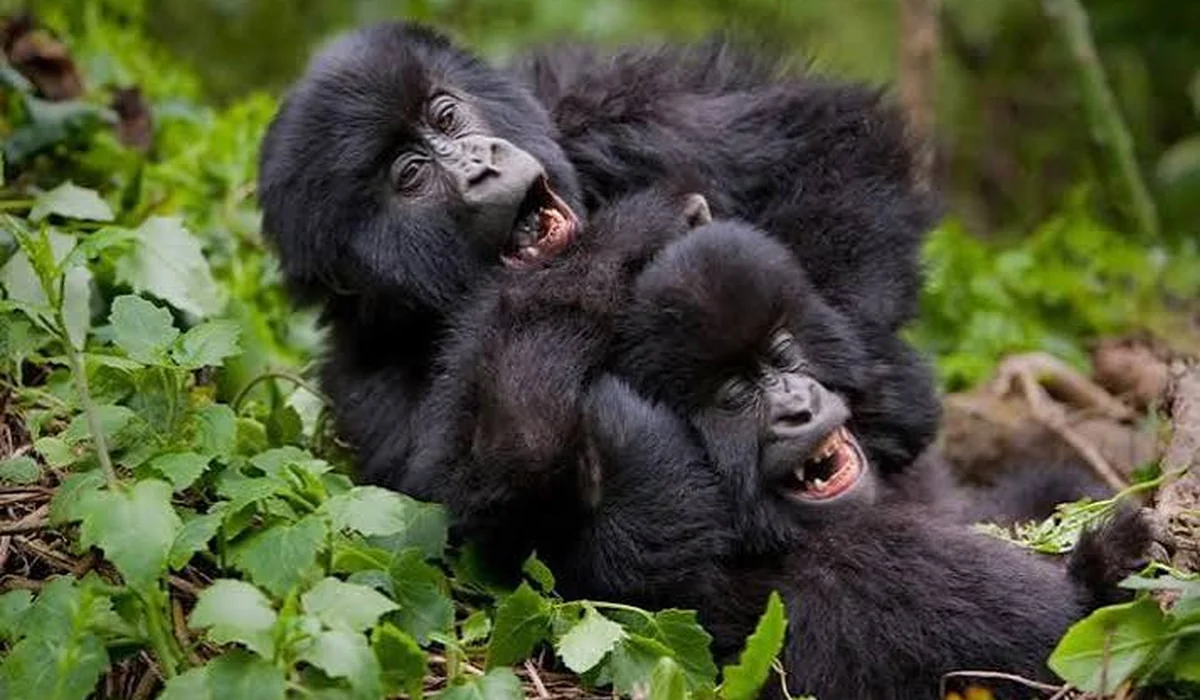
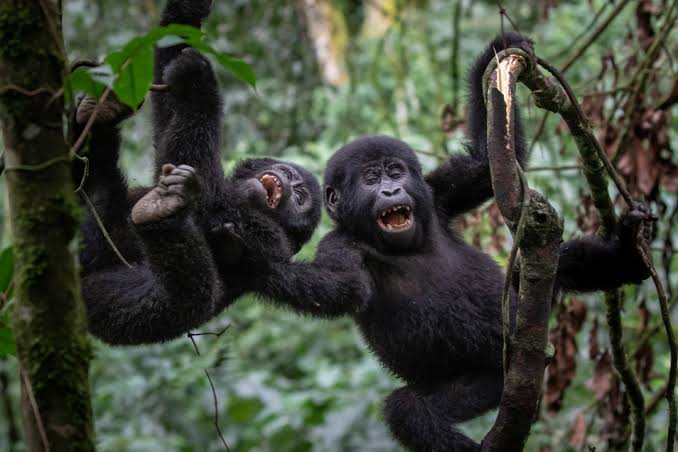
Two young mountain gorillas interact in a lush forest setting. Gorilla trekking is one of the remarkable wildlife experiences travelers can include when booking a Uganda safari.
Uganda is one of the most remarkable destinations on earth for seeing mountain gorillas in the wild. Travelers cross continents, reserve permits months ahead, and walk into mist-covered forests hoping for an unforgettable encounter. Most people understandably imagine the moment when a ranger signals everyone to stop and a gorilla family appears through the leaves. But an equally important question deserves an answer before you travel: what happens if you don’t see gorillas during trekking in Uganda?
The possibility of an unsuccessful trek can feel worrying, especially because a gorilla permit is a substantial investment. The honest answer is that gorilla sightings are highly anticipated but cannot be guaranteed. Mountain gorillas are wild animals, not performers in a controlled attraction. Their movements, the weather, the landscape, and safety considerations all influence what happens on a particular day.
The good news is that Uganda Wildlife Authority, commonly called UWA, has established procedures for an unsuccessful full-day tracking experience. Those procedures may include next-day rescheduling or a partial refund in qualifying circumstances. The rules are more specific than many travel websites suggest, and it is important to distinguish official policy from a tour company’s individual booking terms.
In this guide, Pridemark Safaris explains seven essential facts about missed gorilla sightings, what rangers do when a family is difficult to locate, how to document an unsuccessful trek, and how to plan a safari that remains rewarding even if nature changes your expectations. We also answer common questions about permits, refunds, trekking conditions, and alternative activities.
Gorilla Sightings Are Not Guaranteed Because Mountain Gorillas Are Wild
A gorilla trekking permit gives you the opportunity to join an authorized, ranger-led search for a habituated gorilla family. It is not a contractual promise that a particular animal will appear at a certain place or time. This distinction matters because the forests of southwestern Uganda are genuine wildlife habitats, with steep slopes, dense vegetation, streams, and changing conditions.
Mountain gorillas move as they feed, rest, socialize, and respond to their environment. A family that was relatively close to a trail yesterday might travel deeper into the forest overnight. Rangers can use signs such as nests, feeding traces, and recent movement patterns to guide their search, but a gorilla group does not follow a timetable created for visitors.
Uganda’s principal gorilla trekking destinations are Bwindi Impenetrable National Park and Mgahinga Gorilla National Park. Bwindi has several trekking sectors, including Buhoma, Ruhija, Rushaga, and Nkuringo. Mgahinga offers a different forest and volcanic landscape. Each destination offers an authentic experience, but no sector can promise that every visitor will have the same encounter.
A crucial distinction is the difference between not seeing gorillas at all and seeing them imperfectly. A gorilla family might be found in thick foliage, under low light, or on a steep hillside. You may see several animals clearly and others only briefly. That is still a sighting, even if the photography is less dramatic than expected. A qualifying unsuccessful trek under UWA procedures is not simply a trek where the gorillas were too far away for your preferred camera lens.
The best mindset is to value the entire forest experience while remaining hopeful about the encounter. Bird calls, ancient trees, tracks, butterflies, and the knowledge shared by expert guides are part of the journey. This does not replace the excitement of meeting mountain gorillas, but it creates realistic expectations and helps you appreciate why responsible gorilla tourism protects animals rather than forcing them into convenient locations.
Rangers and Trackers Work Together to Locate Gorilla Families
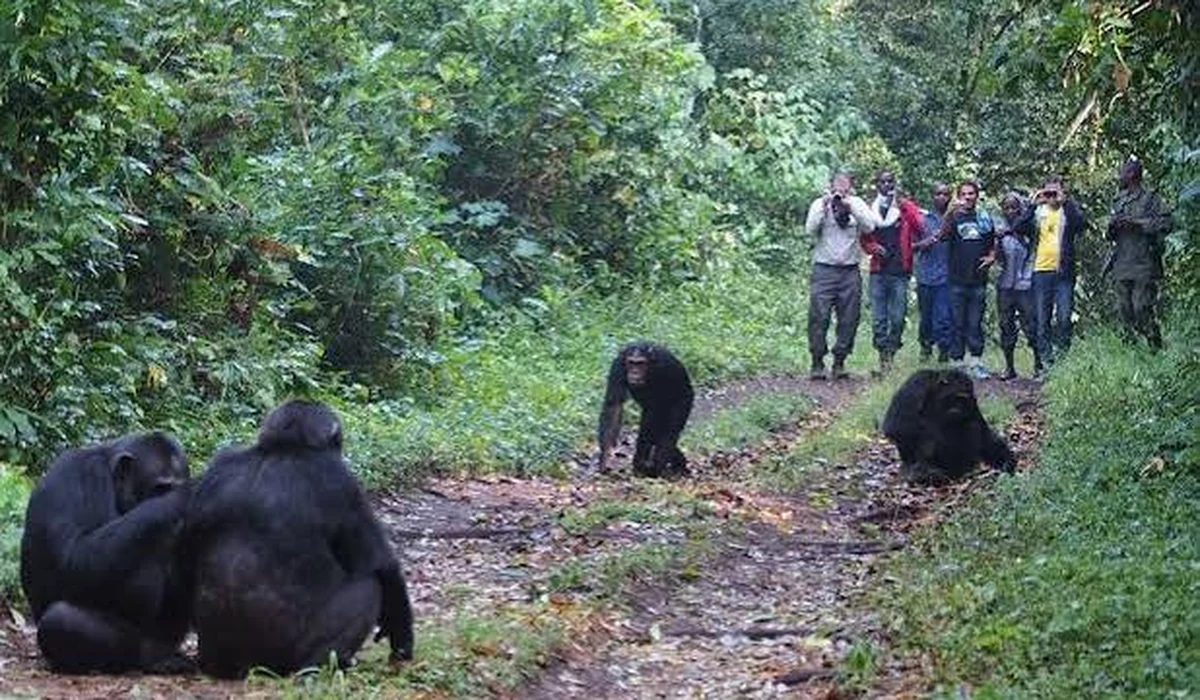
Tourists observe gorillas along a forest trail. Discover what happens if you don’t see gorillas during trekking in Uganda and how sightings are managed.
Gorilla trekking is not a random walk through the forest. Visitors normally attend a briefing, receive safety instructions, and are assigned to a trekking group. Trained UWA personnel lead the activity and communicate with tracking teams familiar with the forest and the movements of habituated gorilla families.
Trackers may begin their work before visitors reach the forest, checking areas where a gorilla family was previously encountered. They look for evidence of recent feeding, trails through vegetation, and signs of overnight nests. As new information emerges, guides can adjust the trekking direction and pace within the boundaries of safe and authorized operations.
This coordinated system is one reason Uganda’s gorilla trekking experience is so well established. However, skilled trackers cannot control rain, fog, a sudden change in animal movement, or a route that becomes unsafe. In rugged terrain, a short distance on a map can translate into a long, physically demanding climb. Your guide must consider the safety of the visitors and the welfare of the gorillas.
If a family is proving difficult to locate, the lead guide may discuss the situation with other park personnel and decide whether to continue searching. Travelers should follow the guide’s instructions rather than splitting from the group or attempting to pursue animals independently. Unauthorized tracking can endanger people and wildlife and is not an acceptable way to salvage a difficult day.
It is helpful to tell your safari planner about your mobility, fitness, and any relevant limitations before the trip. A porter can assist with a daypack and provide practical support on challenging ground, although hiring a porter cannot guarantee an easier route or a successful sighting. Clear communication allows the trekking team to make better-informed decisions.
When a trek does not produce a sighting, ask the lead guide or responsible park official to explain what happened and what the next administrative step should be. Keep your permit details and receipts. The distinction between an officially confirmed failure to access gorillas and a personal decision to stop early can be important when considering a reschedule or refund request.
UWA May Allow a Next-Day Reschedule After an Unsuccessful Full-Day Trek
One of the most valuable facts for travelers is that an unsuccessful full-day gorilla trek does not always mean the opportunity is immediately lost. Under UWA’s published guidelines for the management of gorilla and chimpanzee tracking, the Executive Director may authorize rescheduling to the following day when a client has tracked for a whole day but failed to see the animals.
The word “may” is important. Rescheduling requires an official decision; it is not an entitlement that a lodge, guide, or travel company can promise in advance. Available trekking slots also matter. If permits are already fully allocated, a next-day arrangement might not be possible. A visitor who must travel onward the next morning may also be unable to use the option.
For this reason, consider building some flexibility into your Uganda itinerary. A spare night near Bwindi or Mgahinga can provide breathing room if weather disrupts transport, if the trek is exceptionally demanding, or if UWA approves an additional attempt. Extra time does not create a guaranteed right to another trek, but it gives you more practical choices if a problem arises.
Ask your tour operator what accommodation and transport changes would cost if you needed to remain near the park. The permit decision is separate from lodge cancellation rules, driver schedules, flight changes, and other travel services. Even if UWA permits a reschedule, extra accommodation or transport expenses may remain the traveler’s responsibility unless a booking agreement states otherwise.
Travelers should also distinguish this specific post-trek procedure from ordinary voluntary permit changes. Different rules may apply when a visitor simply wants to move a confirmed trekking date. Promotional permits and other special products can have their own restrictions. Never assume that the policy for a verified unsuccessful full-day trek also applies to a change of mind before the safari.
Pridemark Safaris recommends discussing schedule flexibility at the planning stage rather than waiting until the trekking day. An itinerary that rushes directly from the forest to a distant departure point leaves little room to respond to unexpected events. A thoughtfully paced safari can be more comfortable and more resilient without unnecessarily extending every trip.
A Qualifying Unsuccessful Trek May Lead to a 60% Permit Refund
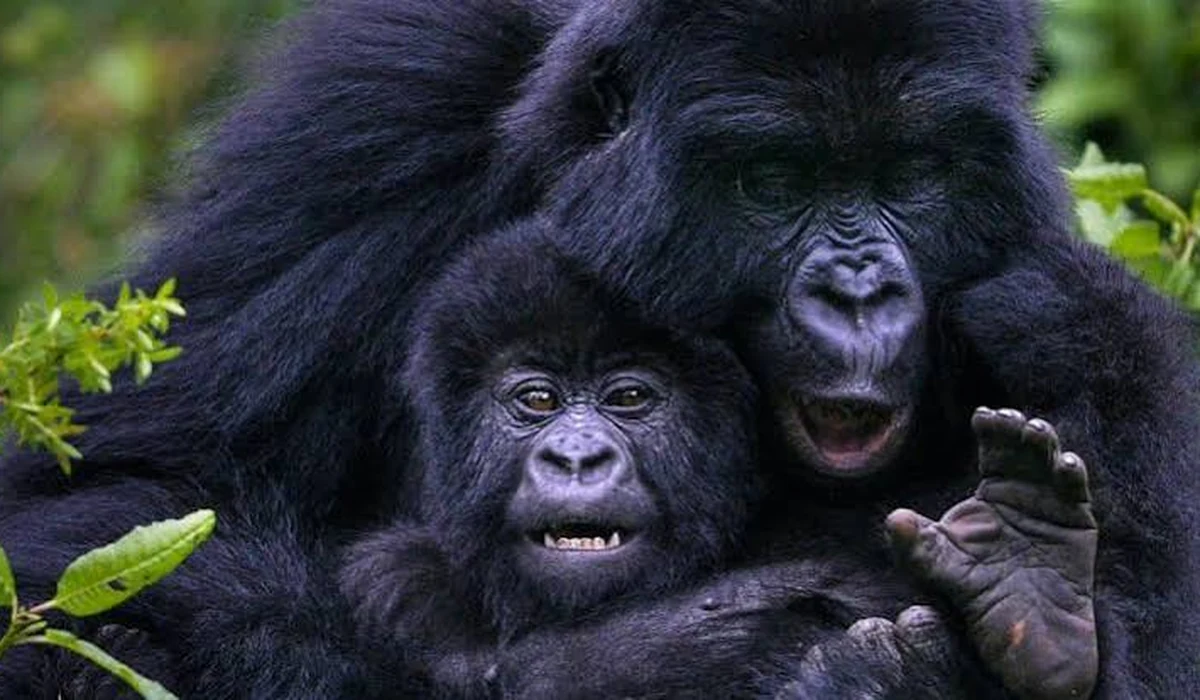
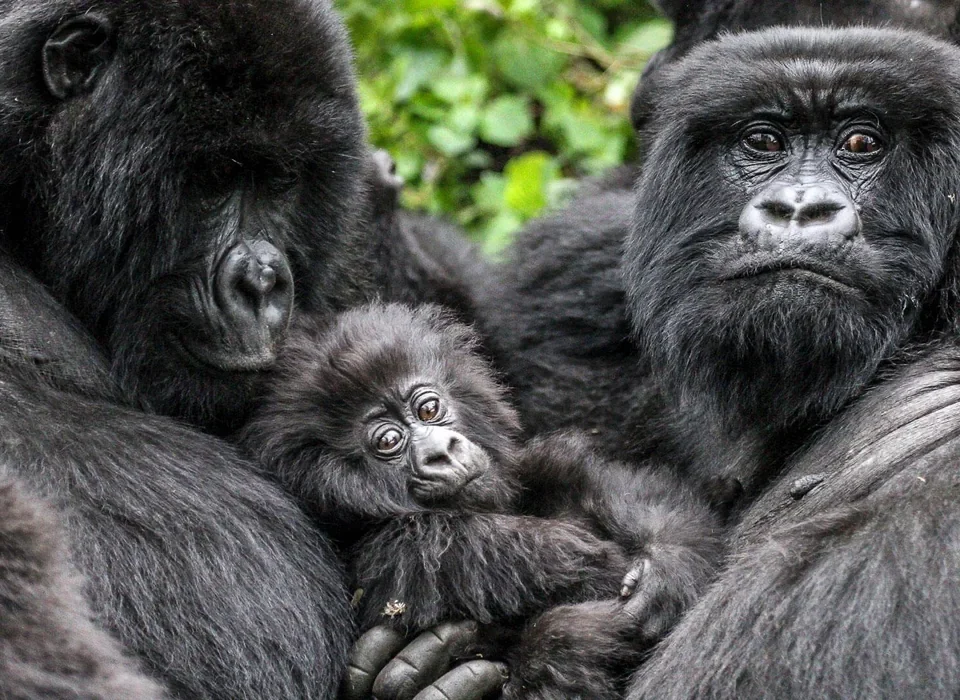
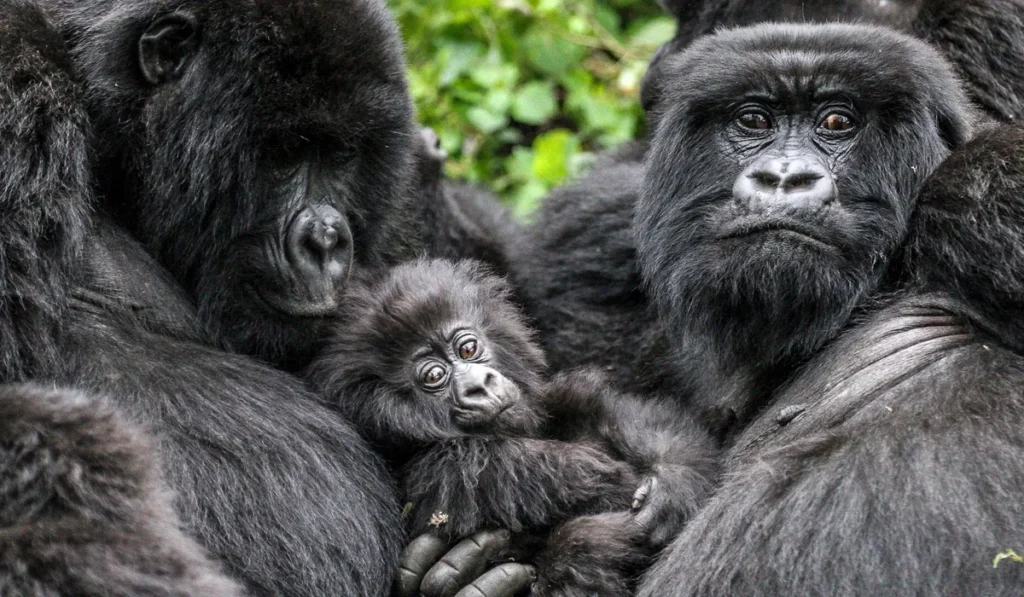
An adult mountain gorilla cuddles a young gorilla in their natural habitat. Discover what happens if you don’t see gorillas during trekking in Uganda with Pridemark Safaris.
Travelers frequently ask, “Will I get my money back if I do not see gorillas in Uganda?” The most useful answer comes from the official UWA guidelines rather than from outdated blogs. The July 2024 management guidelines state that, when a client has tracked for a whole day without seeing gorillas and rescheduling slots are unavailable or the itinerary does not allow an extra day, the Executive Director shall authorize cancellation and a refund of 60 percent of the permit value, subject to certification or confirmation by the relevant Chief Warden or Warden in Charge.
The guidelines also state that incidental costs already incurred by UWA, such as taxes and bank charges, are deducted. This means that 60 percent describes the policy’s stated percentage of permit value, not necessarily the exact amount that will arrive in a visitor’s account. The final payment depends on the officially accepted claim and applicable deductions.
A written request is required. The tour operator or client must address the cancellation or refund request to the Executive Director of Uganda Wildlife Authority. The responsible official reviews the circumstances, and confirmation from park management is essential. Keep copies of your permit, payment evidence, booking correspondence, and any written statement supplied by park staff.
For a simple illustration, 60 percent of an $800 permit is $480 before any applicable deductions. This is only arithmetic, not a quotation for a specific traveler and not a statement that every $800 permit will result in a $480 payment. Permit prices vary by visitor category, season, and the tariff in force on the travel date. Always verify the current permit price and policy directly with UWA before making financial decisions.
Why do some websites mention 50 percent or even say there are no refunds? Policies have changed over time, and third-party articles are not always updated. Older UWA documents described a different percentage. The July 2024 official management guidelines are the stronger source for the 60 percent rule discussed here, but travelers should confirm that no later amendment has replaced it by their actual trekking date.
Importantly, a disappointing photograph, heavy rain, a shorter-than-hoped view, or a decision to abandon the trek because you are tired does not automatically qualify for this provision. The official policy concerns a full-day tracking attempt that fails to produce a sighting and is certified by the appropriate park authority. For reliable guidance, rely on UWA’s determination rather than informal assurances.
Weather, Terrain, Fitness, and Gorilla Movement Can Affect Your Trek
Uganda’s mountain gorillas live in forests that are beautiful precisely because they are complex, steep, and often wet. Trails may be muddy after rain, and vegetation can obscure visibility even when the gorillas are relatively close. A sunny morning at the lodge does not guarantee dry ground or clear skies higher in the mountains.
Rain can make slopes slippery and slow the group. Dense forest can reduce visibility, while changes in gorilla movement can increase the walking distance. The route may include roots, narrow paths, uneven steps, and sections that require careful footing. These factors affect the comfort and duration of a trek, but none of them independently proves that gorillas will not be found.
UWA describes gorilla tracking as an activity that can take approximately two to seven hours, although the actual experience varies. Some groups encounter gorillas after a relatively short walk; others spend much longer searching. Travelers should not book a trek on the assumption that it will be an easy one-hour stroll from the briefing point.
Good preparation improves your ability to enjoy the day. Wear supportive, broken-in hiking footwear with traction. Choose long trousers and sleeves to help protect against vegetation and insects. Carry a waterproof layer, sufficient drinking water, and a packed lunch or snacks as advised by your guide. Gardening gloves can be useful when steadying yourself on vegetation, provided you follow the guide’s instructions.
Fitness matters, but there is no single body type that defines a successful gorilla trekker. Older travelers, people with larger bodies, and visitors with limited mobility may still have options depending on individual circumstances and park arrangements. Speak honestly with your tour planner about walking endurance, balance, medical needs, and any support services you may require. Do not conceal symptoms of infectious illness; protecting gorillas from human diseases is a central conservation rule.
Some visitors ask whether the dry season guarantees sightings. It does not. Drier periods may make certain paths more manageable, but gorillas remain free-ranging animals year-round. Rainy-season trekking can still produce wonderful encounters. The best travel month depends on your priorities, comfort with trail conditions, permit availability, budget, and overall Uganda itinerary.
Your Tour Operator Can Assist, but Only UWA Decides Official Outcomes
A responsible safari operator plays an important supporting role before, during, and after gorilla trekking. Pridemark Safaris can help travelers understand the booking process, plan suitable travel dates, coordinate accommodation and transport, and prepare for the physical demands of the activity. However, park access, guide assignments, wildlife management, and official permit decisions belong to Uganda Wildlife Authority.
This distinction protects travelers from misleading promises. No tour operator can honestly guarantee that a wild gorilla family will appear, approve an official refund on UWA’s behalf, or override a ranger’s safety decision. If a trek is unsuccessful, your operator can help organize paperwork, communicate with the appropriate offices, and explore itinerary changes, but the authority to approve an official remedy remains with UWA.
Before paying a deposit, ask for a clear breakdown of what the safari price includes. A package may combine the gorilla permit, vehicle, fuel, driver-guide, lodging, meals, and other activities. A UWA permit refund, when approved, relates to the permit under the authority’s rules; it does not automatically reverse every separate cost in the holiday package.
Also request written cancellation and amendment terms. Understand whether a lodge will charge for an extra night, whether transport can be extended, and what happens if your flight cannot be changed. If you purchase travel insurance, read the actual policy wording rather than assuming that an unsuccessful wildlife sighting is covered. Many insurance products focus on defined events such as illness or trip interruption, not the absence of a particular animal encounter.
Transparency is especially valuable for first-time visitors who may be unfamiliar with the differences between gorilla tracking permits, gorilla habituation experiences, and general park admission. Ask questions until you understand what you are buying. A well-designed safari should balance your hopes with the practical reality of visiting protected wilderness.
After an unsuccessful trek, remain calm and factual when communicating with your guide and operator. Request the name of the relevant park office, preserve written records, and ask which steps are required under the current UWA procedure. Clear documentation usually serves travelers better than relying on verbal expectations or social media accounts of someone else’s experience.
A Flexible Uganda Safari Can Still Be Memorable If Gorillas Are Not Found
Two young mountain gorillas interact in a lush forest setting. Gorilla trekking is one of the remarkable wildlife experiences travelers can include when booking a Uganda safari.
Not seeing gorillas would naturally be disappointing, especially if the encounter was the main reason for your journey. Acknowledging that disappointment is reasonable. At the same time, Uganda offers an extraordinary variety of landscapes, cultures, and wildlife experiences, and a thoughtfully planned itinerary can preserve much of the trip’s value.
Around Bwindi, visitors may be able to enjoy guided nature activities, birdwatching, and community-based experiences, subject to local availability and park rules. The region is known for lush hills, rich birdlife, and communities with distinct histories and traditions. Choose activities operated responsibly and ask your guide about appropriate ways to support local people.
If your itinerary allows, Queen Elizabeth National Park can add classic savannah wildlife experiences, including game drives and boat excursions. Lake Bunyonyi offers scenic relaxation after demanding travel days. Kibale National Park is known for chimpanzee tracking, which is a separate wildlife activity with its own permits and conditions. These destinations are not replacements for a gorilla encounter, but they can make a Uganda safari more varied and rewarding.
A second gorilla trek may be worth considering if time, budget, health, and permit availability allow. However, do not purchase a new permit before asking whether UWA has approved an official reschedule under the unsuccessful-trek procedure. Paying for another trek prematurely may create avoidable confusion or expense. Remember that a second attempt is still a wildlife experience, not a guaranteed performance.
Some travelers choose to stay another night and rest before deciding what to do. Others continue their planned safari and return to Uganda on a future journey. Both approaches are valid. The right choice depends on your circumstances, not on pressure to turn a disappointment into an expensive last-minute decision.
Pridemark Safaris encourages guests to think of gorilla trekking as one remarkable part of a broader conservation journey. The experience connects visitors with protected habitats, skilled local professionals, and communities living alongside wildlife. A missed sighting does not erase those connections, even though the original goal remains important.
What to Do Immediately If You Do Not See Gorillas
The first step is to speak directly with your UWA guide or the responsible park official before leaving the trekking area. Explain that you want to understand whether the day qualifies as an officially unsuccessful full-day tracking attempt. Avoid assuming that your personal impression alone determines eligibility for a reschedule or refund.
Next, request guidance about written confirmation. The July 2024 UWA guidelines refer to certification or confirmation by the Chief Warden or Warden in Charge. Ask which office will issue or record that confirmation and what identifying information you should provide. Save your permit number, tracking date, visitor category, receipt, and the contact details of your operator.
Then contact your safari organizer promptly. If a next-day trek is possible, your operator may need to review accommodation, transport, and onward travel arrangements. Ask for an itemized explanation of any additional costs before approving changes. If a reschedule cannot be used, discuss the official written refund request process.
Keep communication polite, specific, and in writing where possible. A useful message identifies the park, trekking sector, date, permit reference, and the fact that the full-day trek ended without a sighting. Request instructions for the official process rather than demanding a percentage based on an unverified website. Where necessary, refer to the current UWA guidelines and ask the authority to confirm their applicability.
Finally, allow time for administrative review. An eligible refund is not necessarily processed at the forest gate or paid immediately. Your operator should explain what they can track and what remains under UWA’s control. Do not treat an informal verbal estimate as final approval.
How to Reduce the Risk of Disappointment Before Booking
Begin by choosing a reputable operator that explains the limitations of wildlife viewing without exaggeration. Ask how the trekking sectors differ in terrain, access, accommodation choices, and travel logistics. Sector selection should be guided by official permit availability and your needs, not by unsupported claims that a particular sector guarantees sightings.
Reserve your permit early enough to coordinate the rest of the safari. A permit tied to a specific date and entry point influences where you should sleep the night before. Staying near the correct briefing location helps reduce early-morning travel stress and the risk of arriving late. Confirm your reporting instructions with the operator shortly before the trek.
Build realistic physical preparation into your travel plans. Regular walking, gentle hill training, and practice on uneven ground can help some travelers, provided these activities suit their health and fitness. If you have medical concerns, seek individualized professional advice before committing to a demanding hike. Consider requesting a porter and discussing accessibility options in advance rather than at the trailhead.
Pack for changing weather rather than relying entirely on a forecast. Waterproof protection for your phone and camera, comfortable layers, and sturdy footwear can make a difficult day more manageable. Carry enough water and follow the guide’s advice about eating, rest breaks, and waste disposal. Never feed, touch, or approach gorillas outside official instructions.
Finally, plan a safari that you would still value beyond a single hour of wildlife viewing. Combine the trek with cultural experiences, other national parks, or scenic rest days if your schedule permits. This approach does not minimize the importance of gorilla trekking; it makes your investment in Uganda more resilient to the unpredictability of nature.
Understanding Gorilla Trekking Rules and Responsible Wildlife Viewing
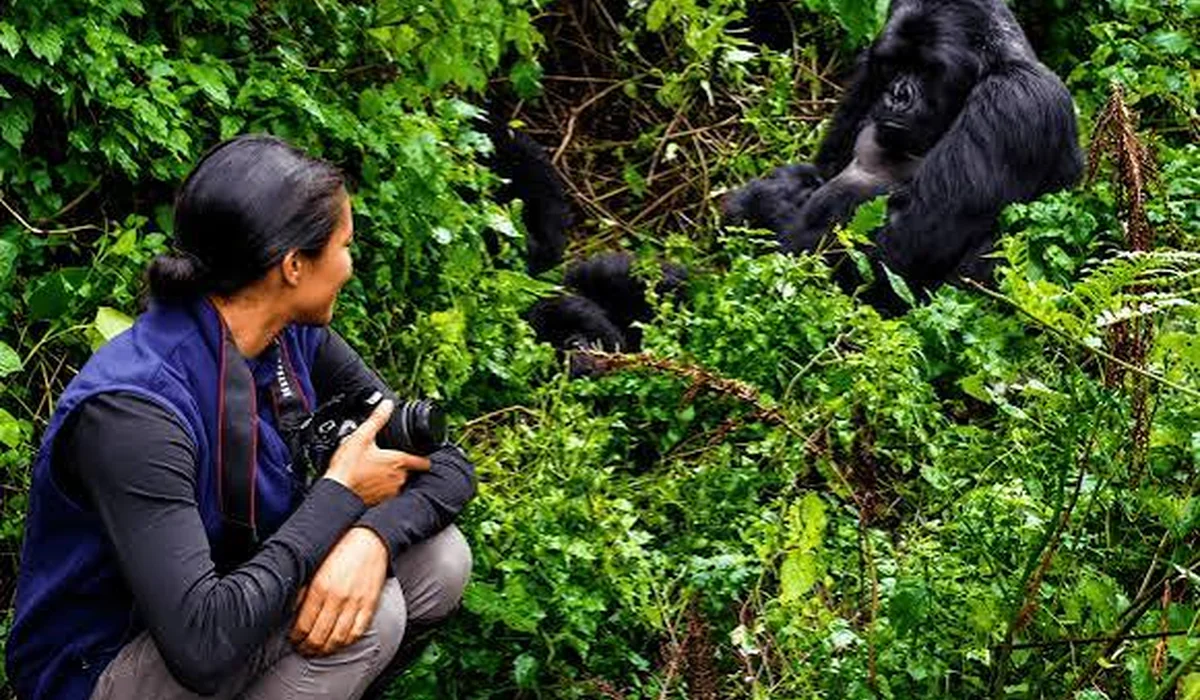
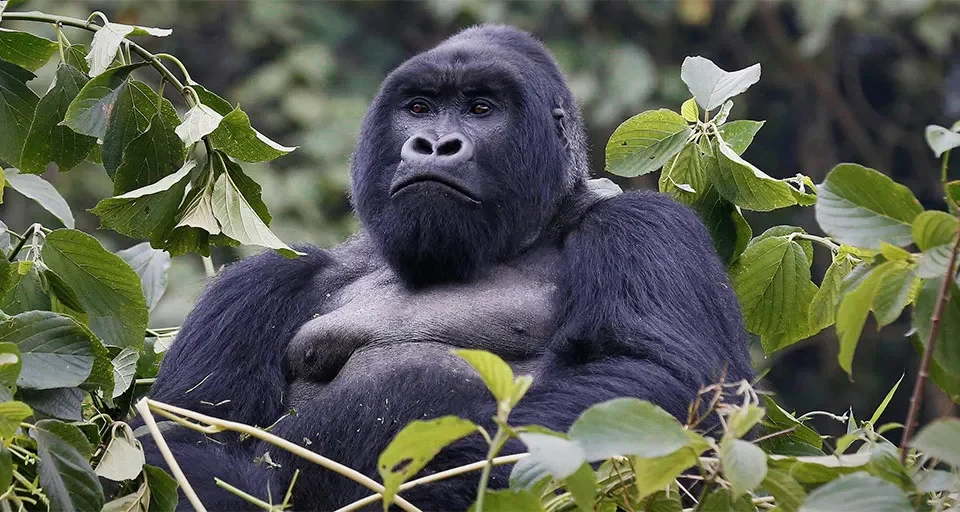
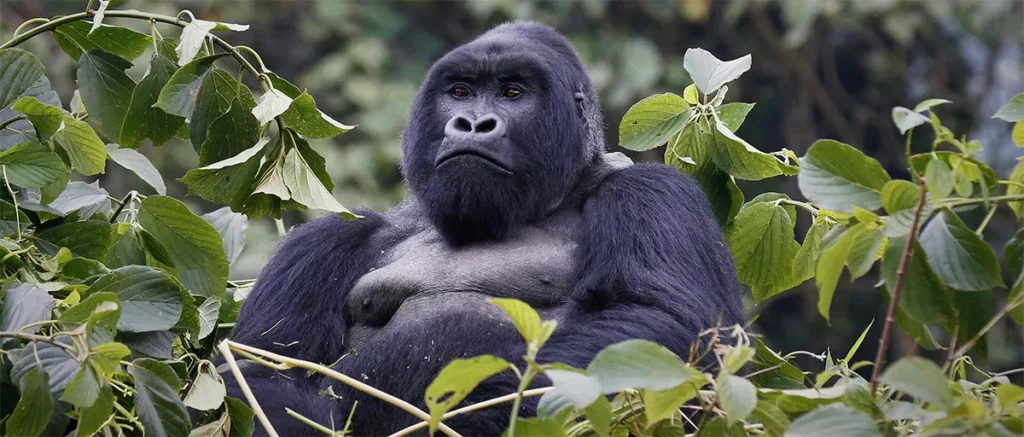
A traveler observes a silverback gorilla in the rainforest. Discover what happens if you don’t see gorillas during trekking in Uganda and how gorilla sightings are managed.
Gorilla trekking operates under strict conservation rules because mountain gorillas are vulnerable to disturbance and human-borne infections. UWA’s published rules set a minimum trekking age of 15 and limit a standard visit with a gorilla group to one hour. Visitor numbers are restricted, and guides provide instructions about safe behavior during the encounter.
Current published park rules specify a separation distance of 10 meters from gorillas. Visitors should not use flash photography or eat, drink, or smoke during the encounter. If you have symptoms of a cold or another infectious illness, inform park staff and do not attempt to visit gorillas. The rules exist to protect both wildlife and visitors.
These restrictions also explain why a guide cannot simply push the group closer for a better photograph or extend the encounter indefinitely to compensate for a difficult hike. A responsible visit respects animal welfare even when the view is partially blocked by foliage. Conservation success depends on predictable, careful visitor behavior, not on maximizing each tourist’s photographs.
Travelers should also respect the authority of the guide when a route becomes unsafe. Forest conditions can change rapidly, and no sighting is worth risking injury or disturbing a gorilla family. If the guide ends the search for safety reasons, ask how the circumstances will be officially classified rather than assuming that every early return qualifies for the full-day unsuccessful-trek provision.
By following the rules, visitors contribute to a system designed to protect gorillas over the long term. Your permit supports a managed tourism activity, not unrestricted access to endangered animals. Understanding this helps explain both the value of the permit and the limits of what anyone can promise.
Frequently Asked Questions About Not Seeing Gorillas in Uganda
1. What happens if you don’t see gorillas during trekking in Uganda?
If you complete a full-day trek without a gorilla sighting, notify the responsible UWA officials. Under the published July 2024 guidelines, the Executive Director may authorize a next-day reschedule. If rescheduling is unavailable or your itinerary prevents it, a qualifying case may receive a 60 percent permit-value refund after official confirmation and applicable deductions. Verify the rules in force on your trekking date.
2. Is a gorilla sighting guaranteed in Bwindi Impenetrable National Park?
No. Bwindi is a renowned destination for mountain gorilla trekking, but the animals move freely in their natural habitat. Tracking teams work hard to locate habituated families, yet no ethical operator or park authority can guarantee a sighting or a perfect photograph.
3. Can I get a full refund if I do not see mountain gorillas?
Do not assume a full refund. The July 2024 UWA procedure for a certified unsuccessful full-day trek specifies possible next-day rescheduling or, in qualifying circumstances, a 60 percent permit-value refund less applicable incidental costs. Other circumstances can have different rules.
4. Does bad weather automatically qualify me for a refund?
No. Rain, mist, or muddy trails do not automatically establish eligibility. What matters is the official classification of the trekking outcome and the applicable UWA policy. Ask the park authority how your particular situation is recorded.
5. What if I see a gorilla but cannot take good photographs?
A sighting is different from a photographic guarantee. Dense vegetation, distance, animal movement, and low light can affect pictures. Seeing gorillas without obtaining ideal images does not by itself mean the trek was unsuccessful for refund purposes.
6. Can I trek again the following day for free?
Only if UWA authorizes a reschedule under the applicable rules. The July 2024 guidelines provide for a possible next-day reschedule after a full-day unsuccessful attempt, but approval and practical availability matter. Confirm the arrangement before making new bookings.
7. Is gorilla trekking easier in the dry season?
Drier weather may improve walking conditions on some trails, but mountainous rainforest weather is variable. Gorillas can move farther from access points in any season. Choose dates based on overall travel needs, not a promise of sightings.
8. How long does a gorilla trek normally take?
UWA describes trekking as potentially lasting roughly two to seven hours, although individual outings vary. The one-hour observation limit generally begins once the gorilla family is encountered. Allow a full day in your schedule and avoid planning a tight onward connection.
9. Can Pridemark Safaris guarantee that I will see gorillas?
No responsible safari operator can guarantee the behavior or location of wild gorillas. Pridemark Safaris can help you plan logistics, understand permit procedures, and prepare for the trek, while UWA manages official park activities and permit decisions.
10. Should I book two gorilla permits to improve my chances?
Some travelers enjoy scheduling two separate gorilla treks for different experiences, but a second permit adds significant cost and does not guarantee either sighting. Discuss your priorities and budget with your safari planner. If your first trek is officially unsuccessful, ask about UWA’s rescheduling procedure before buying another permit.
11. What documents should I keep after an unsuccessful trek?
Keep your permit reference, proof of payment, date, sector, booking correspondence, and any written confirmation from park management. Ask your operator what is needed for a formal request to the UWA Executive Director. Save copies of all correspondence.
12. Can I request a refund if I stop trekking because I feel tired?
Stopping early for personal reasons is not the same as completing a full-day search that fails to locate gorillas. Do not assume the unsuccessful-trek refund provision applies. Discuss your circumstances with the guide and seek an official determination from UWA.
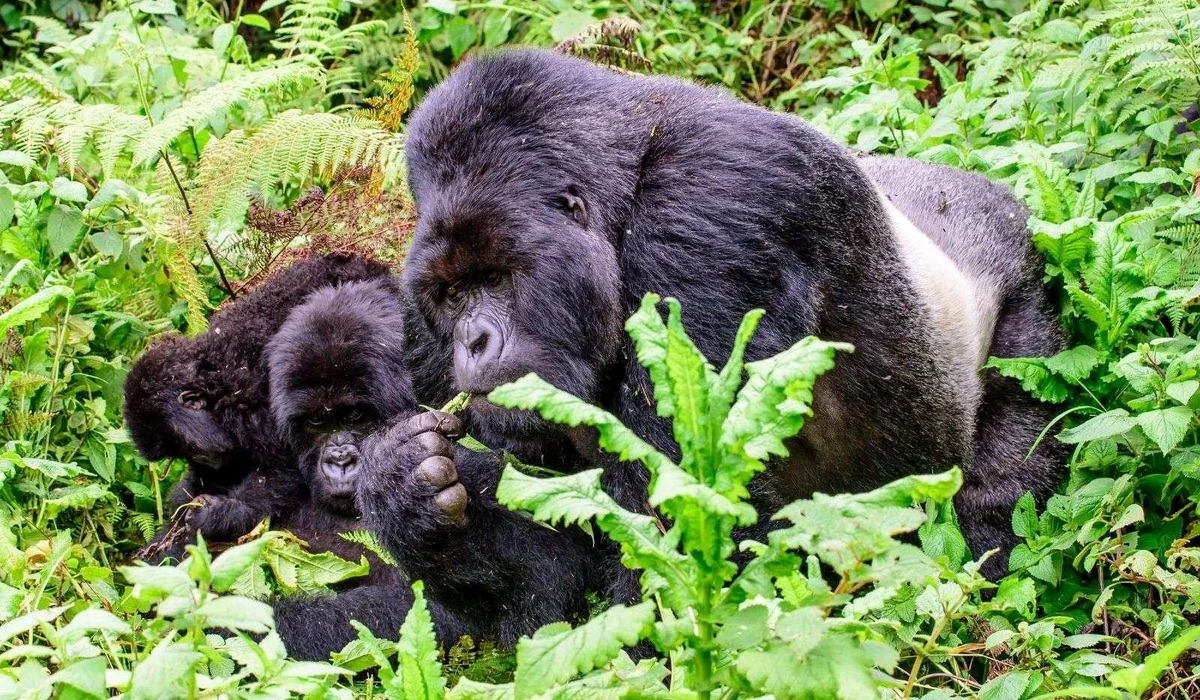
Mountain gorillas resting together in dense forest vegetation. During gorilla trekking in Uganda, visitors should follow ranger instructions, maintain the required viewing distance and avoid disturbing the gorillas.
Plan a Responsible Uganda Gorilla Safari With Pridemark Safaris
Gorilla trekking is extraordinary because the encounter happens on the animals’ terms. A successful sighting can become one of the most memorable moments of a lifetime, but careful planning means being prepared for uncertainty as well as excitement. Understanding the official procedure for an unsuccessful trek helps you travel with realistic expectations.
Pridemark Safaris can help you design a Uganda gorilla safari around your preferred dates, accommodation style, fitness considerations, and other destinations you hope to explore. We encourage travelers to ask about permits, travel flexibility, physical preparation, and the difference between official park rules and package booking conditions before confirming a trip.
If you are wondering what happens if you don’t see gorillas during trekking in Uganda, start by planning a safari with clear information rather than guarantees. Contact Pridemark Safaris to discuss a practical itinerary, and check current Uganda Wildlife Authority requirements before purchasing permits. Your journey should be built around respect for wildlife, informed expectations, and the remarkable landscapes of Uganda.