Where to See Mountain Gorillas in Uganda: Best Gorilla Trekking Locations

How Far in Advance Should You Book Gorilla Permits in Uganda? 9 Costly Mistakes to Avoid
November 10, 2026
Can You Book Last-Minute Gorilla Permits in Uganda? 7 Amazing Tips
November 11, 2026
Uganda is one of the most remarkable destinations in Africa for travelers dreaming of seeing endangered mountain gorillas in their natural habitat. Hidden within the mist-covered rainforests and volcanic mountains of southwestern Uganda, these gentle giants offer one of the world’s most extraordinary wildlife encounters. Knowing where to see mountain gorillas in Uganda is the first step toward planning an unforgettable gorilla trekking safari, whether you are visiting Africa for the first time or returning to explore its exceptional wildlife.
Mountain gorillas in Uganda can be seen in two protected destinations: Bwindi Impenetrable National Park and Mgahinga Gorilla National Park. Both offer guided trekking experiences, but their landscapes, trekking conditions, accessibility, and accommodation options differ considerably. Bwindi is famous for its ancient rainforest and several habituated gorilla families, while Mgahinga provides an intimate mountain adventure beneath the spectacular Virunga volcanoes.
At PrideMark Safaris, we help travelers discover these destinations through carefully planned Uganda gorilla trekking safaris. Based in Kabale in southwestern Uganda, near the country’s renowned gorilla habitats, we arrange private safaris that combine unforgettable primate encounters with comfortable accommodation, scenic journeys, cultural experiences, and professional local guiding.
Bwindi Impenetrable National Park: Uganda’s Most Famous Gorilla Trekking Destination
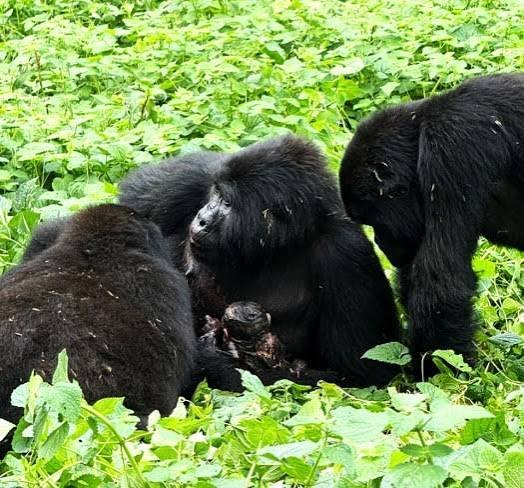
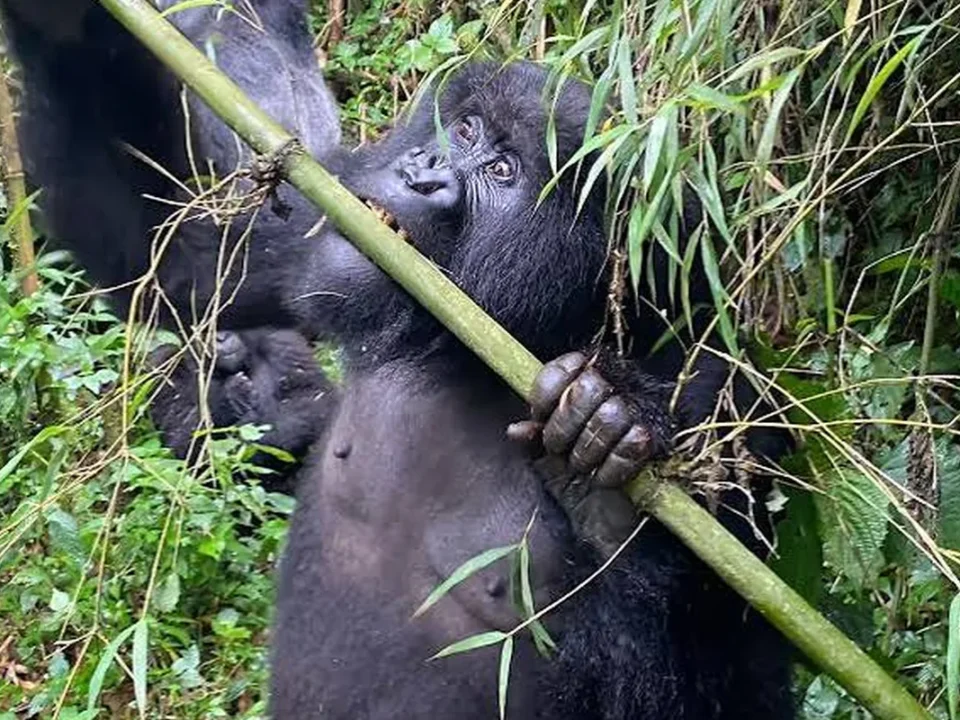
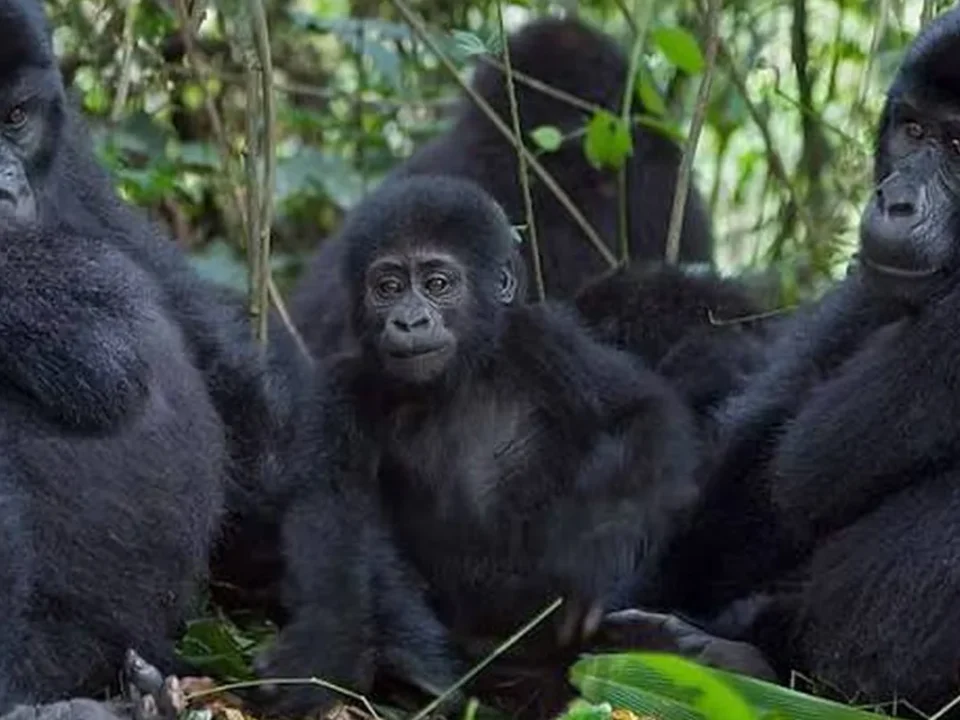
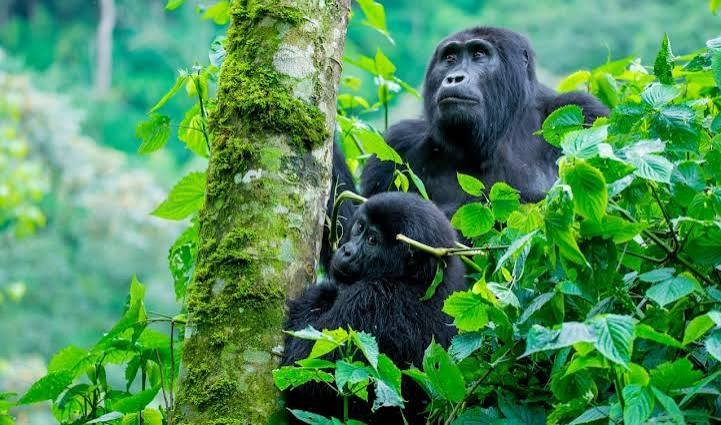
A mountain gorilla family shares a peaceful moment with a young infant in the forest.
Bwindi Impenetrable National Park is widely considered the best-known destination for mountain gorilla trekking in Uganda. Located in the country’s southwestern highlands, this UNESCO World Heritage Site protects a remarkable stretch of ancient tropical rainforest, covering approximately 321 square kilometers. The forest is characterized by steep valleys, mist-covered ridges, towering trees, dense undergrowth, and extraordinary biodiversity.
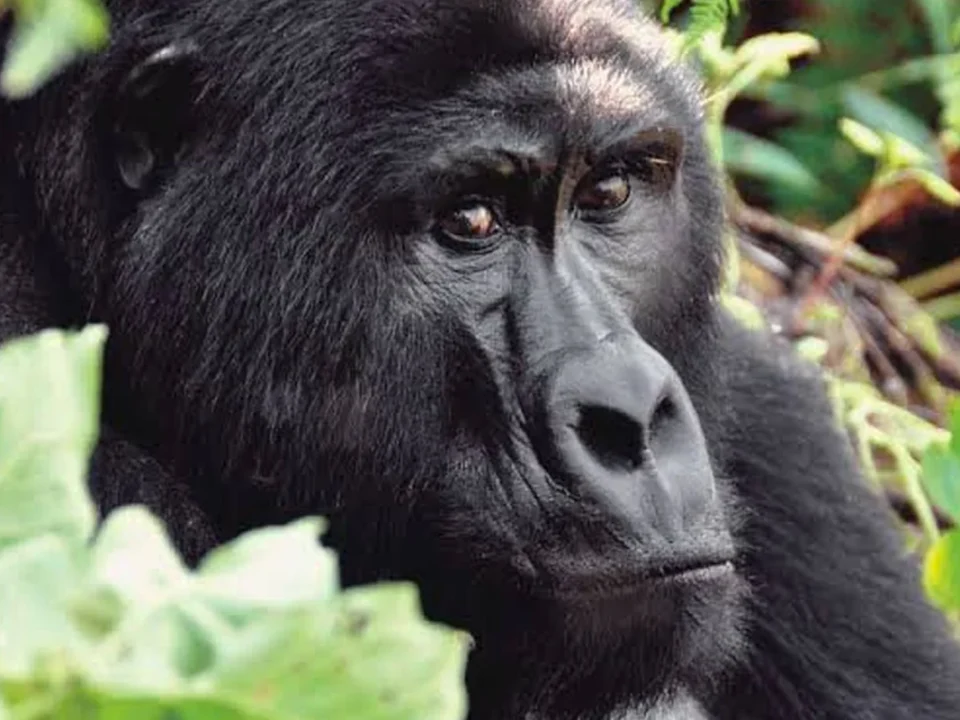
Bwindi is particularly significant because it protects a major population of endangered mountain gorillas. The Uganda Wildlife Authority’s 2026 conservation reporting identifies 459 mountain gorillas recorded during the 2018 Bwindi census, with updated census findings still undergoing analysis. These animals live in social family groups led by dominant silverbacks and move freely through the forest in search of food, resting places, and suitable habitat.
For visitors, Bwindi offers something that traditional wildlife safaris cannot replicate. Instead of watching animals from a vehicle, travelers enter the forest on foot with trained Uganda Wildlife Authority rangers and trackers. The experience allows visitors to observe gorillas feeding, grooming, resting, and interacting within their natural family groups.
Bwindi is divided into four official gorilla trekking sectors: Buhoma, Ruhija, Rushaga, and Nkuringo. Each has its own trekking headquarters, accommodation choices, access routes, and unique forest scenery. Choosing the correct sector is essential because a gorilla permit is associated with a particular trekking entry point, not simply with Bwindi National Park as a whole.
Buhoma Sector: The Historic Home of Gorilla Trekking in Uganda
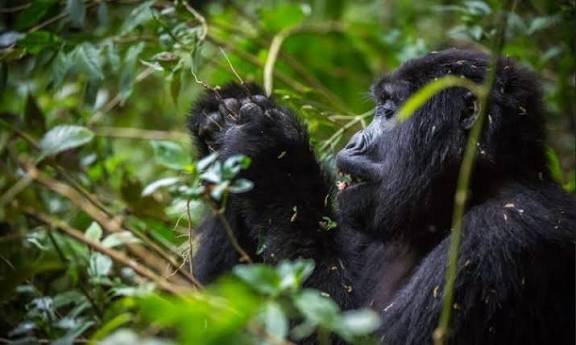
Buhoma is located in the northern section of Bwindi Impenetrable National Park and holds an important place in Uganda’s gorilla conservation history. It was here that organized gorilla tourism began in 1993, following years of conservation work and the habituation of the Mubare gorilla family. This pioneering experience established Uganda as an internationally recognized mountain gorilla trekking destination.
Today, Buhoma remains one of the most popular sectors for visitors seeking a combination of accessible forest trekking, established tourism facilities, and comfortable accommodation. The area features thick rainforest, beautiful valleys, and numerous nature trails. Habituated gorilla families associated with this sector include Mubare, Habinyanja, and Rushegura, although group availability and assignments are determined by park authorities.
Buhoma is particularly attractive to travelers arriving from Queen Elizabeth National Park through the Ishasha sector, which is famous for its tree-climbing lions. This makes it a convenient destination for visitors combining a traditional Uganda wildlife safari with mountain gorilla trekking.
Accommodation around Buhoma includes comfortable and luxurious forest lodges such as Buhoma Lodge, Mahogany Springs, and Sanctuary Gorilla Forest Camp. Beyond gorilla trekking, travelers can enjoy community experiences, guided nature walks, and cultural encounters with local residents.
For guests seeking a premium experience with reduced overland travel, PrideMark Safaris also offers a 3-Day Uganda Gorilla Flying Luxury Safari, connecting Entebbe with the Bwindi region by domestic flight.
Ruhija Sector: Mountain Gorilla Trekking in Bwindi’s Eastern Highlands

Ruhija is situated in the eastern section of Bwindi Impenetrable National Park and is celebrated for its high-altitude rainforest, beautiful mountain scenery, and quieter atmosphere. The sector is especially appealing to travelers who appreciate nature, birdwatching, photography, and less-developed trekking environments.
The forest around Ruhija contains impressive ridgelines, deep valleys, and dense montane vegetation. Mountain gorilla families associated with this area have included Bitukura, Oruzogo, and Kyaguliro. Visitors enter the forest accompanied by experienced rangers who follow the movements of habituated gorilla groups.
One of Ruhija’s distinctive attractions is its outstanding birdlife. The nearby Mubwindi Swamp area is particularly important for birdwatchers interested in rare Albertine Rift species. Travelers who spend additional time in the region may combine gorilla trekking with guided birding excursions and scenic forest walks.
Ruhija is accessible from Kabale and provides a practical option for travelers approaching southwestern Uganda from Rwanda or other parts of Uganda. Its elevated terrain means that temperatures can be cooler, while some trekking routes involve demanding climbs and descents.
PrideMark Safaris recommends Ruhija for travelers interested in a quiet mountain environment and a deeper appreciation of Bwindi’s extraordinary forest ecosystem.
Rushaga Sector: A Leading Destination for Gorilla Trekking and Habituation
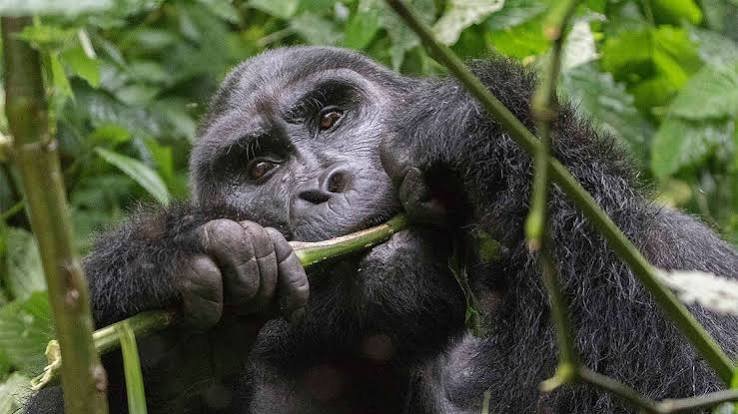
Rushaga is located in the southern section of Bwindi Impenetrable National Park, close to the Kisoro region and the Uganda–Rwanda border. It is one of Uganda’s most important gorilla trekking locations because of its multiple habituated gorilla families and its role in the country’s specialized gorilla habituation tourism.
The sector is associated with gorilla families such as Nshongi, Mishaya, Bweza, Kahungye, and Busingye. Gorilla groups may change through natural family divisions, births, deaths, and movement, so visitors should not assume that a specific family will be available when booking.
What makes Rushaga especially interesting is its Gorilla Habituation Experience, which allows visitors to spend up to four hours observing a gorilla family undergoing habituation, compared with the one-hour viewing period during standard gorilla trekking. The experience takes place under the supervision of trained professionals and offers a deeper understanding of gorilla behavior, forest ecology, and conservation work.
Rushaga is also highly convenient for travelers arriving through Kigali International Airport in Rwanda. After crossing into Uganda, visitors can reach the southern Bwindi region without undertaking the longer road journey from Entebbe.
For travelers interested in an extended encounter or a short cross-border Uganda gorilla safari from Kigali, Rushaga is frequently an excellent destination. PrideMark Safaris can arrange the required permits, accommodation, transportation, and border-crossing logistics.
Nkuringo Sector: Spectacular Gorilla Trekking in Southwestern Bwindi
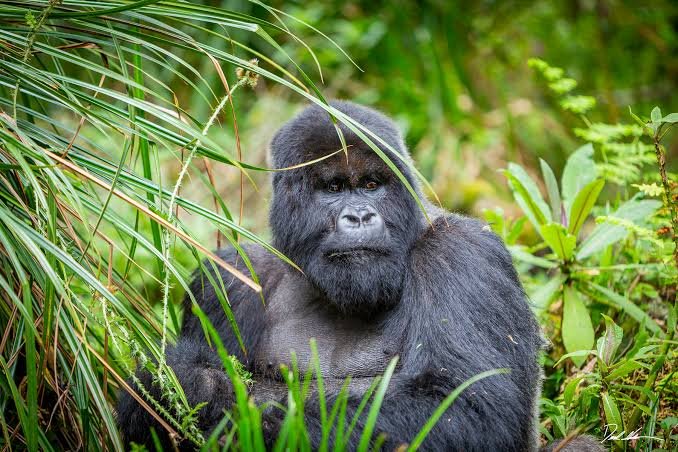
Nkuringo is situated along the southwestern edge of Bwindi Impenetrable National Park and offers some of the most dramatic scenery in the region. The sector is known for its steep forested slopes, panoramic mountain views, and peaceful highland atmosphere.
Mountain gorilla trekking in Nkuringo is particularly rewarding for adventurous travelers who enjoy hiking through rugged natural landscapes. Gorilla families associated with the area include the Nkuringo group and other habituated groups assigned by park authorities. Treks can involve significant elevation changes, making reasonable physical preparation especially important.
The surrounding landscape creates opportunities for outstanding photography. On clear days, travelers can admire distant views toward the Virunga mountain range while experiencing the rich green scenery of southwestern Uganda.
Nkuringo is also associated with excellent accommodation, including Nkuringo Bwindi Gorilla Lodge and Clouds Mountain Gorilla Lodge. These properties make the area appealing to travelers seeking comfortable or luxury gorilla trekking holidays.
While Nkuringo can be physically challenging, it remains a memorable choice for visitors who want a combination of mountain scenery, forest adventure, and exceptional wildlife encounters. PrideMark Safaris helps guests understand the terrain and select accommodation suited to their preferences and trekking arrangements.
Mgahinga Gorilla National Park: Mountain Gorillas in the Virunga Volcanoes
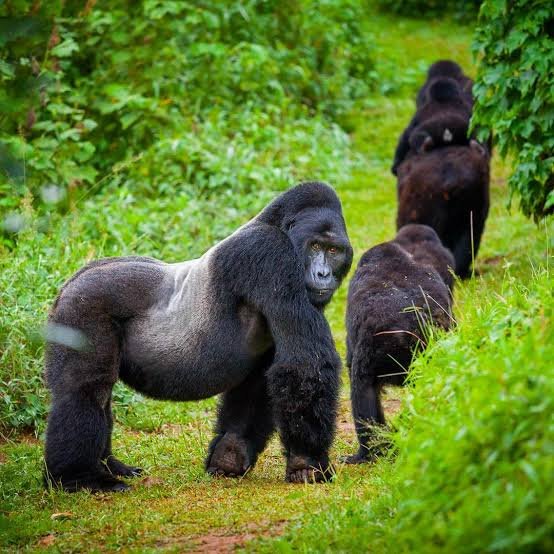
Mgahinga Gorilla National Park is Uganda’s second official mountain gorilla trekking destination. Located near Kisoro at the borders of Uganda, Rwanda, and the Democratic Republic of the Congo, this protected area forms part of the wider Virunga conservation landscape.
Covering approximately 33.7 square kilometers, Mgahinga is Uganda’s smallest national park, yet its scenery is exceptional. The park protects forested volcanic slopes beneath Mount Muhabura, Mount Gahinga, and Mount Sabyinyo. Unlike the extensive rainforest environment of Bwindi, Mgahinga features a striking mixture of bamboo vegetation, montane forest, open mountain landscapes, and volcanic scenery.
The park is home to the habituated Nyakagezi gorilla family, which has historically been known for its movements within the wider transboundary mountain ecosystem. Gorilla trekking arrangements are managed by Uganda Wildlife Authority, and permits should always be confirmed before travel.
Mgahinga offers another extraordinary attraction: golden monkey trekking. These rare primates live in the bamboo forests of the Virunga Mountains and provide a fascinating additional wildlife experience.
Visitors interested in combining both primate encounters can explore PrideMark Safaris’ Uganda safari ideas, including a four-day Mgahinga gorilla and golden monkey adventure.
For travelers who appreciate volcanic scenery, mountain walks, and relatively limited gorilla trekking capacity, Mgahinga is an exceptional alternative to Bwindi.
Which Is Better for Gorilla Trekking: Bwindi or Mgahinga?
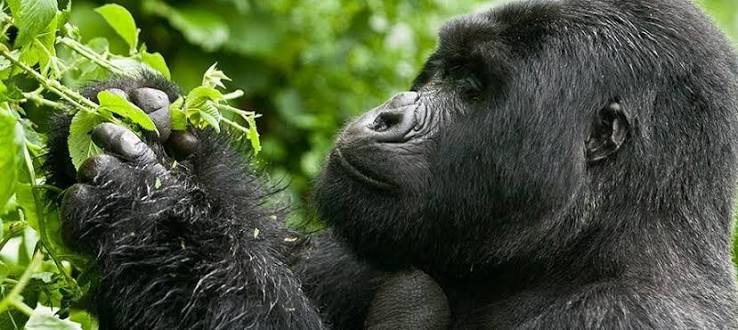
Choosing between Bwindi Impenetrable National Park and Mgahinga Gorilla National Park depends on the type of adventure you want, your travel schedule, fitness level, and accommodation preferences.
Bwindi generally offers greater flexibility because it has multiple trekking sectors and numerous habituated gorilla groups. Its accommodation selection is extensive, ranging from modest forest guesthouses to exceptional luxury lodges. The forest itself provides a classic rainforest trekking experience, with thick vegetation, steep valleys, and extraordinary biodiversity.
Mgahinga offers a different atmosphere. Its volcanic mountain landscape, bamboo forests, and opportunities to see golden monkeys make it particularly attractive to travelers looking for a broader primate and mountain adventure. However, the park’s limited gorilla trekking capacity means permit availability requires careful planning.
Neither destination guarantees an easy trek or a particular gorilla sighting. Mountain gorillas are wild animals, and their movements change daily. PrideMark Safaris considers trekking availability, accommodation location, accessibility, and individual traveler preferences before recommending a destination.
What Happens During a Mountain Gorilla Trekking Experience in Uganda?
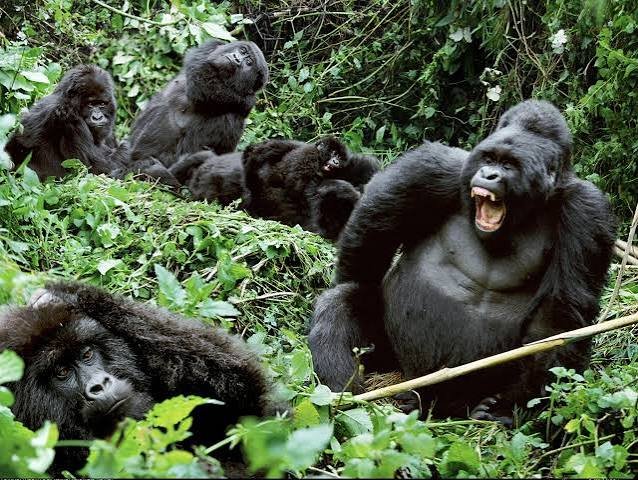
A typical mountain gorilla trekking day begins early in the morning with breakfast at your lodge before traveling to the designated park headquarters. Uganda Wildlife Authority rangers conduct a briefing explaining gorilla behavior, safety procedures, conservation regulations, and what visitors should expect inside the forest.
After the briefing, visitors are assigned to groups and accompanied by armed ranger escorts and experienced guides. Trackers may already be monitoring the movements of gorilla families to help locate them. The trek proceeds through natural forest terrain, occasionally involving narrow trails, muddy sections, thick vegetation, and steep slopes.
The duration varies according to the gorillas’ location and the conditions of the forest. Some visitors encounter their assigned family relatively quickly, while others may spend several hours hiking before reaching the gorillas.
Once the gorilla family is located, visitors are permitted a maximum of one hour observing the animals during a standard trek. Watching a silverback resting peacefully, a mother caring for her infant, or young gorillas playing nearby is often the most memorable moment of the entire safari.
This experience is carefully managed to protect both visitors and gorillas. After the encounter, the group returns through the forest and continues to the lodge for a well-deserved rest.
How Much Does It Cost to See Mountain Gorillas in Uganda?
Anyone planning a Uganda gorilla trekking safari must obtain a valid permit issued by the Uganda Wildlife Authority. The permit allows a visitor to participate in a supervised trek to an assigned habituated gorilla family on a specified date and at a designated trekking entry point.
The standard mountain gorilla trekking permit costs USD 800 per person for foreign non-residents, while foreign residents pay USD 700. Eligible travelers from other African countries and East African Community citizens have separate tariff categories.
In February 2026, Uganda Wildlife Authority also introduced discounted low-season gorilla permits for April, May, and November. Under this arrangement, foreign non-residents pay USD 600 and foreign residents pay USD 500. These discounted permits cannot be rescheduled, making it important to finalize travel dates before purchasing them.
Standard gorilla permits cover the guided trekking activity, relevant park entrance for the trekking day, and a conservation-related community contribution. They do not normally cover your safari vehicle, accommodation, meals, personal expenses, or porter services.
For visitors interested in the longer Gorilla Habituation Experience, the announced foreign non-resident permit rate increases to USD 1,800 from January 1, 2027. Because tourism tariffs can change, travelers should confirm the applicable amount for their exact travel dates.
Our detailed Uganda gorilla trekking cost guide for 2027 explains the expenses involved in planning a complete safari.
How to Reach Uganda’s Mountain Gorilla Trekking Destinations
Both Bwindi and Mgahinga are located in southwestern Uganda, and international travelers generally arrive through Entebbe International Airport in Uganda or Kigali International Airport in Rwanda.
Traveling from Entebbe to the Bwindi region by road commonly requires approximately eight to eleven hours, depending on the selected trekking sector, road conditions, and stops along the way. This journey passes through attractive countryside, agricultural landscapes, rolling hills, and small towns.
Travelers preferring to avoid long road transfers can take scheduled domestic flights from Entebbe to Kihihi or Kisoro airstrips, followed by road transportation to their lodges. Kihihi commonly serves the northern Bwindi region, while Kisoro is useful for southern Bwindi and Mgahinga.
Alternatively, Kigali provides a convenient starting point for shorter Uganda gorilla trekking tours. Depending on the border crossing, trekking sector, and traffic, the drive to southern Bwindi or Mgahinga can take approximately four to six hours, sometimes longer when immigration procedures or road conditions cause delays.
PrideMark Safaris arranges private transfers and suitable safari vehicles, ensuring travelers reach the correct trekking location before their scheduled activity.
Best Time to See Mountain Gorillas in Uganda
Mountain gorilla trekking in Uganda is possible throughout the year because gorillas remain within their protected habitats during both dry and rainy seasons.
The most popular periods for gorilla trekking are generally June to September and December to February, when conditions are often comparatively dry. Forest trails may be easier to navigate, although rainfall remains possible in the mountain environments.
The wetter periods, typically March to May and October to November, bring lush vegetation, dramatic mist, and beautiful green landscapes. Trekking may become more physically demanding because forest paths can be muddy and slippery. However, these months can appeal to travelers seeking quieter travel periods and potentially more accommodation flexibility.
April, May, and November are especially worth considering because of Uganda’s announced low-season permit discounts. For visitors with flexible schedules, these months may provide attractive opportunities to experience gorilla trekking at a lower permit cost.
Whatever season you choose, PrideMark Safaris recommends securing permits and accommodation well in advance, particularly during the busiest international holiday periods.
How Difficult Is Gorilla Trekking in Uganda?
Mountain gorilla trekking is an active outdoor experience requiring a reasonable level of physical fitness. The challenge varies considerably depending on the gorilla family’s location, elevation, weather conditions, and the terrain encountered during the trek.
Some routes pass through relatively manageable forest trails, while others involve steep climbs, slippery descents, thick vegetation, and uneven ground. Visitors should prepare for several hours outdoors and understand that the difficulty cannot be predicted precisely before the trekking day.
Comfortable waterproof hiking boots, long trousers, long-sleeved clothing, gardening gloves, a lightweight rain jacket, drinking water, and a small backpack are particularly useful. Hiring a local porter is highly recommended for travelers who would appreciate assistance carrying belongings or navigating difficult sections.
The minimum age for gorilla trekking in Uganda is 15 years. Visitors must also follow conservation rules, including maintaining the required distance from gorillas, avoiding flash photography, and not participating when suffering from an infectious illness.
Uganda Wildlife Authority’s published conservation tariff specifies a minimum viewing distance of 10 meters, and visitors should always follow their ranger’s latest instructions.
Where to Stay During Your Uganda Gorilla Trekking Safari
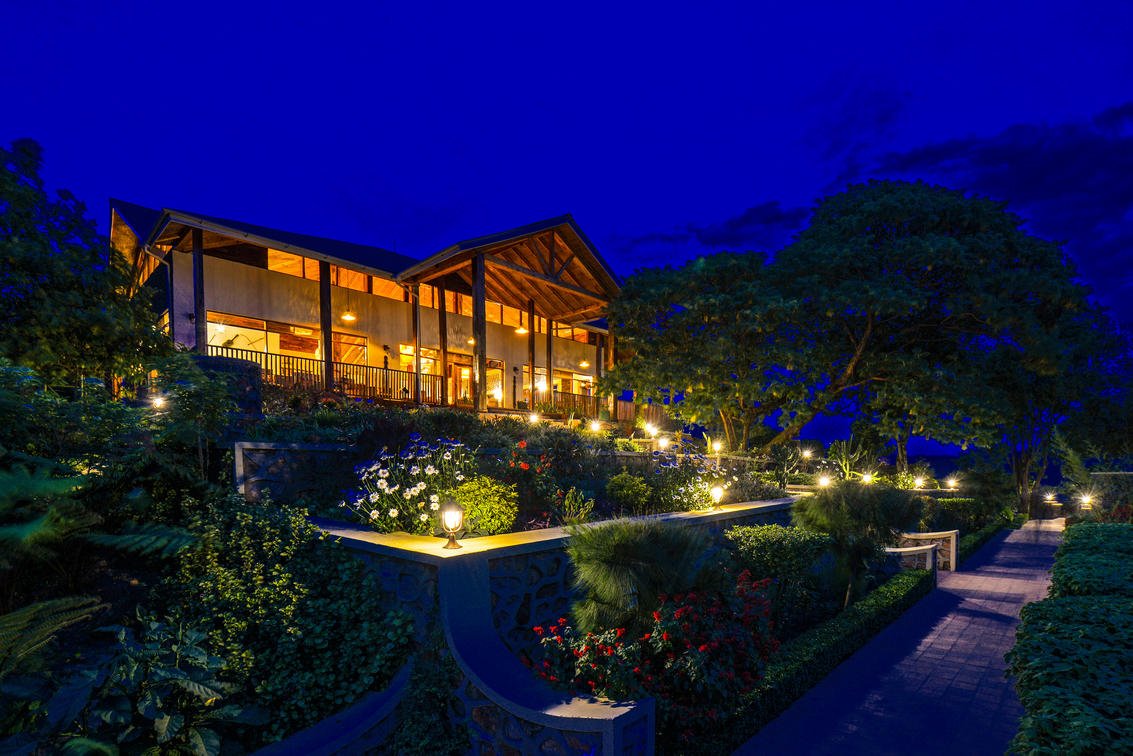
Accommodation plays an important role in creating a comfortable and memorable gorilla trekking holiday. Southwestern Uganda offers a wide range of forest lodges, boutique properties, comfortable safari camps, and luxury retreats overlooking beautiful mountain landscapes.
The most important consideration is choosing a lodge located close to the trekking sector indicated on your permit. Staying near Buhoma when your trek departs from Rushaga, for example, can create a lengthy and inconvenient early-morning transfer.
Visitors seeking a luxurious experience can choose properties with spacious forest-view cottages, carefully prepared meals, attentive hospitality, and beautiful natural surroundings. Mid-range lodges also provide excellent comfort and an authentic atmosphere, often at more accessible prices.
PrideMark Safaris carefully matches accommodation with the assigned gorilla trekking location, the guest’s comfort preferences, and the overall safari itinerary. This approach reduces unnecessary travel and creates more time to appreciate the beautiful southwestern Uganda countryside.
Mountain Gorilla Conservation and Responsible Tourism in Uganda
Mountain gorillas are among the world’s most closely protected endangered primates. Their survival depends on habitat conservation, anti-poaching efforts, veterinary monitoring, scientific research, and cooperation with communities living around their protected forests.
Responsible gorilla trekking contributes to these conservation efforts through controlled visitor numbers, regulated permit fees, professional ranger supervision, and community involvement.
Visitors have an equally important responsibility. Keeping a safe distance from gorillas, respecting wildlife behavior, following guide instructions, and avoiding litter all help protect the animals and their fragile environment.
PrideMark Safaris encourages responsible wildlife tourism that respects both nature and local communities. Our aim is to create meaningful encounters that leave travelers with a greater appreciation for the importance of conserving Uganda’s mountain gorillas for future generations.
Plan Your Uganda Gorilla Trekking Safari with PrideMark Safaris
Seeing mountain gorillas in Uganda is more than simply visiting a national park. It is an opportunity to walk through ancient African forests, experience exceptional biodiversity, and observe one of the world’s most remarkable primates in the wild.
Whether you choose the established rainforest trails of Buhoma, the quiet highlands of Ruhija, the habituation experiences associated with Rushaga, the dramatic scenery of Nkuringo, or the volcanic landscapes of Mgahinga, every destination offers a memorable adventure.
A gorilla trekking journey can also form part of a longer Uganda safari featuring chimpanzees in Kibale National Park, wildlife viewing in Queen Elizabeth National Park, or relaxation beside Lake Bunyonyi.
At PrideMark Safaris, we design personalized gorilla trekking holidays from Entebbe and Kigali, with carefully arranged permits, experienced guides, comfortable accommodation, and private transportation.
Explore our Uganda safari packages or contact PrideMark Safaris to begin planning your unforgettable mountain gorilla trekking experience in Uganda.