Uganda’s mountain gorillas are protected wildlife, not an attraction with unlimited admission. A permit authorizes one visitor to join a regulated trek on a specified date and in a specified tracking location. Once the available places for that date are taken, a beautiful lodge booking or a confirmed flight cannot create another place. This is why the permit should shape the rest of the holiday, not be treated as a last-minute detail.
The best time to reserve depends on when you travel, whether you can shift your dates, the number of people in your party, and whether you want standard trekking or a more limited experience. Travelers who can visit during quieter months may have more flexibility, but quieter does not mean guaranteed. A small group with flexible dates has a different planning challenge from a family of six who can only travel during a school holiday.
This guide explains realistic booking windows, the difference between availability and confirmation, common mistakes that cost travelers money, and the practical sequence for coordinating permits, lodges, transport, and flights. You will also find three planning tables and twelve frequently asked questions. For help building an itinerary around confirmed availability, contact PrideMark Safaris.
How Far in Advance Should You Book Uganda Gorilla Permits?
For a standard Uganda gorilla trekking holiday, start checking permits about six months before travel and aim to secure them three to six months ahead when possible. If your dates fall in June through September or around the December and January holidays, consider planning six to twelve months ahead. This gives you time to compare locations and accommodation without assuming that every date will still be available.
There is no universal rule that every visitor must book exactly six months in advance. Some travelers find permits much closer to departure, while a particular sector or holiday date may fill early. The important distinction is between a recommended lead time and an actual reservation. A booking window is an estimate; a paid, properly recorded permit is the confirmation that matters.
Your planning window should also reflect how many people need permits on the same day. One traveler may fit into a remaining space that cannot accommodate a party of five. If you are traveling together, ask for all required places to be checked at once, and discuss whether splitting across trekking groups is acceptable before paying.
Uganda’s gorilla trekking takes place in Bwindi Impenetrable National Park and Mgahinga Gorilla National Park. Within Bwindi, the sector assigned to your permit matters for the location of your morning briefing and the lodge you should choose. A permit in one area does not mean you can simply arrive at another area and expect to trek there.
The most useful answer to “how far in advance to book gorilla permits” is therefore: as soon as your travel dates are realistic, check the actual allocation, confirm your preferred sector, understand the payment terms, and secure the permit before committing to expensive nonrefundable arrangements. PrideMark Safaris can help coordinate that sequence with a safari itinerary.
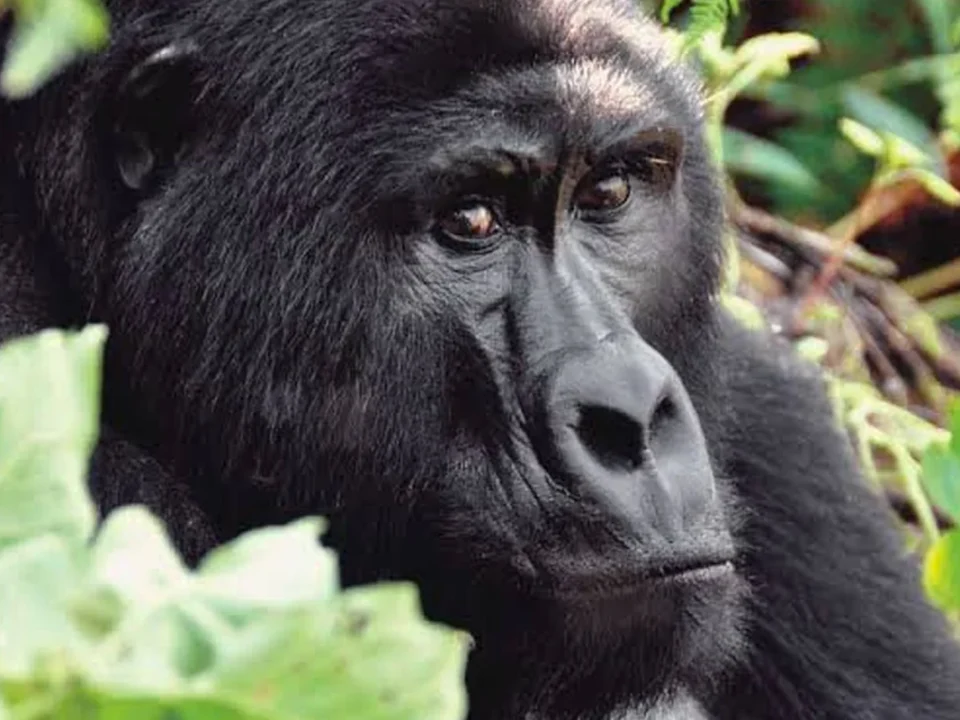
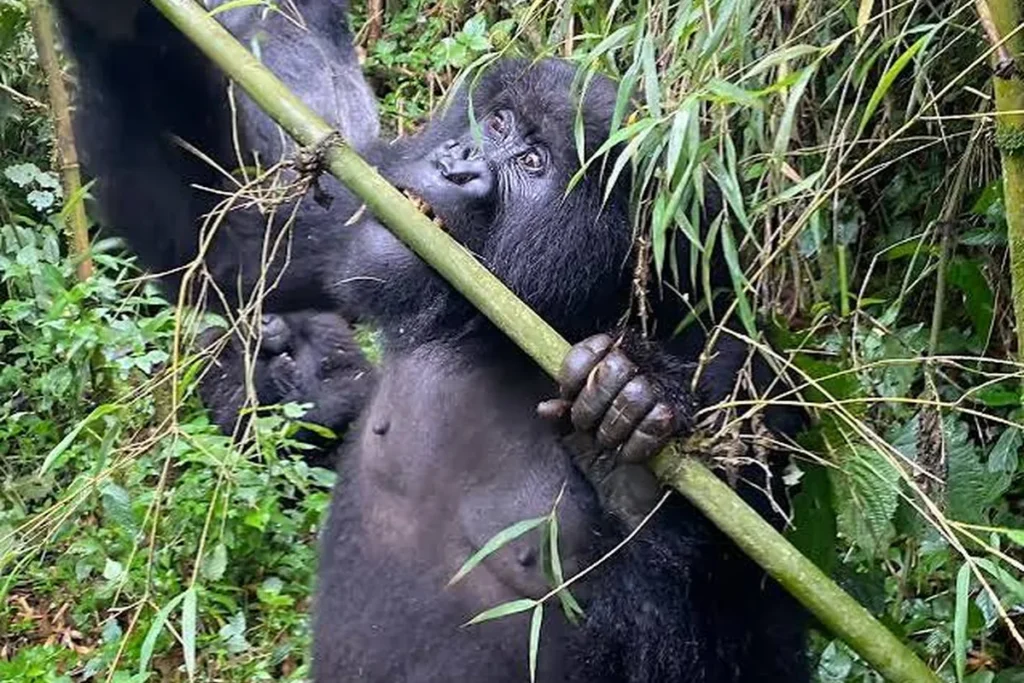
A mountain gorilla rests among lush vegetation in its natural forest habitat.
A practical booking timeline
At twelve to six months out, settle on a broad travel period, party size, preferred comfort level, and likely entry airport. At six to three months, narrow your trekking dates, request availability, and secure the permit through the correct channel. In the final three months, finalize transport and lodging around the confirmed location, check travel documents, and review the operator’s instructions.
If you are planning inside those windows, do not assume you are too late. Ask for current availability and be ready with alternative dates. What you should not do is promise yourself a particular trek date before someone has verified that a place can actually be booked.
| Travel situation | Suggested lead time | Main reason |
|---|---|---|
| June–September travel | 6–12 months if possible | Popular travel period; preferred sectors and lodges may fill early |
| Christmas/New Year or school holidays | 6–12 months if possible | Fixed dates and group travel reduce flexibility |
| March, April, May, October or November | 2–6 months where practical | More flexibility may exist, but availability varies |
| Group of 4–8 travelers | 6–12 months if dates are fixed | Finding several places together can be harder |
| Last-minute traveler | Check immediately | Only live inventory can show whether a suitable permit remains |
Why Booking Gorilla Permits Early Matters
Gorilla trekking is intentionally limited to protect the animals and manage visitor pressure in sensitive forest habitats. Visitor numbers are restricted, and the park authorities allocate access to particular dates and locations. Unlike a museum ticket, a gorilla permit is not something you should assume will be available to anyone who arrives at the gate with cash.
Early booking improves your chances of finding permits for the same day as your travel companions. It also gives you more choices about accommodation and transport. A lodge can look close to Bwindi on a map while still being inconvenient for the sector assigned to your permit. Planning the permit first helps avoid an exhausting pre-dawn transfer on narrow mountain roads.
Advance planning is especially important if gorilla trekking is the central reason for your visit. Travelers often combine the experience with Queen Elizabeth National Park, Lake Bunyonyi, cultural activities, or a longer Uganda safari. If the trekking date changes, the order of every other stop may need to change too. Reserving the hardest-to-replace component first protects the entire itinerary.
It is also a budgeting issue. The permit is a substantial per-person expense, separate from many safari services. A quote may include guiding, accommodation, meals, transport, and permit fees, or it may exclude one or more of those items. Ask for an itemized explanation so you know exactly what is being purchased and when each amount becomes nonrefundable.
Booking early does not eliminate uncertainty in travel. Weather, health, airline schedules, and personal circumstances can change. What it does is create a firmer foundation for the decisions you make next. Travelers should still read cancellation and amendment rules carefully rather than assuming an early purchase can always be changed without cost.
Availability is not the same as a secured permit
A tour operator saying that a date currently has places is not the same as showing that your own permit has been purchased. Availability can change between an inquiry and payment. Ask what evidence you will receive after confirmation, what traveler details are required, and what happens if the place disappears before funds are processed.
UWA’s published 2024 guidelines described a seven-day unpaid reservation arrangement, but subsequent 2026 changes reportedly removed that grace period for operators. Do not rely on old articles promising a free week-long hold. Obtain the current payment and confirmation requirements in writing before sending money.
Best Time to Book Permits for Peak Trekking Seasons
Uganda’s busier gorilla trekking periods often overlap with drier months and major international holidays. June, July, August, and September attract visitors who prefer comparatively favorable walking conditions. December, January, and February can also be popular, particularly when travelers have fixed holiday leave. Weather patterns are never guaranteed, but these periods often draw stronger demand.
If your itinerary falls in these months, begin planning as early as you can. Six to twelve months is a cautious recommendation for fixed dates, while three to six months may still work if you can move your trek by a day or choose a different sector. A specific preferred lodge may sell out before the permit does, or the reverse may happen; both need to be checked together.
Peak-season travelers sometimes make the mistake of selecting a nonrefundable lodge first because the room looks attractive. That can force an awkward choice later if the only available gorilla permit is in another sector. Instead, ask the operator to check permits and appropriate lodges as a linked decision, then confirm them in the order that minimizes your financial exposure.
Families and groups should be particularly careful around school holidays. A request for six or eight permits is not equivalent to six or eight separate individual inquiries. You may need all participants on the same date, and you may have preferences about whether everyone treks together. Discuss those expectations explicitly before the reservation is made.
If you are combining Uganda with Kenya, Tanzania, or Rwanda, allow enough flexibility between cross-border flights and the trekking date. Flight disruptions and long overland transfers can turn a tightly packed schedule into a missed briefing. Even with a permit in hand, you must still reach the designated meeting point on time and meet park participation rules.
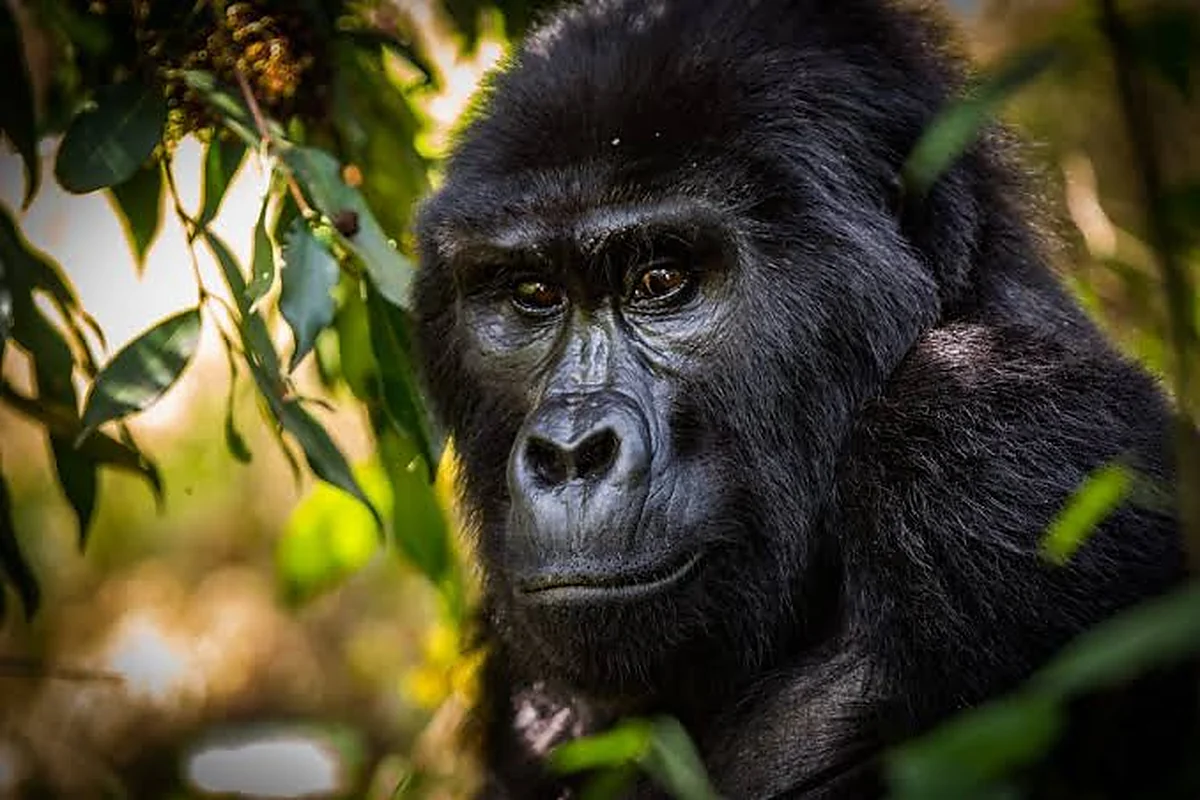
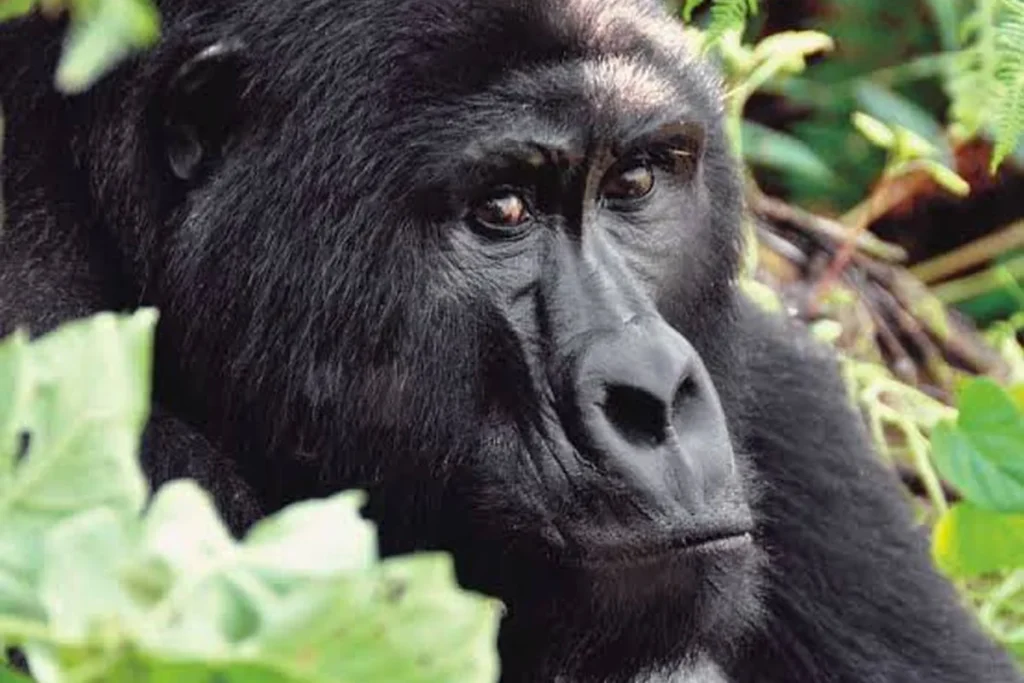
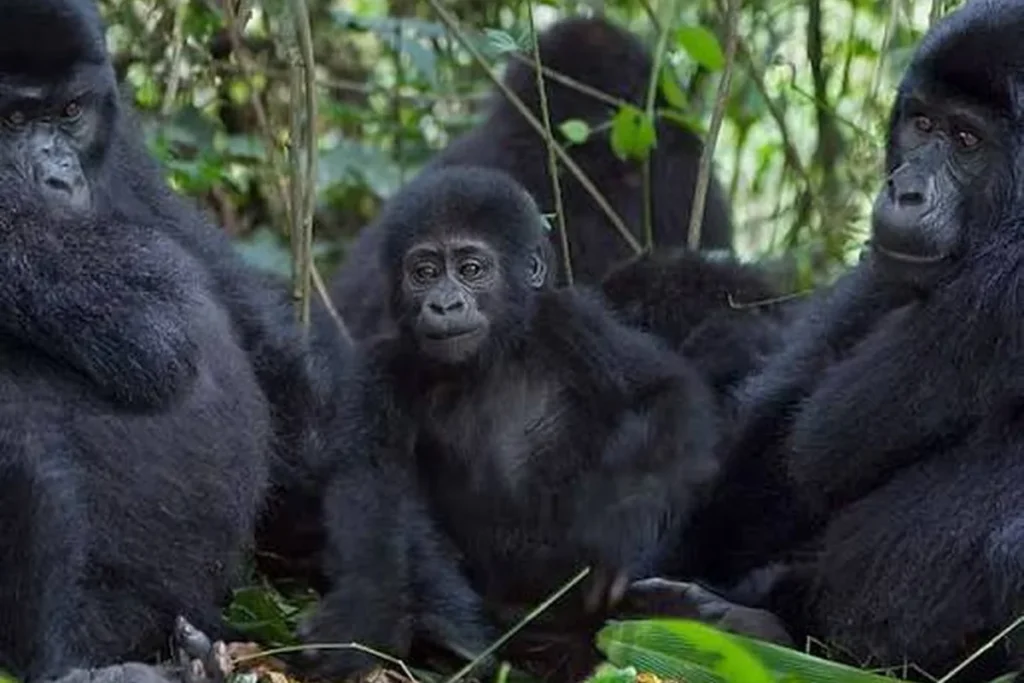
A mountain gorilla gazes toward the camera from its lush forest habitat.
What if you only have fixed holiday dates?
Choose your gorilla trekking day first, then build the rest of the trip around it. Consider a second acceptable trekking date and more than one Bwindi sector. If you have only one possible day, communicate that constraint immediately. A responsible operator should explain what is and is not available rather than presenting an unverified date as guaranteed.
When you are comparing operators, ask them to specify the park, sector, date, number of permits, total price, and what documentation follows payment. A detailed written confirmation is more useful than a general statement that gorilla trekking is “included.”
Booking Permits During Uganda’s Quieter Travel Months
Quieter travel months can offer a different style of gorilla safari. In parts of March, April, May, October, and November, visitors may find more accommodation options or a more relaxed booking process. Rain can make forest trails muddy and slippery, however, and conditions can change quickly in the mountains. Choose the season for the experience you want, not only for the possibility of a permit.
Booking two to six months ahead remains a sensible approach even in quieter periods, especially when your flights are fixed. Some travelers successfully arrange a trek with much less notice, but that is an opportunity rather than a promise. If you want a particular sector, a particular lodge, or several permits together, advance planning still has real value.
Uganda has introduced special low-season permit arrangements for some months and visitor categories, with conditions that may differ from standard permits. Promotional prices and eligible dates can change, and certain discounted permits may not be reschedulable. Confirm the applicable tariff, traveler category, date restrictions, and refund terms with the authorized booking channel before treating a quoted price as final.
For travelers who care most about photography, rain can bring atmospheric mist, rich green vegetation, and soft light, but it can also complicate equipment handling and trail access. Waterproof clothing, suitable footwear, and a protected camera bag remain important regardless of when the permit was purchased.
If your schedule is flexible, consider adding an extra night near the trekking sector. This can make arrival less rushed and allow time to enjoy the surrounding area. The extra night does not substitute for a valid permit, but it can reduce the stress of reaching a remote briefing point after a long road journey.
A lower-demand month is not a guarantee
Demand is uneven. A particular date can fill because of group bookings, special events, or limited allocation, even when the broader month is considered quiet. Some sectors have different numbers of available trekking places. Always ask about the specific date and location rather than assuming a month-wide label tells you what is on sale.
If your main priority is securing a particular permit, keep your accommodation options open until the date is confirmed. For example, the 3-day gorilla trekking safari in Uganda can be discussed around available trekking dates instead of forcing the permit to match an arbitrary hotel reservation.
| Booking factor | More flexible approach | Higher-risk approach |
|---|---|---|
| Dates | Offer two or three acceptable trek dates | Insist on one date without checking |
| Bwindi sector | Consider suitable alternatives | Book a distant lodge before sector confirmation |
| Party size | Request all places together | Assume individual places can be combined later |
| Payment | Confirm current UWA terms in writing | Rely on outdated unpaid-hold information |
| Seasonal offers | Verify eligibility and restrictions | Assume discounted permits are fully changeable |
Nine Costly Gorilla Permit Booking Mistakes to Avoid
The following mistakes are common because a gorilla safari involves several connected reservations. A permit may be valid, yet the overall trip can still become expensive or impractical if the date, location, transport, and booking terms do not match. Use this checklist before you make nonrefundable commitments.
Mistake 1: Booking flights before checking permits
Flights can be the most expensive part of an international trip to change. If your dates are fixed by a nonrefundable ticket, you may discover that no permits remain for the day you planned. Check gorilla permit availability before purchasing flights whenever possible, and build in realistic travel time from Entebbe or your preceding destination.
Mistake 2: Assuming an inquiry means a confirmed reservation
A message saying “permits are available” only describes a moment in time. It does not necessarily mean a place has been allocated to you. Ask what payment is required, whether the authority has recorded the booking, and what official documentation will follow. Never describe a tentative place as confirmed to other members of your group.
Mistake 3: Choosing the wrong Bwindi sector
Bwindi is not a single gate with interchangeable trekking departures. Buhoma, Ruhija, Rushaga, and Nkuringo are different areas with different access routes and nearby accommodation. Booking a lodge in the wrong sector can lead to long transfers or missed briefing times. Match the sector on your permit with your lodge and transport plan.
Mistake 4: Waiting too long for a large group
A solo traveler might secure one remaining place while a group of six needs six spaces on the same day. Delaying a group decision can reduce your options substantially. Collect traveler details, agree on dates, and check the full number of required permits before confirming the rest of the safari.
Mistake 5: Misunderstanding permit prices and categories
Uganda permit charges can vary by visitor classification and by special promotional conditions. A price quoted for a resident or eligible regional citizen may not apply to a foreign nonresident. Ask for the correct classification and written total. The permit price may also be separate from accommodation, private transport, porters, and other services.
Mistake 6: Relying on outdated payment and cancellation rules
Permit regulations can change. A blog published years ago may describe a deposit, unpaid hold, refund percentage, or amendment window that no longer applies. Confirm current terms with the issuing authority or properly licensed operator. Ask what happens if you need to move the date, change the sector, or cancel altogether.
Mistake 7: Treating a safari package as automatic proof of a permit
A safari itinerary can advertise gorilla trekking even when the operator still needs to purchase the permit after your payment. Ask whether the package quote includes the permit and whether it is already secured. A clear itinerary should distinguish a proposed trekking date from a confirmed one.
Mistake 8: Ignoring arrival and health requirements
A permit does not remove the need to arrive at the correct briefing point, meet minimum-age rules, and follow ranger instructions. Travelers who are unwell with symptoms of infectious illness may be unable to trek for conservation and health reasons. Plan rest, transport, and health precautions with the same care as the reservation.
Mistake 9: Paying an unverified seller
Be cautious of promises to obtain “guaranteed” places on sold-out dates or demands for payment to personal accounts without proper paperwork. UWA has published guidance on approved booking channels and the need for official documentation. Verify a tour operator’s licensing and request a written breakdown before transferring substantial funds.
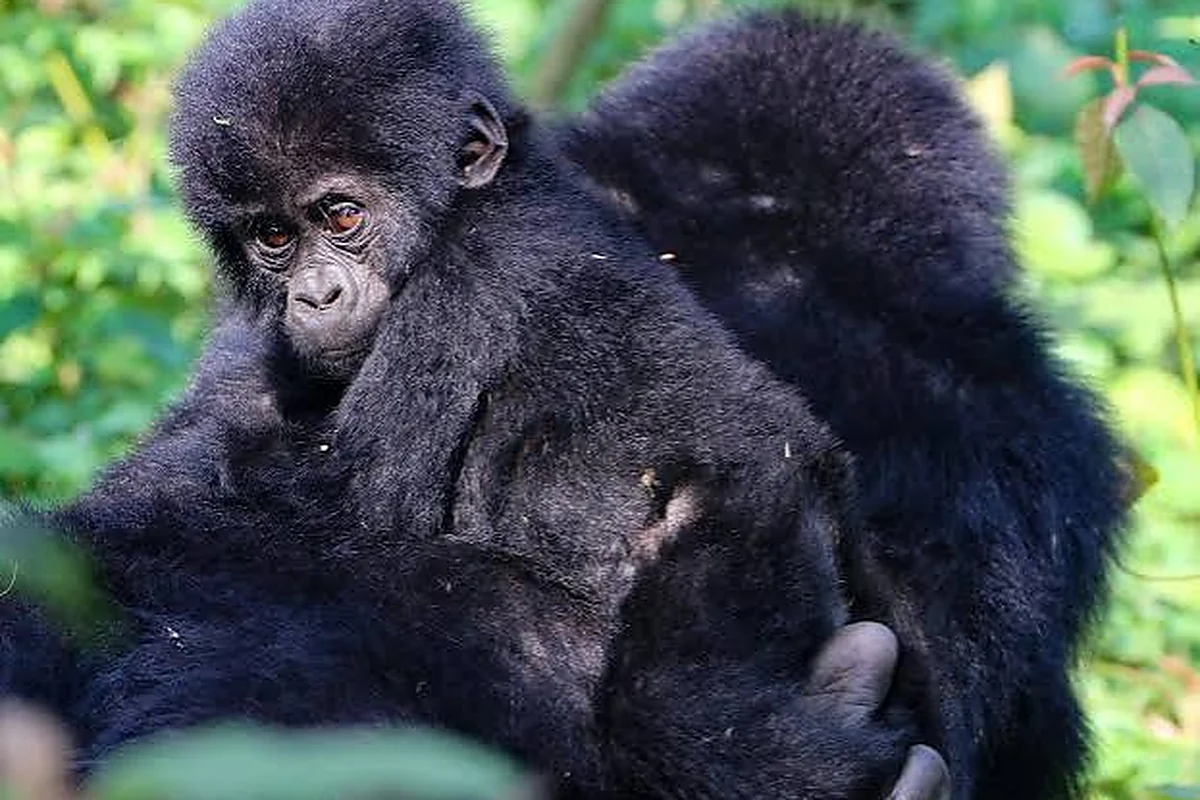
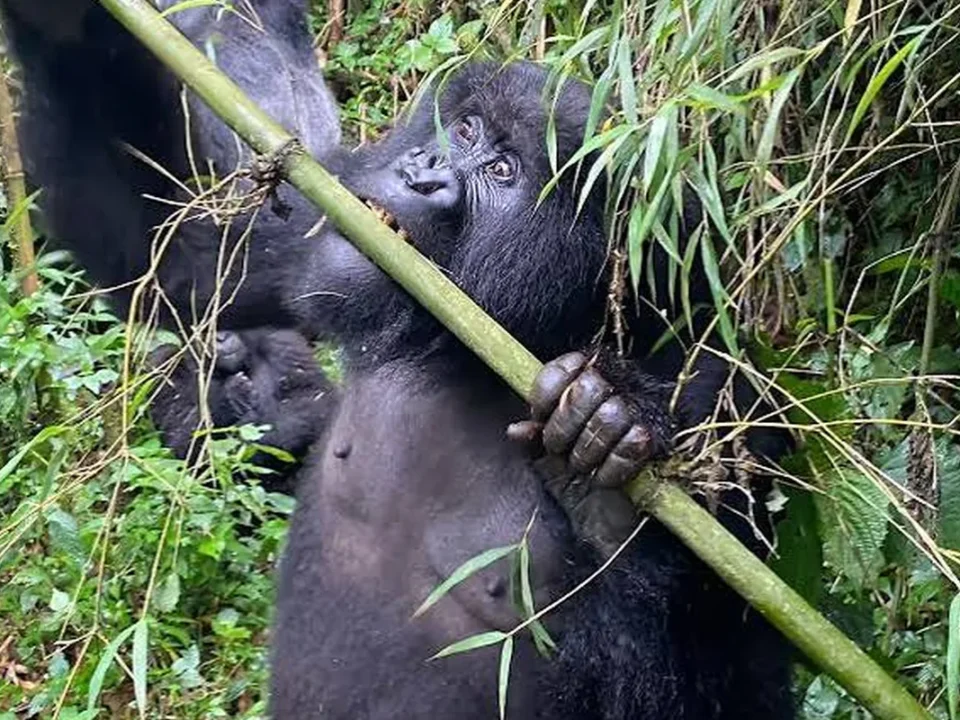
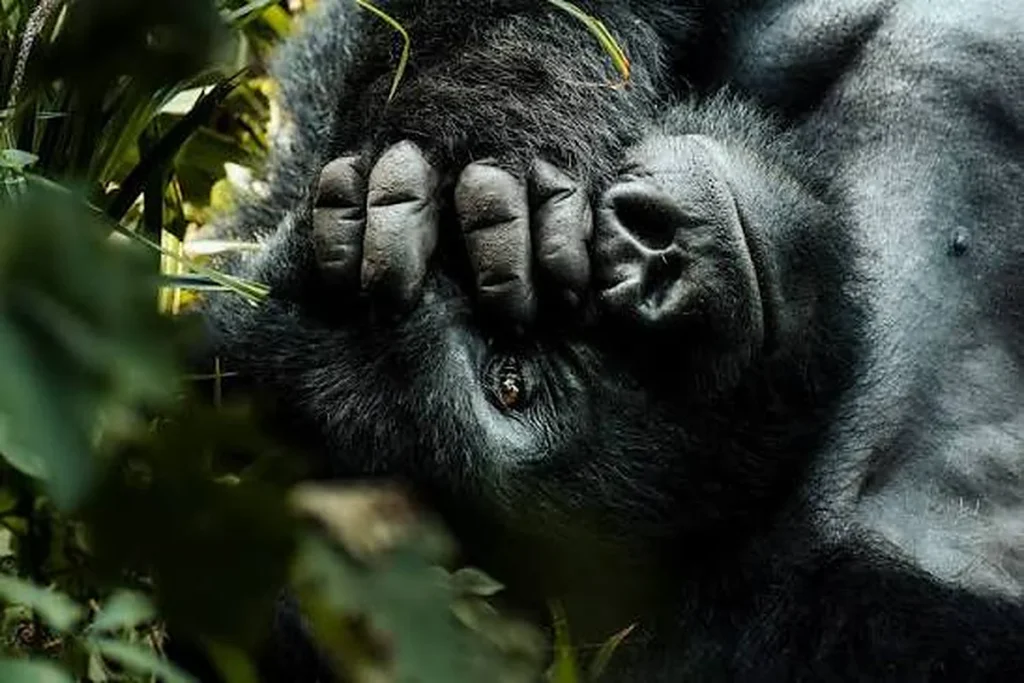
A young mountain gorilla rests close to an adult in their natural forest habitat.
Can You Book a Uganda Gorilla Permit at the Last Minute?
Yes, last-minute booking can sometimes be possible, but it depends entirely on current availability. Cancellations, date changes, and unsold allocations may create openings. There is no reliable way to promise a particular date without checking the UWA booking records, and travelers should be skeptical of anyone who guarantees access after an authorized allocation has sold out.
If you are already in Uganda or traveling within a few weeks, provide your preferred dates, the number of visitors, and your flexibility about location. Ask for availability across Bwindi sectors and Mgahinga rather than focusing only on one familiar name. Being able to move your trek by a day or two can make a significant difference.
Last-minute travelers should also ask about practical transport. A permit for tomorrow morning is of little use if you are in Kampala tonight without a realistic way to reach the briefing point. Roads to southwestern Uganda can require substantial travel time, and the exact route depends on the sector. Do not accept a plan that relies on implausibly fast transfers.
Accommodation availability may be more limited than permit availability, or vice versa. In some cases, a lodge farther away is still workable with an early departure; in others, the transfer is not sensible. Ask your operator to calculate the route based on the actual trekking location, not merely the name of the national park.
For visitors with limited time, a fly-in itinerary may help reduce overland travel, subject to flight schedules and ground transfers. The 3-day Uganda gorilla flying luxury safari offers a useful starting point for discussing that travel style, but flight arrangements must still be coordinated with an actually confirmed permit.
A last-minute permit checklist
Before paying, request the date, park or sector, participant count, traveler category, full amount, payment instructions, and confirmation process. Ask whether there is enough time to reach the briefing point comfortably and whether the accommodation has been checked. If any of these essentials is uncertain, resolve it before making a nonrefundable commitment.
If nothing is available on your preferred day, consider a different date, a different eligible sector, or a revised itinerary. It is better to change the plan than to arrive at the park expecting an exception to the permit requirement.
How Gorilla Permit Availability Affects Safari Planning
The gorilla permit is the anchor of the itinerary because it fixes a date and a trekking location. Other safari elements often have more alternatives: different lodges, varied driving routes, or extra nights can be arranged around that fixed point. The practical planning sequence is to identify likely trekking dates, check permit availability, then confirm suitable accommodation and transport.
This sequence is particularly important for travelers combining gorilla trekking with wildlife viewing. A multi-day itinerary might begin with game drives in Queen Elizabeth National Park before continuing toward Bwindi, or it might place the gorilla trek first and continue to another destination afterward. The best order depends on confirmed permits, travel distances, and the rest of your holiday.
For a broader trip, explore the 5-day gorilla and game safari adventure in Uganda. The benefit of combining experiences is not just convenience: it can allow your travel days to be planned around the hardest-to-secure activity while giving you time to enjoy other wildlife and landscapes.
If a preferred permit date is unavailable, your operator may be able to reverse the itinerary or shift a lodge stay. That is often easier before flights and accommodation are fully paid. This is another reason to communicate any immovable commitments, such as a wedding, international connection, or work deadline, at the start of planning.
When comparing two possible permits, look beyond the date. Ask about sector access, the expected drive from your preceding stop, and whether the lodge location supports an unhurried briefing morning. A slightly less convenient date may produce a much better overall safari than a date that forces long or risky transfers.
How many permits should you request?
Request one permit for each person who intends to trek and meets the participation requirements. Children below the applicable minimum age cannot simply be added to an adult’s permit. If a family includes younger children, plan appropriate childcare or alternate activities with the lodge rather than assuming everyone can enter the trekking group.
If one person is uncertain about joining, discuss the consequences of reserving or not reserving their place. Permit refunds and name or date changes are not necessarily flexible. Do not buy extra permits casually without understanding the rules and financial risk.
| Planning step | What to confirm | Why it matters |
|---|---|---|
| 1. Select candidate dates | Two or three acceptable trekking days | Creates alternatives if first choice is full |
| 2. Check permit inventory | Date, park/sector, number of places | Prevents a mismatch between party and availability |
| 3. Confirm booking terms | Visitor category, total fee, payment, evidence | Clarifies what makes the reservation secure |
| 4. Match accommodation | Lodge in or near the allocated sector | Reduces unnecessary travel before briefing |
| 5. Finalize transport | Road or flight connections and buffer time | Makes the trekking morning realistic |
| 6. Review documents | Passport details, confirmations, instructions | Helps avoid preventable problems at check-in |
Coordinating Permits, Accommodation, and Transport
Good coordination starts with one shared version of the itinerary. The permit date, sector, lodge nights, and transport movements should all agree. If one component changes, update the others immediately. Small inconsistencies—such as a lodge booking for the wrong night—can become costly in remote areas where alternatives may be limited.
Ask for a written schedule that shows the day before the trek, the trekking day, and the day after. The day before should provide a realistic arrival time near your sector. The trekking day should begin with enough time for breakfast, transfer, and the official briefing. The following day can be used for onward travel, rest, or another planned activity.
International arrivals require particular attention. A late arrival at Entebbe followed by a long overnight drive to Bwindi is not a good default plan. Where possible, allow an appropriate travel day or choose flights and ground transfers that align with the actual sector. A safari should feel organized, not like a race to reach a permit you have already paid for.
For lodge selection, compare location and access before comparing amenities. A beautiful room with a distant approach road may be less practical than a simpler lodge closer to your assigned briefing point. Ask the operator to explain the route in terms of realistic driving conditions, not just straight-line distance on a map.
Porters, walking sticks, and other assistance can make trekking more manageable for some visitors, but arrangements and availability should be discussed ahead of time. Trek difficulty varies by gorilla family location and terrain, and no operator can promise an effortless route. If mobility is a concern, disclose relevant practical needs early so the available support can be explained accurately.
Finally, keep copies of the permit confirmation, operator contacts, lodge details, and identification information accessible offline. Mobile reception can be unreliable in forested areas. Having clear documents and instructions reduces stress when you are already traveling.
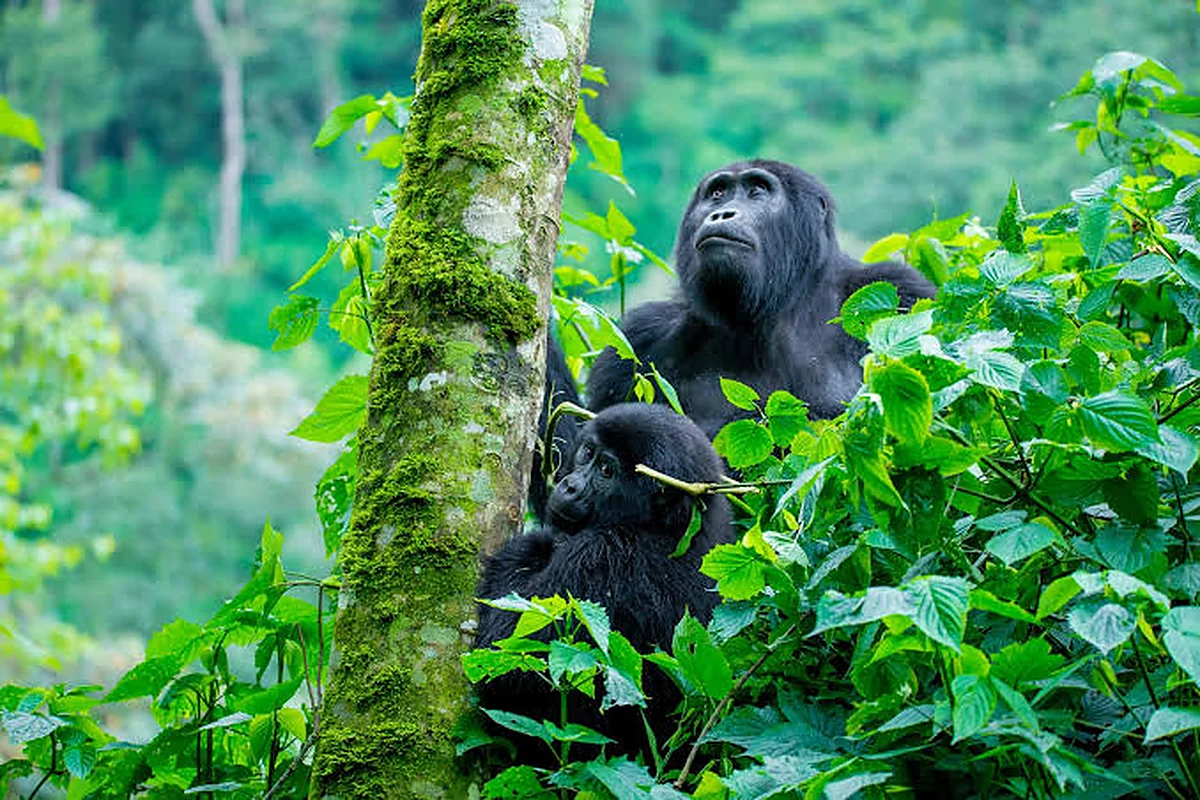
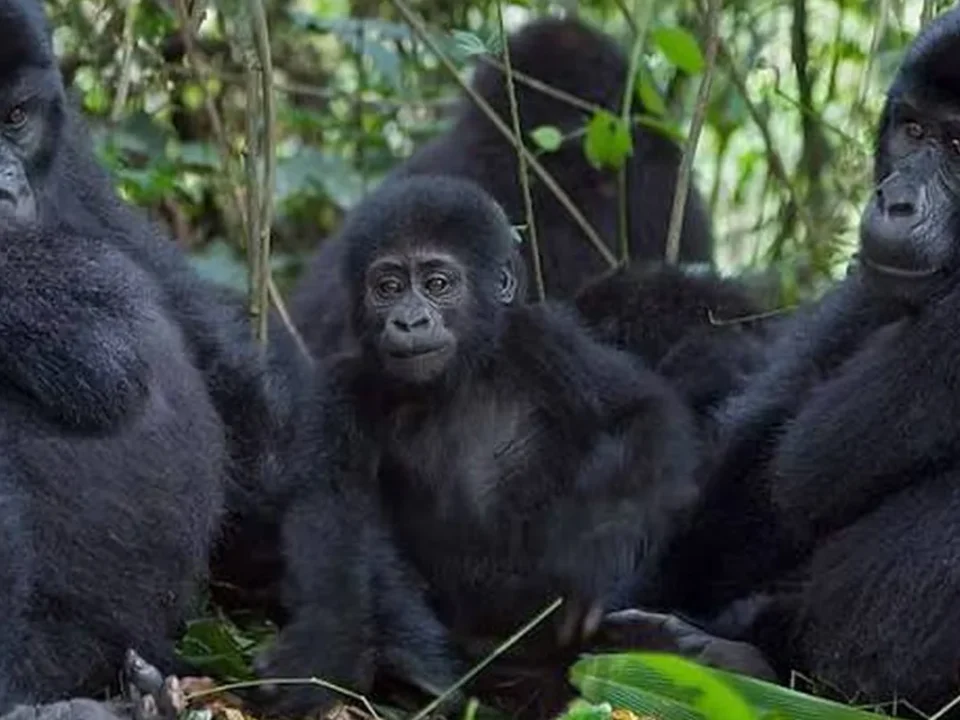
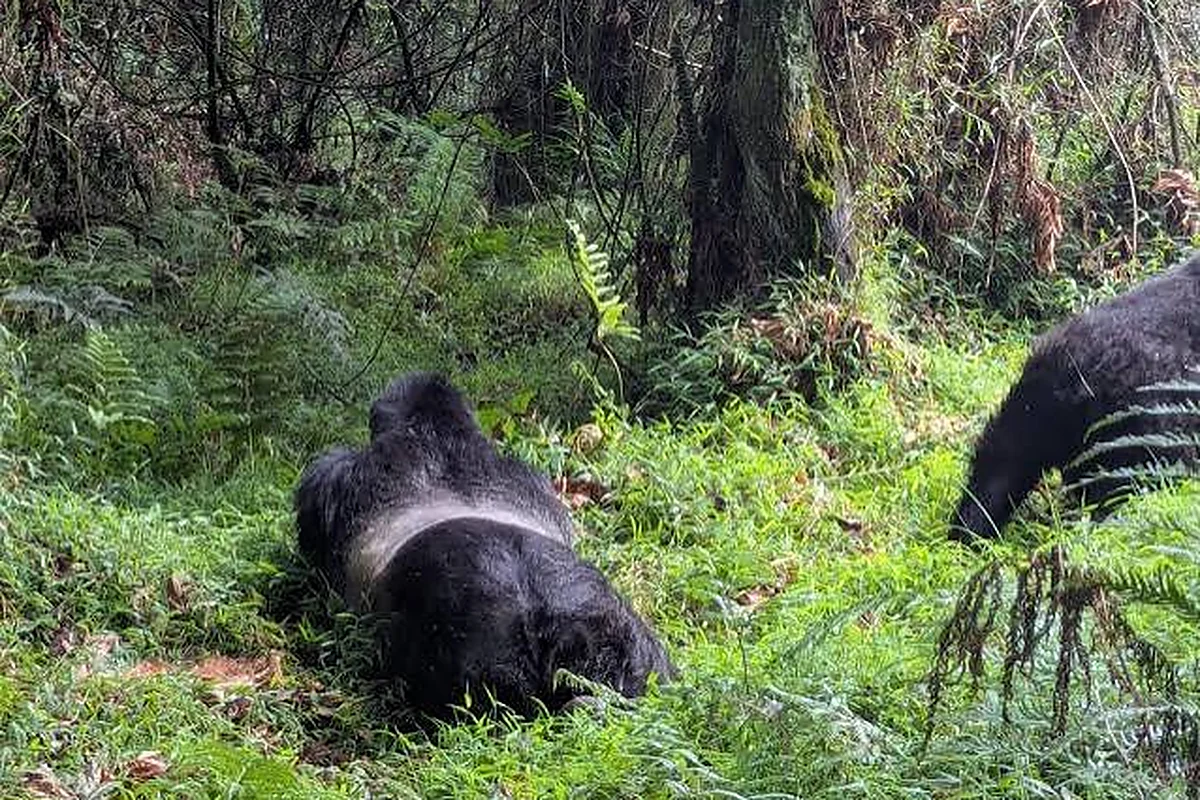
An adult mountain gorilla and a young gorilla rest among dense green vegetation in their natural forest habitat.
Questions to ask before paying a safari deposit
Ask whether the gorilla permit is included in the total price; whether its date and sector are already confirmed; which costs are refundable; who is responsible for purchasing it; and what evidence you will receive. Request a breakdown of lodging, meals, transfers, guiding, and optional activities so there are no surprises.
Also ask what happens if the permit becomes unavailable between quotation and payment. A trustworthy planning process should explain the alternatives and require your agreement before substituting a different date or sector. If the answer is vague, request clarification before proceeding.
How PrideMark Safaris Helps Travelers Plan Gorilla Permit Bookings
Planning a Uganda gorilla safari involves more than choosing a date from a calendar. The permit must be available for the right number of travelers, the accommodation must fit the assigned location, and the transport plan must get everyone to the briefing point on time. A coordinated itinerary helps avoid the costly mistakes described throughout this guide.
When contacting PrideMark Safaris, share your approximate travel month, preferred dates, number of travelers, country of residence or applicable permit category, and whether you prefer a road-based or fly-in safari. If your dates are flexible, mention that too. The more precise the request, the easier it is to explore practical alternatives when the first option is unavailable.
You can begin with the 3-day gorilla trekking in Uganda package if gorilla trekking is the main focus of your trip. Travelers seeking to reduce long road transfers may prefer to discuss the 3-day luxury gorilla flying safari. For visitors wanting a wider wildlife holiday, the 5-day gorilla and game safari adventure provides another starting point.
No responsible safari company should promise an unverified permit. The right next step is to check actual availability, agree on the date and location, explain current booking terms, and confirm the permit before describing it as secured. Prices, policies, and allocations can change, so the final quotation should be based on the rules in force at the time of booking.
Whether you are planning a honeymoon, family holiday, photography trip, or first African safari, the principle remains the same: secure the limited-access experience first and build the rest of the journey around it. Contact PrideMark Safaris to discuss possible dates and a suitable Uganda gorilla trekking itinerary.
Frequently Asked Questions About Booking Uganda Gorilla Permits
How far in advance to book gorilla permits in Uganda?
Three to six months is a useful general target. For peak holiday dates, fixed itineraries, and larger groups, six to twelve months can be safer. These are planning suggestions, not guaranteed availability windows; check your exact date and sector.
Can I book a Uganda gorilla permit one year in advance?
UWA’s published booking guidance has allowed reservations for trekking dates within one year of reservation. Confirm the current maximum advance window and payment rules before booking, as policies can be revised.
Which months are busiest for Uganda gorilla trekking?
June through September and holiday periods around December and January often attract strong interest. Demand varies by date and sector, so a quiet-looking calendar does not guarantee a free permit.
Can I get a gorilla permit a week before trekking?
Sometimes, if there is a place available. Last-minute success is not guaranteed. Ask for live availability across suitable dates and sectors and make sure transport and accommodation can be arranged.
Should I book flights or the gorilla permit first?
Ideally, confirm that the permit can be secured before buying expensive nonrefundable flights. Coordinate the two if flights are scarce, and keep sufficient travel time before your trekking morning.
Does a gorilla safari package always include the permit?
No. Packages differ. Ask whether the permit fee is included and whether the permit is already confirmed or will only be purchased after your deposit. Request written clarification.
Can I trek in a different Bwindi sector from my permit?
Do not assume so. Permits are associated with a particular trekking location and date. Changes require the proper approval and may involve restrictions or fees.
Can I change my gorilla trekking date after booking?
Changes depend on current UWA rules, the permit type, available space, and any applicable charges. Some promotional permits may have stricter restrictions. Check the exact terms before paying.
How many people can trek with one gorilla family?
Standard gorilla visits are regulated with small groups, commonly up to eight visitors per habituated family per day. Allocation depends on park management and available families.
Can foreign nonresidents buy permits directly from UWA?
UWA’s published purchasing advisory directs foreign nonresident visitors to use Uganda Tourism Board–licensed tour operators. Verify the current policy and the operator’s licensing before paying.
Are Uganda gorilla permits refundable?
Refund and rescheduling entitlements depend on UWA’s current policy, timing, reason for cancellation, and permit type. Never assume a full refund. Request the applicable written terms before confirming.
What if permits are sold out for my dates?
Ask about nearby dates, other suitable Bwindi sectors, or Mgahinga, and consider reordering the safari. Do not rely on promises of guaranteed access to an officially sold-out allocation.
Final Booking Advice
The best time to book a Uganda gorilla permit is before your preferred date becomes difficult to secure—not after the rest of your holiday is already fixed. Begin with a realistic booking window, verify the actual date and sector, understand the payment rules, and match the accommodation and transport to the permit. That sequence protects your budget and makes the experience more enjoyable.
If you are ready to plan, send your dates and group size to PrideMark Safaris. A thoughtful itinerary begins with confirmed availability, clear costs, and enough flexibility to make the most of Uganda’s extraordinary mountain gorilla habitats.
Official References and Important Booking Note
Permit allocations, tariffs, promotional conditions, and payment rules are subject to change. Consult Uganda Wildlife Authority publications, its gorilla and chimpanzee permit purchasing advisory, and official permit management guidelines. Verify current rules with UWA or a properly licensed booking operator before payment. This guide was prepared in November 2026 and intentionally avoids presenting an unverified current permit tariff as guaranteed.