What Are Gorilla Trekking Extra Costs in Uganda?
When travelers ask us about gorilla trekking extra costs Uganda visitors should plan for, we begin by separating the official trekking permit from the journey around it. A permit gives access to a regulated wildlife experience; it is not a complete holiday. Transport, lodging, meals, personal equipment, and optional services can all change the final price substantially.
This distinction matters because two quotations can display the same permit component while offering very different travel experiences. One may include a private vehicle, an experienced driver-guide, accommodation, and meals. Another may quote only the permit and leave the traveler to arrange everything else. Comparing headline figures without reading the inclusions is therefore misleading.
At PrideMark Safaris, our practical approach is to build the journey around the confirmed trekking date and the actual location of the permit. Bwindi has several trekking sectors, and a lodge that looks close on a map may still involve a demanding morning transfer. That transfer belongs in the budget, not as an afterthought.
Gorilla trekking extra costs Uganda travelers encounter are not automatically hidden charges or improper fees. Many are legitimate services outside the permit. The problem arises when a quotation fails to distinguish essential arrangements from optional comforts. A transparent itinerary should identify which payments are already covered and which remain the responsibility of the guest.
For a traveler arriving at Entebbe, the cost of reaching southwestern Uganda can be as important as the permit itself. Road travel requires time, fuel, a suitable vehicle, and overnight planning. A domestic flight changes the price and saves travel time, but airstrip transfers and baggage restrictions still need to be checked before committing.
We encourage guests to calculate the total trip cost rather than a permit-only figure. Include the journey to the park, the night before trekking, the night after if needed, meals, drinking water, and a contingency. This creates a realistic comparison between a short, focused visit and a longer Uganda wildlife safari.
Budgeting also depends on travel style. A couple sharing a vehicle and room may distribute certain expenses differently from a solo traveler. A family group may need multiple rooms, while a traveler who values minimal road time may prefer flying. None of these choices changes the official permit entitlement, but they alter the holiday total.
Our guide explains the expenses in the order travelers normally encounter them, from booking through departure. We also distinguish services the permit covers from services that a safari operator might bundle. That way, the phrase gorilla trekking extra costs Uganda becomes a useful planning question rather than an invitation to worry about surprises.
A useful question to put to any operator is whether the quoted amount is per traveler or for the group. Vehicle and guiding arrangements may be shared across a party, while permits are individual. This distinction matters when comparing solo travel, a couple, and a small group, especially if the advertised rate assumes two people sharing a room.
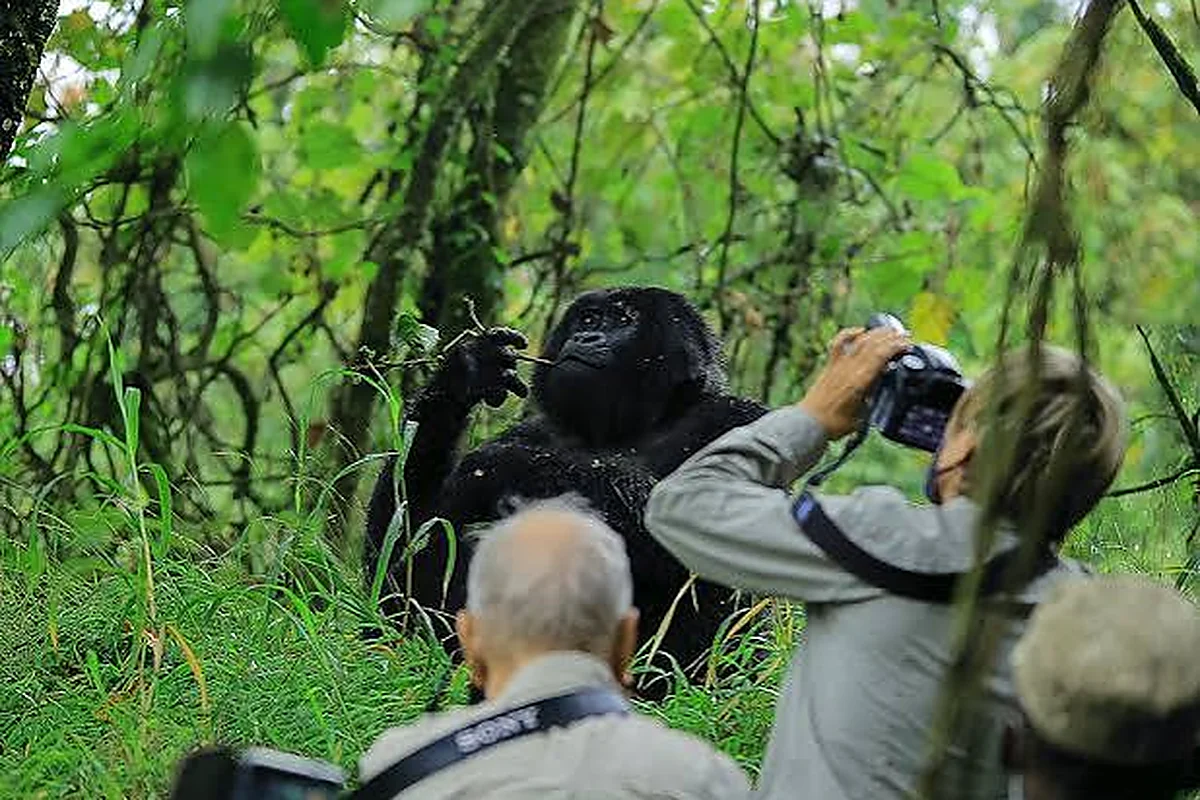
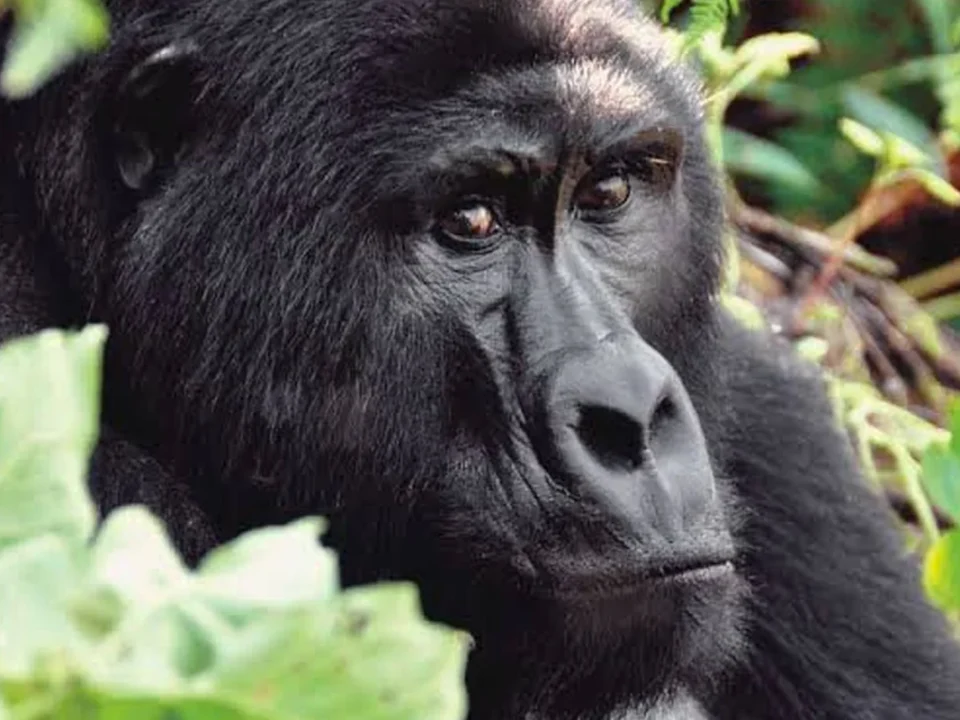
Visitors photograph a mountain gorilla during a guided rainforest trekking experience
What the Official Gorilla Permit Covers—and What It Does Not
The Uganda Wildlife Authority administers gorilla trekking permits and regulates access to habituated gorilla groups. Its published conservation tariff states that the gorilla tracking permit rate includes the guide fee, park entrance for the trekking day, and a community development contribution. These elements should not be billed again as separate mandatory permit-day charges without a clear explanation.
The official permit also places the trek within a controlled conservation system. Visitors report for validation and briefing, and trekking is undertaken with authorized guides and trackers. A permit does not allow independent entry into the forest or unrestricted contact with gorillas. The activity remains subject to park procedures, health precautions, and ranger instructions.
What a permit does not ordinarily pay for is the journey from your airport or hotel to the trekking assembly point. It does not automatically reserve a lodge room, provide a private safari vehicle, or pay for a domestic flight. Those are travel arrangements that must be priced separately or explicitly included in a package.
Likewise, a permit should not be confused with a gorilla habituation experience. Standard tracking and habituation are different products with different conditions and fee structures. If a traveler expects the longer habituation experience, the itinerary must name that activity and the relevant permit rather than describing every gorilla encounter as interchangeable.
Another important distinction concerns additional activities in the wider region. A golden monkey trek in Mgahinga, a community walk, or a game drive in Queen Elizabeth National Park is not simply part of a standard gorilla permit. Such experiences can enrich a holiday, but they require separate arrangements and sometimes separate official fees.
When evaluating gorilla trekking extra costs Uganda visitors should inspect both the official fee schedule and the operator quotation. The official document establishes what the permit itself includes. The quotation should then explain the remaining services: transfers, accommodation, meals, drinking water, optional porter support, and any activities before or after the trek.
For an authoritative starting point, consult the official conservation tariff and the official permit guidelines. Tariffs and operating rules can change, so a historic document should not be treated as a guaranteed price for a future trip. We deliberately avoid presenting a fixed current permit amount in this guide without a date-specific confirmation.
At PrideMark Safaris, we prefer an itemized conversation before payment. We can discuss the trekking sector, preferred lodge standard, road or flight options, and whether the traveler wants a simple gorilla-focused trip or a combined wildlife itinerary. Clear scope at this stage prevents confusion when the final balance becomes due.
Permit validation is also a reason to provide accurate traveler details during booking. The park checks records against the documents presented at the designated entry point. A spelling error or unconfirmed change should be resolved before the trekking morning, rather than treated as a small administrative detail that can safely wait until arrival.
| Included in standard permit | Normally separate |
|---|---|
| Official guided trekking and permit-day park entry | Airport and road transfers |
| Community development contribution | Accommodation and most meals |
| Regulated permit-day wildlife activity | Porters, tips and optional activities |
Nine Costly Surprises Travelers Should Plan For
The first common surprise is the transfer from Entebbe or Kampala to the gorilla trekking region. Southwestern Uganda is not a quick airport excursion. A well-paced road itinerary often includes substantial driving and appropriate overnight stops. Quoting a permit without explaining that journey can create an unrealistic expectation about the overall budget and time required.
The second surprise is accommodation near the correct trekking sector. Bwindi is a large forest landscape with distinct access points, so choosing a room solely by its advertised proximity to the national park is risky. The appropriate lodge is one that works with the specific permit location and the morning briefing arrangements.
The third surprise is meal coverage. A lodge may quote bed and breakfast, half board, or full board, and a transfer day may involve meals away from the property. Guests should ask whether packed lunch on trekking day, dinners, and bottled drinking water are included. Small omissions accumulate during a multi-day journey.
The fourth surprise is porter assistance. Porters can help carry a daypack and provide practical support on uneven ground, but their service is generally a separate arrangement rather than an automatic permit inclusion. We encourage travelers to consider this option positively, both for comfort and for the local employment it can support.
The fifth surprise is tipping. Gratuities for porters, guides, lodge staff, and drivers are generally discretionary and should never be presented as an undisclosed official permit charge. Guests may wish to budget for them according to service received and their own preferences, while asking the operator for guidance about local customs.
The sixth surprise is equipment. Proper hiking footwear, rain protection, gloves, gaiters, and a small daypack may already be owned by the traveler, but buying them at the last moment can be expensive. A budget should account for practical clothing and gear suited to wet vegetation, slopes, and changing forest weather.
The seventh surprise is an optional activity added to fill a free afternoon. Cultural visits, guided community experiences, golden monkey trekking, and additional park activities can be worthwhile, but they should be labeled optional unless expressly included. We recommend deciding which experiences matter most before paying for a packed itinerary.
The eighth surprise involves flight-related expenses. Travelers choosing a domestic flight should review the fare, airstrip transfers, luggage allowances, and the timing of connections. A shorter transfer can be an excellent investment, but the package must specify whether these related services are included and how delays are handled.
The ninth surprise is travel disruption. Missed connections, unexpected illness, extra hotel nights, or an itinerary adjustment can create expenses that no permit price predicts. Appropriate insurance and a sensible contingency are part of responsible planning. The official gorilla permit refund conditions are distinct from an airline or lodge cancellation policy.
Together, these nine points explain why gorilla trekking extra costs Uganda itineraries can differ even when the main wildlife activity is identical. A useful quotation answers not only what the traveler will pay, but also what will happen on each day, what is excluded, and which decisions remain flexible.
A final surprise can come from the way a quote handles currency. Some services may be expressed in foreign currency while personal purchases are paid locally. Travelers should ask which exchange assumptions apply, how card or transfer charges are handled, and whether the final invoice specifies the currency and due date clearly.
| Potential extra | What to check | Priority |
|---|---|---|
| Transport | Route, fuel, vehicle, transfers | Essential |
| Lodge and meals | Sector, nights, meal plan | Essential |
| Porter and tips | Optional payment arrangements | Personal choice |
| Extra activities | Separate fees and bookings | Optional |
Transport, Flights and the True Cost of Reaching the Forest
Road transport is often the most visible non-permit expense. A private safari vehicle involves fuel, driver time, vehicle maintenance, and the route needed to reach the park safely. The distance is only part of the calculation; terrain, weather, road conditions, and the location of the lodge influence the day’s schedule.
For a short gorilla-focused holiday, a three-day format can be practical when arrival and departure plans allow it. Our 3-day gorilla trekking safari is designed around the journey, the trek, and the return. Travelers should still check how much time they want for rest, photography, or an additional activity.
Flying from Entebbe toward Bwindi can reduce road time, especially for visitors with limited leave or a preference for a more relaxed journey. Our luxury flying gorilla safari illustrates that approach. The important comparison is the full door-to-door price, including both airstrip transfers and the lodge arrangements, not the airfare alone.
Air travel does not eliminate the need for careful scheduling. Domestic services have published departure arrangements, and weather or operational changes may affect the day. Guests should avoid building an itinerary around a risky same-day international connection without discussing realistic margins and the consequences of a delay.
Travelers who want gorillas alongside savannah wildlife may find a longer circuit more efficient than separate short trips. Our gorilla and game safari combines the forest experience with Uganda’s broader wildlife landscapes. Such a route introduces additional park activities and accommodation nights, but it can make the overall holiday more rewarding.
When comparing gorilla trekking extra costs Uganda travelers should ask whether a vehicle is private or shared, whether fuel is included, and who covers the driver’s accommodation. Ask about airport pickup, the return drop-off point, and any extra mileage for optional excursions. These details matter more than a vague promise of transportation.
A cheaper-looking itinerary can also hide a demanding schedule. Long road days may be manageable for some guests but uncomfortable for others. We would rather discuss pace honestly than recommend a rushed route that leaves travelers exhausted before their trek. Comfort is not only about lodge category; it is also about travel rhythm.
For guests arriving from another country, the international flight and entry arrangements form a separate budget category. They are not part of a standard UWA gorilla permit. The same is true of visa-related costs where applicable. Confirm entry requirements using official government sources rather than assuming an operator package covers them.
For an airport arrival late in the day, an overnight stay near Entebbe may be the more comfortable option before starting a long road journey. That room adds a night to the budget but can reduce fatigue and scheduling pressure. It should be discussed openly rather than hidden inside an unrealistic transfer plan.
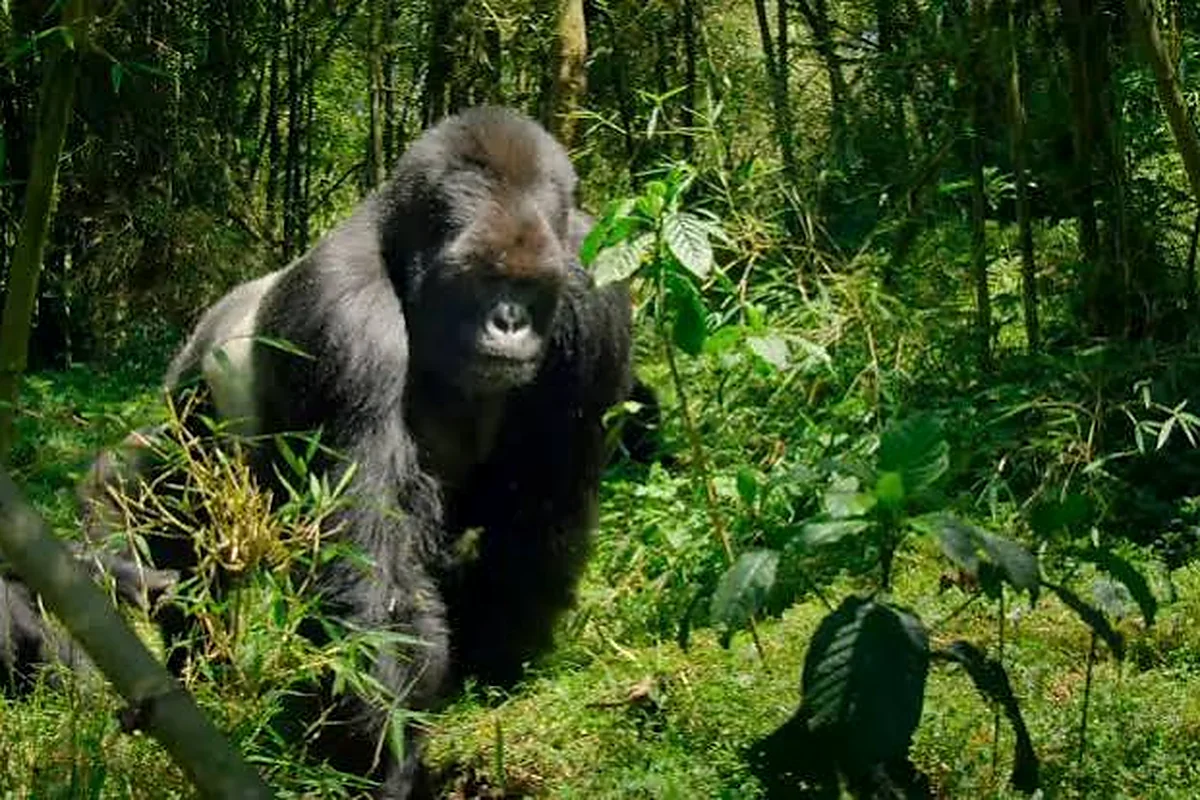
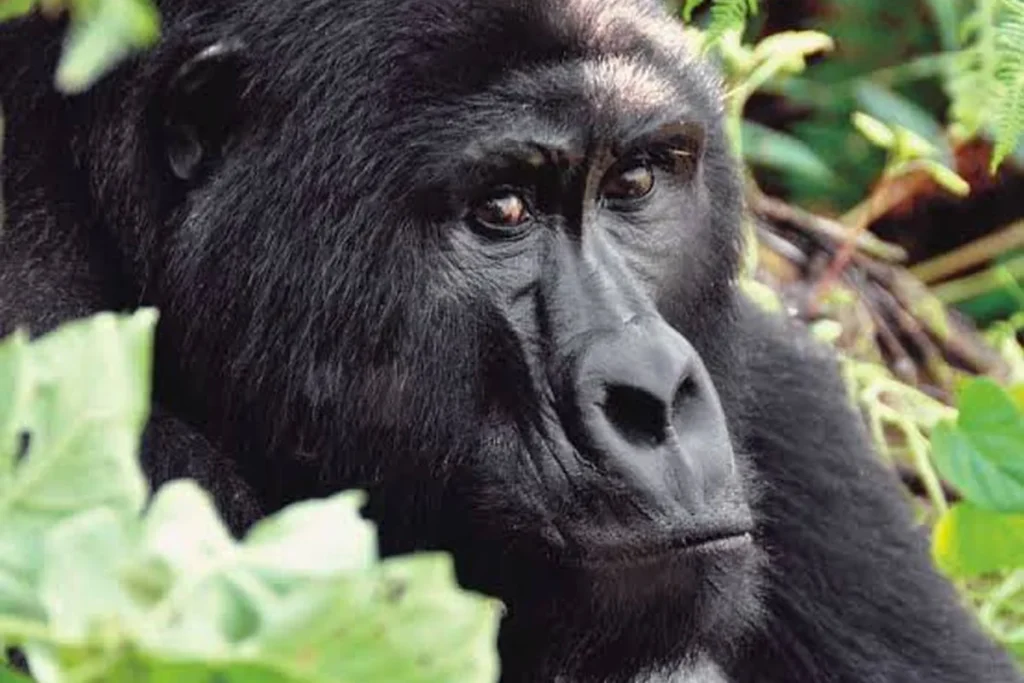
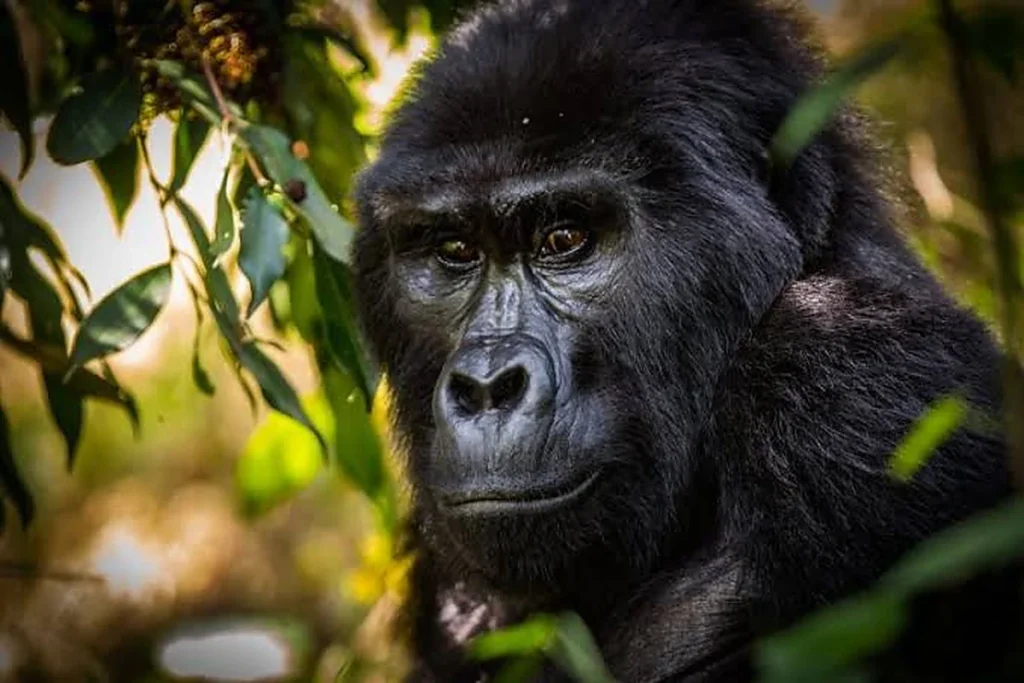
A magnificent silverback mountain gorilla moves through lush tropical forest vegetation.
Accommodation, Meals and Trekking-Sector Logistics
Accommodation can be the biggest variable after the permit and transfers. Options around the gorilla parks range from simpler guesthouses to high-end lodges. Price differences reflect room standard, location, views, service level, and meal arrangements. The best choice is not always the most expensive property; it is the one that fits the traveler and confirmed trek.
Bwindi’s trekking sectors deserve particular attention. A traveler booked for one sector should not automatically reserve accommodation near another. Forest roads can make seemingly short map distances impractical before an early briefing. At PrideMark Safaris, we treat the confirmed sector as a starting point when recommending where to sleep.
Mgahinga offers a different landscape and itinerary structure. A traveler considering gorillas and golden monkeys may benefit from staying in the Kisoro area and coordinating the activities sensibly. Our Mgahinga gorilla and golden monkey safari shows how a combined itinerary can work, subject to permit availability and the precise services confirmed.
Meal plans require equally careful reading. Full board usually indicates a broader set of meals than bed and breakfast, but definitions can vary by property and itinerary. Ask whether drinks are included, whether lunch is packed for the trek, and what happens when a long transfer day prevents a meal at the lodge.
Water is a small but important item. Trekking in humid or steep terrain makes hydration essential, and guests should know whether drinking water is supplied during transfers and on the trekking day. A package may mention bottled water without specifying the quantity or the days covered, so clarification is reasonable.
Room-sharing assumptions can alter the total. Solo travelers may face a single-room supplement, while groups can benefit from shared vehicle costs but may need a particular mix of twin, double, or family rooms. Travelers should share their preferred room configuration before requesting a final quotation, rather than after a booking is made.
Gorilla trekking extra costs Uganda guests encounter sometimes arise from booking the wrong lodge and later paying to change it. The better approach is to verify permit location first, then check the lodge’s access route and booking conditions. That sequence can prevent unnecessary transfer expenses and stressful early starts.
We also advise guests to think about the night after the trek. Some visitors prefer to relax locally instead of beginning a long return journey immediately. Others have limited time and want to travel onward. Neither approach is universally correct, but the accommodation and transport plan should reflect that choice explicitly.
Accommodation photographs are useful, but written inclusions are more reliable than visual impressions. A room with attractive views may still have a different meal plan, transfer charge, or cancellation rule from the room in your quotation. Confirm the exact property and room category, and ask whether any proposed substitution requires your approval.
Porters, Equipment, Tips and Personal Spending
A porter can make a substantial difference to comfort on a forest trek. The route may involve roots, mud, slippery slopes, and thick vegetation. Carrying less weight allows many travelers to concentrate on their footing and the experience. Porter services are normally arranged separately, so guests should ask about the process and payment.
Porter assistance should not be confused with an entitlement to a particular trek difficulty. Rangers determine the tracking arrangements according to conservation and operational needs. Guests with mobility concerns should communicate them before travel, discuss available assistance, and understand that forest conditions cannot be made completely predictable.
Clothing purchases are another personal expense. We suggest sturdy broken-in footwear, long trousers, long sleeves, rain protection, and gloves where useful. Expensive branded gear is not essential, but suitable equipment can reduce discomfort. Travelers who already own hiking clothing may have little to spend in this category.
Photography equipment deserves realistic planning. A camera or phone can capture memorable moments, but batteries, protective covers, and secure carrying methods are important in damp conditions. Visitors must follow ranger instructions about photography and their distance from gorillas. No accessory purchase should be treated as permission to approach wildlife more closely.
Gratuities are often the most misunderstood discretionary cost. A visitor may wish to thank a porter, driver-guide, or lodge team for excellent service. We recommend deciding on a comfortable personal budget and asking how tips are normally handled. A tip is not a substitute for an official permit payment.
Personal purchases may include laundry, souvenirs, alcoholic drinks, extra snacks, or spa services where offered. These are easy to overlook because they do not appear in the main trekking description. They should be separated from essential safari costs so travelers can control their spending without feeling they are missing the central experience.
For families or small groups, a shared packing checklist helps avoid buying duplicate items. It is sensible to check what the lodge provides, such as walking sticks or basic amenities, before packing or purchasing everything. Travelers should also consider baggage limits if their route includes a domestic flight.
When we explain gorilla trekking extra costs Uganda visitors can choose to spend on, we separate optional comfort from necessary logistics. A porter or better room may be worthwhile, but neither changes the official duration of a standard gorilla viewing encounter. A well-informed guest can choose upgrades for the right reasons.
Health-related preparation can affect personal costs too. Travelers may need advice from their own clinician, suitable prescribed medication, or additional travel insurance based on their circumstances. These are personal arrangements rather than official trekking permit inclusions. We encourage early planning and honest discussion of mobility requirements without assuming that a particular route or assistance service is guaranteed.
Extra Activities, Habituation and Multi-Park Safaris
Gorilla trekking is often the main reason for visiting southwestern Uganda, but the region offers other experiences. Golden monkey tracking in Mgahinga, community visits, nature walks, and cultural activities can add variety. Each should be checked for its own booking requirements and fees rather than assumed to be part of the gorilla permit.
Gorilla habituation is particularly important to distinguish from standard trekking. It is a separate activity with a different permit structure and visitor experience. Travelers who see both options advertised should ask which one their quotation covers. A package description that simply says gorilla experience is not specific enough for a confident booking.
A visit to Queen Elizabeth National Park can introduce game drives and a boat cruise on the Kazinga Channel. These experiences require additional transport, accommodation, and activity arrangements. For guests with more time, combining wildlife habitats can be excellent value, but the price should reflect the complete itinerary.
Chimpanzee trekking in Kibale is another possible addition. It involves a separate permit and a different park, so it cannot be folded into the gorilla fee without explanation. The same applies to other protected-area activities. We encourage travelers to decide whether they want a focused gorilla trip or a wider primate journey.
Our Uganda safari ideas provide examples of different trip lengths and combinations. A shorter itinerary emphasizes the gorilla encounter; a longer one creates space for savannah wildlife, chimpanzees, or slower travel. The right design depends on interests and time, not simply on the number of attractions advertised.
One common mistake is adding activities before confirming the gorilla trekking date. Because the permit is date- and location-specific, it should anchor the schedule. We then position other experiences around that commitment, taking driving time and rest into account. This approach reduces the chance of costly rearrangements.
Optional cultural visits deserve respectful planning. A good experience should explain what guests will do, who hosts it, how long it lasts, and whether a contribution or separate entrance payment applies. We avoid describing local communities as an automatic attraction included with every gorilla permit.
Gorilla trekking extra costs Uganda safari extensions create are easier to understand when presented day by day. Each extra night has a lodging and meal implication; each extra destination affects vehicle use; each activity may require a fee. A transparent itinerary turns these additions into deliberate choices rather than surprises.
If you want to extend your journey to Lake Bunyonyi or another nearby destination, account for the additional road leg and overnight arrangements. A scenic extension can be relaxing after the trek, but it is not automatically free because it appears geographically close. Ask for the extra vehicle time and accommodation to be shown separately.
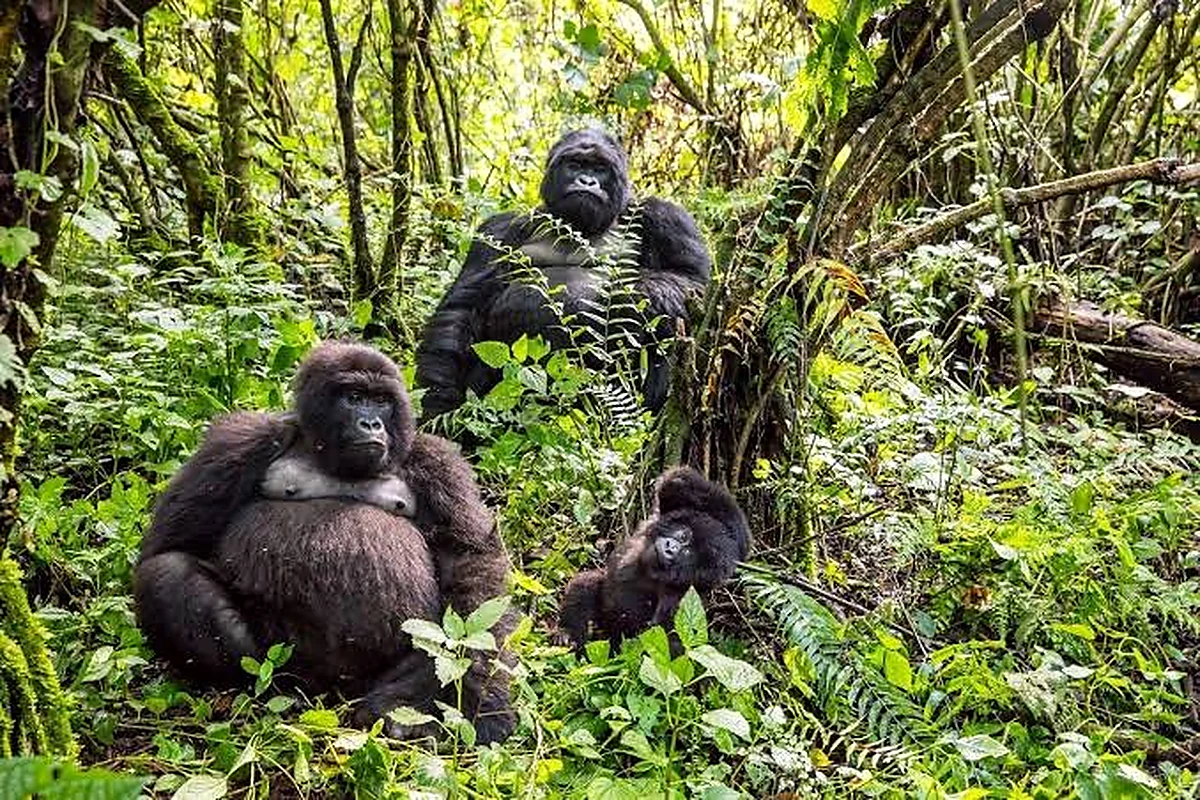
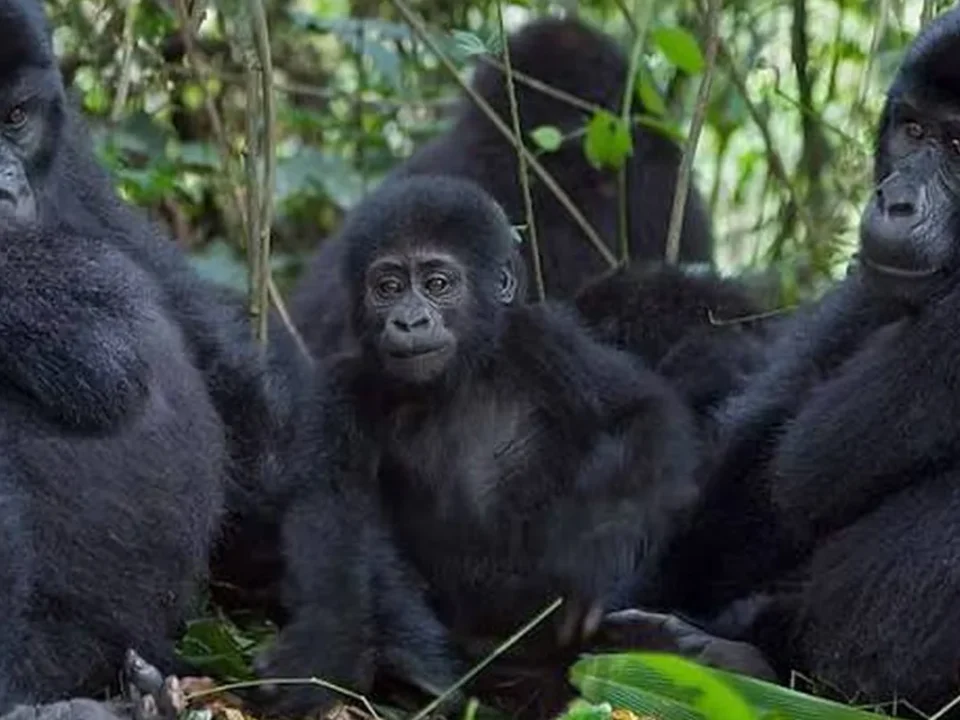
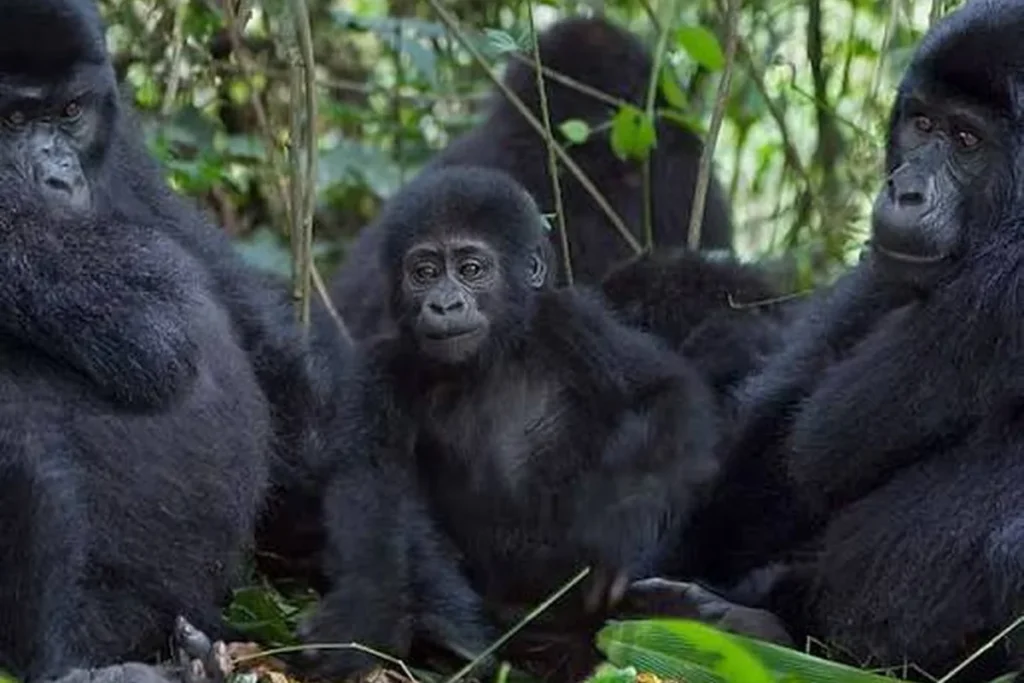
Three mountain gorillas rest together in lush rainforest vegetation, offering a glimpse into the social lives of these remarkable primates.
How to Build a Realistic Gorilla Safari Budget
Begin with the confirmed official permit requirement and the traveler’s eligibility category. Do not assume that a price seen in an older article remains valid for the intended trekking date. The Uganda Wildlife Authority publishes conservation tariffs, and permit purchasing procedures must be followed through the appropriate channels.
Next, select the travel route. Decide whether the guest will drive from Entebbe or Kampala, fly part of the way, or combine the trek with another park. A route determines vehicle days, potential air tickets, driver arrangements, and the number of nights needed. It should be established before comparing lodge prices.
Then choose accommodation aligned with the trekking sector and desired comfort. Ask for a clear meal plan and confirmation of any packed lunch. If a guest has dietary requirements, communicating them early can prevent last-minute complications. A good budget includes services that matter on the actual trekking day.
Add personal trekking support as a separate line. Porter assistance, suitable equipment, tips, and snacks should be visible in the plan even if they remain optional. This helps guests understand which expenses are fixed commitments and which they can adjust according to preference.
We recommend including a contingency for unforeseen changes. Travel disruptions, extra meals, a delayed connection, or an additional night can affect a holiday even with careful planning. The contingency is not a hidden operator fee; it is a practical reserve that the traveler controls.
Compare quotations on the same basis. A fair comparison asks whether each offer includes the permit, transport, fuel, accommodation, meals, airport transfers, water, and any specified activities. A lower headline price can become more expensive if essential services are excluded and added later.
For guests considering our 3-day gorilla trekking safari or luxury flying gorilla safari, we suggest requesting an itemized proposal for the same travel dates and party size. This shows the real difference between travel styles without pretending that one fixed package price fits every visitor.
Finally, verify payment and cancellation terms. The permit component can have different conditions from a lodge or flight booking. Travelers should understand which amounts are refundable, what can be rescheduled, and what evidence is required for a change request. Our related gorilla permit refunds guide provides further context.
When readers search for gorilla trekking extra costs Uganda, the most useful answer is a method rather than a single universal total. The permit, route, lodge, season, group size, and optional activities all matter. A complete quote should make those variables visible before a traveler makes a financial commitment.
| Budget category | Questions before payment | Status |
|---|---|---|
| Permit | Confirmed date, park and category? | Verify |
| Transport | Road or flight, transfers included? | Itemize |
| Lodging | Sector, room, meals, nights? | Itemize |
| Personal spending | Porter, tips, equipment, contingency? | Plan |
Planning a Transparent Gorilla Safari With PrideMark Safaris
At PrideMark Safaris, we approach gorilla travel as a complete itinerary rather than a permit transaction in isolation. We begin by discussing the traveler’s preferred dates, group size, comfort level, and whether the priority is gorillas alone or a wider Uganda safari. These details help shape realistic options before payment.
Our planning conversation should identify the relevant trekking location and then match transport and accommodation to it. This is particularly important for Bwindi, where sector choice affects logistics. A beautiful lodge is not a bargain if it creates an impractical early-morning drive to the briefing point.
We also explain which elements are included in a proposed package and which remain optional. A traveler should be able to see the permit component, vehicle arrangements, lodge basis, meals, and planned activities. Where a service is not included, we aim to make that clear rather than leaving the guest to discover it later.
The 3-day gorilla trekking safari is a useful starting point for guests who want a focused encounter. The luxury flying gorilla safari suits travelers prioritizing shorter transfers and a higher-comfort approach. The gorilla and game safari is better aligned with visitors who want the forest and savannah in one journey.
For travelers interested in Mgahinga, the Mgahinga gorilla and golden monkey safari illustrates how two primate experiences can fit into a coherent route. The gorilla permit and golden monkey activity are distinct, so their booking status and inclusions should be stated separately in the itinerary.
We encourage guests to ask direct questions: Is the permit confirmed? Which trekking sector applies? What meal plan is included? Are airport transfers covered? Is a porter optional? What happens if an international flight is delayed? A trustworthy proposal should welcome these questions and answer them in writing.
Our responsibility is also to communicate uncertainty. Gorilla locations, forest conditions, travel times, and permit availability are not entirely within a tour operator’s control. We can help coordinate a well-planned safari, but we should not promise a particular gorilla family, an effortless hike, or approval of a refund.
If you are comparing gorilla trekking extra costs Uganda packages, contact PrideMark Safaris with your travel dates, party size, preferred accommodation standard, and arrival point. We can discuss a suitable itinerary and explain the services proposed, helping you choose a safari that fits both your interests and budget.
A useful written quotation should also identify what is still provisional. A lodge suggestion is not necessarily a confirmed reservation, and an itinerary draft is not proof that a gorilla permit has been issued. We encourage travelers to ask which services are confirmed, which depend on availability, and when each booking will become binding.
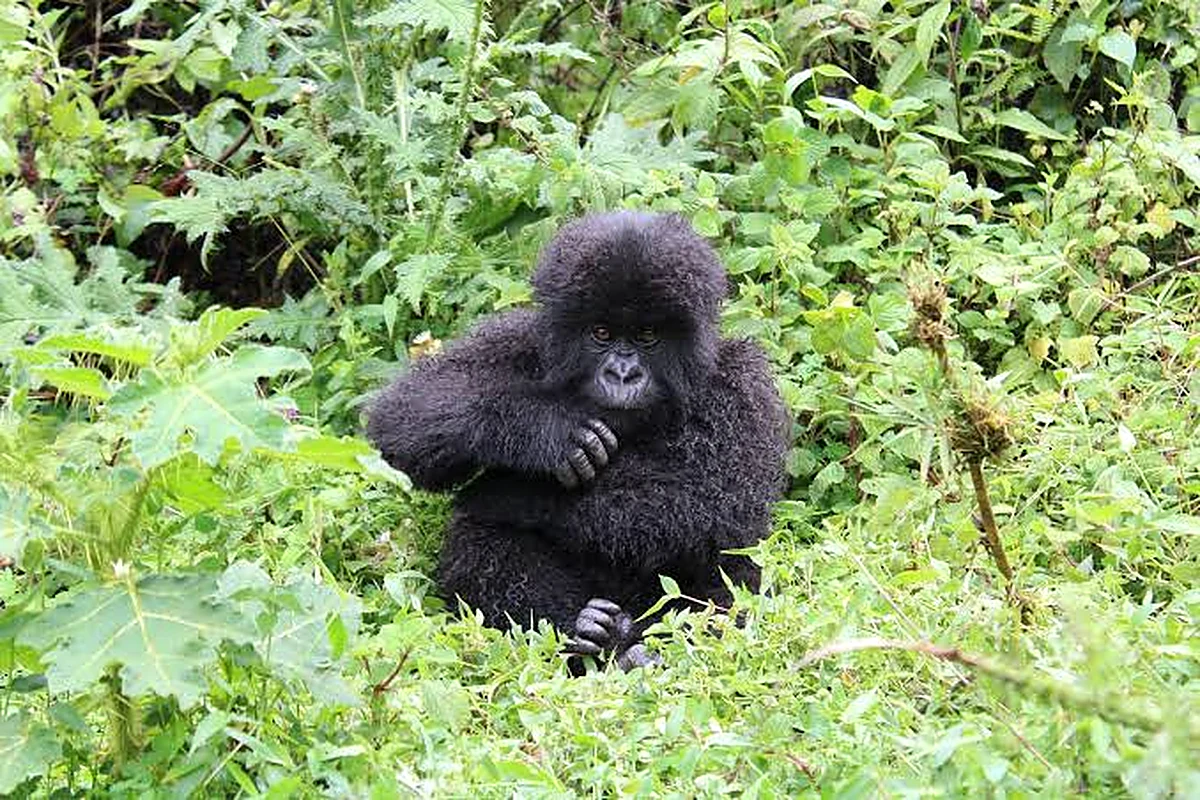
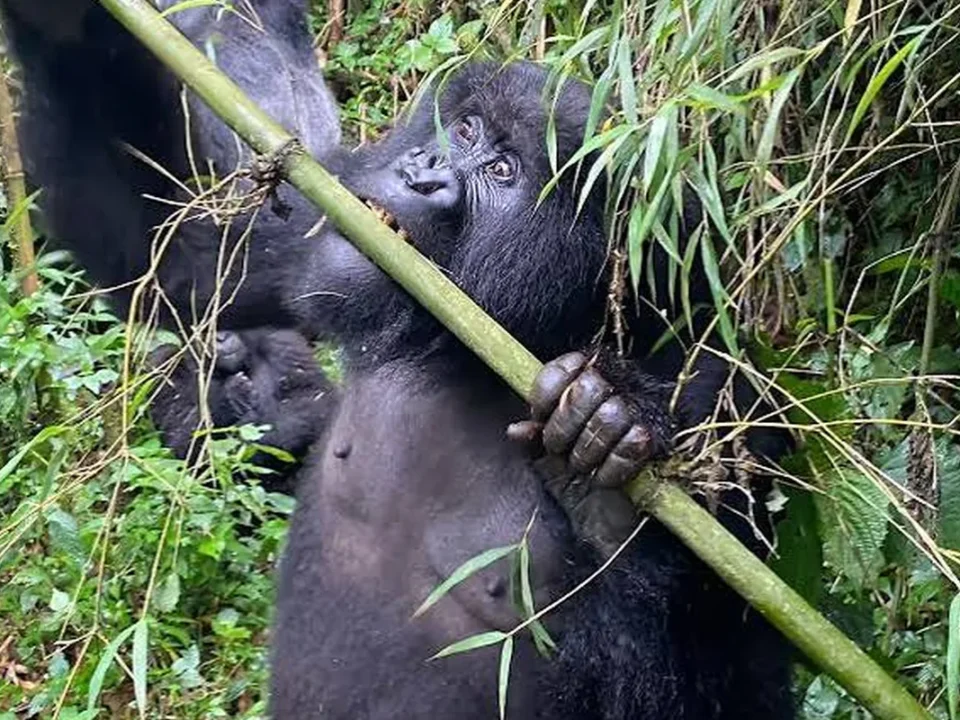
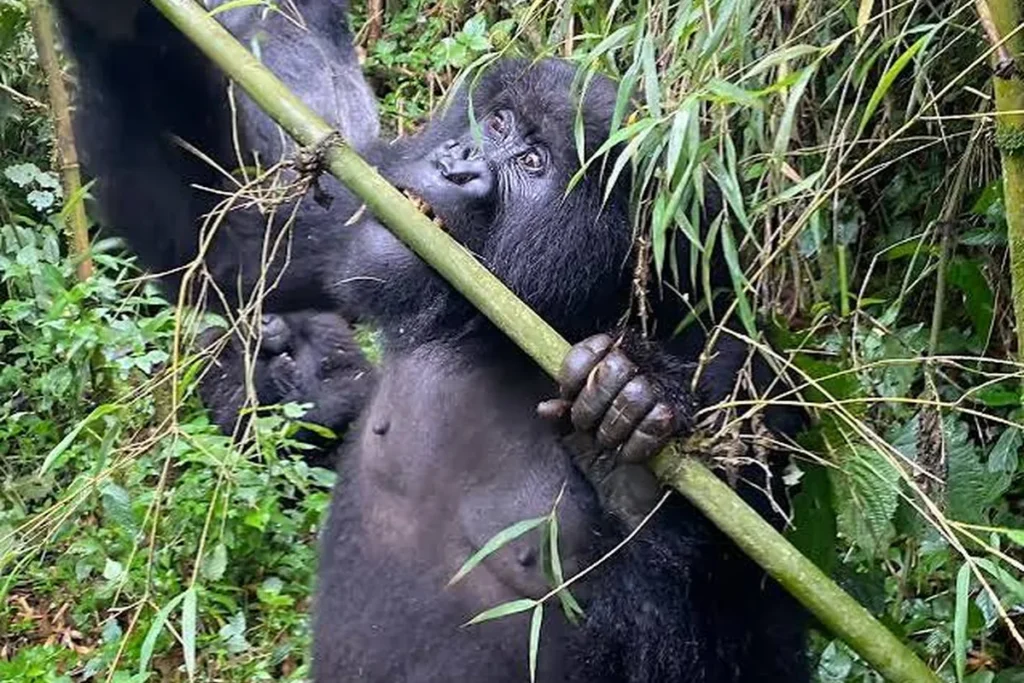
A young mountain gorilla sits quietly among dense green vegetation in its natural forest habitat.
Frequently Asked Questions
Does a Uganda gorilla permit include transport?
No. The official gorilla permit is not an airport transfer or a private vehicle booking. Transport from Entebbe, Kampala, a domestic airstrip, or a lodge must be arranged separately or expressly included in a safari package. Ask for the route, vehicle arrangement, fuel coverage, and pickup location in writing before comparing quotations.
Are ranger guides included in the gorilla permit?
The published Uganda Wildlife Authority conservation tariff identifies the guide fee among the permit inclusions. Visitors must still follow validation, briefing, and ranger instructions. This official guiding arrangement is different from a private driver-guide who accompanies travelers between destinations, and a quotation should not confuse the two services.
Does the permit cover accommodation near Bwindi?
No. Lodge accommodation is a separate service unless your tour operator has included it in a combined package. The correct lodge also depends on the confirmed trekking sector. Before paying, check the room category, number of nights, meal basis, cancellation terms, and the practical morning transfer to the briefing location.
Do I have to hire a porter for gorilla trekking?
Porter assistance is generally optional rather than an automatic part of the official permit. Many visitors appreciate the help with a daypack and challenging forest ground. Discuss any mobility concerns before travel, and ask the operator how porter services are arranged and paid for at the trekking location.
Are tips included in Uganda gorilla trekking fees?
Tips are not the same as an official gorilla permit charge. They are generally discretionary expressions of appreciation for service from porters, guides, drivers, or lodge staff. Some tour packages may give suggested amounts, but travelers should know whether a gratuity is optional and should never confuse it with a compulsory park fee.
Is lunch included on the gorilla trekking day?
Lunch depends on the package and accommodation meal plan, not simply on possession of a gorilla permit. Many itineraries arrange a packed lunch because trekking duration can vary. Confirm this in advance, especially if you have dietary requirements, and check whether drinking water and snacks are also supplied.
Are golden monkey permits included with gorilla trekking?
A standard gorilla permit does not automatically include golden monkey tracking in Mgahinga. The activities have different booking requirements and fees. A combined itinerary can include both, but the operator should specify each activity, its permit status, the dates, and the transport and accommodation arrangements required.
Is gorilla habituation included in a standard trekking permit?
No. Gorilla habituation and standard gorilla tracking are separate experiences. They have distinct permit categories and operating conditions, so the booking must identify the intended activity accurately. If a quotation describes an extended gorilla encounter, ask which official permit is being supplied rather than relying on a general marketing description.
Can I save money by booking a lodge far from the trekking sector?
A lower room rate does not always reduce the total cost. Long or difficult morning transfers can add transport expense, stress, and timing risks. It is usually more sensible to confirm the permit sector first and then compare lodges with realistic access to the relevant briefing point.
Does travel insurance pay for a cancelled gorilla permit?
Coverage depends on the insurer, policy wording, reason for cancellation, and supporting evidence. Do not assume that every illness, missed flight, or change of mind is covered. Review the policy before booking and distinguish any insurance reimbursement from the separate refund or rescheduling rules applied by the permit authority.
What is the best way to compare gorilla safari quotations?
Request itemized proposals for the same dates, number of travelers, room standard, and route. Check permit status, vehicle use, accommodation, meals, water, transfers, optional activities, and cancellation terms. Comparing the complete trip rather than a single headline price makes it easier to understand where costs differ.
How can PrideMark Safaris help explain extra trekking costs?
PrideMark Safaris can discuss your preferred itinerary, likely transport arrangements, accommodation category, and activities beyond the permit. Share your dates, group size, arrival point, and comfort preferences so the proposed package can clearly distinguish included services from optional spending. Final availability and conditions must still be confirmed before payment.
For a tailored quotation, contact PrideMark Safaris with your preferred travel dates, group size, arrival point, and accommodation preferences. Ask for a written breakdown of permit arrangements, transfers, meals, optional activities, and payment terms. We recommend checking official requirements and availability before making non-refundable travel commitments, so the safari you choose is clear from the beginning.