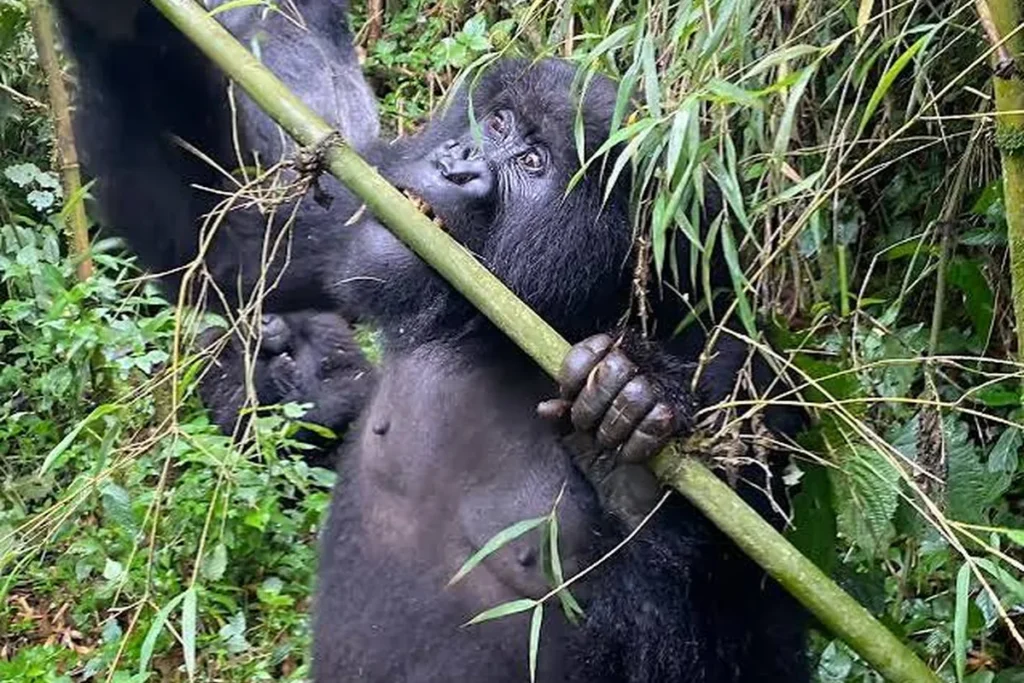
How Mountain Gorillas Help Uganda’s Forests: 10 Incredible Benefits

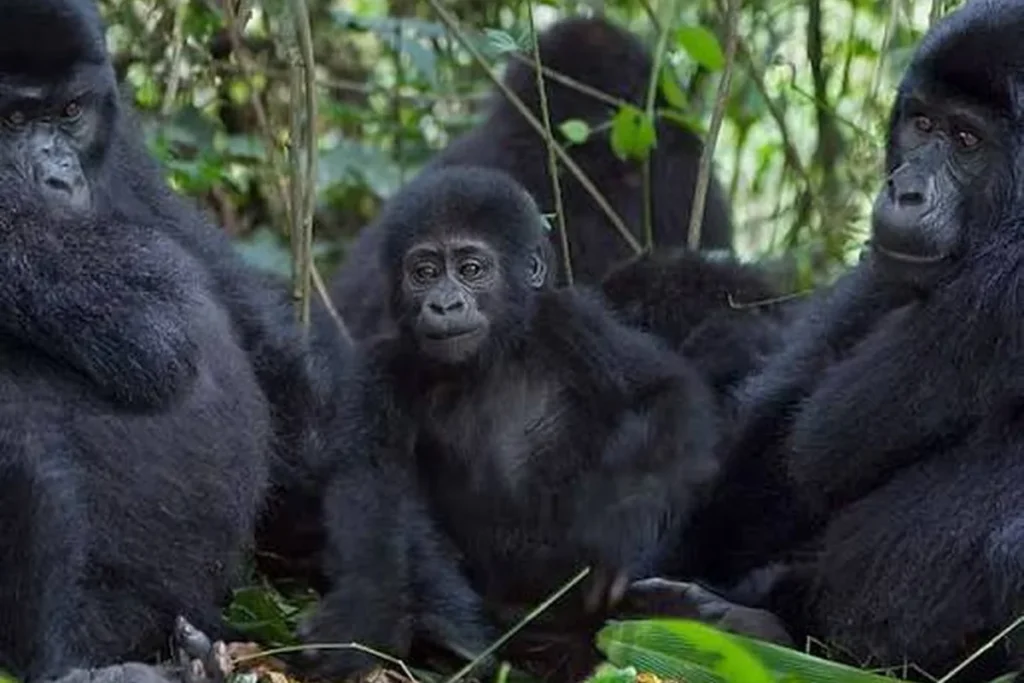
Lost Gorilla Trekking Permit Uganda? 9 Essential Tips
November 16, 2026
10 Incredible Secrets Behind Mountain Gorilla Conservation in Uganda
November 18, 2026
Introduction: Understanding the Connection Between Mountain Gorillas and Uganda’s Forests
Deep within the mist-covered mountains of southwestern Uganda, mountain gorillas move through one of Africa’s most remarkable natural environments. Their presence represents far more than an opportunity for extraordinary wildlife encounters. These powerful primates participate in ecological relationships involving vegetation, food availability, forest structure, and other living organisms. Understanding mountain gorillas and forest conservation therefore requires looking beyond the animals themselves and exploring the complex environments that sustain their survival.

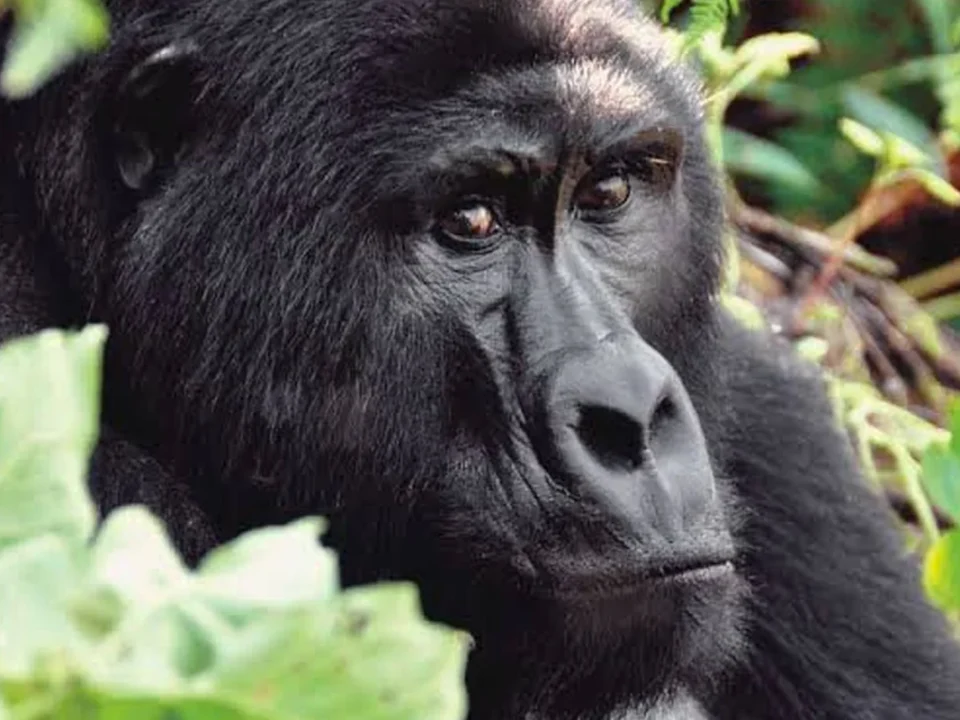
A mountain gorilla surrounded by lush forest vegetation, highlighting the importance of protecting Uganda’s natural habitats and biodiversity.
For many visitors, the unforgettable moment of encountering a mountain gorilla begins with a guided journey through dense vegetation, steep valleys, and humid mountain slopes. Yet the forest is not simply a beautiful background for wildlife photography. It is a functioning ecosystem where plants, animals, microorganisms, water, and soil interact continuously. Mountain gorillas form part of this ecological community through their daily feeding, movement, resting, and social activities.
Uganda provides an exceptional opportunity to explore these relationships because it protects mountain gorillas within Bwindi Impenetrable National Park and Mgahinga Gorilla National Park. Although these protected areas differ in landscape, vegetation, and ecological characteristics, both demonstrate why conserving mountain gorillas also means safeguarding entire mountain forest environments. Their protection benefits numerous species that share the same habitat, including birds, insects, plants, and other mammals.
At PrideMark Safaris, we believe that meaningful gorilla tourism should help travelers understand the natural world they have come to experience. A gorilla trek offers an opportunity to observe fascinating animals while learning about the forests that support them. The connection between mountain gorillas and forest conservation becomes especially interesting when we consider how gorilla behavior may influence vegetation, nutrient movement, and ecological processes.
Mountain gorillas are predominantly plant-eating primates, consuming leaves, shoots, stems, roots, and other available vegetation. Their feeding habits connect them directly to forest plant communities, while their movement carries consumed plant material between different locations. These everyday activities create ecological interactions that can influence local conditions. However, the strength of each effect varies, and not every ecological role has been directly quantified in mountain gorilla populations.
This distinction matters because responsible conservation writing should not exaggerate the importance of any single species. Forests are maintained through countless interconnected processes, and mountain gorillas are participants rather than sole guardians of forest health. Their greatest conservation significance also comes from the habitat protection, scientific attention, and responsible tourism opportunities associated with their continued survival.
Exploring these connections reveals why mountain gorilla conservation is about much more than protecting a rare primate. It involves safeguarding watersheds, conserving native vegetation, maintaining ecological relationships, supporting nearby communities, and preserving landscapes that cannot easily be replaced. The following ten ecological benefits explain how mountain gorillas interact with Uganda’s forests and how their protection can support the wider environment.
1. Mountain Gorillas Influence Forest Vegetation Through Their Daily Feeding Habits
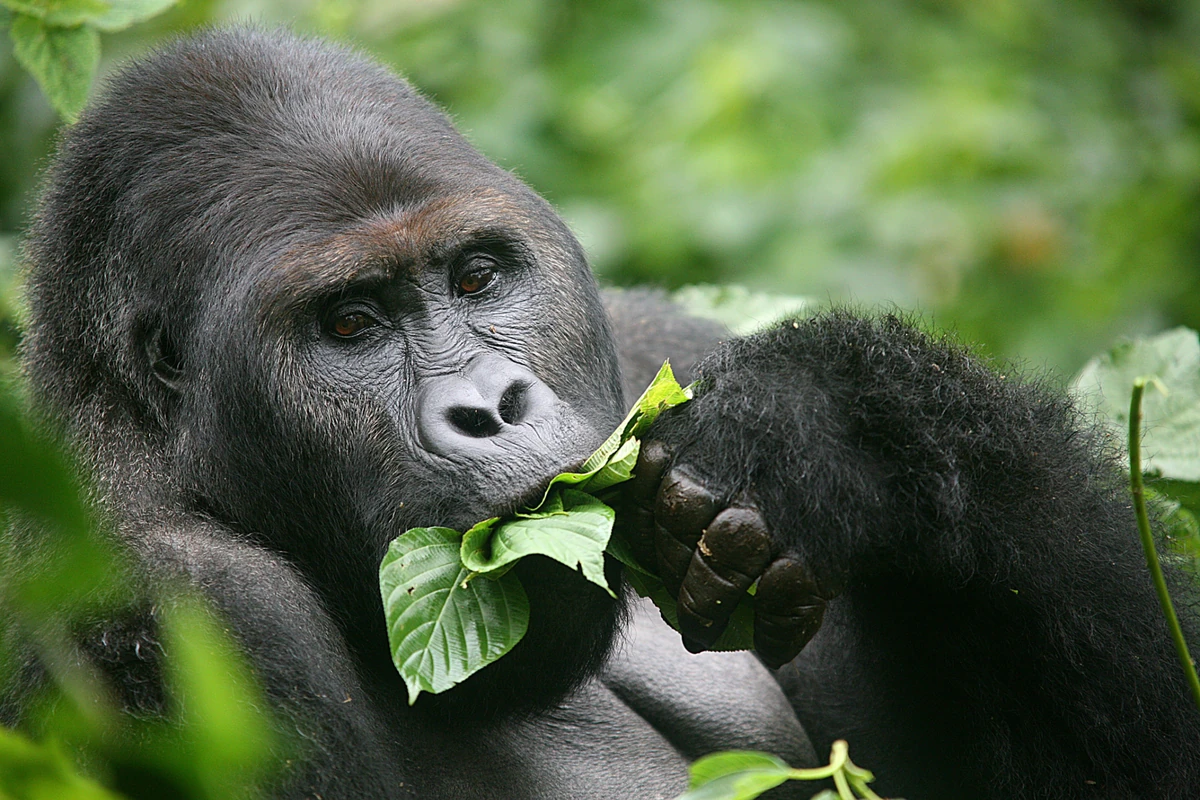
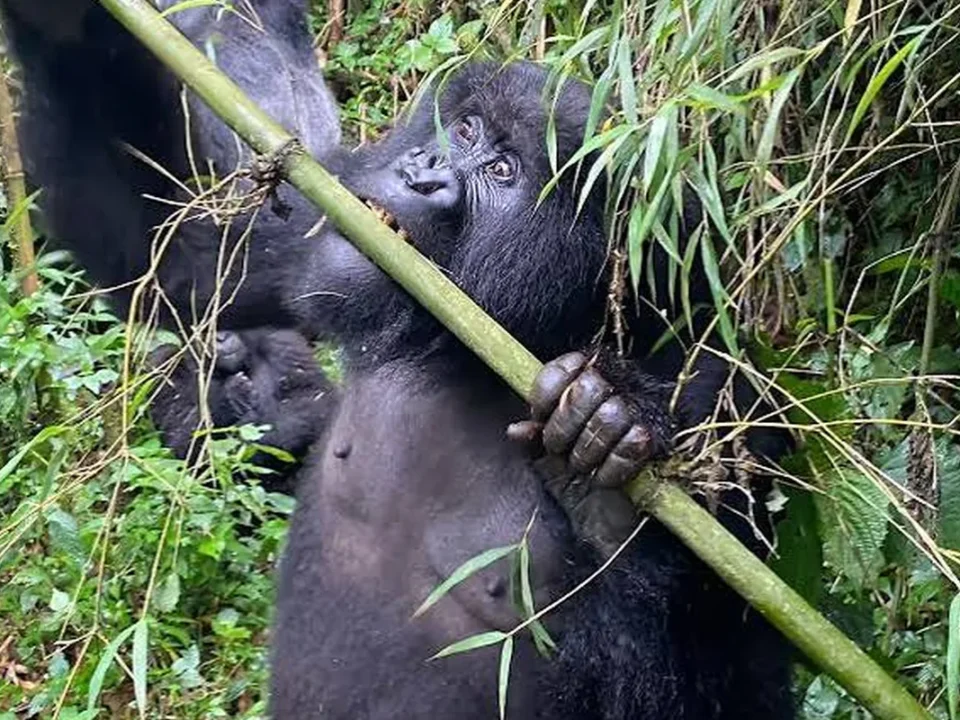
A mountain gorilla feeds on fresh forest vegetation, demonstrating the close relationship between gorillas and their natural habitat.
One of the most direct connections between mountain gorillas and forest conservation comes from the animals’ relationship with vegetation. Mountain gorillas spend substantial portions of their active day searching for, selecting, and consuming plant material. Their diet includes leaves, shoots, stems, and other plant parts, depending on habitat and availability. Through these feeding activities, gorillas interact continually with the structure and composition of the vegetation surrounding them.
Unlike predators that obtain most of their energy from animal prey, mountain gorillas depend heavily on the productivity of forest plants. This dependence makes vegetation availability essential to their survival. It also means that gorillas repeatedly encounter different plant species while moving through their home ranges. Their selective feeding may influence individual plants and the immediate vegetation around frequently used feeding locations.
When gorillas consume young shoots or leafy stems, they remove plant material that would otherwise continue growing or eventually decompose. Some plants can recover through regrowth, while others may respond differently depending on the amount of material removed. These interactions form part of natural herbivory, a process through which plant-eating animals influence vegetation in ecosystems around the world.
The ecological consequences depend on feeding intensity, plant characteristics, and local environmental conditions. Moderate browsing can sometimes create opportunities for new growth, but heavy browsing may suppress certain plants. It would therefore be inaccurate to suggest that every gorilla feeding activity automatically improves forest health. Instead, gorillas contribute to natural vegetation dynamics as one of several large herbivores interacting with mountain forest plants.
Bwindi’s dense vegetation provides a particularly interesting setting for observing these relationships. Its forest contains numerous plant communities distributed across different elevations and habitats. As gorillas travel between feeding locations, they encounter changing vegetation conditions. These movements demonstrate how forest structure, food distribution, and animal behavior are closely connected.
Visitors trekking with experienced guides may notice broken stems, partially consumed vegetation, or recently disturbed plant material along routes used by gorilla groups. Such signs can help trackers understand where animals have traveled or fed. They also provide visible reminders that gorillas actively interact with their environment rather than simply occupying it.
From a conservation perspective, protecting suitable feeding habitat is essential because mountain gorillas cannot survive without adequate natural vegetation. Habitat degradation, agricultural expansion, and fragmentation can reduce the availability of feeding areas. Conserving forests therefore protects the food resources necessary for gorilla survival while also preserving the plant communities on which many other species depend.
For travelers exploring Uganda with PrideMark Safaris, learning about gorilla feeding behavior adds another dimension to the trekking experience. Observing a gorilla carefully selecting vegetation illustrates an important ecological relationship: the forest sustains the gorilla, and the gorilla participates in the forest’s ongoing biological processes.
2. Mountain Gorillas Can Contribute to Seed Movement and Plant Dispersal
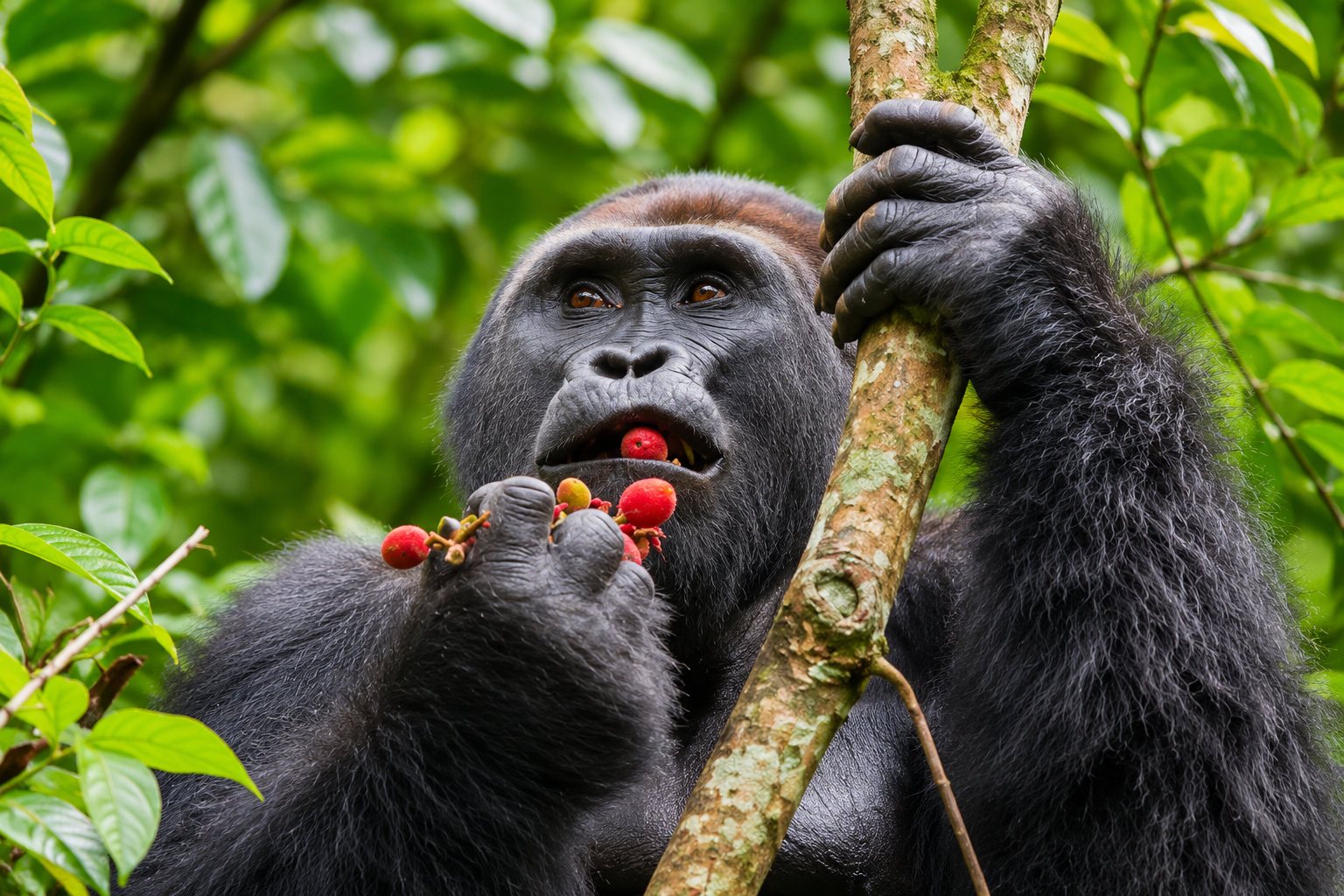
Mountain gorillas can contribute to seed movement and plant dispersal when they consume fruits and transport viable seeds through their forest habitats.
Seed dispersal is one of the most fascinating subjects in tropical forest ecology. Many plants depend on animals to transport seeds away from their parent plants, allowing new individuals to establish in different locations. Primates, birds, and other mammals can participate in this process by eating fruits or carrying seeds through their environment.
Mountain gorillas have a predominantly leafy diet, so their role as fruit-based seed dispersers should not be confused with that of more fruit-dependent primates. Nevertheless, mountain gorillas may consume fruits when available, and gorillas can move seeds through ingestion or other contact with plant material. The ecological importance of these activities depends on which plant species are involved and whether transported seeds remain capable of germination.
When an animal consumes fruit containing viable seeds, some seeds may pass through its digestive system and be deposited elsewhere. If conditions are suitable, those seeds may germinate and develop into new plants. This process is known as endozoochory, a form of animal-mediated seed dispersal. Its effectiveness varies according to the animal, seed, digestive process, and destination.
Research on gorillas more broadly has demonstrated that they can act as seed dispersers, particularly in forests where fruit forms a substantial dietary component. However, findings from western lowland gorillas should not automatically be treated as measurements of mountain gorilla seed dispersal. The two subspecies occupy different habitats and differ in their reliance on fruit.
In mountain gorilla habitats, any seed movement associated with feeding contributes to a larger network of interactions involving birds, other mammals, wind, gravity, and water. Each mechanism has different ecological importance. A forest’s ability to regenerate depends on these combined processes, as well as soil conditions, light availability, rainfall, and the survival of seedlings.
The relationship between mountain gorillas and forest conservation is therefore not based on claiming that gorillas are the principal seed dispersers in Bwindi. Rather, it recognizes that their feeding behavior can create opportunities for plant movement within a broader ecological system. The precise contribution of mountain gorillas to seed dispersal remains an area where species-specific research is valuable.
For conservation organizations, understanding animal-mediated seed movement helps explain why protecting ecological relationships matters alongside protecting individual species. A forest may retain many of its trees while losing animals that participate in regeneration processes. Over time, changes in those relationships can affect which plant species successfully reproduce and spread.
Travelers visiting Uganda’s mountain forests can appreciate these connections without needing to observe seed dispersal directly. Every forest trail passes through vegetation shaped by countless generations of ecological interactions. Protecting mountain gorillas means conserving one of the animal communities participating in this continuing natural history.
3. Gorilla Movement Creates Small-Scale Changes in Forest Vegetation
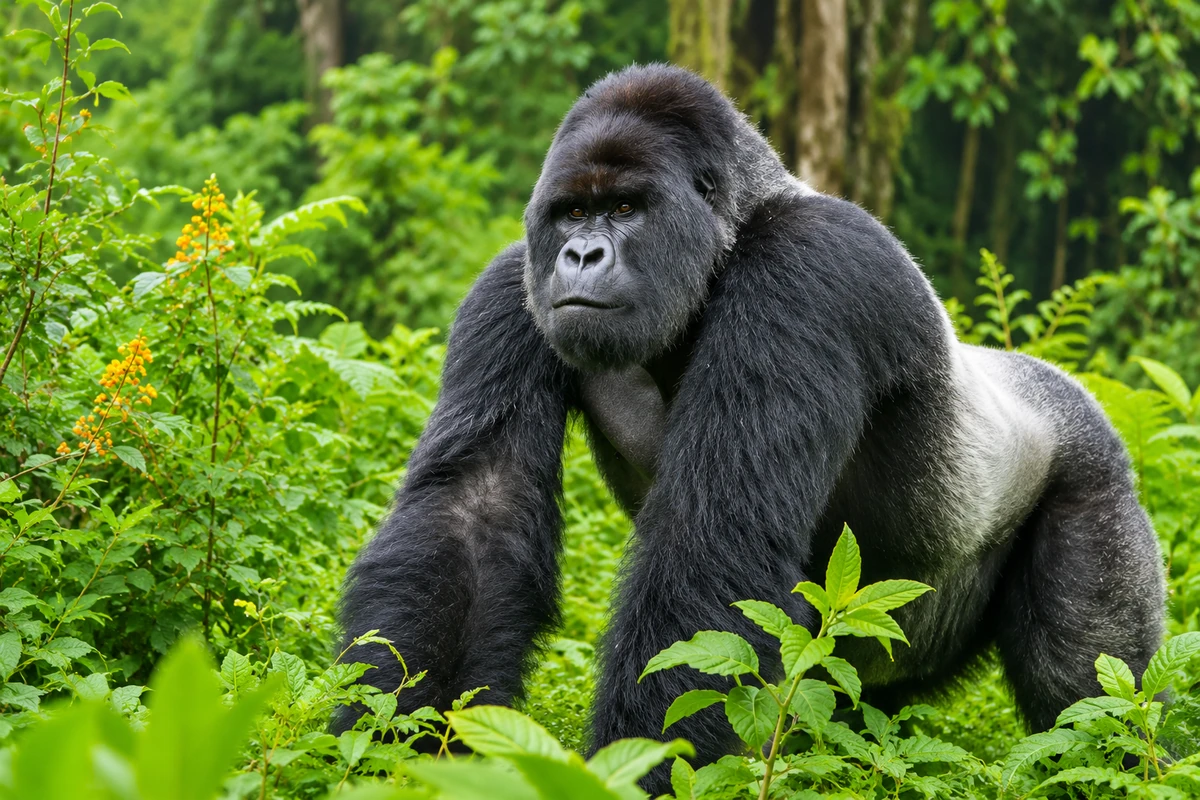
A silverback mountain gorilla moves through lush vegetation, illustrating how gorilla movement can create small-scale changes in forest habitats.
Mountain gorillas are large, powerful animals that regularly travel through dense forest vegetation. Their movement can bend stems, flatten grasses, disturb low-growing plants, and create temporary passages through undergrowth. These physical interactions are a natural consequence of moving through habitats where vegetation often grows thickly across the forest floor.
In ecological terms, such disturbances can contribute to small-scale habitat variation. A location where vegetation has been flattened may temporarily differ from an undisturbed location in the amount of light reaching the ground, the arrangement of plant material, or the space available for new growth. Whether these changes produce lasting ecological effects depends on local conditions.
Mountain gorillas do not deliberately construct forest trails for other animals. Nevertheless, repeated movement along familiar routes can leave visible pathways through vegetation. Trackers sometimes use signs of recent passage to follow gorilla groups, although routes can change as animals respond to food availability, social conditions, and the landscape.
These movements are particularly noticeable in areas dominated by dense herbaceous vegetation. A gorilla group traveling through such vegetation may leave temporary signs of passage. Rainfall, plant regrowth, and subsequent animal activity can gradually alter or erase these signs, demonstrating how dynamic the forest environment remains.
Small disturbances are important components of natural ecosystems, but their effects should not be automatically classified as beneficial. Some disturbances create opportunities for plant establishment, while others can damage vegetation or expose soil. Their ecological significance depends on frequency, scale, and the resilience of affected plants.
This is why mountain gorillas and forest conservation must be understood through ecological balance rather than simplified claims. Gorillas interact with vegetation in ways that may contribute to local habitat variation, but the forest is also shaped by landslides, storms, treefalls, insects, other animals, and natural plant succession.
For visitors, signs of gorilla movement offer a fascinating introduction to wildlife tracking. Guides may explain how recently bent vegetation differs from older disturbance and how trackers combine multiple observations to locate a group. Such interpretation can make a trekking experience more educational while emphasizing the importance of minimizing unnecessary human disturbance.
At PrideMark Safaris, we encourage visitors to appreciate these subtle ecological details. The most memorable forest experiences are not always dramatic wildlife encounters. Sometimes, understanding how a single animal group moves through vegetation reveals the remarkable complexity of an ecosystem.
4. Mountain Gorillas Participate in Natural Nutrient Cycling Through Organic Waste

Mountain gorillas participate in natural nutrient cycling as organic waste from their plant-based diet returns nutrients to forest ecosystems.
A healthy forest depends on the continuous movement of nutrients between living organisms, dead organic material, and the soil. Plants absorb nutrients through their roots, animals obtain nutrients by consuming plants or other organisms, and decomposers help return organic matter to the environment. Mountain gorillas participate in this cycle because they consume substantial quantities of vegetation and produce organic waste as part of their normal biological activities.
When mountain gorillas feed on leaves, stems, and shoots, they obtain nutrients originally taken up by plants from the soil. Not all the consumed material is absorbed during digestion. The remaining organic material is eventually deposited as feces, potentially transferring plant-derived nutrients from feeding locations to resting areas and other parts of the forest.
Gorilla dung contains partially digested plant material and other organic components that can be processed by microorganisms and invertebrates. As decomposition progresses, nutrients become part of the surrounding soil environment. This is one of the many pathways through which animals participate in nutrient cycling, although the exact quantity and ecological significance of nutrient redistribution by mountain gorillas requires species-specific measurement.
The forest floor is particularly important in this process. Beneath fallen leaves and decaying vegetation exists a complex community of fungi, bacteria, insects, and other organisms. These decomposers break down organic material, helping make nutrients available for future plant growth. The interaction between large animals and tiny soil organisms demonstrates how ecological relationships connect species of dramatically different sizes.
Mountain gorillas do not fertilize the entire forest uniformly. Their waste is deposited wherever they happen to travel, feed, or rest, producing localized inputs of organic matter. The significance of these deposits varies according to soil moisture, temperature, microbial activity, and existing nutrient conditions. In some places, decomposition may occur rapidly; elsewhere, cooler conditions can slow biological processes.
Bwindi’s mountainous landscape creates considerable variation in temperature, rainfall, soil characteristics, and vegetation. These environmental differences influence how organic matter decomposes and how nutrients move through the ecosystem. The contribution of gorilla waste should therefore be understood as one element of a much larger nutrient cycle involving countless organisms and environmental processes.
This ecological relationship is especially interesting because it reveals how the forest’s biological systems are interconnected. Plants provide food for gorillas, gorillas return organic material to the forest, and decomposers process that material. The nutrients involved may eventually become available to plants again, continuing a cycle that supports forest productivity.
For travelers interested in mountain gorillas and forest conservation, nutrient cycling may seem less exciting than observing a silverback. Yet these hidden processes are fundamental to the natural environment that makes gorilla trekking possible. Understanding them encourages appreciation for the entire ecosystem, including organisms that visitors rarely notice.
At PrideMark Safaris, we see conservation education as an important part of responsible travel. Explaining ecological processes helps visitors recognize that protecting wildlife involves preserving relationships between animals, vegetation, soil, and the organisms responsible for decomposition.
5. Mountain Gorilla Protection Helps Conserve Uganda’s Remarkable Forest Biodiversity
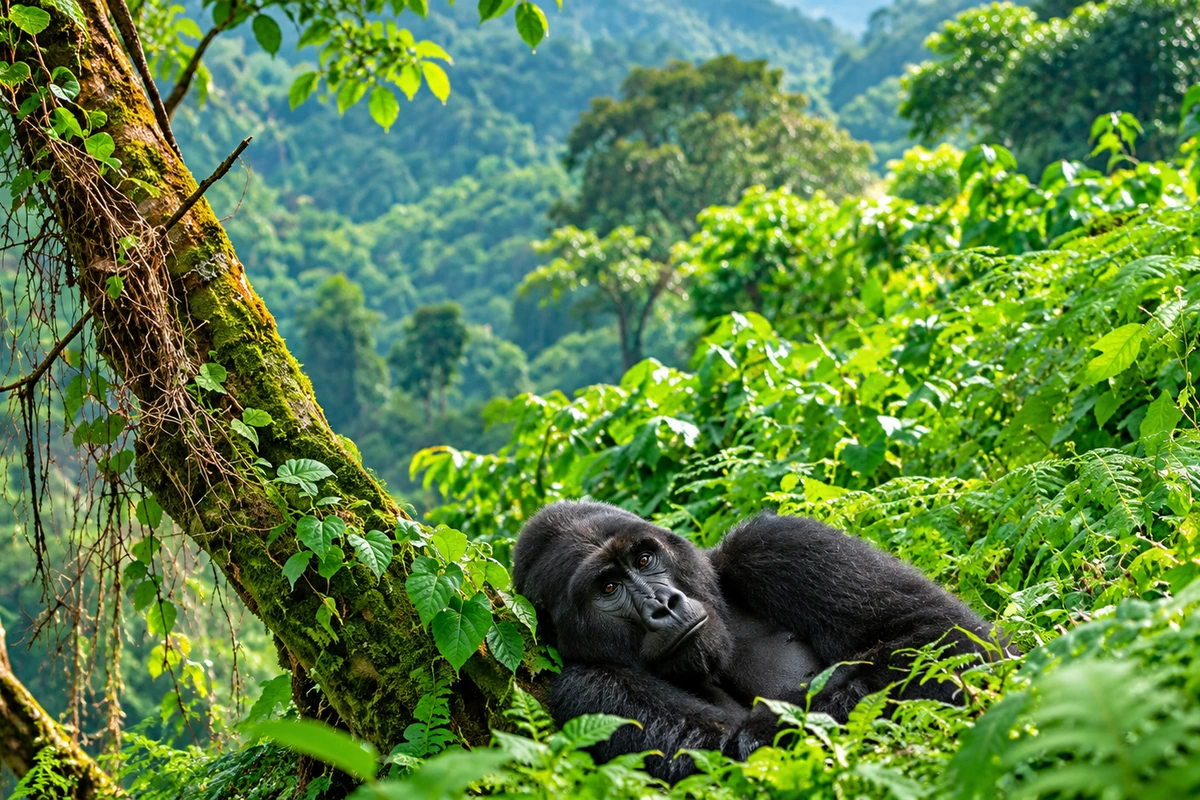
Protecting mountain gorillas also helps conserve the remarkable biodiversity of Uganda’s mountain forests, including native plants, birds, and other wildlife.
One of the strongest and best-supported connections between mountain gorillas and forest conservation is the protection of biodiversity through habitat conservation. Mountain gorillas are widely recognized as an umbrella species, meaning that efforts to safeguard their habitat can also benefit many other organisms living within the same protected landscape. This conservation effect extends well beyond the gorillas themselves.
Uganda’s mountain gorilla habitats support extraordinary biological diversity. Bwindi Impenetrable National Park contains numerous plant species, birds, butterflies, mammals, and other organisms associated with its varied forest environments. The park’s ecological importance is not limited to gorillas, even though these primates are among its most internationally recognized inhabitants.
Protecting forests for mountain gorillas helps maintain habitat for species with very different ecological requirements. Some birds depend on particular forest layers, while insects may require specific host plants. Small mammals use vegetation for shelter and feeding, and numerous microorganisms occupy soil and decaying organic material. The conservation of intact forest environments helps sustain these relationships.
The ecological importance of Bwindi is recognized internationally through its designation as a UNESCO World Heritage Site. Its exceptional biodiversity reflects the long ecological history of the Albertine Rift region and the presence of varied forest habitats. Protecting this landscape contributes to the conservation of species and biological communities that may be difficult to replace elsewhere.
Mountain gorillas attract significant public attention, creating opportunities for conservation organizations to communicate the value of forest protection. Their international recognition can help encourage support for protected areas, wildlife monitoring, scientific research, and responsible tourism. These conservation activities can benefit entire habitats rather than focusing exclusively on individual gorilla groups.
However, conserving a famous species does not automatically guarantee that every other organism is adequately protected. Different species face different threats, and effective biodiversity conservation requires broader ecological monitoring. Forest management must consider habitat quality, invasive species, human pressures, environmental changes, and the needs of wildlife beyond gorillas.
The connection between mountain gorillas and forest conservation becomes especially meaningful when visitors learn about other species encountered during a trek. Bird calls, unusual plants, butterflies, and signs of other mammals provide evidence of the biological richness surrounding gorilla families. Every encounter offers another reason to value the forest as a complete ecosystem.
For travelers exploring Bwindi with PrideMark Safaris, this broader perspective can transform a wildlife excursion into a deeper educational experience. Gorilla trekking remains the central attraction, but understanding the forest’s other inhabitants reveals the importance of protecting biodiversity at the landscape level.
Why Bwindi’s Biodiversity Matters Beyond Gorilla Trekking
Bwindi lies within the Albertine Rift, a region known for distinctive ecosystems and species with restricted geographic distributions. Its varied elevation and vegetation create conditions suitable for different biological communities. This environmental diversity helps explain why the park is important for scientific research, birdwatching, botanical studies, and conservation education.
Forest biodiversity also contributes to ecological resilience. Different species participate in pollination, decomposition, seed movement, predation, and other processes that support ecosystem functioning. Losing species can alter these relationships, although the consequences depend on which organisms disappear and whether other species can perform similar ecological functions.
Conservation programs that protect mountain gorilla habitats can therefore produce benefits extending across multiple biological communities. Preserving forest continuity, limiting destructive land use, and maintaining natural ecological processes create conditions in which many species can persist. These benefits make gorilla habitat protection an important component of Uganda’s broader biodiversity conservation efforts.
The Uganda Wildlife Authority’s Bwindi National Park information provides further background on the protected area and its wildlife. The park illustrates why conservation strategies should address both individual endangered species and the ecological systems on which those species depend.
6. Conserving Mountain Gorilla Habitats Helps Protect Important Forest Watersheds
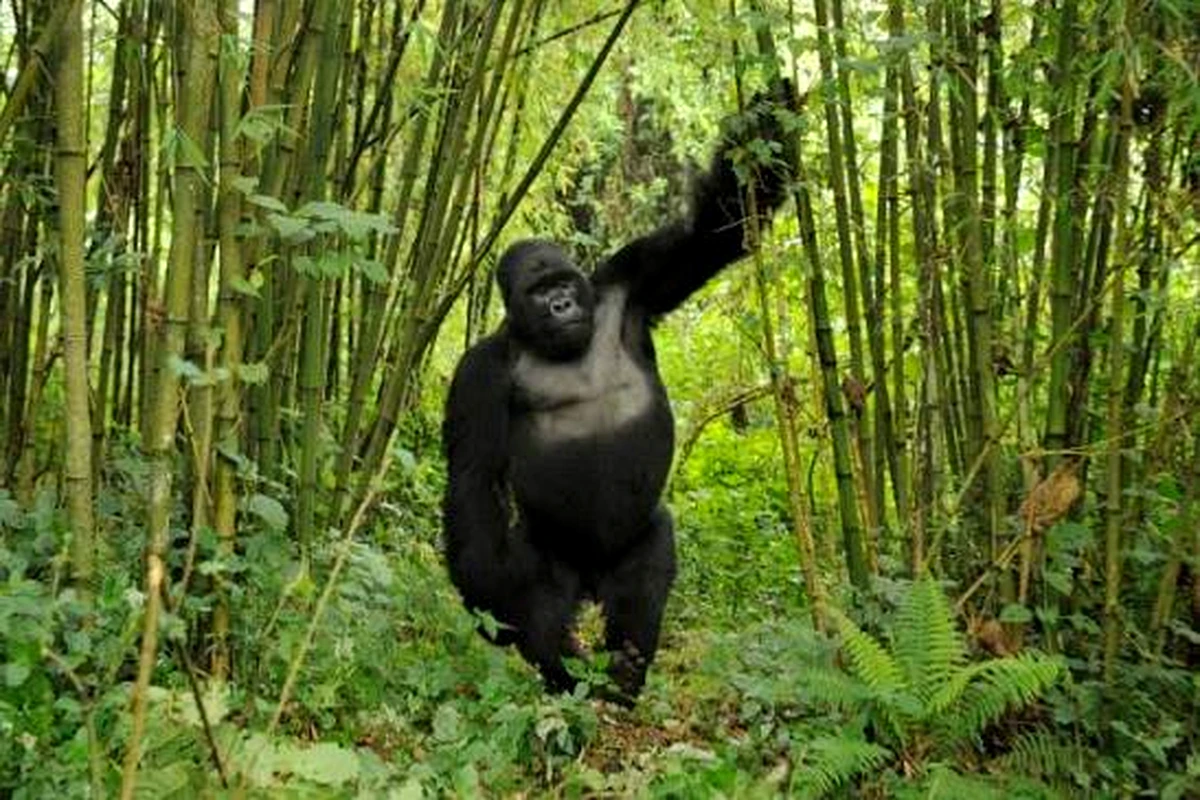
Protecting mountain gorilla habitats helps conserve forest vegetation, supporting healthy watersheds, soil stability, and biodiversity in Uganda.
Forests play an important role in the movement and regulation of water across landscapes. Vegetation intercepts rainfall, roots influence soil structure, and organic matter affects how water enters and moves through the ground. Mountain forests are particularly important because steep slopes, heavy rainfall, and complex drainage systems can make their environmental conditions sensitive to vegetation loss.
Mountain gorillas do not directly control rainfall or create watersheds. Their contribution to watershed conservation is primarily indirect: protecting the forests they inhabit helps preserve vegetation and soil systems that influence water movement. This distinction is essential when explaining the ecological benefits associated with gorilla conservation.
Bwindi’s forested slopes form part of a landscape where rainfall feeds streams and drainage networks. Forest vegetation helps reduce the direct impact of falling rain on exposed soil, while roots can contribute to soil stability. Maintaining vegetation cover is therefore important for limiting certain forms of erosion and protecting the ecological condition of forested catchments.
When forests are cleared, the consequences can include changes in surface runoff, soil exposure, sediment movement, and local water conditions. The magnitude of these changes depends on slope, rainfall, soil characteristics, and the type of land use replacing the forest. Preserving native vegetation helps reduce some of the environmental pressures associated with extensive clearing.
For communities living near protected mountain forests, water resources are closely connected to environmental well-being. Streams and springs can support domestic needs, agriculture, and local ecosystems, although individual water sources vary in their dependence on forest catchments. Protecting watersheds is therefore an important consideration in landscape conservation.
Mountain gorilla conservation helps maintain public and institutional attention on the protected forests where these water-related processes occur. Park management, habitat protection, and efforts to limit illegal forest clearing can contribute to maintaining vegetation cover. The resulting watershed benefits arise from the conserved forest ecosystem rather than from gorilla behavior alone.
This connection also explains why forest conservation cannot be separated from the needs of neighboring communities. People living near protected areas depend on healthy landscapes, while successful conservation often depends on community participation. Environmental management must consider water access, livelihoods, land-use pressures, and the long-term protection of natural resources.
At PrideMark Safaris, we believe visitors should understand that a gorilla safari takes place within a landscape supporting both wildlife and people. The forests provide ecological services that extend beyond park boundaries, making their conservation important even for individuals who may never encounter a mountain gorilla.
How Forest Vegetation Influences Water and Soil
The relationship between vegetation and water is complex because different forest components perform different functions. Tree canopies intercept some rainfall, fallen leaves protect portions of the soil surface, and roots influence water movement through soil layers. These interactions vary with rainfall intensity, vegetation structure, and local geological conditions.
In steep mountain environments, the loss of vegetation can increase exposure to erosion under certain circumstances. Sediment carried into streams may affect water quality and aquatic habitats. Maintaining forest cover helps protect many of the natural processes that influence soil and water conditions, although it cannot prevent every flood, landslide, or erosion event.
For mountain gorillas, access to suitable forest habitat remains the immediate conservation concern. For the wider landscape, preserving that habitat also helps maintain environmental processes that benefit numerous organisms and communities. This is one reason mountain gorillas and forest conservation should be considered within integrated ecosystem management rather than as separate environmental issues.
7. Mountain Gorilla Conservation Supports the Protection of Forest Carbon Stocks

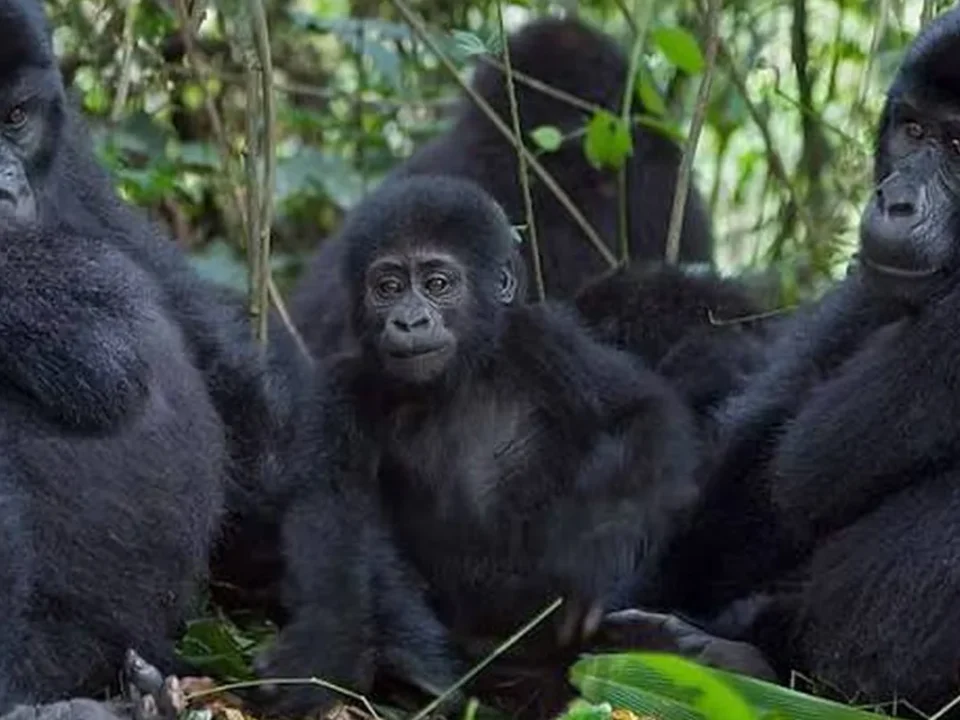
A mountain gorilla family surrounded by dense forest vegetation, highlighting how protecting gorilla habitats also helps preserve Uganda’s valuable forest carbon stocks.
Climate regulation is another important reason for conserving Uganda’s mountain forests. Trees, other vegetation, soils, and organic matter store carbon as part of the global carbon cycle. Forest conservation can help maintain these existing carbon stocks and reduce emissions associated with deforestation and degradation.
Mountain gorillas do not directly absorb carbon from the atmosphere in the way plants do. Their role in forest carbon conservation is largely indirect, arising from the protection of the habitats required for their survival. When conservation programs help prevent forest destruction, they can also help preserve carbon stored in vegetation and soils.
Living trees accumulate carbon through photosynthesis, using atmospheric carbon dioxide to produce organic compounds. Some carbon remains stored in trunks, branches, roots, and other plant tissues, while additional carbon enters soils through fallen leaves, roots, and decomposing material. The amount stored varies across forest types and environmental conditions.
The carbon value of a forest is not determined solely by the presence of gorillas. Forest age, species composition, soil characteristics, climate, and management history all influence carbon storage. However, protecting mountain gorilla habitats can contribute to maintaining these carbon-containing ecosystems when conservation measures effectively prevent habitat loss.
Bwindi’s forest is particularly valuable because it forms part of a biodiverse mountain landscape with important ecological functions. Conserving such forests supports wildlife protection and helps maintain natural vegetation. These overlapping benefits illustrate why biodiversity conservation and climate-related environmental goals can reinforce one another.
It is important to distinguish carbon storage from carbon sequestration. Carbon storage refers to carbon already held within vegetation and soils, while sequestration describes the ongoing removal and retention of atmospheric carbon. An intact forest may perform both functions, but its net carbon balance depends on growth, decomposition, disturbance, and other processes.
Claims that gorillas themselves significantly increase carbon storage in Uganda’s forests would require direct scientific evidence. Although animal activities can influence vegetation and nutrient movement, the scale of their effects on mountain forest carbon dynamics has not been established sufficiently to support sweeping numerical claims.
The stronger conservation argument is that maintaining suitable habitat for mountain gorillas encourages protection of forest landscapes containing valuable carbon stocks. This provides another reason to oppose destructive land conversion and support effective protected-area management.
For environmentally conscious travelers, responsible gorilla tourism can form part of a broader commitment to conservation. Visitors can support established protected areas, follow wildlife regulations, and choose operators that communicate environmental responsibilities clearly. Tourism should nevertheless avoid unsupported claims that a safari is automatically carbon-neutral or that purchasing a permit offsets travel emissions.
At PrideMark Safaris, we encourage visitors to approach mountain gorilla conservation with an understanding of both its wildlife and environmental significance. Protecting a forest that supports endangered primates can also help preserve ecological systems that matter in a changing climate.
8. Mountain Gorilla Conservation Encourages Scientific Research and Forest Monitoring

Scientific research and continuous monitoring of mountain gorillas help conservationists understand their behavior, protect their habitats, and safeguard Uganda’s forest biodiversity.
Scientific research is essential for understanding how mountain forests change and how wildlife populations respond to environmental pressures. Mountain gorillas have attracted sustained attention from researchers, conservation organizations, wildlife authorities, and veterinary specialists. This attention has helped create opportunities for monitoring both gorilla populations and the environments they inhabit.
Research on mountain gorillas includes population monitoring, health assessments, social behavior, feeding ecology, habitat use, and interactions with human activities. Such information helps conservation managers understand threats and make informed decisions. Research findings can also reveal changes in vegetation, habitat conditions, and the distribution of wildlife.
Monitoring gorilla movements provides useful information about how animals use different parts of their habitat. Researchers may examine feeding locations, seasonal patterns, group movements, and changes in home-range use. These observations can help identify important habitat characteristics and areas requiring particular conservation attention.
The relationship between mountain gorillas and forest conservation is especially evident when research identifies threats affecting both wildlife and habitat. Illegal activities, disease risks, habitat degradation, and human-wildlife interactions can create challenges requiring coordinated responses. Reliable monitoring helps conservation managers recognize problems and evaluate whether interventions are effective.
Population monitoring also provides evidence of conservation outcomes. Uganda Wildlife Authority has documented the importance of sustained protection, ecological monitoring, veterinary interventions, and community engagement in mountain gorilla conservation. These activities demonstrate that population recovery depends on coordinated management rather than the actions of a single organization.
Scientific attention to gorillas can create opportunities for broader ecological investigation. Researchers working in protected areas may collaborate with specialists studying plants, birds, insects, soils, and other aspects of biodiversity. Such studies contribute to understanding the environmental conditions that support mountain gorillas and the wider forest ecosystem.
However, gorilla research does not automatically measure every aspect of forest health. A population can be monitored effectively while important ecological questions remain unanswered. Conservation planning therefore benefits from combining species-specific research with broader habitat surveys and environmental assessments.
The protection of mountain gorillas also depends on understanding their vulnerability to infectious diseases. Because gorillas are closely related to humans, disease transmission is a serious conservation concern. Responsible tourism regulations, health precautions, and veterinary monitoring help reduce risks that could threaten individual animals or entire groups.
Visitors may not see the scientific work taking place behind the scenes, but they benefit from conservation knowledge developed through years of monitoring and management. Guided gorilla trekking is possible because wildlife authorities maintain systems for protecting animals, regulating access, and managing visitor interactions.
At PrideMark Safaris, we consider accurate conservation information essential to a meaningful safari. Travelers should understand why gorilla encounters are regulated and why respecting professional guides contributes to the protection of animals and their forest habitat.
Why Long-Term Monitoring Matters for Mountain Forest Conservation
Forest ecosystems change over time, and short observations may not reveal the full significance of those changes. Rainfall patterns, vegetation growth, disease outbreaks, and human pressures can vary considerably. Long-term monitoring allows researchers to compare conditions and identify trends that might otherwise remain unnoticed.
For mountain gorillas, population and habitat monitoring can help conservation managers evaluate the effectiveness of protection measures. Researchers may identify changes in group distribution, feeding patterns, or health conditions that require investigation. These findings can inform conservation responses while contributing to broader scientific understanding.
Long-term research also helps distinguish natural ecological variation from potentially harmful changes. A temporary shift in vegetation use may reflect seasonal food availability, while persistent habitat loss could indicate a more serious problem. Reliable evidence is essential before deciding which management actions are appropriate.
The Uganda Wildlife Authority’s mountain gorilla information provides a useful introduction to the species and its conservation context. Scientific monitoring remains central to protecting mountain gorillas and understanding the forests on which they depend.
9. Mountain Gorilla Tourism Can Generate Support for Forest Protection and Community Conservation
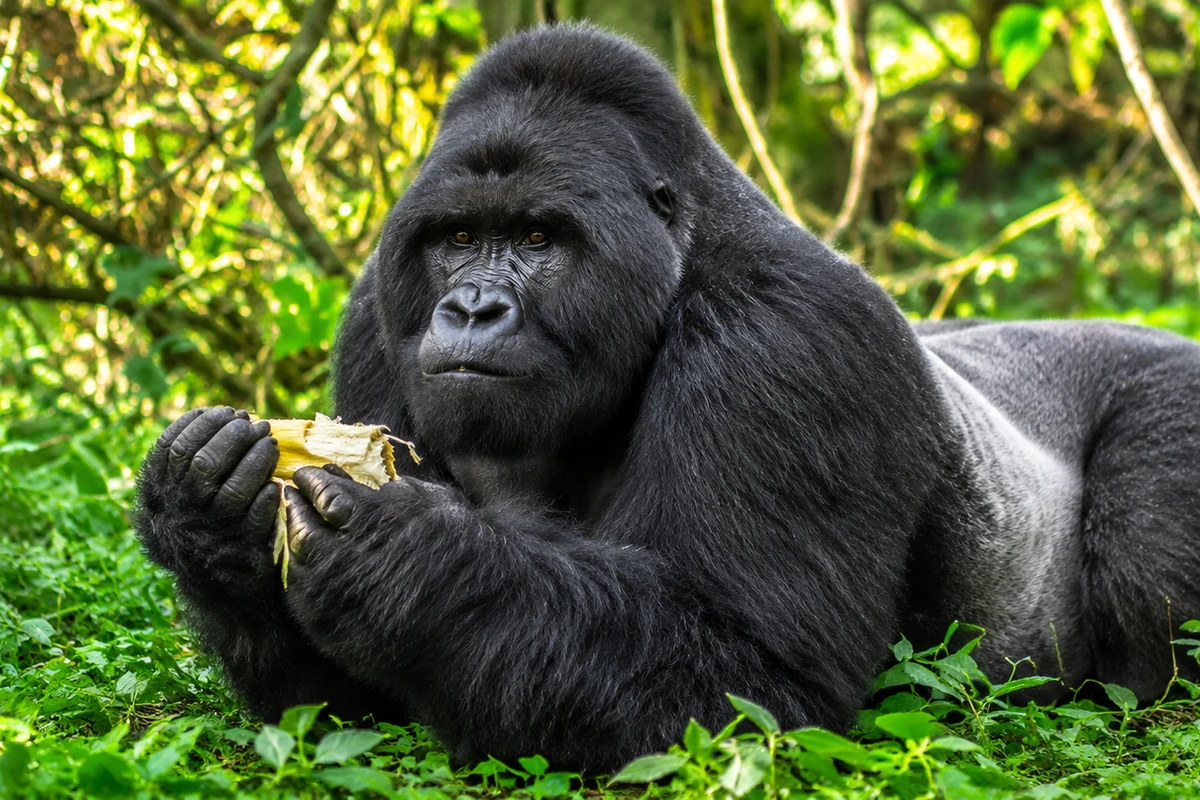
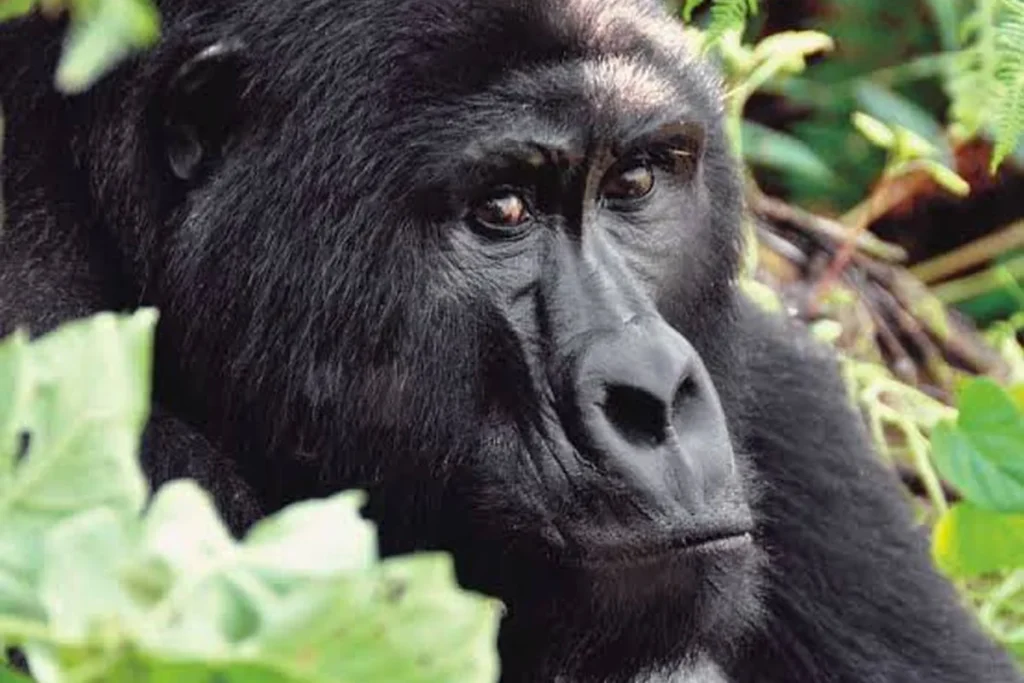
A silverback mountain gorilla in its forest habitat, highlighting how responsible gorilla tourism can support forest protection, wildlife conservation, and local communities in Uganda.
One of the most significant benefits associated with mountain gorillas is their ability to attract international attention to forest conservation. Travelers from different parts of the world visit Uganda to observe these endangered primates in their natural habitat. When properly managed, this tourism creates economic incentives and institutional support for protecting the forests that make gorilla encounters possible.
Gorilla trekking is a regulated wildlife activity requiring official permits and adherence to conservation guidelines. The permit system helps control visitor access while generating revenue associated with wildlife tourism. Conservation outcomes depend on how revenue is managed, how tourism activities are regulated, and whether surrounding communities receive meaningful benefits.
Uganda Wildlife Authority manages gorilla tourism within designated protected areas. The agency also operates revenue-sharing arrangements that support communities around national parks. These arrangements recognize that successful conservation requires attention to the livelihoods and interests of people living near protected wildlife habitats.
The relationship between mountain gorillas and forest conservation becomes particularly important when tourism creates employment opportunities. Guides, porters, accommodation workers, drivers, craftspeople, and other service providers may benefit from visitor spending. Such opportunities can strengthen local interest in maintaining a healthy tourism destination, although benefits are not necessarily distributed equally.
For communities near Bwindi and Mgahinga, conservation can involve complicated relationships between protected areas and everyday livelihoods. Agricultural land, access to resources, wildlife movements, and tourism development may create competing interests. Sustainable conservation therefore requires ongoing dialogue, fair participation, and practical approaches to addressing local concerns.
Tourism alone cannot solve every conservation challenge. Visitor demand may fluctuate, economic benefits may be uneven, and excessive tourism pressure can create environmental problems. Effective management must balance the economic opportunities associated with gorilla trekking against the need to protect sensitive habitats and minimize disturbance to wildlife.
Responsible tour operators have an important role in communicating conservation expectations. Visitors should receive accurate information about trekking requirements, appropriate behavior near gorillas, and the importance of following instructions from authorized guides. These practices help ensure that wildlife tourism remains compatible with conservation objectives.
At PrideMark Safaris, our approach to gorilla safari planning emphasizes understanding the destination as well as enjoying the encounter. We encourage travelers to appreciate the work of wildlife authorities, local guides, conservation partners, and communities involved in protecting Uganda’s mountain forests.
The conservation value of tourism also extends to environmental education. Visitors who learn about habitat loss, biodiversity, and wildlife protection may develop a deeper appreciation for conservation. Their experiences can encourage wider awareness of the importance of preserving natural ecosystems.
Uganda’s gorilla tourism demonstrates how a rare species can become a powerful symbol for protecting an entire landscape. The most meaningful success occurs when tourism supports both ecological protection and the well-being of people living alongside wildlife.
The Importance of Local Communities in Protecting Mountain Gorilla Habitats
Local communities are essential partners in long-term conservation because protected forests exist within wider social and economic landscapes. People living near national parks interact with surrounding land, water resources, agricultural systems, and tourism activities. Their experiences influence how conservation policies are understood and supported.
Community conservation initiatives may include livelihood support, environmental education, tourism employment, and measures addressing human-wildlife conflict. Different initiatives have different outcomes, and their effectiveness depends on local circumstances. Successful programs require meaningful participation rather than assuming that tourism income automatically benefits everyone.
Uganda Wildlife Authority reports that community revenue sharing, wildlife monitoring, and partnerships with conservation organizations contribute to the protection of mountain gorillas and their habitat. These activities illustrate the importance of combining ecological management with community engagement.
Tourists can contribute to responsible conservation by respecting local communities, using authorized services, and following park regulations. Travelers should also avoid assuming that every commercial activity marketed as conservation tourism delivers measurable environmental benefits. Credible claims should be supported by transparent practices and evidence.
For PrideMark Safaris, introducing visitors to Uganda’s natural and cultural landscapes is an opportunity to encourage informed travel. Mountain gorilla tourism becomes more meaningful when visitors recognize the relationship between wildlife protection, community livelihoods, and the long-term condition of the forest.
10. Mountain Gorillas Help Inspire the Protection of Entire Mountain Forest Ecosystems
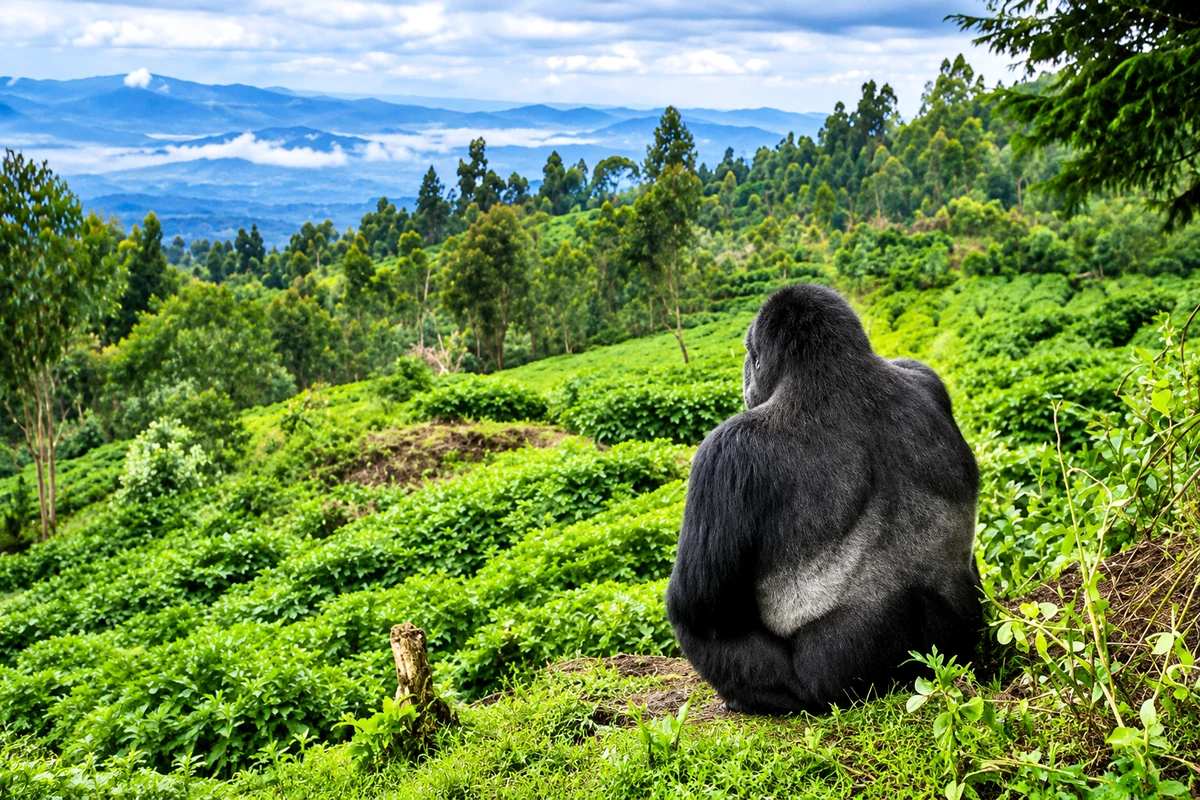
A mountain gorilla overlooking a lush mountain landscape, symbolizing the importance of protecting entire forest ecosystems and Uganda’s natural biodiversity.
Perhaps the most far-reaching benefit of mountain gorillas is their importance as a flagship species for conservation. Their remarkable appearance, complex social relationships, and endangered status attract international interest. This attention can encourage governments, conservation organizations, researchers, and travelers to support the protection of the habitats they occupy.
A flagship species is an animal used to communicate conservation priorities and inspire public engagement. Mountain gorillas are particularly effective in this role because they are widely recognized and closely associated with the forests of Uganda, Rwanda, and the Democratic Republic of Congo. Their conservation story demonstrates the value of sustained protection and international cooperation.
Protecting mountain gorillas requires more than preventing direct harm to individual animals. Their survival depends on adequate habitat, suitable food resources, healthy social groups, disease prevention, and effective management of human activities. These requirements create strong reasons to maintain functioning forest ecosystems rather than isolated patches of vegetation.
In Uganda, Bwindi and Mgahinga provide distinct examples of mountain gorilla habitat protection. Bwindi contains a complex forest landscape with varied vegetation communities, while Mgahinga forms part of the volcanic Virunga ecosystem. Both areas contribute to the conservation of mountain gorillas, although their ecological conditions and management challenges differ.
The protection of these landscapes also benefits species that may receive less public attention. Forest birds, insects, small mammals, plants, and soil organisms depend on the ecological integrity of their habitats. Conservation initiatives centered on mountain gorillas can therefore support broader biodiversity protection when management considers the entire ecosystem.
Mountain gorilla conservation also encourages cooperation across administrative and national boundaries. The Virunga landscape extends across Uganda, Rwanda, and the Democratic Republic of Congo, making regional collaboration important. Wildlife movements, disease risks, and habitat management challenges cannot always be addressed effectively within a single national boundary.
International conservation partnerships can support research, wildlife protection, veterinary care, and the exchange of scientific information. These efforts demonstrate how protecting a single endangered subspecies can encourage cooperation on wider environmental challenges. Their effectiveness depends on sustained commitment, adequate resources, and collaboration with relevant communities.
Mountain gorillas and forest conservation are therefore connected through both ecological processes and human conservation decisions. Gorillas interact directly with vegetation and organic material, while their conservation significance encourages protection of forests that provide many additional ecological benefits.
For visitors, this broader perspective changes the meaning of a gorilla encounter. Observing a gorilla family becomes more than a memorable wildlife experience; it offers an opportunity to appreciate the environmental relationships and conservation efforts that make the encounter possible.
At PrideMark Safaris, we believe that responsible gorilla tourism should inspire visitors to value the entire natural environment. Protecting mountain gorillas means preserving the forests, ecological relationships, and landscapes that support their survival.
Understanding the Ecological Differences Between Bwindi and Mgahinga Gorilla Habitats
Although both protected areas support mountain gorillas, Bwindi Impenetrable National Park and Mgahinga Gorilla National Park differ considerably in landscape and vegetation. Understanding these differences helps travelers appreciate why mountain gorilla ecology cannot be explained through a single description of forest conditions.
Bwindi is characterized by a complex mountain forest environment containing different vegetation communities across varied elevations. Its dense vegetation, steep terrain, and ecological diversity create a distinctive setting for gorilla trekking. The park also supports numerous other organisms, making it internationally important for biodiversity conservation.
Mgahinga occupies the Ugandan slopes of the Virunga volcanoes and includes vegetation associated with mountainous and volcanic environments. Bamboo habitats are especially significant within parts of the Virunga landscape, and mountain gorillas may take advantage of available bamboo shoots. The park also protects other wildlife, including golden monkeys.
These differences influence the vegetation encountered by gorillas and the conditions experienced by visitors. A gorilla group moving through dense forest undergrowth may interact with plants differently from one feeding in bamboo-dominated vegetation. Food availability, elevation, and habitat characteristics all contribute to variations in gorilla behavior.
The distinction also matters for conservation management. Protecting a complex forest landscape requires different considerations from managing habitats distributed across volcanic mountain slopes. Both environments require monitoring, protection against damaging human activities, and strategies that recognize their ecological characteristics.
| Protected Area | Ecological Characteristics | Conservation Significance |
|---|---|---|
| Bwindi Impenetrable National Park | Diverse mountain forest vegetation, complex terrain, and rich biodiversity | Protects mountain gorillas and numerous other forest-dependent species |
| Mgahinga Gorilla National Park | Volcanic mountain slopes, bamboo vegetation, and high-altitude habitats | Protects gorillas within the wider Virunga ecosystem and supports regional conservation cooperation |
Uganda’s protected mountain gorilla habitats contribute to biodiversity conservation, watershed protection, and the preservation of important forest ecosystems.
Travelers interested in exploring these differences can consult the official gorilla trekking information published by Uganda Wildlife Authority. The information explains the principal trekking destinations and provides context for planning a regulated wildlife encounter.
At PrideMark Safaris, we help travelers consider their preferred destinations, available time, and safari interests when planning a visit to southwestern Uganda. Understanding the ecological character of each destination can make the experience more rewarding.
Why Protecting Mountain Gorilla Habitats Matters for Uganda’s Environmental Future
The long-term survival of mountain gorillas depends on the continued protection of suitable natural habitats. Their restricted geographic distribution makes habitat conservation particularly important because opportunities for establishing populations elsewhere are limited. Maintaining healthy protected areas is therefore essential to reducing threats associated with habitat degradation and fragmentation.
Forest fragmentation occurs when continuous habitats become divided into smaller, separated areas. This process can affect animal movement, ecological relationships, and the availability of resources. For mountain gorillas, conservation planning must consider habitat connectivity, population management, and the environmental pressures surrounding protected areas.
Human activities outside park boundaries can influence conditions within protected forests. Agricultural expansion, settlement patterns, infrastructure development, and resource demand may create pressures requiring careful management. Effective conservation depends on cooperation among wildlife authorities, communities, government institutions, and conservation partners.
Climate-related environmental changes introduce additional uncertainty. Changes in temperature and rainfall patterns may influence vegetation, water availability, and ecological processes. The precise consequences for individual mountain gorilla habitats require continued research, but maintaining resilient ecosystems is an important conservation priority.
The protection of mountain gorillas also provides opportunities to strengthen environmental education. Schools, local organizations, tourism businesses, and conservation institutions can help explain why biodiversity matters. Greater understanding can support informed decisions about natural resource management and wildlife protection.
For Uganda’s tourism sector, maintaining healthy gorilla habitats is important for the continued appeal of wildlife experiences. Visitors travel to observe animals in authentic natural environments, making habitat integrity fundamental to the tourism product. Environmental degradation would threaten both ecological values and tourism opportunities.
Conservation should therefore be understood as a long-term responsibility rather than a temporary response to wildlife population changes. Even when population trends improve, threats can remain. Continued monitoring, habitat protection, disease prevention, and community participation are necessary to sustain progress.
At PrideMark Safaris, we recognize that the future of gorilla tourism depends on the future of Uganda’s forests. Promoting responsible travel means acknowledging the importance of protecting these ecosystems for wildlife, local communities, and future generations.
How Responsible Gorilla Trekking Supports Forest Conservation in Uganda
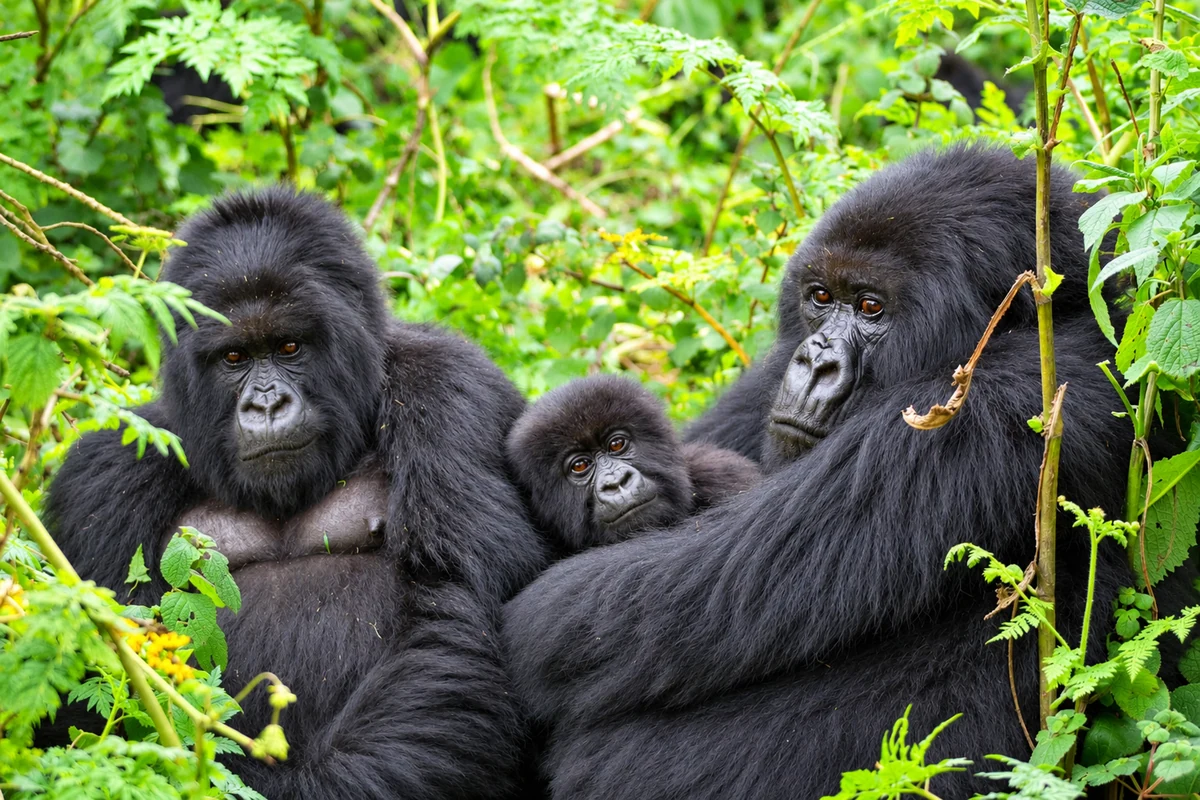
A mountain gorilla family resting together in its forest habitat, highlighting the importance of responsible gorilla trekking in supporting wildlife protection and forest conservation in Uganda.
Responsible gorilla trekking begins with understanding that visitors are entering a sensitive wildlife habitat. Mountain gorillas are wild animals, and their health and behavior must take priority over photography or personal expectations. Following official regulations helps reduce unnecessary disturbance and supports the management of protected areas.
Uganda Wildlife Authority regulates gorilla trekking through permits, designated entry points, authorized guides, and visitor procedures. These measures help organize tourism while maintaining oversight of wildlife encounters. Travelers should obtain valid permits and follow the instructions provided during official briefings.
Maintaining appropriate distance from gorillas is particularly important because close contact can increase the risk of disease transmission and disturbance. Visitors must follow the current instructions of their guides and wildlife authorities, including health-related restrictions and any applicable protective measures.
The forest environment also requires careful treatment. Visitors should avoid leaving litter, damaging vegetation unnecessarily, or moving away from authorized trekking routes without permission. These practices help reduce human disturbance and demonstrate respect for the protected area.
Responsible photography involves observing animals without provoking reactions or interfering with their natural behavior. Travelers should follow official restrictions on flash photography and avoid attempting to attract a gorilla’s attention. A successful encounter is one in which visitors observe wildlife while minimizing their influence on the animals.
Supporting legitimate tourism services can also contribute to the local economy. Authorized guides, porters, accommodation providers, and other service providers may benefit from responsible visitor spending. These economic opportunities can complement conservation efforts when managed fairly and sustainably.
At PrideMark Safaris, we encourage travelers to prepare carefully for gorilla trekking and understand the environmental responsibilities involved. A rewarding safari should combine an unforgettable wildlife encounter with respect for the forest and the people working to protect it.
For detailed regulations, visitors can refer to the official Uganda Wildlife Authority gorilla and chimpanzee tracking guidelines. These provide authoritative information about designated trekking locations and management procedures.
What Makes Mountain Gorillas Important to Forest Ecosystems?
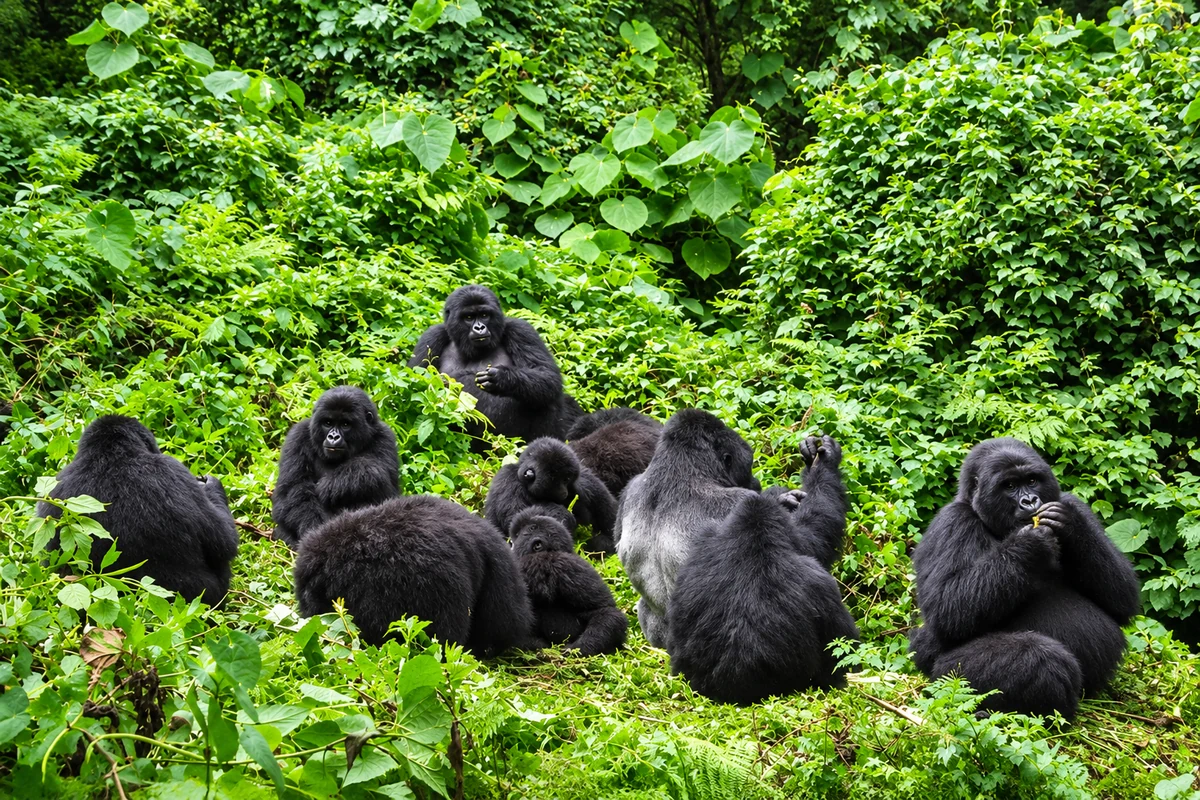
A mountain gorilla family in a lush forest habitat, highlighting the ecological importance of mountain gorillas in supporting biodiversity and healthy forest ecosystems.
Mountain gorillas are important to forest ecosystems because they participate in natural ecological interactions while also providing a powerful reason for habitat conservation. Their feeding activities connect them with plant communities, their movement affects vegetation locally, and their organic waste contributes to nutrient cycling.
However, the ecological importance of mountain gorillas should not be exaggerated. Some roles, such as seed dispersal, are well documented in gorillas generally but differ substantially between subspecies. Mountain gorillas consume relatively little fruit compared with western lowland gorillas, meaning their seed-dispersal role should be described cautiously.
The strongest evidence for their wider conservation importance comes from habitat protection. Conservation initiatives centered on mountain gorillas help maintain forests supporting numerous other species. Protecting these landscapes also preserves ecological processes associated with vegetation, soil, water, and carbon storage.
Understanding mountain gorillas and forest conservation therefore involves recognizing two complementary relationships. Gorillas participate directly in forest ecology, while their protection encourages conservation of the broader environments in which they live. Both relationships are important, but they should not be treated as identical.
This understanding makes gorilla tourism more meaningful. Visitors can appreciate the animals’ natural behavior while recognizing the importance of protecting the forests that sustain them. The experience becomes an introduction to ecology, biodiversity, and responsible conservation rather than simply an opportunity to photograph a rare primate.
Frequently Asked Questions About Mountain Gorillas and Forest Conservation
How do mountain gorillas help protect forests in Uganda?
Mountain gorillas contribute to forest ecology through feeding, movement, and the redistribution of organic material. Their conservation also encourages protection of the habitats they occupy. These protected forests support biodiversity, maintain vegetation cover, and provide important ecological services. The most significant conservation benefits arise from protecting entire forest ecosystems rather than from gorilla behavior alone.
Do mountain gorillas help forests regenerate naturally?
Mountain gorillas interact with vegetation through feeding and movement, and they may contribute to seed dispersal when consuming suitable fruits. However, they eat relatively little fruit compared with some other gorilla subspecies. Forest regeneration depends on many additional factors, including seed availability, soil conditions, rainfall, sunlight, and other animals that disperse seeds.
Why are mountain gorillas important to biodiversity conservation?
Mountain gorillas are an umbrella species whose habitat protection can benefit numerous other organisms. The forests they inhabit support birds, mammals, insects, plants, and microorganisms. Conservation initiatives focused on gorillas can help protect these habitats, although broader biodiversity monitoring remains necessary to ensure that other species receive adequate conservation attention.
Which forests in Uganda are home to mountain gorillas?
Uganda’s mountain gorillas inhabit Bwindi Impenetrable National Park and Mgahinga Gorilla National Park. Bwindi contains diverse mountain forest habitats, while Mgahinga forms part of the Virunga volcanic landscape. Both protected areas offer regulated gorilla trekking experiences and contribute to conservation of the endangered mountain gorilla.
Can gorilla tourism genuinely contribute to forest conservation?
Yes. Well-managed gorilla tourism can generate revenue for protected-area management, support employment, and encourage public interest in conservation. However, its benefits depend on effective regulations, responsible visitor behavior, transparent management, and meaningful community participation. Tourism should complement scientific monitoring and habitat protection rather than replace them.
How can visitors support mountain gorillas and forest conservation?
Visitors can support conservation by obtaining official trekking permits, following wildlife authority regulations, respecting local communities, and avoiding activities that disturb gorillas or damage vegetation. Choosing responsible tourism services and learning about conservation challenges can also contribute to more informed travel decisions and greater appreciation of protected forests.
Protecting Mountain Gorillas Means Protecting Uganda’s Living Forests
Mountain gorillas represent one of Uganda’s most extraordinary wildlife treasures, but their ecological significance extends beyond their remarkable appearance and complex social behavior. Through feeding, movement, and organic waste deposition, they participate in natural forest processes. Their conservation also helps draw attention and resources toward protecting habitats that support exceptional biodiversity.
The connection between mountain gorillas and forest conservation is strongest when understood as a relationship between wildlife, ecosystems, and human conservation efforts. Protecting gorilla habitats helps preserve vegetation, watersheds, carbon stocks, and ecological communities while supporting opportunities for scientific research, environmental education, and responsible tourism.
Bwindi Impenetrable National Park and Mgahinga Gorilla National Park demonstrate the importance of protecting mountain landscapes as complete ecological systems. Their forests sustain mountain gorillas alongside numerous other species, and their continued protection depends on effective management, community participation, scientific evidence, and responsible visitor behavior.
At PrideMark Safaris, we invite travelers to discover Uganda’s mountain gorillas while appreciating the remarkable forests that make their survival possible. A meaningful gorilla safari offers more than an extraordinary encounter. It provides an opportunity to understand the importance of conservation and the responsibility we share in protecting the natural world.
Explore Uganda’s mountain gorilla habitats with PrideMark Safaris and discover how responsible wildlife tourism can support the conservation of these exceptional forests.