10 Incredible Secrets Behind Mountain Gorilla Conservation in Uganda

How Mountain Gorillas Help Uganda’s Forests: 10 Incredible Benefits
November 18, 2026
Gorilla Trekking Group Allocation Uganda: 9 Amazing Facts
November 19, 2026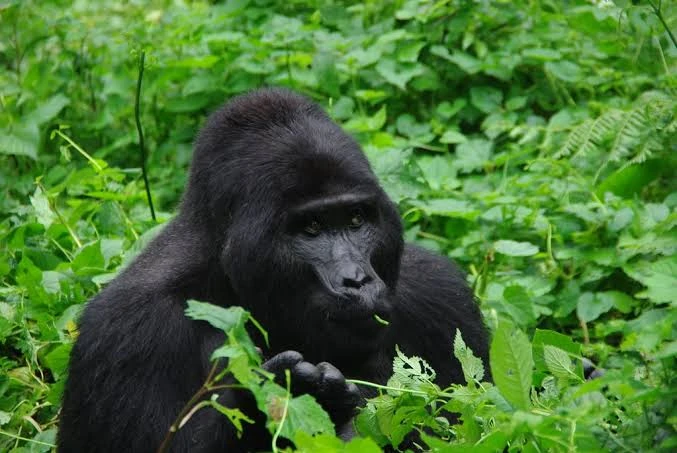
Mountain gorilla conservation in Uganda is one of Africa’s most remarkable wildlife protection stories, bringing together responsible gorilla trekking, scientific research, wildlife monitoring, habitat protection, and community participation. Deep within the mist-covered forests of Bwindi Impenetrable National Park and Mgahinga Gorilla National Park, endangered mountain gorillas live in closely bonded family groups protected through coordinated conservation efforts. Behind every unforgettable gorilla trekking experience lies the dedicated work of wildlife rangers, veterinarians, researchers, and local communities who help safeguard these extraordinary primates and their natural habitats.
A mountain gorilla feeding among lush forest vegetation, highlighting the importance of protecting natural gorilla habitats.
For many travelers, encountering mountain gorillas in their natural environment represents the highlight of an African safari. Watching a powerful silverback quietly supervise his family, observing young gorillas playing among forest vegetation, or witnessing a mother caring for her infant creates an unforgettable connection with the natural world. Yet these encounters are possible because of conservation programs that protect gorilla habitats, monitor their health, and regulate human activities within Uganda’s protected mountain forests.
Mountain gorillas inhabit a remarkably restricted geographical range in East and Central Africa. Uganda protects important populations within Bwindi Impenetrable National Park and the Virunga mountain ecosystem, which includes Mgahinga Gorilla National Park. These protected areas provide essential feeding grounds, nesting environments, and forest habitats that support gorilla families. Their ecological importance extends far beyond mountain gorillas because the forests also sustain countless plants, birds, mammals, insects, and other organisms.
Understanding mountain gorilla conservation in Uganda reveals why gorilla trekking is more than a wildlife excursion. Tourism can help finance conservation activities, create employment opportunities, encourage scientific research, and support communities living near protected forests. However, these benefits depend on responsible management and careful adherence to conservation regulations. Visitors must appreciate that mountain gorillas remain wild animals whose welfare should always take priority over tourism interests.
At PrideMark Safaris, we believe that meaningful wildlife experiences should inspire travelers to understand the environments they visit. This comprehensive guide explores ten incredible conservation secrets behind Uganda’s mountain gorillas, explains the role of responsible gorilla trekking, and examines how wildlife protection contributes to biodiversity, community development, scientific understanding, and the long-term survival of these extraordinary primates.
Understanding Mountain Gorilla Conservation in Uganda
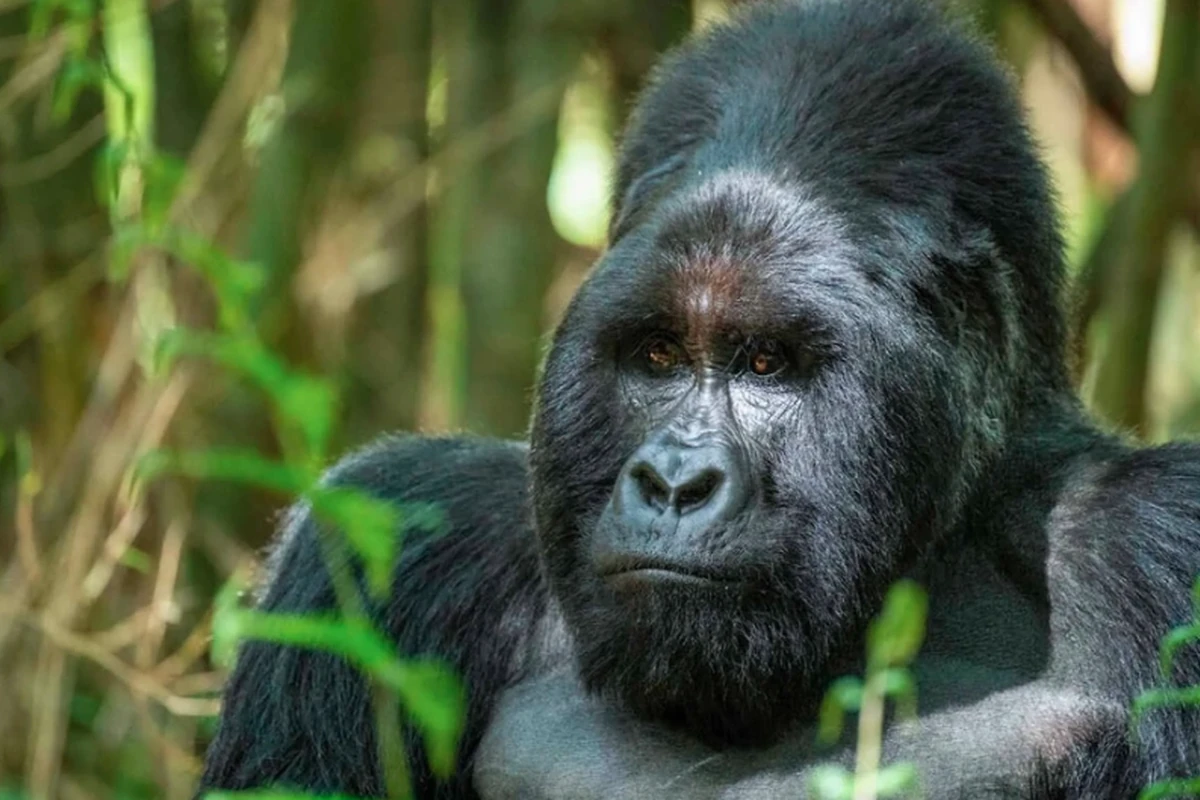
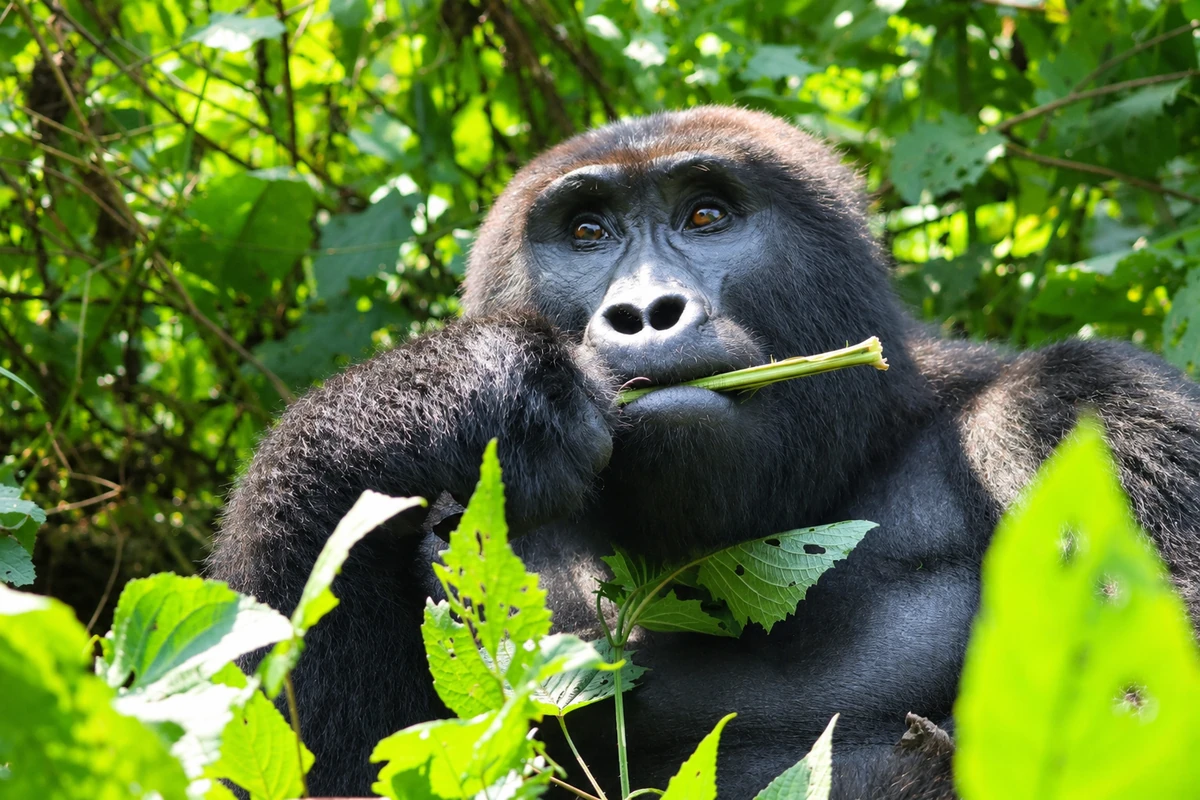
Understanding Mountain Gorilla Conservation in Uganda: An adult mountain gorilla in its natural forest habitat, highlighting the importance of wildlife protection and biodiversity conservation.
Mountain gorillas, scientifically classified as Gorilla beringei beringei, are a subspecies of eastern gorilla. They inhabit mountainous forest ecosystems where suitable vegetation, natural shelter, and relatively undisturbed habitats support their daily activities. Their restricted distribution makes habitat protection particularly important because substantial environmental changes within their remaining range can affect a significant proportion of the global population.
Unlike wildlife species distributed across extensive landscapes, mountain gorillas occupy a limited number of protected forest environments. Their survival depends on maintaining these habitats while managing pressures associated with human settlement, agricultural activities, disease transmission, illegal resource extraction, and other environmental threats. Conservation therefore involves protecting entire ecosystems rather than concentrating exclusively on individual animals.
Uganda’s two mountain gorilla destinations provide different but complementary conservation environments. Bwindi Impenetrable National Park protects an exceptionally diverse forest landscape, while Mgahinga Gorilla National Park forms part of the volcanic Virunga ecosystem. Both parks contribute to the survival of mountain gorillas, although their vegetation, geographical characteristics, and conservation management requirements differ.
The importance of these protected areas extends beyond their tourism appeal. Forests provide food resources for gorillas, support complex ecological relationships, and maintain habitats for numerous other species. They also contribute to watershed protection, soil stability, and the regulation of local environmental conditions. Protecting mountain gorillas therefore helps reinforce wider commitments to conserving Uganda’s natural heritage.
Mountain gorilla conservation also demonstrates the value of cooperation between government institutions, researchers, conservation organizations, and local communities. No single organization can address every threat affecting these animals. Effective conservation requires reliable scientific information, practical wildlife protection measures, adequate funding, and meaningful participation from people living near gorilla habitats.
The Uganda Wildlife Authority plays a central role in managing Uganda’s national parks and regulating tourism activities within protected areas. Its work forms part of a broader conservation network that includes veterinary specialists, researchers, community organizations, and regional conservation partnerships. Understanding this collaborative approach helps explain why mountain gorilla protection requires continuous investment and long-term planning.
1. Gorilla Trekking Permits Help Finance Mountain Gorilla Conservation
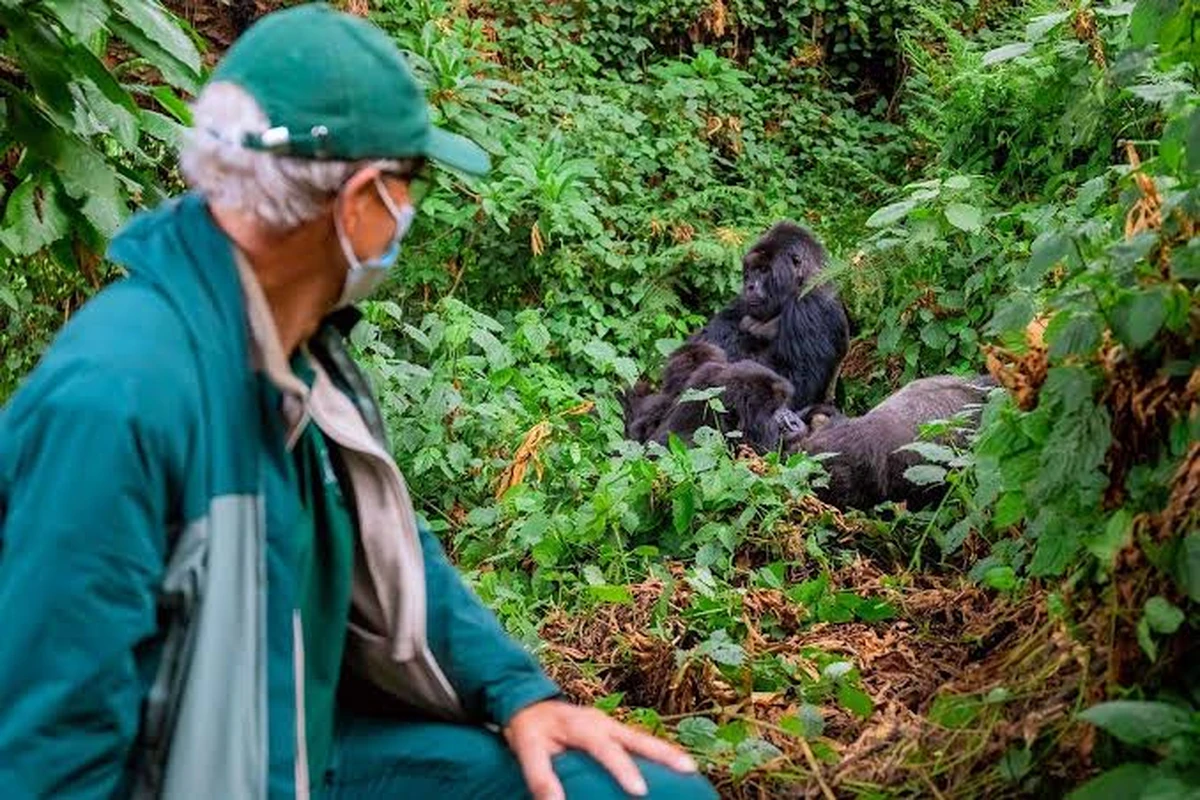
Gorilla Trekking Permits Help Finance Mountain Gorilla Conservation: Regulated gorilla tourism helps support wildlife monitoring, habitat protection and conservation efforts in Uganda.
One of the most interesting secrets behind mountain gorilla conservation in Uganda is the relationship between tourism permits and wildlife protection. Every visitor participating in an authorized gorilla trekking experience must obtain a valid permit. This system helps regulate access to habituated gorilla families while generating revenue that can contribute to protected-area management and conservation activities.
Gorilla trekking permits serve several important purposes. They allow wildlife authorities to organize visitor groups, establish limits on tourism activity, and coordinate encounters with designated gorilla families. Without a regulated system, uncontrolled visitor access could increase disturbance, complicate wildlife monitoring, and expose mountain gorillas to unnecessary risks associated with frequent human contact.
Permit revenue contributes to the wider financing of conservation operations. Protected-area management requires resources for ranger patrols, wildlife monitoring, infrastructure maintenance, visitor management, and environmental protection. These activities involve substantial ongoing expenses, particularly in mountainous forests where difficult terrain and changing weather conditions make conservation operations challenging.
Tourism revenue can also support conservation-related community initiatives under applicable revenue-sharing arrangements. Such programs are intended to help neighboring communities receive benefits associated with protected-area tourism. Their effectiveness depends on transparent management, appropriate project selection, and meaningful engagement with the people whose livelihoods and environments are influenced by conservation policies.
The financial contribution of tourism becomes especially important when considering the long-term nature of gorilla protection. Conservation is not a temporary project that ends once an animal population shows signs of improvement. Rangers must continue monitoring habitats, researchers must maintain reliable records, and conservation institutions must respond to new environmental pressures as they emerge.
However, tourism revenue should never be considered a complete solution to conservation challenges. Protecting mountain gorillas also depends on government support, conservation partnerships, scientific expertise, and cooperation with surrounding communities. Responsible tourism contributes to these efforts but cannot replace the institutions and policies required to maintain effective wildlife protection.
For visitors planning gorilla trekking in Uganda, the permit system provides an opportunity to understand how tourism and conservation are connected. A trekking permit is not simply permission to enter the forest; it is part of a carefully regulated approach intended to balance visitor experiences with the needs of endangered wildlife.
Travelers arranging their safari through PrideMark Safaris can appreciate the conservation purpose behind authorized trekking arrangements. Understanding this relationship transforms the experience from an ordinary wildlife excursion into an opportunity to observe how regulated tourism can contribute to protecting mountain gorillas and their forest habitats.
2. Wildlife Rangers Work Behind the Scenes to Protect Gorilla Families

Wildlife Rangers Work Behind the Scenes to Protect Gorilla Families: A mountain gorilla family resting in its natural forest habitat, where conservation teams help protect these endangered primates.
Wildlife rangers are among the most important participants in mountain gorilla conservation in Uganda. Although visitors frequently encounter rangers during trekking briefings and guided forest walks, much of their conservation work takes place away from tourism activities. Their responsibilities include monitoring protected areas, supporting wildlife security, identifying environmental threats, and helping maintain the conditions required for gorilla populations to survive.
Uganda’s mountain forests present demanding working environments. Steep slopes, thick vegetation, unpredictable rainfall, and limited accessibility can make patrols physically challenging. Rangers must understand forest geography, recognize signs of wildlife activity, and operate effectively in areas where conventional transport is often unavailable. Their local knowledge and professional training are essential to conservation operations.
One important responsibility involves detecting illegal activities that may threaten wildlife. Unauthorized hunting, habitat encroachment, and the placement of snares can create risks within protected ecosystems. Although snares may be intended for other animals, mountain gorillas can encounter them while moving through the forest. Monitoring and authorized removal of such threats are therefore important conservation activities.
Rangers also help identify changes in forest conditions. Unusual human activity, damaged vegetation, unauthorized access routes, or signs of habitat disturbance may require investigation. Regular patrols provide conservation authorities with information that can support decisions about protected-area management and responses to emerging environmental pressures.
Wildlife protection depends on cooperation rather than enforcement alone. Rangers may work alongside researchers, veterinary specialists, conservation managers, and community representatives. Sharing information about animal movements, potential hazards, and environmental conditions can improve the effectiveness of conservation responses and help different organizations coordinate their responsibilities.
During gorilla trekking, rangers and guides also contribute to visitor safety and wildlife welfare. They explain park regulations, organize group movements, and provide instructions for appropriate behavior around gorillas. Their experience helps visitors understand how to observe wild animals respectfully without creating unnecessary disturbance.
The work of rangers illustrates an important conservation principle: protecting endangered wildlife requires consistent attention even when no tourists are present. Patrols, monitoring, and habitat protection continue throughout the year because the needs of mountain gorillas do not depend on visitor schedules.
Recognizing these contributions helps travelers appreciate the professional dedication behind every successful gorilla trekking experience. The opportunity to observe a gorilla family in a protected forest is supported by people whose responsibilities extend far beyond guiding visitors to an unforgettable wildlife encounter.
3. Gorilla Families Are Carefully Monitored Through Scientific Observation

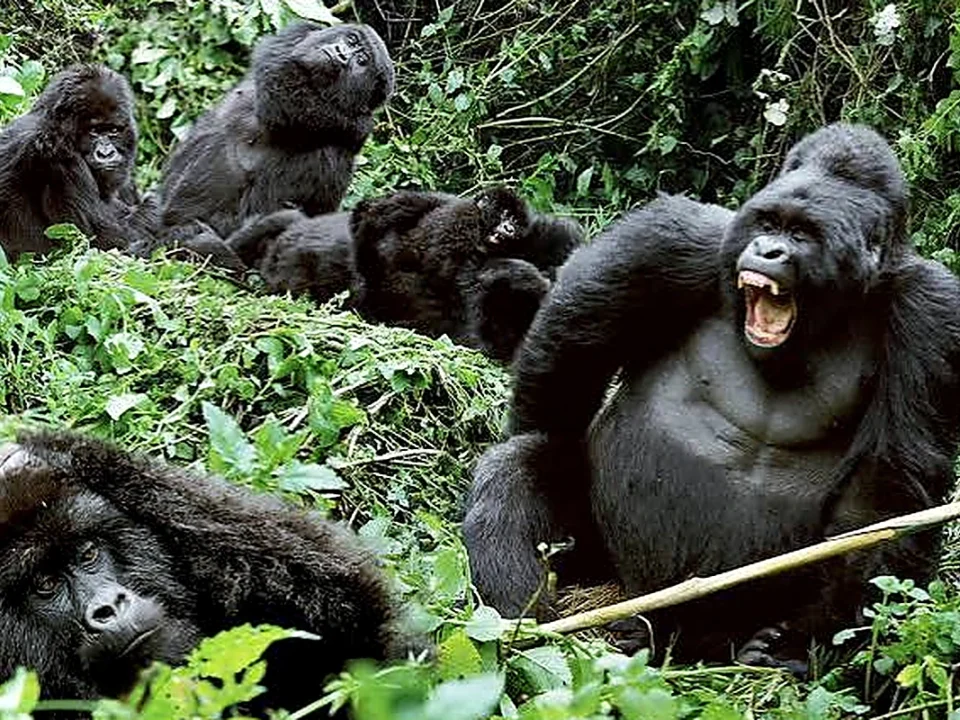
Gorilla Families Are Carefully Monitored Through Scientific Observation: Mountain gorillas resting together in their natural habitat, where conservation researchers study their behavior and social relationships.
Mountain gorillas live in complex social groups whose relationships influence feeding, movement, reproduction, resting, and interactions with other gorillas. A family may include a dominant silverback, adult females, juveniles, infants, and sometimes additional mature males. Group composition varies, and changes can occur through births, deaths, transfers, or the formation of new social groups.
Understanding these relationships is essential to mountain gorilla conservation in Uganda. Researchers and monitoring teams collect information about identifiable individuals and family groups to understand population trends, social behavior, and habitat use. Long-term observations can reveal changes that would be difficult to identify through occasional visits.
Individual gorillas can often be recognized through distinctive physical characteristics, including facial features and unique patterns around their noses. Researchers use these characteristics alongside behavioral observations and established records to distinguish individuals. Reliable identification helps maintain continuity in population monitoring without requiring unnecessary physical interference.
Monitoring reproductive activity is particularly important for understanding population development. Observations of births, infant survival, and changes in family composition provide information about the condition of gorilla groups. These records contribute to wider assessments of population trends and can help identify circumstances requiring closer conservation attention.
Researchers also study how gorillas move through their habitats. Different groups may use forest areas according to food availability, vegetation characteristics, social relationships, and environmental conditions. Understanding these movements helps conservation managers appreciate the ecological requirements of gorilla families and the importance of maintaining suitable forest habitats.
Social behavior provides another valuable research subject. Silverbacks may play important roles in group coordination and protection, while interactions among females, juveniles, and infants contribute to the social structure of each family. Observing these relationships helps scientists understand how mountain gorillas maintain group cohesion and respond to changes in their environment.
Long-term monitoring also supports health surveillance. Changes in an individual’s activity, feeding behavior, or appearance may prompt closer observation by qualified conservation personnel. Although such observations cannot replace veterinary assessment, they can provide useful information for identifying potential concerns and coordinating appropriate professional responses.
Visitors participating in gorilla trekking see only a brief moment in the daily lives of these animals. Behind that encounter lies a much larger body of scientific observation and monitoring. Understanding this work adds depth to the experience because each gorilla family represents an ongoing conservation story rather than an isolated tourist attraction.
4. Gorilla Habituation Allows Controlled Encounters Without Domesticating Wildlife
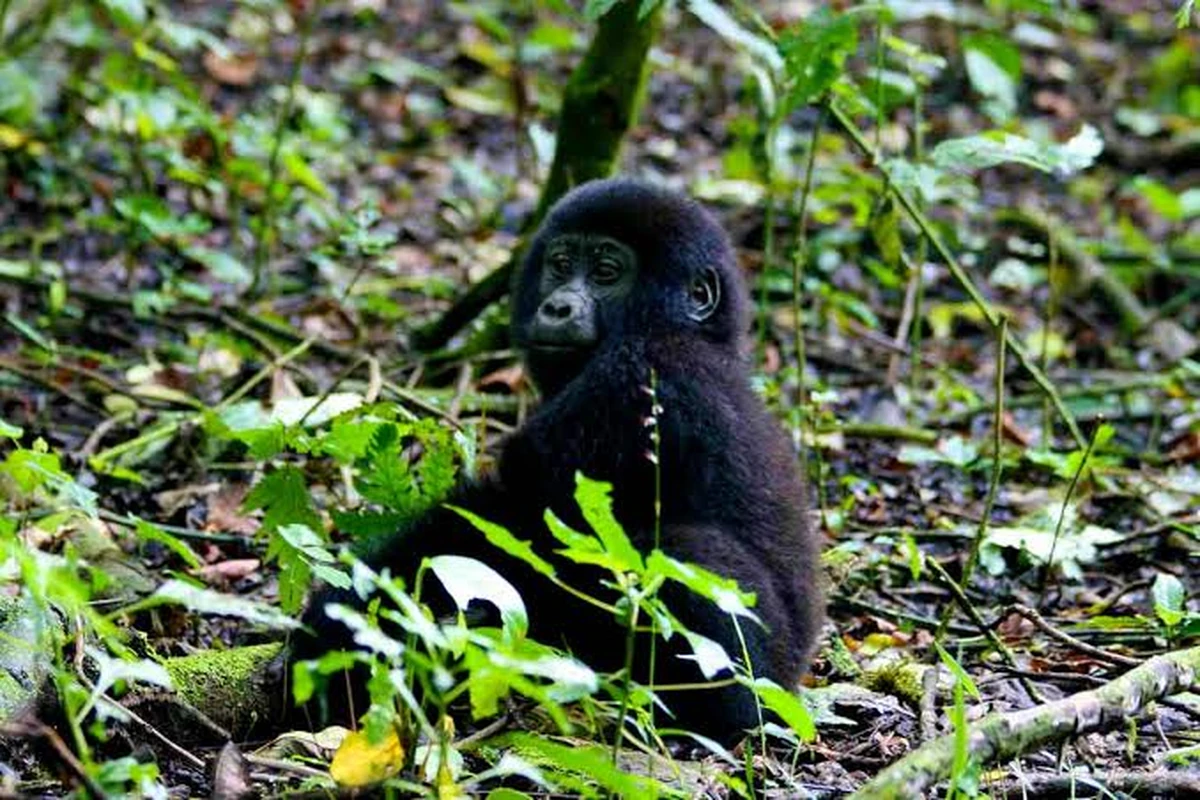
Gorilla Habituation Allows Controlled Encounters Without Domesticating Wildlife: A young mountain gorilla resting in its natural forest habitat, where carefully managed habituation supports scientific observation and responsible tourism.
Gorilla habituation is one of the most fascinating processes associated with responsible mountain gorilla tourism. It involves gradually familiarizing selected wild gorilla groups with the controlled presence of human observers. The process is undertaken by trained personnel and requires patience, professional judgment, and careful attention to the animals’ behavior.
Habituation does not mean teaching gorillas to perform for tourists or encouraging them to depend on human assistance. Mountain gorillas remain wild animals that continue feeding, moving, resting, nesting, and interacting according to their natural behavior. The purpose is to reduce excessive disturbance from carefully managed observation rather than change the animals into human-dependent attractions.
The process generally involves repeated, carefully supervised observations over an extended period. Experienced personnel assess how gorillas respond to human presence and adjust their activities accordingly. The welfare of the animals remains a central consideration because inappropriate or excessive human contact can create unnecessary stress and other conservation risks.
Habituation can support scientific research by allowing researchers to observe identifiable individuals more consistently. Such observations contribute to knowledge about social organization, feeding patterns, reproduction, and health. This information can strengthen conservation planning and help authorities understand how gorilla groups respond to environmental changes.
Habituated gorilla groups may also be designated for regulated tourism under official management arrangements. This makes it possible for visitors to observe mountain gorillas while following established rules concerning group size, distance, behavior, and time spent near the animals. These restrictions are intended to reduce disturbance and protect gorilla welfare.
Not every mountain gorilla family is habituated for tourism. Some groups remain unhabituated, while others may be observed primarily for research or conservation purposes. This distinction helps demonstrate that protected forests are wildlife habitats first and tourism destinations second.
Visitors should understand that habituated gorillas can still respond unpredictably to unfamiliar situations. Their behavior may be influenced by social interactions, environmental conditions, or perceived threats. Following instructions from trained guides is therefore essential, even when a gorilla appears calm or accustomed to human observers.
The relationship between habituation and conservation illustrates how wildlife tourism requires careful scientific management. Responsible gorilla trekking should provide opportunities for observation without compromising the natural behavior of the animals. This principle remains fundamental to ethical tourism in Uganda’s mountain gorilla habitats.
5. Veterinary Specialists Help Protect Gorillas From Disease
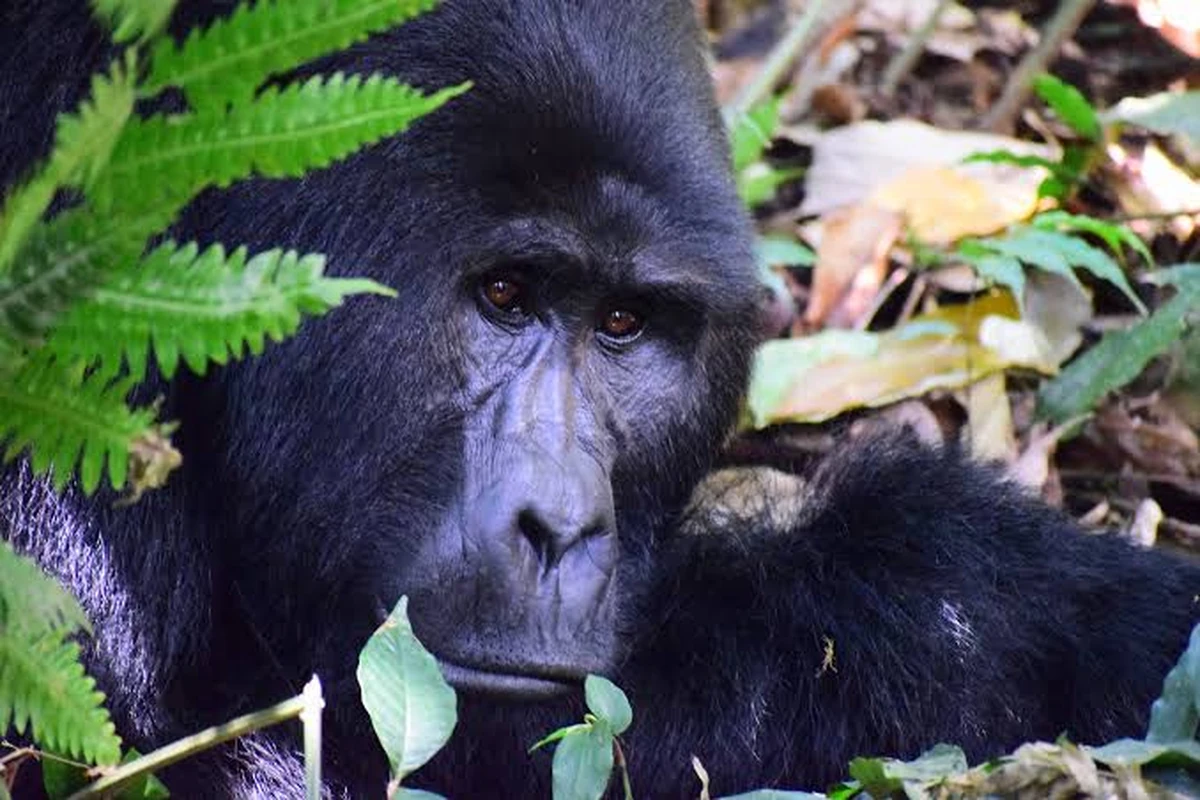
Veterinary Specialists Help Protect Gorillas From Disease: Protecting mountain gorilla health through disease monitoring, veterinary conservation and responsible wildlife management.
Disease prevention is an essential component of mountain gorilla conservation in Uganda. Mountain gorillas are closely related to humans, and some infectious diseases can potentially pass between people and great apes. This creates particular concerns in environments where gorillas may encounter humans through tourism, research, conservation operations, or activities near protected-area boundaries.
Because mountain gorillas occupy a limited geographical range, preventing avoidable health threats is especially important. Disease outbreaks can have serious implications for small wildlife populations, particularly when animals live in social groups where individuals interact closely. Conservation programs therefore place considerable emphasis on reducing unnecessary exposure and monitoring potential health concerns.
Veterinary conservation specialists contribute expertise in wildlife health, disease surveillance, and appropriate medical intervention. Their work may involve evaluating information collected by field teams, investigating unusual health observations, and coordinating with protected-area authorities when professional veterinary attention is required.
Organizations such as Gorilla Doctors provide specialized veterinary expertise in the mountain gorilla region. Their work demonstrates how conservation medicine can complement scientific research, wildlife monitoring, and protected-area management. Protecting gorilla health requires cooperation among specialists with different responsibilities and areas of expertise.
Veterinary intervention in wild gorillas requires careful judgment. Unlike domestic animals, mountain gorillas are not routinely handled or treated by people. Unnecessary interference could disturb their natural behavior or introduce additional risks. Professional intervention is therefore considered within an established conservation framework and under appropriate authorization.
Visitors also have an important role in disease prevention. Park authorities establish health requirements and behavioral regulations intended to reduce the likelihood of disease transmission. These may include restrictions on participation when visitors are ill, minimum-distance requirements, and other precautions explained during official trekking briefings.
Travelers should take these rules seriously even when they feel well enough to participate in outdoor activities. The purpose of health precautions is not simply visitor comfort but the protection of wildlife that may be vulnerable to human-associated infections. Following official guidance demonstrates respect for the animals and the conservation professionals responsible for their welfare.
The health of mountain gorillas also depends on wider environmental conditions. Habitat quality, access to suitable food, and the management of human-wildlife interactions can influence conservation outcomes. Veterinary expertise is therefore most effective when combined with broader efforts to protect the ecosystems supporting gorilla populations.
For anyone planning gorilla trekking in Uganda, understanding the importance of veterinary conservation provides a valuable perspective. A responsible encounter is not measured by how closely visitors can approach gorillas but by whether the experience respects the precautions necessary to protect them.
6. Local Communities Are Essential Partners in Gorilla Conservation
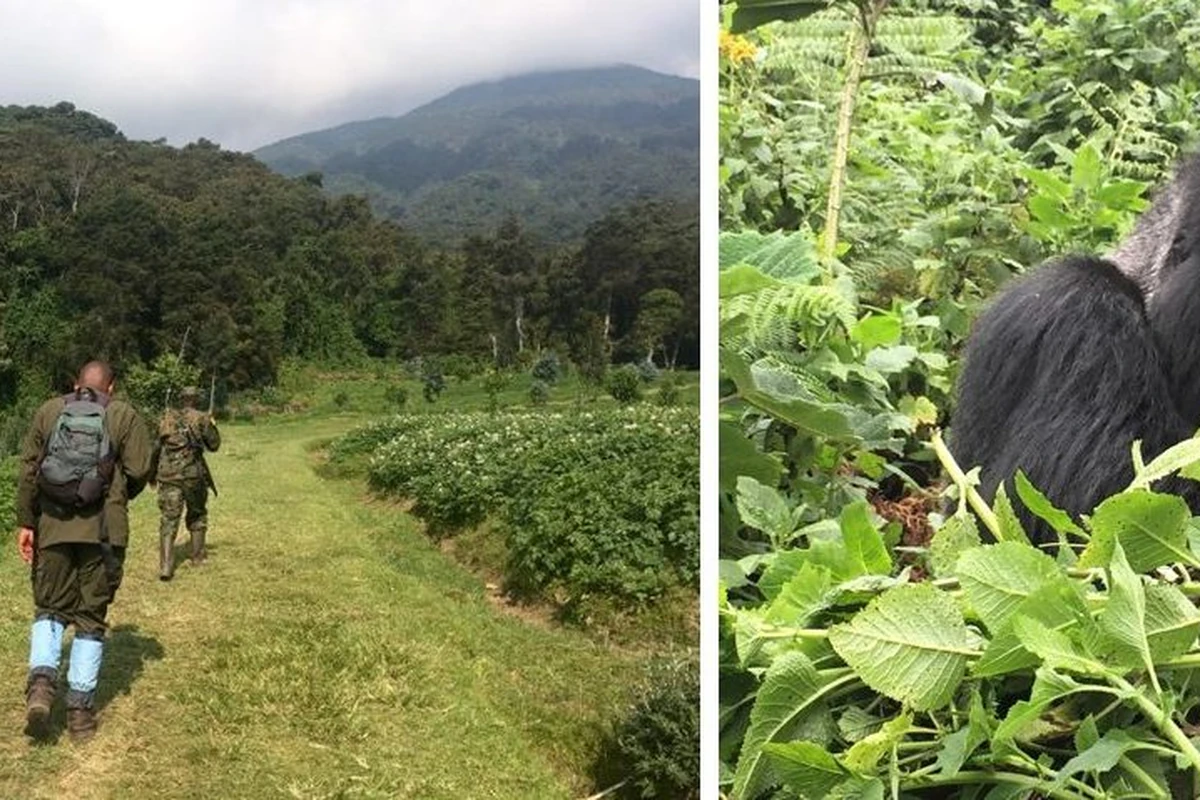
Local Communities Are Essential Partners in Gorilla Conservation: Protecting mountain gorillas requires cooperation between conservation authorities and communities living near Uganda’s protected forests.
The communities surrounding Bwindi Impenetrable National Park and Mgahinga Gorilla National Park are important stakeholders in mountain gorilla conservation. Their livelihoods, cultural relationships, economic opportunities, and experiences with protected-area management influence how conservation policies operate in practice. Sustainable wildlife protection therefore requires attention to the people living near gorilla habitats.
Protected forests can provide important environmental and economic benefits, but conservation restrictions may also create challenges. Communities that historically depended on forest resources can experience changes in access, land use, and livelihood opportunities. Recognizing these concerns is necessary for developing conservation approaches that are both environmentally effective and socially responsible.
Tourism offers one potential source of economic opportunity. Gorilla trekking can create demand for accommodation, transport, guiding services, food supplies, handicrafts, and other locally provided goods and services. When communities participate meaningfully in these activities, tourism may contribute to household incomes and support local enterprise development.
Employment opportunities connected to tourism can also encourage wider interest in protecting natural resources. People working as guides, hospitality employees, drivers, artisans, or conservation support personnel may develop direct economic relationships with the protected landscape. However, the distribution of benefits varies, and tourism opportunities do not automatically reach every household.
Community conservation initiatives can help address this imbalance through education, livelihood support, environmental projects, and participatory planning. Effective programs should consider local priorities and encourage constructive dialogue between conservation authorities and residents. Conservation becomes more sustainable when people understand its objectives and have opportunities to contribute to decisions affecting their communities.
Uganda’s protected-area revenue-sharing arrangements are another aspect of community involvement. Under applicable policies, eligible neighboring communities can benefit from designated portions of tourism revenue through approved projects. The practical value of these arrangements depends on implementation, transparency, and whether supported activities respond to genuine community needs.
Community participation also contributes to environmental awareness. Local residents possess valuable knowledge about surrounding landscapes, seasonal conditions, and patterns of human activity. Respectful cooperation between communities and conservation institutions can strengthen communication and support responses to environmental pressures.
For travelers, supporting locally operated businesses can be one way to contribute to the surrounding tourism economy. Purchasing locally produced goods, engaging respectfully with community experiences, and choosing services that demonstrate fair practices may help distribute some benefits beyond the protected-area entrance.
At PrideMark Safaris, we encourage visitors to appreciate the people who live alongside Uganda’s protected forests. Gorilla trekking becomes more meaningful when travelers recognize that successful conservation depends not only on wildlife protection but also on constructive relationships with neighboring communities.
The long-term survival of mountain gorillas is closely connected to the future of these landscapes and the people who share them. Conservation initiatives that consider environmental protection alongside community well-being are better positioned to build lasting support for safeguarding Uganda’s natural heritage.
7. Protecting Mountain Gorillas Also Protects Uganda’s Forest Biodiversity
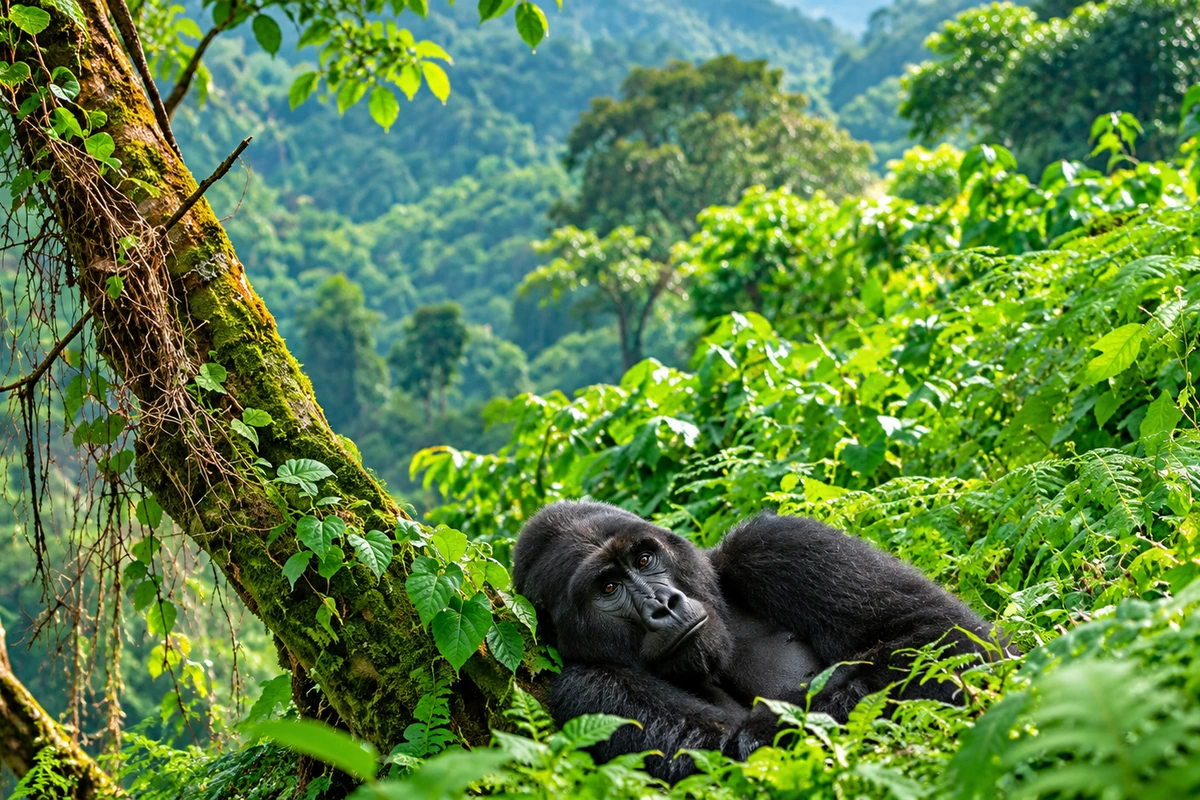
Protecting mountain gorillas also helps conserve the remarkable biodiversity of Uganda’s mountain forests, including native plants, birds, and other wildlife.
Mountain gorilla conservation in Uganda contributes to the protection of much more than a single endangered primate. The forests inhabited by gorillas contain diverse communities of plants, birds, mammals, insects, and other organisms that depend on functioning natural ecosystems. Maintaining these habitats helps preserve ecological relationships that would be difficult to restore if extensive forest degradation occurred.
Bwindi Impenetrable National Park is particularly important because of its exceptional biological diversity. Its mountainous terrain and varied environmental conditions support numerous vegetation communities and wildlife species. The forest’s conservation significance therefore extends beyond its mountain gorillas to include a wider collection of organisms that depend on the protected landscape.
Mgahinga Gorilla National Park contributes to biodiversity conservation within a different ecological setting. Its volcanic mountain environment contains distinctive vegetation, including bamboo and higher-altitude plant communities. These habitats support wildlife adapted to the environmental conditions of the Virunga landscape and contribute to the region’s ecological diversity.
Mountain gorillas are sometimes described as an umbrella species because efforts to protect their habitats can also benefit other organisms living within those environments. Their international recognition helps attract conservation attention, public interest, and resources to forests that support many species less familiar to visitors.
However, the umbrella-species concept has limitations. Protecting mountain gorillas does not automatically satisfy every conservation requirement of other wildlife. Some species depend on specialized habitats, particular food resources, or management approaches that differ from those required by gorillas. Effective biodiversity conservation must therefore consider the needs of the wider ecosystem.
Forest ecosystems also perform important environmental functions. Vegetation helps protect soils from erosion, influences the movement of water through landscapes, and contributes to nutrient cycling. Tree cover and plant communities create habitats that support interactions among organisms while influencing local environmental conditions.
The ecological relationships within mountain forests are complex. Plants provide food and shelter for animals, insects participate in ecological processes, and microorganisms contribute to the decomposition of organic materials. Changes affecting one component of the ecosystem may influence others, demonstrating why habitat conservation requires a broad environmental perspective.
Mountain gorillas participate in these ecological processes through their natural activities. Feeding, movement, and the return of organic materials to the forest are among the ways they interact with their surroundings. The precise ecological effects vary by habitat and circumstance, but gorillas are part of the biological networks that sustain forest ecosystems.
Protecting forests also supports watershed functions. Mountain vegetation can influence how rainfall interacts with soils and slopes, while forest cover helps maintain environmental conditions important to surrounding landscapes. These benefits provide additional reasons for conserving protected mountain ecosystems beyond their importance to wildlife tourism.
For visitors, gorilla trekking offers an opportunity to appreciate this biodiversity directly. The journey through the forest may reveal varied vegetation, bird calls, insects, and distinctive mountain scenery before any gorillas are encountered. These observations help demonstrate that the trekking environment is a living ecosystem rather than merely a route to a wildlife attraction.
Understanding the biodiversity value of Uganda’s mountain forests encourages a more complete appreciation of conservation. The survival of mountain gorillas is inseparable from the continued protection of the habitats that provide their food, shelter, and ecological surroundings.
8. Scientific Research Helps Conservationists Understand Gorilla Behavior
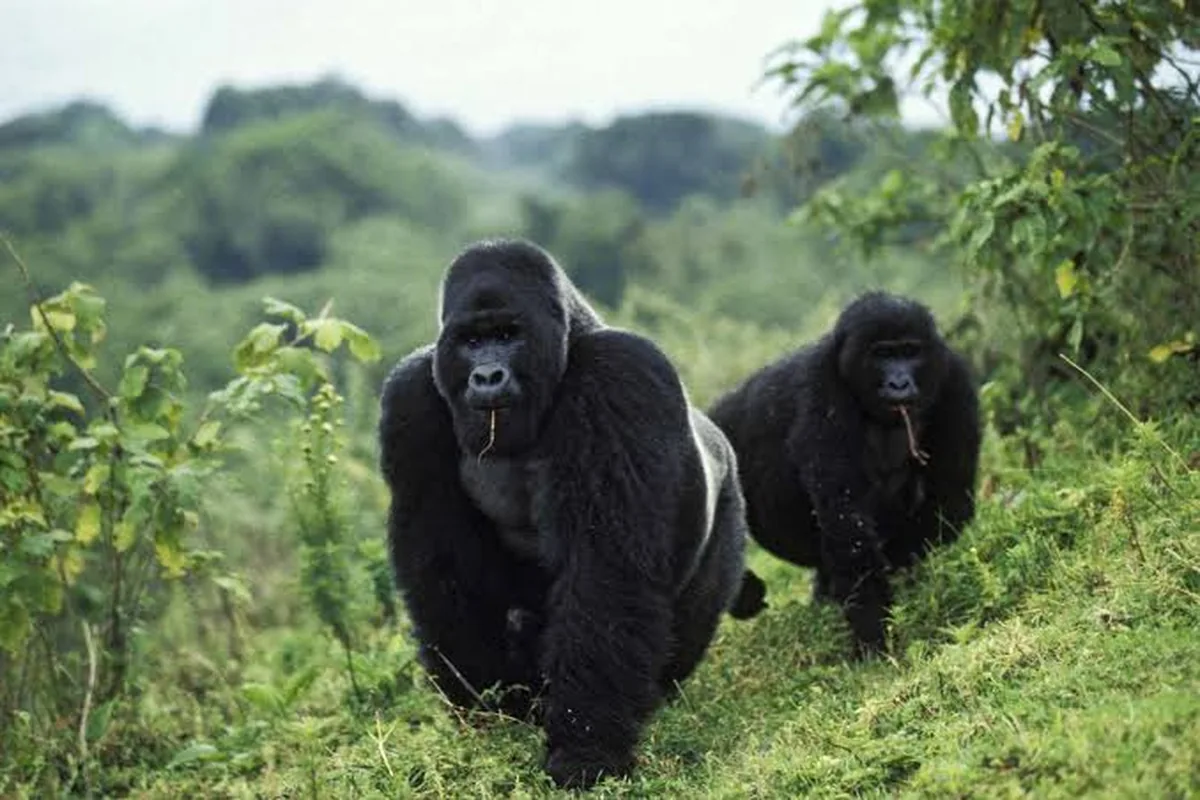
Two mountain gorillas moving through lush vegetation in their natural habitat.
Scientific research is one of the foundations of mountain gorilla conservation in Uganda. Researchers study gorilla behavior, social relationships, feeding patterns, reproduction, movement, and responses to environmental conditions. This knowledge contributes to conservation planning and helps wildlife authorities understand the ecological and social requirements of gorilla populations.
Mountain gorillas have complex social lives. Family groups may include individuals of different ages and social positions, and their relationships influence everyday activities. Studying these interactions helps researchers understand how groups maintain cohesion, how younger gorillas develop, and how changes in family composition affect social organization.
The role of silverbacks is an important research subject. Mature males may influence group movement, respond to perceived threats, and participate in social interactions with other family members. Their behavior provides insights into the organization of gorilla groups and the relationships that contribute to social stability.
Researchers also examine interactions involving adult females and infants. Maternal care is particularly important because young gorillas depend heavily on their mothers during early development. Observations of infant behavior, social learning, and interactions with other family members contribute to understanding how gorillas develop within their natural social environment.
Feeding ecology provides another valuable area of investigation. Mountain gorillas consume a variety of plant materials, and the composition of their diet can vary according to habitat conditions and food availability. Research on feeding behavior helps conservationists understand the importance of different vegetation communities and the ecological requirements of gorilla families.
Movement patterns are equally important. Gorilla groups travel through forest habitats while feeding, resting, and maintaining social relationships. Understanding how they use different areas can provide information about habitat suitability, environmental pressures, and the potential consequences of changes in forest conditions.
Research also contributes to responsible tourism management. Studies examining how gorillas respond to human presence can inform recommendations concerning visitor behavior, habituation, and disturbance reduction. This information helps conservation authorities evaluate how tourism activities interact with wildlife welfare.
Long-term research is particularly valuable because important ecological and social changes may develop gradually. Population trends, reproductive patterns, and changes in habitat use cannot always be understood through short observation periods. Consistent monitoring allows researchers to compare information collected over time and identify patterns that may influence conservation decisions.
Scientific work often involves collaboration among researchers, wildlife managers, veterinarians, and conservation organizations. Each group contributes a different perspective, allowing conservation challenges to be examined more comprehensively. Combining ecological knowledge with practical management experience helps improve the usefulness of research findings.
Regional conservation organizations, including the International Gorilla Conservation Programme, contribute to wider conservation cooperation and knowledge sharing. Such partnerships highlight the importance of coordinating scientific understanding across the mountain gorillas’ limited geographical range.
For visitors, this research provides a deeper meaning to gorilla trekking. The behaviors observed during a forest encounter are part of complex biological and social systems that scientists continue to investigate. Recognizing this scientific background can transform a brief wildlife experience into an opportunity for environmental learning.
9. International Cooperation Strengthens Mountain Gorilla Protection
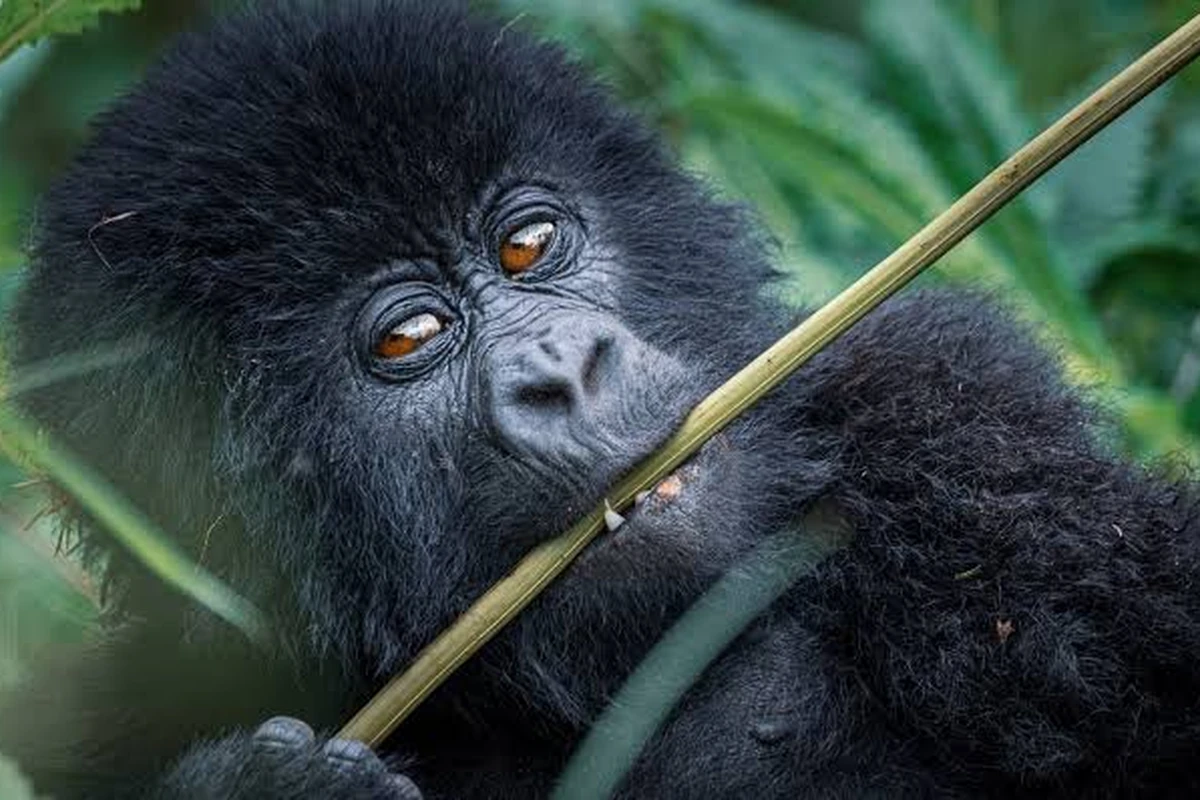
International Cooperation Strengthens Mountain Gorilla Protection: A young mountain gorilla in its natural forest habitat, highlighting the importance of conservation partnerships across Uganda, Rwanda and the Democratic Republic of the Congo.
Mountain gorillas inhabit a region extending across Uganda, Rwanda, and the Democratic Republic of the Congo. Their conservation therefore requires cooperation among institutions operating within different national jurisdictions. Although each country manages its own protected areas, the ecological and conservation challenges affecting mountain gorillas are connected across the wider region.
The Virunga mountain ecosystem is especially significant because it extends across international boundaries. Uganda’s Mgahinga Gorilla National Park forms part of this broader landscape, alongside protected areas in neighboring countries. Wildlife conservation within this region benefits from cooperation concerning ecological monitoring, research, and shared environmental challenges.
Cross-border collaboration can support the exchange of scientific information. Researchers and conservation managers may share knowledge about population trends, health concerns, habitat conditions, and management practices. Such cooperation strengthens regional understanding and helps institutions learn from conservation experiences beyond their own national boundaries.
Disease prevention is one area where regional cooperation can be valuable. Wildlife health concerns do not necessarily correspond to political boundaries, particularly within connected ecological landscapes. Sharing relevant information can support coordinated surveillance and professional responses to potential conservation threats.
Environmental pressures also require broader consideration. Human activities, changing land-use patterns, and habitat disturbance may influence ecological conditions across the region. Conservation strategies benefit from recognizing these connections while respecting the distinct legal and management responsibilities of individual countries.
International conservation partnerships can also contribute technical expertise, research support, and opportunities for institutional collaboration. Organizations working across national boundaries may help strengthen communication among conservation stakeholders and encourage approaches based on shared scientific knowledge.
However, regional cooperation does not eliminate the importance of local management. Each protected area has its own environmental characteristics, community relationships, and operational requirements. Effective conservation therefore combines regional coordination with practical responses suited to individual habitats.
Bwindi Impenetrable National Park represents a distinct mountain gorilla population and forest ecosystem, while Mgahinga contributes to the Virunga landscape. Both are important to Uganda’s conservation responsibilities, but their geographical differences require appropriate management approaches rather than identical conservation assumptions.
The wider lesson is that protecting endangered wildlife often requires cooperation beyond administrative boundaries. Animals, habitats, ecological processes, and environmental pressures are connected in ways that cannot always be managed effectively through isolated decisions.
For travelers, understanding this international dimension provides valuable context. Gorilla trekking in Uganda forms part of a much larger conservation effort involving neighboring countries, scientific institutions, protected-area authorities, and communities across the region.
10. Responsible Gorilla Trekking Inspires Long-Term Conservation Awareness
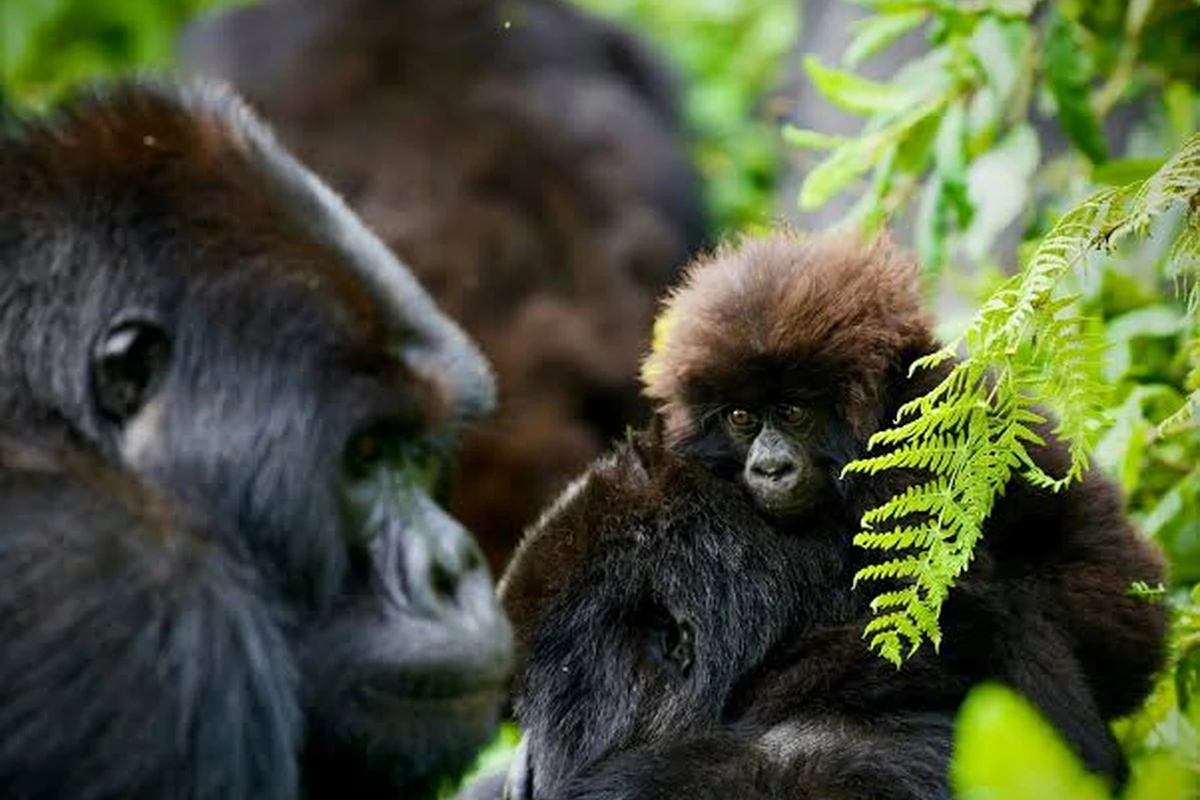
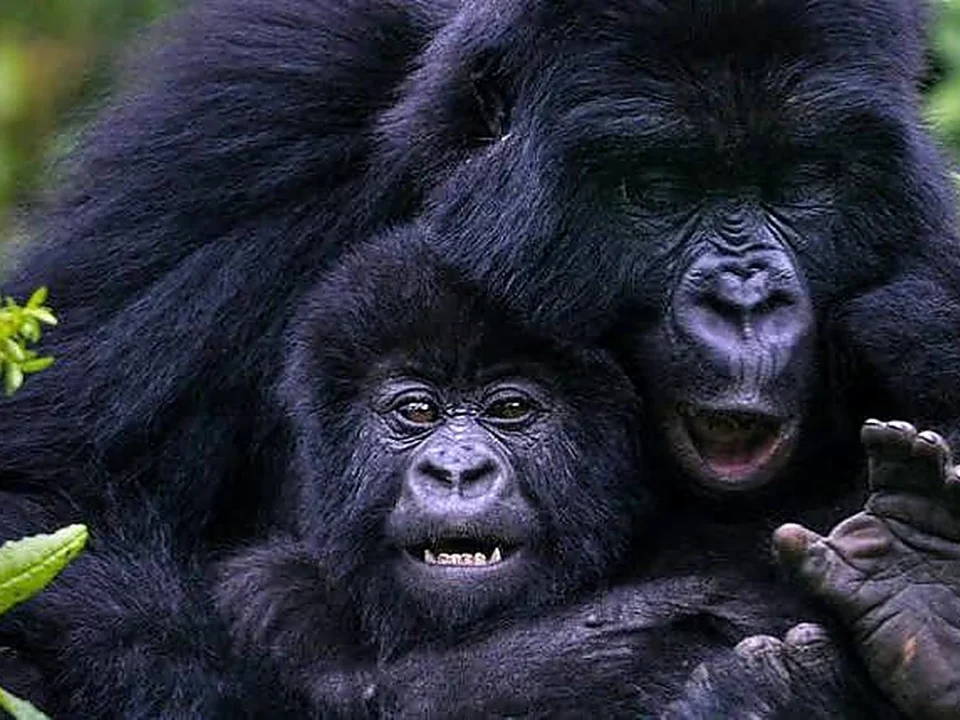
Responsible Gorilla Trekking Inspires Long-Term Conservation Awareness: A young mountain gorilla resting close to an adult, highlighting the importance of protecting gorilla families and their natural habitats.
Responsible gorilla trekking is one of the most visible ways travelers encounter mountain gorilla conservation in Uganda. A carefully managed visit allows people to observe wild gorillas in their natural habitat while learning about the efforts required to protect them. The experience can encourage a deeper understanding of endangered wildlife and the importance of maintaining healthy forest ecosystems.
For many visitors, the most memorable moments are surprisingly quiet. A gorilla family may be feeding, resting, or interacting naturally among forest vegetation. Rather than witnessing dramatic behavior, travelers often discover the value of observing ordinary activities that reveal the social and ecological lives of these remarkable animals.
Such encounters can challenge common misconceptions about gorillas. Their powerful appearance sometimes overshadows the complexity of their social relationships and everyday behavior. Observing them respectfully can help visitors appreciate their intelligence, family structures, and dependence on suitable natural habitats.
Professional guides play an important educational role. They explain the reasons behind park regulations, describe aspects of gorilla behavior, and introduce visitors to the conservation challenges affecting protected forests. Accurate interpretation can transform a trekking excursion into an informative experience that extends beyond wildlife photography.
Responsible behavior is essential during these encounters. Visitors must follow official guidance concerning distance, movement, noise, photography, and health precautions. These requirements help reduce unnecessary disturbance and reinforce the principle that the animals’ welfare is more important than obtaining a particular photograph.
Tourism operators also influence conservation awareness through the information they provide before and during safaris. Ethical communication should establish realistic expectations, explain wildlife regulations, and avoid encouraging visitors to seek inappropriate physical contact or unrestricted access to gorillas.
Conservation awareness may continue after travelers return home. Visitors sometimes share their experiences, learn more about wildlife protection, or support reputable conservation initiatives. These activities can help extend the educational value of gorilla trekking beyond the protected forest.
However, tourism should not be presented as a complete solution to the challenges facing mountain gorillas. Long-term protection depends on continued scientific research, effective wildlife management, appropriate funding, and meaningful community participation. Responsible tourism contributes to this wider conservation framework rather than replacing it.
At PrideMark Safaris, we encourage travelers to view gorilla trekking as an opportunity to appreciate both the extraordinary wildlife and the conservation work behind each encounter. Understanding the relationship between tourism and protection can make the journey more meaningful and encourage lasting respect for Uganda’s natural heritage.
The greatest value of responsible gorilla trekking is not simply the opportunity to stand near a mountain gorilla family. It is the chance to understand why these animals matter, how their habitats are protected, and why conservation must continue long after visitors leave the forest.
Where to Experience Mountain Gorilla Trekking in Uganda
Uganda offers mountain gorilla trekking in two national parks: Bwindi Impenetrable National Park and Mgahinga Gorilla National Park. Both destinations provide regulated opportunities to observe habituated mountain gorillas, but their landscapes, ecological characteristics, and trekking arrangements differ.
Choosing the most suitable destination depends on several factors, including permit availability, travel arrangements, visitor interests, and the type of mountain environment a traveler wishes to experience. Neither park should be considered automatically superior because each offers distinctive conservation and wildlife experiences.
Bwindi Impenetrable National Park
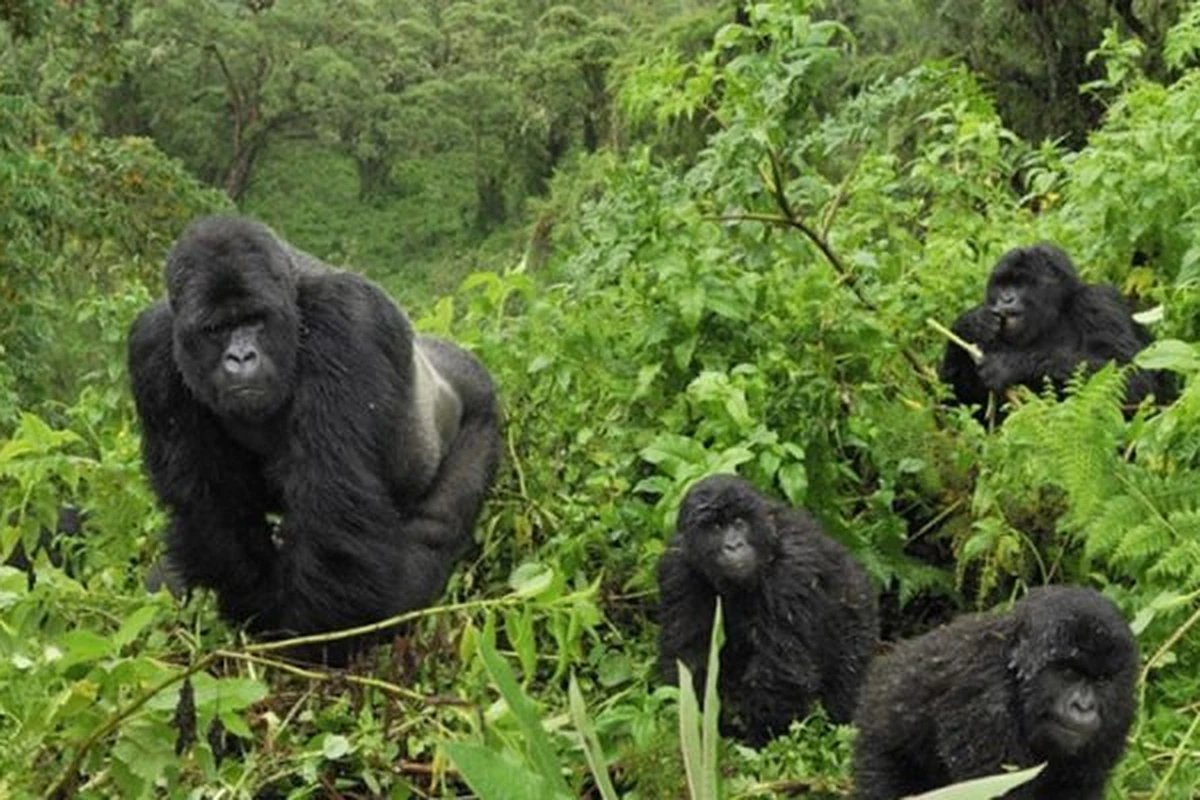
Bwindi Impenetrable National Park: A mountain gorilla surrounded by dense forest vegetation, highlighting the importance of protecting Uganda’s mountain gorillas and their natural habitats.
Bwindi Impenetrable National Park is among Uganda’s most internationally recognized wildlife destinations. Its extensive mountain forest supports an important population of mountain gorillas and a remarkable diversity of other species. The park’s ecological significance makes it central to mountain gorilla conservation in Uganda.
Bwindi contains several established gorilla trekking sectors, including Buhoma, Ruhija, Rushaga, and Nkuringo. These sectors provide different access points to designated habituated gorilla groups. Trekking arrangements depend on permit allocations, operational conditions, and the locations of gorilla families.
The terrain within Bwindi can be demanding. Visitors may encounter steep slopes, muddy paths, dense vegetation, and changing weather conditions. Trekking duration varies because gorilla groups move naturally through their habitats. Travelers should therefore prepare for a forest experience whose exact route cannot be guaranteed in advance.
The park’s biodiversity adds considerable value to the journey. Its vegetation communities support birds, mammals, insects, and numerous plant species. Even before encountering gorillas, visitors can appreciate the ecological richness of a forest protected for its exceptional natural importance.
Bwindi is particularly suitable for travelers interested in combining gorilla trekking with broader appreciation of forest biodiversity. Its different trekking sectors also provide options when planning accommodation and travel routes, although permit availability remains an important consideration.
Mgahinga Gorilla National Park

Mgahinga Gorilla National Park: A spectacular volcanic mountain landscape surrounded by lush vegetation, highlighting the natural habitats protected for mountain gorillas in Uganda.
Mgahinga Gorilla National Park occupies part of Uganda’s Virunga volcanic landscape. Its mountainous scenery, bamboo vegetation, and distinctive high-altitude habitats provide a different environment from the dense forests of Bwindi.
The park contributes to the protection of mountain gorillas within the wider Virunga ecosystem. Its conservation importance is connected to regional ecological relationships and the protection of mountain habitats shared across international boundaries.
Gorilla trekking in Mgahinga offers visitors an opportunity to experience this volcanic landscape while observing designated habituated gorillas under official park management. As with Bwindi, trekking conditions depend on the movement of gorilla groups and the environmental characteristics of the area.
Mgahinga may appeal particularly to travelers interested in mountain scenery and the ecological diversity of the Virunga region. Visitors should confirm current permit availability and operational arrangements before finalizing their safari plans.
Bwindi vs Mgahinga: Which Gorilla Trekking Destination Should You Choose?
| Feature | Bwindi Impenetrable National Park | Mgahinga Gorilla National Park |
|---|---|---|
| Main landscape | Dense mountainous forest | Volcanic mountain environment |
| Gorilla trekking | Multiple established trekking sectors | Trekking within the Virunga ecosystem |
| Vegetation | Diverse tropical and montane forest | Bamboo and montane vegetation |
| Conservation significance | Important Bwindi gorilla population and forest biodiversity | Gorilla protection within the Virunga landscape |
| Visitor experience | Forest trekking and biodiversity appreciation | Gorilla trekking with volcanic mountain scenery |
| Planning considerations | Sector location and permit availability | Permit availability and park arrangements |
Both destinations contribute significantly to
mountain gorilla conservation in Uganda.
The most suitable choice depends on the visitor’s travel
preferences, available permits, accommodation arrangements,
and wider safari itinerary.
How to Prepare for Responsible Gorilla Trekking in Uganda
Preparing for gorilla trekking requires attention to physical comfort, travel arrangements, park regulations, and realistic expectations. Although the experience is carefully organized, mountain gorillas live in natural forest environments where terrain, weather, and wildlife movement can influence trekking conditions.
Appropriate footwear is particularly important. Hiking boots or sturdy walking shoes with reliable grip can help visitors navigate muddy paths, uneven ground, and steep slopes. Comfortable long trousers and suitable outdoor clothing provide additional protection against vegetation and changing forest conditions.
Rain protection is also useful because mountain forests can experience unpredictable weather. Visitors should consider carrying a lightweight waterproof jacket, drinking water, and other appropriate personal essentials. Guides can provide information about recommended preparations and any specific park requirements.
Travelers should obtain gorilla trekking permits through authorized channels and confirm current arrangements before traveling. Permit prices, conditions, and availability can change, so official information from the Uganda Wildlife Authority should take priority over outdated online descriptions.
Visitors should also prepare for the possibility of a physically demanding walk. The location of gorilla families varies, and some treks involve challenging terrain. Anyone with concerns about mobility or physical requirements should discuss available arrangements with the relevant tourism operator and park authorities before booking.
The most important preparation involves understanding how to behave around gorillas. Wildlife authorities establish regulations intended to protect the animals and visitors. Following these instructions is a fundamental part of responsible gorilla trekking and should never be treated as optional.
Essential Gorilla Trekking Rules That Protect Mountain Gorillas
Responsible wildlife observation depends on respecting the regulations established by conservation authorities. Visitors receive official instructions before entering the forest, and these instructions take priority over general travel advice.
-
Follow all directions from authorized rangers and guides.
-
Maintain the minimum distance required by park authorities.
-
Do not attempt to touch, feed, or attract mountain gorillas.
-
Follow official health requirements and do not conceal illness.
-
Avoid unnecessary noise and sudden movements near gorilla families.
-
Follow restrictions concerning photography and visitor behavior.
-
Keep the forest clean and carry out personal litter.
-
Respect the authorized time limits for observing gorillas.
-
Never attempt to approach gorillas independently.
These rules help reduce disturbance, limit avoidable disease risks, and protect the natural behavior of mountain gorillas. They also reinforce the responsibility shared by everyone participating in wildlife tourism.
How Gorilla Trekking Supports Uganda’s Tourism Economy
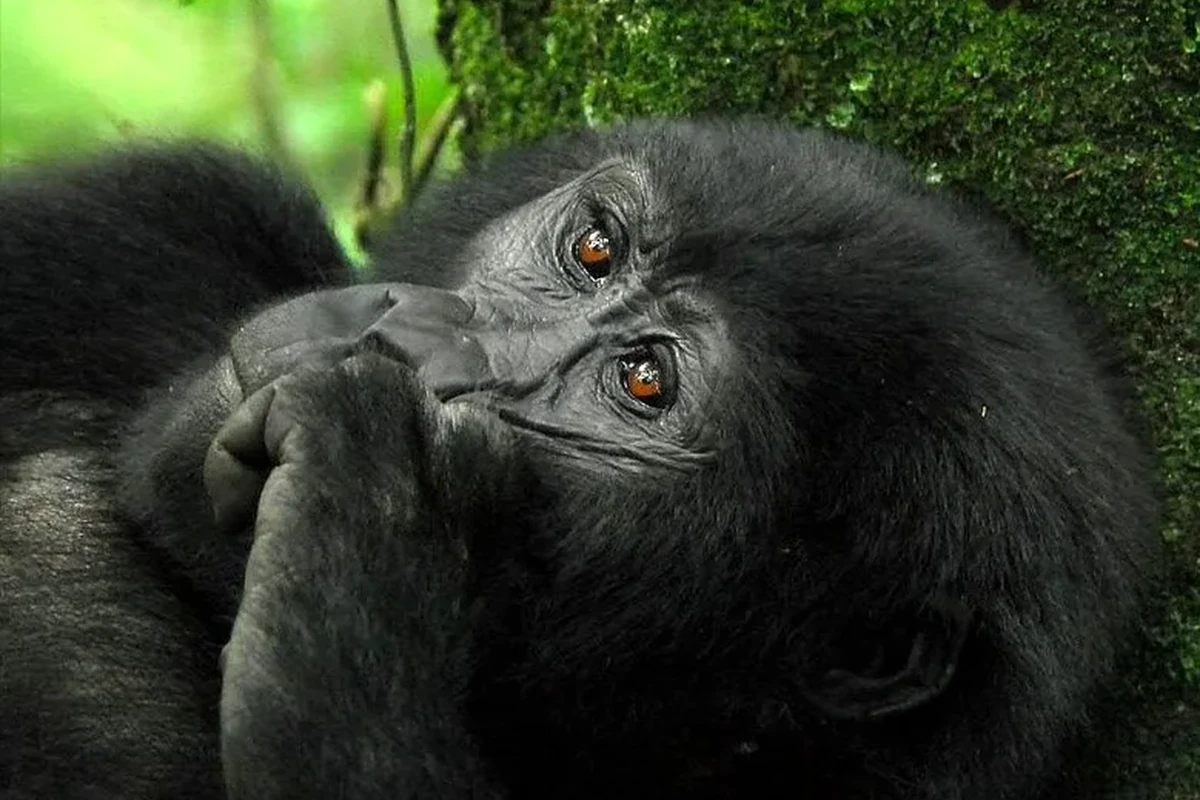
How Gorilla Trekking Supports Uganda’s Tourism Economy: Responsible gorilla tourism contributes to wildlife conservation, local employment and tourism businesses around Uganda’s protected forests.
Gorilla trekking contributes to Uganda’s tourism sector by attracting travelers interested in wildlife, conservation, and natural landscapes. Visitors often combine gorilla trekking with accommodation, transportation, cultural experiences, and visits to other national parks, creating economic activity beyond the immediate trekking destination.
Accommodation providers benefit from travelers staying near protected areas. Transport companies, guides, restaurants, and other tourism businesses may also receive income associated with safari activities. These connections illustrate how wildlife tourism can influence local and regional economic opportunities.
Tourism can create demand for locally supplied goods and services, including agricultural products, crafts, and hospitality-related activities. The extent of these benefits depends on purchasing practices, business ownership, employment arrangements, and the participation of local enterprises.
However, economic benefits should not be assumed to reach every community equally. Some households may have limited access to tourism opportunities, while others may face costs associated with living near protected areas. Responsible tourism planning should recognize these differences and encourage approaches that support fair participation.
The economic value of gorilla trekking is most meaningful when connected to sustainable conservation outcomes. Tourism development should not undermine the forest habitats that attract visitors in the first place. Maintaining this balance requires effective management, responsible business practices, and continued attention to wildlife welfare.
Why Mountain Gorilla Conservation Must Continue
The continued survival of mountain gorillas depends on sustained conservation efforts. Although coordinated protection has contributed to encouraging conservation outcomes, mountain gorillas remain vulnerable to threats associated with their restricted distribution, disease exposure, habitat pressures, and human activities.
Conservation success should therefore be understood as an ongoing responsibility rather than a completed achievement. Wildlife populations require continued monitoring, protected habitats need effective management, and conservation institutions must remain prepared to respond to changing environmental conditions.
The future of mountain gorillas also depends on maintaining cooperation among conservation authorities, scientists, veterinarians, communities, and tourism stakeholders. Each contributes knowledge and resources that help address different aspects of wildlife protection.
Responsible tourism can reinforce these efforts by supporting regulated protected-area visitation and encouraging greater awareness of conservation challenges. However, long-term protection requires stable institutions and a commitment to maintaining the ecological integrity of mountain forests.
For travelers, this continuing responsibility provides a reason to approach gorilla trekking with respect and curiosity. The opportunity to observe mountain gorillas today reflects the dedication of conservation professionals and communities whose work must continue into the future.
Frequently Asked Questions About Mountain Gorilla Conservation in Uganda
Why is mountain gorilla conservation in Uganda important?
Mountain gorilla conservation in Uganda protects endangered mountain gorillas and the forest habitats that support them. Conservation also contributes to biodiversity protection, scientific research, environmental awareness, and opportunities for communities connected to protected-area tourism.
How does gorilla trekking support conservation?
Regulated gorilla trekking generates tourism revenue that can contribute to protected-area management and conservation activities. It can also support local employment and increase public awareness of wildlife protection. These benefits depend on responsible management and adherence to official regulations.
Where can tourists see mountain gorillas in Uganda?
Visitors can experience authorized mountain gorilla trekking in Bwindi Impenetrable National Park and Mgahinga Gorilla National Park. Both destinations offer opportunities to observe designated habituated gorilla groups under the supervision of trained park personnel.
What threatens mountain gorillas?
Mountain gorillas face potential threats associated with disease transmission, habitat pressure, illegal activities, and human-wildlife interactions. Their limited geographical distribution makes effective habitat management and continued conservation monitoring particularly important.
Are mountain gorillas dangerous to tourists?
Mountain gorillas are powerful wild animals that must be treated with respect. Authorized trekking activities are managed by trained personnel who provide instructions designed to reduce risks and disturbance. Visitors should never attempt to approach or interact with gorillas independently.
Can gorilla trekking harm mountain gorillas?
Human presence can create risks, particularly through disease transmission or disturbance. This is why authorized gorilla trekking follows established visitor limits, health requirements, and behavioral regulations intended to reduce potential negative effects.
Why are gorilla trekking permits required?
Permits help wildlife authorities regulate visitor access, organize trekking activities, and manage tourism around designated gorilla families. Permit revenue can also contribute to the broader financing of protected-area conservation and management.
What is the difference between gorilla trekking and gorilla habituation?
Gorilla trekking involves regulated observation of designated habituated gorilla groups. Habituation is the gradual process through which selected wild gorillas become accustomed to controlled human observation. Habituated gorillas remain wild animals.
How do local communities benefit from gorilla conservation?
Communities may benefit through tourism employment, business opportunities, conservation initiatives, and applicable protected-area revenue-sharing arrangements. The distribution and extent of these benefits depend on local conditions and program implementation.
How can visitors contribute to mountain gorilla protection?
Visitors can support conservation by following official trekking regulations, respecting wildlife, using authorized tourism services, supporting responsible local businesses, and learning about reputable conservation initiatives.
Experience Mountain Gorilla Conservation in Uganda With PrideMark Safaris
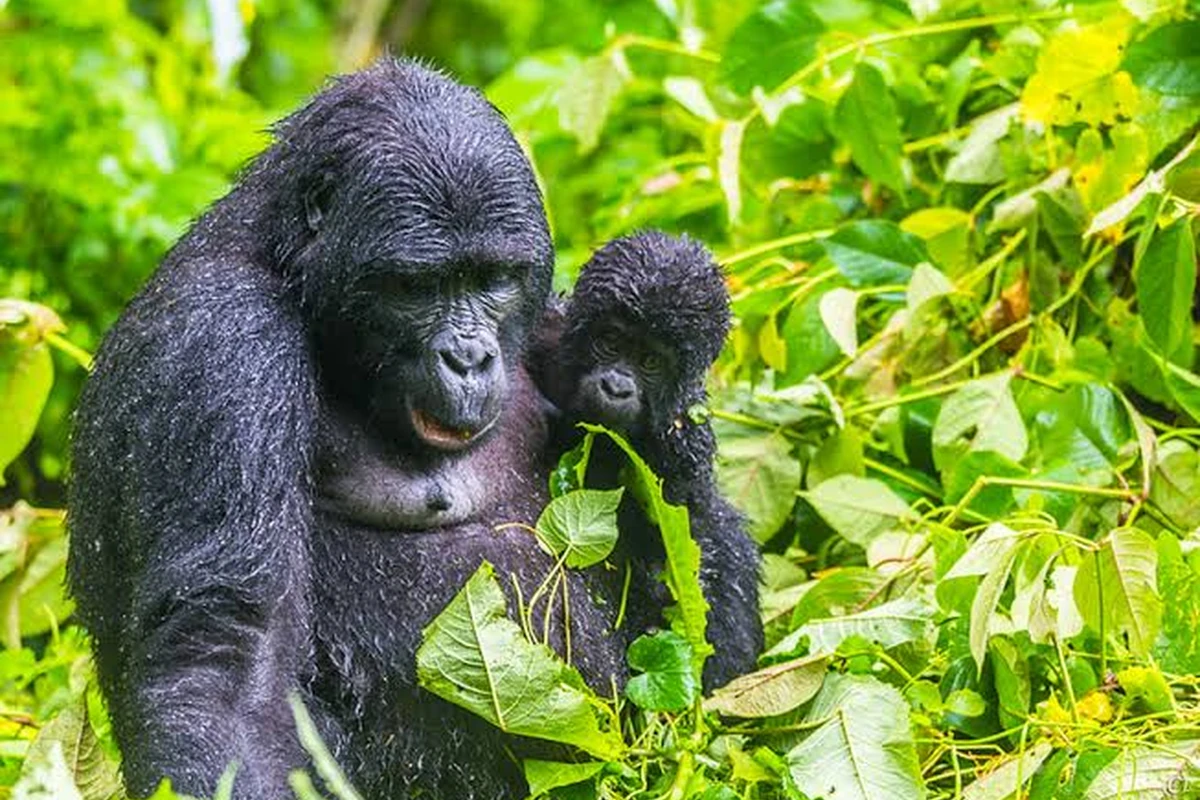
Experience Mountain Gorilla Conservation in Uganda With PrideMark Safaris: Discover the beauty of mountain gorilla families and the importance of protecting their natural forest habitats.
Mountain gorilla conservation in Uganda represents a remarkable connection between wildlife protection, scientific research, community participation, and responsible tourism. Every gorilla trekking experience takes place within a broader conservation system designed to safeguard endangered mountain gorillas and the forests they depend upon.
From the dedication of wildlife rangers to the expertise of veterinary specialists and researchers, protecting mountain gorillas requires continuous cooperation. Local communities, conservation organizations, and responsible travelers also contribute to maintaining the conditions necessary for these extraordinary animals to survive.
Visiting Bwindi Impenetrable National Park or Mgahinga Gorilla National Park provides an opportunity to appreciate this conservation story firsthand. The experience extends beyond observing gorilla families to understanding the ecological importance of mountain forests and the responsibilities associated with visiting endangered wildlife.
At PrideMark Safaris, we encourage travelers to discover Uganda’s remarkable natural heritage through carefully planned wildlife experiences that respect protected-area regulations and the welfare of mountain gorillas.
Whether you are interested in gorilla trekking, forest biodiversity, wildlife photography, or learning about conservation, Uganda offers an extraordinary opportunity to connect with one of Africa’s most important natural environments.
Contact Prid eMark Safaris to inquire about planning your Uganda gorilla trekking safari and discover how responsible wildlife travel can deepen your appreciation of mountain gorilla conservation in Uganda.