The best gloves for gorilla trekking in Uganda are not necessarily the thickest or most expensive. They are gloves that fit well, offer dependable grip, tolerate moisture, and still allow you to handle your belongings. A light gardening glove or a flexible outdoor work glove often makes more sense than a bulky winter glove. What matters is the actual trekking environment and how the material performs when wet.
This PrideMark Safaris guide explains glove materials, fit, wet-weather performance, and packing decisions for Bwindi Impenetrable National Park and Mgahinga Gorilla National Park. It also separates useful personal equipment from official park rules. The aim is straightforward: help you arrive prepared, enjoy the forest, and avoid bringing equipment that makes the trek more awkward rather than easier.
1. Why Gloves Matter on a Gorilla Trek
A forest is not a paved walking path
The route to a gorilla family depends on where the animals have moved and on the conditions of the day. A ranger-led trek may follow established paths and may also involve vegetation, roots, and steeper ground. Even on a relatively short walk, travelers often reach for a walking stick or nearby support to maintain balance. Gloves provide a layer between the hand and those surfaces, although they do not make a difficult route safe by themselves.
Branches and leaves can be wet, rough, or covered with fine debris. Lightweight gloves can make incidental contact less uncomfortable and may reduce minor rubbing when you repeatedly grip a stick. They are not puncture-proof, and visitors should never assume that fabric protects against every thorn, insect, or irritating plant. Following ranger instructions and avoiding unnecessary contact with vegetation remains more important than any accessory.
Comfort and confidence
For many visitors, the greatest advantage is simply that a suitable pair feels reassuring during a long, humid walk. Hands can become sweaty, and bare palms may feel slippery against a smooth walking stick. A textured palm can improve control, provided the glove fits closely enough not to twist. The best gloves for gorilla trekking in Uganda should support natural movement rather than create a false sense of security.
Gloves also have practical limits. A thick padded pair may trap heat and make it difficult to operate a camera or phone. A thin pair may dry quickly but wear out when repeatedly rubbed against rough surfaces. Think of gloves as one part of a balanced kit that includes reliable boots, appropriate socks, long trousers, a rain layer, and sensible pacing.
A useful preparation exercise is to walk for thirty minutes on a safe local path with the same backpack and walking stick you expect to use on safari. Notice when your hands become warm, whether the glove slides at the thumb, and whether you instinctively remove it. This is a better test than squeezing the glove once in a shop. If you develop discomfort, adjust the size or material early. Equipment should help you focus on your surroundings, not constantly remind you that you are wearing it. Gloves also need to work with your other clothing, particularly sleeves and rainwear, so test the complete outfit rather than each item separately.
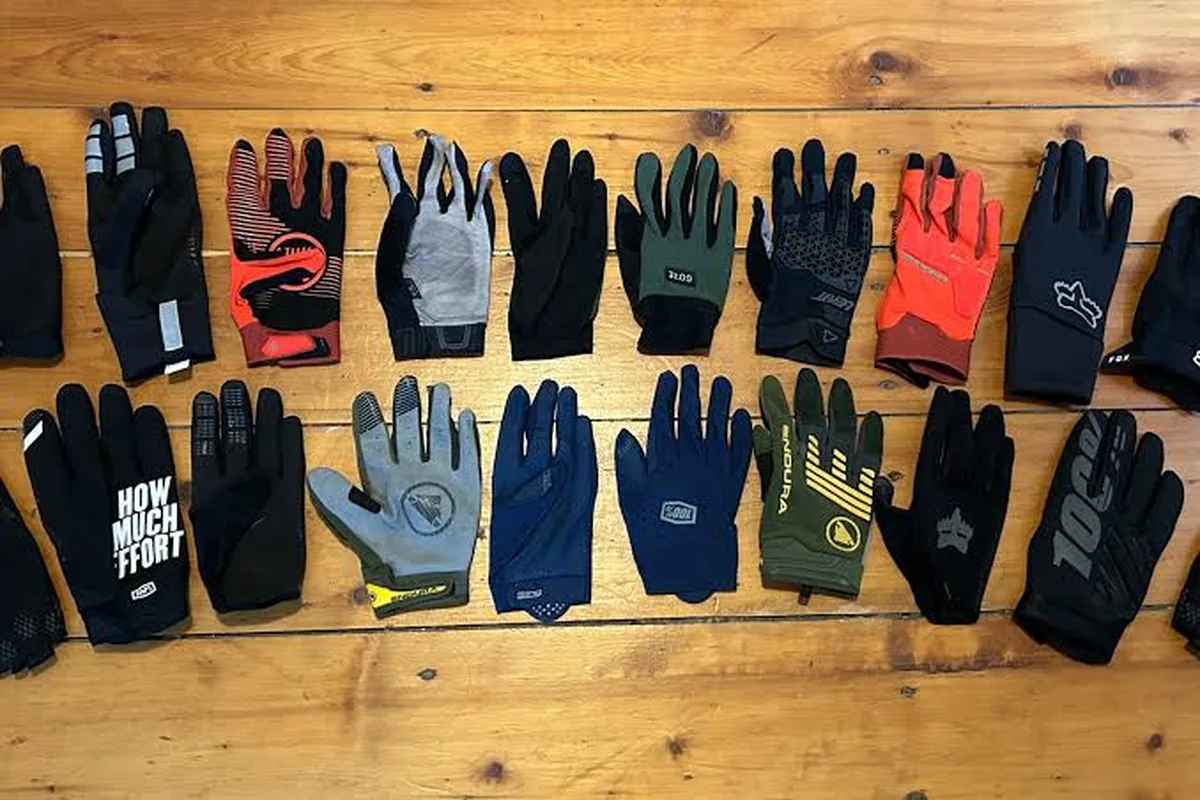
A selection of outdoor gloves featuring different materials, palm grips and designs, helping travelers compare options for gorilla trekking preparation.
2. Comparing the Main Types of Trekking Gloves
Gardening gloves and flexible work gloves
Simple gardening gloves are popular for forest walks because many are inexpensive, easy to find, and designed for contact with plants and soil. Choose a flexible model with a reasonably secure palm and enough finger movement to grasp a walking stick. Avoid very stiff, oversized gloves designed for heavy construction work. They may be durable but uncomfortable when you need to adjust straps or open a daypack.
A lightweight work glove with a grippy synthetic palm is another option. Some have breathable fabric backs that reduce heat buildup. Before buying, check whether the coating becomes slick when damp and whether seams rub at the thumb. The best gloves for gorilla trekking in Uganda should feel usable during ordinary movements, not just impressive on a shop display.
Hiking, cycling, and winter gloves
Outdoor hiking gloves can offer a more tailored fit, though some models are designed mainly for cold weather rather than humid forest use. Cycling gloves may provide palm grip but fingerless designs leave fingertips exposed to vegetation. Insulated winter gloves generally offer more warmth than most visitors need while moving in a tropical mountain forest, and bulky versions can interfere with equipment handling.
Water-resistant gloves may be useful in persistent rain, but a waterproof membrane can reduce breathability. Some coated gloves are better at resisting damp vegetation than at managing perspiration. No single category is automatically superior. Compare material, grip, dexterity, drying time, and comfort, and choose the pair you can wear for several hours without repeatedly removing it.
Price alone is a poor guide to suitability. A premium outdoor glove may include features designed for cold alpine climbing that offer little advantage on a humid forest walk. Conversely, a very cheap pair may have weak seams or slippery palms. Inspect stitching and reinforcement where the thumb meets the palm, and consider whether you can wash and dry the glove easily during travel. If shopping online, review the manufacturer’s sizing chart and return policy before ordering. Try not to buy an unfamiliar design just before departure; leave enough time to exchange it if the fingers, palm, or cuff do not fit correctly.
| Glove type | Main benefit | Consideration |
|---|---|---|
| Flexible gardening gloves | Affordable, practical palm coverage | Check wet grip and drying time |
| Synthetic work gloves | Textured grip and flexibility | Avoid stiff or oversized designs |
| Light hiking gloves | Comfortable, outdoor-oriented fit | Some styles prioritize warmth |
| Waterproof gloves | Can resist external rain | May trap perspiration |
| Fingerless gloves | Easy handling of small items | Fingertips remain exposed |
3. Choosing Materials for Wet Forest Conditions
Grip, moisture, and drying time
A synthetic knit with a textured nitrile or polyurethane palm can combine flexibility with practical grip. However, different coatings perform differently on wet wood and trekking poles, so test the actual pair with your equipment. Woven cotton can feel comfortable when dry but may remain damp after rain or heavy sweating. Leather offers abrasion resistance but can become heavy or slow to dry if soaked.
If you are comparing the best gloves for gorilla trekking in Uganda, consider what happens after the first hour of drizzle rather than how the gloves feel in an air-conditioned shop. Materials that dry overnight can be easier to manage on a multi-day itinerary. Pack a small breathable bag for damp gear and avoid sealing wet gloves inside luggage for extended periods.
Waterproof does not mean comfortable all day
A waterproof glove can keep external moisture out under certain conditions, yet it may also retain sweat. In warm, humid conditions, internal dampness can feel much like rainwater. A lightweight water-resistant pair often provides a more comfortable compromise, especially if you carry a dry spare. Check the product’s actual construction instead of assuming every dark-colored or coated glove is waterproof.
Consider the cuff as well as the palm. A loose cuff can allow debris to enter, while an excessively tight elastic band may feel irritating after several hours. Try gloves while wearing your rain jacket to see whether sleeves and cuffs overlap comfortably. Clothing should work together without restricting movement or creating awkward bunching around the wrist.
When evaluating fabric, imagine three common situations: a dry early-morning start, a warm climb, and a sudden shower. The glove should remain manageable in each. A breathable back panel may help during exertion, but the palm must still be durable enough for repeated contact with a walking stick. Some synthetic coatings become less flexible after heavy use or inappropriate washing, so check the care label. If a glove dries slowly, plan to bring a second pair rather than forcing yourself to wear a damp one the following morning. Drying gloves away from direct intense heat can also help preserve some materials.
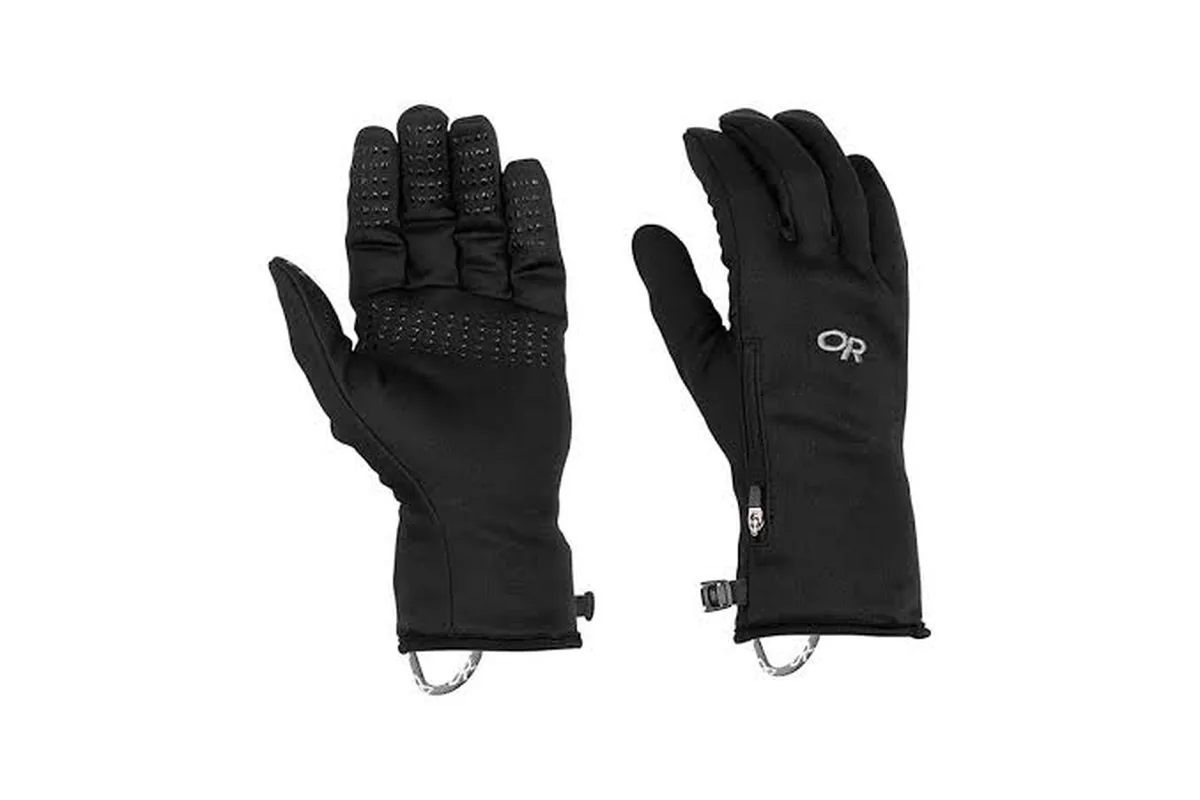
Black full-finger outdoor gloves with textured grip surfaces and extended cuffs, illustrating features to consider when choosing hand protection for gorilla trekking.
4. Finding the Right Fit and Finger Movement
A simple fitting routine
Put both gloves on and make a fist, open your hands, then grip a trekking pole or broom handle. The fingers should bend naturally without pulling tight across the knuckles. Excess material at the fingertips can make the glove snag or twist. Conversely, a glove that is too small can strain seams and reduce circulation. Use manufacturer sizing guidance as a starting point, not a substitute for trying the pair.
Pay particular attention to the thumb webbing and the seam across the palm. These areas are under pressure when you hold a walking stick for long periods. If a seam feels rough during a ten-minute test, it is unlikely to improve during a demanding trek. The best gloves for gorilla trekking in Uganda should be comfortable before you arrive, rather than needing to be broken in on the trail.
Dexterity matters for travel
You may need to open a bottle, adjust a backpack strap, or reach for a rain cover during the walk. Try these tasks while wearing the gloves. Touchscreen-compatible fingertips can be convenient, but performance varies and wet screens may still be difficult to operate. It is usually better to remove a glove briefly for a photograph than to choose a poorly fitting pair solely for a touchscreen feature.
Carry gloves where you can reach them without unpacking the entire daypack. A small exterior pocket or an accessible pouch is useful, provided the gloves cannot fall out. If you are bringing a camera, practice the movements you expect to make. Being comfortable with your gear helps you pay attention to the forest and your guide’s instructions.
Sizing is especially important when buying gloves for more than one traveler. Two people with similar shoe sizes may have very different palm widths and finger lengths, so do not assume a shared glove size will work. If a manufacturer provides a palm-circumference measurement, measure around the widest part of the palm according to its instructions. The correct fit should allow natural hand movement without pressure at the fingertips. Try fastening your jacket, holding a water bottle, and adjusting a walking pole. These everyday movements reveal more than a size label, and they help prevent unnecessary stops to fix uncomfortable equipment.
| Feature | What to check | Why it matters |
|---|---|---|
| Palm grip | Texture when damp | Helps control a walking stick |
| Finger fit | Full movement without excess fabric | Reduces rubbing and awkward handling |
| Fabric | Breathability and drying time | Improves comfort in humid conditions |
| Cuff | Comfortable fit with sleeves | Reduces bunching and debris entry |
| Seams | Smooth stitching at thumb and palm | Prevents pressure points |
5. Gloves for Bwindi and Mgahinga
Bwindi: damp vegetation and variable slopes
Bwindi is known for its dense montane and lowland forest habitats, with terrain that can feel very different from one trekking sector to another. A morning may begin with cool air and damp leaves before becoming warmer as you walk. Gloves that tolerate moisture, maintain grip, and avoid overheating are a practical choice. They should complement sturdy boots and long clothing rather than replace them.
The best gloves for gorilla trekking in Uganda need to suit the individual visitor as much as the destination. Someone who relies heavily on a walking stick may prioritize palm grip, while another traveler may value lightweight fabric and quick drying. Discuss mobility concerns with your safari operator before the trip so the overall trekking arrangements can be considered appropriately.
Mgahinga: mountain conditions and changing weather
Mgahinga’s volcanic landscape and higher-altitude environment can feel cool, particularly when cloud, wind, or rain arrives. A glove with slightly more coverage may be pleasant during a chilly start, but excessive insulation can become uncomfortable once you are climbing. Layering and carrying a spare are often more flexible than relying on one heavy pair for every possible condition.
Neither park guarantees a particular trekking duration or weather pattern. Gorilla movements, visitor fitness, trail conditions, and ranger decisions all affect the experience. Choose equipment for flexibility rather than a single imagined scenario. Always follow the briefing and keep your hands free when a ranger asks you to stop, move, or maintain distance from wildlife.
Travelers should also consider the wider day’s conditions, not only the moment of meeting the gorillas. The approach walk may be warm, the forest floor damp, and a rest stop cooler once movement slows. A glove that can be removed and packed quickly is useful during those transitions. Keep essential items accessible so you do not need to empty your bag when rain begins. If you have limited hand strength or use a mobility aid, prioritize a glove that allows a confident, relaxed grip and discuss your individual needs with the safari team well ahead of travel. Park staff determine the practical trekking arrangements on the day.
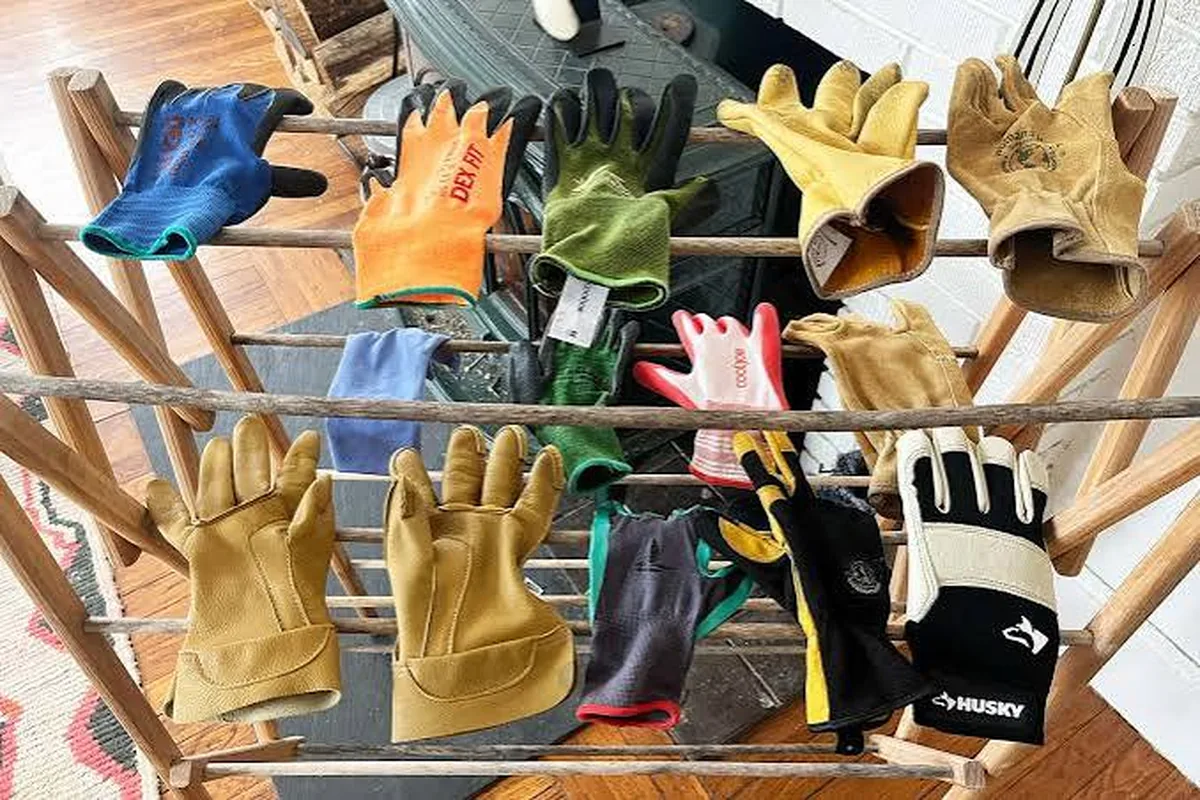
A selection of leather, fabric and coated work gloves, illustrating different materials and hand-protection options to consider when preparing for gorilla trekking.
6. How to Wear and Use Gloves Correctly
Before leaving the lodge
Check for torn seams, loose coatings, or holes around the fingertips. Place the gloves in an accessible pocket if you do not need them immediately. If the morning is wet, keep the spare pair inside a waterproof liner or resealable bag. Wear the gloves for a few minutes before the trek to confirm that cuffs and jacket sleeves sit comfortably together.
Test the fit with your actual walking stick. Your grip should feel secure without having to squeeze harder than normal. If the glove slides around your hand, choose a smaller or better-shaped pair. The best gloves for gorilla trekking in Uganda are useful only when they support a steady, relaxed grip and do not interfere with balance.
During the trek and at the gorilla encounter
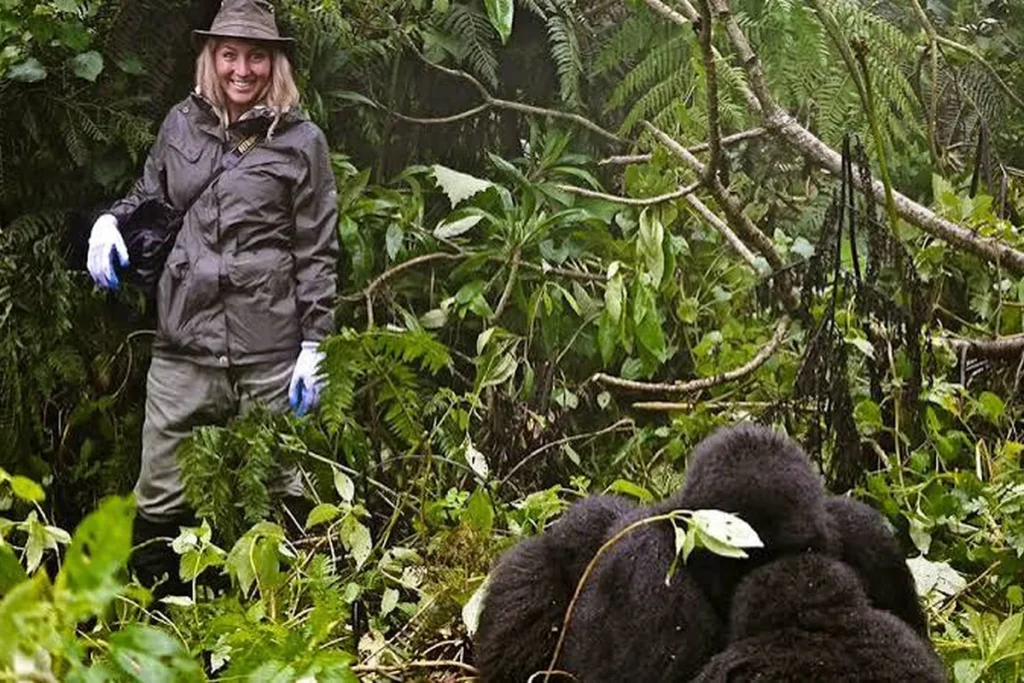
Use your hands carefully on uneven terrain and avoid grabbing unknown plants or branches unnecessarily. Gloves do not make it safe to touch wildlife, and visitors must observe ranger directions and the required distance rules. When the group reaches the gorillas, keep movements controlled and avoid unnecessary rustling with bags or clothing. Photography should never take priority over safety instructions.
If gloves become soaked, uncomfortable, or dirty, wait for a suitable stopping point before changing them. Do not leave used gloves or packaging in the forest. After the trek, rinse or clean them according to their care label and allow them to dry fully. Simple maintenance helps the same pair remain useful for the rest of a Uganda safari.
A small routine can make equipment management easier. The evening before trekking, lay out your boots, socks, trousers, rain layer, gloves, and daypack. Check that no glove is still damp from washing and that each pair is easy to identify. In the morning, place a spare where it stays dry and confirm that you can retrieve it without assistance. After the briefing, use your gloves when they help and remove them only at appropriate moments. Avoid adjusting clothing while crossing slippery ground. Small habits such as stopping securely before reaching into a bag can matter more than any special fabric technology.
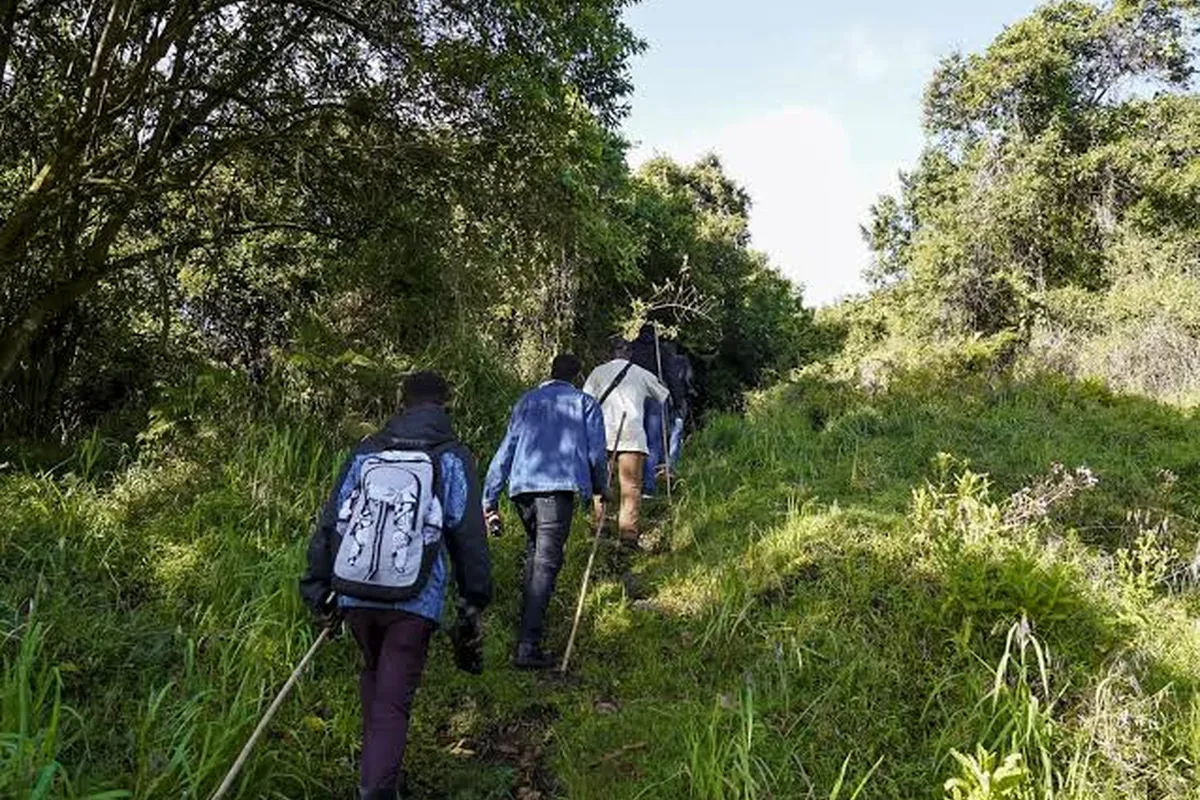
Hikers follow a narrow forest trail surrounded by tall grass and dense vegetation, illustrating the terrain visitors may encounter during gorilla trekking.
7. Gloves Compared with Other Protective Gear
What gloves can and cannot replace
Gloves protect the hands in a limited, practical way; they cannot substitute for suitable boots, gaiters, long trousers, or a waterproof jacket. Each item addresses a different part of the experience. Boots support footing, gaiters reduce debris entering footwear, and gloves help with hand comfort and grip. A carefully chosen combination is usually better than buying the most expensive version of any single item.
Visitors sometimes ask whether gloves are mandatory for gorilla trekking. Equipment suggestions from tour operators are not automatically official park requirements. Check current guidance from the Uganda Wildlife Authority and follow the ranger briefing on the day. The best gloves for gorilla trekking in Uganda should be treated as sensible preparation, not as permission to disregard the environment or official instructions.
Packing efficiently
One well-tested pair plus a compact spare is usually more useful than several unfamiliar pairs. Keep gloves lightweight and avoid taking bulky accessories that consume daypack space. If you are traveling through multiple Ugandan destinations, store wet items separately from clean clothes until they dry. Remember that forest trekking is only one part of a safari itinerary, so your packing list should remain practical for transfers and lodge stays.
You can build a simple clothing system around your hands and feet: well-fitting boots, moisture-managing socks, long trousers, a rain layer, and gloves that can handle a damp walking stick. Before departure, wear everything together on a local walk. Small compatibility problems are much easier to solve at home than on a remote forest trail.
Consider the full packing list as a system rather than a shopping competition. A traveler with reliable footwear and a sensible rain layer may need only modest hand protection, while someone who grips a walking stick firmly may prefer a more textured palm. There is no need to buy every accessory described in a packing guide. Prioritize essentials, test them together, and leave space for drinking water, snacks where permitted, and other items recommended for your trek. Carrying too much can make steep walking tiring. Your guide’s instructions and the actual trail conditions should always determine how you move through the forest.
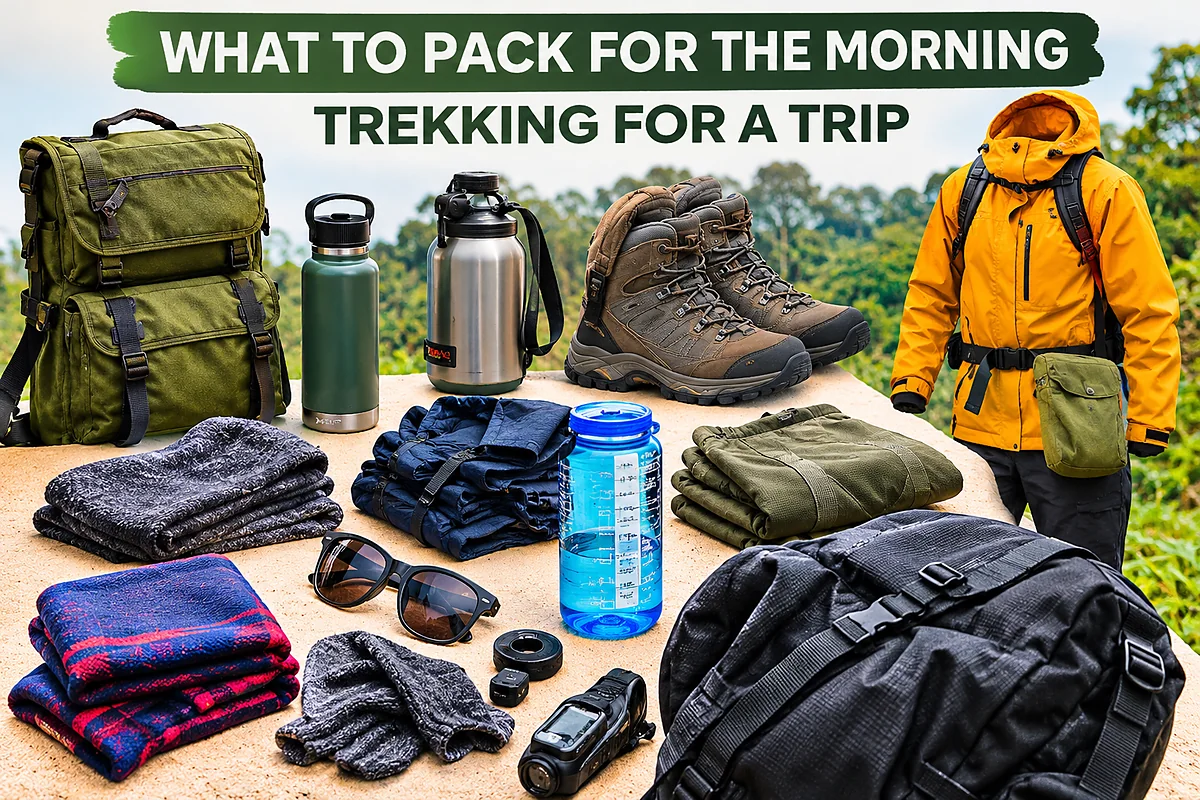
Essential gorilla trekking equipment, including hiking boots, a waterproof jacket, backpack, drinking water and protective clothing for a comfortable forest trek.
8. Nine Essential Tips for Selecting Trekking Gloves
Tips 1–3: Fit, grip, and comfort
First, choose the right size by checking finger length, palm width, and freedom of movement. Second, test the palm grip on a walking stick or trekking pole, ideally when the surface is slightly damp. Third, wear the gloves for a practice walk long enough to reveal rubbing, heat buildup, or awkward seams. A good fit is more valuable than a fashionable label.
These first three checks help narrow the field quickly. If a pair feels tight, slippery, or irritating during ordinary movement, it is not a strong candidate for a humid forest hike. The best gloves for gorilla trekking in Uganda should pass all three tests before you worry about specialized features or marketing claims.
Tips 4–6: Fabric, weather, and coverage
Fourth, favor a material that balances abrasion resistance with breathability. Fifth, think about drying time and how you will handle rain or perspiration. Sixth, choose finger and wrist coverage that suits the vegetation and your comfort level. Full-finger gloves provide more coverage than fingerless styles, but a poor fit can cancel out the benefit.
Remember that no ordinary trekking glove is guaranteed thorn-proof or bite-proof. A waterproof label also does not tell you whether the glove will feel comfortable during sustained exertion. Compare actual materials, stitching, cuff design, and the manufacturer’s care instructions. If possible, handle the gloves before purchasing rather than relying only on online product photographs.
Tips 7–9: Practice, spare pair, and realistic expectations
Seventh, practice opening your daypack, adjusting straps, and holding your camera while wearing the gloves. Eighth, pack a light spare in a dry pouch so a wet pair does not leave you uncomfortable for the rest of the day. Ninth, remember that gloves are only an accessory: careful footing, appropriate fitness preparation, and following ranger directions matter far more.
The nine tips are deliberately simple because effective trekking equipment should reduce distractions. A pair that is easy to wear, easy to dry, and comfortable to grip can serve you better than complicated specialist gear. Select the best gloves for gorilla trekking in Uganda according to how you actually walk and what your hands need on the trail.
Before finalizing a purchase, compare two or three pairs using the same practical tests. Put them on in turn, grip the same pole, flex your fingers, and perform a simple task such as opening a zip. Note which pair feels least distracting. If you expect rain, test whether the material remains easy to grip when lightly damp, without assuming a home test reproduces every forest condition. Also inspect how the glove is secured at the wrist and whether it is easy to remove. Keeping your selection process consistent helps you make a reasoned choice instead of relying on appearance, brand recognition, or marketing descriptions.
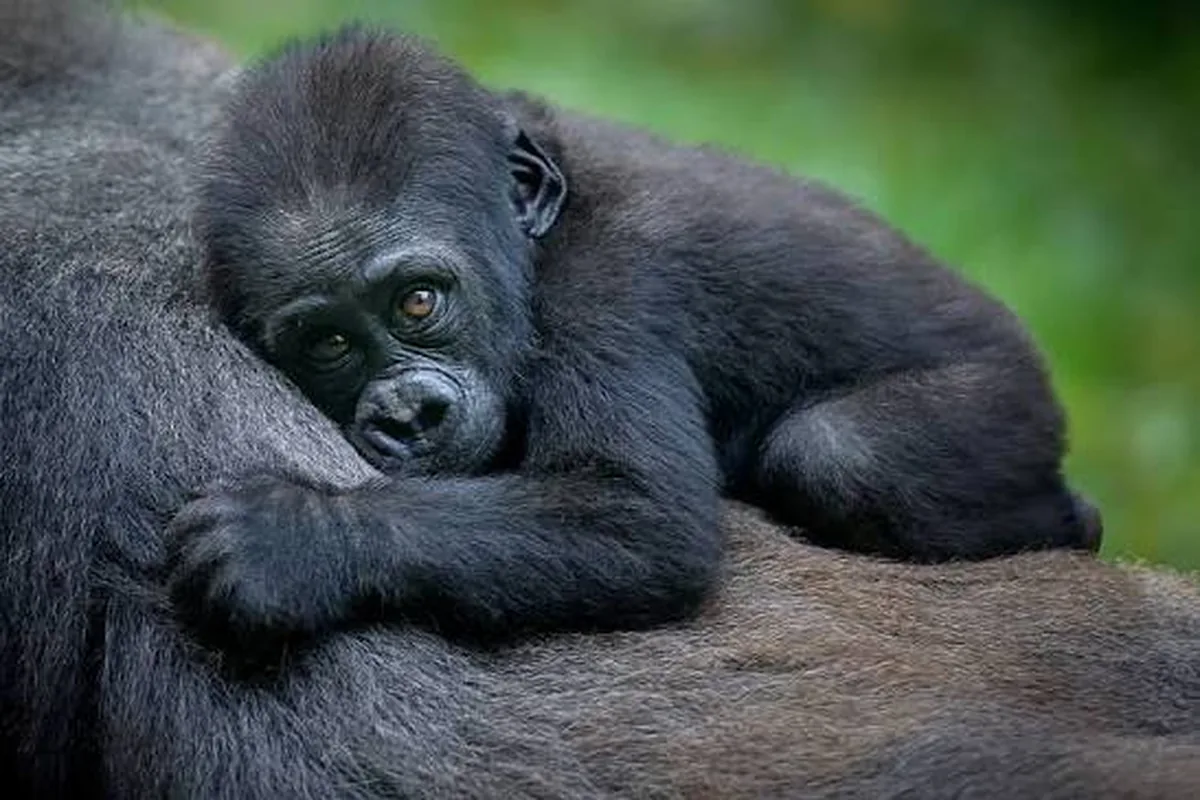
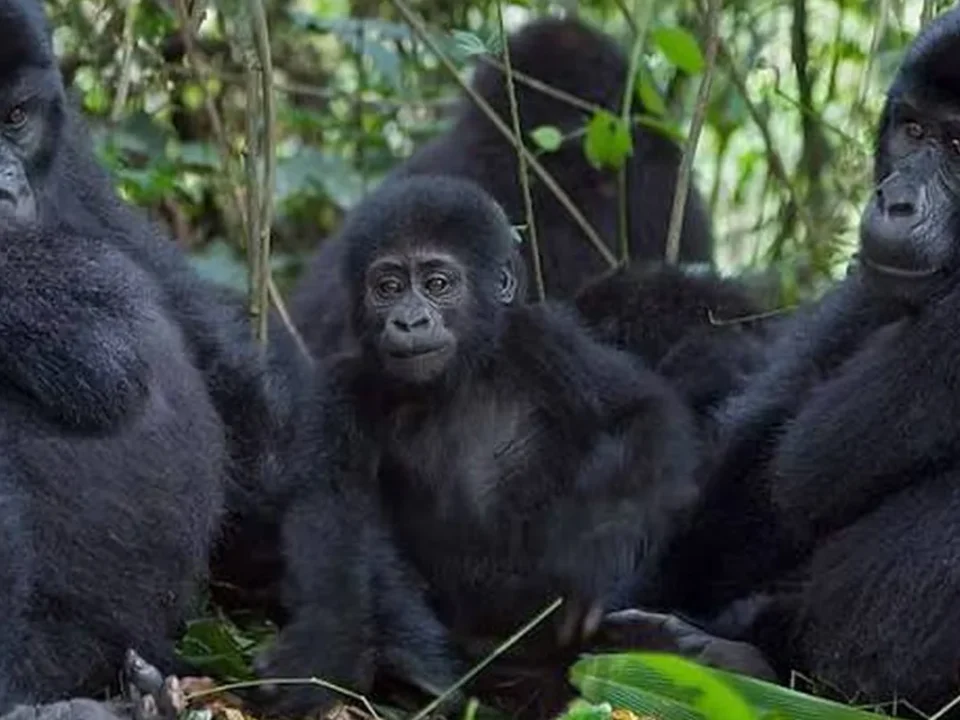
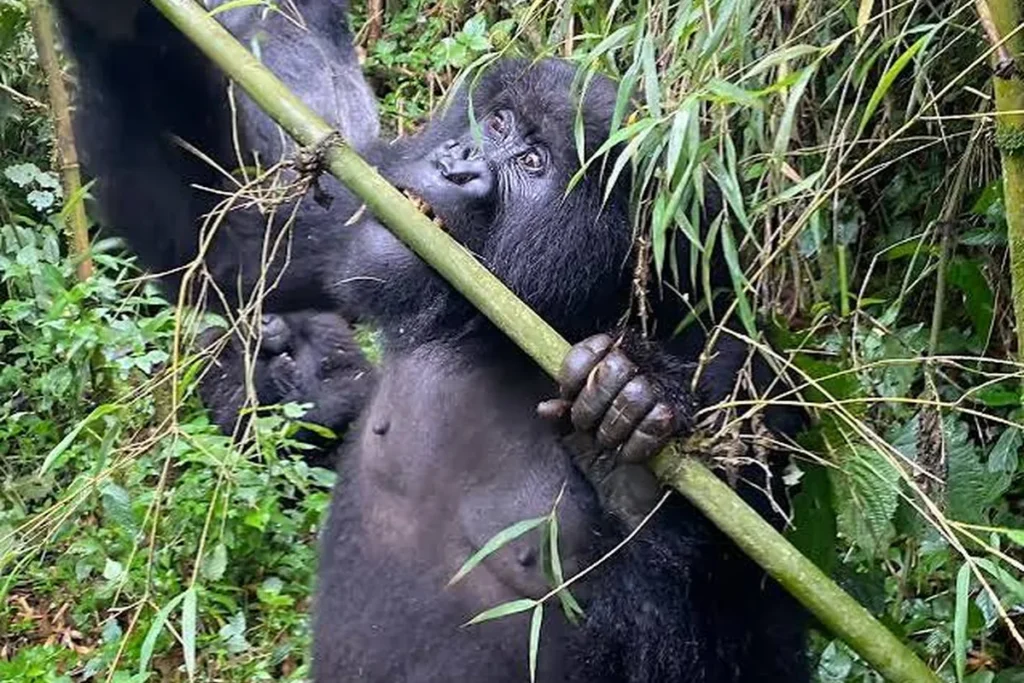
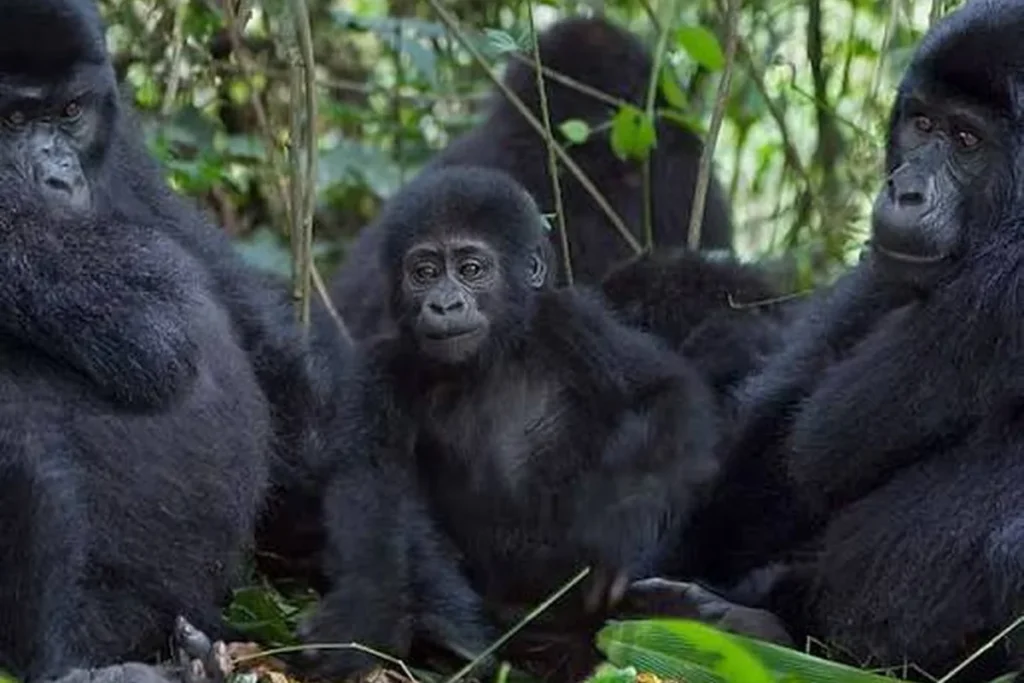
A young mountain gorilla rests against an adult, capturing a peaceful moment in the lives of these remarkable primates.
9. Common Mistakes and Final Recommendations
Mistakes worth avoiding
Buying gloves on the morning of the trek leaves no time to discover poor sizing or uncomfortable seams. Choosing thick winter gloves purely because the forest is mountainous can create unnecessary heat. Relying on smooth cotton gloves in persistent rain may also be disappointing. Other common mistakes include packing no spare, forgetting to dry gloves after use, and assuming gloves remove the need to watch where you place your hands.
Avoid overcomplicating the purchase. Look for a flexible, durable pair with dependable grip, sufficient finger coverage, and a comfortable cuff. The best gloves for gorilla trekking in Uganda will often be a straightforward outdoor or gardening glove that has already passed a real-world practice test. Ask your safari planner about the wider packing list, especially if your itinerary includes other activities or different climates.
Plan the experience with PrideMark Safaris
PrideMark Safaris helps travelers organize personalized gorilla trekking journeys in Uganda, including itinerary planning, transport, accommodation coordination, and permit arrangements subject to availability and applicable rules. Practical preparation is part of a good safari experience. We can help you think through the route, travel timing, and essential items to bring, while official park staff provide the final on-the-ground trekking briefing.
Whether you are planning your first trek or returning to see mountain gorillas again, choosing suitable equipment makes the day easier to enjoy. Start with boots and clothing that fit, add a practical pair of gloves, and leave room for changing weather. For help planning a Uganda gorilla safari, contact PrideMark Safaris through our website and share your preferred travel dates and interests.
The final decision should be based on comfort and realistic expectations. Gloves are not a substitute for fitness preparation, careful foot placement, or listening to park rangers. If you are unsure about a particular item, choose the simpler option you have already tested rather than an unfamiliar specialty product. After your trip, clean and dry the gloves before storage so they are ready for another hike. PrideMark Safaris can help you plan the travel side of the experience, but the best equipment decisions come from combining trustworthy guidance with your own fit and comfort checks. A little preparation makes it easier to enjoy the forest itself.
| Common mistake | Better approach | Practical benefit |
|---|---|---|
| Buying untested gloves | Practice walking and gripping a pole | Reveals poor fit before travel |
| Choosing bulky winter gloves | Select flexible, breathable coverage | Avoids unnecessary heat and bulk |
| Ignoring damp fabric | Carry a clean, dry spare | Maintains comfort after rain |
| Assuming gloves prevent bites | Follow ranger guidance and avoid contact | Keeps expectations realistic |
| Packing only for photographs | Test real trekking tasks | Improves practical usability |
Travelers who are purchasing gloves for children or older family members should pay extra attention to individual sizing and ease of removal. A glove that is secure on one person may be restrictive on another, and hand comfort can change after repeated gripping. Test the glove during an ordinary walk and check for pressure marks when it comes off. If someone uses a walking aid, ask the relevant professional for advice on appropriate grip and equipment rather than assuming a generic hiking glove will solve a mobility concern. It is also worth labeling pairs when several people are packing similar dark-colored accessories. These small steps reduce confusion on an early departure morning.
If you are combining gorilla trekking with wildlife drives, cultural visits, or other hikes, think about how your gloves will travel between activities. Keep clean gear away from muddy boots, and allow damp fabrics to air-dry whenever accommodation arrangements permit. A compact mesh pouch can help organize dry gloves, while a separate waterproof liner can temporarily contain a wet pair. Check local conditions again shortly before departure, because rain and temperature can change. Most importantly, pack with flexibility in mind: a comfortable glove, a dry spare, and a willingness to follow your ranger’s instructions are a more dependable combination than any promise of perfect protection.
Always keep the final decision practical, and select gloves that you can wear comfortably throughout your planned journey.
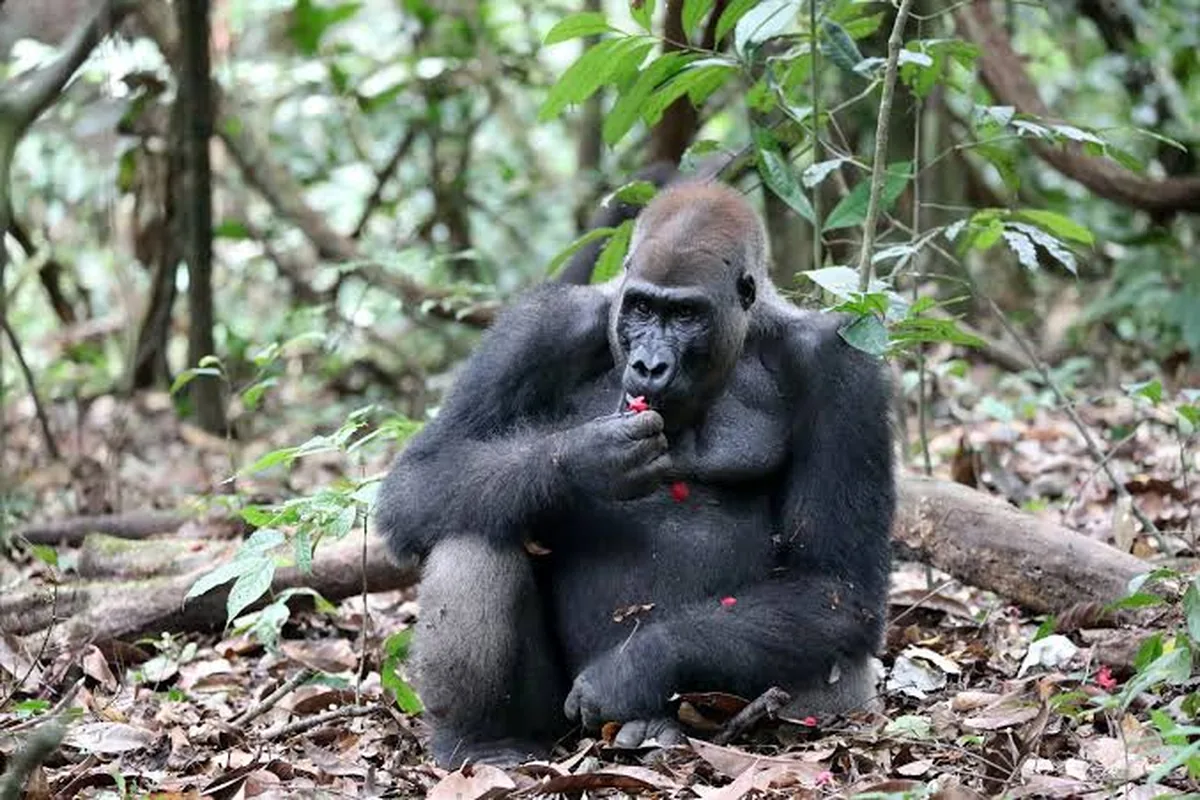
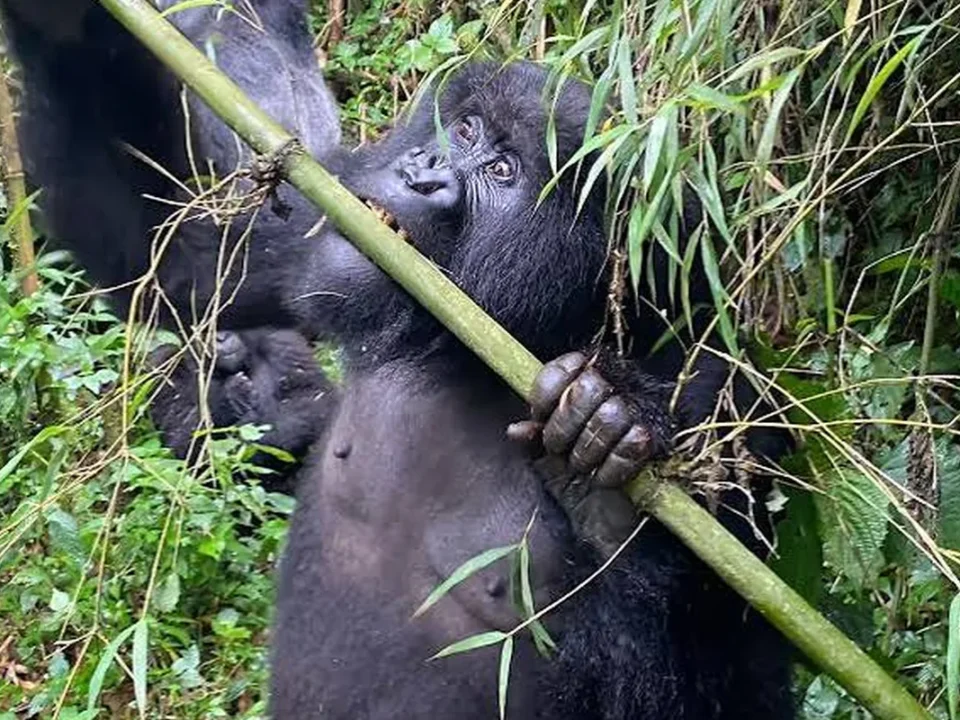
A gorilla sits among fallen leaves and forest vegetation while feeding, illustrating the remarkable wildlife encounters that make gorilla trekking memorable.
Frequently Asked Questions About Gorilla Trekking Gloves
Do I really need gloves for gorilla trekking?
Gloves are a sensible accessory because trails may involve damp vegetation, walking sticks, and uneven ground. They can reduce minor rubbing and improve comfort when gripping a pole. They should not be treated as guaranteed protection from thorns, insects, or injury. Check current park advice and follow your ranger’s briefing. A flexible pair that you have already tested is more valuable than a bulky pair purchased at the last minute.
Are gardening gloves suitable for gorilla trekking?
Many lightweight gardening gloves work well, particularly those with flexible fingers and a textured palm. Check the seams, cuff, and grip before departure. Avoid very stiff or oversized gardening gloves, which may make it difficult to hold equipment securely. If the fabric absorbs water, bring a dry spare. Try the gloves with the walking stick and daypack you plan to use.
Should gorilla trekking gloves be waterproof?
Waterproofing is not always necessary. Waterproof gloves can block external moisture but may trap perspiration in humid conditions. Water-resistant or quick-drying gloves may feel more comfortable for active walking. Consider how easily the material dries, how it grips when damp, and whether you can carry a second pair. Comfort and functionality matter more than a waterproof label alone.
What is the best material for trekking gloves?
A flexible synthetic glove with a textured palm is often a practical starting point because it can offer grip without excessive bulk. Cotton may remain wet for longer, while leather can be durable but slow to dry. Material quality varies across products, so inspect the actual glove rather than judging by category. The best gloves for gorilla trekking in Uganda balance comfort, coverage, and dependable handling.
Are fingerless gloves good for gorilla trekking?
Fingerless gloves make it easier to use small controls, but they leave the fingertips uncovered. For trekking through vegetation, full-finger coverage is generally a more versatile choice. That said, a full-finger glove that is too tight or slippery can be worse than a well-fitting alternative. Prioritize fit and practical grip, and remove a glove briefly when you need finer camera control.
Can gloves protect me from safari ants?
Ordinary hiking gloves should never be considered reliable protection from ant bites. Coverage varies, insects may enter openings, and fabric can be penetrated or displaced. Avoid disturbing insects and follow ranger instructions about where to walk or stop. Suitable trousers, socks, and footwear also form part of practical preparation, but none provides a guarantee against bites or other forest hazards.
Do I need different gloves for Bwindi and Mgahinga?
One flexible pair may be suitable for both parks, although conditions can differ by altitude, rainfall, trail, and season. Bwindi can be humid and densely vegetated; Mgahinga can feel cooler in its volcanic mountain setting. If you are particularly sensitive to cold, consider a light spare that offers a little more warmth. Test all options before travel rather than relying on the destination name alone.
How many pairs of gloves should I pack?
One tested primary pair and one lightweight spare is a practical approach for many travelers. The spare is useful if the first pair becomes wet or dirty. Keep it in a dry bag or protected pocket. On longer itineraries, plan where you can wash and dry gear. You do not need a large collection of gloves if the pairs you bring fit properly and suit the expected conditions.
Can I use my phone while wearing trekking gloves?
Some gloves have touchscreen-compatible fingertips, but performance varies, particularly with rain or moisture on the screen. Test your phone before the trip. If you cannot operate it reliably, remove one glove at an appropriate stopping point rather than compromising fit for a touchscreen feature. During gorilla viewing, always prioritize ranger instructions and controlled movements over taking photographs.
How should gloves fit around the wrist?
The cuff should feel secure without digging into the skin or limiting wrist movement. Check the fit while wearing your long-sleeved shirt or rain jacket. Loose cuffs may allow small debris to enter, while very tight cuffs can become uncomfortable after hours of walking. Flex your wrist, grip a pole, and adjust your daypack straps to confirm that the glove does not ride up or bunch.
How do I clean gloves after a muddy trek?
Follow the manufacturer’s care label. For many washable synthetic gloves, removing loose mud, rinsing gently, and air-drying thoroughly is appropriate. Avoid storing wet gloves in a sealed bag for long periods, because they may develop odor or deteriorate. Check palm coatings and seams before your next outing. If gloves are damaged, replace them rather than depending on compromised grip or coverage.
Where can I get help preparing for a Uganda gorilla safari?
PrideMark Safaris can help plan your Uganda itinerary, coordinate accommodation and transport, and discuss general packing considerations. Permit arrangements depend on current availability and Uganda Wildlife Authority procedures. Contact the team with your intended dates, group size, and preferred comfort level. You can then prepare suitable gloves, footwear, rainwear, and a manageable daypack well before departure.
Prepare for Your Gorilla Trek with PrideMark Safaris
Planning your equipment is easier when it is part of a thoughtful itinerary. Explore our PrideMark Safaris website for Uganda and Rwanda safari ideas, and contact PrideMark Safaris to discuss a tailor-made gorilla trekking journey. For official park information and current procedures, consult the Uganda Wildlife Authority.