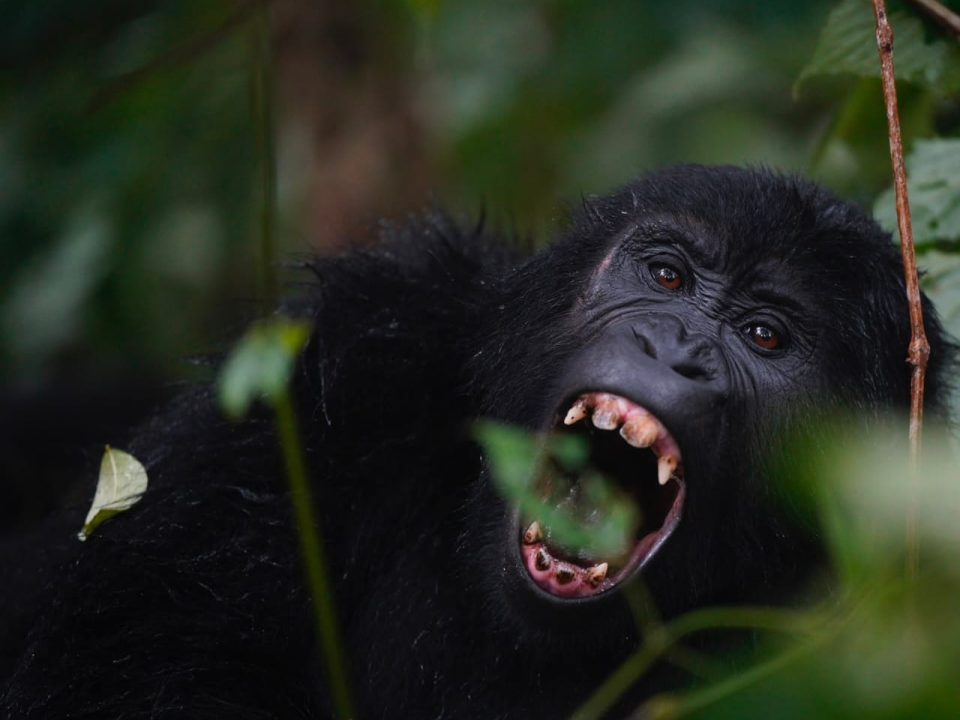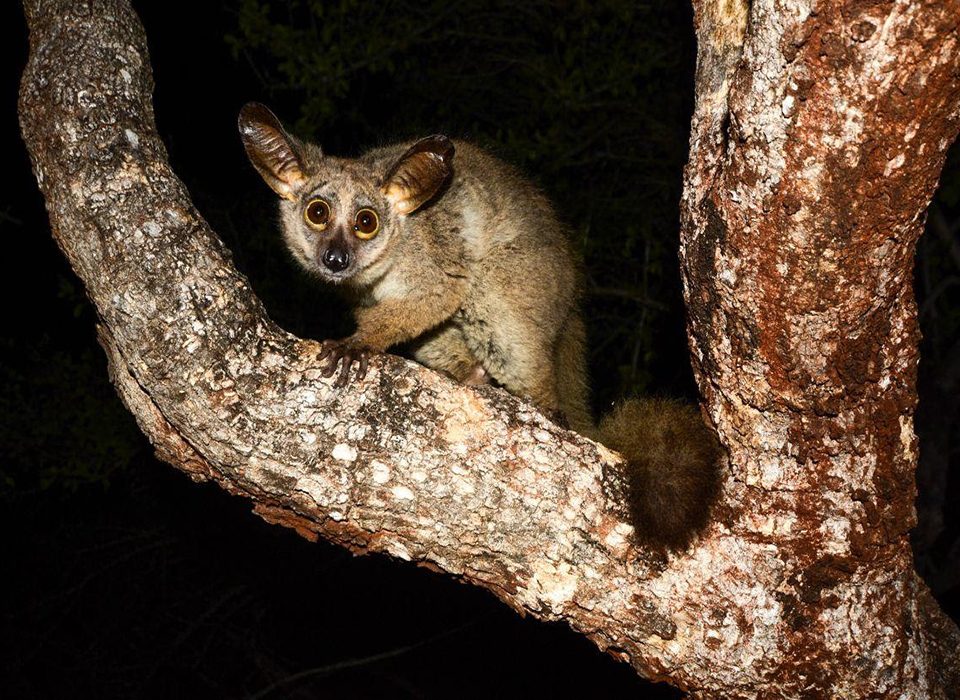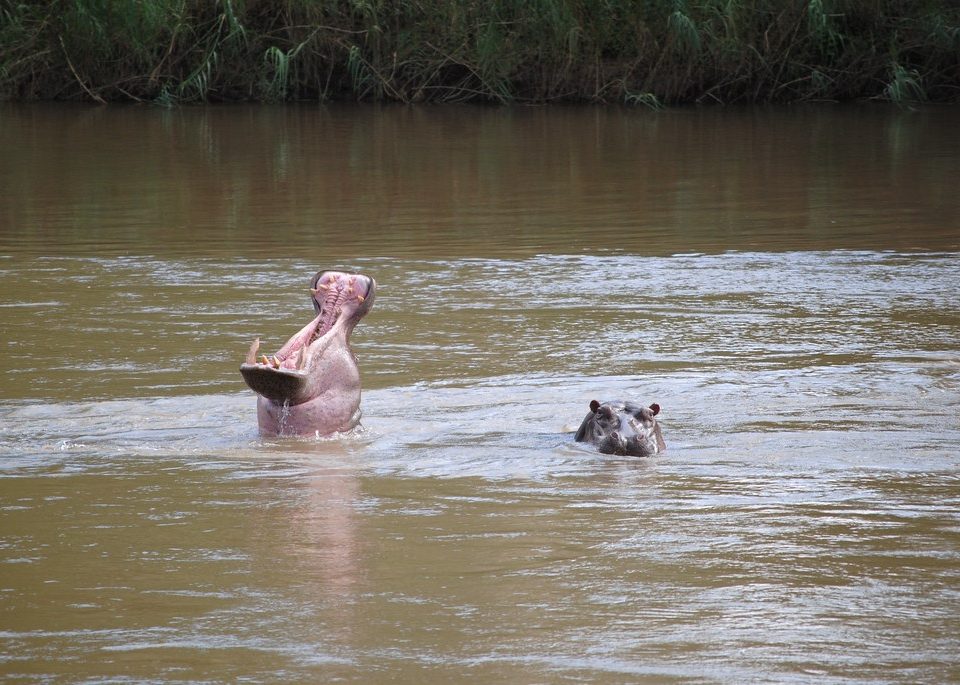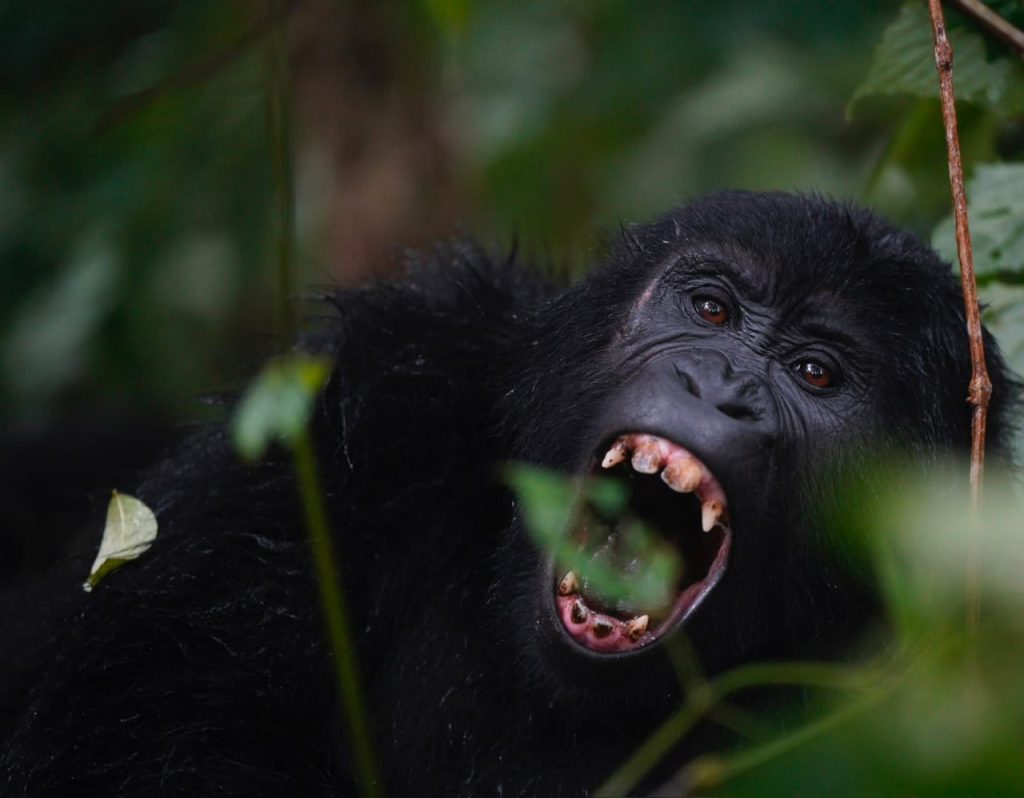
 When is the best time to visit Uganda? The answer depends on what you want your Uganda safari to feel like. If your dream is to watch elephants and giraffes moving across open savannah, track chimpanzees through a green forest, spend an unforgettable hour with mountain gorillas, hike through misty mountains, search for a shoebill in a papyrus wetland, or combine all of these experiences in one journey, the ideal month can be different.
Uganda is not a destination where one month automatically wins for every traveler. Its landscapes stretch from warm savannahs and wetlands to cool high-altitude forests, and the country’s rainfall patterns vary considerably from one region to another. That is why understanding the best time to visit Uganda is less about finding one perfect date and more about matching the season to the experiences you care about most.
Uganda has two broad dry periods in much of the country, generally around December to February and June to August, while March to May and September to November are commonly associated with wetter conditions. However, these patterns are not identical everywhere. Mountain forests such as Bwindi and Mgahinga can remain wet even during traditionally drier months, while northern destinations such as Kidepo have a markedly different seasonal rhythm. This is one of the reasons a good Uganda safari itinerary should be planned around destinations rather than simply around a calendar.
This complete month-by-month guide explains what each month can mean for wildlife viewing, gorilla trekking, chimpanzee tracking, bird watching, hiking, landscapes, road conditions and overall safari atmosphere. Whether you are planning a luxury Uganda safari, a family adventure, a photography trip, a gorilla-focused journey or a classic wildlife circuit, you will find practical information here to help you choose your travel window with confidence.
Quick answer: For travelers who want a classic combination of savannah wildlife, comfortable road conditions and primate experiences, the main dry periods of June to August and December to February are often attractive. For lush scenery, birding, fewer travelers and potentially greener landscapes, the wetter months can also be rewarding. Chimpanzee tracking deserves special attention because Uganda Wildlife Authority notes that chimpanzees may be easier to locate during rainy periods when food availability keeps them closer to certain forest areas.
Quick Facts: Best Time to Visit Uganda
| Travel Question | What You Should Know |
|---|---|
| Best overall safari periods | June–August and December–February are the main dry periods in much of Uganda. |
| Wettest periods in many southern areas | March–May and September–November, although rainfall varies by destination. |
| Best for savannah wildlife viewing | Generally during the drier months when animals may concentrate around water sources. |
| Gorilla trekking | Possible throughout the year; dry periods can offer easier trail conditions, but rainforest weather remains unpredictable. |
| Chimpanzee tracking | Available year-round. UWA notes rainy periods can be productive for chimpanzee tracking. |
| Best for birding | Uganda is a year-round birding destination; late May–September is often favorable, while migratory periods can add interest. |
| Best for green landscapes | Rainier months generally produce lush vegetation, dramatic skies, waterfalls and vibrant scenery. |
| Best for photography | Depends on your subject: dry months favor wildlife visibility, while wet months can create greener backgrounds and dramatic skies. |
| Best approach | Choose your travel month around your priority experiences rather than assuming one national “best month.” |
Table of Contents
- Understanding Uganda’s Safari Seasons
- Uganda Safari Map and Seasonal Planning
- January
- February
- March
- April
- May
- June
- July
- August
- September
- October
- November
- December
- Best Time to Visit Uganda for Gorilla Trekking
- Best Time for Chimpanzee Tracking
- Best Months for Wildlife Safaris
- Best Time for Bird Watching
- Best Time by National Park
- What to Pack for Each Season
- Frequently Asked Questions
Understanding the Best Time to Visit Uganda: Seasons Explained
One of the most important things to understand about the best time to visit Uganda is that Uganda’s climate cannot be reduced to a simple “wet season versus dry season” rule. The country sits astride the equator, but altitude, lakes, mountains, forests and regional geography create substantial differences in weather. A morning in Entebbe can feel very different from an afternoon in the highlands of Kabale, while Murchison Falls can be hot and dry when Bwindi is cool, cloudy and receiving rain.
For classic savannah safari destinations, the drier months are attractive because vegetation is generally less dense and wildlife can become easier to locate around water. UWA specifically identifies June to August and December to February as dry-season periods favorable for primate tracking and wildlife viewing in savannah reserves. Murchison Falls is another clear example, with UWA describing December to late February and June to September as favorable periods because animals can concentrate around water sources.
But a wet-season safari should never automatically be dismissed. Rain can transform Uganda’s landscapes. Grasslands become richly green, forests look intensely alive, waterfalls swell, dust disappears from roads, and the light can become beautiful for photography. For travelers who enjoy birding, botany, forest scenery and fewer crowds more than perfect road conditions, the wetter months can be particularly appealing.
Dry Season
Common periods: December–February and June–August.
Often favorable for classic savannah game drives, wildlife photography and road-based safari circuits. Trails in some areas can also be easier, although mountain forests can still receive rain.
Wet Season
Common periods: March–May and September–November.
Expect greener landscapes, occasional muddy roads and wetter forest trails. Birding and some primate experiences can be excellent, and photographers may enjoy the lush scenery.
Uganda Safari Map: Where the Seasons Meet
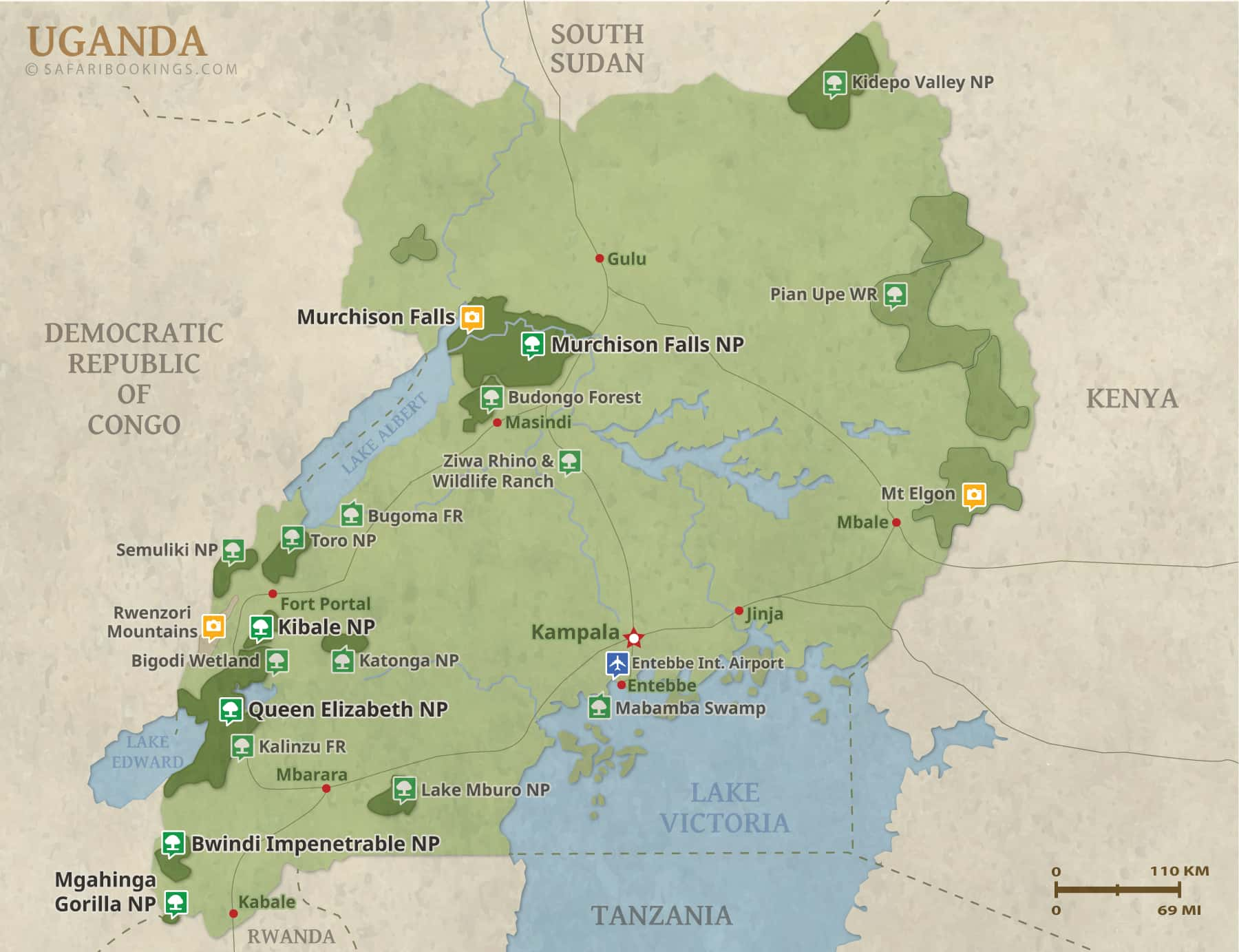
FUganda safari map showing major national parks, wildlife areas and travel regions.
Uganda’s geography is one of the reasons season planning matters so much. Murchison Falls sits in the northwestern part of the country, Kidepo is much farther northeast, Queen Elizabeth occupies a large section of the western Rift Valley, Kibale lies farther north in the western forest belt, and Bwindi and Mgahinga sit in the mountainous southwest. A traveler moving through several of these destinations can therefore experience different weather conditions during the same safari.
This is particularly important when building a multi-park itinerary. A seven-day safari covering Murchison Falls and Kibale is not affected by rainfall in exactly the same way as a two-week journey that continues through Queen Elizabeth, Bwindi and Lake Bunyonyi. The more destinations you include, the more useful it becomes to think in terms of regional weather rather than one national forecast.
January: Warm Savannah Days and Excellent Safari Conditions
Dry-season feel
Wildlife
Gorillas
January is one of the months many travelers naturally associate with a classic Uganda safari. In much of the country, it falls within a relatively dry period, making it attractive for travelers who want long game drives, comfortable road-based movement and clear opportunities to explore savannah parks. Murchison Falls, Queen Elizabeth and Lake Mburo can all fit comfortably into a January itinerary, while the southwestern mountains provide a completely different environment for gorilla trekking and forest adventures.
The northern parks can become warm during the daytime, so early morning game drives are especially pleasant. Wildlife viewing can be productive because vegetation may be less dense than during wetter periods, and animals often make use of available water sources. A January safari also works beautifully for travelers who want to combine wildlife with a boat cruise, since a game-drive morning followed by time on the Nile or Kazinga Channel creates a varied day rather than simply repeating road safaris.
For gorilla trekking, January can offer relatively favorable trail conditions, but Bwindi remains a rainforest and rain should always be expected as a possibility. The forest’s mountainous terrain means that even a dry-season itinerary should include waterproof clothing, good hiking shoes and patience. January is also a useful month for combining gorillas with Lake Bunyonyi, Queen Elizabeth or Kibale.

Lake Bunyonyi is a beautiful addition to a southwestern Uganda itinerary after a gorilla trek.
February: A Strong Month for a Classic Uganda Safari
Dry season
Savannah
Photography
February continues the generally dry-season pattern across much of Uganda and can be an appealing time for travelers who want a balanced safari. Roads in major wildlife areas are often more manageable than during prolonged rains, and open savannah can provide excellent visibility. Murchison Falls is especially attractive for travelers looking for elephants, giraffes, buffaloes and other savannah species, while Queen Elizabeth offers a different combination of grasslands, crater landscapes, wetlands and the wildlife-rich Kazinga Channel.
February is also a good month to think beyond the famous parks. Lake Mburo offers a shorter and more relaxed safari experience, particularly for travelers moving between Kampala or Entebbe and southwestern Uganda. Its landscapes are different from the larger savannah parks and make a useful stopover before continuing toward Bwindi or Lake Bunyonyi.

Lake Mburo’s zebra-filled grasslands provide a very different safari atmosphere from Uganda’s larger parks.
Travelers should still remember that Uganda is a tropical country. “Dry season” does not mean guaranteed sunshine every day, particularly in highland areas. A flexible attitude is part of the Uganda safari experience.
March: Green Landscapes and the Beginning of Wetter Conditions
Greener scenery
Birding
Primate tracking
March marks an important seasonal transition in many parts of Uganda. Rain becomes more influential, particularly in western and southwestern regions, and the landscape begins to take on a noticeably greener character. Travelers who judge a safari only by the amount of sunshine can overlook what makes March special: fresh vegetation, dramatic clouds, fewer dusty roads and the sense that the entire country is waking up after a drier spell.
For photographers, this can be a fascinating period. Green vegetation creates rich backgrounds around wildlife, while changing skies can add depth to images of savannahs, mountains and lakes. In forests such as Kibale, the combination of moisture and dense vegetation produces the classic tropical rainforest atmosphere that many travelers imagine before arriving in Uganda.

Kibale’s forest environment remains rewarding even when the season becomes wetter.
March can therefore suit travelers whose priorities include chimpanzees, forest walks, birding and green landscapes. The trade-off is that rain can make trails muddy and may occasionally affect road travel. A good itinerary should allow some flexibility rather than scheduling every activity to the minute.
April: Rainy-Season Adventure for Green-Uganda Lovers
Wet season
Lush scenery
Birding
April is among the wetter months in several Ugandan regions and is best approached by travelers who do not mind rain. It is not the month to choose simply because you want guaranteed dry game drives. Instead, April works for people who appreciate dramatic landscapes, rich green vegetation, forest atmosphere and the quieter rhythm that can accompany a wetter travel period.
Murchison Falls can look spectacular when water and vegetation are at their most dramatic, while forests such as Kibale and Bwindi can feel intensely alive. The challenge is that rainfall can influence road conditions, walking trails and the timing of activities. Some journeys can take longer than expected, especially where roads are unpaved or mountainous.
April can be particularly interesting for serious birders and photographers who enjoy the natural environment beyond large mammals. Uganda Wildlife Authority describes Uganda as a strong year-round birding destination because many resident species remain throughout the year, while wetter periods can bring different ecological conditions.

Jinja and the Nile provide a completely different adventure option for travelers extending their Uganda trip.
If April is your only available travel month, there is no reason to abandon Uganda. The key is to pack properly, build realistic driving times into the itinerary and choose accommodation and activities with the weather in mind.
May: A Beautiful Transition Between Wet and Drier Periods
Transition month
Birding
Green landscapes
May can be a fascinating transition month. Rainfall remains important, particularly in the southwest, but conditions begin changing toward the generally drier June-to-August period. The exact experience can vary significantly from one destination to another, which makes May particularly suitable for travelers who are flexible and interested in combining different experiences.
For birders, the lush environment can be rewarding, while forest destinations remain visually spectacular. Bwindi’s steep hills and dense vegetation can be demanding when trails are wet, but the forest atmosphere can also be extraordinary. Travelers who are comfortable with muddy conditions may find May surprisingly memorable.
May is also a month where itinerary design matters. Rather than trying to cover every national park, consider selecting two or three regions and giving yourself enough time in each. This reduces the amount of driving and gives you more flexibility when rain changes the timing of activities.

High-altitude Uganda can remain misty and wet even as conditions change elsewhere.
June: One of the Strongest Months for a Uganda Safari
Dry season
Wildlife
Gorillas
Photography
June is often an excellent month for travelers looking for a classic Uganda safari experience. It sits within the country’s main drier period in many regions, and UWA identifies June to August as a dry-season window that is favorable for wildlife viewing in savannah reserves. Roads can be more manageable, vegetation can be less dense, and game drives can become particularly enjoyable.
June is especially attractive for a multi-destination itinerary combining Murchison Falls, Kibale, Queen Elizabeth and Bwindi. The trip still requires sensible planning because each region has its own weather patterns, but the general conditions make June a strong candidate for travelers who want a broad introduction to Uganda.
For photographers, June provides a useful balance between visibility and landscape quality. Animals may stand out more clearly against open grassland, while early morning light can create beautiful scenes over the savannah. The cooler mornings in some regions also make dawn game drives comfortable.

The Kazinga Channel provides excellent opportunities to see elephants, hippos and other wildlife from the water.
July: Classic Dry-Season Safari Conditions
Dry season
Game drives
Gorilla trekking
July is one of the months travelers frequently consider when planning a traditional East African-style safari, and Uganda offers plenty of reasons to consider it. Savannah landscapes can be relatively dry, visibility can be good and game drives can be comfortable when planned around the cooler morning and late-afternoon periods. For travelers who want to see Uganda’s wildlife while also visiting its forests and mountains, July can fit neatly into a comprehensive itinerary.
The month is particularly useful for travelers who want a combination of wildlife and gorilla trekking. After several days exploring savannah parks, the journey south toward Bwindi feels like entering another world: roads wind through highlands, cultivated hills appear between valleys, and the tropical forest replaces open grassland.

Bwindi’s forest is a completely different environment from Uganda’s dry savannah parks.
July is not guaranteed to be completely dry in Bwindi or Mgahinga because these are high-rainfall mountain environments. Trekkers should therefore prepare for both sunshine and rain, regardless of the broader national season.
August: Dry-Season Wildlife and Mountain Adventures
Dry season
Safari
Mountains
August continues the main dry-season pattern and is another strong month for travelers who prioritize wildlife viewing and easier overland movement. Murchison Falls and Queen Elizabeth can be particularly appealing for game drives, while Lake Mburo offers an intimate alternative for travelers who prefer shorter safari experiences.
August is also a good time to combine a wildlife safari with a mountain experience. The Rwenzori Mountains, Mount Elgon and the Virunga landscape around Mgahinga all introduce a completely different side of Uganda. Mountain weather remains unpredictable, so “dry season” should never be interpreted as a promise of clear skies at altitude.

The Rwenzori Mountains create some of Uganda’s most dramatic high-altitude scenery.
If your idea of the best time to visit Uganda includes a mixture of wildlife, gorillas and dramatic landscapes, August is worth serious consideration. Just remember that the perfect month depends on your complete route, not one destination.
September: A Green Transition With Excellent Birding Potential
Transition
Birding
Wildlife
September sits at the edge of Uganda’s drier period and the return of more frequent rains in several regions. The month can therefore offer a useful compromise for travelers who want relatively good wildlife conditions but also enjoy greener landscapes. The weather can change quickly, so flexibility becomes increasingly important.
Birders can find September particularly interesting. Uganda’s combination of forests, wetlands, lakes, savannah and mountains supports an enormous variety of habitats, and the end of the drier period can bring lively bird activity. Places such as Murchison Falls, Bwindi, Kibale and wetland areas around Lake Victoria all offer different birding environments.

Mabamba Swamp near Entebbe is a popular place to include when birding is a major part of a Uganda itinerary.
September is therefore a good example of why there is no single answer to the question of the best time to visit Uganda. A traveler interested primarily in big-game photography may choose a different month from a birder who wants wetlands and forest birds.
October: Rainy-Season Greenery and Forest Experiences
Wet season
Forest
Birding
October is commonly wetter in many parts of Uganda, making it a particularly attractive month for travelers who love green landscapes and forest environments. Rain can arrive as showers rather than keeping the entire day wet, but visitors should be prepared for changes in activity timing. Roads and trails can become muddy, especially in remote areas.
For primate enthusiasts, October can be rewarding because forest environments are productive and lush. Kibale’s dense vegetation, Bwindi’s misty slopes and Mgahinga’s volcanic landscapes all look spectacular under wet-season conditions. Travelers should simply allow extra time for driving and walking.
October is also a beautiful time for photographers who want atmospheric images rather than only classic dry-safari scenes. Mist around mountains, rain-darkened vegetation and dramatic skies can create photographs that look very different from the golden landscapes associated with the dry season.

Golden monkeys and montane forest provide another reason to include southwestern Uganda in a primate itinerary.
November: Lush Landscapes and a Quieter Safari Atmosphere
Wet season
Green landscapes
Birding
November is another month for travelers who value greenery and atmosphere over consistently dry conditions. The landscape can be spectacularly lush, particularly around forests and highland areas. Rain can affect road travel, but experienced guides build their routes around the conditions and know how to adjust activity timing when necessary.
For a traveler interested in Uganda beyond the traditional big-game checklist, November can be fascinating. Forest walks, cultural experiences, birding, wetlands and mountain scenery can all become important parts of the itinerary. A good safari at this time is less about rushing from one wildlife sighting to another and more about appreciating Uganda’s enormous ecological variety.
Travelers visiting Bwindi should remember that the forest receives substantial rainfall and steep trails can become slippery. Good hiking footwear, waterproof layers and walking poles can make the experience significantly more comfortable.
December: A Popular Return to Drier Safari Conditions
Dry-season return
Wildlife
Gorillas
December marks the beginning of another generally drier period in much of Uganda and is a popular time to plan a safari. The month can be particularly attractive for travelers who want to combine a classic wildlife itinerary with gorilla trekking. Murchison Falls, Queen Elizabeth and Lake Mburo can provide the savannah component, while Kibale, Bwindi and Mgahinga add the forest and primate side of Uganda.
The northern part of Uganda can be warm, particularly during the daytime, so early starts remain important. A well-designed safari usually takes advantage of cooler morning hours for game drives and uses midday for lunch, rest or a boat activity before returning to the bush in the late afternoon.

A Nile boat cruise adds a different perspective to a Murchison Falls safari.
December is also useful for birding. UWA notes that December and January can be good birding months, with different regional conditions making the period worthwhile for visitors who want to combine wildlife with bird photography.
Best Time to Visit Uganda for Gorilla Trekking
Gorilla trekking is one of the biggest reasons international travelers choose Uganda, and the best time to visit Uganda for gorilla trekking is slightly different from the best time for a pure savannah safari. Gorilla trekking takes place in Bwindi Impenetrable National Park and Mgahinga Gorilla National Park, and UWA states that treks can last roughly two to seven hours depending on the trek and location of the gorilla family. :contentReference[oaicite:3]{index=3}
The traditional dry months can be attractive because trails may be easier underfoot, particularly on steep terrain. However, Bwindi is a rainforest. Rain can occur even when the rest of the country is experiencing a dry period, so no month should be marketed as completely rain-free. This is especially important for travelers who may have assumed that visiting Uganda in July automatically means dry conditions throughout the country.
The four main Bwindi trekking sectors are Buhoma, Ruhija, Rushaga and Nkuringo. The choice of sector can affect the experience because the terrain, access routes and accommodation options differ. UWA also recommends appropriate 4WD access for several routes into Bwindi, which is another reason road planning matters when selecting the month of travel.
If gorillas are your main priority, choose the month based on permit availability, your tolerance for wet trails, your preferred trekking sector and your wider itinerary. Do not choose solely on the assumption that one season guarantees a short trek or perfect weather. Gorilla families move through the forest, and trekking time naturally varies.
Bwindi and Southwestern Uganda Planning Map
Full-width Uganda Wildlife Authority conservation-area map for planning distances between Uganda’s major national parks.
Best Time to Visit Uganda for Chimpanzee Tracking
Chimpanzee tracking is one of the most interesting exceptions to the simple dry-season rule. Uganda Wildlife Authority states that chimpanzee tracking and habituation experiences take place throughout the year and notes that rainy periods can be favorable because chimpanzees may remain closer to food sources rather than moving deeper into the forest. :contentReference[oaicite:4]{index=4}
This means travelers should not automatically avoid the wetter months if chimpanzees are a major priority. Kibale Forest can be especially rewarding when the forest is green and active, although rain can make trails muddy. The practical question becomes whether you are willing to exchange easier walking conditions for potentially favorable forest activity.
For a traveler whose itinerary combines chimpanzees and gorillas, the answer becomes more nuanced. A wetter month may be perfectly worthwhile, particularly if you are passionate about primates. If your itinerary also includes several days of savannah game drives, however, you may prefer a drier period that balances the two types of safari experience.
Best Time to Visit Uganda for Wildlife Safaris
For travelers primarily interested in savannah wildlife, the dry periods are usually the easiest months to recommend. UWA specifically describes June to August and December to February as favorable dry-season periods for wildlife viewing in savannah reserves. Murchison Falls is particularly suited to this pattern because animals may become concentrated around water sources during drier conditions. :contentReference[oaicite:5]{index=5}
That does not mean wildlife disappears during rainy months. Uganda’s parks remain open to wildlife throughout the year, and a rainy-season safari can produce excellent sightings. The difference is often visibility, road conditions and vegetation rather than whether animals are present.

Queen Elizabeth National Park is especially interesting because it combines savannah with wetlands, forests and the Kazinga Channel. The Ishasha sector is also known for its tree-climbing lions. :contentReference[oaicite:6]{index=6} A traveler interested in lions, elephants, hippos, buffaloes, chimpanzees and birds can therefore get a remarkably varied experience without visiting several completely separate ecosystems.
Best Time to Visit Uganda for Bird Watching
Uganda is a strong birding destination throughout the year, and this is one area where the idea of a single “best month” becomes especially misleading. Uganda Wildlife Authority notes that resident birds make the country productive year-round, while late May through September can be favorable because rainfall is generally lower and food remains abundant. December and January can also be useful months depending on the region. :contentReference[oaicite:7]{index=7}
Wetlands, forests, savannahs and mountain ecosystems each provide different birding opportunities. Mabamba Swamp near Lake Victoria is well known for shoebill excursions, while Murchison Falls, Bwindi, Mgahinga and Semuliki each offer different bird communities.
If birding is your main objective, consider the exact species you want rather than simply choosing a dry month. A specialist guide can make a major difference because many of Uganda’s forest and wetland birds are easier to find with someone who knows their calls, habitat and seasonal behavior.
Best Time to Visit Uganda by National Park
| Destination | Useful Travel Window | Why | Weather Consideration |
|---|---|---|---|
| Murchison Falls | Dec–Feb; Jun–Sep | Dry-season wildlife viewing and easier game-drive conditions. | Can become hot, especially during the day. |
| Queen Elizabeth | Dec–Feb; Jun–Aug | Good combination of game drives and boat activities. | Rain remains possible year-round. |
| Kibale | Year-round; choose based on chimpanzee priorities. | Chimpanzee tracking and forest experiences are available year-round. | Rain can make forest trails muddy. |
| Bwindi | Often favored in drier periods | Potentially easier trekking conditions. | Rainforest conditions remain unpredictable. |
| Mgahinga | Often favored in drier periods | Gorilla trekking, golden monkeys and volcano scenery. | Mountain weather can change quickly. |
| Lake Mburo | Dry periods for easier road movement | Zebras, antelope, landscapes and walking experiences. | Wet roads can become muddy. |
| Kidepo Valley | Dry season is especially important | Wildlife viewing and access are generally more comfortable in drier conditions. | Dry-season heat can be intense. |
| Rwenzori Mountains | Plan around mountain weather | Excellent for high-altitude trekking and dramatic scenery. | Weather can be wet and unpredictable at altitude. |
| Mount Elgon | Flexible; choose based on trekking conditions | Hiking, waterfalls and mountain scenery. | Rain can affect trails. |
Kidepo Valley: Why Northern Uganda Needs a Different Seasonal Strategy

Kidepo deserves its own paragraph in any serious discussion of the best time to visit Uganda because its climate differs considerably from the country’s southwestern destinations. UWA planning documentation describes Kidepo as having a long dry spell and a shorter wet season, with very hot conditions during the driest period. This makes seasonal planning particularly important for travelers heading to this remote northeastern park.
The reward is a spectacular wilderness environment with broad valleys, rugged mountains and wildlife that gives the park a distinctly different character from Queen Elizabeth or Murchison Falls. Because Kidepo is remote, itinerary design is especially important. Travelers should allow enough time rather than treating the park as a quick overnight addition to a journey that already contains several long driving days.
Choosing Your Travel Month by Safari Experience
If wildlife is your number-one priority, start by looking at June to August and December to February. These drier windows generally provide favorable conditions for savannah game drives, and UWA specifically identifies them as useful periods for wildlife viewing in savannah reserves. If gorillas are your central goal, consider the same drier periods for potentially easier trails, but remember that Bwindi and Mgahinga remain rainforest and mountain environments.
If chimpanzees are more important than classic savannah wildlife, do not automatically eliminate the wetter months. UWA’s own guidance makes clear that chimpanzee tracking can be particularly productive during rainy periods. If birding is your passion, think about the exact habitats and species you want, because Uganda’s resident birds make it a year-round destination.
If photography is your main interest, your ideal month depends on the story you want your photographs to tell. Dry-season months can provide open golden grasslands and clearer wildlife visibility, while wet months can provide lush vegetation, reflections, dramatic clouds and misty mountains. Neither style is inherently better; they simply produce different photographs.
Does the Season Affect Uganda Safari Prices?
Safari pricing can vary by operator, accommodation, permits, availability and travel period, so travelers should not assume that every lodge or tour company follows exactly the same seasonal pricing structure. Accommodation rates can be higher during periods of stronger demand, while special offers may appear at other times. Gorilla permits and other regulated activity fees are separate considerations and should always be checked against the current official tariff before booking.
If your priority is controlling the overall budget, ask for a complete quotation that separates accommodation, transport, park fees, activities, meals and permits. This makes it much easier to compare itineraries and understand whether a seemingly cheaper safari is actually offering the same level of accommodation and inclusions.
What to Pack for the Best Time to Visit Uganda
Your packing list should follow the destinations you are visiting rather than the calendar alone. A traveler visiting Murchison Falls, Kibale and Bwindi needs to prepare for several different environments in one journey. Lightweight clothing is useful for warm savannah areas, while long trousers and long-sleeved shirts are practical for forest walks. A fleece or warm layer is valuable in the southwestern highlands, particularly around Bwindi, Mgahinga and Lake Bunyonyi.
For gorilla and chimpanzee trekking, sturdy hiking shoes with good grip are essential. Waterproof trousers or gaiters can be useful when trails are muddy, while a lightweight waterproof jacket should remain accessible rather than buried at the bottom of your luggage. Gardening-style gloves can also be useful for travelers who want additional protection while moving through dense vegetation, although your guide should always advise you on appropriate trail etiquette.
| Item | Why It Matters |
|---|---|
| Waterproof jacket | Useful in forests and during unexpected showers. |
| Sturdy hiking shoes | Important for Bwindi, Mgahinga, Kibale and mountain trails. |
| Long trousers | Useful for forest trekking and protection from vegetation. |
| Light fleece | Helpful in cooler southwestern and mountain areas. |
| Sun hat | Important during open-savanah game drives. |
| Sunscreen | Useful even when temperatures do not feel extreme. |
| Binoculars | Excellent for birds, distant wildlife and boat cruises. |
| Dry bags | Useful for protecting cameras, phones and documents during rain or boat activities. |
How to Build the Perfect Uganda Safari Around the Season
The strongest itineraries usually avoid trying to do everything. Uganda has enough variety that a traveler can easily spend too much time moving between destinations and not enough time actually experiencing them. A seven-day trip might combine Murchison Falls, Kibale and Queen Elizabeth, while a longer journey could continue south toward Bwindi and Lake Bunyonyi.
For a classic wildlife-and-primate journey, one useful structure is to begin with a savannah park, continue into a primate forest, move through Queen Elizabeth for game viewing and then finish in Bwindi. This route creates a natural progression from open grasslands to rainforest and mountain landscapes.
For travelers with more time, adding Lake Mburo can create a relaxed transition toward or away from the southwest. For birders, wetlands such as Mabamba can be incorporated near Entebbe, while adventurous travelers can add Jinja and the Nile or a mountain trek.
The most important principle is to leave breathing room. Uganda’s roads, weather, wildlife and terrain do not always follow a rigid timetable. A good safari itinerary has enough structure to make logistics smooth but enough flexibility to allow the country to surprise you.
Why Uganda Is a Year-Round Safari Destination
Uganda’s greatest strength is its diversity. In one journey, a traveler can move from Lake Victoria wetlands to tropical rainforest, from golden savannah to volcanic mountains, and from a boat on the Nile to a gorilla trail in Bwindi. Uganda Wildlife Authority currently manages ten national parks alongside wildlife reserves and sanctuaries, giving travelers a remarkable range of ecosystems to explore.
That diversity also explains why the best time to visit Uganda is ultimately personal. Someone who wants dry roads and classic game viewing may naturally gravitate toward June, July, August, January or February. Someone who loves forests, birding and lush scenery may happily travel during a wetter period. Someone whose only opportunity for a gorilla trek is April should not assume the experience will be disappointing simply because rain is more likely.
The better question is not “Which month is perfect?” but “Which month gives me the kind of Uganda experience I want?” Once you answer that, building the itinerary becomes much easier.
Uganda Safari by Month: At-a-Glance Guide
| Month | Seasonal Feel | Best Suited For | What to Expect |
|---|---|---|---|
| January | Drier | Wildlife, gorillas, photography | Good classic safari conditions; warm in northern areas. |
| February | Drier | Game drives, photography, primates | Generally favorable for overland safari routes. |
| March | Transitioning wetter | Birding, forests, green landscapes | Increasing rainfall and lush scenery. |
| April | Wet | Birding, forests, photography | Rain and muddy trails more likely. |
| May | Wet/transition | Green scenery, birding, primates | Variable weather with increasingly lush landscapes. |
| June | Dry | Wildlife, gorillas, photography | One of the strongest months for classic safari conditions. |
| July | Dry | Game drives, gorillas, landscapes | Good visibility and generally favorable road conditions. |
| August | Dry | Wildlife, mountains, photography | Continued dry-season conditions in many regions. |
| September | Transition | Birding, wildlife, photography | Increasing greenery and changing rainfall. |
| October | Wet | Forest, birding, green landscapes | Rain can affect trails and unpaved roads. |
| November | Wet | Birding, forests, photography | Lush scenery with possible muddy conditions. |
| December | Drier | Wildlife, gorillas, family safaris | Return toward favorable dry-season conditions. |
Frequently Asked Questions About the Best Time to Visit Uganda
What is the best time to visit Uganda for a safari?
For a classic savannah safari, the main dry periods of June to August and December to February are generally attractive. These periods can provide favorable conditions for game drives and wildlife viewing. However, Uganda is a year-round destination, and the ideal month depends on your specific itinerary.
What are the best months for gorilla trekking in Uganda?
Many travelers prefer the drier periods because trails may be easier to navigate, especially in the steep terrain of Bwindi. However, gorilla trekking takes place year-round and Bwindi is a rainforest, so rain can occur even during traditionally dry months.
Is Uganda good to visit during the rainy season?
Yes. Rainy-season travel can offer lush landscapes, dramatic skies, productive birding and rewarding forest experiences. The main disadvantages are wetter trails, muddy roads in some areas and the possibility that rain may alter activity schedules.
Is June a good month for a Uganda safari?
Yes. June falls within one of Uganda’s main dry periods and is generally favorable for savannah wildlife viewing. It can also work well for travelers combining game drives with gorilla and chimpanzee experiences.
Is July a good time to visit Uganda?
July is generally a favorable month for classic wildlife safaris because it falls in the main dry period in much of the country. However, mountain and rainforest destinations can still receive rain.
Can I see chimpanzees during the rainy season?
Yes. Chimpanzee tracking is available throughout the year. Uganda Wildlife Authority notes that rainy periods can actually be favorable because chimpanzees may remain closer to food sources.
What is the best time to visit Murchison Falls?
UWA identifies December to late February and June to September as favorable dry-season periods for Murchison Falls, when wildlife may concentrate around water sources. The park can still be visited outside those periods.
What is the best time to visit Uganda for bird watching?
Birding is possible throughout the year because Uganda has many resident species. UWA highlights late May through September as generally favorable and also notes December and January as useful birding months depending on the region.
Does it rain every day during Uganda’s rainy season?
No. Rainfall is variable. A rainy-season safari can contain sunny mornings, afternoon showers and dramatic weather changes. Mountain and rainforest areas can behave differently from savannah destinations.
Is Uganda worth visiting outside the dry season?
Absolutely. Uganda’s forests, wetlands, mountains and wildlife remain rewarding throughout the year. Travelers who appreciate green scenery, birding, photography and forest experiences may particularly enjoy the wetter periods.
So, What Is the Best Time to Visit Uganda?
The simplest answer is that the best time to visit Uganda depends on the safari you want to experience. If you want the classic combination of open savannah, wildlife viewing and generally easier road conditions, June to August and December to February are strong periods to consider. If you are passionate about chimpanzees, birding, green landscapes or rainforest photography, wetter months can be equally interesting and sometimes offer specific advantages.
For gorilla trekking, think beyond the calendar. Consider the trekking sector, your physical preparation, your tolerance for wet conditions, permit availability and how the gorilla experience fits into your wider itinerary. For wildlife, think about the park itself. Murchison Falls, Queen Elizabeth, Lake Mburo and Kidepo do not have identical climates, so a national “best month” can never tell the whole story.
Most importantly, do not let the fear of choosing the “wrong” month stop you from visiting Uganda. The country is remarkable precisely because its landscapes change with the seasons. Golden savannah, emerald forest, mist-covered mountains, swelling rivers, quiet wetlands and dramatic tropical skies are all part of the Pearl of Africa’s character.
Planning tip: If your trip combines gorillas, chimpanzees and savannah wildlife, start by choosing your gorilla trekking date and preferred sector, then build the rest of the safari around it. This makes accommodation, transport and park sequencing much easier.
Useful Official Uganda Travel Resources
For current park information, conservation guidance and official visitor information, consult the
Uganda Wildlife Authority.
You can also explore destination information from the
Uganda Tourism Board.
For travelers looking for a professionally organized Uganda itinerary, accommodation planning, transportation and safari activities, you can also
explore Uganda safari experiences with PrideMark Safaris.
Ready to Plan Your Uganda Safari?
Whether you want gorillas in Bwindi, chimpanzees in Kibale, lions and elephants in Queen Elizabeth, the mighty Murchison Falls, the wilderness of Kidepo or a beautiful combination of Uganda’s landscapes, the right itinerary can make all the difference.
Tell PrideMarkSafaris your preferred travel month, number of travelers, budget and the experiences you want most, and we can help shape your Uganda adventure around the season.