
PRIDEMARK SAFARIS · EXPLORE • ENCOUNTER • CONSERVE
Uganda Safari Safety Tips
Your practical guide to safer wildlife viewing, gorilla trekking, road travel, health, accommodation and responsible tourism.
Uganda safari safety tips for first-time visitors

Watching wild antelopes from a safe distance is part of a responsible Uganda safari. Follow your guide’s instructions and enjoy ethical wildlife viewing with Pridemark Safaris.
Safety is not one single decision. It begins before departure with current travel advice, a suitable itinerary, trusted transport and realistic expectations. Uganda offers extraordinary forest and savannah experiences, but wild animals, road conditions, weather and health risks require preparation. An organized safari should reduce avoidable risks without promising that travel is completely risk-free.
For first-time visitors, this is worth discussing with your guide before the activity begins. Ask what the normal procedure looks like, which instructions are mandatory and how changes will be communicated. A little preparation can prevent misunderstandings when the day becomes busy. Your comfort and the wellbeing of local people and wildlife should guide every decision.
Consider how this issue affects the specific parks and lodges on your itinerary rather than relying on general advice alone. An activity in a mountain forest differs from a game drive across open plains, and a city arrival differs from a remote overnight stay. Share any concern early so the safari team can suggest an appropriate plan.
The most practical approach is to make a simple plan, check it against current guidance and follow qualified local instructions. Do not take unnecessary risks for a photograph or an extra stop. If circumstances change, flexibility is a strength rather than a failure of the trip. A well-paced itinerary gives you more opportunities to enjoy Uganda responsibly.
Check official travel advice before booking
Review the latest advisory from your government and any relevant Ugandan authority notices. Regional conditions may differ considerably, especially near international borders. Ask your operator to identify the exact route and explain any recommended adjustments. Check again shortly before departure because circumstances and restrictions can change.
For first-time visitors, this is worth discussing with your guide before the activity begins. Ask what the normal procedure looks like, which instructions are mandatory and how changes will be communicated. A little preparation can prevent misunderstandings when the day becomes busy. Your comfort and the wellbeing of local people and wildlife should guide every decision.
Consider how this issue affects the specific parks and lodges on your itinerary rather than relying on general advice alone. An activity in a mountain forest differs from a game drive across open plains, and a city arrival differs from a remote overnight stay. Share any concern early so the safari team can suggest an appropriate plan.
The most practical approach is to make a simple plan, check it against current guidance and follow qualified local instructions. Do not take unnecessary risks for a photograph or an extra stop. If circumstances change, flexibility is a strength rather than a failure of the trip. A well-paced itinerary gives you more opportunities to enjoy Uganda responsibly.
Choose an experienced local safari operator
A reputable operator should provide a written itinerary, accommodation details, included activities, permit arrangements and a clear explanation of transport. Ask about guide qualifications, emergency contacts and what happens when an activity or road becomes unavailable. Good communication is as important as an attractive price.
For first-time visitors, this is worth discussing with your guide before the activity begins. Ask what the normal procedure looks like, which instructions are mandatory and how changes will be communicated. A little preparation can prevent misunderstandings when the day becomes busy. Your comfort and the wellbeing of local people and wildlife should guide every decision.
Consider how this issue affects the specific parks and lodges on your itinerary rather than relying on general advice alone. An activity in a mountain forest differs from a game drive across open plains, and a city arrival differs from a remote overnight stay. Share any concern early so the safari team can suggest an appropriate plan.
The most practical approach is to make a simple plan, check it against current guidance and follow qualified local instructions. Do not take unnecessary risks for a photograph or an extra stop. If circumstances change, flexibility is a strength rather than a failure of the trip. A well-paced itinerary gives you more opportunities to enjoy Uganda responsibly.
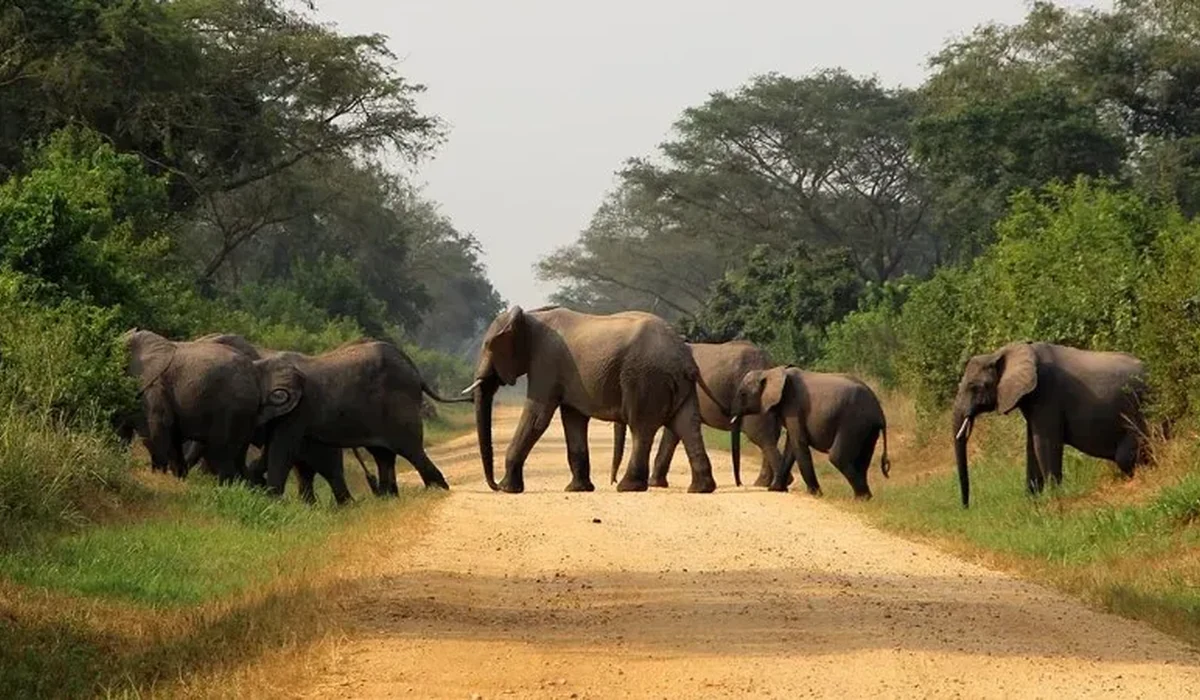
A herd of elephants crosses a safari road. One of the most important Uganda safari safety tips is to remain inside your vehicle, keep a safe distance and allow wildlife to pass undisturbed.
Use seat belts and plan road transfers carefully
Uganda road journeys may take longer than online estimates because of traffic, road surfaces, weather and stops. Wear a seat belt whenever available and keep luggage secured. Avoid pressuring drivers to rush between attractions. Plan longer journeys during daylight where practical and allow time for breaks.
For first-time visitors, this is worth discussing with your guide before the activity begins. Ask what the normal procedure looks like, which instructions are mandatory and how changes will be communicated. A little preparation can prevent misunderstandings when the day becomes busy. Your comfort and the wellbeing of local people and wildlife should guide every decision.
Consider how this issue affects the specific parks and lodges on your itinerary rather than relying on general advice alone. An activity in a mountain forest differs from a game drive across open plains, and a city arrival differs from a remote overnight stay. Share any concern early so the safari team can suggest an appropriate plan.
The most practical approach is to make a simple plan, check it against current guidance and follow qualified local instructions. Do not take unnecessary risks for a photograph or an extra stop. If circumstances change, flexibility is a strength rather than a failure of the trip. A well-paced itinerary gives you more opportunities to enjoy Uganda responsibly.
Follow wildlife viewing rules in national parks
Elephants, buffaloes, hippos, crocodiles and predators are wild animals, even when they appear calm. Never feed, touch or deliberately approach wildlife. Remain inside the safari vehicle unless your guide explicitly permits you to leave at a designated place. Avoid loud calls, sudden movements and any behavior that could provoke animals.
For first-time visitors, this is worth discussing with your guide before the activity begins. Ask what the normal procedure looks like, which instructions are mandatory and how changes will be communicated. A little preparation can prevent misunderstandings when the day becomes busy. Your comfort and the wellbeing of local people and wildlife should guide every decision.
Consider how this issue affects the specific parks and lodges on your itinerary rather than relying on general advice alone. An activity in a mountain forest differs from a game drive across open plains, and a city arrival differs from a remote overnight stay. Share any concern early so the safari team can suggest an appropriate plan.
The most practical approach is to make a simple plan, check it against current guidance and follow qualified local instructions. Do not take unnecessary risks for a photograph or an extra stop. If circumstances change, flexibility is a strength rather than a failure of the trip. A well-paced itinerary gives you more opportunities to enjoy Uganda responsibly.
Gorilla trekking safety in Bwindi and Mgahinga
Gorilla trekking takes place in steep natural forest with mud, roots and changing weather. Wear footwear with strong grip, carry water and listen closely to the ranger briefing. Follow current viewing-distance and health rules. Never try to touch a gorilla, block its path or move closer for a photograph.
For first-time visitors, this is worth discussing with your guide before the activity begins. Ask what the normal procedure looks like, which instructions are mandatory and how changes will be communicated. A little preparation can prevent misunderstandings when the day becomes busy. Your comfort and the wellbeing of local people and wildlife should guide every decision.
Consider how this issue affects the specific parks and lodges on your itinerary rather than relying on general advice alone. An activity in a mountain forest differs from a game drive across open plains, and a city arrival differs from a remote overnight stay. Share any concern early so the safari team can suggest an appropriate plan.
The most practical approach is to make a simple plan, check it against current guidance and follow qualified local instructions. Do not take unnecessary risks for a photograph or an extra stop. If circumstances change, flexibility is a strength rather than a failure of the trip. A well-paced itinerary gives you more opportunities to enjoy Uganda responsibly.
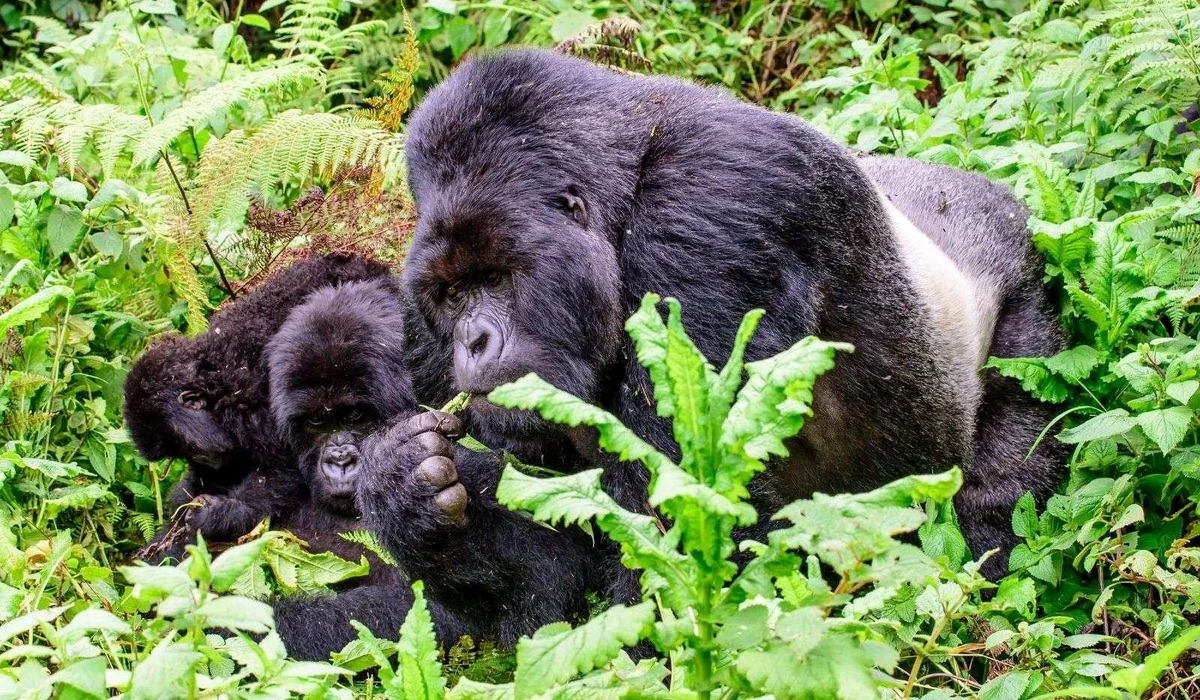
Mountain gorillas resting together in dense forest vegetation. During gorilla trekking in Uganda, visitors should follow ranger instructions, maintain the required viewing distance and avoid disturbing the gorillas.
Chimpanzee tracking safety in Uganda
Chimpanzees are strong wild primates and can move quickly through dense forest. Stay with your assigned guide and follow all briefing instructions. Do not imitate calls, offer food or pursue animals off the designated route. Wear appropriate clothing for uneven terrain and tell the guide if you are struggling physically.
For first-time visitors, this is worth discussing with your guide before the activity begins. Ask what the normal procedure looks like, which instructions are mandatory and how changes will be communicated. A little preparation can prevent misunderstandings when the day becomes busy. Your comfort and the wellbeing of local people and wildlife should guide every decision.
Consider how this issue affects the specific parks and lodges on your itinerary rather than relying on general advice alone. An activity in a mountain forest differs from a game drive across open plains, and a city arrival differs from a remote overnight stay. Share any concern early so the safari team can suggest an appropriate plan.
The most practical approach is to make a simple plan, check it against current guidance and follow qualified local instructions. Do not take unnecessary risks for a photograph or an extra stop. If circumstances change, flexibility is a strength rather than a failure of the trip. A well-paced itinerary gives you more opportunities to enjoy Uganda responsibly.

A chimpanzee in its natural forest habitat. Important Uganda safari safety tips for chimpanzee tracking include following ranger instructions, keeping a safe distance and avoiding direct contact with wildlife.
Consult a travel-health professional
Arrange a pre-travel consultation to discuss routine vaccinations, destination-specific recommendations, malaria prevention and your personal medical needs. Entry documentation and health requirements can change. Verify current yellow fever requirements with official sources and keep prescribed medication in suitable packaging.
For first-time visitors, this is worth discussing with your guide before the activity begins. Ask what the normal procedure looks like, which instructions are mandatory and how changes will be communicated. A little preparation can prevent misunderstandings when the day becomes busy. Your comfort and the wellbeing of local people and wildlife should guide every decision.
Consider how this issue affects the specific parks and lodges on your itinerary rather than relying on general advice alone. An activity in a mountain forest differs from a game drive across open plains, and a city arrival differs from a remote overnight stay. Share any concern early so the safari team can suggest an appropriate plan.
The most practical approach is to make a simple plan, check it against current guidance and follow qualified local instructions. Do not take unnecessary risks for a photograph or an extra stop. If circumstances change, flexibility is a strength rather than a failure of the trip. A well-paced itinerary gives you more opportunities to enjoy Uganda responsibly.
Prevent mosquito bites and protect your health
Use suitable insect repellent and clothing that covers exposed skin when appropriate. Follow lodge advice about screens and mosquito nets. Drink water from a trusted source, practice hand hygiene and seek medical care promptly for fever or concerning symptoms. Mention recent Uganda travel when consulting a clinician.
For first-time visitors, this is worth discussing with your guide before the activity begins. Ask what the normal procedure looks like, which instructions are mandatory and how changes will be communicated. A little preparation can prevent misunderstandings when the day becomes busy. Your comfort and the wellbeing of local people and wildlife should guide every decision.
Consider how this issue affects the specific parks and lodges on your itinerary rather than relying on general advice alone. An activity in a mountain forest differs from a game drive across open plains, and a city arrival differs from a remote overnight stay. Share any concern early so the safari team can suggest an appropriate plan.
The most practical approach is to make a simple plan, check it against current guidance and follow qualified local instructions. Do not take unnecessary risks for a photograph or an extra stop. If circumstances change, flexibility is a strength rather than a failure of the trip. A well-paced itinerary gives you more opportunities to enjoy Uganda responsibly.
Choose appropriate lodges and camps
Safari accommodation may be located close to wildlife habitat. Follow lodge instructions about walking outdoors after dark and request an escort where recommended. Ask about emergency contacts, mosquito protection, access roads and the distance to your next activity. Keep doors secured and valuables stored responsibly.
For first-time visitors, this is worth discussing with your guide before the activity begins. Ask what the normal procedure looks like, which instructions are mandatory and how changes will be communicated. A little preparation can prevent misunderstandings when the day becomes busy. Your comfort and the wellbeing of local people and wildlife should guide every decision.
Consider how this issue affects the specific parks and lodges on your itinerary rather than relying on general advice alone. An activity in a mountain forest differs from a game drive across open plains, and a city arrival differs from a remote overnight stay. Share any concern early so the safari team can suggest an appropriate plan.
The most practical approach is to make a simple plan, check it against current guidance and follow qualified local instructions. Do not take unnecessary risks for a photograph or an extra stop. If circumstances change, flexibility is a strength rather than a failure of the trip. A well-paced itinerary gives you more opportunities to enjoy Uganda responsibly.
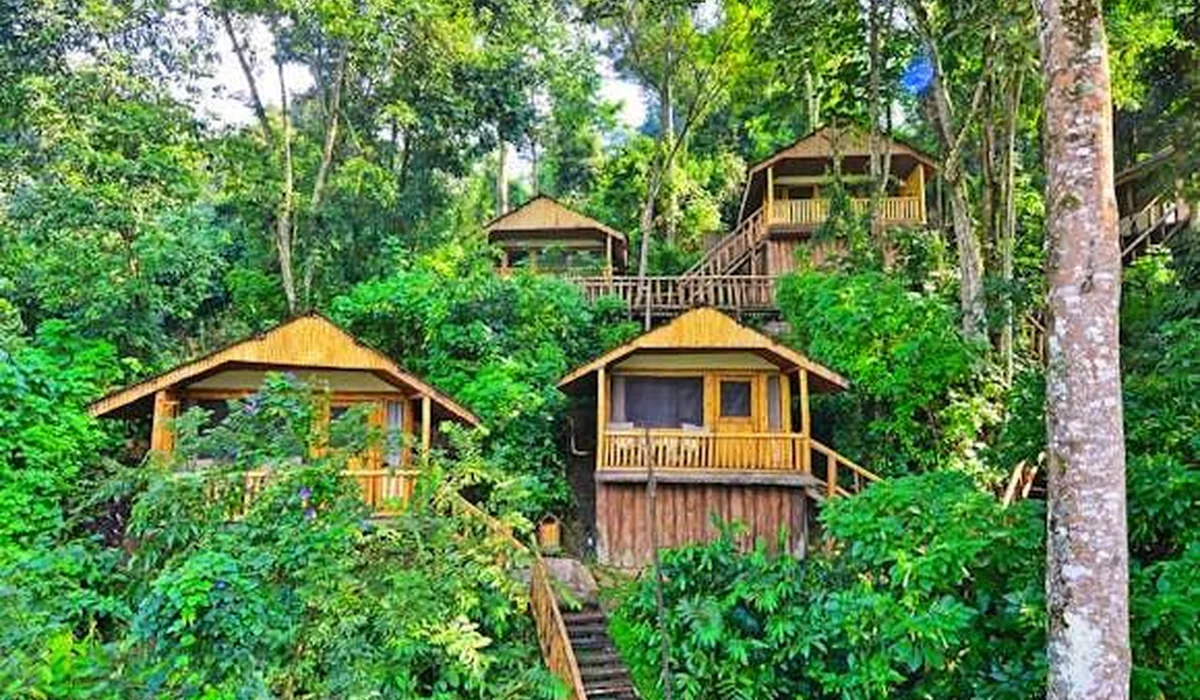
Forest lodge accommodation offers a peaceful base for exploring Uganda’s wildlife destinations. Choosing suitable, well-managed accommodation is an important part of planning a safe and comfortable safari.
Protect passports, phones and valuables
Keep important documents secure and avoid displaying expensive items unnecessarily in crowded places. Store copies of passport details, insurance documents and bookings separately from originals. Use trusted transport providers, remain attentive in busy areas and seek assistance from your guide if a document is lost.
For first-time visitors, this is worth discussing with your guide before the activity begins. Ask what the normal procedure looks like, which instructions are mandatory and how changes will be communicated. A little preparation can prevent misunderstandings when the day becomes busy. Your comfort and the wellbeing of local people and wildlife should guide every decision.
Consider how this issue affects the specific parks and lodges on your itinerary rather than relying on general advice alone. An activity in a mountain forest differs from a game drive across open plains, and a city arrival differs from a remote overnight stay. Share any concern early so the safari team can suggest an appropriate plan.
The most practical approach is to make a simple plan, check it against current guidance and follow qualified local instructions. Do not take unnecessary risks for a photograph or an extra stop. If circumstances change, flexibility is a strength rather than a failure of the trip. A well-paced itinerary gives you more opportunities to enjoy Uganda responsibly.
Stay aware in Kampala and Entebbe
Cities require ordinary travel precautions, including awareness of traffic, crowded areas and local rules. Arrange reliable airport transfers, especially after a late arrival. Avoid demonstrations and follow official instructions. Ask permission before photographing people or sensitive locations, and respect local customs.
For first-time visitors, this is worth discussing with your guide before the activity begins. Ask what the normal procedure looks like, which instructions are mandatory and how changes will be communicated. A little preparation can prevent misunderstandings when the day becomes busy. Your comfort and the wellbeing of local people and wildlife should guide every decision.
Consider how this issue affects the specific parks and lodges on your itinerary rather than relying on general advice alone. An activity in a mountain forest differs from a game drive across open plains, and a city arrival differs from a remote overnight stay. Share any concern early so the safari team can suggest an appropriate plan.
The most practical approach is to make a simple plan, check it against current guidance and follow qualified local instructions. Do not take unnecessary risks for a photograph or an extra stop. If circumstances change, flexibility is a strength rather than a failure of the trip. A well-paced itinerary gives you more opportunities to enjoy Uganda responsibly.
Pack for changing weather and forest trails
A waterproof layer, sturdy walking shoes, sunscreen, drinking water and a manageable daypack are useful safari essentials. Forest paths can become slippery after rain, while open savannah areas may be hot. Dress for the specific activity rather than relying on one outfit for every destination.
For first-time visitors, this is worth discussing with your guide before the activity begins. Ask what the normal procedure looks like, which instructions are mandatory and how changes will be communicated. A little preparation can prevent misunderstandings when the day becomes busy. Your comfort and the wellbeing of local people and wildlife should guide every decision.
Consider how this issue affects the specific parks and lodges on your itinerary rather than relying on general advice alone. An activity in a mountain forest differs from a game drive across open plains, and a city arrival differs from a remote overnight stay. Share any concern early so the safari team can suggest an appropriate plan.
The most practical approach is to make a simple plan, check it against current guidance and follow qualified local instructions. Do not take unnecessary risks for a photograph or an extra stop. If circumstances change, flexibility is a strength rather than a failure of the trip. A well-paced itinerary gives you more opportunities to enjoy Uganda responsibly.
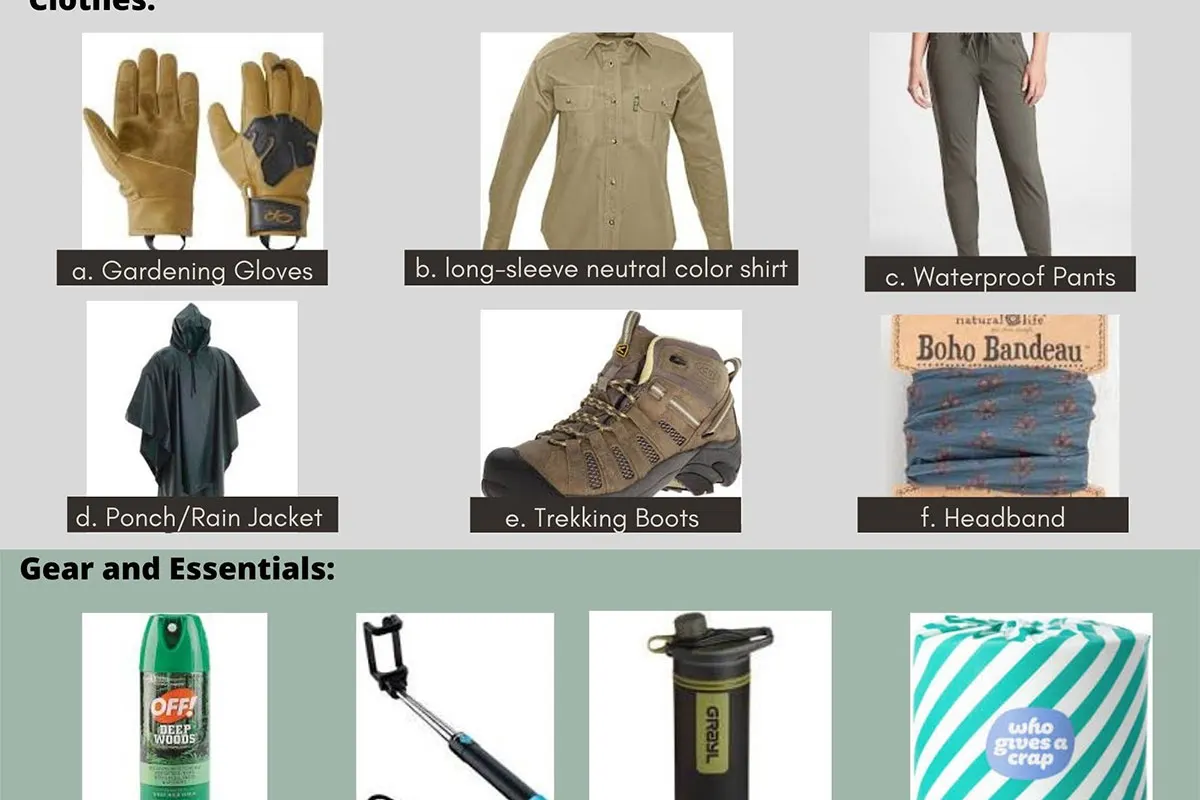
Prepare for your first Uganda safari with a practical packing list covering clothing, footwear, travel essentials and wildlife-viewing equipment.
Buy suitable travel insurance
Review travel insurance coverage for medical treatment, emergency evacuation, trip interruption and planned activities such as gorilla trekking. Confirm exclusions directly with the insurer. Keep policy details and emergency numbers available offline. Remote safari areas may have limited immediate access to specialist medical care.
For first-time visitors, this is worth discussing with your guide before the activity begins. Ask what the normal procedure looks like, which instructions are mandatory and how changes will be communicated. A little preparation can prevent misunderstandings when the day becomes busy. Your comfort and the wellbeing of local people and wildlife should guide every decision.
Consider how this issue affects the specific parks and lodges on your itinerary rather than relying on general advice alone. An activity in a mountain forest differs from a game drive across open plains, and a city arrival differs from a remote overnight stay. Share any concern early so the safari team can suggest an appropriate plan.
The most practical approach is to make a simple plan, check it against current guidance and follow qualified local instructions. Do not take unnecessary risks for a photograph or an extra stop. If circumstances change, flexibility is a strength rather than a failure of the trip. A well-paced itinerary gives you more opportunities to enjoy Uganda responsibly.
Plan for children and different fitness levels
Some primate activities have minimum age requirements and physical demands. Confirm current eligibility with the responsible park authority before booking. Families may benefit from shorter drives and extra breaks. Discuss mobility concerns, dietary needs and medical limitations early so the itinerary can be tailored appropriately.
For first-time visitors, this is worth discussing with your guide before the activity begins. Ask what the normal procedure looks like, which instructions are mandatory and how changes will be communicated. A little preparation can prevent misunderstandings when the day becomes busy. Your comfort and the wellbeing of local people and wildlife should guide every decision.
Consider how this issue affects the specific parks and lodges on your itinerary rather than relying on general advice alone. An activity in a mountain forest differs from a game drive across open plains, and a city arrival differs from a remote overnight stay. Share any concern early so the safari team can suggest an appropriate plan.
The most practical approach is to make a simple plan, check it against current guidance and follow qualified local instructions. Do not take unnecessary risks for a photograph or an extra stop. If circumstances change, flexibility is a strength rather than a failure of the trip. A well-paced itinerary gives you more opportunities to enjoy Uganda responsibly.
Practice responsible tourism
Respect wildlife habitats, park rules and the communities you visit. Ask permission before taking portraits and do not buy wildlife products. Avoid attractions that encourage touching or feeding wild animals. Conservation-minded travel helps protect the places and species that make Uganda special.
For first-time visitors, this is worth discussing with your guide before the activity begins. Ask what the normal procedure looks like, which instructions are mandatory and how changes will be communicated. A little preparation can prevent misunderstandings when the day becomes busy. Your comfort and the wellbeing of local people and wildlife should guide every decision.
Consider how this issue affects the specific parks and lodges on your itinerary rather than relying on general advice alone. An activity in a mountain forest differs from a game drive across open plains, and a city arrival differs from a remote overnight stay. Share any concern early so the safari team can suggest an appropriate plan.
The most practical approach is to make a simple plan, check it against current guidance and follow qualified local instructions. Do not take unnecessary risks for a photograph or an extra stop. If circumstances change, flexibility is a strength rather than a failure of the trip. A well-paced itinerary gives you more opportunities to enjoy Uganda responsibly.
Prepare for delays and unexpected changes
Road closures, heavy rain, health concerns or activity cancellations can affect a safari. Keep your guide informed and ask about realistic alternatives. Do not ignore official restrictions or leave your group in a wildlife area. A flexible itinerary and accessible emergency contacts make disruptions easier to manage.
For first-time visitors, this is worth discussing with your guide before the activity begins. Ask what the normal procedure looks like, which instructions are mandatory and how changes will be communicated. A little preparation can prevent misunderstandings when the day becomes busy. Your comfort and the wellbeing of local people and wildlife should guide every decision.
Consider how this issue affects the specific parks and lodges on your itinerary rather than relying on general advice alone. An activity in a mountain forest differs from a game drive across open plains, and a city arrival differs from a remote overnight stay. Share any concern early so the safari team can suggest an appropriate plan.
The most practical approach is to make a simple plan, check it against current guidance and follow qualified local instructions. Do not take unnecessary risks for a photograph or an extra stop. If circumstances change, flexibility is a strength rather than a failure of the trip. A well-paced itinerary gives you more opportunities to enjoy Uganda responsibly.
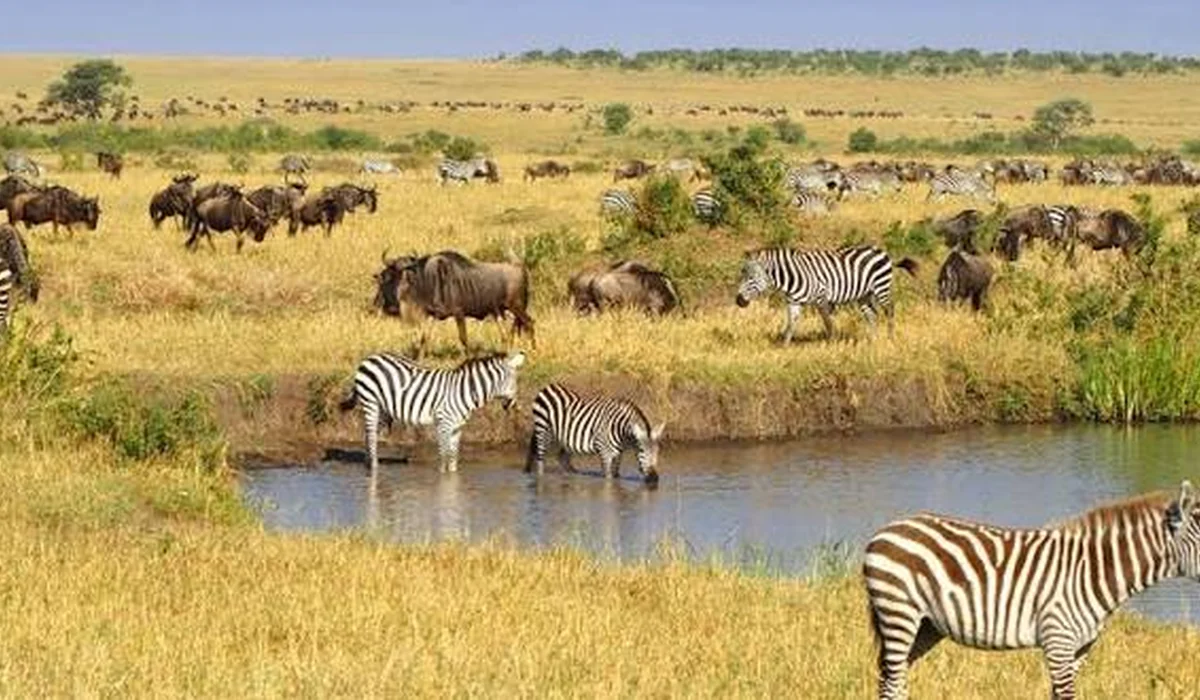
Zebras gather at a waterhole while herds of wildebeest roam the surrounding savannah, showcasing the excitement of an African wildlife safari.
Before-you-go Uganda safari safety checklist
Check current travel advisories, permits, passport and entry documents. Confirm airport pickup, the first lodge, your guide contact and insurance. Pack essential medication, insect repellent, rain protection and suitable shoes. Save emergency contacts offline and review the daily route with your safari planner.
For first-time visitors, this is worth discussing with your guide before the activity begins. Ask what the normal procedure looks like, which instructions are mandatory and how changes will be communicated. A little preparation can prevent misunderstandings when the day becomes busy. Your comfort and the wellbeing of local people and wildlife should guide every decision.
Consider how this issue affects the specific parks and lodges on your itinerary rather than relying on general advice alone. An activity in a mountain forest differs from a game drive across open plains, and a city arrival differs from a remote overnight stay. Share any concern early so the safari team can suggest an appropriate plan.
The most practical approach is to make a simple plan, check it against current guidance and follow qualified local instructions. Do not take unnecessary risks for a photograph or an extra stop. If circumstances change, flexibility is a strength rather than a failure of the trip. A well-paced itinerary gives you more opportunities to enjoy Uganda responsibly.
10 Essential Uganda Safari Safety Checks
- Review current government travel advice.
- Confirm safari operator and guide details.
- Check your permit and park activity rules.
- Wear seat belts on road transfers.
- Never approach or feed wildlife.
- Discuss malaria prevention and vaccinations with a clinician.
- Carry suitable trekking footwear and rain protection.
- Verify travel insurance and emergency assistance.
- Keep copies of documents and emergency contacts.
- Follow ranger, lodge and local authority instructions.
Related Uganda Safari Planning Guides
Gorilla Trekking in Uganda →
Uganda Safari Packing List →
Uganda Safari Travel Requirements →
Uganda Safari Duration →
Chimpanzee Tracking in Uganda →
Check official information at the Uganda Wildlife Authority, Uganda e-visa portal and CDC Uganda traveler health page. Verify internal page URLs before publishing.
Uganda Safari Safety Tips: Frequently Asked Questions
Is Uganda safe for safari tourists?
Many travelers enjoy guided safaris, but safety depends on current conditions, the route and sensible precautions. Check official advisories before traveling.
Is gorilla trekking safe?
It is a ranger-guided activity in natural terrain near wild animals. Follow the briefing, health rules and required viewing distance.
Can I visit national parks with children?
Some activities have minimum ages. Confirm current rules and choose age-appropriate experiences.
Is it safe to self-drive in Uganda?
Self-driving requires preparation for road conditions, navigation and insurance. A guided safari can simplify logistics.
Do I need malaria prevention?
Ask a qualified travel-health professional about malaria prevention for your specific itinerary.
Should I avoid night driving?
Plan long transfers in daylight where practical and discuss unavoidable night journeys with your operator.
Are elephants dangerous on safari?
Elephants are wild and can be dangerous if approached or disturbed. Follow your guide and stay inside the vehicle.
What insurance should I buy?
Look for medical, evacuation and interruption coverage and confirm that your planned activities are included.
What should I do if I feel sick before trekking?
Tell your operator and park staff, follow health rules and seek medical advice as appropriate.
Where can I check current park rules?
Consult the Uganda Wildlife Authority and official information provided for your permit and activity.