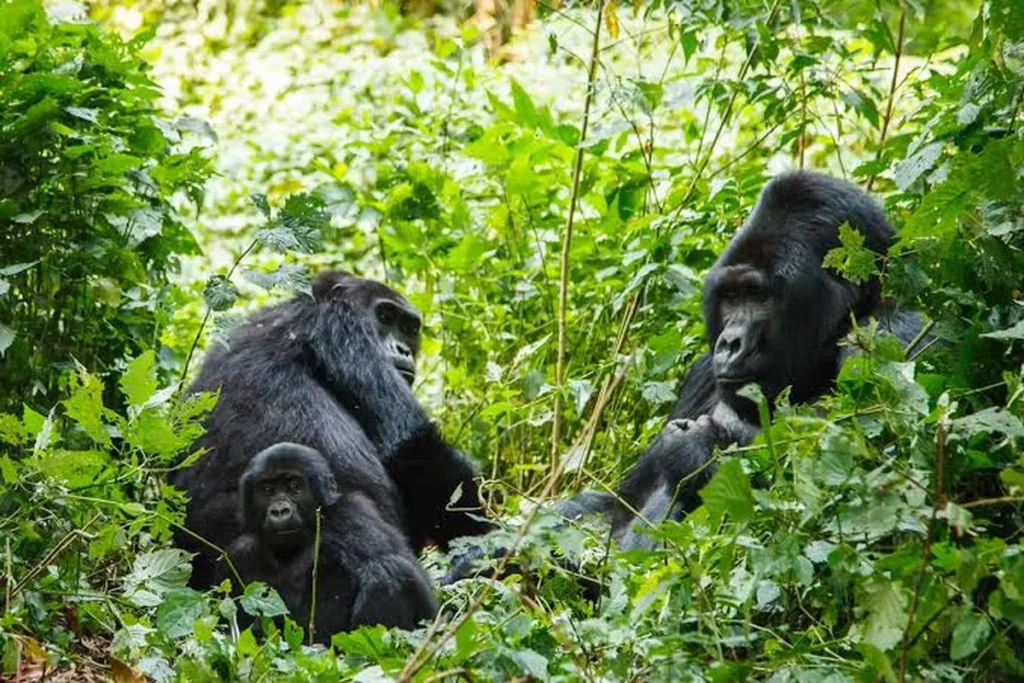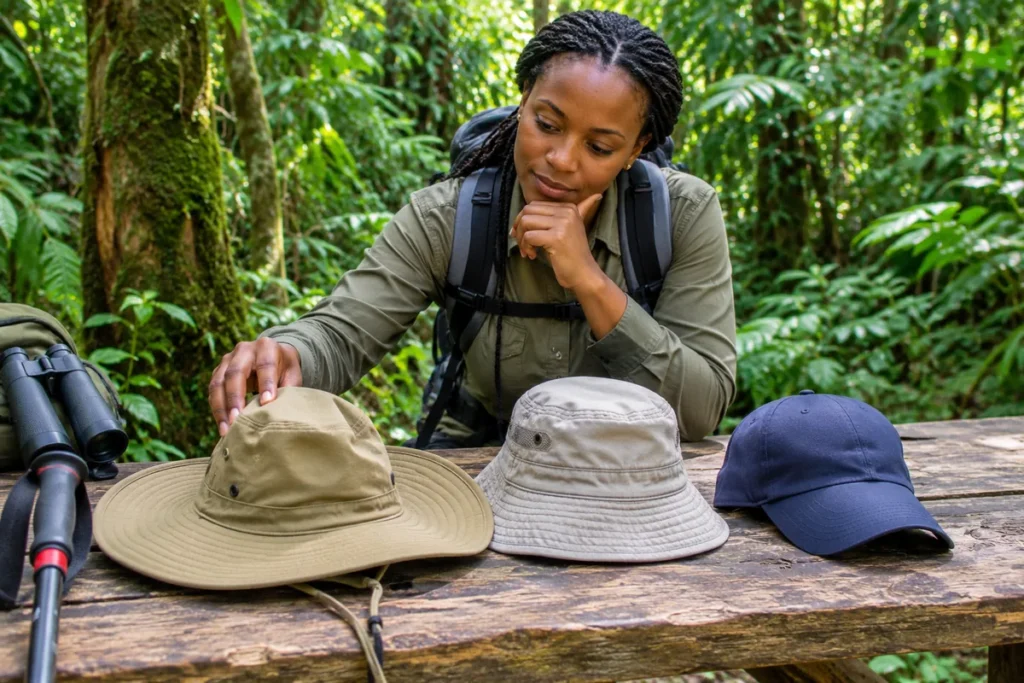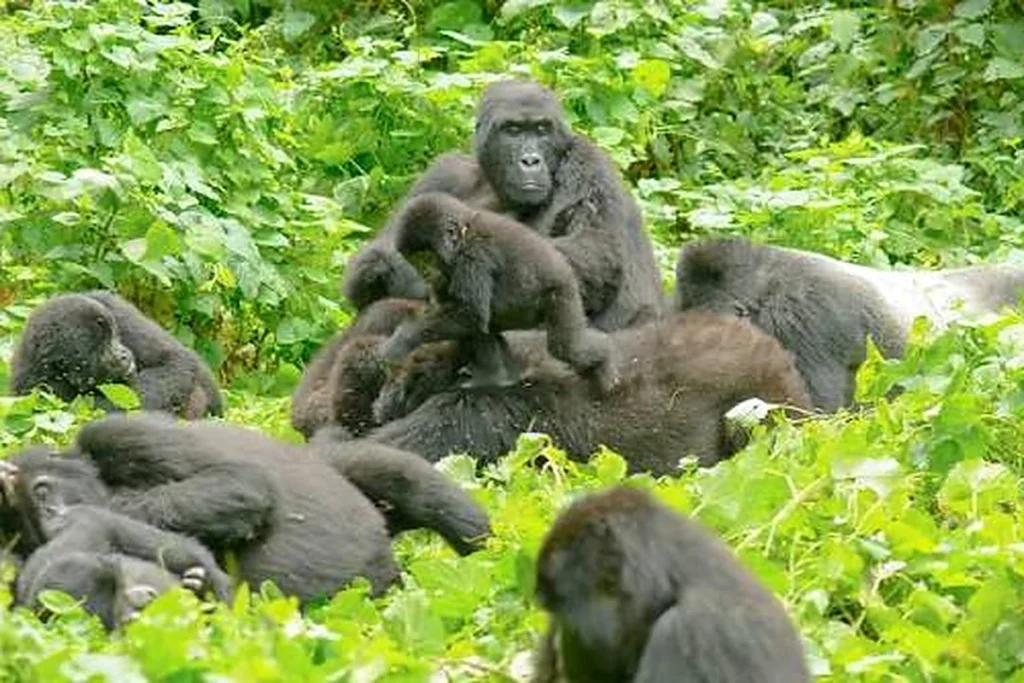
This practical guide explains how to prepare for gorilla trekking with diabetes in Bwindi Impenetrable National Park and Mgahinga Gorilla National Park. It does not offer personal medical clearance or insulin dosing instructions. Use it alongside advice from your diabetes team and the Uganda Wildlife Authority’s park guidance, which describes the physical demands of tracking.
Can You Go Gorilla Trekking With Diabetes?
Medical suitability
Diabetes alone is not an automatic exclusion from gorilla trekking. The important questions are how consistently glucose is managed, whether severe lows have occurred recently, and whether complications make strenuous walking unsafe. A clinician who knows your history can assess cardiovascular fitness, foot health, kidney concerns, vision, and your usual response to exercise.
For gorilla trekking with diabetes, the key is to anticipate the unexpected rather than rely on perfect weather, a short trail, or an uninterrupted schedule. Write down your questions before traveling and agree on practical next steps with the people responsible for your care and the day’s logistics.
Realistic expectations
The gorillas move freely, so a visitor cannot reserve a fixed walking distance. Some tracking days involve steep slopes, slippery roots, thick vegetation, or hours of walking before the gorillas are located. Even a visitor who walks comfortably at home should plan for pauses, uneven footing, and limited access to supplies.
A shared plan
Before booking, explain your needs privately to your safari planner rather than expecting the ranger to diagnose your condition. Discuss access to meals, storage for medicines, whether you require a porter, and what happens if you need to turn back. The operator can coordinate logistics, not prescribe treatment.
A reliable routine is easier when your supplies are organized before departure. Keep treatment for low glucose immediately available, protect equipment from rain, and check what you have packed each morning. Small preparations can prevent a manageable interruption from becoming a serious problem.
When to reconsider
Postpone strenuous trekking and obtain medical advice if you have recurrent severe hypoglycemia, acute illness, unstable glucose, unexplained chest discomfort, or serious foot wounds. A safari permit is not a reason to ignore a medical warning. An alternative nature experience may be safer until your health is stabilized.
The most useful safari advice is specific to your own treatment and fitness. Ask your healthcare professional about the activity and ask your operator about the terrain and travel schedule. Neither a generic online recommendation nor another traveler’s experience can replace those conversations.
Diabetes type matters
A person using insulin may face different exercise-related risks from someone whose diabetes is managed without medicines that cause hypoglycemia. Neither type 1 nor type 2 diabetes predicts hiking ability by itself. Your medication, previous low-glucose episodes, fitness, and individual complications matter much more than the label.
The reward and the reality
Seeing a mountain gorilla in its habitat is extraordinary, but the encounter is reached on foot through protected forest. Responsible planning accepts that wildlife sightings and hiking conditions cannot be guaranteed. The best safari is one where you have enough information and supplies to make safe decisions throughout the day.
When planning gorilla trekking with diabetes, consider the hours after the activity as well as the hike itself. Arrange an unhurried return to the lodge, keep food and monitoring supplies nearby, and follow your individualized instructions for checking glucose after strenuous exercise.
For further planning, consult Uganda Wildlife Authority tracking rules before confirming your arrangements. This is particularly important when gorilla trekking with diabetes because the correct choice depends on your medical plan, the permit location, and the practical services available on your travel dates.
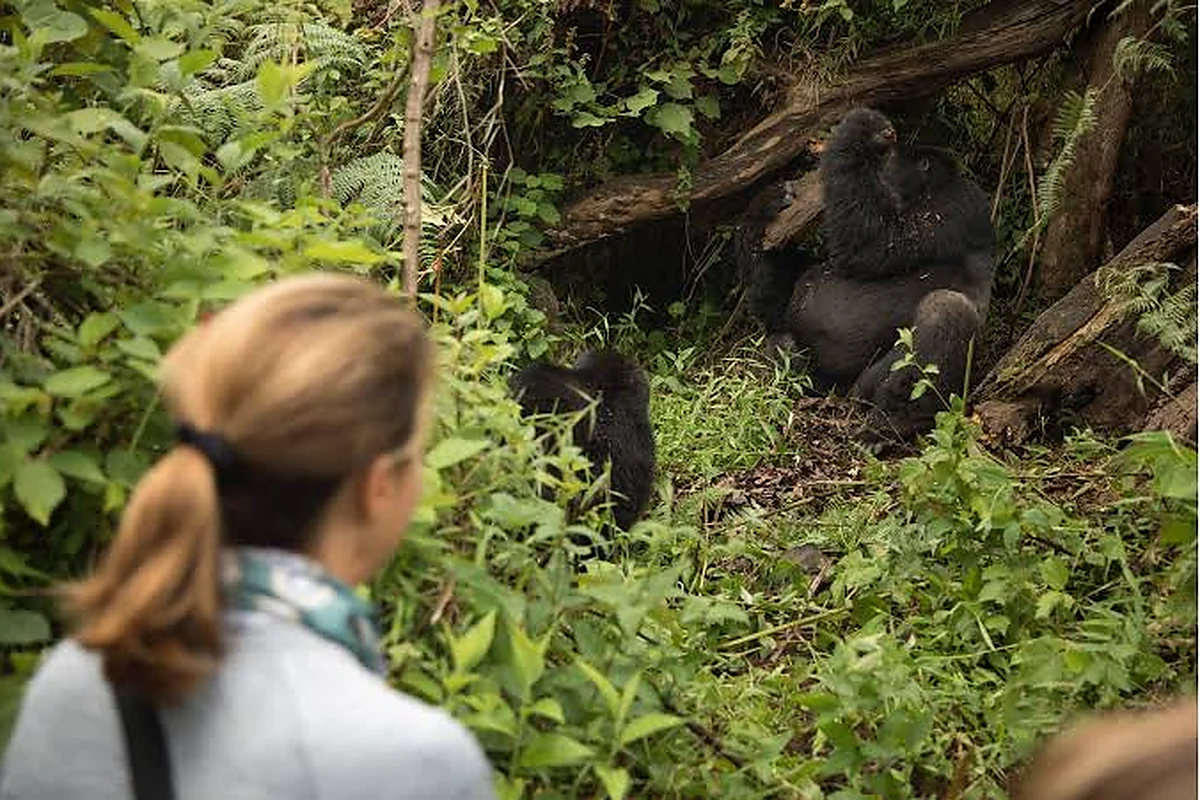
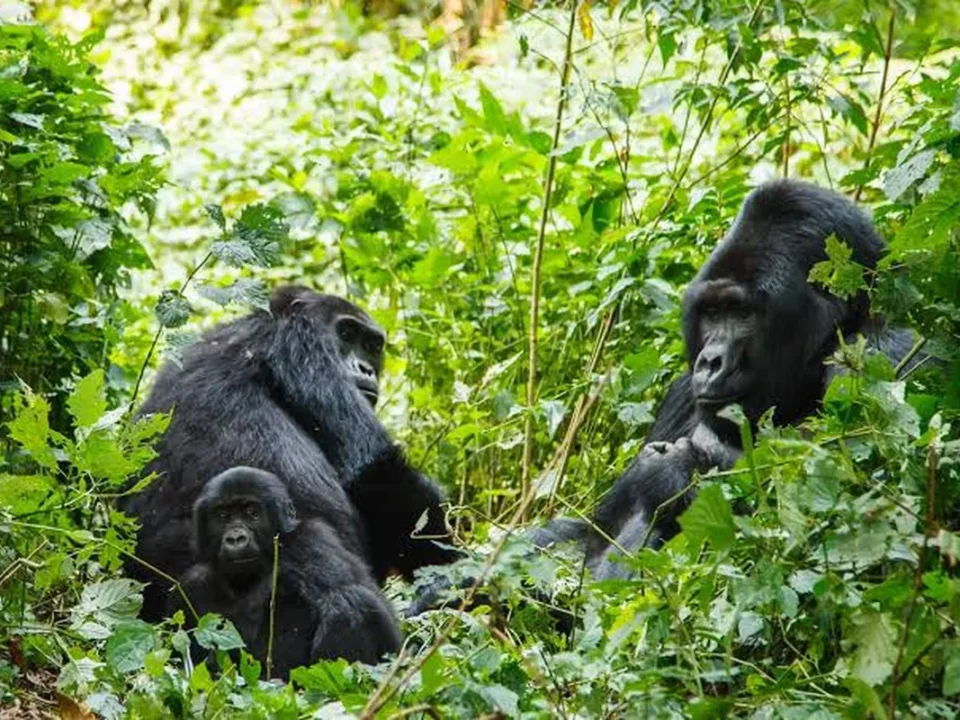
A visitor watches mountain gorillas resting in their natural forest habitat during a guided gorilla trekking experience.
How Forest Hiking Changes Blood Glucose
Muscle activity
Long periods of walking can increase insulin sensitivity and lower glucose during or after activity, particularly for people using insulin or certain tablets. A steep climb can also feel more demanding than a flat walk of the same distance. Test or monitor according to the exercise plan agreed with your diabetes team.
For gorilla trekking with diabetes, the key is to anticipate the unexpected rather than rely on perfect weather, a short trail, or an uninterrupted schedule. Write down your questions before traveling and agree on practical next steps with the people responsible for your care and the day’s logistics.
Delayed lows
Glucose may fall several hours after a demanding trek, including overnight. Do not assume that returning to the lodge ends the need for monitoring. Discuss after-exercise meals, bedtime checks, and any appropriate medication adjustments with your clinician before departure rather than improvising after an exhausting day.
Stress and altitude
Adrenaline, poor sleep, unfamiliar routines, and strenuous bursts of activity may temporarily raise glucose in some travelers. The parks also lie at elevations higher than many visitors are accustomed to, which can make exertion feel harder. There is no universal glucose response to a mountain gorilla trek.
A reliable routine is easier when your supplies are organized before departure. Keep treatment for low glucose immediately available, protect equipment from rain, and check what you have packed each morning. Small preparations can prevent a manageable interruption from becoming a serious problem.
| Trail Conditions and Glucose Planning | ||
|---|---|---|
| Forest trail condition | Why it matters | Practical response |
| Steep climbs | Longer exertion may affect glucose | Plan monitoring pauses and suitable snacks |
| Mud and roots | Slips and foot injuries are possible | Wear broken-in boots and inspect feet |
| Uncertain duration | Meals may be delayed | Carry packed food and fast-acting glucose |
| Remote forest | Medical access can be delayed | Share emergency plan with the guide |
Weather shifts
Rain, cold mornings, sun exposure, and changes in walking pace can affect comfort and hydration. Glucose monitoring devices and medicines must also be protected from moisture and temperature extremes. Pack waterproof bags and appropriate storage equipment while keeping emergency treatment accessible rather than buried beneath spare clothing.
The most useful safari advice is specific to your own treatment and fitness. Ask your healthcare professional about the activity and ask your operator about the terrain and travel schedule. Neither a generic online recommendation nor another traveler’s experience can replace those conversations.
Food timing
A park briefing may start early, while the time needed to find gorillas is unpredictable. Skipping breakfast or delaying lunch can be especially problematic for people using glucose-lowering medication. Agree on meal timing in advance and carry food that suits your personal plan, including fast-acting carbohydrate for emergencies.
Personal patterns
A practice hike on hills with your usual equipment can reveal whether your glucose tends to rise, fall, or fluctuate. Record food, activity, symptoms, and readings and review the pattern with your care team. A rehearsal is useful, but it cannot reproduce every condition inside Bwindi or Mgahinga.
When planning gorilla trekking with diabetes, consider the hours after the activity as well as the hike itself. Arrange an unhurried return to the lodge, keep food and monitoring supplies nearby, and follow your individualized instructions for checking glucose after strenuous exercise.
Preparing With Type 1 or Type 2 Diabetes
Pre-travel appointment
Schedule a medical review sufficiently early to discuss fitness, recent glucose trends, complications, travel vaccinations, and an individualized sick-day plan. Ask for a written summary of prescriptions and emergency instructions. A traveler with type 1 diabetes should specifically discuss ketone monitoring and insulin interruption risks.
For gorilla trekking with diabetes, the key is to anticipate the unexpected rather than rely on perfect weather, a short trail, or an uninterrupted schedule. Write down your questions before traveling and agree on practical next steps with the people responsible for your care and the day’s logistics.
Exercise instructions
Ask your clinician what to do if glucose is low before the trek, how often to check during prolonged activity, and how to respond to unexpected delays. Different medicines carry different hypoglycemia risks. Do not copy another traveler’s insulin adjustment or use a generic internet dose for your own treatment.
Foot examination
Foot blisters are not merely an inconvenience for someone with neuropathy or impaired circulation. Wear well-fitting, broken-in boots and moisture-managing socks, and inspect feet each evening. Anyone with active ulcers, significant loss of sensation, or circulation problems should get tailored advice before committing to rough forest trails.
A reliable routine is easier when your supplies are organized before departure. Keep treatment for low glucose immediately available, protect equipment from rain, and check what you have packed each morning. Small preparations can prevent a manageable interruption from becoming a serious problem.
Fitness preparation
Build endurance gradually through regular walking, hill practice, and balance exercises appropriate to your health. Training should help you learn how to carry a small pack, manage pauses, and monitor glucose while moving. Avoid suddenly undertaking an intense exercise program without discussing it with your healthcare professional.
The most useful safari advice is specific to your own treatment and fitness. Ask your healthcare professional about the activity and ask your operator about the terrain and travel schedule. Neither a generic online recommendation nor another traveler’s experience can replace those conversations.
Travel companions
A companion does not need your full medical history, but someone nearby should know how to recognize a serious low and where you keep rescue supplies. If you have prescribed glucagon, teach a responsible companion its use according to the product instructions. Inform the guide discreetly before entering the forest.
Written information
Keep a medication list, allergy details, emergency contacts, and instructions in a waterproof pouch. Include your clinician’s contact information and a clear note that you have diabetes. Written information helps when fatigue, language differences, or an unexpected emergency make explanations difficult.
When planning gorilla trekking with diabetes, consider the hours after the activity as well as the hike itself. Arrange an unhurried return to the lodge, keep food and monitoring supplies nearby, and follow your individualized instructions for checking glucose after strenuous exercise.
For further planning, consult CDC travel advice for diabetes before confirming your arrangements. This is particularly important when gorilla trekking with diabetes because the correct choice depends on your medical plan, the permit location, and the practical services available on your travel dates.
Insulin, Tablets, Pumps and Glucose Monitors
Extra supplies
Pack more medication and monitoring supplies than the exact trip length requires, because flights, road transfers, and weather can cause delays. Divide supplies between secure hand luggage and another accessible bag where practical. Carry prescriptions and avoid checking essential insulin into an aircraft hold.
For gorilla trekking with diabetes, the key is to anticipate the unexpected rather than rely on perfect weather, a short trail, or an uninterrupted schedule. Write down your questions before traveling and agree on practical next steps with the people responsible for your care and the day’s logistics.
Temperature protection
Insulin and some testing equipment can be damaged by excessive heat or freezing. Use manufacturer-approved storage methods and a suitable insulated carrier when needed. Do not put insulin directly against frozen ice packs. Check the product instructions for safe storage after opening, because requirements differ.
Pumps and sensors
If you use a pump or continuous glucose monitor, bring spare infusion sets, batteries or chargers, and a backup blood glucose meter. Sweat, moisture, adhesives, and signal interruptions can complicate forest use. Ask your diabetes team for a backup plan if the device fails during a remote hike.
A reliable routine is easier when your supplies are organized before departure. Keep treatment for low glucose immediately available, protect equipment from rain, and check what you have packed each morning. Small preparations can prevent a manageable interruption from becoming a serious problem.
Medication schedule
Crossing time zones and starting early for a safari may shift meals and medicine times. Plan the adjustment with your prescriber, especially for insulin. Keep a watch or phone reminder that works without mobile reception. Never assume the safari vehicle or forest will provide a convenient place to replace forgotten medicine.
The most useful safari advice is specific to your own treatment and fitness. Ask your healthcare professional about the activity and ask your operator about the terrain and travel schedule. Neither a generic online recommendation nor another traveler’s experience can replace those conversations.
Sharps disposal
Carry a sturdy travel sharps container or an approved alternative recommended by your healthcare provider. Never leave needles, lancets, sensors, or packaging in the national park. Ask your accommodation how to dispose of medical sharps safely, and pack used supplies out of the forest.
Backup documentation
A short letter explaining your diabetes equipment can help during airport screening or when requesting secure storage at a lodge. Keep digital and paper copies of important documents. Travel insurance should be checked for diabetes-related exclusions, emergency treatment coverage, and evacuation arrangements before payment.
When planning gorilla trekking with diabetes, consider the hours after the activity as well as the hike itself. Arrange an unhurried return to the lodge, keep food and monitoring supplies nearby, and follow your individualized instructions for checking glucose after strenuous exercise.
Packing Glucose, Snacks and Emergency Supplies
Fast sugar
Carry glucose tablets or another reliable fast-acting carbohydrate where you can reach it immediately. A low blood glucose episode should not require someone to search a porter’s distant backpack. Use your clinician’s treatment plan; standard guidance often recommends 15 grams of fast carbohydrate and reassessment after 15 minutes.
For gorilla trekking with diabetes, the key is to anticipate the unexpected rather than rely on perfect weather, a short trail, or an uninterrupted schedule. Write down your questions before traveling and agree on practical next steps with the people responsible for your care and the day’s logistics.
Longer-lasting food
Fast sugar treats an immediate low, but a longer walk may also require planned snacks or a meal. Choose familiar, portable foods with known carbohydrate content, and keep them protected from rain. Discuss your anticipated needs with your diabetes team, especially if you use insulin or sulfonylureas.
Hydration
Carry sufficient drinking water and arrange for a porter to help with extra weight if necessary. Dehydration can worsen the effects of illness and high glucose. Drink regularly according to your medical needs, and avoid relying on a single bottle for an unpredictable outing that could last several hours.
A reliable routine is easier when your supplies are organized before departure. Keep treatment for low glucose immediately available, protect equipment from rain, and check what you have packed each morning. Small preparations can prevent a manageable interruption from becoming a serious problem.
| Diabetes Trekking Packing Checklist | ||
|---|---|---|
| Item | Why pack it | Where to keep it |
| Glucose tablets | Treating a low promptly | Immediately accessible pocket |
| Medication and backup | Continuity during delays | Protected carry-on or daypack |
| Meter and strips | Checking unexpected symptoms | Waterproof pouch |
| Packed food and water | Uncertain trek duration | Accessible daypack |
| Medical summary | Emergency communication | Waterproof pouch |
Glucose testing kit
Keep a meter, strips, lancets, spare power supply, and any required sensor equipment in a waterproof pouch. A continuous glucose monitor is helpful, but a backup meter is important when symptoms do not match the sensor reading. Check that batteries and supplies work before leaving the lodge.
The most useful safari advice is specific to your own treatment and fitness. Ask your healthcare professional about the activity and ask your operator about the terrain and travel schedule. Neither a generic online recommendation nor another traveler’s experience can replace those conversations.
Emergency medication
If prescribed glucagon, pack it with clear instructions and make sure a companion knows where it is. Severe hypoglycemia involving confusion, seizures, or inability to swallow requires urgent help; do not force food or drink into an unconscious person. Rangers should be informed immediately so an evacuation response can begin.
The right backpack
Use a lightweight, comfortable daypack with separate easy-access compartments for glucose and medication. A porter can carry nonurgent gear, but you or a close companion should retain critical treatment supplies. Label the bag clearly and check it at the trailhead before setting off.
When planning gorilla trekking with diabetes, consider the hours after the activity as well as the hike itself. Arrange an unhurried return to the lodge, keep food and monitoring supplies nearby, and follow your individualized instructions for checking glucose after strenuous exercise.
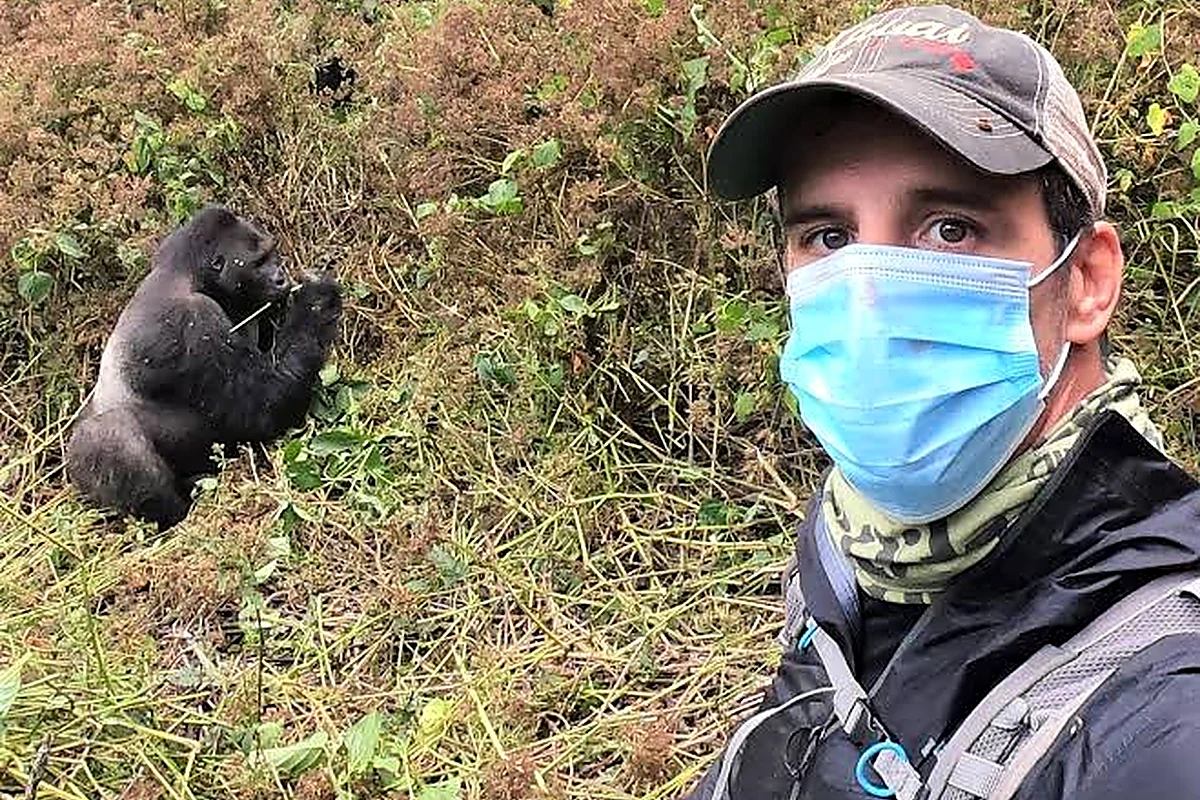
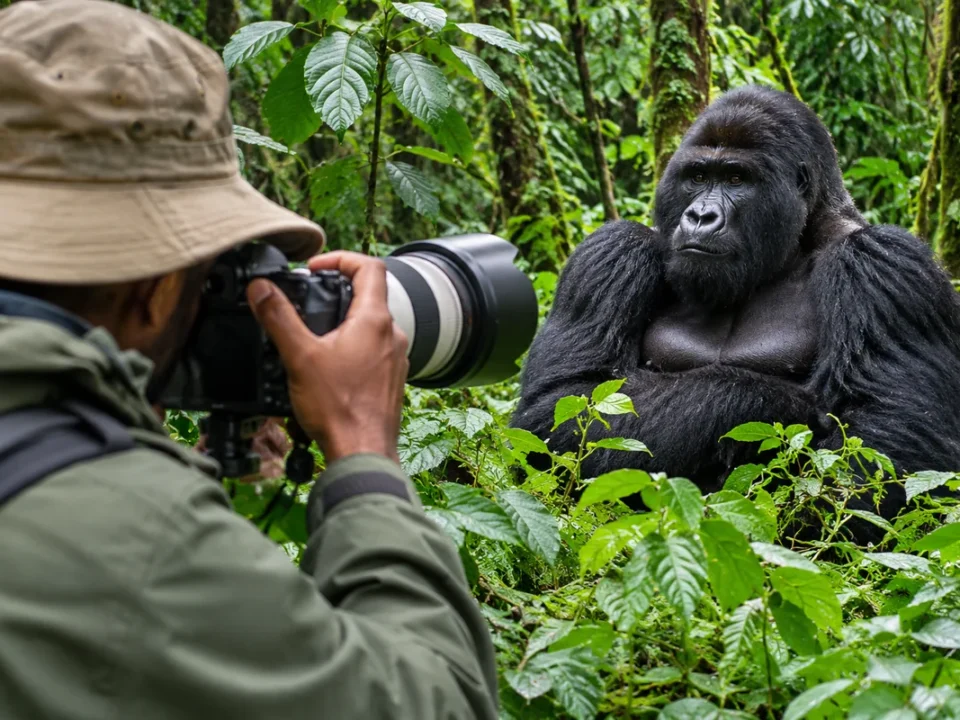
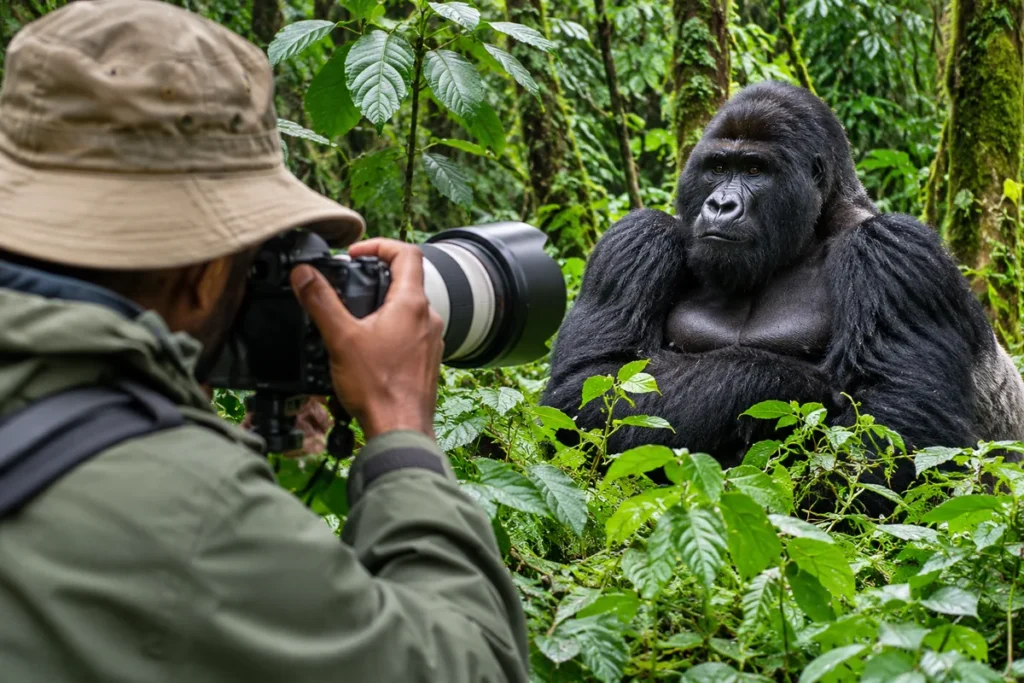
A masked visitor takes a photograph with a mountain gorilla visible in the forest behind him.
Bwindi Versus Mgahinga: What Changes for Travelers?
Bwindi sectors
Bwindi trekking begins from Buhoma, Ruhija, Rushaga, or Nkuringo, depending on the permit and assignment. Forest paths may be muddy, steep, or uneven, and the gorillas’ movements determine the day’s walking. No sector can be promised as a medically easy option.
For gorilla trekking with diabetes, the key is to anticipate the unexpected rather than rely on perfect weather, a short trail, or an uninterrupted schedule. Write down your questions before traveling and agree on practical next steps with the people responsible for your care and the day’s logistics.
Mgahinga terrain
Mgahinga offers gorilla tracking in a volcanic mountain environment with its own slopes and elevation. Its open bamboo areas do not automatically make the hike easier. Ask about the actual briefing point, expected conditions, and permit availability instead of choosing solely from photographs.
Ranger allocation
Park authorities allocate visitors to gorilla groups according to operational arrangements on the tracking day. You can explain mobility or medical concerns at briefing, but a short route or particular gorilla family is never guaranteed. Build enough flexibility into the plan to cope with a longer trek.
A reliable routine is easier when your supplies are organized before departure. Keep treatment for low glucose immediately available, protect equipment from rain, and check what you have packed each morning. Small preparations can prevent a manageable interruption from becoming a serious problem.
Lodge proximity
Staying near the correct trekking sector helps reduce very early road travel and missed breakfasts. Long predawn transfers can complicate medication schedules and leave little time for a glucose check. Confirm the permit entry point before choosing accommodation, especially when comparing different Bwindi sectors.
The most useful safari advice is specific to your own treatment and fitness. Ask your healthcare professional about the activity and ask your operator about the terrain and travel schedule. Neither a generic online recommendation nor another traveler’s experience can replace those conversations.
Altitude awareness
Visitors arriving from low elevations may find the air and climbing effort unfamiliar. This is not the same as saying altitude alone will destabilize everyone’s diabetes. If you have cardiovascular disease or other complications, ask your clinician whether additional assessment is needed before trekking at elevation.
No guarantees
A wildlife trek is not a controlled exercise session. Rain, vegetation, animal movement, and group pace may change the duration unexpectedly. The safer decision may be to stop or return if symptoms develop, even when other members of the group are able to continue.
When planning gorilla trekking with diabetes, consider the hours after the activity as well as the hike itself. Arrange an unhurried return to the lodge, keep food and monitoring supplies nearby, and follow your individualized instructions for checking glucose after strenuous exercise.
For further planning, consult Bwindi park information before confirming your arrangements. This is particularly important when gorilla trekking with diabetes because the correct choice depends on your medical plan, the permit location, and the practical services available on your travel dates.
Meals, Hydration and Unpredictable Trekking Hours
Breakfast first
Confirm breakfast availability with your lodge and avoid changing your usual eating routine without a clinical plan. Some visitors leave early for the park briefing, so a packed breakfast may be necessary. Match food and medication timing to the instructions you have already discussed with your diabetes team.
For gorilla trekking with diabetes, the key is to anticipate the unexpected rather than rely on perfect weather, a short trail, or an uninterrupted schedule. Write down your questions before traveling and agree on practical next steps with the people responsible for your care and the day’s logistics.
Lunch delays
Gorilla tracking can continue beyond a normal lunchtime. Carry a packed meal and snacks with predictable carbohydrate content rather than depending on finding food in the forest. The exact amount needed is individual, and visitors taking insulin may require a different plan from those using other medicines.
Glucose checks
Build brief, regular monitoring pauses into the day and tell your guide that these stops may be necessary. Checking glucose is not a sign of weakness; it is part of safe self-management. Record unusual symptoms and use a finger-stick check when a sensor reading seems inconsistent with how you feel.
A reliable routine is easier when your supplies are organized before departure. Keep treatment for low glucose immediately available, protect equipment from rain, and check what you have packed each morning. Small preparations can prevent a manageable interruption from becoming a serious problem.
| Walking Support and Monitoring Options | ||
|---|---|---|
| Support option | What it can help with | Important limitation |
| Porter | Carrying water and nonurgent equipment | Not a medical professional |
| Walking stick | Balance on uneven ground | Does not guarantee easy terrain |
| Glucose monitor | Tracking changes during activity | Bring backup meter and supplies |
| Nearby lodge | Simpler breakfast and medication timing | No guarantee of short trek |
Eating near gorillas
Uganda Wildlife Authority rules restrict eating and drinking in the immediate presence of gorillas. If you need to treat low glucose, tell the ranger immediately and follow their direction to a safe place away from the animals. Human health emergencies take priority, while ranger guidance protects wildlife and visitors.
The most useful safari advice is specific to your own treatment and fitness. Ask your healthcare professional about the activity and ask your operator about the terrain and travel schedule. Neither a generic online recommendation nor another traveler’s experience can replace those conversations.
After the trek
Plan an accessible meal and time to rest after returning to the lodge. Monitor for delayed low glucose according to your clinician’s advice, particularly after unusually long exertion. Alcohol, poor appetite, and exhaustion can make post-trek management harder, so keep the evening schedule simple.
Road travel
Transfers between Entebbe, Kampala, Kisoro, and Bwindi can be long and may involve limited stops. Keep water, suitable snacks, and medication inside the vehicle cabin. Tell the driver in advance when you may need breaks, and do not place all essential supplies in luggage stored out of reach.
When planning gorilla trekking with diabetes, consider the hours after the activity as well as the hike itself. Arrange an unhurried return to the lodge, keep food and monitoring supplies nearby, and follow your individualized instructions for checking glucose after strenuous exercise.
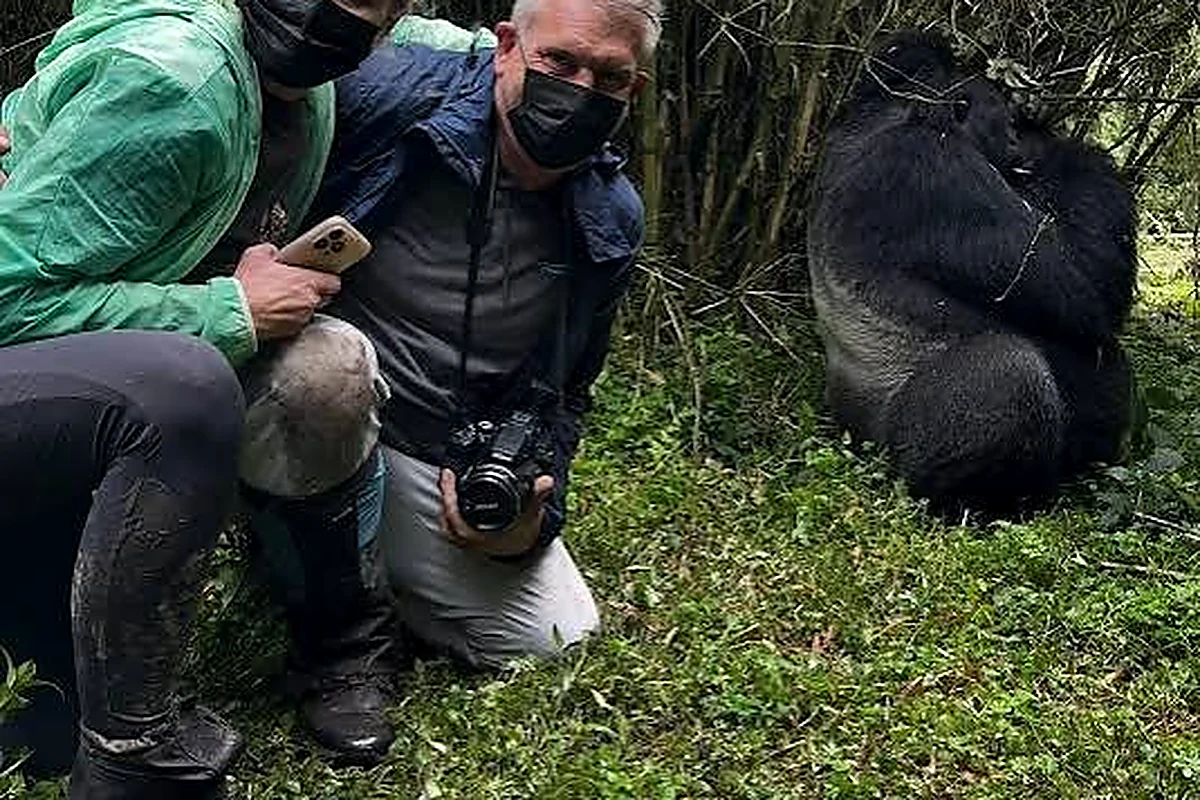
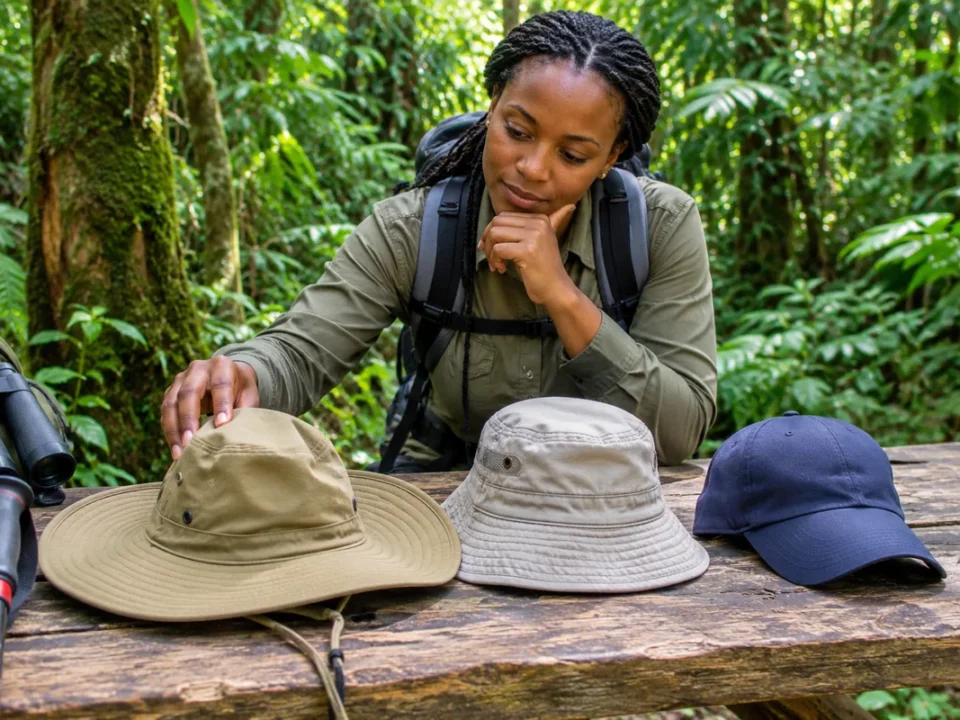
Two visitors wearing face masks pose in a forest clearing with a mountain gorilla visible nearby.
Responding to Low or High Blood Glucose
Recognizing a low
Shaking, sweating, hunger, palpitations, unusual irritability, and confusion can indicate hypoglycemia, although symptoms vary. Stop walking, check glucose if possible, and use your prescribed treatment plan. A visitor who is confused or unable to swallow needs urgent assistance rather than encouragement to keep hiking.
For gorilla trekking with diabetes, the key is to anticipate the unexpected rather than rely on perfect weather, a short trail, or an uninterrupted schedule. Write down your questions before traveling and agree on practical next steps with the people responsible for your care and the day’s logistics.
Treating a low
For many adults, standard advice is 15 grams of fast-acting carbohydrate followed by a repeat check after 15 minutes, repeating treatment if still low. Your own clinician may give different instructions. Do not restart strenuous walking until recovered and a safe next step has been agreed.
Severe emergencies
Seizures, unconsciousness, or inability to swallow are emergencies. A trained companion may administer prescribed glucagon according to its instructions while another person alerts the ranger and seeks urgent medical assistance. Do not put food or liquid in the person’s mouth, and do not delay evacuation.
A reliable routine is easier when your supplies are organized before departure. Keep treatment for low glucose immediately available, protect equipment from rain, and check what you have packed each morning. Small preparations can prevent a manageable interruption from becoming a serious problem.
High glucose and ketones
Very high glucose, vomiting, abdominal pain, rapid breathing, or significant dehydration require prompt assessment. People at risk of diabetic ketoacidosis should follow their sick-day and ketone-testing plan. Avoid vigorous trekking when ketones are present and seek medical help; do not attempt to walk through serious symptoms.
The most useful safari advice is specific to your own treatment and fitness. Ask your healthcare professional about the activity and ask your operator about the terrain and travel schedule. Neither a generic online recommendation nor another traveler’s experience can replace those conversations.
Communication
Agree on a simple phrase or signal that means you need the group to stop. Tell the ranger what assistance is required without expecting them to interpret monitor readings or choose medication doses. If symptoms persist, prioritize a safe return and professional medical assessment over completing the trek.
Insurance and evacuation
Confirm emergency transport arrangements and whether your travel insurance covers pre-existing diabetes and remote-area evacuation. A safari operator can help coordinate communication and logistics, but rescue time varies with terrain and weather. Carry emergency contact details and do not assume a vehicle can reach every section of forest.
When planning gorilla trekking with diabetes, consider the hours after the activity as well as the hike itself. Arrange an unhurried return to the lodge, keep food and monitoring supplies nearby, and follow your individualized instructions for checking glucose after strenuous exercise.
Choosing a Suitable Gorilla Trekking Safari
Ask before booking
Share practical needs such as medication refrigeration, breakfast timing, walking limitations, and access to a porter. You do not need to disclose every private medical detail to every staff member. The goal is to create a realistic itinerary and understand what assistance can and cannot be arranged.
For gorilla trekking with diabetes, the key is to anticipate the unexpected rather than rely on perfect weather, a short trail, or an uninterrupted schedule. Write down your questions before traveling and agree on practical next steps with the people responsible for your care and the day’s logistics.
Choose flexible pacing
A good itinerary allows recovery time before and after the gorilla trek rather than packing demanding activities into every day. Extra nights near the park may reduce travel fatigue. Flexibility is particularly useful when meals, glucose checks, or medication routines need to stay predictable.
Consider a porter
Hiring a porter may reduce the weight you carry and provide practical support on uneven trails. Porters are not medical professionals, and they cannot guarantee a short route or eliminate the demands of hiking. Keep glucose treatment close to you even if the porter carries most of your equipment.
A reliable routine is easier when your supplies are organized before departure. Keep treatment for low glucose immediately available, protect equipment from rain, and check what you have packed each morning. Small preparations can prevent a manageable interruption from becoming a serious problem.
Understand permit rules
Gorilla permits are date-specific and subject to park policies. Before payment, ask about changes, cancellations, and what happens if illness prevents trekking. Never assume a refund or an easy reassignment will be available, and consider insurance that addresses relevant medical contingencies.
The most useful safari advice is specific to your own treatment and fitness. Ask your healthcare professional about the activity and ask your operator about the terrain and travel schedule. Neither a generic online recommendation nor another traveler’s experience can replace those conversations.
Link the full itinerary
A well-designed Uganda safari may combine gorilla tracking with less strenuous wildlife drives or cultural activities. Such additions can make the trip rewarding without requiring continuous hiking. Confirm actual travel distances and activity levels before committing to a package or a tight international flight connection.
Book with clear expectations
Discuss your needs with PrideMark Safaris well before travel so accommodation, transport, porter requests, and park briefing arrangements can be considered. The company can coordinate safari services but cannot replace your doctor. Responsible planning leaves room to change plans if your health requires it.
When planning gorilla trekking with diabetes, consider the hours after the activity as well as the hike itself. Arrange an unhurried return to the lodge, keep food and monitoring supplies nearby, and follow your individualized instructions for checking glucose after strenuous exercise.
For further planning, consult contact PrideMark Safaris before confirming your arrangements. This is particularly important when gorilla trekking with diabetes because the correct choice depends on your medical plan, the permit location, and the practical services available on your travel dates.
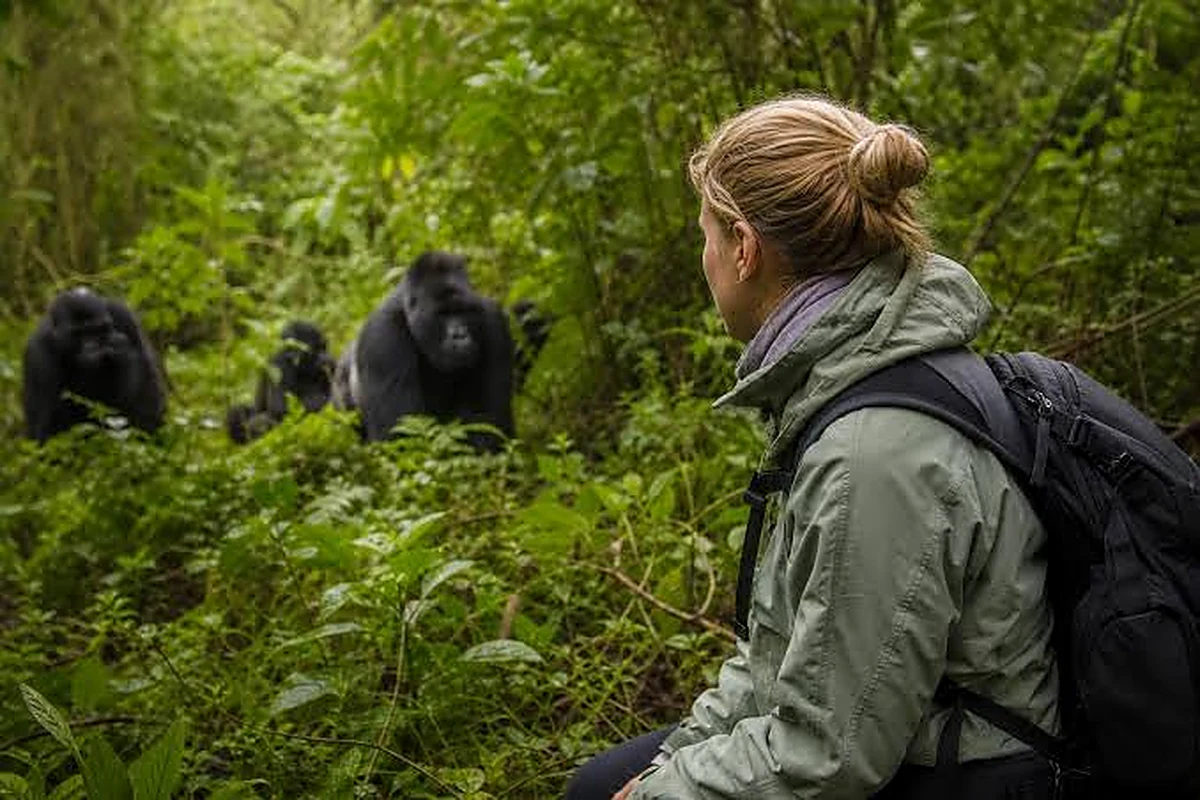
A visitor watches a group of mountain gorillas resting among dense green vegetation during a forest trekking experience.
Frequently Asked Questions About Gorilla Trekking With Diabetes
Is gorilla trekking allowed if I have diabetes?
Diabetes itself does not automatically exclude a visitor. Suitability depends on medical stability, fitness, complications, and an individual plan for strenuous activity.
Can I trek with type 1 diabetes?
Some people with type 1 diabetes can trek with careful planning. Discuss insulin, ketones, monitoring, emergency glucagon, and prolonged activity with your diabetes team.
Is type 2 diabetes less risky for trekking?
Not necessarily. Risk depends on medication, cardiovascular health, neuropathy, fitness, and glucose control rather than the diagnosis label alone.
Should I carry insulin into the forest?
Carry required insulin and backup supplies according to your clinician’s plan, protected from heat and moisture. Do not leave essential medication inaccessible at the lodge.
What if my blood sugar drops during trekking?
Stop, notify the guide, check glucose if possible, and follow your prescribed low-glucose treatment plan. Severe symptoms require urgent help.
Can I eat snacks during gorilla viewing?
Eating near gorillas is restricted. Tell the ranger immediately if you need glucose treatment so they can direct you to a safe location away from the animals.
Are Bwindi trails easy for visitors with diabetes?
Difficulty varies with the gorillas’ location, weather, and assigned route. No sector or short walk can be guaranteed.
Is Mgahinga easier than Bwindi?
Not automatically. Mgahinga also has elevated and uneven terrain. Discuss your fitness and travel logistics rather than assuming one park is always easier.
Can a porter carry my diabetes supplies?
A porter can carry spare gear, but keep fast-acting glucose and urgent medication with you or a companion immediately beside you.
Should I adjust insulin before trekking?
Only according to an individualized plan from your prescribing clinician. Exercise effects vary widely and unsupervised changes can be dangerous.
What if I become sick before my permit date?
Seek medical advice, inform your operator, and review the applicable permit and insurance terms. Do not assume that illness guarantees a refund.
How can PrideMark Safaris help me plan?
The team can discuss logistics such as suitable lodge location, meals, porter availability, and transport, while medical decisions remain with your healthcare professional.
Plan Your Uganda Gorilla Safari
Gorilla trekking with diabetes calls for a realistic itinerary, reliable supplies, and a willingness to respond promptly to symptoms. The best preparations are individual: discuss your treatment with a qualified clinician, choose a lodge near your permitted trekking sector, and share practical needs with your guide. No operator can guarantee an easy route, a fixed duration, or medical suitability.
To discuss accommodation, transport, porter availability, and flexible safari arrangements, contact PrideMark Safaris. You can also explore the PrideMark Safaris safari website for current itinerary options and ask the team for verified package links. The team can arrange travel logistics while your healthcare professional advises on diabetes management.
Medical and Wildlife Sources
- CDC: Traveling With Diabetes
- American Diabetes Association: Blood Glucose and Exercise
- NIDDK: Low Blood Glucose
- Uganda Wildlife Authority: Bwindi
- Uganda Wildlife Authority: Tracking Guidelines
Health disclaimer: This travel guide is informational and does not replace personalized medical advice. Seek urgent medical help for severe hypoglycemia, suspected ketoacidosis, or other serious symptoms.