Uganda Through a Photographer’s Lens

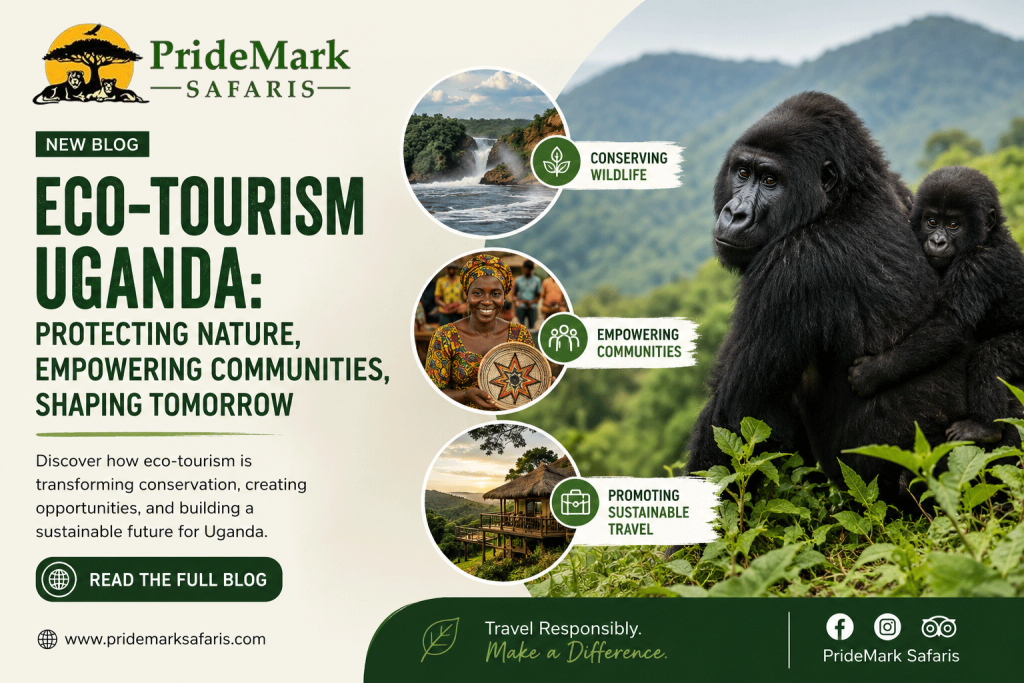
Eco-Tourism Uganda: Where Every Journey Protects the Future
July 4, 2026
Why Uganda Is Cheaper Than Rwanda for Gorilla Trekking
July 15, 2026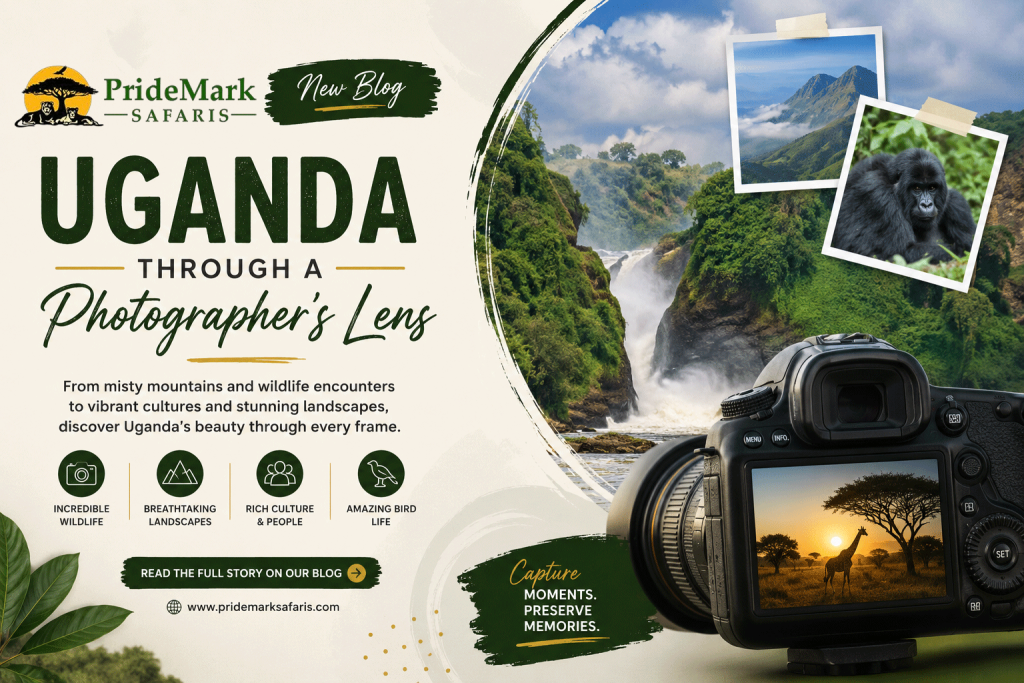
Uganda Through a Photographer’s Lens
Uganda is one of Africa’s most rewarding photography destinations. Every journey across the country reveals a fresh story waiting to be captured. From mist-covered mountains and ancient forests to golden savannahs and vibrant communities, every landscape presents unique opportunities for photographers of every skill level. Whether you travel with a professional camera, a mirrorless setup, a drone where permitted, or simply a smartphone, Uganda offers remarkable scenes that transform ordinary moments into unforgettable images. The country’s exceptional biodiversity, welcoming people, dramatic lighting, and varied ecosystems make every day an exciting visual adventure. At PrideMark Safaris, we understand that photography is more than taking pictures. It is about preserving emotions, telling authentic stories, and creating memories that last a lifetime.
Unlike many destinations where photography revolves around one attraction, Uganda offers incredible diversity within relatively short travel distances. In one itinerary, photographers can capture endangered mountain gorillas, roaring waterfalls, colorful birdlife, traditional communities, volcanic mountains, crater lakes, and spectacular sunsets over vast national parks. This diversity has made Uganda one of the fastest-growing destinations for wildlife and landscape photography in Africa.
Why Uganda Photographer’s Lens Reveals Extraordinary Beauty
Every destination has its own personality, but Uganda stands apart because of its incredible variety. Often called the “Pearl of Africa,” the country stretches across the East African plateau and contains tropical rainforests, expansive wetlands, alpine ecosystems, volcanic landscapes, lakes, rivers, and rolling grasslands. These contrasting environments create endless opportunities for photographers throughout the year.
Morning light in Uganda often produces soft golden tones because of the country’s equatorial climate. Mist rises gently above forests, wildlife becomes active during the cool hours, and landscapes appear rich with natural color. During the evening, warm sunlight paints the savannah, lakes, and mountains with dramatic shades that photographers eagerly anticipate.
Uganda also enjoys remarkable biodiversity. The country hosts more than half of the world’s remaining mountain gorillas, over 1,090 recorded bird species, numerous primates, and iconic African wildlife including elephants, lions, buffaloes, giraffes, leopards, zebras, and hippos. This exceptional concentration of wildlife provides photographers with endless subjects throughout every safari.
Wildlife Through a Uganda Photographer’s Lens


Wildlife photography in Uganda combines excitement, patience, and unforgettable encounters. Every national park offers unique opportunities to photograph animals behaving naturally in their habitats.
Bwindi Impenetrable National Park remains the country’s most celebrated photography destination. Mountain gorilla trekking brings visitors face to face with one of the world’s rarest primates. The experience is carefully regulated to protect the gorillas while allowing visitors to spend one unforgettable hour observing them. Photographers often capture emotional interactions between family members, playful juveniles, protective silverbacks, and intimate moments rarely witnessed elsewhere.
In Queen Elizabeth National Park, photographers seek the famous tree-climbing lions of the Ishasha sector. Seeing these powerful predators resting high in fig trees creates extraordinary compositions that cannot easily be replicated in other African destinations. The park also offers opportunities to photograph elephants, buffaloes, antelopes, crocodiles, hippos, and countless bird species along the Kazinga Channel.
Murchison Falls National Park combines wildlife with dramatic scenery. Game drives reveal giraffes walking across open plains while elephants move gracefully through the grasslands. The mighty Nile River supports hippos, crocodiles, and abundant birdlife before exploding through the narrow gorge at Murchison Falls, producing one of Africa’s most dramatic natural spectacles.
Bird photographers also discover paradise in Uganda. Wetlands such as Mabamba Swamp provide one of the best chances to photograph the prehistoric-looking shoebill stork, while forests and national parks host colorful turacos, kingfishers, bee-eaters, hornbills, and countless migratory species.
Landscapes That Define a Uganda Photographer’s Lens


Uganda’s landscapes constantly surprise visitors because no two regions appear alike. Every journey reveals changing scenery that challenges photographers to discover new perspectives.
Lake Bunyonyi presents one of Uganda’s most peaceful landscapes. More than twenty-nine islands emerge from calm waters surrounded by green terraced hills. Sunrise often creates reflections so perfect that photographers can capture mirror-like images with minimal editing.
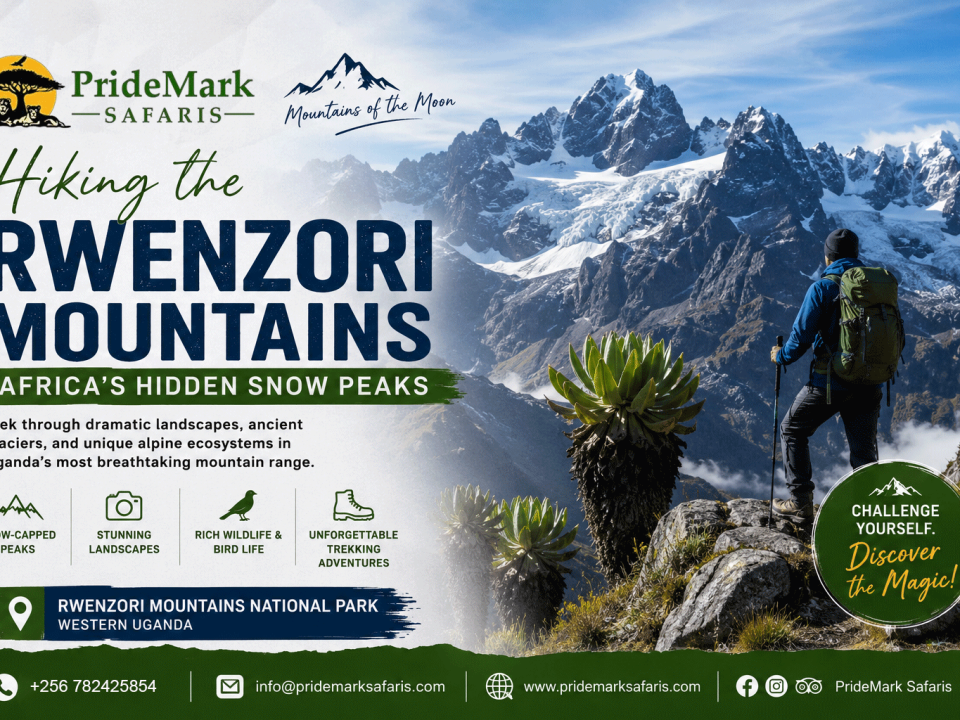
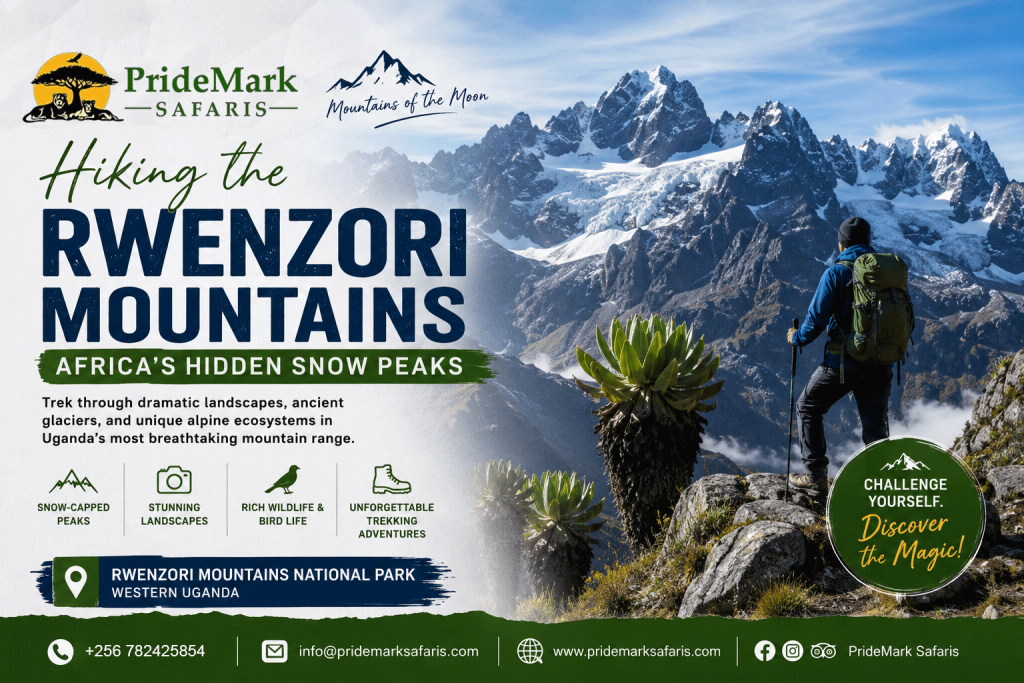
The Rwenzori Mountains, commonly known as the Mountains of the Moon, offer dramatic alpine scenery unlike anywhere else in East Africa. Snow-capped peaks, glaciers, giant lobelias, waterfalls, and cloud forests create breathtaking compositions for adventurous landscape photographers.
Sipi Falls in eastern Uganda showcases three spectacular waterfalls flowing down the slopes of Mount Elgon. Early morning mist frequently surrounds the cliffs, producing soft atmospheric images that appeal to both professional and amateur photographers.
Perhaps nowhere demonstrates Uganda’s raw power better than Murchison Falls. Watching the Nile squeeze through a narrow rock gap before plunging into the gorge creates dynamic photographs that capture movement, energy, and scale in one frame.
People and Culture Through a Uganda Photographer’s Lens


Photography in Uganda extends far beyond wildlife. The country’s greatest strength lies in its people, whose warmth and hospitality create meaningful photographic stories.
Traditional communities across Uganda proudly preserve cultural practices that have been passed through generations. Visitors who respectfully participate in cultural experiences may photograph traditional dances, local crafts, storytelling sessions, farming activities, and indigenous architecture while learning about Uganda’s rich heritage.
The Batwa cultural experiences around Bwindi introduce visitors to one of Uganda’s oldest indigenous communities. Their forest traditions, music, hunting techniques, and storytelling provide meaningful opportunities for documentary photography.
Northern and northeastern Uganda also present fascinating cultural experiences among the Karamojong communities, whose distinctive clothing, livestock traditions, and resilient lifestyle create compelling visual narratives.
Urban photography offers another perspective. Kampala’s energetic markets, street vendors, colorful taxis, motorcycle transport, modern architecture, and vibrant nightlife demonstrate Uganda’s rapidly growing cities while reflecting everyday life with authenticity.
Responsible photographers always seek permission before photographing individuals, especially during cultural visits. Respect builds trust and often results in more natural, expressive portraits.
Best Seasons for a Uganda Photographer’s Lens
Uganda welcomes photographers throughout the year because its equatorial climate supports year-round travel. However, each season offers different photographic advantages.
The drier months from June to August and December to February generally provide easier wildlife viewing because vegetation becomes less dense and animals gather around reliable water sources. Clear skies also improve landscape photography and increase the chances of dramatic sunrises and sunsets.
The wetter months transform Uganda into an incredibly lush destination. Forests become greener, waterfalls flow with greater power, flowers bloom across the countryside, and dramatic cloud formations create unique lighting conditions. Bird photographers particularly enjoy these months because many migratory species arrive during this period.
Photographers who appreciate variety often find that every season delivers unique opportunities rather than limitations.
Essential Photography Tips for Uganda
Successful photography in Uganda requires preparation alongside creativity. Carry weather protection for cameras because tropical showers may appear unexpectedly, particularly in rainforest environments. Extra batteries remain essential because long game drives and gorilla trekking consume considerable power. A telephoto lens helps with wildlife photography, while a wide-angle lens captures sweeping landscapes, waterfalls, and dramatic skies.
Patience often produces the most rewarding images. Wildlife rarely follows predictable patterns, and the perfect light may appear only briefly. Slowing down allows photographers to observe behavior, anticipate movement, and create more compelling compositions.
Hiring experienced guides also improves photography. Guides from PrideMark Safaris understand animal behavior, seasonal movements, sunrise locations, and positioning for the best photographic angles while ensuring visitors respect conservation guidelines.
Conservation Makes Every Photograph Meaningful
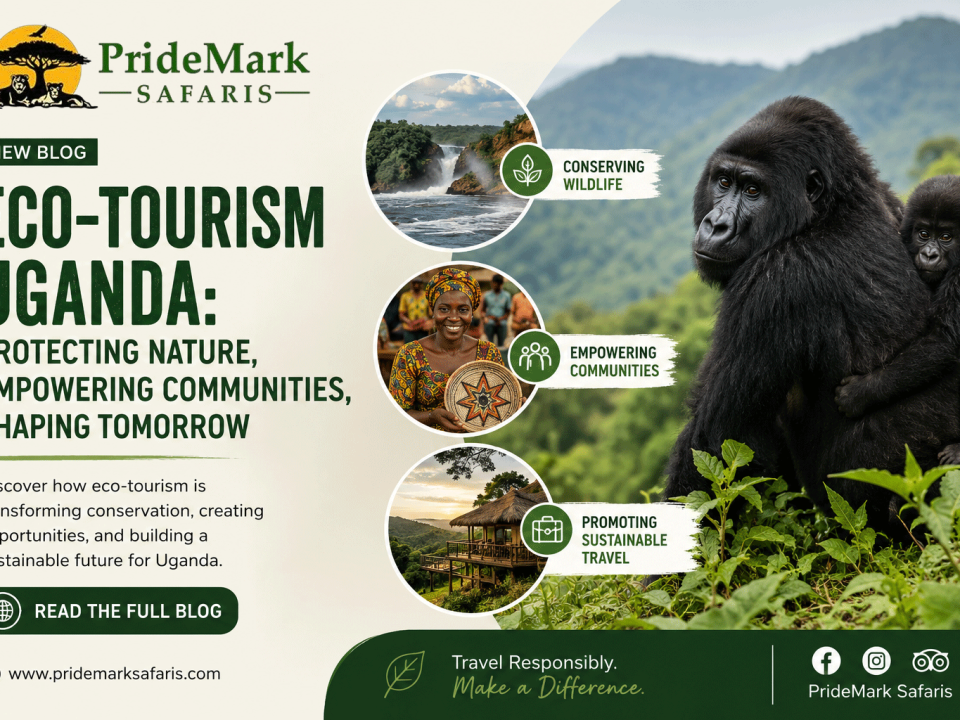
Every memorable wildlife photograph taken in Uganda also tells a conservation story. National parks, wildlife authorities, conservation organizations, and local communities work together to protect endangered species and fragile ecosystems. Tourism directly supports these conservation efforts through park fees, community employment, anti-poaching initiatives, habitat restoration, and education programs.
Responsible photography contributes to conservation by encouraging appreciation rather than disturbance. Maintaining appropriate distances, avoiding flash around sensitive wildlife, following ranger instructions, and respecting protected areas help preserve Uganda’s extraordinary biodiversity for future generations.
Every image shared responsibly inspires others to value conservation and sustainable tourism.
Explore Uganda with PrideMark Safaris
The most unforgettable photographs often happen when expert planning meets remarkable destinations. PrideMark Safaris designs photography-friendly itineraries that maximize opportunities for wildlife encounters, breathtaking landscapes, authentic cultural experiences, and ideal lighting conditions. Whether your dream is photographing mountain gorillas in Bwindi, elephants crossing the savannah, the thunder of Murchison Falls, peaceful mornings on Lake Bunyonyi, or vibrant cultural festivals, our experienced guides help you reach the right place at the right time.
Uganda rewards those who travel slowly, observe carefully, and appreciate every detail. Through a photographer’s lens, every sunrise, every smile, every bird in flight, and every mountain silhouette becomes part of a remarkable visual story that lasts forever.
Uganda is not simply a destination to visit; it is a destination to experience through the art of photography. Its extraordinary wildlife, breathtaking landscapes, vibrant cultures, and welcoming people create countless opportunities to capture authentic moments that cannot be staged. Every journey reveals fresh perspectives, every season introduces new colors, and every national park tells its own story.
With PrideMark Safaris, photographers gain more than transportation and accommodation. They gain knowledgeable guides, carefully planned itineraries, and access to some of Africa’s finest photography locations. Whether you are building a professional portfolio or preserving personal travel memories, Uganda offers endless inspiration through every frame.