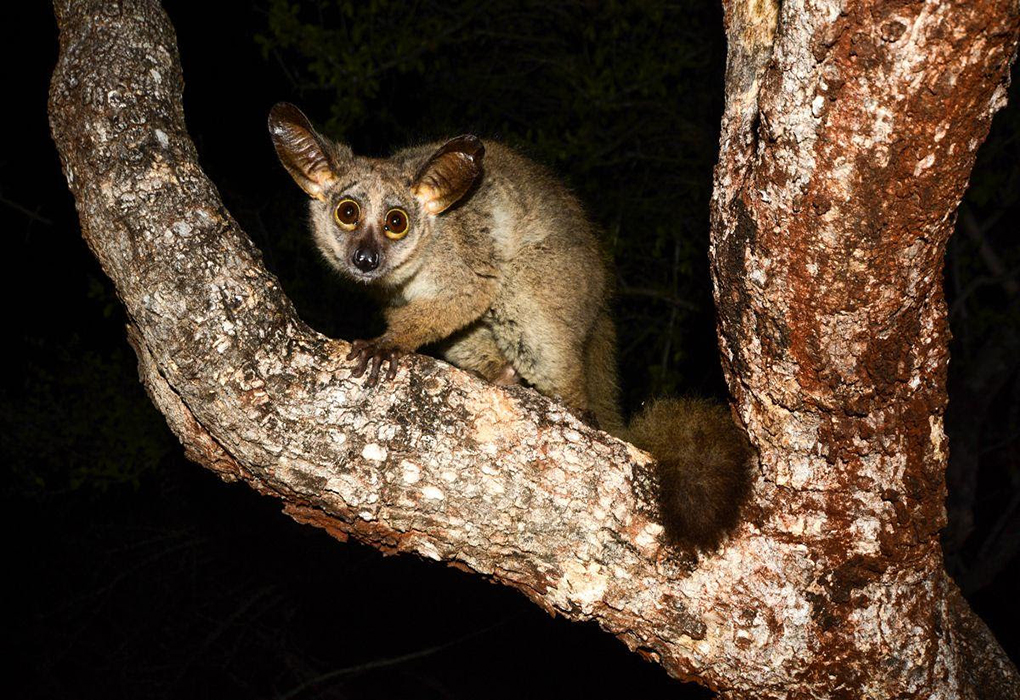

Uganda’s landscapes are part of the adventure, from open savannahs and forests to lakes, mountains and rolling countryside.
If you are asking yourself how many days do you need for a Uganda safari, you are already asking one of the most important questions before booking a trip to the Pearl of Africa. Uganda is not simply a destination where you arrive, visit one park, take a few photographs and leave. It is a country of extraordinary variety, where savannah wildlife, tropical forests, volcanic mountains, enormous lakes, winding rivers, primates and vibrant communities can all become part of the same journey.
The challenge is deciding how much time you really need. A traveler with only four days can still have an unforgettable Ugandan adventure, but their itinerary should be focused. Someone with seven days has considerably more flexibility. Ten days allows a traveler to combine several of Uganda’s signature experiences without making every day feel like a race. Two weeks can open the door to a much slower and deeper journey.
There is therefore no single answer to how many days do you need for a Uganda safari. The ideal Uganda safari duration depends on what you want to see, how much driving you are comfortable with, whether gorilla trekking or chimpanzee tracking is important to you, your budget, your travel dates and how much time you want to spend simply enjoying the places you visit.
Uganda Safari Duration: Quick Facts
| Trip Length | What It Can Offer | Best For |
|---|---|---|
| 3–4 Days | A focused safari in one region with limited transfers. | Short holidays and travelers with very limited time. |
| 5–6 Days | One major park plus another nearby experience. | First-time travelers with a short holiday. |
| 7 Days | A balanced wildlife and primate itinerary. | Travelers wanting several major experiences. |
| 8–10 Days | Wildlife, chimpanzees and potentially gorilla trekking. | A classic Uganda safari experience. |
| 11–14 Days | Multiple parks, primates, culture, scenery and relaxation. | Travelers wanting a deeper Uganda experience. |
| 15+ Days | Remote parks, extended wildlife viewing, hiking, birding and culture. | Slow travelers and specialists. |
How Many Days Do You Really Need for a Uganda Safari?
For most international travelers, 7–10 days provides one of the most practical answers to the question of how many days do you need for a Uganda safari. This amount of time gives you the opportunity to travel beyond Entebbe and Kampala, spend meaningful time in national parks, enjoy more than one wildlife experience and potentially combine Uganda’s famous primates with its savannah wildlife.
Seven days does not mean you will see everything. Uganda has ten national parks and a remarkable range of landscapes and ecosystems. Instead, seven days gives you enough time to choose a route intelligently. You could concentrate on Murchison Falls, Kibale and Queen Elizabeth, for example, or create a western Uganda journey that combines Kibale, Queen Elizabeth and Bwindi.
Ten days gives you more breathing room. It can allow an extra night in a national park, a second game drive, a slower transfer day or an additional experience such as a community visit or boat cruise. It also becomes easier to include gorilla trekking without making the entire trip feel like a long-distance driving marathon.
The most important thing is not simply the number of destinations. A safari is not a competition to collect parks. Spending two or three nights in one beautiful location can sometimes create better memories than changing hotels every evening.

For international travelers, the safari often begins around Entebbe before heading toward Uganda’s national parks.
Full-Length Map: Uganda Safari Destinations
Uganda’s safari destinations stretch across several regions, which is why route planning is so important when deciding your safari duration.
Is 3 Days Enough for a Uganda Safari?
Three days can absolutely produce an exciting safari, but it needs to be a focused safari. This is not the right duration for trying to combine gorillas, chimpanzees, Murchison Falls, Queen Elizabeth and Kidepo. Attempting such a route would leave very little time to actually enjoy the destinations.
Instead, travelers with only three days should select one region. Lake Mburo is particularly useful for short trips because of its relatively accessible position between central Uganda and the western part of the country. Depending on the itinerary, travelers can enjoy game drives, nature walks and the park’s distinctive scenery.
Another possibility is using domestic flights to reduce long road transfers. This can make shorter safari itineraries more realistic, although flights add to the overall budget and need to be checked for current schedules and availability.
A short Uganda safari can still provide beautiful wildlife encounters when the route is carefully planned.
What Can You See on a 5-Day Uganda Safari?
Five days is a very useful middle ground. You have enough time to move beyond a single short excursion while still keeping the trip relatively compact. A five-day safari could focus on Murchison Falls, Queen Elizabeth, Kibale or another carefully selected destination depending on your interests.
For wildlife lovers, five days could provide several game drives and a boat cruise. For primate enthusiasts, Kibale could become the central focus. For travelers interested in scenery, wildlife and culture, Lake Mburo or Queen Elizabeth can form the heart of a varied itinerary.
The key is geographic logic. Uganda may not look enormous on a world map, but safari travel involves rural roads, park tracks, mountain roads and frequent stops. Five days should therefore be treated as five days of experience rather than five days available to drive from one end of Uganda to another.

Elephants are among the wildlife travelers may encounter during game drives in Uganda’s savannah parks.
Why 7 Days Is Such a Good Uganda Safari Duration
If you have been searching for how many days do you need for a Uganda safari and want a simple recommendation to start planning from, seven days is an excellent reference point. It is long enough to create a real safari journey while remaining manageable for many holiday schedules.
Seven days can support a combination of chimpanzee tracking and wildlife, or wildlife and gorilla trekking, depending on the route. It can also be used for a deeper exploration of one or two national parks rather than constantly moving between destinations.
The secret to a successful seven-day itinerary is accepting that you cannot see everything. Choose the experiences that matter most and allow the route to develop around them.
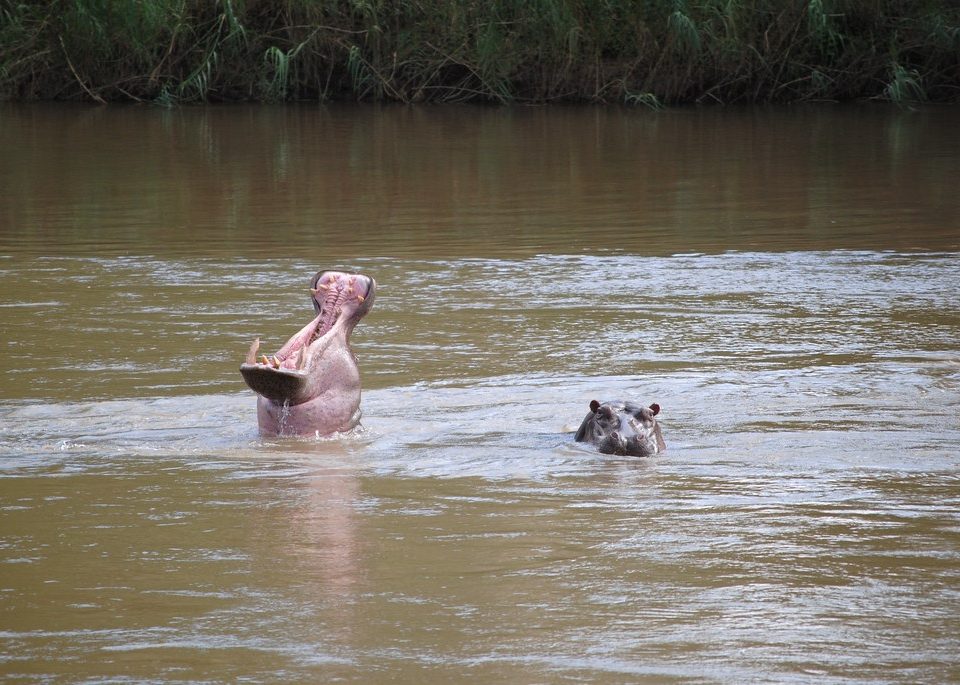
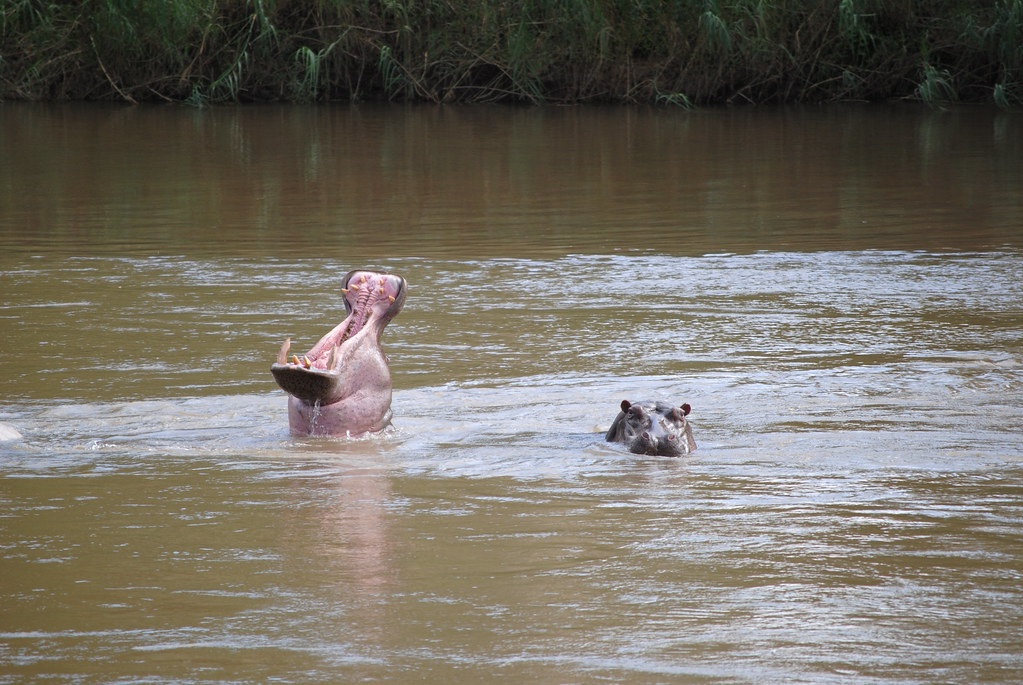
Boat experiences add another dimension to a Uganda safari because wildlife can be viewed from the water rather than only from a vehicle.
Why 10 Days Gives You More Freedom
Ten days is where your Uganda safari itinerary can become much more relaxed. Instead of asking how to fit everything into a short holiday, you can start thinking about how to give each destination enough time.
A ten-day trip could combine Kibale Forest for chimpanzees, Queen Elizabeth National Park for wildlife and Bwindi for gorilla trekking. Another traveler might choose Murchison Falls and Kibale, spending more time in each location. Someone else may prefer Queen Elizabeth, Bwindi and Lake Bunyonyi.
The extra days are especially valuable when traveling long distances. Rather than arriving late at a lodge and immediately preparing for the next activity, you can sometimes have an afternoon to relax, enjoy the property and appreciate the landscape.
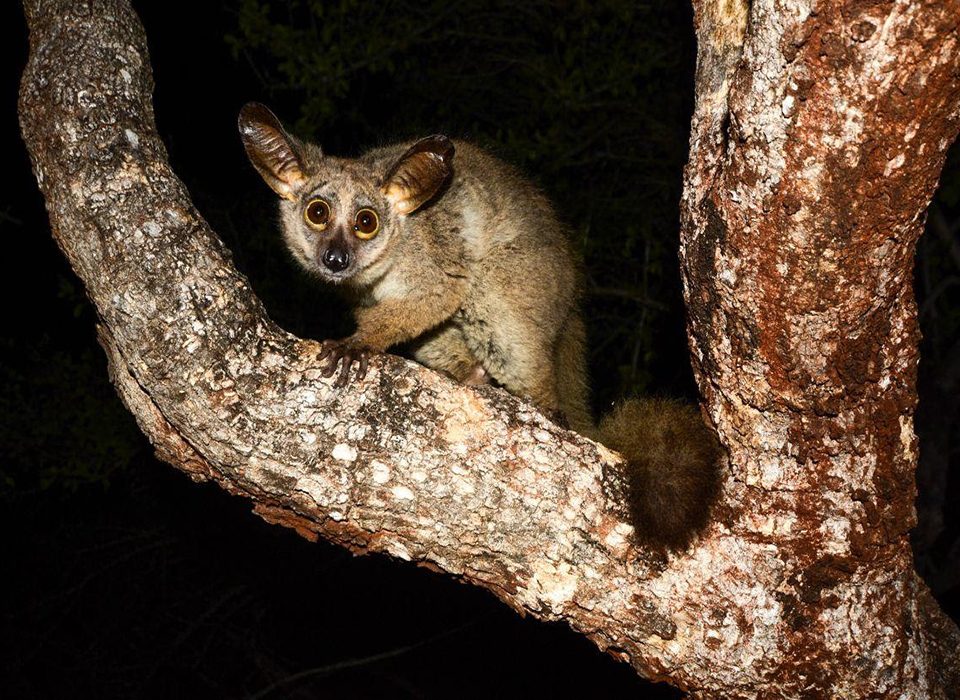
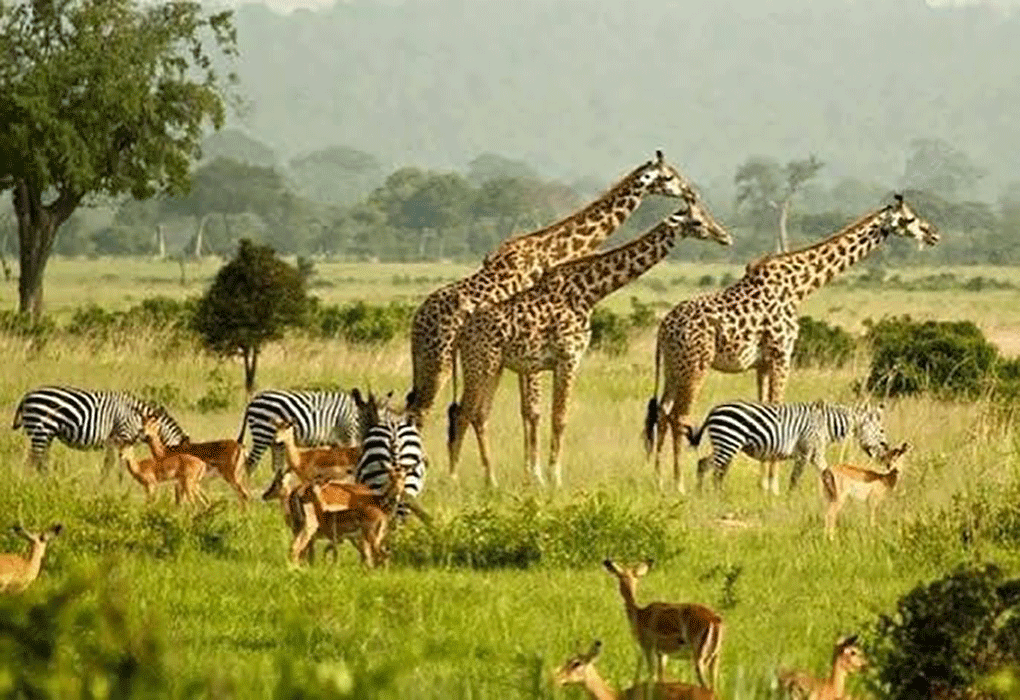
Wildlife viewing is not only about major predators. Giraffes, antelope, birds and smaller creatures add richness to every game drive.
What About a 14-Day Uganda Safari?
Fourteen days can transform your trip from a highlights tour into a much more immersive Uganda journey. With two weeks, you can visit several regions without necessarily sacrificing all your time to road transfers.
A two-week itinerary can combine Murchison Falls, Kibale, Queen Elizabeth, Bwindi and Lake Bunyonyi, depending on the exact route. It can also incorporate cultural experiences, birding, nature walks and opportunities to simply relax.
For photographers, birders and wildlife enthusiasts, two weeks can be particularly valuable because additional time means more opportunities for the unexpected. Wildlife does not operate according to a timetable, so having several mornings and evenings available can make a meaningful difference.

A longer safari allows time for moments like these rather than treating every destination as a quick stop.
How Many Days Do You Need for a Uganda Safari With Gorilla Trekking?
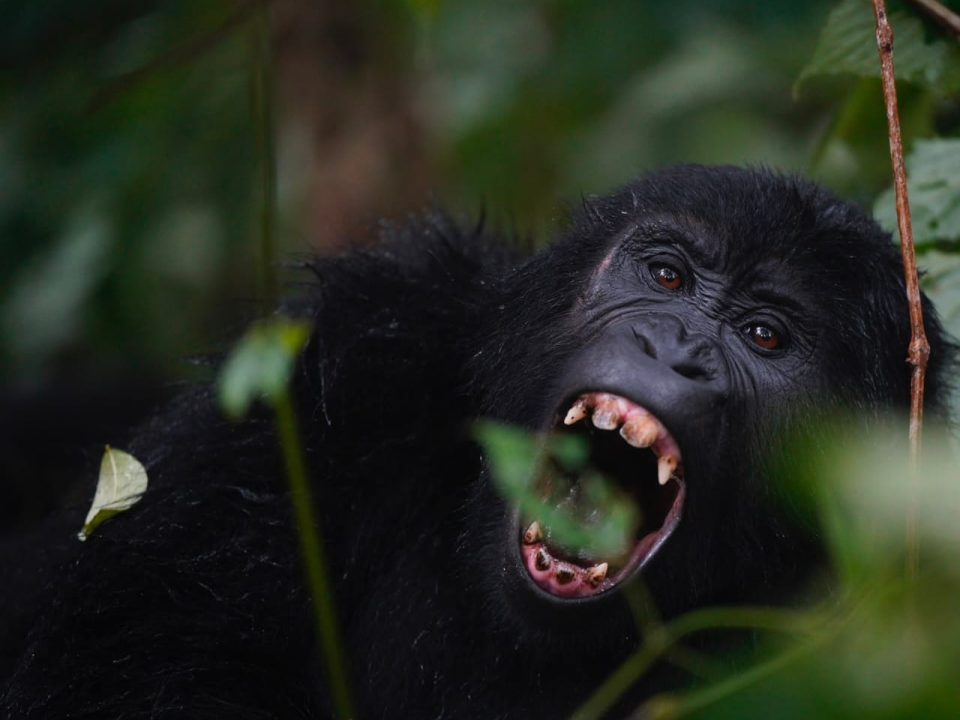
Gorilla trekking is one of Uganda’s most famous experiences and usually deserves additional time around the trekking day.
Gorilla trekking changes the way you should calculate your safari duration. The trek itself is one major activity, but getting to the trekking sector and allowing yourself enough time before and after the trek are equally important.
For a focused gorilla trip, four to six days can work depending on the route and transport. If you want gorillas plus wildlife and chimpanzees, seven to ten days becomes considerably more practical.
Bwindi is not one small location where every traveler follows exactly the same route. The park has several trekking sectors, and your accommodation should be selected according to where your permit is allocated. This is one reason why professional route planning matters.
The terrain can also be physically demanding. Forest trails may be steep, slippery and uneven, and trekking duration varies depending on where the gorilla family is located. An itinerary with a little breathing room can therefore be much more enjoyable than one that places a long transfer immediately before or after the trek.
How Many Days Do You Need for Chimpanzees?
Kibale is one of Uganda’s best-known destinations for chimpanzee experiences and forest adventures.
For travelers whose main question is how many days for a Uganda safari centered around chimpanzees, two or three nights around Kibale is a useful planning range. This gives you enough time to arrive, enjoy the forest and take part in chimpanzee tracking without making the experience feel like a rushed stop.
Kibale also offers an opportunity to appreciate the forest itself. The destination is about much more than one primate species. Forest birds, other monkeys, butterflies and dense vegetation create a completely different safari atmosphere from Uganda’s open savannah parks.
How Many Days Do You Need for Wildlife Watching?
Wildlife viewing is one of the strongest reasons to allow extra days. Animals do not appear on demand, and a single game drive cannot represent everything a park has to offer.
On one morning you might see elephants crossing the road. On another you may spend time searching for lions. Another drive may be memorable because of birds, giraffes, buffalo, antelope or a spectacular sunrise rather than one famous animal.

Lion sightings are among the memorable moments that make additional game-drive time valuable.
If wildlife is your main priority, two or three nights in a park can give you opportunities for multiple game drives. This is generally more satisfying than spending only a few hours in a park before driving onward.
How Many Days Should You Spend in Murchison Falls?
Murchison Falls combines savannah wildlife with the powerful landscapes of the Nile River.
Two to three nights is a useful range for travelers visiting Murchison Falls National Park. This allows time for game drives and a Nile boat experience while reducing the pressure to rush through the park.
Murchison Falls is particularly rewarding because the experience is not limited to traditional game drives. The Nile creates a dramatic focal point, and viewing wildlife from the river provides a completely different perspective.
If your itinerary includes Murchison Falls, consider giving yourself enough time for both sides of the destination: the wildlife and the river. Trying to experience everything in a single hurried day can undermine what makes the park special.
How Long Should You Spend in Queen Elizabeth National Park?

Queen Elizabeth National Park combines savannah, wetlands, lakes and dramatic western Uganda scenery.
Two to three nights is a practical range for Queen Elizabeth National Park. The park offers game drives, the famous Kazinga Channel boat cruise and access to different landscapes within the wider region.
The southern Ishasha sector can also be incorporated for travelers particularly interested in its tree-climbing lions. However, adding Ishasha changes the route and should be considered when calculating total driving time.
How Long Should You Spend in Kibale Forest?

Kibale’s dense tropical forest creates a completely different environment from Uganda’s open savannah parks.
Two or three nights around Kibale works well for many travelers. Chimpanzee tracking usually forms the central activity, but the surrounding region offers additional forest and community experiences.
Travelers who are especially interested in primates, birds or photography may choose to stay longer. The forest has its own rhythm, and spending an extra morning here can be worthwhile for anyone who prefers immersive travel.
How Long Should You Spend in Bwindi?
Bwindi’s dense mountain rainforest is one of Uganda’s most distinctive safari environments.
Two or three nights around Bwindi is commonly useful when gorilla trekking is included. The exact recommendation depends heavily on the trekking sector, accommodation and your arrival route.
The area is not simply about gorillas. The mountain scenery, forest atmosphere, birdlife and local communities make southwestern Uganda a destination worth experiencing beyond the trekking permit itself.
How Long Should You Spend in Kidepo Valley National Park?

Kidepo’s remote wilderness and dramatic landscapes make it especially rewarding for travelers with additional time.
Kidepo Valley National Park is a different proposition from destinations closer to Kampala. Its remote location means travelers should normally allocate more time rather than trying to squeeze it into a short safari.
For travelers with strong interests in wilderness, landscapes, wildlife and cultural experiences, three or four nights can be much more appropriate. Domestic flights can reduce travel time, while road journeys provide an opportunity to experience more of northern Uganda.
How Many Nights Should You Allow at Each Major Destination?
| Destination | Recommended Nights | Main Experiences |
|---|---|---|
| Murchison Falls | 2–3 | Game drives, Nile boat cruise, Murchison Falls and savannah scenery. |
| Kibale | 2–3 | Chimpanzee tracking, primates, forest and birding. |
| Queen Elizabeth | 2–3 | Game drives, Kazinga Channel, wildlife and landscapes. |
| Bwindi | 2–3 | Gorilla trekking, rainforest and community experiences. |
| Lake Mburo | 1–2 | Wildlife, walking experiences and scenery. |
| Kidepo | 3–4+ | Remote wilderness, wildlife, landscapes and culture. |
Why Driving Time Changes How Many Days You Need
The journey between Uganda’s destinations is part of the safari experience.
One of the biggest mistakes travelers make when calculating how many days do you need for a Uganda safari is looking only at distances on a map. Safari travel is slower than ordinary highway travel. Vehicles may stop for wildlife, photographs, local markets, viewpoints, lunch and fuel.
Mountain roads can also be winding and slow. Weather can affect road conditions, especially around forest and mountain destinations. Because of this, an itinerary that appears easy on paper can become exhausting if too many transfers are placed back-to-back.
A good safari itinerary therefore treats travel time as part of the holiday. You should not feel as though you have lost a day simply because you spent several hours traveling to a beautiful new destination.
Full-Length Map: Western Uganda Safari Circuit
The western circuit connects some of Uganda’s most popular destinations for wildlife, chimpanzees and gorilla trekking.
Why a Slower Uganda Safari Can Actually Be Better

There is a temptation to build the longest possible list of attractions into a safari itinerary. But the number of destinations is not necessarily a measure of the quality of the trip.
Imagine waking up at a lodge overlooking a forest. Instead of immediately packing your bags, you have time to drink coffee, listen to birds and enjoy breakfast. Later, you head out for your activity. In the afternoon, there is time to rest before dinner.
That kind of day may look less impressive on an itinerary spreadsheet, but it can become one of the most memorable parts of the trip.
This is particularly important for travelers who have traveled a long distance to reach Uganda. You are not only visiting national parks. You are experiencing a different rhythm of life, landscape and culture.
Lake Bunyonyi is an example of how an extra night can turn a busy safari into a more relaxed journey.
After gorilla trekking, many travelers enjoy slowing down around southwestern Uganda. Lake Bunyonyi is particularly suited to this because its scenery creates a dramatic contrast to the forest and savannah environments experienced earlier in the journey.
Sample Uganda Safari Itineraries by Trip Length
3-Day Uganda Safari
A three-day safari should be highly focused. Lake Mburo is one possible choice, while travelers with a larger budget may consider flying to a more distant destination. The priority should be maximizing actual experience rather than maximizing the number of parks.
5-Day Uganda Safari
A five-day safari can focus on Queen Elizabeth National Park, Murchison Falls or another major destination. You can combine game drives with a boat experience and still have enough time to appreciate the landscape.
7-Day Uganda Safari
Seven days can support a route involving Kibale and Queen Elizabeth, or another carefully selected combination. Travelers particularly interested in gorillas can structure the route differently around Bwindi.
10-Day Uganda Safari
Ten days is ideal for travelers wanting a broader combination of experiences. A possible route could include Kibale, Queen Elizabeth and Bwindi, giving time for chimpanzees, savannah wildlife and gorilla trekking.
14-Day Uganda Safari
Fourteen days gives you space for a much broader journey. Depending on interests, you could include Murchison Falls, Kibale, Queen Elizabeth, Bwindi and Lake Bunyonyi, while still allowing enough time for activities and rest.
Longer Uganda safaris can make room for cultural experiences in addition to wildlife and primates.
Which Uganda Safari Duration Is Right for You?
| If You Have | Consider | Why |
|---|---|---|
| 3–4 days | One main destination | Reduces unnecessary driving. |
| 5 days | One major park + nearby activity | Good balance for a short holiday. |
| 7 days | Two or three major experiences | Excellent balance of time and variety. |
| 8–10 days | Wildlife + chimps + gorillas | Allows more comfortable western circuits. |
| 11–14 days | Multiple parks + culture + relaxation | Creates a deeper Uganda experience. |
| 15+ days | Extended exploration | Ideal for remote parks and specialist interests. |
How to Choose Your Perfect Uganda Safari Duration
Start by writing down the three things you most want to experience. Do you want gorillas? Chimpanzees? Lions? Elephants? Boat cruises? Mountains? Culture? Birding? Once your priorities are clear, the number of days becomes much easier to calculate.
Then look at where those experiences are located. If everything is concentrated around one region, you may need fewer days. If your priorities stretch from northern Uganda to the southwestern forests, you will need considerably more time.
Next, consider your travel style. If you enjoy long road journeys and early mornings, you can manage a more ambitious itinerary. If you prefer beautiful lodges, leisurely breakfasts and slow afternoons, build in additional nights.
Finally, think about your international flights. A seven-night stay in Uganda does not necessarily mean seven full safari days. An evening arrival may require a first night near Entebbe, while an early international departure can effectively remove the final day from the safari.
Full-Length Map: Southwestern Uganda and Gorilla Country
Southwestern Uganda contains some of the country’s most important mountain forest and primate destinations.
Frequently Asked Questions About Uganda Safari Duration
Is 4 days enough for a Uganda safari?
Yes. Four days can produce an excellent focused safari. The key is choosing one region rather than attempting to cross the country.
Is 5 days enough for Uganda?
Five days can work very well for travelers who focus on one or two connected destinations. It is particularly suitable for a focused wildlife or primate experience.
Is 7 days enough for Uganda?
Yes. Seven days is a practical length for a first Uganda safari and can accommodate several major experiences when the route is planned efficiently.
Is 10 days enough for a Uganda safari?
Ten days is enough for a substantial Uganda safari and can provide room for combinations such as chimpanzee tracking, wildlife viewing and gorilla trekking.
How many days do you need for a Uganda safari with gorillas?
A focused gorilla safari can work in around four to six days, while a gorilla, chimpanzee and wildlife combination is generally more comfortable at around seven to ten days.
How many days do you need for gorillas and chimpanzees?
Seven to ten days is a useful planning range for combining gorilla trekking in southwestern Uganda with chimpanzee experiences around Kibale, especially when wildlife is also included.
Is 14 days too long for Uganda?
No. Fourteen days can be an excellent duration for travelers who want to explore multiple parks without rushing between them.
What is the best length for a Uganda safari?
For many first-time travelers, seven to ten days provides a useful balance between variety, travel time and cost. Travelers with more time can extend the journey to two weeks or more.
Should I visit more parks or stay longer in one park?
That depends on your interests. If wildlife is your main priority, staying longer can give you more opportunities for different game drives. If you want to experience different ecosystems, adding another carefully selected destination may make more sense.

The best Uganda safari is not necessarily the longest one. It is the one that gives you enough time to enjoy what matters most to you.
So, How Many Days Do You Really Need for a Uganda Safari?
If you want the simple answer, 7–10 days is an excellent range for many travelers visiting Uganda for the first time. It provides enough time to experience several sides of the country without turning the trip into an exhausting sequence of long transfers.
If you only have three or four days, do not give up on the idea of a Uganda safari. Build a focused itinerary. If you have five or six days, select one major wildlife or primate region and explore it properly. With seven days, you can begin combining different experiences. With ten days, gorillas, chimpanzees and wildlife can potentially become part of the same journey. With fourteen days or more, you can slow down and explore Uganda in considerably greater depth.
The real answer to how many days do you need for a Uganda safari is therefore not simply a number. It is about matching your available time with the experiences you care about most.
Uganda rewards travelers who leave room for discovery. The elephant that appears unexpectedly beside the road, the chimpanzee calling from somewhere deep in the forest, the lion resting beneath a tree, the mist hanging over Bwindi, the boat moving slowly along the Nile, the hills surrounding Lake Bunyonyi and the warm welcome of local communities can all become part of the story.
So when planning your Uganda safari itinerary, do not ask only how many places you can fit into your holiday. Ask how much time you need to actually enjoy them.
Ready to Plan Your Uganda Safari?
Tell PrideMark Safaris how many days you have, what you would love to see and the kind of experience you want. We can help you create a Uganda safari itinerary that fits your time without unnecessarily rushing from one destination to another.