This guide explores 15 African safari mistakes and misconceptions that first-time travelers commonly have. The goal is not to discourage you from dreaming big. It is the opposite: the better you understand how a safari actually works, the more likely you are to appreciate those quiet moments, unexpected encounters and beautiful surprises that cannot be planned in advance.


African Safari Quick Facts Travelers Should Know
Before exploring the misconceptions one by one, it helps to establish a realistic picture of what an African safari involves. The details vary by country and park, but these general principles are useful when planning a first safari.
| Safari Question | What Travelers Should Expect |
|---|---|
| Will I see animals? | Wildlife sightings are the purpose of a safari, but animals remain wild and sightings can never be guaranteed. |
| Will I see the Big Five? | It depends entirely on the destination, season, habitat and luck. No responsible operator should promise every species. |
| Is Africa always hot? | No. Early mornings, evenings and high-altitude areas can be surprisingly cool. |
| Is the dry season always best? | Dry periods often make wildlife easier to spot, but green seasons can offer lush scenery, fewer visitors and excellent birding. |
| Are safaris only game drives? | No. Depending on the destination, activities can include boat safaris, walking experiences, primate trekking, birding and cultural experiences. |
| Do I need special clothing? | Comfortable, practical clothing, layers, sun protection, rain protection and suitable footwear are more important than expensive safari fashion. |
| Is malaria a concern? | Malaria risk varies by destination and itinerary. Travelers should seek destination-specific medical advice before departure. |
| Can I approach wild animals? | No. Wildlife should be observed respectfully and according to park and guide instructions. |
| Are safari distances short? | Not necessarily. Africa’s parks and countries can involve long road transfers, so realistic routing matters. |

1. One of the Biggest African Safari Mistakes Is Thinking Africa Is One Destination
Africa is a continent, not a single safari destination. This sounds obvious, yet it is one of the most important things first-time travelers need to understand. Kenya, Tanzania, Uganda, Rwanda, Botswana, Namibia, Zambia, Zimbabwe and South Africa all offer wildlife experiences, but they do not offer identical landscapes or activities. Even within one country, two national parks can feel completely different. A traveler visiting Uganda, for example, can combine savannah game drives with chimpanzee trekking, gorilla trekking, boat trips, birdwatching, crater lakes and cultural experiences.
Uganda currently has 10 national parks managed by the Uganda Wildlife Authority, including Murchison Falls, Queen Elizabeth, Kidepo Valley, Kibale, Bwindi Impenetrable, Mgahinga Gorilla, Lake Mburo, Semuliki, Mount Elgon and Rwenzori Mountains National Parks. That variety alone demonstrates why saying you want to experience “Africa” is not enough when planning an itinerary. You need to decide what kind of Africa you want to experience.

2. Expecting to See Every Famous African Animal
Another common misconception is that booking a safari automatically means seeing lions, elephants, leopards, cheetahs, rhinos, giraffes, zebras, hippos and countless other species during one afternoon. Wildlife documentaries can create this impression because filmmakers may spend weeks or months waiting for particular behavior and then condense the most spectacular moments into a short programme. A traveler may therefore arrive expecting nature to perform on demand.
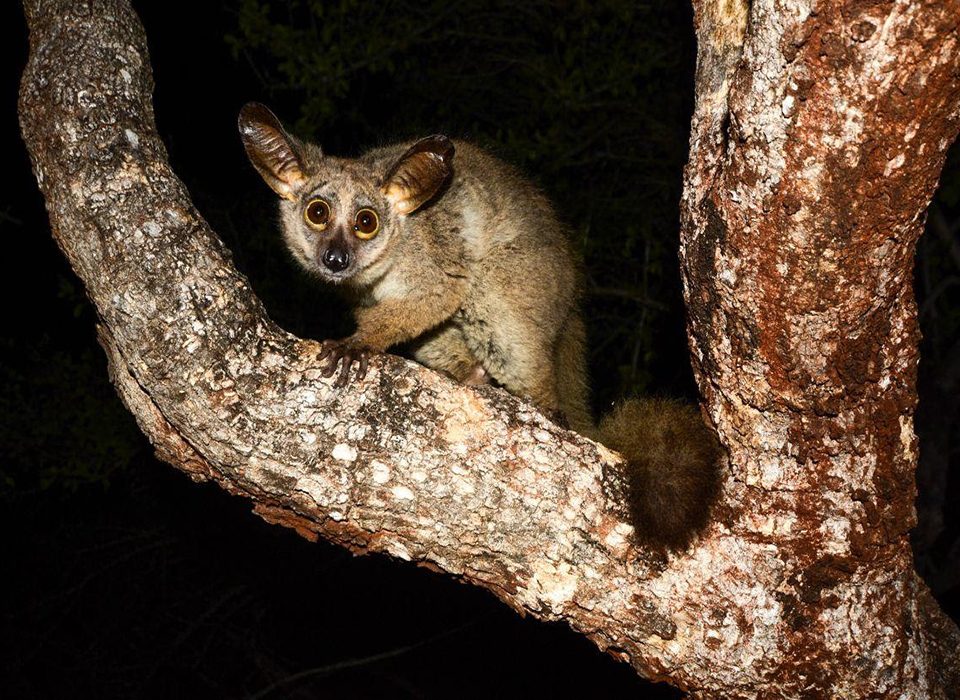
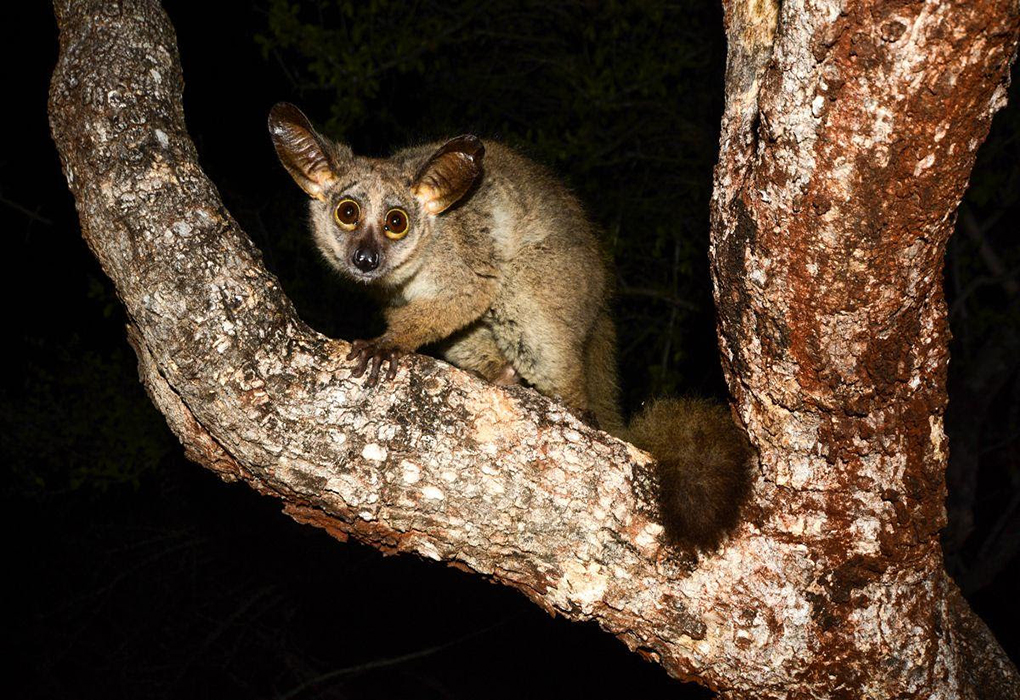
The reality is much more beautiful because it is much less predictable. You may spend time searching for a leopard and instead discover a family of elephants, a pair of secretary birds, a herd of buffalo or an unusual antelope that you had never heard of before. Another vehicle may see lions while you are watching hippos. A guide may hear alarm calls and follow them for kilometres only to discover that the animal has disappeared into thick vegetation. This uncertainty is not a failure of safari; it is what makes a genuine wildlife encounter special.
Good guides use tracks, calls, habitat knowledge, weather conditions, water sources and recent sightings to improve your chances, but they cannot control wild animals. One of the most useful African safari mistakes to avoid is turning your safari into a checklist where anything you did not see is considered a failure.
3. Assuming Every Safari Guarantees the Big Five
The famous Big Five are the lion, leopard, elephant, African buffalo and rhinoceros. The expression originally came from the hunting era and referred to animals considered particularly challenging and dangerous to hunt on foot. Today the term is widely used by the safari tourism industry as a shorthand for five iconic African mammals.
However, the Big Five are not a universal guarantee. Their availability differs between countries, ecosystems and protected areas. Even where all five occur, finding them during a particular visit depends on habitat, season, animal movements and luck. Leopards are especially capable of disappearing into vegetation, while rhinos may be restricted to particular areas.
Uganda provides a useful example. Queen Elizabeth National Park offers opportunities to see several famous large mammals, while Murchison Falls and Kidepo Valley have their own distinctive wildlife experiences. Kidepo’s remote wilderness character is different from the forest environment of Bwindi or Kibale. In other words, choosing a safari destination should begin with the experience you want rather than simply asking whether a park has a particular animal.

4. Believing the Dry Season Is Always the Only Good Time to Go
Dry-season travel is popular for a reason. In many savannah environments, vegetation becomes thinner and animals may gather around reliable water sources, which can make wildlife easier to locate. Roads and trails can also be more manageable in many destinations. But calling the rainy or green season a bad time for an African safari is another misconception.
The wet season can transform the landscape. Grass becomes greener, skies can become dramatic, waterfalls and rivers may be fuller, migratory or resident birds can be especially interesting, and some destinations experience fewer visitors. In some places, accommodation prices may also be lower outside peak periods.
Uganda is particularly useful for understanding this difference because its tropical and mountainous environments do not behave exactly like the classic dry savannah landscapes many travelers imagine. Tourism Uganda notes that rain can occur at different times of year, particularly in forest and mountainous areas, and that gorilla tracking can still take place in wet conditions.
The better question is therefore not simply “When is the best month for Africa?” It is “What do I want to experience, and which season supports that experience?”
5. Thinking Africa Is Always Hot
Many travelers pack for a safari as if they are going to spend every hour under a blazing tropical sun. Then the first early-morning game drive arrives and they discover that an open safari vehicle moving through cool air can feel surprisingly cold. This is particularly true in elevated regions and during cooler seasons.
Uganda’s Tourism Board recommends lightweight clothing together with rainwear and warmer layers, particularly in mountainous or hilly environments. Early starts are common because many animals are active during cooler parts of the day, so a fleece, light jacket or sweater can be extremely useful. By late morning, the same traveler may be removing layers as temperatures rise.
This is one of the simplest African safari mistakes to avoid: pack for changing conditions rather than packing only for midday heat. A practical safari wardrobe usually works better than an enormous suitcase filled with specialized outfits.
6. Packing for Safari Fashion Instead of Safari Comfort
Safari clothing has become an entire fashion category, but you do not need to dress like a wildlife documentary presenter to enjoy a safari. Comfortable trousers, breathable shirts, a warm layer, a rain jacket, comfortable walking shoes, a hat, sunglasses and sun protection are far more valuable than owning a complete khaki wardrobe.
Neutral colours are often practical because they blend naturally into the environment and show less dust than bright clothing. Long trousers and long-sleeved shirts can also provide useful protection against sun, insects, scratches and vegetation during walking activities. Your packing list should also reflect the type of safari you are taking. Someone doing gorilla trekking in Bwindi has different requirements from someone spending most of the trip on vehicle-based game drives in a dry savannah park.
| Item | Why It Helps |
|---|---|
| Lightweight long trousers | Useful for sun protection, insects and walking through vegetation. |
| Long-sleeved shirt | Helpful during cool mornings and for additional sun and insect protection. |
| Fleece or light jacket | Useful during early morning drives and cooler evenings. |
| Rain jacket | Rain can occur even outside the traditional wet season, particularly in forest regions. |
| Comfortable walking shoes | Important for nature walks, lodge grounds and trekking activities. |
| Sunhat and sunglasses | Useful during long periods outdoors. |
| Insect repellent | Helps reduce mosquito and other insect bites. |
| Binoculars | Useful for distant animals and especially valuable for birdwatching. |
7. Assuming Animals Will Always Be Close to the Vehicle
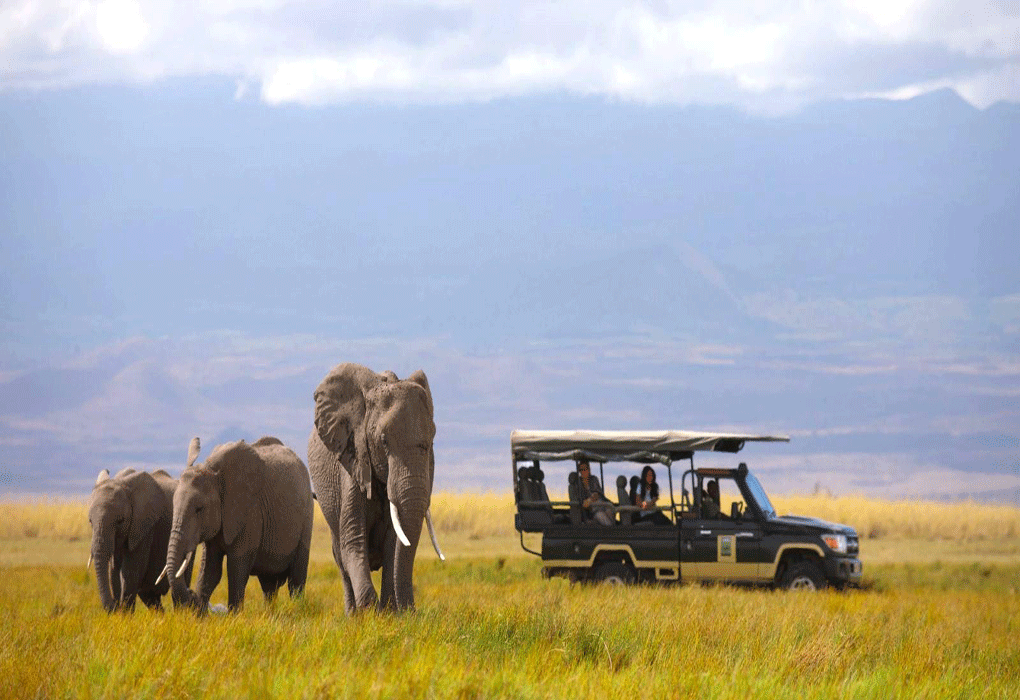
Safari photographs can create the illusion that every animal is standing a few metres from the vehicle. Sometimes that really does happen. An elephant may walk across the road, a giraffe may browse beside the track or a lion may lie completely unconcerned nearby. But wild animals do not position themselves for photographs.
Sometimes the most exciting sighting is far away. Your guide may point toward a barely visible leopard resting under a tree. Binoculars suddenly become more important than a smartphone zoom. A herd may disappear behind tall grass. A bird may sit on a distant branch. These moments reward patience and observation.
One of the best ways to improve your experience is to slow down. Instead of immediately asking the guide to drive closer, watch the animal’s behaviour. Is it feeding? Is it looking toward something? Is a herd moving? Are birds reacting? The story surrounding a sighting can be as fascinating as the animal itself.

8. Thinking Safaris Are Only About Game Drives
Another major misconception is that an African safari means sitting inside a vehicle from sunrise until sunset. Game drives are central to many safari itineraries, but they are only one way of experiencing Africa’s wild landscapes.
Depending on the destination, travelers may enjoy boat safaris, walking experiences, forest hikes, chimpanzee tracking, gorilla trekking, birdwatching, cultural visits, conservation experiences and scenic viewpoints. In Uganda, for example, a journey can combine savannah wildlife in Murchison Falls or Queen Elizabeth National Parks with primate experiences in Kibale and Bwindi.
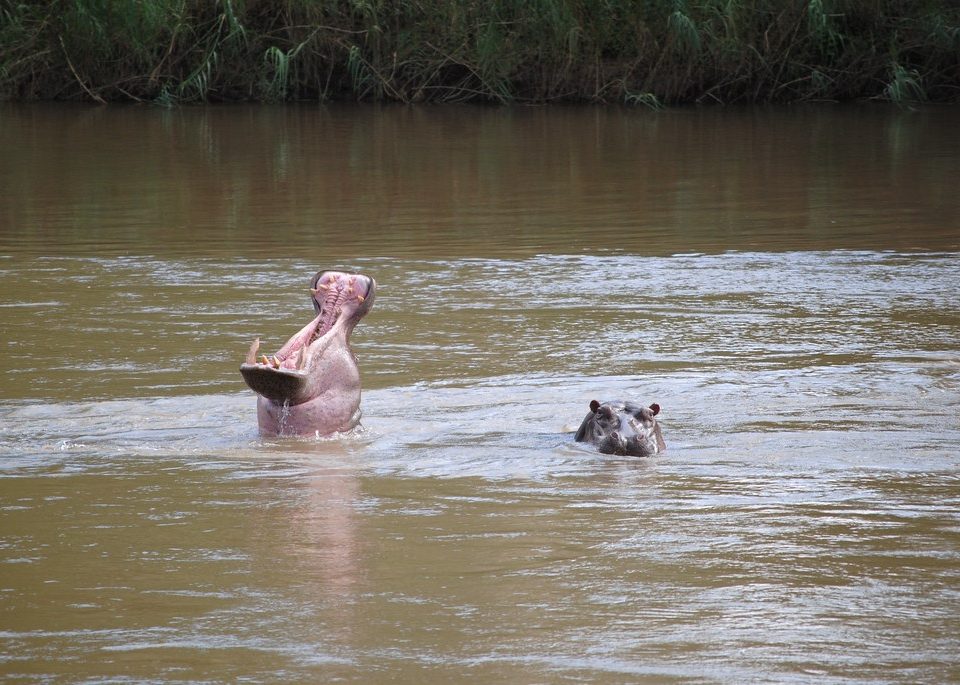
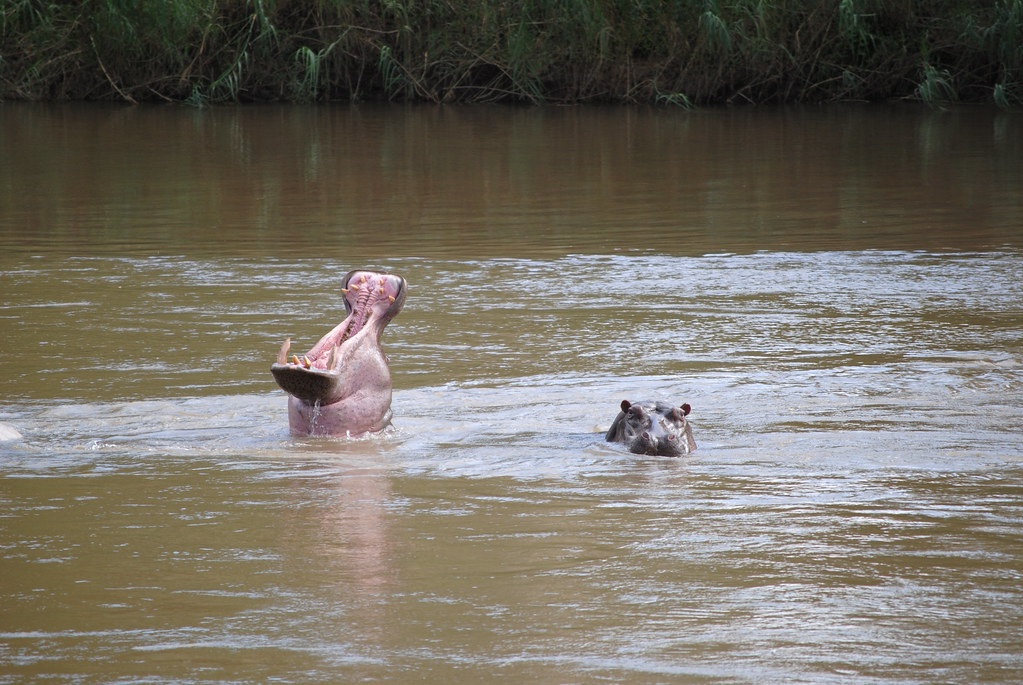
Water-based experiences can reveal an entirely different side of a destination. Hippos may gather along riverbanks, crocodiles can lie quietly near the water and birds become the main attraction. Walking experiences are different again because the focus shifts from large mammals to tracks, insects, plants, sounds, smaller animals and the structure of the ecosystem.
If you only think about the number of game drives you can fit into an itinerary, you may miss some of the experiences that make an African safari feel like a complete journey rather than a sequence of animal sightings.
9. Expecting the Same Landscape Everywhere in Africa
When many people hear the word safari, they imagine endless golden grassland with acacia trees stretching toward the horizon. That landscape certainly exists, but Africa’s wildlife environments are astonishingly diverse. There are tropical forests, wetlands, rivers, lakes, deserts, mountains, woodlands, grasslands, volcanic landscapes and coastal environments.
Uganda is an excellent example of this diversity. Murchison Falls has broad savannah and river landscapes, Queen Elizabeth combines savannah with lakes and the Kazinga Channel, Kibale is a lush tropical forest environment, Bwindi is mountainous and heavily forested, while Kidepo offers a remote northeastern wilderness landscape.
Understanding geography is important because travel distances can be substantial. Two parks that look close on a small map may require several hours of driving because roads, terrain and park entrances affect the actual journey.
10. Assuming Every Safari Is Luxury Travel
Luxury safari lodges are real and can be spectacular, but they represent only one part of the safari industry. Safari experiences exist across different budgets and accommodation styles. Travelers can choose from comfortable hotels, lodges, tented camps, guesthouses, mobile camps and premium safari properties depending on the destination and itinerary.
What matters is understanding what your budget includes. A safari quotation can contain accommodation, meals, park fees, transportation, a safari vehicle, a driver-guide, activities, permits and sometimes domestic flights or additional experiences. Two safaris with apparently similar prices may include very different services.
Instead of asking only whether a safari is cheap or expensive, ask for a detailed quotation. Find out what is included, what is excluded and which accommodation categories are being used. This prevents one of the most avoidable African safari mistakes: comparing two prices without comparing what those prices actually buy.

11. Thinking Safari Food Means Basic Food
Some travelers imagine safari meals as cans of beans and sandwiches eaten beside the vehicle. While packed lunches are common for some activities, safari food can be surprisingly varied. Many lodges and camps serve breakfast, lunch and dinner, often using locally available ingredients while adapting menus to international travelers.
The exact dining experience depends on the accommodation. A remote tented camp may have a more intimate dining style, while a large lodge may offer buffet meals or a broader menu. Some properties can also accommodate dietary requirements when notified in advance.
It is worth telling your safari company or lodge about allergies, vegetarian preferences, religious dietary restrictions or other important requirements before travel rather than waiting until you arrive. Good planning allows the accommodation team to prepare appropriately.
12. Underestimating African Safari Travel Distances
One of the biggest practical African safari mistakes is building an itinerary around places that look close on a map without checking actual driving times. Africa’s protected areas can be enormous, and road conditions vary. A journey that looks straightforward geographically can become a full travel day once roads, traffic, stops, border procedures and park access are considered.
Uganda provides a particularly useful example. UWA’s published park-location information lists approximate distances from Kampala of about 305 kilometres to Murchison Falls, 358 kilometres to Kibale, 389 kilometres to Queen Elizabeth, 512 kilometres to Bwindi and 571 kilometres to Kidepo Valley. These figures are useful for understanding the country’s scale, although actual travel time depends on the route, road conditions, stops and starting point.
| Uganda Destination | Approximate Distance From Kampala |
|---|---|
| Lake Mburo National Park | 253 km |
| Murchison Falls National Park | 305 km |
| Kibale National Park | 358 km |
| Queen Elizabeth National Park | 389 km |
| Mgahinga Gorilla National Park | 482 km |
| Bwindi Impenetrable National Park | 512 km |
| Kidepo Valley National Park | 571 km |
For travelers who dislike long road journeys, domestic flights can sometimes make sense depending on the destination, schedule and budget. For other travelers, the road journey itself becomes part of the adventure, revealing farms, villages, hills, markets and landscapes between the major parks.
13. Forgetting Health Preparation Until the Last Minute
Health preparation should not be treated as something to think about after booking the flight. Health risks vary considerably by country, region, season, accommodation and activities, so travelers should seek professional travel-health advice based on their actual itinerary.
Malaria deserves particular attention. The CDC notes that malaria occurs in many safari regions of sub-Saharan Africa and recommends travelers consider both mosquito-bite prevention and appropriate preventive medication where indicated. For Uganda specifically, the CDC traveler guidance recommends prescription medicine to prevent malaria for travelers going to Uganda, with the exact medication depending on the individual and itinerary.
This does not mean travelers should be frightened of safari travel. It means preparation matters. Discuss your itinerary with a qualified healthcare professional, ask about recommended vaccines and preventive medication, carry personal medicines, use insect repellent where appropriate and follow accommodation guidance about mosquito protection.
14. Treating Wildlife Like Domestic Animals
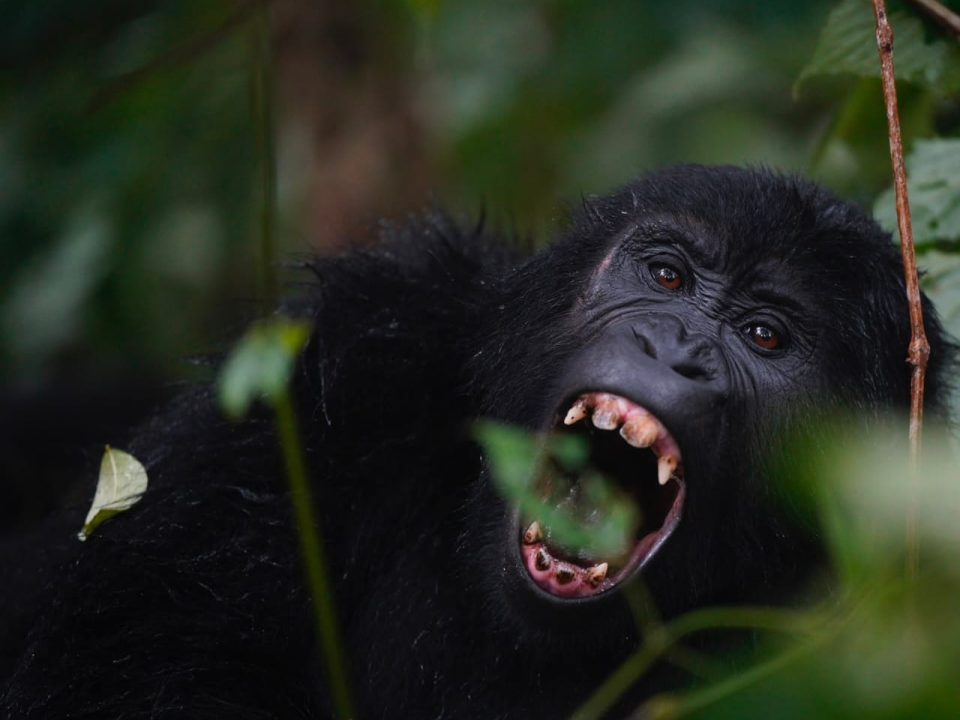
This is one misconception that needs to be taken especially seriously. Wild animals may appear calm, curious or completely unconcerned by safari vehicles, but they remain wild animals. An elephant that seems relaxed can become defensive. A buffalo can react suddenly. A lion resting beside the road is not a domestic cat. A gorilla encounter requires strict rules designed to protect both people and gorillas.
Travelers should remain inside the vehicle unless the guide or park authority specifically allows them to leave. They should avoid shouting, feeding animals, making sudden movements or attempting to attract wildlife for photographs. Never encourage a driver to approach an animal recklessly simply to obtain a better photograph.
Responsible safari tourism begins with understanding that the visitor is entering an animal’s environment. The goal is not to control the encounter but to observe it respectfully.

15. Thinking the Best Safari Is the One With the Most Animal Sightings
Perhaps the most important misconception to leave behind is the idea that safari quality can be measured by the number of animals photographed. A safari is not a competition. You may have a spectacular day with several lion sightings, or you may spend an hour watching elephants quietly feed beside a river. Both can be unforgettable.
A great safari can also be about something much smaller. You might notice a colorful bird that your guide identifies instantly. You might watch a giraffe carefully cross the road. You might hear hippos calling from a river before you see them. You might sit beneath an enormous African sky after sunset and realize how quiet the wilderness can become.
One of the most rewarding ways to avoid African safari mistakes is therefore to stop measuring every moment against a checklist. A safari is an encounter with an ecosystem. The animals are important, but so are the landscapes, sounds, people, conservation stories, local communities and unexpected moments between the major sightings.

How to Avoid African Safari Mistakes Before You Travel
The easiest way to avoid African safari mistakes is to plan around your priorities rather than copying someone else’s itinerary. Start by deciding what you genuinely want to experience. Is your priority large mammals, primates, birds, landscapes, photography, family travel, adventure, culture, relaxation or a combination of several interests?
Once your priorities are clear, choose destinations that support them. A traveler fascinated by gorillas should not design an itinerary entirely around savannah game drives. Someone passionate about elephants and large herds may prefer a different combination of parks. Birdwatchers may choose destinations where habitat diversity and specialist species make birding particularly rewarding.
Next, think carefully about the season. Dry-season travel can offer easier wildlife viewing in many savannah environments, while greener periods can provide dramatic landscapes, fewer crowds and other advantages. Forest destinations may have their own weather patterns, meaning a country’s “dry season” does not necessarily mean every hour will be dry.
Then examine the itinerary itself. Avoid squeezing too many destinations into too few days. Long transfers can leave you tired, while rushing between parks can reduce the time available for actual experiences. A slightly slower itinerary can sometimes produce a more enjoyable journey than one that tries to collect every famous destination.
Finally, ask detailed questions before paying your deposit. Find out which accommodation is included, what type of safari vehicle will be used, whether the safari is private or shared, which meals are included, whether park fees and permits are included, how transfers are handled and what happens if weather or road conditions affect the schedule.
A Safari Is Better When You Know What Not to Expect
Many African safari mistakes begin with unrealistic expectations. Travelers see a photograph of a lion perfectly framed beneath an acacia tree and assume that is what every game drive looks like. They watch a documentary showing elephants crossing a river and expect the same scene on their second afternoon in Africa. They see a luxury tent and assume every safari has to cost the same. They see sunny photographs and forget that African weather can change dramatically between regions and seasons.
The truth is more interesting. A safari is partly planned and partly surrendered to nature. You choose the country, park, lodge, guide, season and itinerary. After that, the wilderness gets a vote.
That is why patience is one of the most valuable things you can pack. Bring curiosity. Bring binoculars. Bring comfortable clothes. Bring a camera if you enjoy photography, but do not spend the entire trip looking through the screen. Listen to your guide. Watch animal behaviour. Notice birds, tracks, trees and landscapes. Talk to people you meet. Give yourself time to enjoy the journey between the famous destinations.
When you approach a safari this way, the experience becomes much more than a search for the Big Five. It becomes a chance to understand a living landscape and the people and wildlife connected to it.
Understanding the Geography Behind Your Safari
Geography matters more than many first-time travelers realize. Africa’s safari destinations are spread across enormous areas, and a trip that combines several countries or distant parks needs careful logistical planning. East Africa alone includes major safari areas in Uganda, Kenya, Tanzania and Rwanda, while Southern Africa contains another major cluster of wildlife destinations including Botswana, Namibia, Zambia, Zimbabwe and South Africa.
For travelers planning a Uganda safari, the national park map below provides useful visual context. Uganda’s protected areas are distributed across different ecological regions, which is why a journey combining Murchison Falls, Kibale, Queen Elizabeth and Bwindi can offer such dramatically different scenery and wildlife experiences.
What to Ask Your Safari Company Before Booking
| Question | Why You Should Ask |
|---|---|
| Is the safari private or shared? | This affects flexibility, vehicle space and the overall experience. |
| What type of vehicle will we use? | Vehicle design affects comfort, photography and visibility. |
| Are park fees included? | Park fees can form an important part of safari costs. |
| Are permits included? | Activities such as gorilla trekking require specific permits. |
| What accommodation category is included? | Lodge standards and locations can significantly affect the experience and price. |
| What meals are included? | Check whether breakfast, lunch, dinner or full board is part of the quotation. |
| How long are the road transfers? | This helps you understand how much time will actually be spent traveling. |
| What happens if weather changes the plan? | Rain and road conditions can affect travel in some destinations. |
| What wildlife is realistic for this destination? | This helps you set expectations without relying on generic safari photographs. |
The Real Secret to a Memorable African Safari
The real secret is not finding a way to control nature. It is learning how to enjoy nature when you cannot control it. Some of the most memorable safari moments happen when nothing dramatic was planned. A herd of elephants may quietly appear through the trees. A flock of birds may suddenly lift from a wetland. A guide may stop the vehicle because he has noticed tracks that nobody else saw. Rain may transform a dusty landscape into a vivid green panorama.
The best travelers arrive prepared but remain flexible. They understand that a safari is not a zoo, that wild animals do not perform on command and that Africa cannot be reduced to a single landscape or checklist.
Avoiding African safari mistakes does not mean removing the sense of adventure. It creates more room for adventure because you know what you are experiencing. You understand why an early morning drive begins before sunrise. You understand why the guide may stop for a tiny bird. You understand why a long transfer may be necessary. You understand why a rainy afternoon does not automatically ruin the trip.
Most importantly, you arrive with realistic expectations and an open mind. And once you do that, Africa has an extraordinary way of exceeding expectations.
Ready to Experience Africa Beyond the Myths?
Plan your safari around the wildlife, landscapes and experiences you genuinely want to discover. Let the journey be as memorable as the destination.
Frequently Asked Questions About African Safaris
Is an African safari safe for first-time travelers?
Safaris are organized around established tourism systems, professional guides, protected areas and park regulations, but travelers still need to follow instructions. Wildlife is unpredictable, so remaining inside designated areas and following your guide’s directions are essential.
What is the biggest mistake first-time safari travelers make?
One of the most common African safari mistakes is expecting wildlife sightings to happen exactly as shown in photographs or documentaries. Animals are wild, and sightings depend on location, season, habitat and luck.
Do I need expensive safari clothing?
No. Comfortable, practical clothing is more important. Lightweight layers, comfortable trousers, a rain jacket, walking shoes, sun protection and insect repellent are generally more useful than expensive safari outfits.
Can I go on safari during the rainy season?
Yes. The experience varies by destination, but rainy or green seasons can provide lush scenery, fewer visitors and excellent birdwatching. Some roads and trails can become more challenging, so destination-specific planning is important.
Will I definitely see lions?
No responsible safari operator should guarantee a specific wild animal sighting. Many parks offer good opportunities to see lions, but wildlife movements are naturally unpredictable.
Are African safaris only for wealthy travelers?
No. Safari experiences are available across different accommodation and service levels. Prices depend on destination, season, accommodation, transportation, activities, park fees and whether the safari is private or shared.
How many days should I spend on safari?
There is no universal number. A short safari can provide a taste of wildlife, while longer trips allow travelers to explore multiple ecosystems at a more relaxed pace. The ideal length depends on your destination and interests.
Should I bring binoculars?
Yes, especially if you enjoy wildlife and birdwatching. Binoculars can turn a distant animal or bird into a much more rewarding sighting without requiring the vehicle to move closer.
Can I use my phone for safari photography?
Absolutely. Modern smartphones can produce excellent photographs in good conditions. However, a camera with a longer lens is useful for distant wildlife. More importantly, do not let photography distract you from experiencing the encounter itself.
What should I expect on my first game drive?
Expect an early start in many parks, changing temperatures, uneven roads, periods of searching and waiting, and moments of unexpected excitement. The rhythm of a game drive is different from a conventional sightseeing tour because wildlife determines what happens next.