What Happens If You Get Sick Before Gorilla Trekking?

What’s the Oldest Mountain Gorilla in Uganda? The Remarkable Story of Ruhondeza
October 17, 2026
Can You Request a Particular Gorilla Family in Bwindi?
October 18, 2026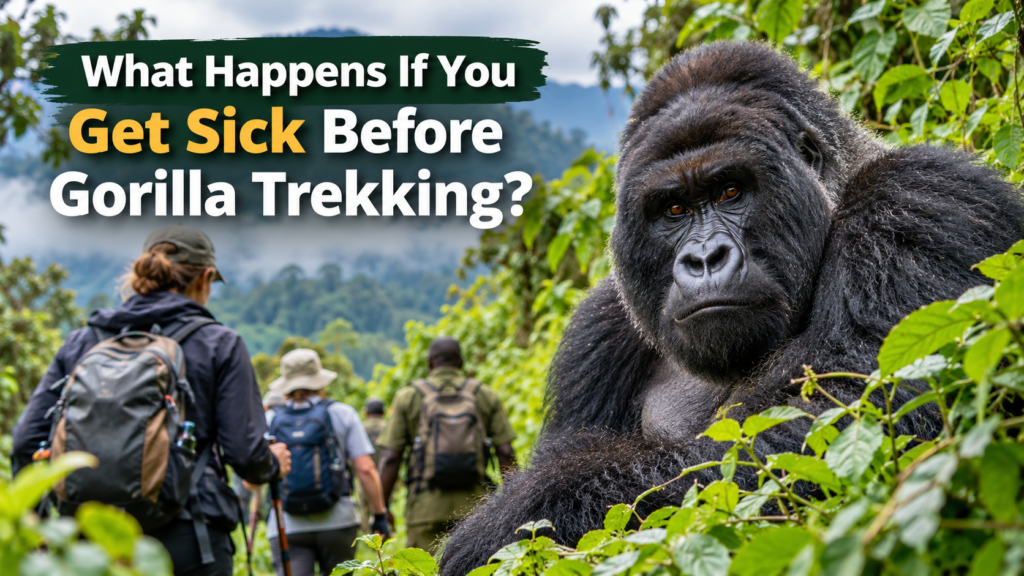
Quick Answer: What If You Get Sick Before Gorilla Trekking?
If you get sick before gorilla trekking in Uganda or Rwanda, you may not be allowed to visit the gorillas, particularly if you have a cough, fever, flu, or another potentially contagious illness. In Uganda, certain medically documented cases may qualify for a partial permit refund under Uganda Wildlife Authority rules. In Rwanda, illness-related refunds are not generally guaranteed. Contact your safari operator immediately, seek medical advice, and ask about available rescheduling options.
Important: Never hide illness symptoms to participate in a gorilla trek. Protecting mountain gorillas from human diseases is a conservation priority.
Imagine travelling thousands of miles to Uganda or Rwanda, booking your dream gorilla safari, and waking up on trekking day with a fever, cough, or sore throat. Suddenly, the adventure you have been looking forward to feels uncertain.
So, what happens if you get sick before gorilla trekking? Will you still be allowed to enter the forest? Can you postpone your trek? Will you lose your expensive gorilla permit?
The short answer is that visitors with symptoms of a contagious illness may be prevented from trekking. This rule exists to protect endangered mountain gorillas from diseases that humans can transmit to them.
However, the consequences for your booking depend on whether you are trekking in Uganda or Rwanda, when you become ill, and the applicable permit conditions.
At PrideMark Safaris, we help travellers plan responsible gorilla trekking adventures in Uganda and Rwanda. In this guide, we explain what to expect if illness disrupts your trip and what steps you can take to protect your health, your investment, and the gorillas.
1. Why Are Sick Tourists Not Allowed to Visit Mountain Gorillas?

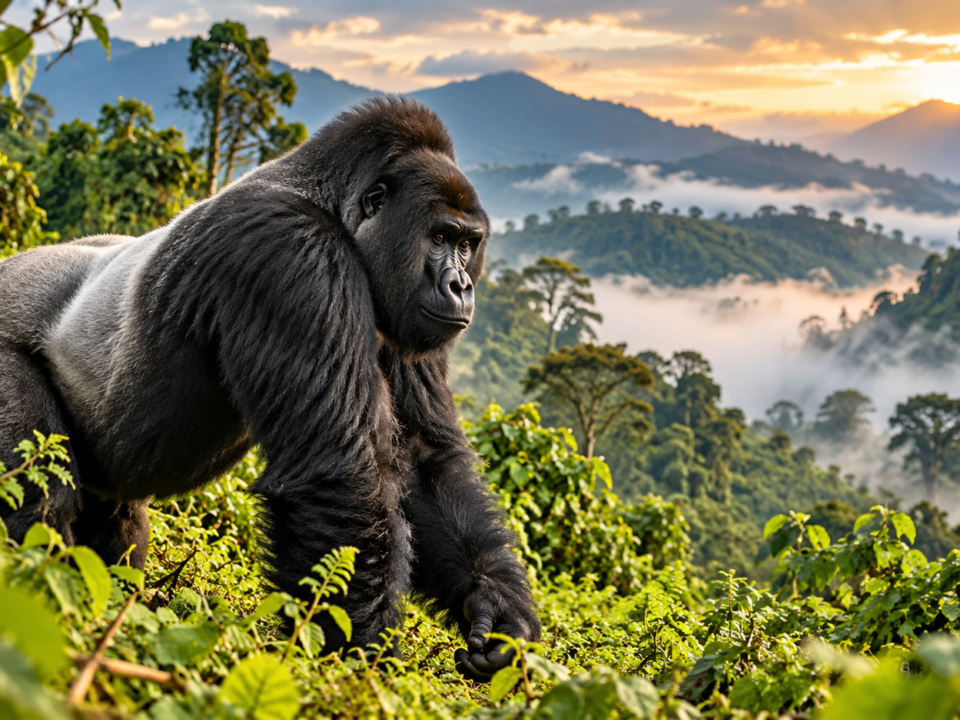
Discover Uganda’s spectacular wildlife and breathtaking natural landscapes on an unforgettable safari, combining incredible animal encounters with expertly guided adventures.
A seemingly harmless cold in a healthy adult could have serious consequences for a gorilla family.
Common symptoms that may raise concerns include:
-
Persistent coughing or sneezing
-
Fever or flu-like symptoms
-
Sore throat and respiratory illness
-
Vomiting or diarrhoea
-
Other symptoms suggesting a contagious infection
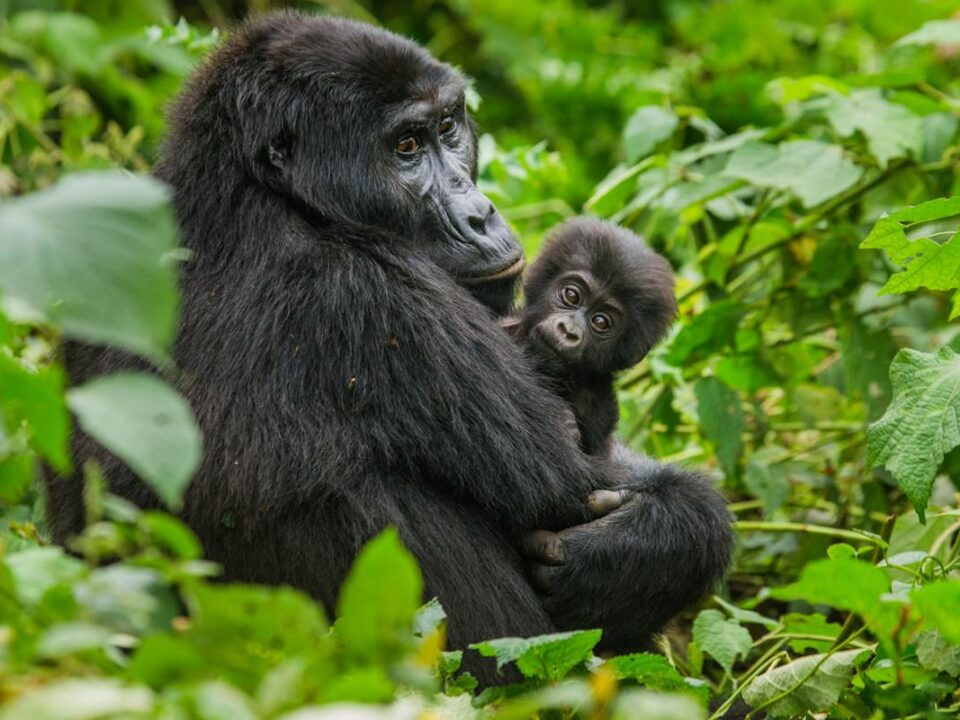
Mountain gorillas live in closely connected family groups. If one gorilla becomes infected, an illness may spread to other members, including vulnerable infants.
For this reason, conservation authorities enforce health restrictions in Bwindi Impenetrable National Park, Mgahinga Gorilla National Park, and Volcanoes National Park.
These rules are not intended to punish visitors. They are essential measures to protect one of Africa’s most remarkable endangered species.
2. What Happens If You Get Sick Before Gorilla Trekking in Uganda?
Uganda’s gorilla trekking activities are managed by the Uganda Wildlife Authority (UWA).
Under UWA’s published July 2024 gorilla and chimpanzee tracking guidelines, a visitor who develops or shows signs of illness before trekking must not be allowed to visit the gorillas and may be referred to a nearby health facility for assessment.
Can you get a refund if you are sick?
UWA’s guidelines provide for a possible 50% refund of the permit value when a visitor is medically declared unfit to trek because of illness.
However, this is not an automatic refund. Important conditions apply:
-
The illness must be supported by a medical report.
-
The visitor bears the costs of diagnosis and treatment.
-
The relevant park and UWA authorities must assess and authorize the request.
-
The illness-related provision applies to visitors already at the park who develop or show signs of illness before trekking.
For example, if your permit cost USD 800 and UWA approves a 50% illness refund, the refund would be USD 400 before any applicable deductions.
Travellers who become sick before arriving at the park should not assume they qualify for the same illness refund. They should contact their tour operator immediately to review cancellation or date-change options.
PrideMark Safaris tip: Tell your safari consultant as soon as you experience symptoms. Early communication gives you more time to explore available options.
3. What Happens If You Get Sick Before Gorilla Trekking in Rwanda?

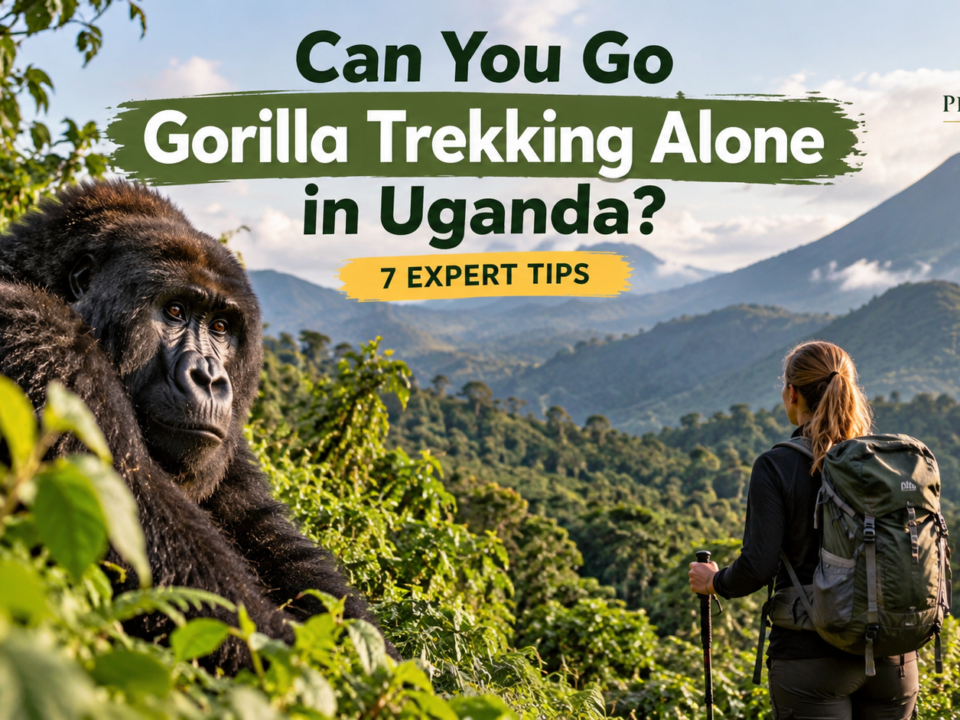
Experience the wonder of gorilla trekking in Africa, where responsible tourism and strict health precautions help protect endangered mountain gorillas from human diseases.
Rwanda’s official gorilla trekking guidelines advise visitors not to visit mountain gorillas if they have a cold, flu, or another contagious illness. Sick visitors may be denied access to the park.
Will Rwanda refund your gorilla permit?
Rwanda’s published booking rules do not guarantee a refund for visitors who miss their trek because of illness.
The official portal states that refunds are not provided for cancellations or absences for reasons outside its specified exceptions.
Therefore, if you become sick before your scheduled trek, contact your tour operator immediately to ask whether a date change or other arrangement is possible. Any change depends on the relevant authorities, permit availability, and booking conditions.
Because Rwanda gorilla permits represent a substantial investment, suitable travel insurance is particularly important.
If you are still deciding where to go gorilla trekking, understanding the differences between Uganda and Rwanda can help you plan more confidently. Read our detailed Uganda vs Rwanda gorilla trekking comparison to explore trekking locations, safari costs, accommodation options, and the overall experience in each country.
Explore our Uganda and Rwanda gorilla safari packages to plan an itinerary that suits your travel schedule.
4. Can You Go Gorilla Trekking With a Cold or Cough?
A common question among travellers is whether a mild cold is enough to prevent gorilla trekking.
The answer depends on your symptoms and the park authorities’ assessment, but you should never attempt to trek while experiencing symptoms of a potentially contagious illness.
Even if you feel physically strong enough to hike, you may still pose a health risk to mountain gorillas.
Taking medication to suppress a cough or fever does not necessarily mean you are no longer infectious.
If you have a cough, fever, sore throat, or other symptoms, inform your safari guide before departure and seek appropriate medical advice.
The final decision about whether you can participate rests with the responsible park authorities.
5. Can You Reschedule Gorilla Trekking If You Become Sick?

Discover essential Uganda safari terminology and gorilla trekking tips for 2026 with PrideMark Safaris, helping travellers prepare for a safe and unforgettable wildlife adventure.
Gorilla trekking permits are issued for specific dates, and visitor numbers are strictly controlled to minimize disturbance to gorilla families.
If you become ill, your tour operator can help you explore available options, including:
-
Checking whether alternative trekking dates are available.
-
Asking the relevant wildlife authority whether your permit can be amended.
-
Reviewing any applicable rescheduling charges.
-
Adjusting your accommodation and transportation arrangements where possible.
-
Helping you obtain the documentation required for an insurance claim.
If you are travelling on a short itinerary, changing your trekking date may be difficult because of limited permit availability and onward travel arrangements.
When planning your safari, consider allowing extra time in Uganda or Rwanda rather than scheduling your gorilla trek immediately before an international flight.
For itinerary ideas, explore the PrideMark Safaris collection of primate and wildlife safaris.
6. What Should You Do If You Feel Sick the Night Before Your Gorilla Trek?
If you begin feeling unwell shortly before your trekking date, the most important thing is to act promptly rather than hide your symptoms.
Step 1: Inform your safari guide
Contact your PrideMark Safaris guide or consultant immediately and describe your symptoms.
Consult a qualified healthcare professional, especially if you have a fever, breathing difficulties, dehydration, or worsening symptoms.
Request a medical report describing your condition and whether you are fit to trek.
Ask your tour operator to check possible refunds, date changes, or alternative arrangements with the park authority.
Notify your insurance provider promptly and retain receipts, medical reports, and booking confirmations.
Remember that your health and the protection of mountain gorillas should always come before completing the trek.
7. Does Travel Insurance Cover Illness Before Gorilla Trekking?
Travel insurance can help reduce the financial impact of unexpected illness, but coverage varies significantly between policies.
Some comprehensive travel insurance plans include benefits for trip cancellation, medical emergencies, or trip interruption caused by illness.
Before travelling, check whether your policy covers:
-
Non-refundable gorilla trekking permits
-
Trip cancellation due to a documented illness
-
Medical treatment and emergency evacuation
-
Unused accommodation and transportation
-
Changes to travel plans following a medical emergency
Make sure the policy covers your intended trekking activities and destinations, including any relevant altitude or activity restrictions.
Important: Travel insurance does not automatically guarantee reimbursement. Claims depend on your policy’s terms, exclusions, and supporting evidence.
8. How Can You Avoid Getting Sick Before Gorilla Trekking?

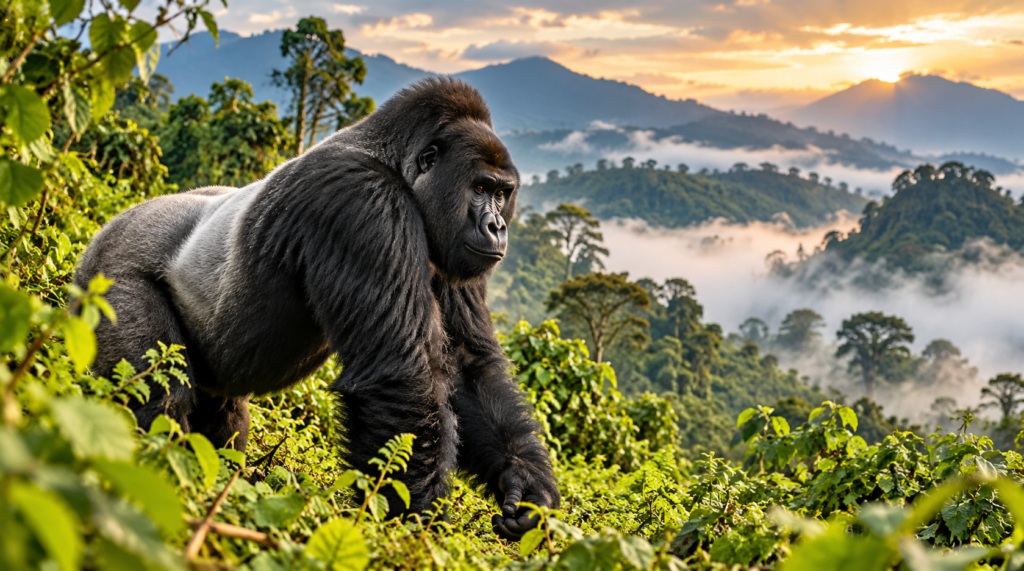
Discover the breathtaking beauty of Uganda’s wilderness with PrideMark Safaris, where lush landscapes, extraordinary wildlife, and unforgettable gorilla trekking adventures await.
Although not every illness can be prevented, a few practical precautions may reduce your risk of becoming unwell before your gorilla trekking adventure.
Before travelling
Consult a travel health professional about recommended vaccinations, malaria prevention, and other health precautions appropriate to your itinerary.
Get adequate rest before your international flight and carry essential personal medications.
During your safari
Maintain good hand hygiene, drink safe water, eat properly prepared food, and avoid unnecessary close contact with people who are visibly ill.
Allow yourself enough time to rest after long flights and road transfers.
Before trekking day
Get a good night’s sleep, stay hydrated, and prepare suitable trekking clothing and equipment.
If you develop symptoms, seek medical advice promptly instead of waiting until the morning briefing.
A well-planned itinerary with reasonable travel times can also help you arrive at the forest feeling rested and prepared.
9. Why Booking With an Experienced Gorilla Safari Operator Matters
When unexpected illness affects your holiday, having a knowledgeable local tour operator can make the situation easier to manage.
PrideMark Safaris is a Uganda-based safari company organizing personalized gorilla trekking and wildlife experiences across Uganda and Rwanda.
Our team can assist with communication, itinerary planning, permit-related enquiries, and suitable alternatives when circumstances change.
Depending on your situation and health, we can help you explore alternative safari activities or adjust travel arrangements where practical.
Although we cannot override official park rules or guarantee refunds, we aim to help you understand your options and make informed decisions.
Learn more about PrideMark Safaris and our safari planning services.
10. Frequently Asked Questions About Getting Sick Before Gorilla Trekking
Can I go gorilla trekking if I have a cold?
Visitors with symptoms of a potentially contagious cold may be denied permission to trek. Always disclose symptoms to your guide and follow the park authorities’ instructions.
Will I lose my gorilla permit if I get sick?
Possibly. In Uganda, a medically documented illness at the park may qualify for a 50% refund if UWA approves the request. Rwanda does not publish a guaranteed illness-related refund under its general permit conditions.
Can I reschedule my gorilla trekking permit?
You can request a date change, but approval depends on the responsible wildlife authority, available permits, and applicable conditions or fees.
What happens if I develop a fever on trekking day?
Inform your guide immediately and seek medical assessment. You may be prohibited from trekking if your symptoms suggest an infectious illness.
Can I wear a mask and trek if I have a cough?
Wearing a mask does not automatically make it acceptable to trek while sick. You must follow the health assessment and instructions of the park authorities.
Can PrideMark Safaris help if I become sick?
Yes. Our team can help communicate with the relevant authorities, explore permit-related options, and discuss practical changes to your itinerary. However, refunds and rescheduling approvals are not guaranteed.
Final Thoughts: Protect Your Health and the Mountain Gorillas
Getting sick before gorilla trekking can be disappointing, especially after months of planning and anticipation.
However, the restrictions on sick visitors are an important part of mountain gorilla conservation.
If you become ill, report your symptoms promptly, seek medical advice, and speak with your safari operator about available options.
With proper preparation, suitable travel insurance, and assistance from an experienced local safari company, you can approach your gorilla trekking adventure with greater confidence.
Plan Your Gorilla Trekking Safari With PrideMark Safaris

Experience the adventure of a lifetime with PrideMark Safaris on a 9-day Uganda gorilla trekking and wildlife safari, exploring breathtaking landscapes, encountering endangered mountain gorillas, and discovering Uganda’s incredible wildlife.
Dreaming of meeting mountain gorillas in Uganda or Rwanda?
Let PrideMark Safaris help you plan a responsible, memorable adventure with experienced local guides, personalized itineraries, and practical travel advice.
Contact PrideMark Safaris today:
Explore our Uganda and Rwanda safari packages and start planning your gorilla trekking experience.