The most important distinction is between a condition that is well managed and one that is unstable or accompanied by other cardiovascular problems. Trekking routes vary because gorillas move freely, so nobody can guarantee an easy hike. With sensible planning, some travelers can participate, while others may need to postpone or choose a different experience.
This guide from PrideMark Safaris covers Bwindi and Mgahinga terrain, medicine planning, rest breaks, porter assistance, emergency warning signs and suitable itinerary questions. It also provides practical checklists and frequently asked questions. Use the information to prepare a focused conversation with your healthcare professional before paying for permits or making travel commitments.
Medical note: This article is travel information, not personal medical advice. Seek a clinician’s assessment before strenuous trekking, especially if blood pressure is uncontrolled or you have other heart, kidney or neurological conditions.
Can You Go Gorilla Trekking With High Blood Pressure?
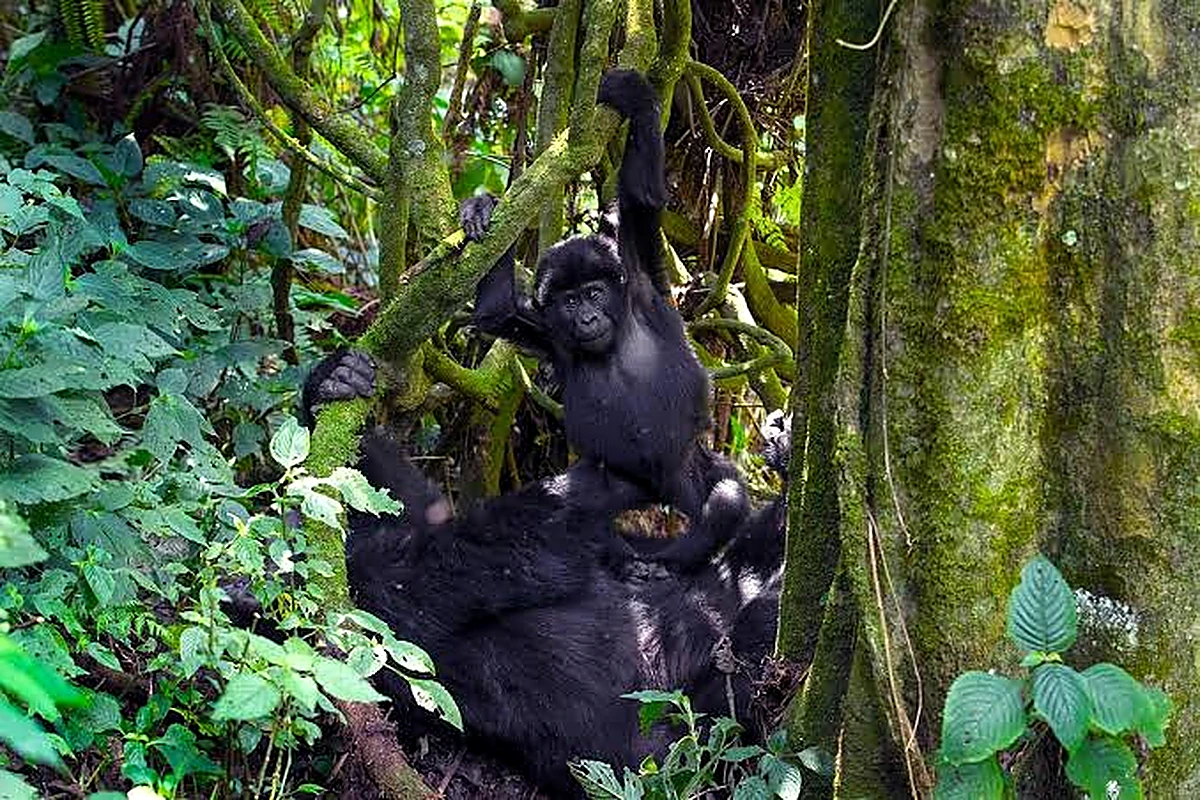
A young gorilla grips hanging vines while another gorilla rests below in lush rainforest vegetation.
A diagnosis is not an automatic exclusion
Gorilla trekking with high blood pressure is not automatically ruled out by the diagnosis alone. What matters is whether blood pressure is adequately managed, whether there are related heart or kidney concerns, and how the traveler tolerates prolonged exertion. A clinician who knows the individual history can help decide whether a demanding rainforest hike is appropriate.
Why an individual assessment matters
Two people with the same blood pressure reading may have very different abilities to hike. Age, fitness, medicines, previous stroke or heart disease, and the stability of recent readings all matter. Do not use another traveler’s experience as evidence that your own trek will be safe; seek personalized advice before paying for nonrefundable arrangements.
What the trek involves
Gorilla trekking is a guided wildlife activity, not a predictable walk on a maintained city path. Visitors may climb muddy slopes, cross roots, descend slippery ground and stop frequently as trackers locate the gorillas. Trek duration and terrain vary, so even a visitor who feels well at the briefing may face unexpected exertion.
Medical clearance and realistic expectations
Ask your healthcare professional about exertion, altitude, medication timing and symptoms that should end an activity. Explain that the experience may involve several hours of uneven walking at elevation with limited immediate medical access. A reassuring clinic visit is valuable, but it does not guarantee that every forest route will be manageable.
When to postpone planning
If blood pressure is uncontrolled or you have recently experienced chest pain, fainting, severe breathlessness or a cardiovascular event, do not assume that a safari itinerary can solve the problem. Obtain medical assessment and follow your clinician’s guidance before committing to a strenuous trek. A change of travel dates may be safer than pushing through warning signs.
How an operator can help
PrideMark Safaris can discuss travel logistics, transfer times, accommodation locations and requests to pass relevant mobility concerns to trekking organizers. A safari operator cannot provide medical clearance or promise an easy gorilla group. Share practical limitations early, while keeping sensitive health details limited to what is necessary for safe arrangements.
Understanding Bwindi Altitude and Forest Terrain
Elevation is part of the challenge
Bwindi Impenetrable National Park includes mountainous forest at substantial elevation, while trekking starting points and gorilla locations differ. Visitors may notice that uphill effort feels harder than at home, particularly if arriving from low altitude. The physiological effect varies; altitude should be considered alongside blood pressure control, fitness and other medical conditions.
The route changes each day
Trackers follow gorilla movements, which means the route cannot be fixed in advance. A group may begin on a relatively manageable trail before moving onto steeper, wet or vegetated ground. When evaluating gorilla trekking with high blood pressure, plan for uncertainty rather than relying on an advertised average walking time.
Descending can be demanding too
Many travelers focus on climbing, yet descending slick slopes requires concentration and muscular control. A stumble or sudden effort to regain balance may be especially unwelcome for someone already feeling dizzy or fatigued. Appropriate boots, careful foot placement and the ranger’s pacing instructions are more useful than trying to keep up with faster walkers.
Weather changes the experience
Rain can make soil slippery, wet clothing uncomfortable and forest sections harder to negotiate. Warm, humid conditions may also affect perceived effort and hydration needs. Neither the dry season nor a sunny morning guarantees easy trekking, so pack rain protection and prepare to adjust your pace without embarrassment.
Choosing a sector is not a medical guarantee
Different Bwindi sectors have different access roads, lodges and gorilla groups, but no sector is universally easy for every visitor. Gorilla movements and local conditions remain unpredictable. Ask about the practical journey to the briefing point and communicate your concerns; do not treat any sector name as a substitute for a medical fitness assessment.
Plan the surrounding travel days
Long drives, disrupted sleep and rushed transfers can leave travelers fatigued before the trek begins. Build an itinerary that allows rest, meals and consistent medication timing. A more comfortable lodge location or an extra night may be valuable, even though it does not change the terrain encountered inside the forest.
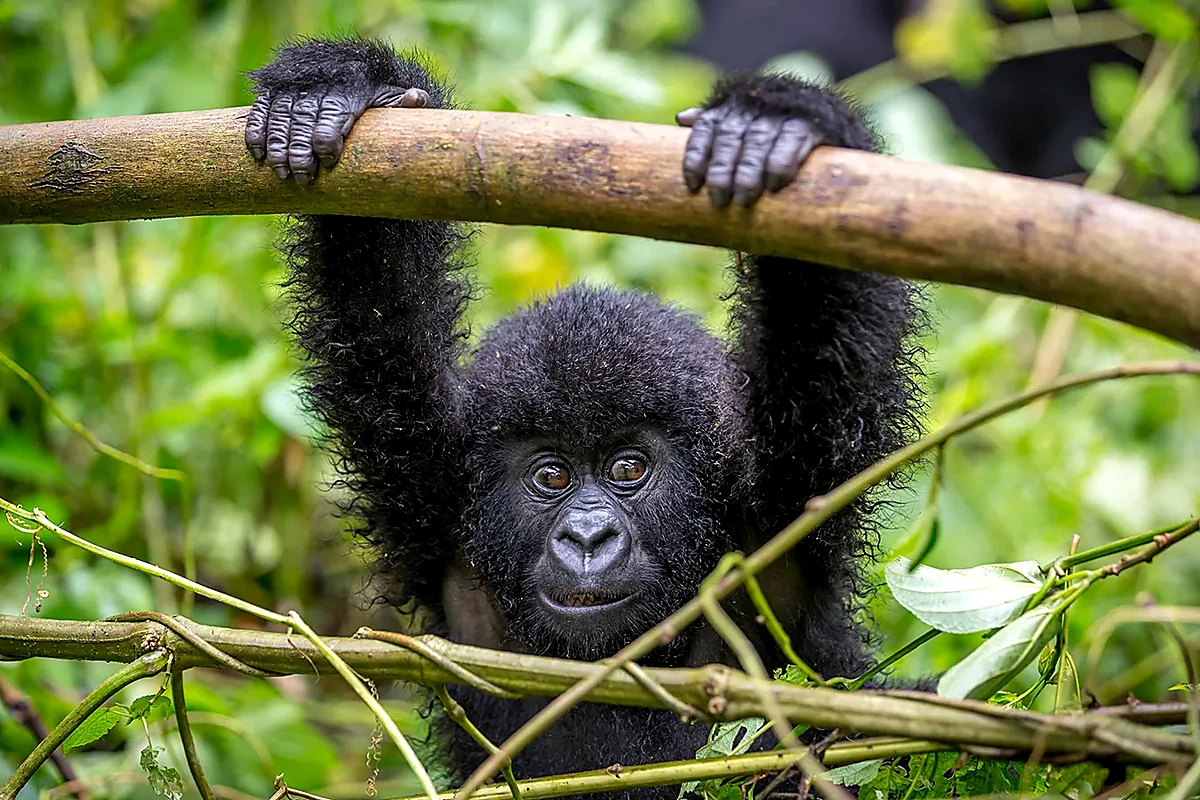
A young mountain gorilla grips a tree branch with both hands while looking toward the camera.
Trail conditions and planning implications
| Forest condition | Practical implication |
|---|---|
| Steep uphill sections | Can raise perceived effort; use a measured pace and communicate early |
| Muddy downhill paths | Require careful footing, grip and balance |
| Uncertain trek duration | Allow for variable walking time and rest needs |
| Rain and humidity | Carry suitable clothing and follow personal hydration advice |
Controlled Versus Uncontrolled Blood Pressure
Numbers need clinical interpretation
High blood pressure is assessed through repeated measurements and the wider clinical picture, not one isolated reading. Medication, home monitoring and follow-up appointments may all contribute to control. If you are unsure whether your readings are acceptable for strenuous travel, discuss them with your treating clinician instead of applying a generic internet cutoff.
Symptoms are not a reliable screening test
Hypertension often has no noticeable symptoms. Feeling energetic at breakfast does not prove that blood pressure is controlled, and feeling nervous does not necessarily mean it is dangerously high. Use the monitoring plan recommended by your healthcare professional and avoid making medication changes based solely on how you feel during the trip.
Other conditions can alter the decision
Coronary disease, heart failure, prior stroke, kidney problems and diabetes may change the risks of sustained hiking. Some medicines can also affect exercise tolerance, hydration or dizziness. A travel consultation should consider the full health picture, rather than evaluating gorilla trekking with high blood pressure as an isolated issue.
A clear go or no-go discussion
Before booking, ask whether you can safely handle several hours of variable uphill and downhill walking and what symptoms would require stopping. Ask if further evaluation is appropriate given your history. It is better to obtain a specific plan before departure than to make difficult decisions under pressure at a remote briefing point.
Avoid last-minute self-treatment
Do not double a missed dose, add someone else’s tablets or abruptly stop prescribed medicine to change a reading before trekking. Follow the instructions on your prescription and consult a qualified professional if doses are missed. Improvised medication changes can create risks unrelated to the trek itself.
Set realistic success criteria
A successful Uganda safari is not measured only by whether you complete a difficult hike. Protecting your health, enjoying the surrounding landscape and making informed choices are equally important. If your clinician recommends postponement or a less strenuous itinerary, that is useful planning information rather than a personal failure.
Preparing Your Medication and Medical Plan
Carry medicines in accessible luggage
Keep your regular medicines in original labeled packaging and carry an adequate supply for the full journey, with extra allowance for reasonable delays. Essential doses should remain in hand luggage rather than checked baggage whenever airline rules permit. Ask your pharmacist about storage temperatures and any travel restrictions that apply to your prescription.
Keep timing consistent
International travel and early trekking briefings can disrupt established routines. Before departure, confirm with your clinician or pharmacist how to handle time-zone changes and long travel days. Use a written schedule or phone reminder, and avoid changing dose timing casually because a safari departure is early.
Know your medication effects
Some blood pressure medicines may contribute to lightheadedness, changes in fluid balance or a lower exercise heart rate. These effects differ by medicine and person. Ask about relevant precautions before travel, especially if you have recently started treatment or changed doses; do not assume a common side effect will happen to everyone.
Bring a concise medical summary
A short medication list, relevant diagnoses, allergies and emergency contacts can help if a clinician needs to assess you while traveling. Keep a digital copy and a paper backup. You do not need to disclose your complete medical history to every guide, but a trusted companion should know where essential information is kept.
Monitoring should be purposeful
If your clinician recommends home blood pressure monitoring while abroad, bring a suitable validated device and learn how to use it correctly. Readings taken immediately after exercise, worry or climbing may be misleading without context. Follow the clinician’s agreed response plan rather than repeatedly measuring to chase a perfect number.
Prepare for a changed itinerary
Ask about booking terms, travel insurance exclusions and medical documentation requirements before paying. Policies differ, and coverage for pre-existing conditions may require explicit disclosure. PrideMark Safaris can explain package arrangements, while your insurer and healthcare professional should address coverage and medical fitness questions directly.
Hydration, Pacing and Exertion During the Trek
Start at a sustainable pace
The most useful trekking pace is one you can maintain without feeling pressured to match the fastest visitor. Tell your ranger early if you need regular rests. Sudden bursts of effort on a steep section may be more exhausting than a slower, steady ascent, particularly when combined with heat or unfamiliar elevation.
Drink according to your medical advice
Carry drinking water and follow the hydration guidance appropriate to your health and medication. Some people have been instructed to limit fluids because of heart or kidney conditions, so generic advice to drink as much as possible may be inappropriate. Ask your clinician how to balance exertion, sweating and any fluid restrictions.
Eat and rest before departure
A normal meal and adequate sleep can make a long outdoor day more manageable. Avoid skipping breakfast simply to save time, especially if you take medicines that need food or have diabetes. Discuss any dietary restrictions with your clinician, and keep a practical snack accessible where park rules permit consumption away from gorillas.
Use breaks strategically
Stopping briefly to recover on a climb is sensible, not a sign that the experience is going badly. Tell the guide if you feel unusually breathless, dizzy or weak. Guides can manage group pacing within operational limits, but they cannot guarantee that the remaining route will be short or gentle.
Do not chase the gorillas
Once the group approaches the gorillas, ranger instructions take priority over photography or getting a better viewpoint. Do not rush through vegetation or step onto unstable ground for a picture. Gorilla trekking with high blood pressure is best approached as a controlled wildlife experience rather than a test of endurance.
Watch for changing symptoms
Unusual chest discomfort, severe shortness of breath, fainting, confusion or sudden neurological symptoms are reasons to stop and seek urgent medical help. Tell the ranger and your companion immediately. Do not continue hiking to reach a photo opportunity, and do not assume these symptoms are merely caused by altitude or tiredness.
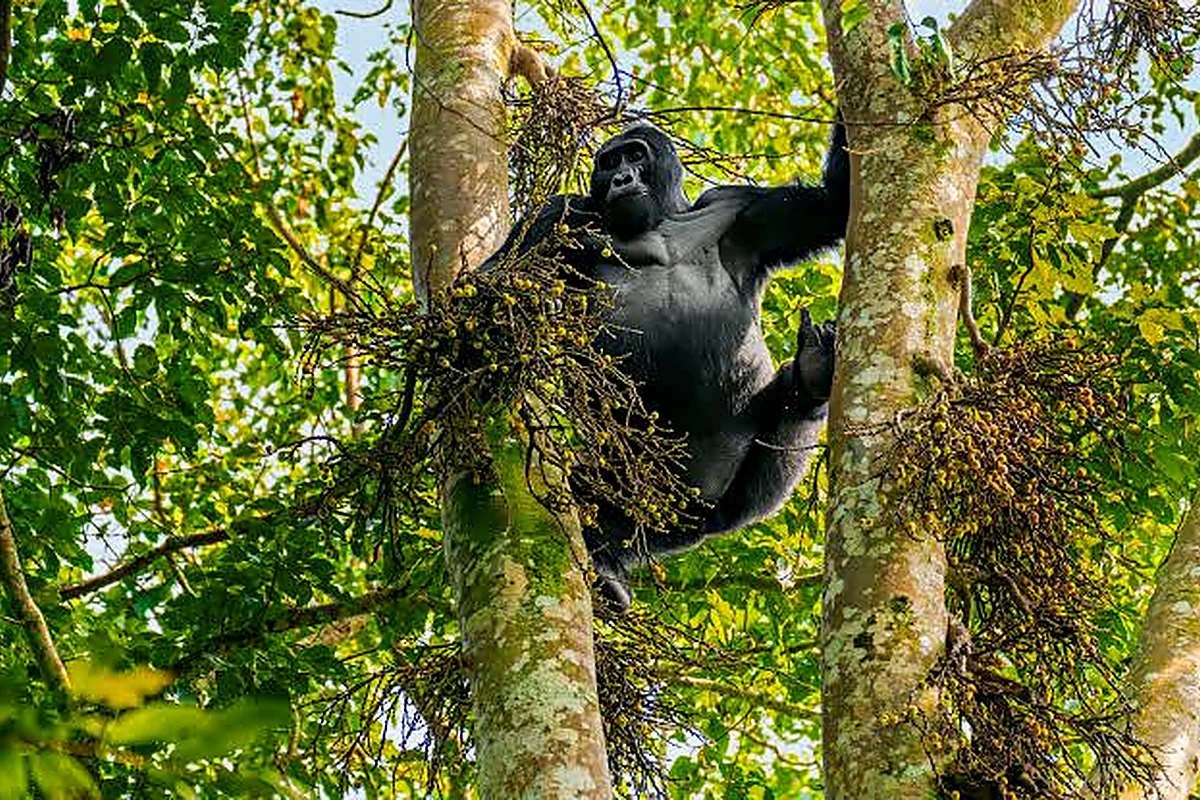
A mountain gorilla grips tree trunks while climbing among the branches and green forest canopy.
Bwindi or Mgahinga: Which Park Should You Choose?
Both parks require realistic preparation
Uganda offers mountain gorilla trekking in Bwindi Impenetrable National Park and Mgahinga Gorilla National Park. Both involve mountain environments and potentially strenuous walking. A traveler with hypertension should compare transport logistics and likely conditions while recognizing that neither park offers a guaranteed low-exertion gorilla encounter.
Mgahinga has its own demands
Mgahinga’s volcanic landscape can involve elevation and steep approaches. Its scenic appeal should not be confused with an easier medical option. Actual routes depend on gorilla locations and ranger decisions, so ask current operational questions before booking without assuming that the smaller park necessarily means a shorter trek.
Bwindi offers multiple access areas
Bwindi has several trekking sectors, which can influence lodge selection and road transfer times. Sector availability and gorilla movements change. If your primary concern is avoiding exhausting transfers before trekking, focus on accommodation and transport planning rather than expecting one sector to eliminate challenging slopes.
Ask questions the operator can answer
Useful questions include how far the lodge is from the briefing point, whether transfers begin before dawn, what porter arrangements can be requested, and what happens if you decide not to trek. These logistical answers can improve comfort even though they cannot predict your exact hiking workload.
Consider flying versus driving
A flying safari may reduce some long road journeys, but it does not remove the physical demands of the forest. Compare the 3-day gorilla flying luxury safari with road-based options for comfort and schedule, not as a medical treatment. Discuss flight suitability with your clinician if you have relevant cardiovascular concerns.
Choose based on the whole itinerary
The best itinerary balances budget, road time, rest days, accommodation and medical advice. PrideMark Safaris can help explain how different packages are structured and where extra rest time could fit. Do not select a park solely because a blog claims it is always easier for people with high blood pressure.
Porters, Walking Sticks and Practical Support
What a porter can do
A hired porter may carry a daypack and provide practical assistance on difficult sections where permitted. Reducing the load on your shoulders can make walking more comfortable, but it does not remove the need to climb and descend. Confirm arrangements and payment locally, and treat porter support as helpful rather than a guarantee of medical safety.
Walking sticks support balance
A sturdy walking stick or trekking pole may improve confidence on slippery ground and reduce the need for sudden corrective steps. Learn to use it before entering the forest, and keep a free hand when necessary. A pole cannot prevent every fall, so appropriate footwear and careful pacing remain important.
Footwear matters more than gadgets
Choose well-fitting hiking boots or trail footwear with dependable grip and adequate ankle support for your needs. Break them in before travel. Thick socks, a light waterproof layer and a comfortable daypack may be more useful than buying unfamiliar equipment immediately before the trek.
Discuss mobility assistance honestly
Some travelers ask about sedan-chair or stretcher-style assistance services, where available and arranged in advance. Availability, cost, suitability and operating arrangements must be confirmed rather than assumed. Such transport is not automatically appropriate for someone with cardiovascular concerns, and medical guidance should inform the decision.
Guide support has limits
Rangers and support staff manage the trek and wildlife encounter, but they are not substitutes for emergency medical facilities. Forest access and evacuation can take time. Share any limitation that affects your ability to walk safely and be willing to stop if conditions exceed your agreed medical plan.
Budget for comfort and contingencies
When planning gorilla trekking with high blood pressure, allow funds for porter services, suitable gear, extra rest nights and appropriate insurance. A lower-priced package may still be excellent, but the cheapest schedule is not always the most comfortable. Ask for a clear list of inclusions and optional costs before committing.
Support options and limitations
| Support option | Potential benefit | Important limitation |
|---|---|---|
| Porter | Carries a daypack and may assist on difficult terrain | Does not remove all physical exertion |
| Walking stick | Can improve balance on slippery slopes | Requires appropriate technique |
| Extra rest night | May reduce schedule fatigue | Does not predict trekking difficulty |
| Sedan-chair assistance | May be available by advance arrangement | Availability and medical suitability must be confirmed |
What to Do if You Feel Unwell on the Trail
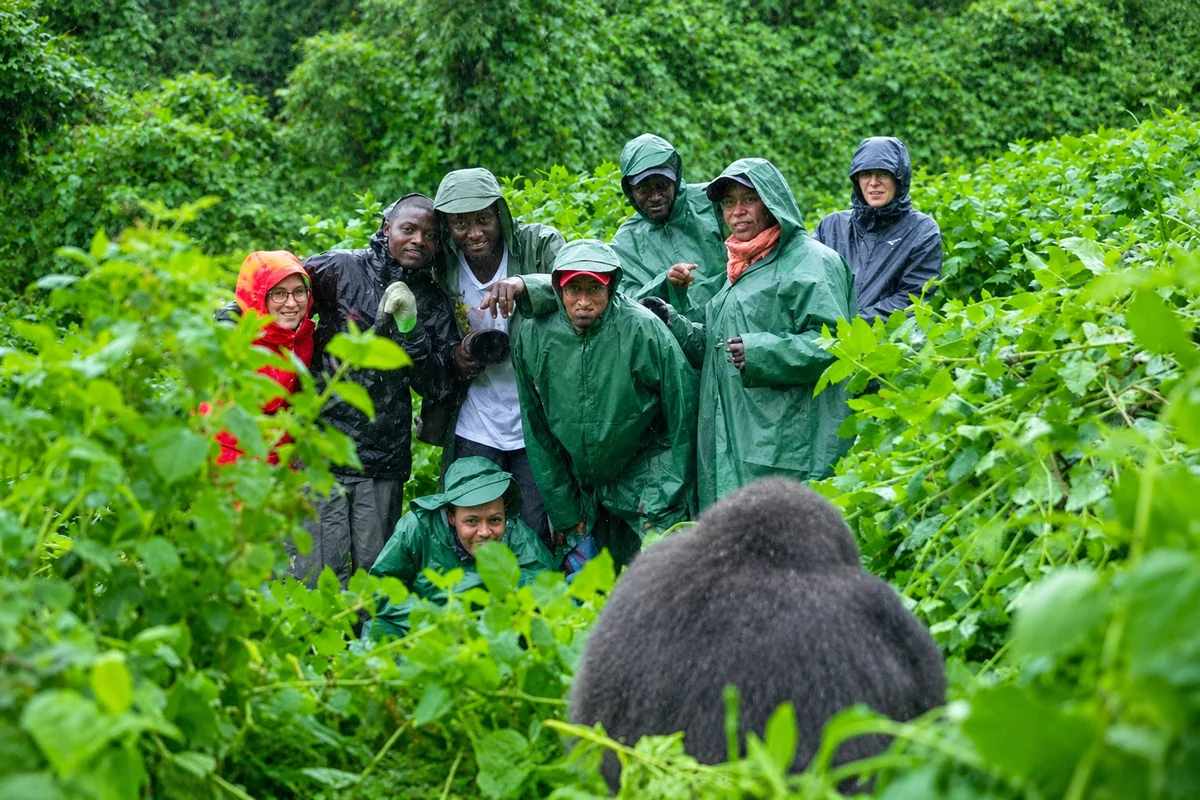
Visitors wearing rain jackets enjoy a gorilla trekking experience in Uganda’s lush rainforest.
Speak up immediately
If you experience chest pain, severe breathlessness, fainting, new weakness, difficulty speaking or sudden severe headache, stop and alert the ranger immediately. These may indicate a serious medical problem. Do not wait until the gorilla viewing hour is finished, and do not try to hide symptoms from your group.
Emergency response is not instant
A forest trek may be far from roads or a clinic, and communication can be limited. The ranger team will coordinate the response according to local procedures, but time to professional care can vary. This is why pre-travel medical planning and an honest assessment of fitness are especially important.
Do not self-diagnose the cause
Dizziness might reflect dehydration, medication effects, low blood pressure, exhaustion or another problem. Chest discomfort may have many causes, some urgent. Without clinical assessment, it is unsafe to assume that altitude, anxiety or the weather explains symptoms. Follow emergency instructions and seek qualified evaluation.
Know your emergency contacts
Before the trek, confirm how your guide and operator can be contacted and what your travel insurance requires for emergency assistance. Carry identification and a concise medical summary. A companion who knows your medicines and emergency contacts can help communicate if you are unable to do so.
Stopping is a valid decision
If you feel unwell or your clinician has advised against exertion, it is reasonable to stop or decline the trek. Permit refunds or rescheduling are subject to applicable park and booking policies, not automatic entitlements. Ask the operator for current terms and obtain documentation where relevant.
Plan for recovery afterward
Even after an uneventful trek, allow time to rest, rehydrate according to medical advice and resume regular routines. Do not schedule a demanding second activity immediately if you are exhausted. Persistent or unusual symptoms deserve professional assessment rather than being dismissed as normal safari fatigue.
Choosing a Suitable Gorilla Trekking Safari Package
Start with the medical decision
Before comparing prices, confirm with your clinician whether strenuous trekking is reasonable for your current health. Explain the altitude, uneven ground, unpredictable duration and limited emergency access. The answer may shape the destination, departure date and number of rest days more than any package brochure.
A short safari can work for some
The 3-day Uganda gorilla trekking safari offers a compact itinerary for travelers who have already considered the demands of travel and trekking. A short schedule may be convenient, but it can also mean longer transfer days relative to rest time. Ask for the detailed day-by-day plan before deciding.
Flying may change transfer comfort
The 3-day gorilla flying luxury safari can appeal to travelers who prefer to limit road time. It should not be marketed as a way to avoid strenuous hiking once inside the park. Confirm baggage limits, airport transfers, lodge access and the exact trekking day before comparing it with road-based alternatives.
Longer itineraries offer flexibility
A 5-day gorilla and game safari may offer a broader Uganda experience with additional activities and nights. Extra time can support a more relaxed overall schedule, although it may also add other excursions. Evaluate each day separately and ask which optional activities can be adjusted without disrupting the main booking.
Ask for transparent planning
Request written details about permit arrangements, lodge location, porter options, cancellation terms, insurance responsibilities and emergency contacts. PrideMark Safaris can help coordinate logistics and clarify what is included. Avoid any operator that guarantees a specific easy gorilla route or promises a medical outcome.
Make the booking decision deliberately
Gorilla trekking with high blood pressure can be feasible for some well-managed travelers, but the right decision is individual. Prioritize professional medical advice, an itinerary with adequate rest and honest communication with the ranger team. The goal is a memorable wildlife experience that does not depend on ignoring warning signs.
Practical preparation checklist
| Stage | Action |
|---|---|
| Before booking | Discuss exercise and altitude with your clinician |
| Before departure | Confirm medicine supply, insurance and emergency contacts |
| At the briefing | Tell rangers about practical pacing limitations |
| On the trail | Follow ranger instructions and report warning symptoms |
| After trekking | Rest and seek care for persistent unusual symptoms |
Relevant Uganda Gorilla Trekking Packages
Explore the 3-day Uganda gorilla trekking safari to compare itinerary length, travel arrangements and the balance between transfers and rest time. Before selecting this option, ask PrideMark Safaris for the latest inclusions, permit details and accommodation locations, and confirm with your clinician whether the planned physical activity is suitable for you.
Explore the 3-day gorilla flying luxury safari to compare itinerary length, travel arrangements and the balance between transfers and rest time. Before selecting this option, ask PrideMark Safaris for the latest inclusions, permit details and accommodation locations, and confirm with your clinician whether the planned physical activity is suitable for you.
Explore the 5-day gorilla and game safari to compare itinerary length, travel arrangements and the balance between transfers and rest time. Before selecting this option, ask PrideMark Safaris for the latest inclusions, permit details and accommodation locations, and confirm with your clinician whether the planned physical activity is suitable for you.
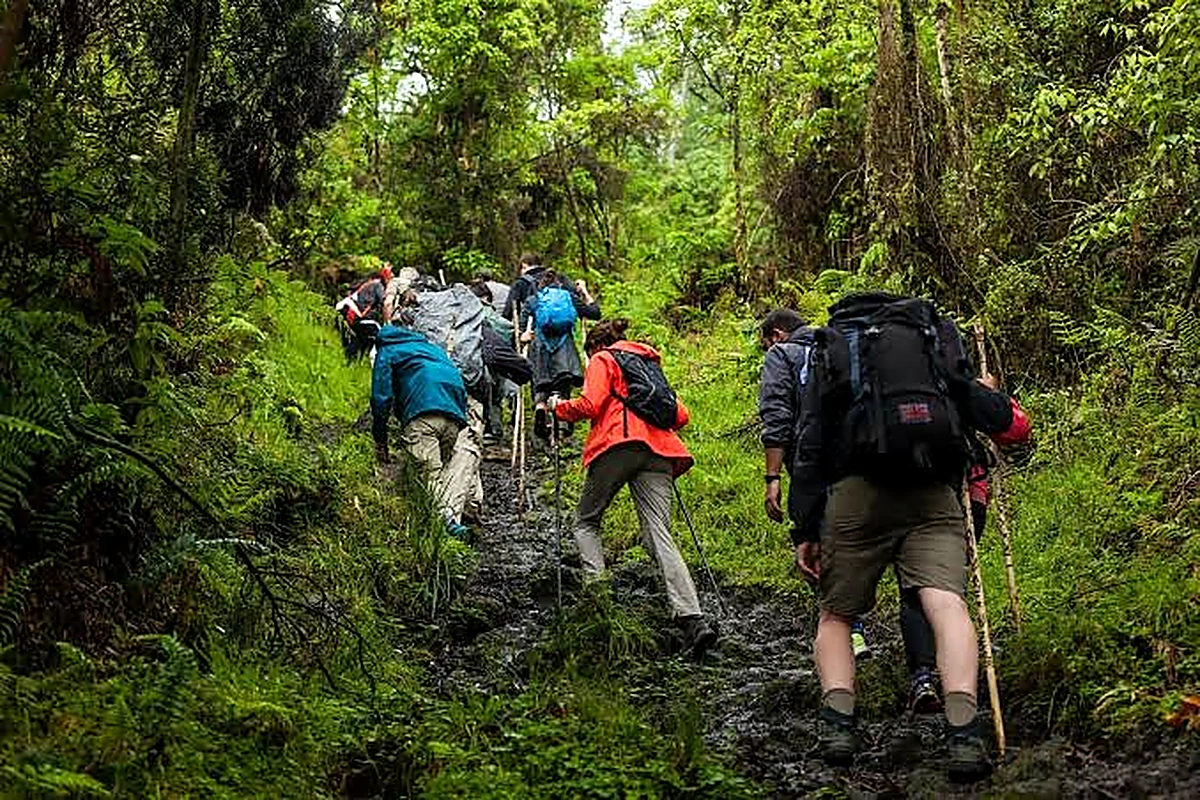
Trekkers navigate a muddy forest trail surrounded by lush vegetation during a guided gorilla trekking adventure.
Additional Practical Questions Before You Travel
How should I discuss exertion with my clinician?
Describe the actual activity rather than simply asking whether you can go on safari. Explain that the forest walk may last several hours and involve climbing, descending, roots, mud and limited road access. Ask which symptoms should prompt immediate rest or emergency assistance, and whether your current treatment and exercise tolerance warrant further assessment.
What if my blood pressure readings change before departure?
A meaningful change in your readings or symptoms deserves discussion with the professional managing your condition. Do not assume a previously reassuring assessment remains valid after a medication change or new illness. If a departure date is close, contact the clinician promptly and ask your operator about the relevant booking terms before making changes.
How can I reduce unnecessary travel fatigue?
Consider arriving with enough time to sleep and recover from long journeys before the trekking day. Choose accommodation that minimizes an exhausting early road transfer where practical, and avoid stacking demanding activities without rest. These adjustments improve the travel experience but should never be described as making strenuous hiking medically safe.
What should my travel companion know?
Share your emergency contact details, the location of your medication list and the warning signs identified in your medical plan. A companion should know when to alert the ranger rather than encouraging you to continue. This preparation is especially helpful in a forest environment where communication and transport may be slower than at home.
Can excitement make the day feel harder?
Anticipation, an early start and unfamiliar surroundings can affect how strenuous a trek feels. Try to maintain normal sleep, food and medication routines, and allow time at the briefing rather than rushing. If symptoms appear, do not dismiss them as excitement; tell the ranger and use the response plan agreed with your clinician.
What does an appropriate daypack contain?
Carry drinking water according to your medical guidance, prescribed medicines that may be needed during the day, rain protection, a snack where appropriate and essential identification. Keep the load manageable and consider a porter. Avoid overpacking heavy camera gear that increases strain without materially improving the experience.
Should I tell the ranger about hypertension?
You can explain the practical limitations that matter for pacing and emergency response, and share medical information you are comfortable disclosing when it is relevant to safety. Rangers benefit from knowing that you may require rests or assistance. They cannot diagnose your condition, and disclosure does not guarantee assignment to an easier route.
What if my clinician advises against trekking?
Take that advice seriously and explore alternative safari experiences that do not require strenuous mountain hiking. Uganda offers varied wildlife, scenery and cultural activities, although each itinerary has its own demands. Discuss cancellation or rebooking terms with the operator and insurer; do not assume that a medical recommendation automatically produces a permit refund.
How do I compare safari packages responsibly?
Compare total travel time, the location of accommodation, early departure requirements, planned activities and opportunities to rest. Ask for the latest written itinerary rather than relying on an abbreviated description. A flying option may shorten road travel but does not change the variable physical demands of the gorilla encounter itself.
Are all warning signs related to high blood pressure?
No. A serious symptom can have many possible causes, including problems unrelated to blood pressure. Chest pain, sudden neurological changes, fainting or severe breathing difficulty require urgent assessment regardless of the explanation you suspect. The priority in the forest is to stop, notify the ranger and arrange appropriate medical help.
How can I avoid pressure from the group?
Tell the guide at the outset that you may need a steady pace and short breaks. Focus on safe foot placement rather than the speed of other participants. If the terrain becomes unsuitable, say so promptly. The experience is not a competition, and it is better to communicate early than to conceal escalating fatigue.
What should I confirm before paying?
Request details about permit terms, cancellation policies, porter costs, accommodation access and emergency contacts. Ask your insurer about pre-existing condition coverage and evacuation arrangements. Finally, obtain individualized medical advice based on your current health. These practical checks help you make an informed decision without relying on unsupported promises of safety.
Frequently Asked Questions
Can I trek if I take blood pressure tablets?
Taking prescribed medicine does not automatically rule out trekking. Ask your clinician whether your condition and exercise tolerance are appropriate for variable mountain hiking, and continue medicines as directed. A trekking guide can explain local logistics, but individualized health decisions should be made with a qualified medical professional before travel.
Does Bwindi altitude automatically make trekking unsafe?
No single answer applies to everyone. Elevation and exertion can affect people differently, particularly when other heart or lung conditions are present. Obtain individualized travel advice. Always confirm current park procedures and itinerary arrangements rather than relying on a fixed prediction of how long the forest walk will take.
Should I check my blood pressure during the trek?
Only if your clinician has recommended a monitoring plan. Readings after strenuous activity require context; do not delay urgent care for concerning symptoms while repeatedly checking numbers. A trekking guide can explain local logistics, but individualized health decisions should be made with a qualified medical professional before travel.
Can I request an easier gorilla group?
You can communicate physical limitations at briefing, but allocation and routes depend on wildlife movements and park operations. No operator can guarantee a short or easy trek. Always confirm current park procedures and itinerary arrangements rather than relying on a fixed prediction of how long the forest walk will take.
Will a porter carry my backpack?
Porters may be available to carry a daypack and help with difficult terrain for an additional fee. Confirm availability and arrangements before the trek. A trekking guide can explain local logistics, but individualized health decisions should be made with a qualified medical professional before travel.
Is Mgahinga easier than Bwindi for hypertension?
Neither park can be described as universally easier. Both have mountain terrain, and the exact walking conditions vary. Choose with medical advice and realistic itinerary planning. Always confirm current park procedures and itinerary arrangements rather than relying on a fixed prediction of how long the forest walk will take.
Can I use a walking stick?
Walking sticks are commonly used for support on uneven ground. Ask the ranger about safe handling and choose equipment you can use comfortably. A trekking guide can explain local logistics, but individualized health decisions should be made with a qualified medical professional before travel.
What symptoms mean I should stop?
Stop and seek urgent assistance for chest pain, fainting, severe breathlessness, sudden weakness, difficulty speaking or other alarming symptoms. Tell your ranger immediately. Always confirm current park procedures and itinerary arrangements rather than relying on a fixed prediction of how long the forest walk will take.
Should I skip my medication on trekking day?
No. Do not skip, double or alter doses without professional advice. Discuss early starts and time-zone changes with your clinician or pharmacist before traveling. A trekking guide can explain local logistics, but individualized health decisions should be made with a qualified medical professional before travel.
Will travel insurance cover hypertension?
Coverage varies by policy and may depend on disclosure of pre-existing conditions. Obtain written confirmation from the insurer before departure. Always confirm current park procedures and itinerary arrangements rather than relying on a fixed prediction of how long the forest walk will take.
Are permit refunds guaranteed if I cannot trek?
No. Park and operator terms govern cancellations and illness-related decisions. Ask about current rules before booking and keep relevant documentation. A trekking guide can explain local logistics, but individualized health decisions should be made with a qualified medical professional before travel.
How can PrideMark Safaris help me plan?
PrideMark Safaris can explain package schedules, lodge locations, transport choices and how to request trekking support. Medical clearance must come from a qualified healthcare professional. Always confirm current park procedures and itinerary arrangements rather than relying on a fixed prediction of how long the forest walk will take.
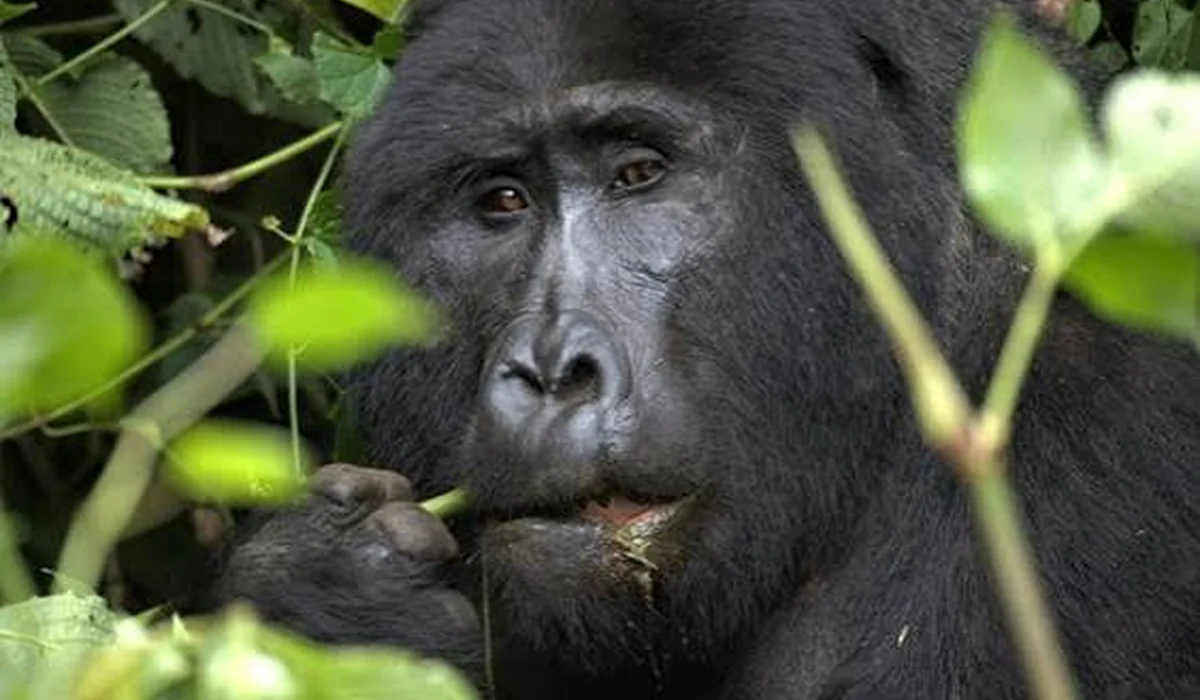
A mountain gorilla feeds on vegetation in its forest habitat. Learn what happens if you don’t see gorillas during trekking in Uganda with Pridemark Safaris.
Final Thoughts: Plan for Health and the Wildlife Experience
Gorilla trekking with high blood pressure calls for thoughtful preparation, not blanket reassurance or automatic exclusion. The forest is beautiful, but walking conditions can be demanding and unpredictable. A clinician’s individualized advice, a sensible medication plan, suitable footwear, realistic pacing and a willingness to stop if symptoms develop all matter more than any promise of an easy route.
If your healthcare professional considers the trek appropriate, ask PrideMark Safaris about transport options, lodge locations, porter arrangements and safari packages that allow adequate rest. You can contact PrideMark Safaris to discuss the practical itinerary details before booking. The safest safari is one that respects both the gorillas and the visitor’s health.