African Safari FAQs: 20 Essential Tips for a Great Trip

Can I Use the Toilet During a Game Drive? What Actually Happens?
September 18, 2026
What Should I Do If a Gorilla Charges at Me? 10 Vital Tips
September 21, 2026
An African safari is one of those journeys that can stay with you long after you have returned home. The first sight of an elephant crossing a dusty track, the sudden appearance of a lion in the grass, the sound of birds around a quiet waterhole, or the golden light spreading across the savannah can make an ordinary travel day feel extraordinary. Yet before that moment arrives, most travelers have questions. African safari FAQs are often surprisingly practical because a safari is different from a conventional city holiday. You are traveling through protected wilderness, following wildlife rather than a fixed sightseeing schedule, and moving between lodges, camps, parks, reserves and sometimes different countries.
This complete guide answers 20 of the most important African safari FAQs in a warm, practical and detailed way. Whether you are considering Uganda, Kenya, Tanzania, Rwanda, Botswana, South Africa, Namibia or another African destination, these answers will help you understand how safari travel works and how to prepare for it.
Africa does not offer one single safari experience. A wildlife journey through Uganda’s forests can feel completely different from a classic savannah safari in Kenya or Tanzania. Uganda, for example, combines savannah parks with rainforest experiences such as chimpanzee tracking and gorilla trekking, while Tanzania offers destinations such as Serengeti, Ngorongoro and Tarangire.


Before going into the individual questions, this table gives first-time travelers a simple overview of what to expect.
| Safari question | Quick answer |
|---|---|
| Best safari destination? | It depends on your wildlife interests, season, budget and preferred activities. |
| Best time to go? | There is no universal month; dry and wet seasons offer different experiences. |
| How long should a safari be? | Around 7–14 days works well for many first-time travelers. |
| What animals can I see? | Lions, elephants, buffalo, leopards, giraffes, zebras, hippos, antelope and many birds are possible depending on the destination. |
| Will I definitely see the Big Five? | No. Wildlife is wild, and sightings can never be guaranteed. |
| Is a safari safe? | Organized safaris follow wildlife-viewing rules, but travelers must respect guides, animals and park regulations. |
| What vehicle is used? | Usually a purpose-built 4×4 safari vehicle, depending on the destination and operator. |
| Can children go on safari? | Yes, but age rules and suitable activities vary by park, lodge and activity. |
| What should I wear? | Comfortable, breathable, neutral-colored clothing and practical walking shoes. |
| Do I need binoculars? | Strongly recommended, especially for birds and distant wildlife. |
| Do I need a guide? | A professional guide greatly improves interpretation, safety and wildlife understanding. |
| Can I take good photographs? | Yes, but good technique, patience and appropriate equipment matter more than having the largest camera. |
| Are safaris expensive? | Costs vary greatly depending on accommodation, transportation, permits, season and activities. |
| Can I combine countries? | Yes. East African itineraries can combine destinations in countries such as Uganda, Kenya, Tanzania and Rwanda. |
| What is a game drive? | A guided wildlife-viewing excursion in a safari vehicle. |
| What is a walking safari? | A guided experience on foot, subject to destination rules and safety requirements. |
| Can I go on safari alone? | Yes, although solo travelers should use reputable operators and carefully consider transport and accommodation arrangements. |
| Do safaris include meals? | Many packages include meals, but inclusions differ between operators and accommodation categories. |
| Do I need travel insurance? | It is strongly advisable for international travel and should reflect your planned activities. |
| How early should I book? | Earlier booking is particularly important for peak seasons and activities with limited permits or spaces. |
African Safari FAQs #1: What exactly is an African safari?
An African safari is much more than driving around looking for animals. Traditionally, the word “safari” means journey, and modern safari travel can include game drives, walking experiences, boat trips, birdwatching, cultural encounters, primate tracking, conservation experiences and stays in lodges or tented camps. The exact experience depends on where you travel.
A safari in Uganda, for example, can combine savannah wildlife with forest experiences. Murchison Falls National Park offers game drives and boat cruises, while Uganda’s broader protected-area network includes destinations such as Queen Elizabeth, Kibale, Bwindi, Mgahinga, Kidepo Valley and Lake Mburo.
In Tanzania, the classic northern circuit can include Serengeti, Ngorongoro and Tarangire. The Tanzania Tourist Board describes Serengeti as a vast wildlife landscape, Ngorongoro as a major natural attraction and Tarangire as a destination associated with elephants and baobab landscapes.
This diversity is important when reading African safari FAQs because there is no universal safari itinerary. A traveler interested in lions and open plains may choose a different route from someone whose priority is gorillas, chimpanzees, elephants, birds or cultural experiences.
African Safari FAQs #2: Which African country is best for a safari?
There is no single country that is objectively best for every traveler. The better question is: which destination matches your interests, travel dates, budget and preferred style of safari?
Kenya is famous for destinations such as the Maasai Mara and its wider wildlife tourism network. Tanzania offers the Serengeti, Ngorongoro and numerous other wildlife destinations. Uganda combines savannah wildlife with primate experiences and dramatic landscapes. Rwanda is particularly known for mountain gorilla experiences and its compact travel network. Botswana is well known for wilderness and water-based safari environments, while South Africa offers a broad combination of wildlife, accommodation, accessibility and other tourism experiences.
The choice should therefore begin with the experience rather than the country name. Someone fascinated by gorillas may have a very different ideal itinerary from someone whose dream is to photograph lions at sunrise.
For travelers considering East Africa, the map below can help visualize how safari destinations fit into the wider region.


This is one of the most common African safari FAQs, and the answer is more complicated than simply choosing “the dry season.”
Dry seasons often make wildlife easier to locate because vegetation can be thinner and animals may concentrate around reliable water sources. Roads can also be easier to navigate in some destinations. Kenya’s official tourism information, for example, identifies December to March and July to October as peak travel periods associated with dry and warm conditions that can make wildlife viewing easier.
However, the wetter months should not automatically be dismissed. Rain can transform landscapes into vibrant green environments, produce dramatic skies and support breeding and migratory cycles for many species. Some travelers prefer fewer visitors and lush scenery rather than the busiest wildlife-viewing periods.
The right season also depends on the specific country and park. East Africa is not one weather zone. Altitude, geography, rainfall patterns and local ecosystems all influence conditions.
For that reason, when planning an African safari, start with your target experience and then work backward to the most appropriate travel period.
African Safari FAQs #4: How many days should I spend on safari?
A first safari can be worthwhile in as little as a few days, but rushing through multiple destinations can reduce the quality of the experience.
For many travelers, 7 to 10 days provides enough time to visit two or three carefully selected areas without spending the entire holiday in transit. A 10- to 14-day itinerary can provide greater variety, especially when combining savannah wildlife with primates, culture, mountains or lakes.
Longer does not automatically mean better. A carefully designed seven-day safari can be more satisfying than a fourteen-day itinerary filled with exhausting transfers.
A good itinerary should leave enough time for game drives, meals, relaxation and unexpected wildlife encounters. Wildlife does not operate according to a timetable. Sometimes the most memorable moment happens when you are simply sitting quietly near a waterhole rather than racing toward the next attraction.
African Safari FAQs #5: What animals will I see on safari?
African wildlife varies considerably from one ecosystem to another. Depending on the destination, travelers may encounter elephants, lions, leopards, buffalo, giraffes, zebras, hippos, crocodiles, warthogs, antelope, hyenas, wild dogs, primates and hundreds of bird species.
The famous “Big Five” are lion, leopard, elephant, buffalo and rhinoceros. The phrase originated from hunting terminology and is now widely used in photographic tourism.
But focusing only on the Big Five can make a safari feel unnecessarily narrow. A leopard may be spectacular, but so can a family of elephants interacting beside a river, a martial eagle flying overhead, a troop of baboons moving through woodland, or a tiny chameleon crossing the road.
This is why experienced guides often encourage travelers to appreciate the ecosystem rather than simply collecting animal names.


No. A safari takes place in a natural environment, not a wildlife park where animals are scheduled for viewing.
Guides use experience, tracks, calls, habitat knowledge, recent sightings and communication with other safari vehicles to improve the chances of finding wildlife. Even then, an animal may remain hidden, move into thick vegetation or travel far from the usual viewing areas.
Leopards are particularly famous for their elusive behavior, while rhino populations occur only in particular destinations and protected areas.
A responsible safari operator should never promise guaranteed sightings. Instead, the goal should be to maximize your opportunities while respecting wildlife.
This is one of the most important principles behind good African safari FAQs: wildlife sightings are opportunities, not guarantees.
African Safari FAQs #7: What is a typical day on safari like?
A safari day often begins early because many animals are active during the cooler morning hours. You may wake before sunrise, have tea or coffee, and leave camp while the landscape is still cool and quiet.
The morning game drive can last several hours. Depending on the park, you may return to the lodge for breakfast or lunch, rest during the hottest part of the day, and then head out again in the afternoon.
Evenings can bring another game drive or, depending on the destination and regulations, a night activity.
Not every safari follows this schedule. Some camps offer full-day drives with packed lunches. Others combine wildlife viewing with boat cruises, nature walks or cultural experiences.
The beauty of safari is that the day is shaped partly by nature. A guide may change the planned route because fresh tracks have appeared or because another guide has reported an interesting sighting.
African Safari FAQs #8: What type of safari vehicle is used?
Safari vehicles vary between destinations and operators, but purpose-built 4×4 vehicles are common because many wildlife areas involve uneven roads and challenging terrain.
A good safari vehicle is more than transportation. Its design can influence your comfort, photography opportunities, visibility and ability to move through different environments.
Important features can include elevated seating, large windows, roof openings, charging points, refrigeration, storage, communication equipment and sufficient ground clearance.
The right vehicle also depends on the size of your group. A private safari vehicle gives travelers more control over departure times, stops and photography. Shared vehicles can be more economical and can create a social experience with fellow travelers.


Organized safaris are designed around wildlife safety procedures, professional guiding and park regulations. However, travelers must remember that they are entering natural environments containing wild animals.
The most important rule is simple: listen to your guide.
Do not leave a vehicle unless your guide has confirmed that it is safe and permitted. Do not approach animals on foot. Avoid shouting or making sudden movements around wildlife. Never feed animals. At camps and lodges, follow instructions about walking after dark.
Safety also involves choosing a reputable safari operator. Uganda Wildlife Authority specifically advises visitors to verify official communication and licensed tourism operators because fraudulent contacts can create risks for travelers.
Travel insurance is another important consideration. Travelers should check that their policy covers the activities included in their itinerary and the countries they will visit.
African Safari FAQs #10: What should I pack for an African safari?
Packing for safari is easier when you think about comfort and practicality rather than fashion.
Lightweight shirts, trousers, comfortable walking shoes, a warm layer, sun protection, sunglasses, a hat and a reusable water bottle are useful starting points. Temperatures can change dramatically between early morning and afternoon, particularly in highland areas.
Neutral and natural-looking colors are often practical because they fit comfortably into the safari environment. Avoid packing an excessive amount of clothing because many safari lodges offer laundry services.
A useful safari packing list includes:
| Item | Why it matters |
|---|---|
| Lightweight trousers | Comfortable for long drives and outdoor activities |
| Breathable shirts | Useful in warm weather |
| Warm fleece or jacket | Early mornings can be cool |
| Comfortable shoes | Useful around lodges and walking activities |
| Hat | Protection from strong sun |
| Sunglasses | Useful during bright game drives |
| Sunscreen | Essential for extended outdoor exposure |
| Insect repellent | Useful in many safari environments |
| Binoculars | Helps observe distant animals and birds |
| Camera | For wildlife and landscape photography |
| Power bank | Useful during long days away from charging points |
| Small day bag | Convenient for personal essentials |
| Reusable water bottle | Helps reduce disposable plastic use |
African Safari FAQs #11: Do I need binoculars?
You can enjoy a safari without binoculars, but they are one of the most useful pieces of equipment you can bring.
A lion sitting several hundred meters away may appear small to the naked eye but become fascinating through binoculars. The same is true for birds, monkeys, distant antelope and animals partially hidden behind vegetation.
Binoculars are also excellent for observing behavior without encouraging anyone to approach wildlife too closely.
If photography is not your priority, a good pair of binoculars may actually contribute more to your enjoyment than buying an expensive camera.
African Safari FAQs #12: Can I take professional-quality wildlife photographs?
Yes, but wildlife photography requires patience.
A large camera does not automatically produce great safari photographs. Lighting, timing, composition, positioning and understanding animal behavior are equally important.
Early morning and late afternoon often provide attractive natural light. A flexible telephoto lens can be useful for distant animals, while a wider lens can capture landscapes and animals within their surroundings.
Do not spend the entire safari looking through the camera. Some moments are better experienced directly.
A good guide can also help position the vehicle responsibly and anticipate animal movement. Always remember that photography should never take priority over wildlife welfare.


Safari prices vary enormously, so quoting one “average safari price” can be misleading.
The final cost may depend on accommodation level, number of travelers, number of safari days, vehicle type, private versus shared travel, park fees, permits, flights, transfers, meals, activities, season and country.
A budget camping safari and a private luxury safari can both be called an African safari while offering completely different experiences.
This is why travelers should compare what is included, rather than comparing headline prices alone.
| Cost factor | What can influence the price? |
|---|---|
| Accommodation | Camping, budget lodge, mid-range lodge or luxury property |
| Vehicle | Shared or private, vehicle type and equipment |
| Guide | Private guiding or shared guiding |
| Park fees | Destination and length of stay |
| Activities | Game drives, boat trips, trekking and cultural activities |
| Permits | Some specialized activities require permits |
| Transport | Road transfers, domestic flights or charter flights |
| Meals | Full board, half board or selected meals |
| Season | Demand can influence accommodation and availability |
| Group size | Costs are often structured differently for solo, couple and group travel |
African Safari FAQs #14: Can I combine several African countries in one trip?
Yes. Multi-country safaris are particularly popular in East Africa because neighboring destinations can offer very different experiences.
A traveler might combine Uganda and Rwanda for primates and landscapes, or Uganda, Kenya and Tanzania for a broader wildlife itinerary. However, adding countries is not automatically better.
Every border crossing introduces additional logistics. You need to consider immigration requirements, visas, transportation, vehicle arrangements, travel time and activity availability.
A two-country itinerary can be excellent when the destinations complement each other. A four-country itinerary may become exhausting if too much time is spent moving between locations.
The best multi-country safari is one where every destination contributes something meaningful.
African Safari FAQs #15: Do I need a guide?
For organized wildlife safaris, a professional guide can transform the experience.
A guide does not simply drive from one animal to another. Good guides interpret animal behavior, identify tracks, explain ecosystems, understand local geography and help visitors appreciate details they might otherwise miss.
A professional guide can point out a barely visible bird in a tree, explain why elephants behave differently around water, identify animal tracks or describe how seasonal changes influence wildlife.
In Uganda, the Uganda Wildlife Authority notes that tour guides are recommended for directing visitors to national parks and provides visitor information through its official channels.
For travelers booking privately, it is worth asking who will guide the safari, whether the guide is experienced in the relevant destination and whether the same guide will remain with you throughout the journey.
African Safari FAQs #16: Can children go on an African safari?
Yes, families can enjoy wonderful safari experiences, but the itinerary should be designed around the children’s ages and interests.
Long game drives can be challenging for very young children. Some lodges have minimum-age policies for particular activities, especially walking safaris, boat trips or primate trekking.
Families should therefore discuss children’s ages with the safari operator before booking.
A family safari can be educational as well as entertaining. Children can learn about animal behavior, conservation, geography, ecosystems and local cultures in ways that a classroom cannot easily reproduce.
Shorter drives, family-friendly accommodation and activities between game drives can make the experience more enjoyable.
African Safari FAQs #17: What do I eat on safari?
Food on safari is usually much more varied than first-time travelers expect.
Lodges and camps commonly serve breakfast, lunch and dinner, with menus influenced by local and international cuisine. Depending on the accommodation, meals can range from buffet-style dining to plated meals or outdoor bush meals.
Special dietary requirements should be communicated before arrival. Vegetarian, vegan, allergy-sensitive and other dietary requests can often be accommodated when the operator and accommodation are informed early.
Safari meals can also become part of the experience. Breakfast overlooking a savannah, lunch beside a carefully selected picnic site or dinner beneath a star-filled African sky can be memorable parts of the journey.
African Safari FAQs #18: What is the difference between a game drive, walking safari and boat safari?
These experiences allow you to understand wildlife from completely different perspectives.
A game drive uses a safari vehicle to explore wildlife areas. It is the most common format and allows travelers to cover considerable ground.
A walking safari places greater emphasis on tracks, plants, insects, birds and smaller details. Because travelers are on foot, these activities require specialized guiding and destination-specific safety procedures.
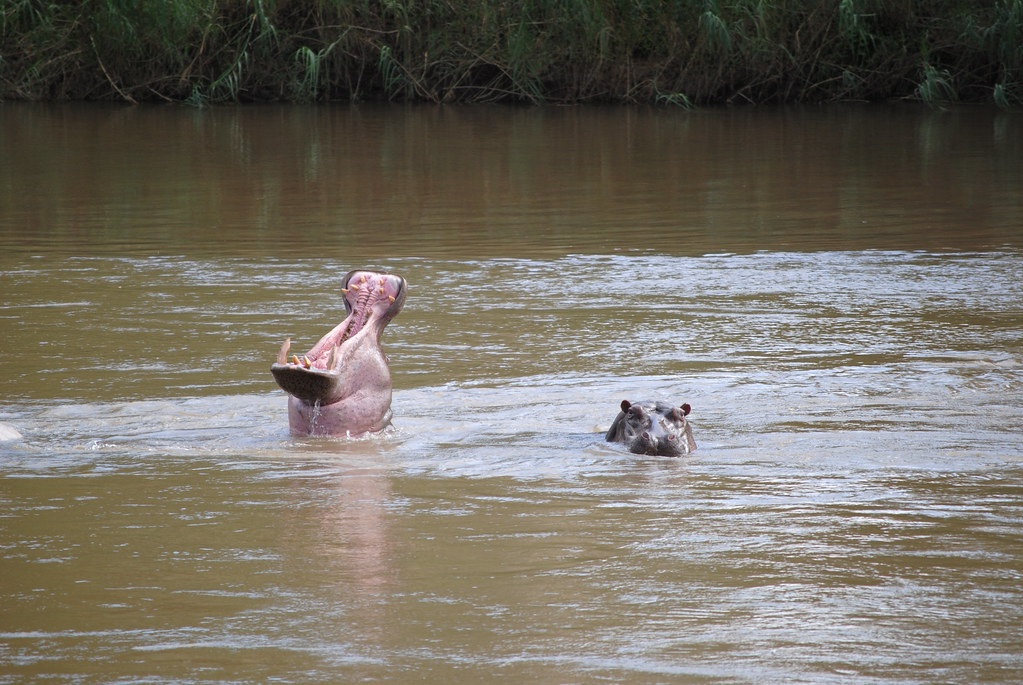
A boat safari explores waterways and can provide excellent opportunities to observe hippos, crocodiles, birds and animals coming to drink.
Murchison Falls National Park in Uganda, for example, combines game drives with boat-cruise experiences, showing how one destination can offer different ways of experiencing wildlife.


Some activities require permits, while ordinary game drives may simply require the relevant park entrance and activity fees.
Specialized experiences such as gorilla trekking and certain primate activities have specific rules, availability and permit requirements. These should be arranged well in advance.
Travelers should never assume that paying for a safari automatically includes every activity. Ask for a detailed list of inclusions before making payment.
This is particularly important for multi-country itineraries because permit systems and tourism regulations differ between countries.
For Uganda, official wildlife information is available through the Uganda Wildlife Authority, which manages the country’s national parks and wildlife reserves.
African Safari FAQs #20: How do I choose the right safari operator?
Choosing a safari operator is one of the most important decisions you make before traveling.
Start by checking whether the company provides a clear itinerary, transparent inclusions, identifiable accommodation, realistic travel times and a clear payment structure. Ask what type of vehicle will be used, who will guide the safari and what happens if plans need to change.
Do not judge an operator only by photographs on social media. Look for clear communication and evidence that the company understands the destinations it sells.
You should also check whether the operator is appropriately licensed or recognized in the destination where it operates. Uganda Wildlife Authority advises travelers to verify licensed tourism operators through the Uganda Tourism Board.
A trustworthy operator should be comfortable answering questions before you book. In fact, asking detailed questions is a sign of a careful traveler rather than a difficult customer.
Planning Your African Safari: A Practical Step-by-Step Approach
Once the major African safari FAQs have been answered, planning becomes much easier.
Start by identifying your primary reason for going. Is it the Big Five? Gorillas? Chimpanzees? Birdwatching? Photography? Landscapes? Culture? Family adventure? Luxury relaxation?
Next, choose the destination based on that priority.
After selecting the destination, identify the best travel period for your interests. Then determine how many days you can comfortably spend.
Only after those decisions should you begin comparing accommodation and safari packages.
A simple planning sequence looks like this:
Interest → Destination → Season → Duration → Activities → Accommodation → Vehicle → Budget → Booking
This approach prevents a common mistake: choosing a safari because the price looks attractive before checking whether the itinerary actually matches what you want to experience.


First-time travelers often remember clothes and cameras but forget the small items that make long days easier.
A compact day bag is useful for keeping sunglasses, sunscreen, binoculars, water and camera accessories within reach. A power bank can also be helpful when spending many hours away from your accommodation.
A warm layer is especially useful because early mornings can feel surprisingly cool. This is often forgotten by travelers who imagine Africa as hot everywhere and at all times.
A good pair of shoes is another small but important choice. Even when most of the safari is vehicle-based, travelers still walk around lodges, camps and viewpoints.
African Safari Photography Tips for Beginners
The best safari photographs often come from patience rather than expensive equipment.
Watch the animal before immediately taking photographs. Look for behavior. Is it walking toward you? Turning its head? Interacting with another animal? Preparing to hunt? Feeding a young one?
Those moments create photographs with a story.
Avoid constantly asking the driver to move closer. Wildlife needs space, and responsible safari photography should prioritize animal welfare.
Also remember to photograph the environment. A giraffe standing beneath an enormous sky can sometimes communicate the feeling of Africa better than a tightly cropped portrait.
African Safari Etiquette: How to Be a Responsible Visitor
Responsible safari travel begins with respect.
Respect wildlife by maintaining appropriate distances. Respect local communities by asking before photographing people. Respect guides and park staff by following instructions. Respect the environment by taking rubbish with you and avoiding unnecessary plastic waste.
Responsible tourism also means understanding that conservation depends on protected areas, communities, tourism revenue and effective management.
The Uganda Wildlife Authority describes its mandate as sustainable management of wildlife resources and supervision of wildlife activities within and outside protected areas.
Tourism therefore becomes more meaningful when visitors understand that the safari experience exists within a much larger conservation system.
What Makes a Safari Truly Memorable?
It is tempting to think that the most expensive lodge, the newest vehicle or the longest itinerary will automatically create the best memories.
Usually, the most memorable safari moments are much simpler.
It might be sitting quietly while elephants cross the road. It might be hearing lions calling across the darkness. It could be watching a mother giraffe guide her calf through tall grass. It might be sharing stories with a guide over dinner.
Sometimes it is not even an animal.
It could be the landscape.
It could be a village visit.
It could be the smell of rain on dry earth.
It could be waking up before sunrise and realizing that the entire world outside your tent is already alive.
That is why the best African safari FAQs do not only ask about animals. They ask about the entire experience.
African Safari FAQs: Common Mistakes First-Time Travelers Should Avoid
One common mistake is trying to see too much in too little time. Africa is enormous, and distances that appear small on a map can translate into long travel days.
Another mistake is selecting an itinerary based solely on price. A lower price may reflect fewer park days, simpler accommodation, shared transportation or fewer included activities.
Travelers should also avoid assuming that every safari destination operates in the same way. Park regulations, road conditions, weather, wildlife density, accommodation and activity availability can vary significantly.
Finally, do not forget to leave room for the unexpected. Safari is not a checklist. The animal you never expected to see may become the highlight of your entire trip.
African Safari FAQs: Useful Official Resources
For travelers visiting Uganda, the Uganda Wildlife Authority is an important official source for national parks, wildlife management and visitor information.
Uganda Wildlife Authority — Official Visitor Information
Final Thoughts: Your Safari Starts Before You Reach Africa
The most successful safari begins with good questions.
Where should you go? When should you travel? How long should you stay? What wildlife matters most to you? Do you want a private vehicle? Would you prefer luxury, mid-range or budget accommodation? Are you interested in photography, culture, primates, birds or classic savannah wildlife?
The answers will shape your journey.
The wonderful thing about an African safari is that there is no single correct way to experience it. One traveler may dream of waking up in a luxury lodge overlooking the Serengeti. Another may prefer a small tented camp deep in the wilderness. Someone else may want to combine Uganda’s savannah parks with chimpanzee tracking and gorilla trekking. Another traveler may want a family-friendly Kenyan adventure.
What matters is creating a journey that matches your interests, your pace and your expectations.
And that is ultimately why these African safari FAQs matter. They are not simply questions about vehicles, animals, accommodation or packing. They help you understand what safari travel is really like so you can make informed decisions before you leave home.
Africa rewards patience. It rewards curiosity. It rewards travelers who slow down and pay attention.
So do not measure your safari only by how many animals you see.
Measure it by how deeply you experience the places you visit.
The sunrise.
The silence.
The wildlife.
The landscapes.
The people.
The stories.
And those unexpected moments that no itinerary could ever predict.
Your African safari begins long before the first game drive. It begins with choosing the right experience and preparing well for the journey.