Can You Go Gorilla Trekking With a Cold in Uganda?
If you wake up coughing before your long-awaited gorilla encounter, the question is no longer simply whether you feel strong enough to hike. Gorilla trekking with a cold presents a conservation risk because mountain gorillas can acquire infections from people. Uganda Wildlife Authority instructs visitors with colds or other infectious illnesses not to visit gorillas, even when they have already paid for permits and traveled to the forest.
For guests arranging their journey with Pridemark Safaris, our advice is to disclose symptoms promptly rather than hoping they disappear at the morning briefing. A responsible decision protects the gorillas, fellow travelers, trackers, guides, and communities along the route. We can discuss practical itinerary implications, but only park authorities can decide admission, permit treatment, and whether an illness-related refund request is accepted.
This guide focuses on real decisions that arise around Bwindi Impenetrable National Park and Mgahinga Gorilla National Park. It separates official permit rules from sensible health precautions and explains why an apparently minor sniffle deserves attention. We also explain the difference between ordinary cancellation and illness assessed near the tracking date, because confusing those situations can create unrealistic expectations about refunds.
Gorilla trekking with a cold is not made safe simply because a visitor can walk comfortably, has taken medicine, or feels less congested than yesterday. The conservation concern is possible infection, not athletic ability. A person who is able to complete a steep forest trail may still pose an avoidable health risk to gorillas, particularly when respiratory symptoms are present.
Uganda offers extraordinary opportunities to observe wild mountain gorillas, but that access comes with conditions. Visitors join small guided groups, follow designated routes, and spend a limited period near a habituated gorilla family. These controls are intended to reduce disturbance and risk. Illness screening is part of the same protective approach, rather than an inconvenience added to the safari.
Our recommendation is to plan for uncertainty before departure. Keep travel dates as flexible as your budget allows, understand your insurer’s medical cancellation wording, and tell your tour organizer about any symptoms before the trek. None of these measures guarantees a replacement permit, yet each improves the chances of making a timely, informed decision without placing wildlife at unnecessary risk.
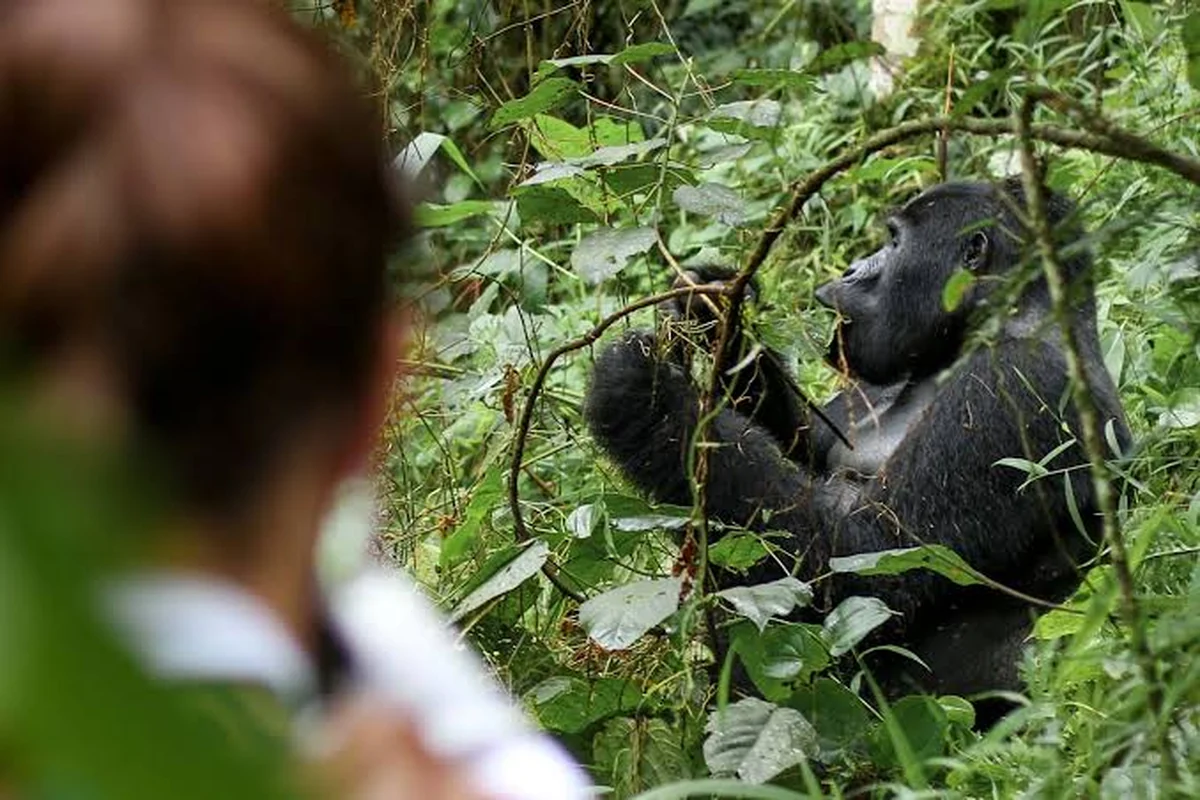
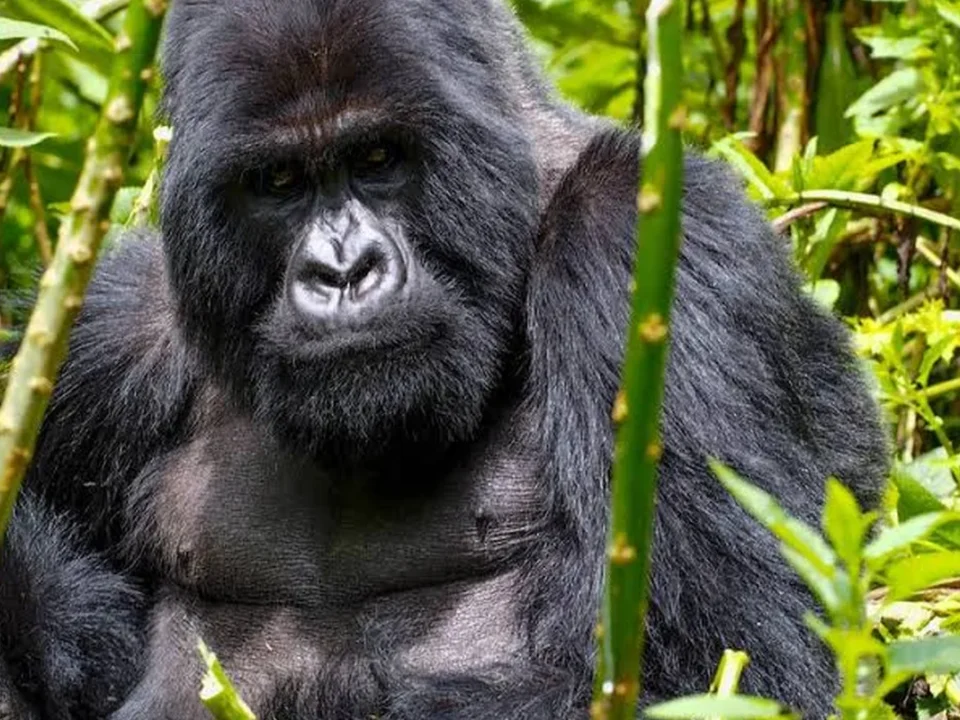
A visitor observes a mountain gorilla in its natural rainforest habitat, where protecting gorillas from human illnesses is an important trekking responsibility.
Why Human Respiratory Illness Is Dangerous to Mountain Gorillas
Mountain gorillas share important biological similarities with humans, including vulnerability to certain respiratory pathogens. Tourism brings people close enough for droplets and other infectious material to become a concern, especially in a forest where visitors may breathe heavily after climbing. A cold that feels routine to a traveler cannot be assumed harmless to a gorilla family.
The risk is not restricted to dramatic illnesses or high fever. Coughing, sneezing, sore throat, runny nose, and other symptoms can signal an infection even when someone otherwise feels well. Different pathogens produce overlapping symptoms, and travelers cannot reliably identify a harmless cause by appearance alone. This is why the park’s illness rule is broader than a list of named diseases.
Gorillas live in close social groups. An infection introduced to one animal could have consequences beyond that single encounter, although the outcome depends on the pathogen and circumstances. Protecting a family means limiting opportunities for transmission in the first place. Visitors should not assume that a short viewing period eliminates exposure or that a gorilla moving away removes every risk.
Conservation precautions also protect the people working around gorillas. Rangers, trackers, researchers, and other park personnel interact with visitors and wildlife as part of their duties. Responsible tourism reduces avoidable contact with infectious travelers and supports a consistent health culture. The rules work best when guests share information honestly, instead of leaving difficult decisions entirely to frontline staff.
An important distinction is that wearing a face covering reduces certain risks but does not override an illness exclusion. The IUCN advises masks, distance, and hygiene as layers of protection for eligible visitors. Those precautions are not permission for someone with a suspected contagious illness to enter a gorilla group. If symptoms are present, disclosure and assessment come first.
At Pridemark Safaris, we want travelers to appreciate that gorilla conservation is not separate from the safari experience. The privilege of seeing a mountain gorilla in its habitat depends on long-term protection of its population. Choosing not to approach when sick can be a meaningful conservation action, even when the decision is disappointing and financially inconvenient.
Symptoms to Report Before Your Gorilla Trek
Visitors should tell their operator and the park team about a new cough, sore throat, sneezing, nasal discharge, fever, or flu-like discomfort before tracking begins. These symptoms do not prove a specific diagnosis, but they are relevant to the decision about safe participation. Do not wait for a symptom to become severe before mentioning it, particularly if your trek is scheduled for the next morning.
Gorilla trekking with a cold can be especially confusing when symptoms are mild. Some people have seasonal allergies, irritation from dust, or an established noninfectious condition that resembles a respiratory infection. A traveler should explain that history rather than diagnose themselves at the gate. A qualified clinician can assess the situation, while the park authority retains responsibility for access decisions.
Fever, significant weakness, persistent coughing, or difficulty breathing deserves prompt medical attention rather than a debate about a trekking permit. Seek urgent care for severe breathing difficulty, chest pain, confusion, or other alarming symptoms. This article offers travel planning guidance, not a substitute for medical diagnosis, treatment, or personalized advice from a licensed healthcare professional.
If you have been taking medicine that suppresses coughing or lowers a fever, disclose the underlying symptoms. Medication may make someone feel more comfortable without establishing that they are no longer infectious. Concealing symptoms because a tablet has reduced them undermines the health screening process. Rangers need an accurate account of how you have felt, not merely how you appear at briefing.
Stomach illness, vomiting, diarrhea, or another suspected infection should also be reported. Although this article concentrates on colds and flu, Uganda Wildlife Authority’s restriction refers to illness more broadly. Hygiene, human waste disposal, and environmental contamination are additional concerns in a protected habitat. A traveler who is ill should ask for assessment instead of assuming that only coughing matters.
Before the trip, keep a simple record of when symptoms began, whether you have a temperature, and any medical advice received. Such details may help a clinician assess your condition and may support later permit or insurance documentation. Avoid sharing private medical information more widely than necessary; communicate it with the relevant healthcare professionals, operator, and authorized park staff.
Symptoms and the right first step
| Situation | Recommended response | Who decides? |
|---|---|---|
| New cough, sore throat, or runny nose | Disclose promptly; seek assessment when directed | Medical professional and UWA for access |
| Fever or flu-like symptoms | Prioritize medical assessment; do not approach gorillas | Medical professional and UWA |
| Known noninfectious condition | Explain the history; provide documentation if requested | UWA determines participation |
4. What Happens at Bwindi or Mgahinga When You Are Sick?
Gorilla permits are associated with a specific tracking date and designated entry point. At Bwindi, the official entry points include Buhoma, Ruhija, Nkuringo, and Rushaga; Mgahinga uses the Ntebeko or Muhavura visitor information point. Guests report for document validation and orientation before joining the guided activity. Arriving at the wrong sector is a separate problem from being medically unfit.
When a visitor develops or shows signs of illness before tracking, Uganda Wildlife Authority guidelines say the visitor must not be allowed to visit the gorillas or chimpanzees. The person is to be referred to the nearest health facility for assessment. The guidelines require a medical report to confirm illness, and the visitor bears the cost of diagnosis and treatment.
This means the morning briefing is not a negotiation in which a guest can simply promise to keep their distance. UWA staff enforce the tracking procedures, and their decision must be respected. If the park directs you toward medical assessment, follow that instruction. A guide or tour operator cannot substitute personal reassurance for the authority’s conservation responsibilities.
If symptoms appear at your lodge the previous evening, contact Pridemark Safaris as soon as possible. Early notice allows the team to help identify the correct reporting route, review your itinerary, and explain the documents that may be needed. Waiting until transport arrives at dawn creates unnecessary pressure on everyone and may leave little time to seek appropriate medical advice.
For visitors staying in Kabale, Kisoro, or communities around Bwindi, the nearest suitable healthcare option depends on the lodge location and the nature of the illness. Do not assume that every forest-sector clinic offers the same services. Ask your accommodation or safari coordinator to help identify a facility, and seek emergency medical assistance when symptoms are serious.
Gorilla trekking with a cold should never become an argument about the price of the permit at the visitor center. Financial questions are legitimate, but they should be handled through the official cancellation or refund process after health and wildlife safety have been addressed. Keep copies of the medical report, permit details, and any written correspondence for follow-up.
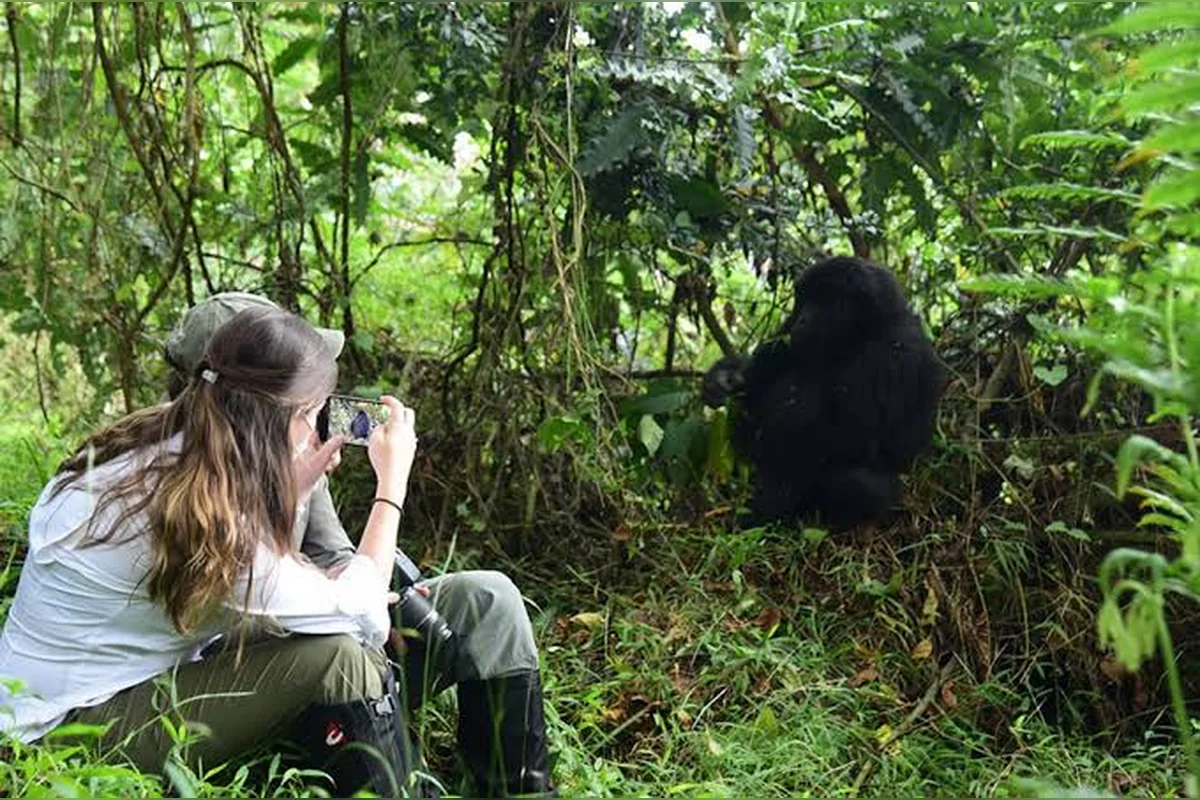
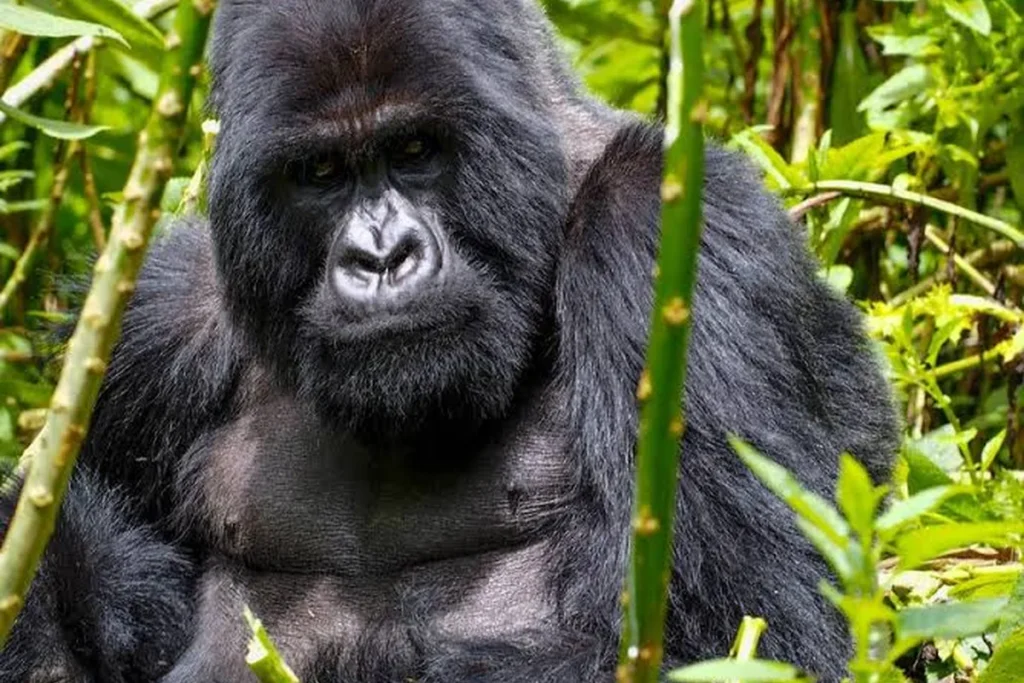
A visitor photographs a mountain gorilla in its natural rainforest habitat, highlighting the importance of responsible wildlife viewing and gorilla health protection.
Gorilla Permit Refunds, Illness Reports, and Rescheduling
Permit rules deserve careful reading because illness, voluntary cancellation, and changing a travel date are not identical situations. Uganda Wildlife Authority’s published management guidelines allow its Executive Director to approve or reject certain refund requests. They describe a possible 50 percent permit refund for a visitor declared unfit because of illness, subject to the stated process. Approval is discretionary, not guaranteed.
The guidelines state that a visitor showing signs of illness before tracking cannot visit the animals and should be referred for medical assessment. A medical report must confirm the illness, with diagnosis and treatment paid by the client. The refund request is handled through UWA rather than being automatically paid by a lodge, guide, or tour operator at the briefing point.
Pridemark Safaris can help a guest assemble relevant booking information and communicate with the appropriate reservations channels, but we cannot promise a particular outcome. A decision by UWA about a permit is distinct from any refund of accommodation, transport, or other safari services. Those additional services have their own booking terms and may already involve nonrecoverable costs.
Ordinary cancellation rules operate on different time windows. Under UWA’s published guidelines, requests made sufficiently far in advance can qualify for a partial refund, while requests within the shortest window may not qualify. An illness-related assessment at the park should not be confused with simply choosing to cancel at the last minute. The applicable category matters.
Visitors sometimes ask whether they can transfer the permit to another traveler. Do not assume a permit can be sold, reassigned, or moved to a different category. Official rules govern the named visitor, permit category, date, and location. A change must be handled through authorized channels. Informal arrangements with strangers create risks and should not be treated as a solution.
If a traveler recovers quickly, a new date might sound attractive. Rescheduling is subject to availability and specific conditions, and a medical exclusion does not automatically generate a new slot. Some requests made close to tracking attract surcharges under the published rules. Ask for a written explanation of the available options before changing accommodation, flights, or onward safari plans.
Permit questions: separate the different situations
| Situation | What to understand | Important limitation |
|---|---|---|
| Illness before tracking | Medical assessment and possible discretionary 50% permit refund | Medical report and UWA authorization required |
| Voluntary cancellation | Refund percentages depend on advance notice | Short-notice cancellations may receive nothing |
| Request to change date | Availability and rescheduling conditions apply | Not guaranteed; charges may apply |
What to Do If You Become Sick Before Traveling to Uganda
If cold or flu symptoms develop while you are still at home, speak with a healthcare professional when appropriate and notify your safari organizer before departure. The best course depends on the illness, travel timing, and any medical advice. It is better to explore changes early than to fly while unwell and hope that a paid permit will guarantee access to gorillas.
Ask your insurer specifically whether the policy covers medical cancellation, trip interruption, unused wildlife permits, additional accommodation, and replacement flights. These benefits vary widely. Some policies require a medical certificate, timely notification, or prior authorization. A generic statement that you have travel insurance is not enough to establish that a missed gorilla trek will be reimbursed.
If you are traveling with friends or family, consider whether the rest of the group can continue without you. Their permits may remain valid, but transport and room arrangements can change. Discuss the consequences with Pridemark Safaris before assuming the entire party must cancel. A flexible itinerary can sometimes preserve part of the holiday while an ill traveler receives appropriate care.
Do not make the decision solely around the number of days remaining before departure. A new respiratory illness may change quickly, and the important question is whether you are fit and eligible when the encounter occurs. Medical advice and official park instructions take priority over optimistic estimates. If there is uncertainty, obtain clarification rather than relying on social media anecdotes.
For international travelers, changing a gorilla trek may affect connecting flights, border transfers, or a longer Uganda and Rwanda itinerary. The distance between activities can be substantial, particularly when road travel is involved. Early communication allows the operator to check practical alternatives without claiming that another permit or lodge room will definitely be available.
Keep written records of your requests and responses. Save the booking confirmation, dates of symptom onset, medical correspondence, and insurer claim instructions. These details may matter if you later seek reimbursement. Avoid publishing personal medical details online while asking for advice; the relevant professionals and official booking contacts are better placed to assess your individual situation.
How to Reduce Illness Risk Before a Gorilla Safari
No packing list can guarantee that you will avoid a cold, but sensible preparation can reduce preventable problems. Follow current public health guidance for your departure and destination, keep routine vaccinations up to date as advised by a travel clinician, and avoid close contact with people who are clearly unwell. Build enough rest into your itinerary before demanding trekking days.
Long journeys, early starts, and changing weather can leave travelers tired, even though cold air and rain themselves do not create a viral infection. Plan appropriate clothing for cool highland mornings and wet forest conditions. Dry layers, a waterproof jacket, and suitable footwear improve comfort, but they should never be presented as substitutes for infection prevention or medical care.
Carry hand sanitizer, tissues, any prescribed medicines, and a clean mask suitable for the applicable site requirements. Dispose of used tissues responsibly and avoid leaving waste along trails. Check with your airline and healthcare provider about carrying medicines internationally. If you use prescription medication, keep it in properly labeled packaging and carry the documentation you may need.
Choose realistic travel pacing. Guests who arrive after overnight flights and immediately undertake long road transfers may feel exhausted before reaching the forest. Where the itinerary permits, a buffer day can make logistics less stressful and provide time to recover from ordinary travel fatigue. It does not, however, override any exclusion for an infectious illness.
Gorilla trekking with a cold should not be treated as a problem solved by taking extra vitamins or antibiotics without a diagnosis. Antibiotics do not treat viral colds, and supplements are not a reliable substitute for proven prevention. Follow professional medical advice, particularly if you have underlying conditions, take regular medicines, or develop symptoms shortly before departure.
At Pridemark Safaris, we recommend asking health and insurance questions during the booking stage, not only after a problem arises. We can explain the trekking itinerary, transport schedule, and permit arrangements so you can raise specific concerns with your clinician and insurer. This division of responsibility keeps travel advice practical without turning a safari company into a medical provider.
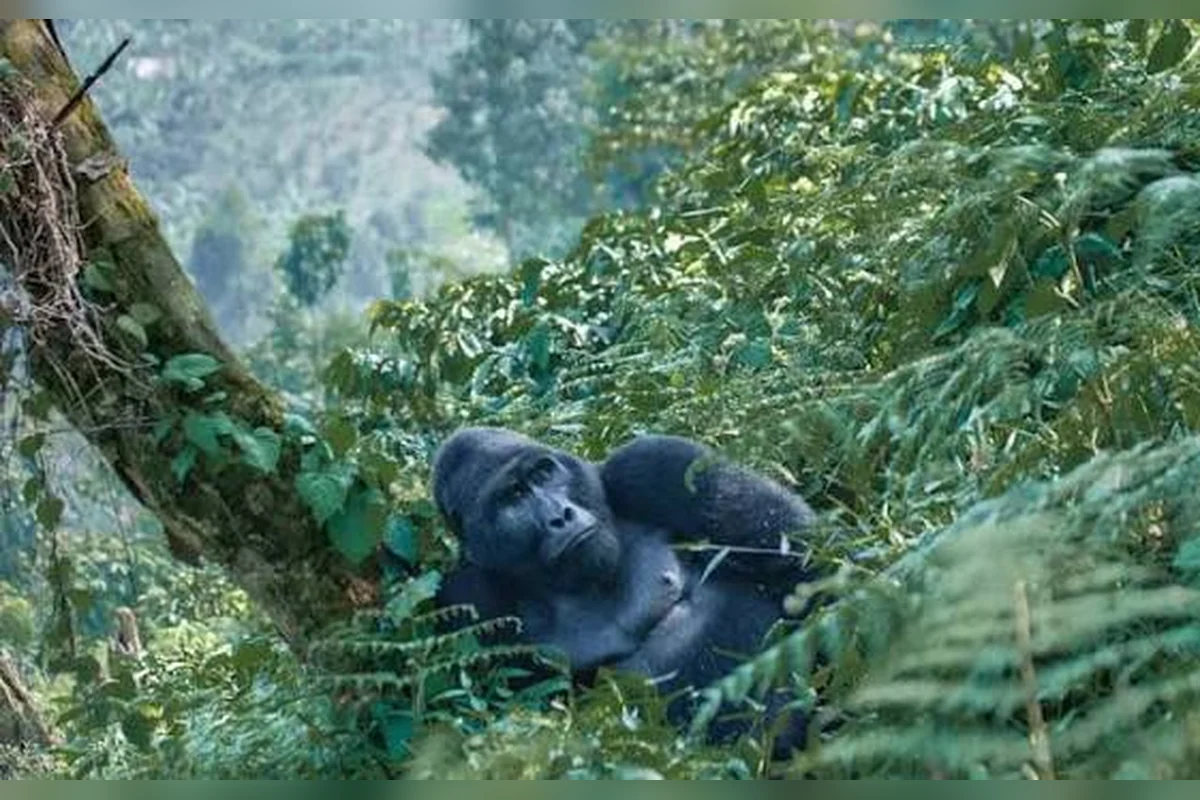
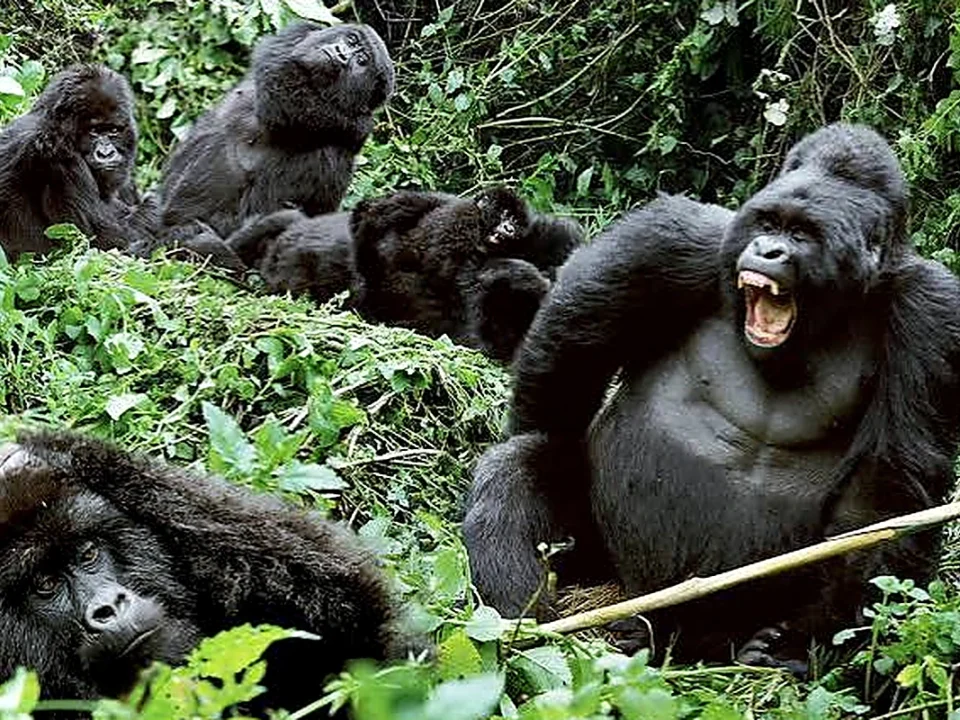
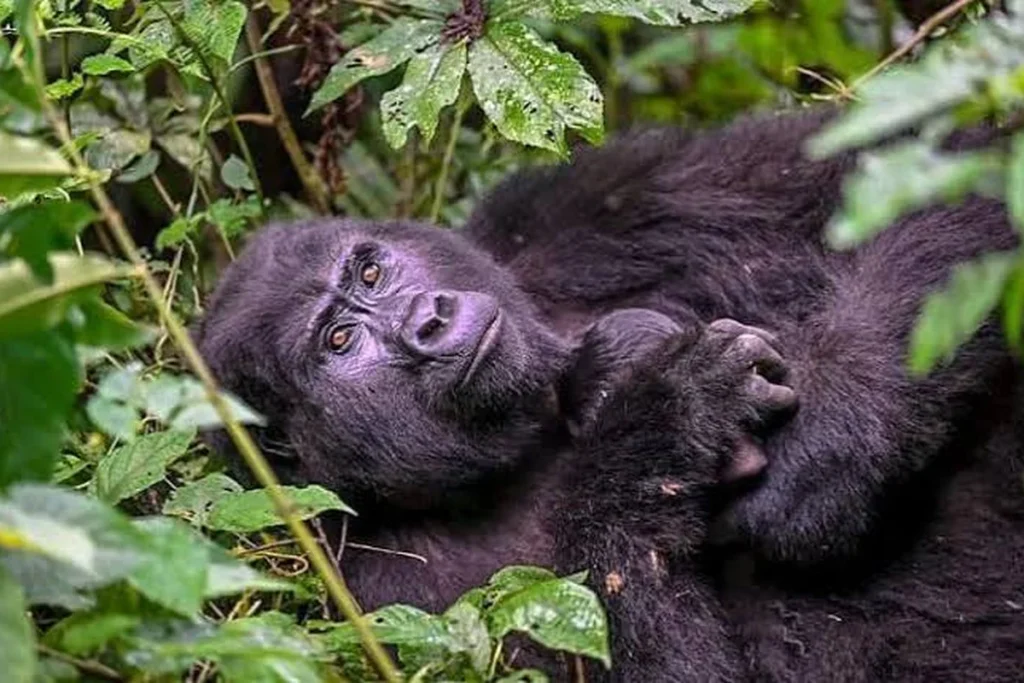
A mountain gorilla rests among dense rainforest vegetation, illustrating the natural habitat that responsible gorilla trekking helps protect.
Masks, Distance, Hygiene, and Responsible Gorilla Viewing
Visitors who are well enough and authorized to trek must still follow the conservation rules at the park. Uganda Wildlife Authority’s published gorilla tracking rules specify a minimum distance of ten metres. The IUCN explains that great ape tourism sites may impose distances greater than its international minimum. Follow the distance and mask instructions given by UWA staff at your actual briefing.
If a gorilla moves toward you, do not interpret that movement as permission to approach or touch it. Remain calm and follow the ranger’s directions. Distance is a protective measure for the animals and visitors, and the safest response depends on the situation. Trying to obtain a close-up photograph should never override a ranger’s instruction.
Face masks are an important additional measure where required, but they must fit properly and be used as directed. The IUCN recommends a clean surgical or two-layer face covering and emphasizes that masks do not remove the need for distance. A mask does not make gorilla trekking with a cold acceptable when a visitor is showing signs of infectious illness.
Use hand hygiene throughout the experience, especially after touching shared equipment or handling waste. Avoid eating, drinking, or smoking in the gorillas’ presence. If you need to cough or sneeze unexpectedly, turn away and cover your nose and mouth with your arm as instructed, while informing the ranger if you feel unwell. Never deliberately conceal persistent symptoms.
Keep every wrapper, tissue, and used mask in your bag until you can dispose of it properly. Human waste is also managed carefully in gorilla habitat. UWA guidance requires burial at a depth of thirty centimetres, while the IUCN advises choosing a location well away from great apes. Ask your ranger for instructions instead of leaving the trail independently.
The ordinary gorilla viewing experience is limited to a maximum of one hour under UWA’s published management guidelines. That limit is one part of responsible tourism; it does not guarantee zero risk. Respecting group sizes, ranger instructions, viewing time, distance, and illness restrictions together offers better protection than relying on any single precaution.
Planning a Responsible Safari With Pridemark Safaris
Our approach to a gorilla safari begins with realistic information. Pridemark Safaris is based in southwestern Uganda and arranges tailor-made wildlife journeys that can include Bwindi and Mgahinga. We help guests think through permits, sector access, accommodation locations, transport, and the timing of other safari activities. These practical details become especially important if illness disrupts the planned trekking day.
We encourage guests to tell us about concerns early, whether the issue is a new cough, a medical appointment, or uncertainty about travel insurance. We can explain which booking components may be affected and help identify the correct official channels for permit questions. We do not diagnose illnesses, determine infectiousness, or guarantee approval of refunds and reschedules.
When a guest is unable to trek, there may still be suitable parts of a wider holiday to enjoy after medical clearance, depending on the illness and the itinerary. Cultural visits, scenic travel, or a later wildlife activity may be possible, but none should be arranged while the traveler is too unwell or likely to expose others. Safety and recovery come before filling every day.
We also believe that protecting gorillas is part of the value of the journey. The forest encounter is memorable precisely because these are wild animals living within a protected ecosystem. Rules about illness can feel strict, but they reflect a responsibility shared by visitors, operators, rangers, and conservation organizations. A thoughtful guest helps sustain that experience for future travelers.
Before you book, ask about the exact tracking sector, permit conditions, road transfers, lodging cancellation rules, and whether your schedule has any flexibility. Read the policy wording rather than relying on a verbal summary. For gorilla trekking with a cold, the most useful preparation is knowing who to contact and what evidence may be required if you become unwell.
If you are planning Uganda gorilla trekking and want a tailored itinerary, contact Pridemark Safaris with your preferred travel period, number of travelers, accommodation style, and other interests. We can discuss a practical route and explain how official permit procedures fit into the booking. Our goal is a rewarding safari that respects both guest wellbeing and gorilla conservation.
Practical Situations Travelers Often Overlook
A practical planning mistake is to schedule the forest encounter immediately after several crowded travel connections. Gorilla trekking with a cold becomes more difficult to manage when there is no time to consult a clinician or change transport. A modest buffer is useful for logistics, but it should never be described as a medically reliable quarantine period or a guarantee that symptoms will disappear.
Some travelers ask whether testing negative for a particular virus automatically clears them to visit the gorillas. Gorilla trekking with a cold involves several possible causes of respiratory symptoms, and one test does not rule out every infectious condition. Share results with a healthcare professional when appropriate, but remember that the final participation decision belongs to the park authorities under their rules.
The cost of the permit can make a traveler reluctant to speak up. Gorilla trekking with a cold is nevertheless an area where transparency matters more than recovering a sunk cost. If symptoms arise, explain the timing honestly, request medical assessment where indicated, and ask for the official refund process in writing. Keeping those steps separate reduces confusion during an already stressful morning.
Families traveling together should agree in advance how they will respond if one person becomes ill. Gorilla trekking with a cold should not lead to pressure from healthy companions to continue despite symptoms. Establish who will stay with an unwell traveler, how the rest of the party can reach the briefing point, and whether transport can be adjusted without affecting park rules.
Visitors sometimes misunderstand the difference between feeling tired after a journey and experiencing an infectious illness. Gorilla trekking with a cold involves symptoms that need disclosure; ordinary travel fatigue raises different questions about hiking capacity. Both deserve attention, but the response is not identical. A ranger may help with trekking arrangements for an eligible visitor, while a sick visitor must follow health assessment procedures.
Accommodation teams can be valuable partners when plans change unexpectedly. If gorilla trekking with a cold becomes a concern overnight, tell the lodge manager that you may need medical assistance and a change in transport. Ask about the lodge’s own cancellation or late-checkout policies. Do not assume a permit refund, if granted, will automatically cover extra room nights or meals.
When you read a tour quotation, distinguish the gorilla permit from guiding, transfers, accommodation, and other services. Gorilla trekking with a cold can affect each component differently. A permit is subject to UWA rules, while hotels and transport providers may apply their own conditions. Request a clear breakdown of costs so you understand which amounts might remain payable if illness changes the itinerary.
If a medical professional advises rest, follow that advice even when you have recovered enough to walk around the lodge. Gorilla trekking with a cold is not only a question of reaching the animals; it also involves the possibility of exposing other visitors and staff. Taking time to recover may be the most responsible choice, even when it means missing a planned activity.
The forest environment can make ordinary symptoms more uncomfortable. On steep trails, travelers may breathe harder, sweat beneath waterproof layers, and encounter cool air at higher elevations. Gorilla trekking with a cold may therefore feel more demanding than a gentle walk at home. However, physical discomfort is a separate issue from the infection risk that drives the park’s exclusion policy.
Photographers may feel particularly frustrated when a rare opportunity is lost. Gorilla trekking with a cold should never be justified by the cost of specialist camera equipment or the chance of an exceptional image. Wildlife photography is meaningful only when it respects the animals. Protecting a gorilla family from unnecessary exposure is more important than securing any single photograph or video clip.
For guests combining Uganda with Rwanda, avoid assuming that crossing the border provides a simple alternative after illness. Gorilla trekking with a cold raises the same broad conservation concern wherever mountain gorillas are visited, although permit rules differ by country. Seek medical advice and check the relevant authority’s requirements rather than booking another encounter while still symptomatic.
A group leader should communicate discreetly and respectfully if a participant reports illness. Gorilla trekking with a cold does not require public discussion of someone’s medical history at the breakfast table. The relevant information should reach the operator, healthcare professional, and authorized park staff. Privacy and conservation can be respected together through clear, limited communication.
If you are unsure whether symptoms began before or after a flight, make a simple timeline instead of guessing. Gorilla trekking with a cold can trigger questions about when you informed the operator and sought assessment. Accurate dates help medical staff and may help with administrative paperwork. They do not change the central requirement to disclose symptoms before approaching the gorillas.
Guests often ask whether a guide can advocate for them at the park. A guide can help explain the booking and direct questions to authorized staff, but cannot grant an exemption. Gorilla trekking with a cold is governed by conservation procedures rather than personal relationships. Expect professional support with communication, not a promise that a particular ranger will overlook a cough or fever.
If your itinerary includes chimpanzee tracking as well as gorillas, discuss both activities when you report illness. Gorilla trekking with a cold is part of a wider great ape health issue, and UWA’s management guidelines also address sick visitors to chimpanzees. Do not assume that being excluded from one primate encounter automatically means another encounter is acceptable the following day.
A written travel plan should identify who holds the permit booking details and how to reach that person during the safari. Gorilla trekking with a cold can create urgent questions outside ordinary office hours. Keep your confirmation and contact numbers available offline, especially when traveling through forested areas with intermittent connectivity. Clear communication helps prevent rushed decisions and missed messages.
Responsible operators should avoid using illness policies as a sales scare tactic. Gorilla trekking with a cold is a real conservation concern, but no ethical company should promise automatic refunds, special access, or guaranteed recovery. Travelers deserve a clear explanation of the official rules, reasonable assistance with paperwork, and honest uncertainty about outcomes that depend on UWA approval.
Ultimately, gorilla trekking with a cold asks visitors to place the long-term welfare of wildlife ahead of one itinerary. A careful response can still preserve a positive relationship with the destination and the people who protect it. Travelers who disclose symptoms, follow medical advice, and respect official decisions demonstrate the same care for Uganda’s gorillas that inspired their journey.
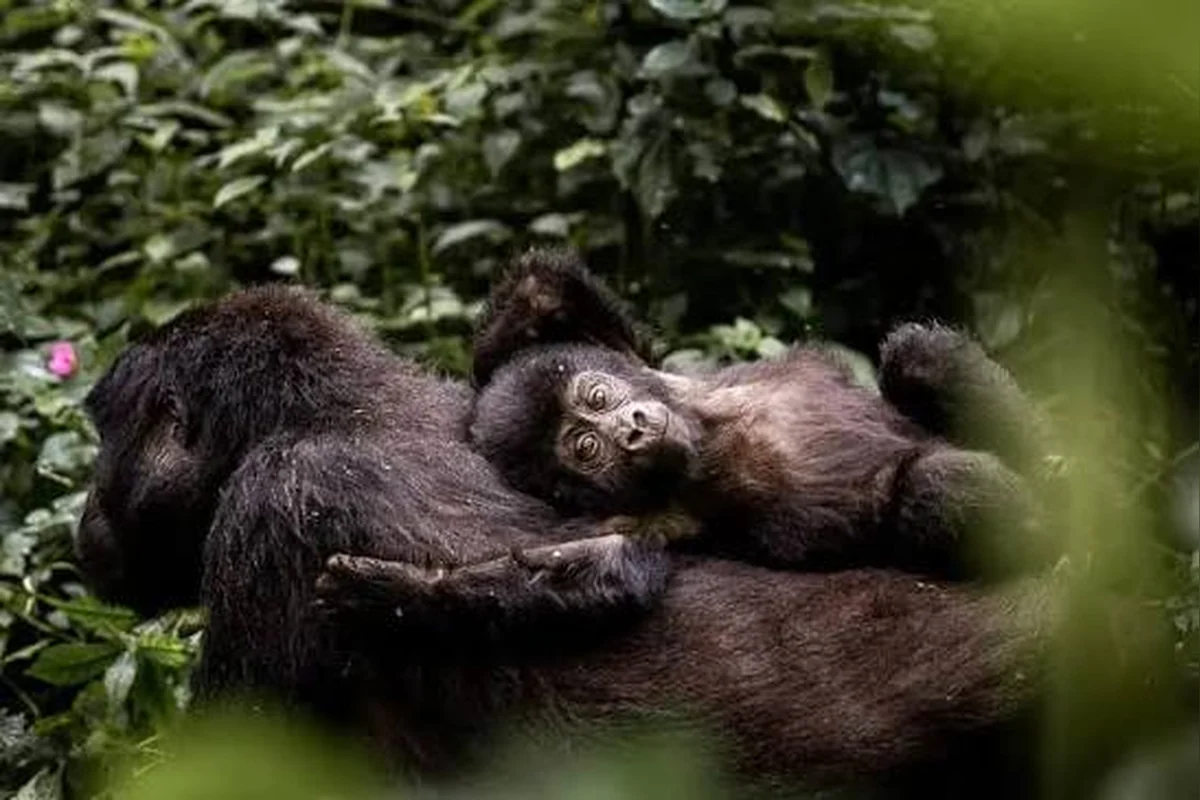
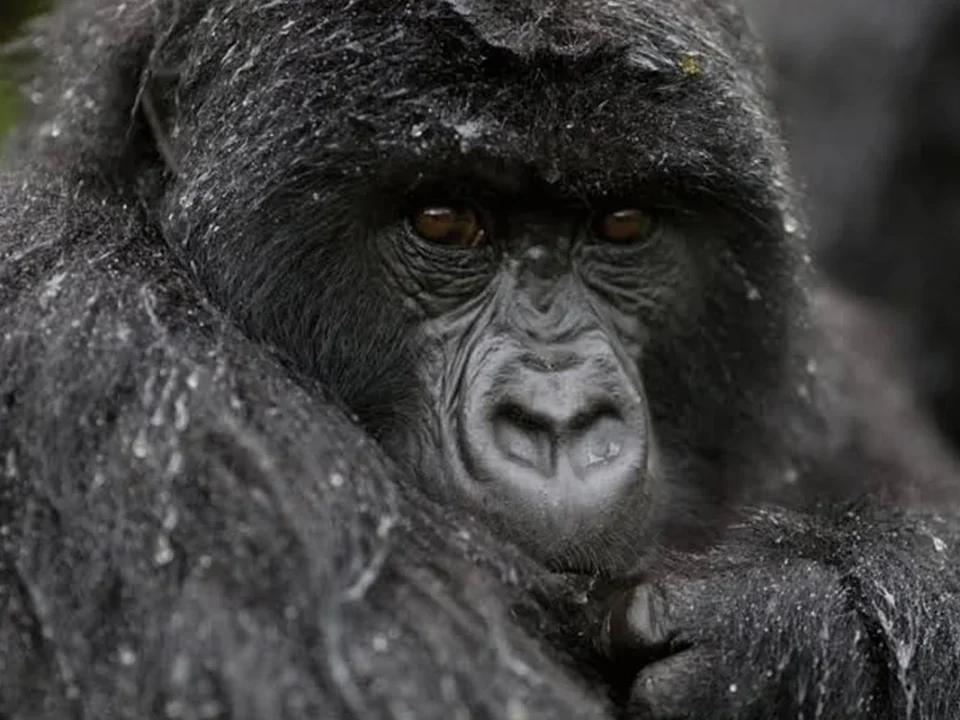
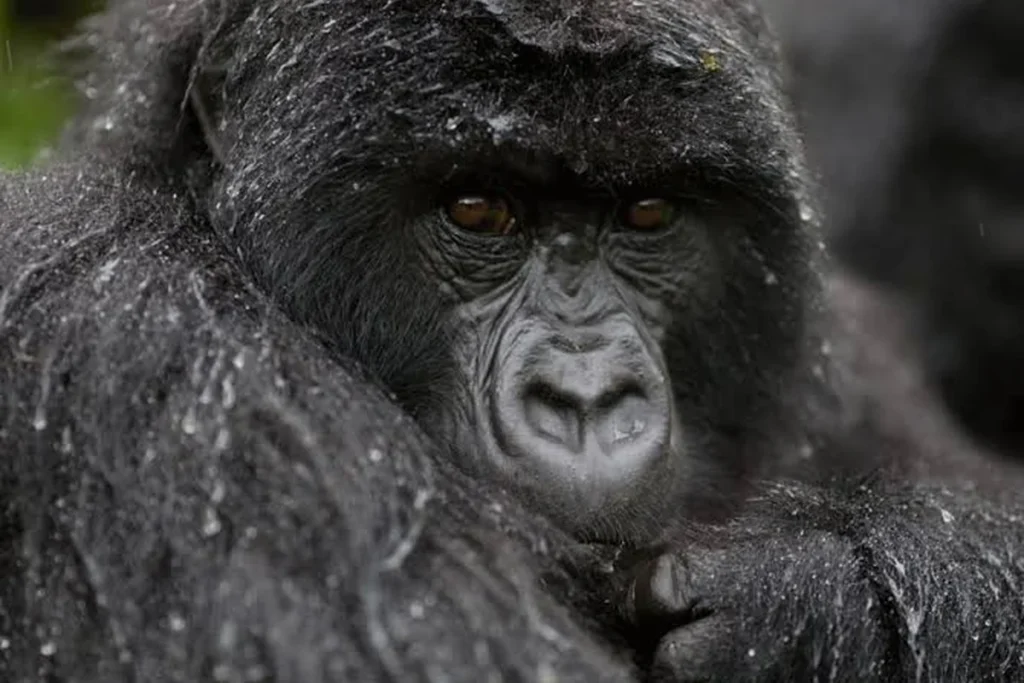
A baby mountain gorilla rests against an adult in their natural rainforest habitat, highlighting the importance of protecting gorilla families from human diseases.
Frequently Asked Questions About Gorilla Trekking With a Cold
Can I trek if I have only a mild runny nose?
For someone considering gorilla trekking with a cold, a mild runny nose can have several causes, including an infection or an allergy. Do not decide on your own that it is harmless. Tell your operator and park staff, and obtain medical assessment when advised. Uganda Wildlife Authority restricts visitors showing signs of illness from visiting gorillas. The final decision about access rests with the authorized park team, not with a traveler’s personal estimate.
Will a face mask allow me to trek with flu symptoms?
For gorilla trekking with a cold, no mask should be treated as a way around the illness restriction. Masks are an added precaution for visitors who are permitted to participate, not a substitute for being well enough to visit gorillas. Report flu-like symptoms before the activity and follow the instructions of health professionals and park staff. Concealing an illness to protect the cost of a permit creates avoidable risk.
What if I start coughing during the trek?
If symptoms begin during gorilla trekking with a cold or another respiratory illness, tell your ranger immediately, turn away from other people and wildlife when coughing, and follow the ranger’s instructions. Do not continue toward the gorillas while trying to hide symptoms. The response will depend on the circumstances and official assessment. If you feel significantly unwell, medical care takes priority over finishing the hike or reaching a particular viewing point.
Can I receive a refund if the park refuses my participation?
For a guest missing gorilla trekking with a cold, Uganda Wildlife Authority’s published guidelines describe a possible refund of fifty percent of the permit value when a visitor is declared unfit to track because of illness and the official process is satisfied. This is subject to authorization, including medical documentation, and is not automatic. Other safari costs may follow separate terms. Ask your operator to explain the required paperwork.
Do I need a doctor’s report to support an illness claim?
When a visitor misses gorilla trekking with a cold, UWA guidelines state that illness must be confirmed by a medical report and that the client pays for diagnosis and treatment. If you are referred for assessment, keep the report and relevant receipts. A report supports the official process but does not by itself guarantee a permit refund. Your travel insurer may require additional evidence under its own claim conditions.
Can I move my gorilla permit to the next day?
After missing gorilla trekking with a cold, a new date is possible, but only if an authorized reschedule is allowed under the applicable rules and a suitable slot is available. A visitor who is sick is not automatically entitled to a replacement date. Requests made close to the trekking date may attract additional charges. Ask for confirmation before paying for extra accommodation or rearranging transport and flights.
Is a sore throat enough to stop gorilla trekking?
In the context of gorilla trekking with a cold, a sore throat may indicate a contagious respiratory illness, even when no fever is present. Report it rather than attempting to classify it yourself. The park’s rule concerns illness and possible transmission, not simply whether a traveler feels fit to hike. A clinician can help assess symptoms, and UWA staff decide whether the visitor may proceed.
Are the health rules the same in Bwindi and Mgahinga?
For gorilla trekking with a cold, both parks are managed under Uganda Wildlife Authority procedures for gorilla tracking, including illness restrictions. Operational instructions can vary by site and may be updated. The designated entry point and tracking sector also differ. Follow the briefing and instructions provided at your specific park, and do not assume a practice described by another traveler overrides local requirements.
Can my healthy travel companions still see the gorillas?
When one guest misses gorilla trekking with a cold, healthy companions with valid permits may generally continue subject to park rules, but the final arrangements depend on the booking and official decisions. Notify the operator promptly so transport and lodging implications can be discussed. Do not assume the sick traveler’s permit can simply be handed to someone else. Each guest must satisfy the applicable documentation and eligibility requirements.
Does travel insurance cover a missed gorilla trek?
For gorilla trekking with a cold, some travel insurance policies may cover medically necessary cancellation or interruption, while others exclude particular activities or prepaid permits. Coverage depends on the exact contract, medical evidence, and notification deadlines. Ask the insurer about wildlife permit costs before travel and keep the policy documents accessible. A refund from UWA and an insurance payment are separate processes.
How far must visitors stay from mountain gorillas?
Uganda Wildlife Authority’s published tracking rules state a ten-metre minimum distance. International great ape guidance recognizes that individual sites can require more than a general minimum. Listen to your ranger, who will explain the current rule and how to respond if an animal approaches. Never move closer to improve a photograph or test the boundary.
Who should I contact if I become sick before my trek?
Contact your healthcare provider when appropriate, inform your safari operator, and follow the instructions of Uganda Wildlife Authority staff. If you booked through Pridemark Safaris, notify our team promptly with your tracking date and sector so we can discuss the booking implications. For urgent or severe symptoms, seek medical care immediately rather than waiting for a reply about permits.
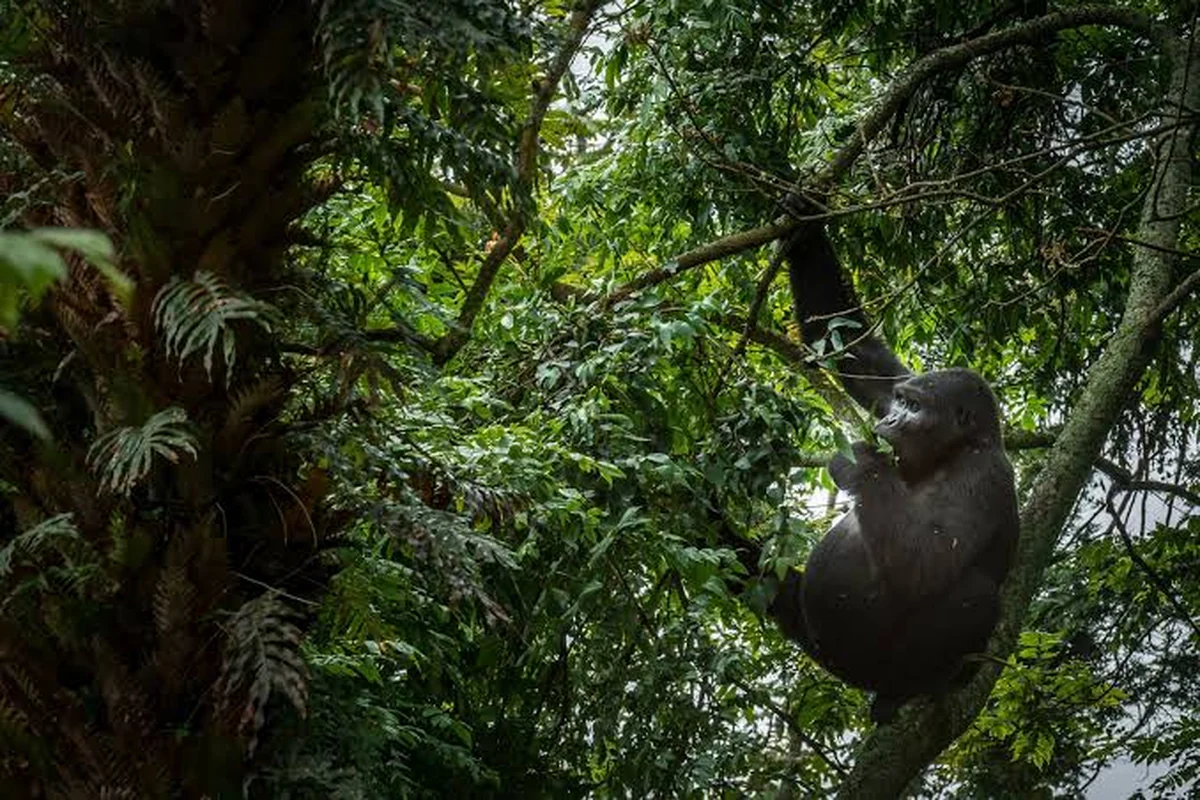
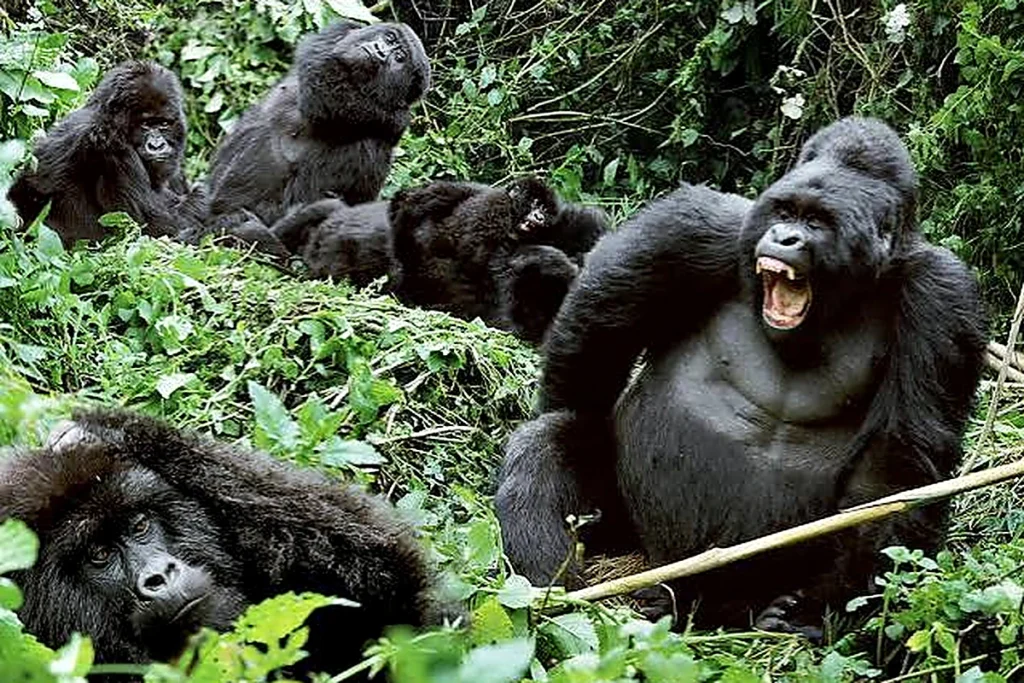
A mountain gorilla climbs among the branches of a rainforest tree, demonstrating the natural behavior of gorillas in their forest habitat.
Final Advice: Put Gorilla Health First
A missed encounter can be deeply disappointing, particularly when it is the main reason for visiting Uganda. Yet the rule against approaching gorillas while sick exists for an important conservation purpose. Report symptoms early, seek assessment, and allow the park team to make the access decision. A responsible traveler protects the animals even when the immediate outcome is not the one they hoped for.
For a thoughtfully planned safari, contact Pridemark Safaris before you book or as soon as your travel plans change. Share your preferred trekking sector, dates, group size, and any questions about permits or logistics. We will explain the arrangements within our control and direct official health and refund questions to the appropriate authorities, without promising outcomes that only they can authorize.