This guide from Pridemark Safaris focuses on the practical question travelers ask when rain is forecast for their actual trekking day. It explains what happens at the briefing, how the walk changes, what to pack, what rangers control and why permit refunds should never be assumed.
The guidance applies primarily to Uganda’s Bwindi Impenetrable National Park and Mgahinga Gorilla National Park. Conditions vary from day to day, so treat every forecast as useful preparation rather than a promise about the experience.
Gorilla trekking in the rain is a common possibility in Uganda because mountain gorillas inhabit tropical forests where rainfall can occur throughout the year.
Does Gorilla Trekking Continue When It Rains?
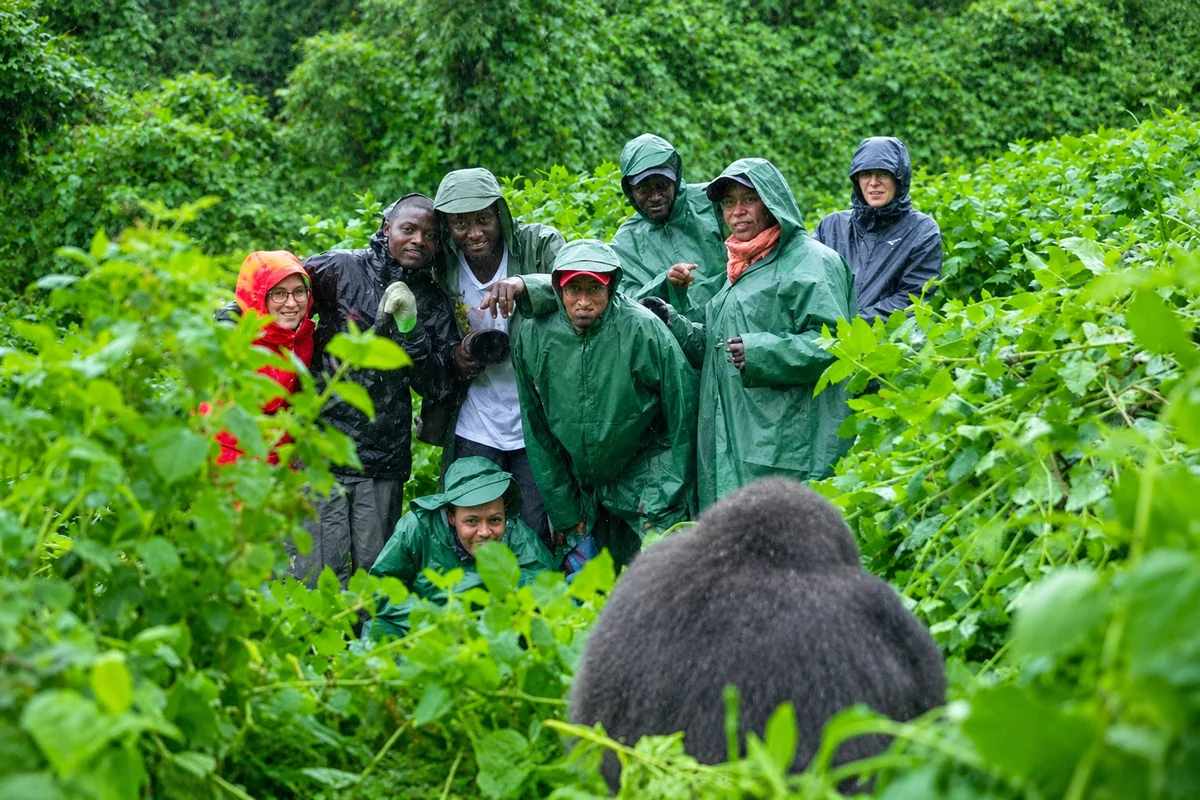
Visitors wearing rain jackets enjoy a gorilla trekking experience in Uganda’s lush rainforest.
Rain does not automatically cancel a scheduled gorilla trek.
A rainy morning can look dramatic from your lodge window, especially when mist hides the hills around Bwindi Impenetrable National Park. Yet rainfall is a normal feature of this highland forest environment. Visitors should generally prepare to trek in wet weather rather than assume that a shower means the activity will be cancelled.
The key distinction is between ordinary rain and conditions that park authorities consider unsafe or operationally unsuitable. Rangers and park management assess the situation on the ground. A safari operator cannot overrule those decisions, and no responsible company should promise that every trek will proceed regardless of weather.
Gorilla trekking in the rain therefore begins with flexibility. Wake up at the agreed time, eat breakfast, dress for wet conditions and follow your driver-guide’s instructions about reaching the briefing point. Do not remain at the lodge because you have seen dark clouds unless your operator has confirmed an official change.
The forest is the gorillas’ home, not a weather-controlled attraction. Animals continue their lives through showers, sunshine and mist. Your visit depends on a permit, a ranger-led search and the location of a habituated gorilla family, not on a guarantee of clear skies.
Ask the ranger team about the day’s expected conditions during the briefing. They may explain difficult trail sections, how the group should walk and what assistance is available. Listen closely, even if you have hiked in other countries, because wet tropical vegetation creates unfamiliar challenges.
A successful rainy-day safari is not necessarily a dry or easy one. It is an organized encounter that respects safety decisions, conservation rules and the unpredictable nature of wildlife. Knowing this before booking makes a change in the forecast much less stressful.
What Happens at the Briefing Point During Heavy Rain?
Park staff provide the operational instructions.
Your morning briefing is the point where travel plans meet actual forest conditions. A driver-guide can get you to the correct departure location, but Uganda Wildlife Authority personnel direct the trekking activity. If heavy rain has affected trails or access, the park team is the appropriate source for instructions.
Arrive in waterproof clothing with your permit arrangements confirmed and your daypack protected. A briefing area may offer some shelter, but visitors should not assume that every sector has the same facilities. Check your meeting location and departure time with Pridemark Safaris the evening before.
During the briefing, rangers explain visitor conduct and the structure of the guided trek. Weather may influence their practical advice about slippery ground, group spacing or walking pace. Ask questions before setting out if you are concerned about your balance, fitness or an existing injury.
The group should follow the ranger’s directions if departure is delayed or another operational change is announced. It would be misleading to promise a fixed waiting period or a universal rain-related refund. Any decision about rescheduling, permit treatment or cancellation must be confirmed under current official rules.
Keep important items accessible while waiting. A lightweight waterproof shell, drinking water, personal medication and a small snack can be useful. Protect your identification, phone and camera from moisture, and avoid unpacking your entire bag in a crowded or wet briefing area.
A calm start matters. Wet-weather trekking often rewards patience rather than speed. By allowing time for the briefing and listening to the team, you begin with a clearer understanding of the route and the limits of what can be predicted.
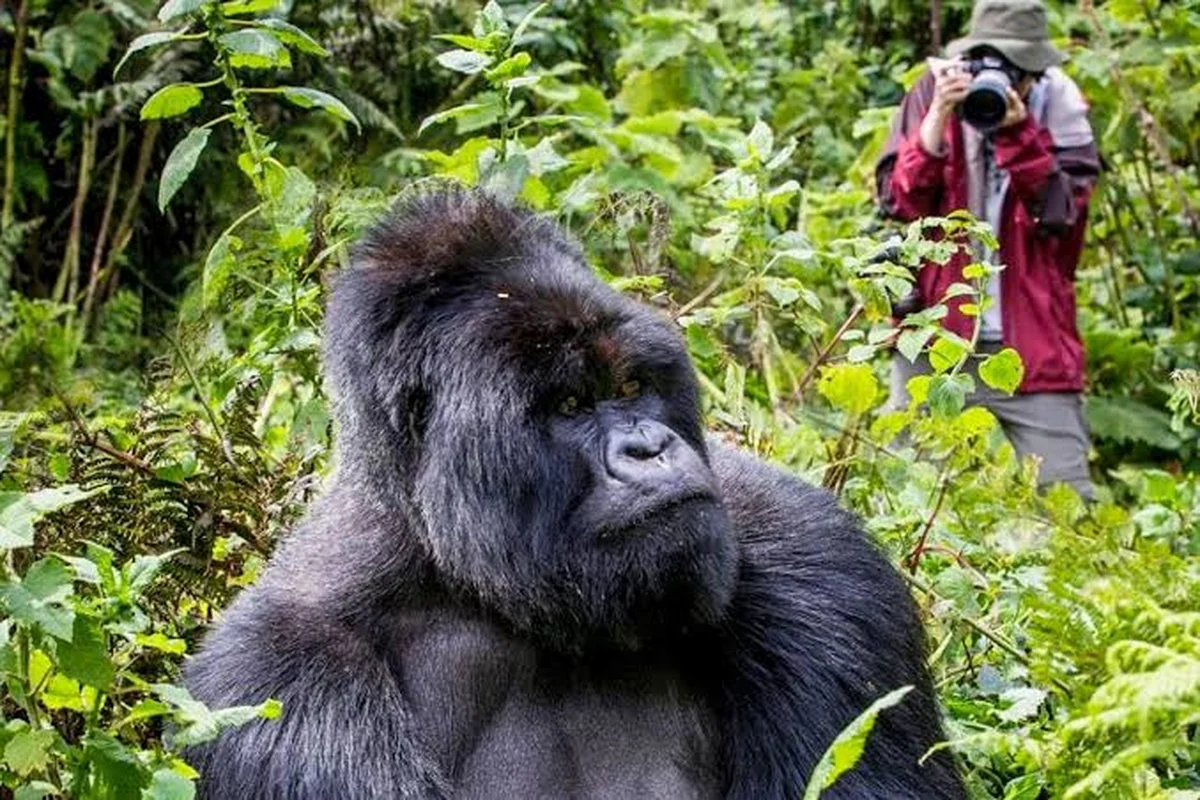
A tourist photographs a silverback gorilla surrounded by lush rainforest vegetation during a guided gorilla trekking experience.
How Does Rain Change the Difficulty of Gorilla Trekking?
Mud, roots, slopes and fatigue deserve attention.
Rain can make an otherwise manageable forest path considerably more demanding. Mud reduces traction, exposed roots become slippery and steep descents may require careful foot placement. Dense vegetation can brush against clothing and transfer water to your sleeves and trousers long after a shower has stopped.
Bwindi contains several trekking sectors, including Buhoma, Ruhija, Rushaga and Nkuringo. Conditions differ among routes and even along the same route on different days. It is not accurate to describe one sector as always easy or to promise that rain will make a particular gorilla family easier to reach.
Mgahinga Gorilla National Park has its own volcanic mountain setting. Visitors may encounter slopes, altitude and changing visibility. Whether you are trekking in Bwindi or Mgahinga, the actual effort depends on terrain, weather, the location of gorillas and your own physical capacity.
Shorten your stride on slippery surfaces and resist the temptation to rush. Place your feet deliberately, especially on downhill sections. Use walking support when offered or approved by the ranger, and tell the team if a section feels unsafe for you.
Wet clothing and a heavy backpack can increase fatigue. A local porter, when available, may help carry your bag and provide practical assistance. Ask about current arrangements and payment before the trekking day. Hiring a porter does not eliminate difficult ground or guarantee a short route.
Train for hills and uneven surfaces before your safari. Even modest walking practice can improve balance and confidence. If you have a medical or mobility condition, obtain individualized professional advice and tell the operator what support you may need.
Remember that the return journey is part of the trek. The excitement of finding gorillas does not make the walk back shorter. Save energy, drink water appropriately and remain attentive to the trail until you reach the briefing area.
For a separate guide to fitness and trail preparation, see gorilla trekking without hiking experience.
What Should You Wear for Gorilla Trekking in the Rain?
Prioritize grip, waterproof layers and comfort.
Good footwear is the foundation of a rainy-day gorilla trekking kit. Choose sturdy hiking boots or trail footwear with reliable grip and a fit you have tested on walks at home. Waterproof footwear may reduce moisture entering from puddles, but it cannot prevent slipping on polished roots or loose mud.
Wear long trousers that protect your legs from vegetation and insects. Avoid fabrics that become excessively heavy when soaked. Long sleeves can protect your arms, while breathable layers help you adjust to changes in temperature as you climb, pause and descend.
A waterproof jacket with a hood is usually more practical than relying on an umbrella while moving through dense vegetation. Rain ponchos can also work, but loose material may catch on branches. Choose an outer layer that allows you to move freely and hear the ranger clearly.
Gaiters or long socks can help limit mud entering your footwear. Gloves may provide useful hand protection when you need to steady yourself, although you should never grab unknown plants or branches without guidance. Your ranger can advise where support is safe.
Carry spare socks or a dry change of clothes in your vehicle or lodge bag for after the trek. Being able to change promptly after several wet hours is a simple comfort that travelers often overlook. A small towel can also be useful after returning to the vehicle.
Test your clothing before travel. A new raincoat that traps heat or boots that rub your heels can become uncomfortable during a long forest walk. Break in footwear and practice moving with your intended daypack so the equipment feels familiar on trekking morning.
The goal is not to stay perfectly dry in a rainforest. It is to remain warm enough, mobile enough and comfortable enough to follow instructions safely while enjoying the experience.
Proper preparation for gorilla trekking in the rain includes waterproof clothing, sturdy hiking boots, protective camera covers and a lightweight daypack.
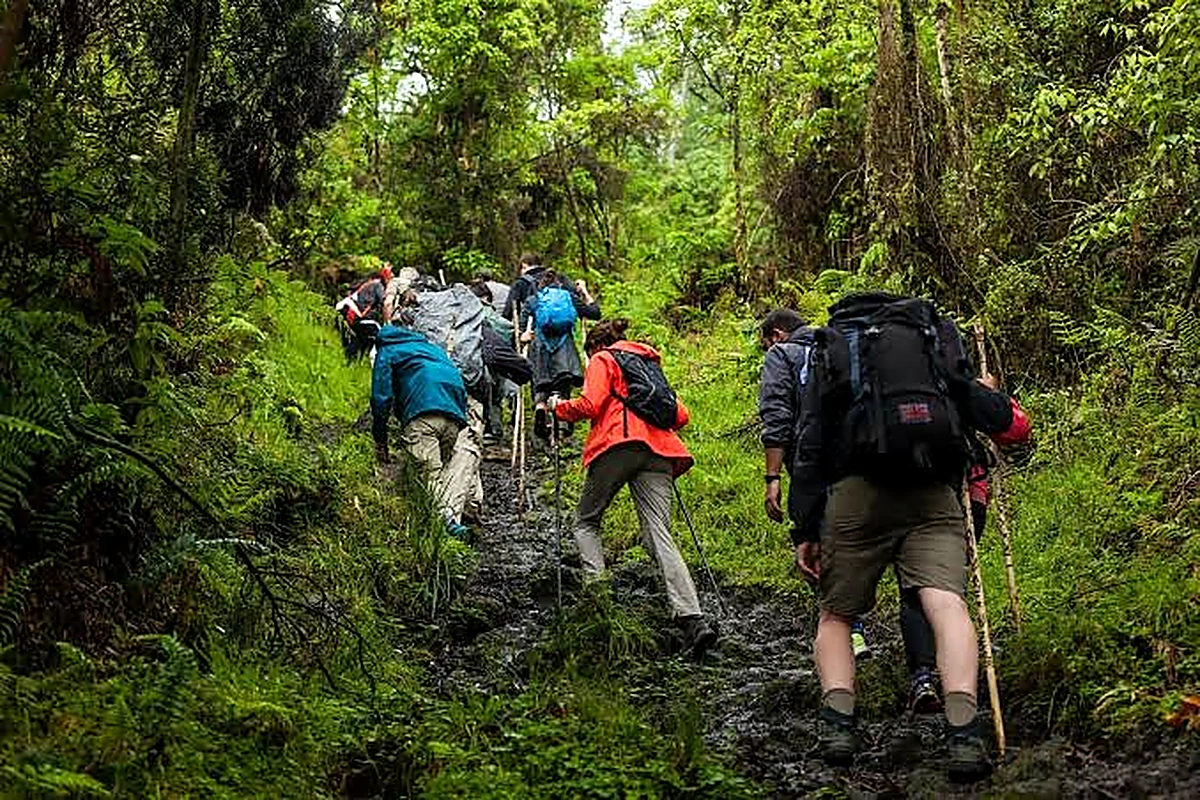
Trekkers navigate a muddy forest trail surrounded by lush vegetation during a guided gorilla trekking adventure.
How Do You Protect Cameras, Phones and Photographs?
Expect low light and keep flash switched off.
Rain and mist can create beautiful forest photographs, but they also introduce challenges. Moisture may reach camera controls, lenses can fog and the forest canopy often reduces available light. Plan for realistic images rather than expecting every encounter to look like a professional wildlife documentary.
Use a waterproof camera cover or a dry bag that opens quickly. Keep spare batteries and memory cards in a sealed pouch. If you carry a phone, a water-resistant case can help, but check its limitations before trusting it in sustained rain.
A microfiber cloth is useful for removing drops from a lens. Avoid wiping grit across glass, and do not change lenses unnecessarily in heavy rain. A compact setup can be easier to manage when you are standing on an uneven trail.
Uganda Wildlife Authority rules prohibit flash photography around gorillas. Check your camera settings before the encounter so automatic flash cannot activate. Low-light conditions do not create an exception to wildlife protection rules.
Stay within the ranger’s directions and maintain the required viewing distance. Never move closer to a gorilla simply to compensate for poor light or foliage. A respectful photograph taken from the correct position is more valuable than a dramatic image obtained by disturbing wildlife.
Mist, raindrops and forest shadows can add atmosphere to your photographs. Consider recording wider scenes, leaves, trekking boots and the group’s journey when appropriate. These details help tell the story even if your gorilla portraits are limited by weather.
Sometimes the most rewarding choice is to put the camera down briefly. Watch the gorillas calmly and appreciate the encounter without judging the day by the number of sharp images you capture.
Photography during gorilla trekking in the rain requires extra care because moisture, low light and wet vegetation can make capturing clear images more challenging.
Does Rain Affect Gorilla Sightings and Viewing Time?
Wild gorillas remain unpredictable in every season.
Rain does not make a gorilla sighting certain or impossible. Trackers work to locate habituated families, but the animals move freely and their position cannot be guaranteed in advance. Dense vegetation, slopes and weather may all influence how the search unfolds.
Visitors sometimes hear that gorillas will always stay close to the trail in rainy weather. Such claims are too simplistic. A gorilla family’s movement depends on many factors, including feeding and resting patterns, and no operator should guarantee a shorter trek because of a forecast.
Uganda Wildlife Authority’s July 2024 management guidelines specify a maximum of one hour for standard gorilla viewing once visitors reach the animals. The journey to and from the gorillas is separate from this viewing period. Follow any current updated guidance and the ranger’s instructions.
A light shower during the encounter may make gorillas appear especially atmospheric against the green forest. It may also make photography difficult. Neither outcome changes the basic requirement to remain calm, keep the required distance and avoid touching or feeding the animals.
If a gorilla approaches, do not run or attempt to create your own escape route. Follow the ranger’s instructions. The team is trained to interpret behavior and direct visitors during encounters. Wet conditions make it particularly important to avoid sudden movements.
Never use food, calls or gestures to attract gorillas into a better position. Visitors are guests in a protected habitat. The aim is to observe natural behavior while minimizing disturbance, not to direct the animals for photography.
For a realistic understanding of uncertainty, read Pridemark Safaris’ separate article about what happens if gorillas are not seen. A rainy day and an unsuccessful sighting are not automatically the same permit-policy category.
Learn more in our guide to what happens if you do not see gorillas.
What Happens If Weather Becomes Unsafe?
Do not assume cancellation or refund rules.
Heavy rain may be inconvenient, but an operational decision depends on the actual safety situation. Severe weather, unstable ground, access difficulties or other hazards may prompt park authorities to alter arrangements. Visitors should follow the official decision rather than trying to judge forest safety from a lodge balcony.
If the ranger team instructs your group to stop, wait or return, comply immediately. Do not attempt to continue independently in the hope of reaching gorillas. A permit does not entitle a visitor to ignore safety instructions or proceed without the designated guide.
Rain alone should not be treated as a guaranteed reason for a refund, free repeat trek or automatic rescheduling. Permit outcomes depend on the official rules, the circumstances recorded by park management and any authorized decision. Ask your operator to explain the current policy in writing before travel.
If your trek is interrupted, request a clear explanation from the responsible park personnel and ask how the outcome is documented. Keep any relevant permit records and communicate with your operator promptly. Avoid making nonrefundable onward changes based on an informal assumption.
Travel insurance can help with certain disruptions, but coverage varies. Read the policy wording for weather events, missed activities, medical conditions, evacuation and cancellation. Not every policy reimburses wildlife permits, and exclusions can be significant.
A flexible itinerary can reduce the impact of transport or weather delays. Consider arriving near the trekking sector the day before and leaving adequate time for onward travel. A rushed schedule increases stress even when the weather turns out to be manageable.
The most reliable principle is simple: let Uganda Wildlife Authority staff make operational decisions, and verify financial consequences under current written conditions. This avoids the disappointment created by unsupported online promises.
During gorilla trekking in the rain, visitors should walk carefully on slippery trails, follow ranger instructions and avoid rushing on steep forest slopes.
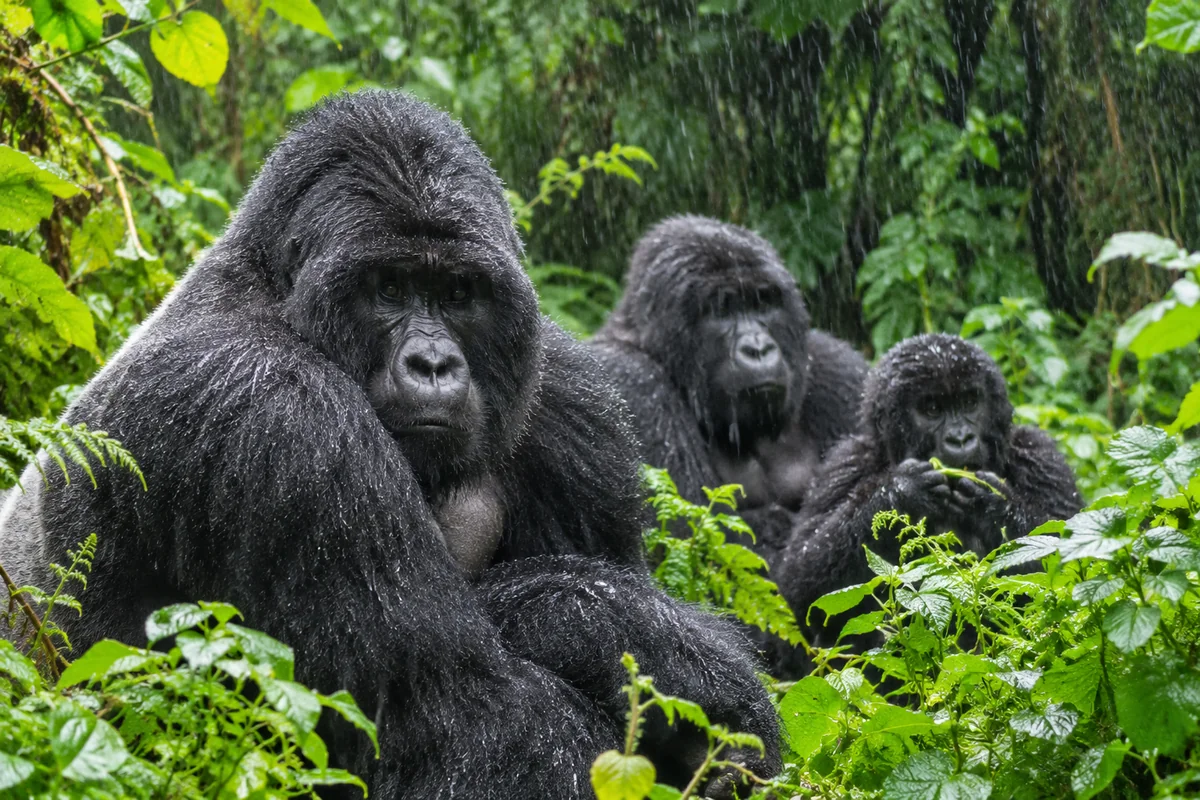
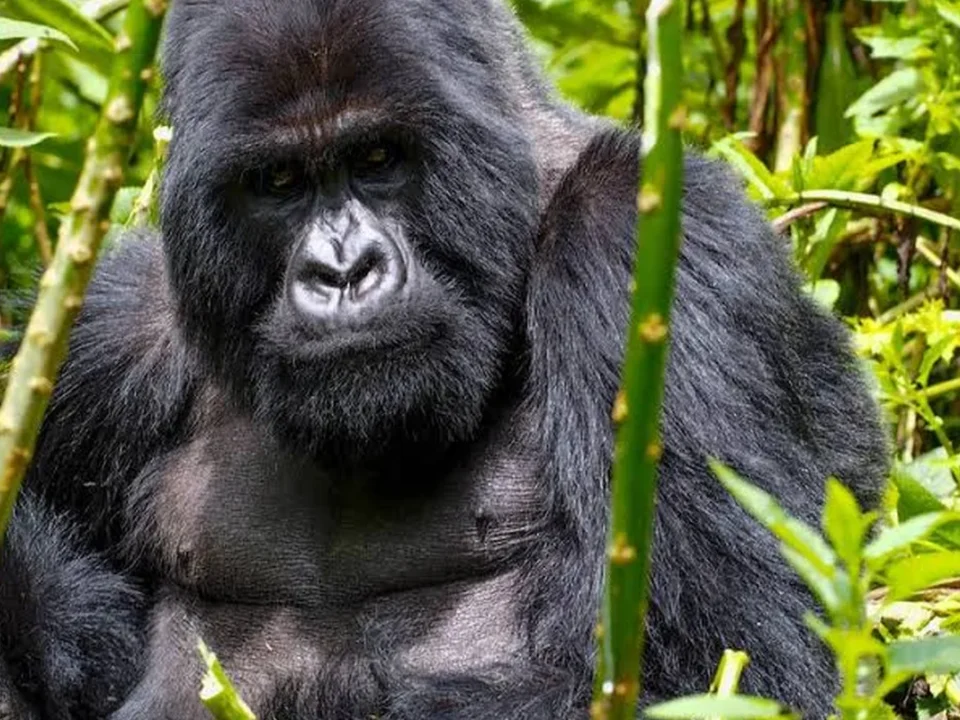
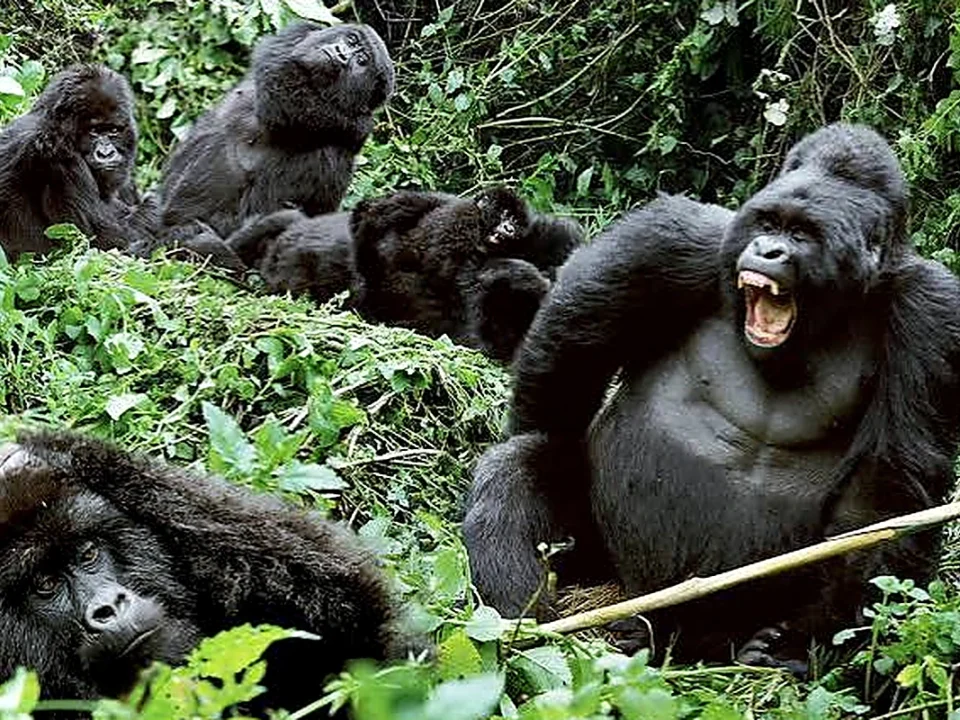
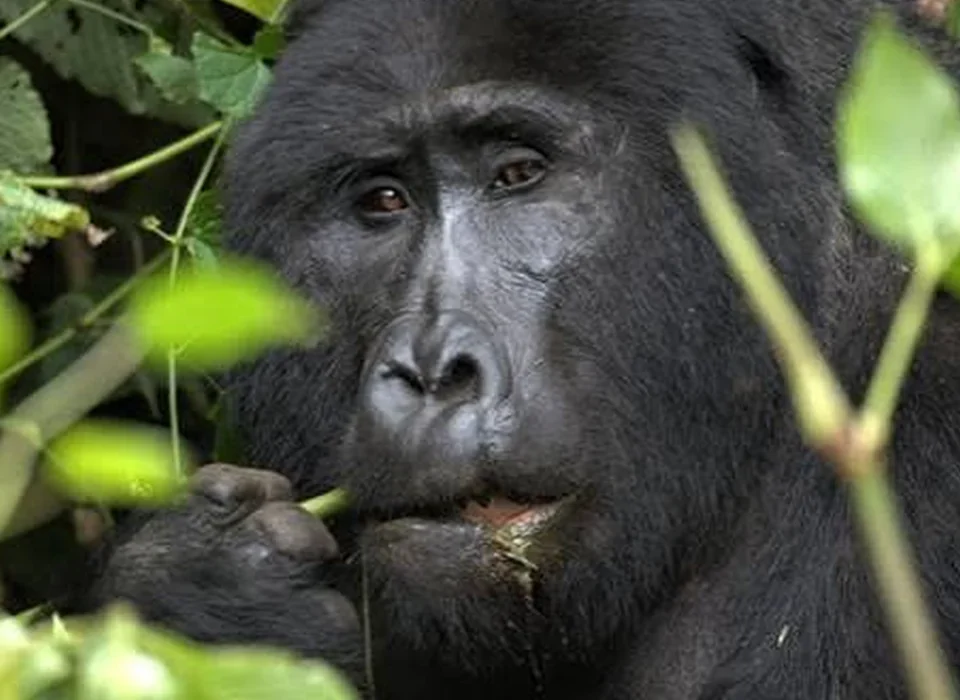
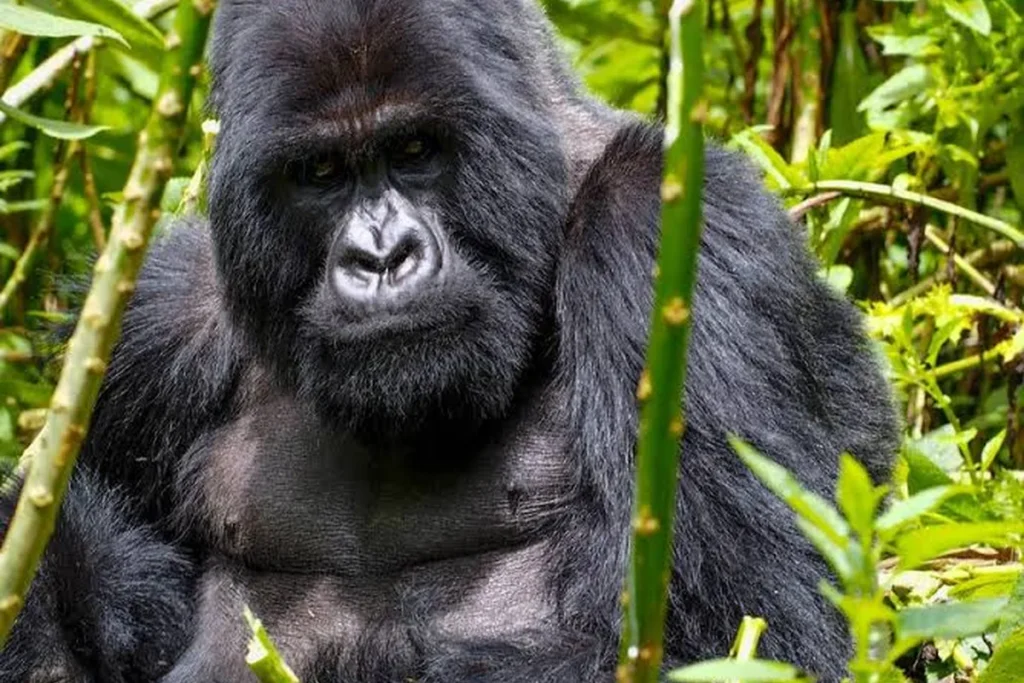
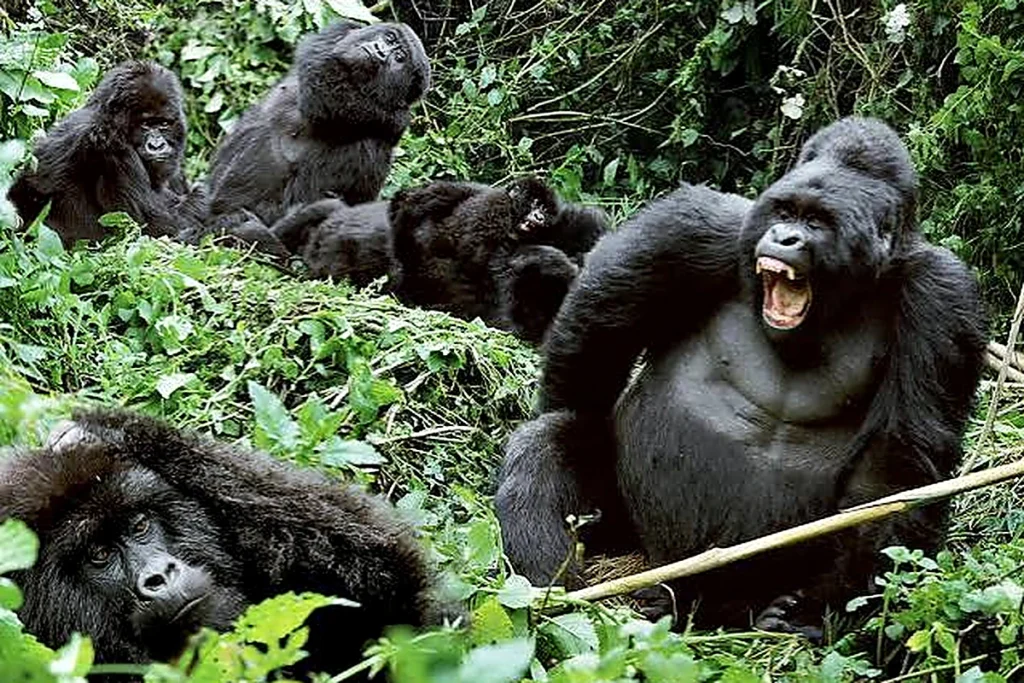
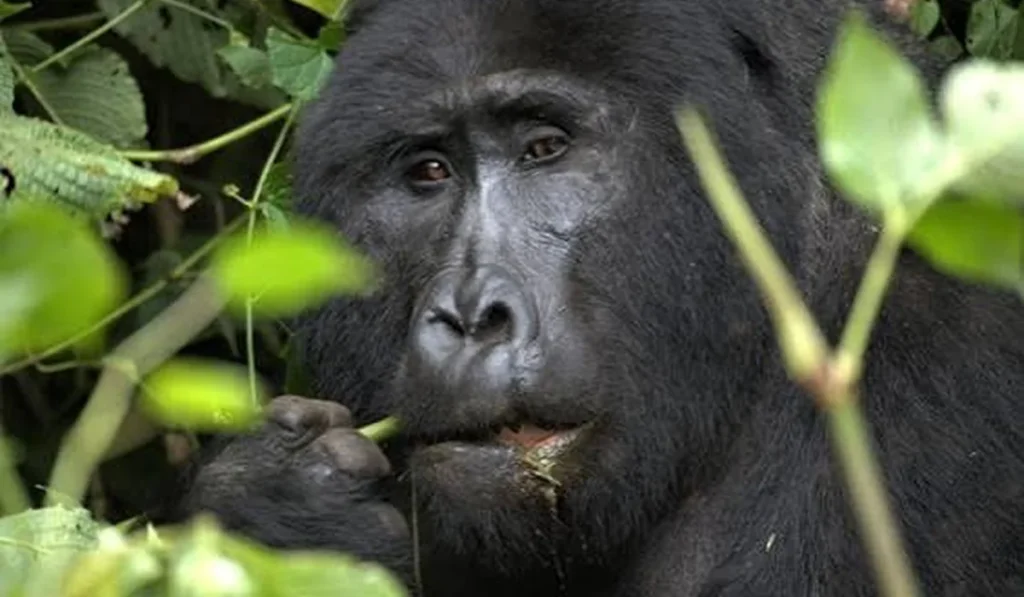
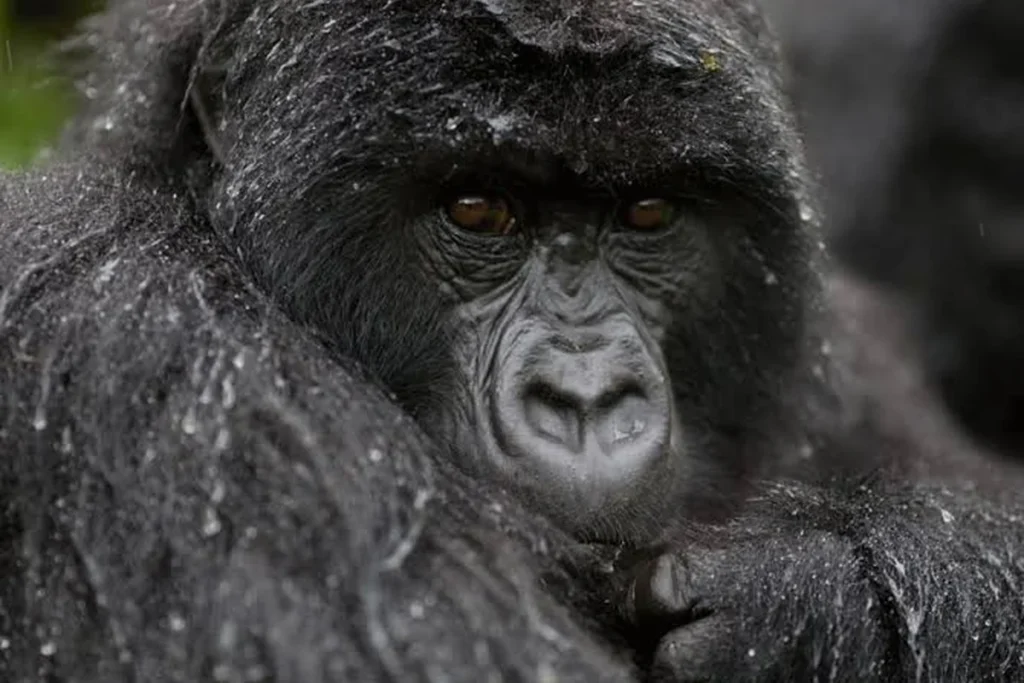
Mountain gorillas rest among lush rainforest vegetation during rainfall, showing the wet conditions visitors may experience while gorilla trekking in Uganda.
Is the Rainy Season a Good Time to Visit Bwindi or Mgahinga?
Compare conditions rather than searching for a perfect month.
Uganda’s gorilla trekking destinations can receive rain at any time of year. The relatively wetter periods are commonly associated with March to May and October to November, while June to September and December to February are often relatively drier. These are broad patterns, not guarantees for a particular morning.
Travelers comfortable with wet trails may appreciate the green forest scenery of the wetter months. Accommodation availability and prices can sometimes be favorable, but do not assume that every lodge offers a discount or that every trekking date will be quiet.
Visitors who prioritize firmer trails may prefer relatively drier periods. Even then, waterproof equipment remains important because mountain weather can change rapidly. A forecast showing sunshine several days before travel cannot guarantee a dry trek.
Think about your wider Uganda itinerary. Roads to southwestern Uganda may be affected by weather, and long transfers can be tiring. Your lodge location, assigned trekking sector and planned activities all influence how comfortable the journey will feel.
For photographers, rainy periods offer lush colors and atmospheric mist, but reduced light and wet equipment are tradeoffs. For first-time hikers, the added challenge of slippery slopes may matter more than seasonal savings. There is no universally best choice for every traveler.
Pridemark Safaris already has a detailed month-by-month comparison of gorilla trekking conditions. Use that guide when deciding when to travel, and use this article when preparing for the practical experience of rain on the trekking day itself.
Whatever month you choose, book the correct permit in advance and confirm current rules. Weather preparation should complement careful safari planning rather than replace it.
Compare seasons in our existing best gorilla trekking months guide.
How Can Pridemark Safaris Help You Plan a Rain-Ready Trek?
A practical booking checklist for first-time visitors.
Begin by sharing your intended travel dates, number of guests, preferred accommodation level and any concerns about hiking in wet conditions. Pridemark Safaris can help shape an itinerary that gives you realistic transfer times and a comfortable night near your designated trekking departure point.
Ask the team to confirm your gorilla trekking sector, lodge location, morning departure arrangements and permit inclusions. A lodge advertised as being near Bwindi may still require a substantial drive to a particular sector. Precise logistics matter on rainy mornings.
Discuss your walking experience and whether a porter may be useful. A porter can help with your daypack and may provide practical support on difficult terrain, subject to local arrangements. No operator can guarantee a short or easy route.
Request a packing checklist that includes suitable boots, waterproof clothing, spare socks and camera protection. Plan where to leave a dry change of clothes for after the trek. Small preparation decisions often make the greatest difference to comfort.
If you are traveling with older adults or visitors with mobility concerns, communicate functional needs early. The operator can investigate available assistance and explain limitations. A safari quotation should not imply that specialized support is automatically included or always feasible.
Confirm the latest Uganda Wildlife Authority rules, permit conditions and health requirements before departure. If weather causes a genuine operational change, your guide can help you communicate with park authorities, but official decisions remain with the responsible personnel.
You can also combine gorilla trekking with other Uganda experiences, including wildlife viewing and scenic relaxation. Allowing enough time for the journey helps prevent one wet morning from dominating your entire holiday.
Ready to explore Uganda’s mountain forests? Contact Pridemark Safaris for a tailored gorilla trekking quotation. Share your dates and concerns, and ask the team to build a practical, rain-ready safari rather than promising weather that no one can control.
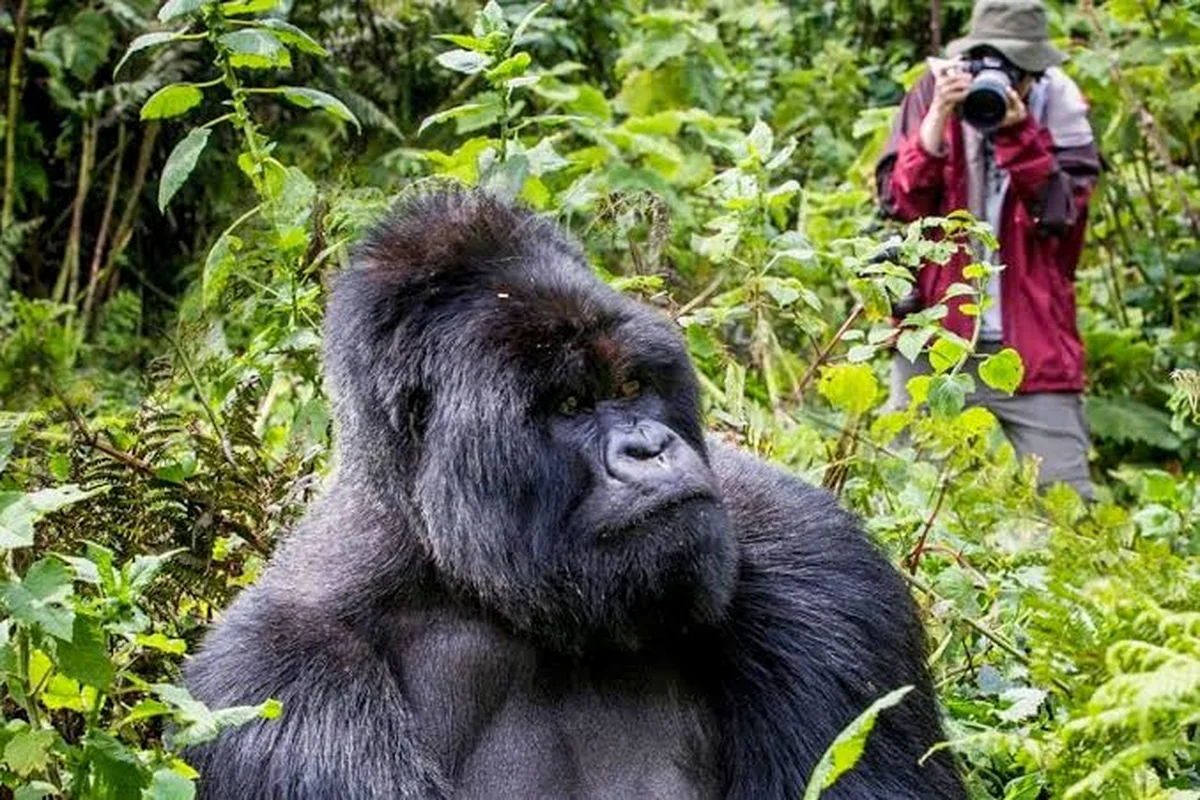
A tourist photographs a silverback gorilla in lush rainforest vegetation during a guided gorilla trekking experience in Uganda.
Frequently Asked Questions About Gorilla Trekking in the Rain
Will gorilla trekking be cancelled if it rains?
Ordinary rainfall does not automatically cancel trekking. Uganda Wildlife Authority personnel decide whether conditions are safe and whether operations need to change.
Can you go gorilla trekking in the rain in Bwindi?
Yes, visitors should be prepared for wet weather in Bwindi. Rangers direct the trek, and unsafe conditions may lead to changes.
Is Mgahinga easier than Bwindi when it rains?
Neither park is universally easier. Difficulty depends on terrain, gorilla location, weather and personal ability.
Do gorillas hide when it rains?
Gorillas remain wild and their behavior varies. Rain does not reliably predict where a family will be found.
What shoes are best for rainy gorilla trekking?
Well-fitting hiking footwear with reliable traction is recommended. Break in your shoes before the safari.
Should I bring an umbrella?
A waterproof jacket is often more practical in dense forest. Ask your ranger about suitable equipment.
Can I use flash for photographs on a dark rainy day?
No. Flash photography is prohibited during gorilla viewing.
How long can I stay with gorillas if it rains?
Published UWA guidelines specify a maximum one-hour viewing period for standard tracking, subject to current rules and ranger directions.
Does rain mean I get a gorilla permit refund?
No automatic refund should be assumed. Ask UWA or your operator about the current official rules for your specific circumstances.
What should I pack for rain?
Pack waterproof outerwear, grippy footwear, protective bags for electronics, drinking water and dry clothes for afterward.
Can I hire a porter in rainy weather?
Porters are commonly available through local arrangements. Confirm availability, fees and scope of assistance in advance.
Which months have less rain?
June to September and December to February are often relatively drier, but rainfall is possible throughout the year.
Book a Rain-Ready Gorilla Safari With Pridemark Safaris
Tell Pridemark Safaris your preferred travel dates, group size, walking experience and accommodation preferences. Ask for a tailored itinerary with realistic transfers, current permit arrangements and practical wet-weather preparation. A good safari plan cannot guarantee sunshine, but it can help you arrive ready for the rainforest.
With suitable equipment and experienced ranger guidance, gorilla trekking in the rain can still be a memorable part of your Uganda safari adventure.
Request Your Tailor-Made Uganda Gorilla Safari Quote with Pridemark Safaris.
Official Sources and Further Reading
- Uganda Wildlife Authority: Gorilla Tracking
- UWA Gorilla and Chimpanzee Tracking Management Guidelines (July 2024)
- UWA Publications and Current Documents