Why Mountain Gorillas Are Very Few in the World: 7 Threats and Hope
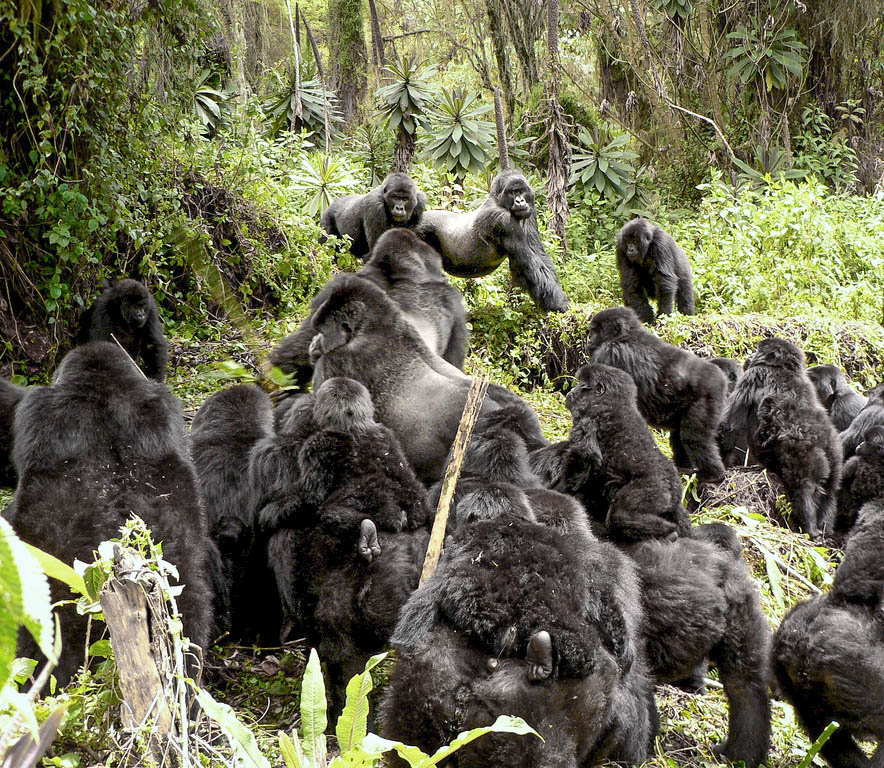
Understanding why mountain gorillas are very few begins with their limited forest home, a history of human pressure and their slow recovery from losses. These remarkable great apes survive in just a small part of East Africa, where protecting every family matters.
Why Mountain Gorillas Are Very Few: The Short Answer
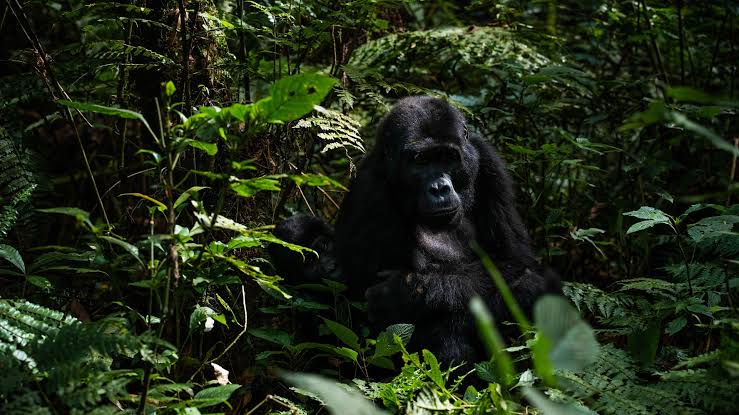
Mountain gorillas remain few because they occupy two isolated forest landscapes, have lost habitat to human activities, reproduce slowly and face threats from disease, snares and regional instability. Conservation has helped their numbers recover, but a population of only around a thousand animals remains vulnerable.
3 Range Countries
Wild mountain gorillas live in Uganda, Rwanda and the Democratic Republic of the Congo.
2 Forest Landscapes
The Virunga Massif and Bwindi–Sarambwe support the two geographically separated populations.
Endangered
Population growth is encouraging, but mountain gorillas still need sustained protection.
How Many Mountain Gorillas Are Left in the World?
The International Gorilla Conservation Programme cites an estimated global population of 1,063 mountain gorillas, combining the published Virunga and Bwindi–Sarambwe census results. The Bwindi–Sarambwe results released in December 2019 reported 459 individuals from the 2018 surveys.
This figure is a census-based reference, rather than an exact count of animals alive today. Births, deaths and new surveys can change population estimates. Whenever you see a gorilla population number, check the survey date as well as the publication date.
Another important distinction is that this number refers to mountain gorillas, a subspecies of the eastern gorilla. It does not include all gorillas in Africa. Combining different gorilla subspecies produces misleading answers to the question of why mountain gorillas are very few.
Mountain gorillas moved from Critically Endangered to Endangered on the IUCN Red List in 2018. That improvement reflects conservation progress; it does not mean the threats have disappeared.
Why Mountain Gorillas Are Very Few: 7 Important Reasons
1. Their Natural Range Is Extremely Small
Mountain gorillas are not spread across the African continent. Their remaining habitat is concentrated in two forest landscapes. This restricted distribution is one reason why mountain gorillas are very few compared with animals that occupy much larger areas.
A small range also concentrates risk. Pressure on one forest can affect a substantial share of the entire population. Protecting gorillas therefore requires protecting the places where they feed, rest, travel and raise their young.
The Uganda Wildlife Authority mountain gorilla profile explains the separation between the Virunga population and the Bwindi–Sarambwe population.
2. Habitat Loss Has Reduced Their Living Space
Forest clearance for agriculture and settlement, together with pressure for fuelwood and other resources, has reduced and degraded gorilla habitat. The forests that remain are bordered by communities whose livelihoods also depend on land and natural resources.
This is a central part of why mountain gorillas are very few. Gorillas need suitable habitat, while neighboring families need reliable income, food and energy. Lasting conservation must address both needs rather than treating local people as obstacles.
WWF’s mountain gorilla protection programme describes habitat pressure and community approaches to coexistence.
3. Slow Reproduction Makes Recovery Difficult
Mountain gorillas have slow reproductive cycles and provide prolonged care for their young. They cannot rapidly replace losses in the way some smaller, faster-breeding animals can.
Slow reproduction helps explain why mountain gorillas are very few even when conservation is working. A growing population needs many years of successful births and survival. Losing a breeding female can also remove her future contribution to the population.
Gorilla Doctors explains the importance of each individual’s reproductive potential in its account of a fatal storm in Mgahinga.
4. Disease Can Affect Small Gorilla Populations
Some infections can pass between humans and gorillas. Visitors, park staff and people living near forests therefore have a shared responsibility to reduce avoidable exposure. Close contact can create risks even when a person intends no harm.
Disease is another reason why mountain gorillas are very few and why strict visiting rules matter. Veterinary teams monitor gorilla health and can intervene in selected life-threatening situations.
A documented respiratory illness outbreak treated by Gorilla Doctors shows how health problems can affect several members of one group.
5. Snares Can Injure Gorillas Even When They Are Not the Target
A gorilla does not have to be deliberately hunted to become a victim of illegal hunting. Snares set for other wildlife can trap gorillas, causing serious injuries and potentially death.
This threat helps explain why mountain gorillas are very few despite protected-area boundaries. Rangers must search for and remove snares, while veterinary teams may need to treat injured animals. A boundary on a map cannot replace daily protection in the forest.
Read this field report about rescuing an infant mountain gorilla from a snare for a concrete example.
6. Regional Instability Can Disrupt Conservation
Conflict and civil unrest in parts of the region can make patrols, monitoring and protected-area management more difficult. These pressures vary by location and time; they should not be treated as identical across every gorilla destination.
Understanding why mountain gorillas are very few requires looking beyond biology. Gorillas depend on functioning conservation institutions, trained staff and cooperation across national borders. Disruption to those systems can weaken protection.
7. Isolation Limits Their Options as Conditions Change
Mountain gorilla forests are separated and surrounded by developed or cultivated land. That limits opportunities to move into other suitable habitat. Climate change adds uncertainty to an already restricted range.
A small, isolated population has fewer buffers against damaging events than a large, widely distributed population. This is why mountain gorillas are very few remains an important conservation question even during periods of growth.
WWF’s mountain gorilla overview discusses the combined pressures of habitat loss, proximity to people, regional unrest and climate change.
Where Do the Remaining Mountain Gorillas Live?
Their geography makes the explanation of why mountain gorillas are very few easier to understand: all remaining wild populations depend on a handful of protected forests.
| Landscape | Protected areas | Countries |
|---|---|---|
| Bwindi–Sarambwe | Bwindi Impenetrable National Park and adjoining Sarambwe Nature Reserve | Uganda and Democratic Republic of the Congo |
| Virunga Massif | Mgahinga Gorilla National Park, Volcanoes National Park and the mountain gorilla sector of Virunga National Park | Uganda, Rwanda and Democratic Republic of the Congo |
For travel planning, read our Bwindi vs Mgahinga gorilla trekking comparison and Uganda vs Rwanda gorilla trekking guide.
Hope for Mountain Gorillas: How Conservation Helps
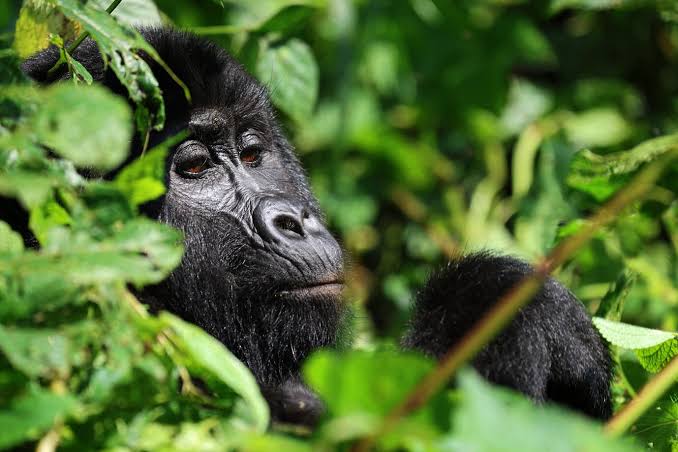
The question of why mountain gorillas are very few has a hopeful side. Their recovery shows that long-term protection can make a difference. Rangers, researchers, veterinary teams, communities and protected-area authorities each contribute to that work.
Forest Protection
Patrols and snare removal reduce immediate threats while habitat protection preserves the gorillas’ home.
Health Monitoring
Regular observation helps teams detect illness and injuries that may require veterinary attention.
Community Cooperation
Local employment and support for livelihoods can help make conservation beneficial to neighboring communities.
Well-managed gorilla tourism can generate revenue and employment that support conservation. However, its benefits depend on effective management and visitor compliance. Tourism must respect the gorillas’ health and behavior.
For more context, explore WWF’s mountain gorilla facts and Gorilla Doctors’ conservation impact.
What Travelers Can Do to Protect Mountain Gorillas
Knowing why mountain gorillas are very few should influence how you visit them. A rewarding encounter begins with respect for the animals and the people responsible for their protection.
- Use official permits: arrange trekking through the authorized park system and confirm availability before finalizing travel plans.
- Report illness before trekking: tell your guide or park staff if you feel unwell and follow their advice.
- Keep the required distance: follow the ranger’s instructions, including when a gorilla approaches.
- Follow hygiene requirements: comply with applicable mask and sanitation rules.
- Avoid touching or feeding gorillas: observe quietly and let the ranger guide your behavior.
- Support local livelihoods: consider local porters, community experiences and responsibly made crafts.
- Leave the forest clean: carry out litter and follow park rules for food and waste.
Before booking, read our Bwindi gorilla trekking planning guide and learn how trackers find gorillas in Bwindi.
Plan a Gorilla Safari with PrideMark Safaris
Turn your interest in why mountain gorillas are very few into a carefully planned visit. Share your travel dates, group size, accommodation preference and starting point so PrideMark Safaris can help coordinate your itinerary.
3-Day Gorilla Trekking
Explore a short Uganda itinerary centered on a mountain gorilla encounter.
4-Day Mgahinga Safari
Explore a journey combining gorilla trekking with golden monkey tracking.
9-Day Gorilla & Wildlife Safari
Explore a longer itinerary combining forest primates and Uganda wildlife experiences.
Comparing observation experiences? Our gorilla trekking vs habituation guide explains the differences before you choose.
FAQs About Why Mountain Gorillas Are Very Few
Why are mountain gorillas so rare?
Mountain gorillas are rare because they have a restricted range, have experienced habitat loss and reproduce slowly. Disease, snares and regional instability add pressure to their small populations.
Are mountain gorillas still endangered?
Yes. Mountain gorillas are classified as Endangered. Their status improved from Critically Endangered in 2018, but continued protection remains essential.
Is 1,063 the exact number alive today?
No. It is the widely cited estimate based on published census results, including the Bwindi–Sarambwe results released in 2019. It should not be presented as a live count.
Which countries have wild mountain gorillas?
Wild mountain gorillas live in Uganda, Rwanda and the Democratic Republic of the Congo, within the Virunga Massif and Bwindi–Sarambwe landscapes.
Does gorilla trekking help conservation?
Well-managed trekking can generate conservation revenue and local employment. Visitors also need to follow health, distance and behavior rules to reduce risks to gorillas.
Can I visit mountain gorillas in Uganda?
Uganda offers authorized gorilla trekking in Bwindi Impenetrable National Park and Mgahinga Gorilla National Park. Participation requires an official permit and compliance with park conditions.