Uganda Equator: A Complete Guide to Africa’s Famous Zero Latitude Crossing

Rwenzori Mountains: Uganda’s Frozen Wonder
July 21, 2026

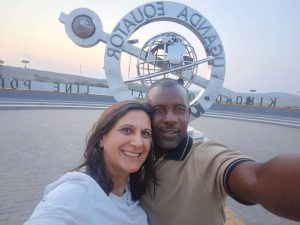
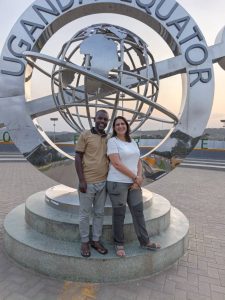
The Uganda Equator is one of the country’s most remarkable geographical landmarks and one of the few places in the world where travelers can stand in both the Northern and Southern Hemispheres simultaneously. Located along the Kampala–Masaka highway in Kayabwe, approximately 72 kilometers southwest of Kampala, this iconic destination attracts thousands of visitors every year. Tourists come to experience unique scientific demonstrations, capture unforgettable photographs, shop for handcrafted souvenirs, and learn about one of Earth’s most important imaginary lines. Whether you are beginning a wildlife safari, exploring Uganda’s cultural heritage, or traveling toward the national parks in western Uganda, a stop at the Uganda Equator creates memories that last a lifetime. PrideMark Safaris includes this iconic destination in many of its customized Uganda safari itineraries because it combines education, entertainment, and cultural experiences in one convenient location.
What Is the Uganda Equator?
The Uganda Equator marks the point where the Equator crosses Uganda at latitude 0°. The Equator is an imaginary circle that divides Earth into the Northern Hemisphere and the Southern Hemisphere. It measures approximately 40,075 kilometers around the planet and represents the widest circumference of Earth.
Uganda is among only a small number of countries through which the Equator passes. This geographical advantage gives visitors the rare opportunity to physically stand with one foot in each hemisphere while learning how latitude influences climate, daylight, and ecosystems around the world. Although the Equator itself is invisible, large monuments, informative signs, and painted ground markers identify its exact position, making it one of Uganda’s most photographed attractions.
Where Is the Uganda Equator Located?
The most famous Uganda Equator monument is situated in Kayabwe, Mpigi District, along the Kampala–Masaka Highway. The site lies approximately one and a half hours from Kampala, depending on traffic conditions. Travelers heading toward Bwindi Impenetrable National Park, Queen Elizabeth National Park, Lake Mburo National Park, Kibale National Park, or Mgahinga Gorilla National Park usually stop here for refreshments and sightseeing.
Another Equator crossing exists within Queen Elizabeth National Park, where visitors encounter a second marker while enjoying wildlife drives through one of Uganda’s most celebrated conservation areas. Both locations provide unique experiences, but the Kayabwe monument remains the country’s primary tourist attraction because of its accessibility and developed visitor facilities.
Why the Uganda Equator Is Famous
The Uganda Equator has become internationally recognized because it combines geography, science, culture, and tourism in one fascinating destination. Visitors enjoy standing across two hemispheres while participating in demonstrations that explain the Coriolis effect. Although these demonstrations simplify complex scientific principles and have limitations, they remain popular educational experiences for tourists.
Beyond the scientific appeal, the Equator symbolizes Uganda’s strategic position in Africa. The landmark also serves as an ideal rest stop for travelers beginning extended safari adventures. Restaurants, cafés, souvenir shops, local craft markets, gardens, and photography points create an enjoyable environment where visitors can relax before continuing their journey across Uganda.

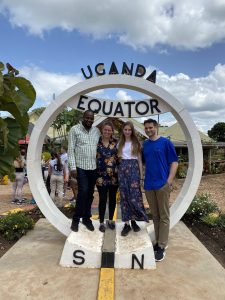

Attractions at the Uganda Equator
The Uganda Equator offers much more than a simple photo opportunity. Visitors can participate in engaging water-flow demonstrations, pose beside the iconic Equator monument, browse colorful craft markets, and enjoy traditional Ugandan hospitality.
Photography remains the most popular activity because visitors can capture memorable images while standing between two hemispheres. Professional photographers often assist tourists in taking creative pictures that become treasured souvenirs.
Craft shops surrounding the monument display handmade baskets, jewelry, paintings, sculptures, fabrics, wood carvings, and cultural artifacts created by talented Ugandan artisans. Purchasing these products supports local communities while giving travelers authentic souvenirs to remember their visit.
Many visitors also enjoy relaxing in nearby restaurants that serve both local Ugandan cuisine and international dishes. Fresh coffee, tropical fruits, and delicious snacks provide welcome refreshments before continuing longer road journeys.
Best Time to Visit the Uganda Equator
The Uganda Equator welcomes visitors throughout the year because Uganda experiences a relatively stable tropical climate. However, the dry seasons from June to August and December to February generally offer clearer skies and more comfortable conditions for photography and sightseeing.
Morning visits usually provide softer lighting and fewer crowds, while afternoon visits often coincide with travelers returning from national parks. Regardless of the season, visitors should carry sunscreen, drinking water, comfortable walking shoes, sunglasses, and a camera to make the most of their experience.
Wildlife Safaris That Include the Uganda Equator
Many safari itineraries naturally include a stop at the Uganda Equator because it lies along the main route connecting Kampala with western Uganda. Travelers visiting Bwindi for gorilla trekking, Queen Elizabeth National Park for game drives, Kibale National Park for chimpanzee trekking, Lake Mburo National Park, or Mgahinga Gorilla National Park often enjoy a memorable Equator visit before continuing their adventure.
PrideMark Safaris carefully designs itineraries that allow guests enough time to explore the Equator, interact with local artisans, enjoy refreshments, and participate in educational demonstrations without feeling rushed. This thoughtful planning transforms a simple roadside stop into an enriching travel experience that enhances the overall Uganda safari.
Travel Tips for Visiting the Uganda Equator
Planning ahead helps visitors enjoy the Uganda Equator comfortably. Wear lightweight clothing because temperatures remain warm throughout the year. Carry a reusable water bottle, sunscreen, and a camera with extra batteries or sufficient phone storage for photographs. Visitors interested in local crafts should also carry some Ugandan Shillings or confirm whether vendors accept electronic payments.
Respect local vendors by asking permission before photographing people, and support community businesses whenever possible. Taking time to interact with artisans also creates meaningful cultural exchanges that enrich the travel experience.
Why Choose PrideMark Safaris
Exploring Uganda becomes far more rewarding with experienced local guides who understand the country’s landscapes, wildlife, and cultural heritage. PrideMark Safaris specializes in customized Uganda safaris that combine iconic destinations like the Uganda Equator with unforgettable gorilla trekking adventures, wildlife safaris, birdwatching tours, cultural experiences, and luxury or budget travel options.
The company’s knowledgeable guides ensure every stop becomes an educational and enjoyable experience while maintaining comfortable travel arrangements throughout the journey. Whether travelers seek family holidays, honeymoon safaris, photography expeditions, or adventure tours, PrideMark Safaris creates itineraries that showcase Uganda’s extraordinary diversity.
The Uganda Equator represents much more than a geographical line. It symbolizes Uganda’s unique position on Earth while offering travelers an engaging blend of science, culture, history, shopping, and photography. Every visitor leaves with memorable photographs, fascinating stories, and a deeper appreciation of our planet’s geography. Whether you are embarking on a gorilla trekking expedition, exploring Uganda’s spectacular national parks, or simply discovering the country’s cultural treasures, the Uganda Equator deserves a place on your itinerary. With PrideMark Safaris, your visit becomes part of a carefully planned journey that reveals the very best of the Pearl of Africa