Whether you plan to visit Bwindi or Mgahinga, PrideMark Safaris can help organize the trek, accommodation, and meal arrangements. Visitors can also explore gorilla trekking safari options and related packing advice on our website.
1. Why Energy Snacks Matter During Gorilla Trekking
The nature of a gorilla trekking day
A gorilla trekking day begins with a briefing, after which visitors follow guides and trackers into forest terrain. Walking duration varies, and some routes include steep slopes, slippery sections, and frequent changes in pace. Snacks can help travelers manage hunger and maintain comfort when the morning extends beyond their usual meal schedule. A snack is not a substitute for breakfast, sufficient drinking water, or following the ranger’s directions.
Energy for uneven terrain
Hiking on uneven ground requires concentration and repeated effort. A compact food supply is useful when a break is permitted, especially for travelers who normally eat at regular intervals. Choose familiar foods that your stomach tolerates well rather than testing a new product on the morning of the trek. Your snack choices should support the experience without creating unnecessary weight in your backpack.
A variable schedule
The timing of the gorilla encounter cannot be predicted precisely. Trackers may locate a group relatively quickly or the walk may take longer, depending on the gorillas’ movements and the terrain. Planning for a variable schedule is more practical than packing only for a fixed number of walking minutes. Discuss the day’s likely arrangements with your guide, recognizing that conditions can change.
Why simple foods work
The best energy snacks for gorilla trekking are often ordinary foods: trail mix, dried fruit, crackers, and compact bars. They are easy to divide into portions and do not require cooking. The ideal combination offers convenient carbohydrate, some satisfying fat or protein, and a texture that is easy to eat during an authorized break. Avoid foods that crumble excessively or leave sticky residue on your hands.
The wildlife comes first
Eating is not appropriate whenever and wherever you feel hungry. Rangers determine when visitors may stop and where food may be consumed. Never offer food to gorillas or other wildlife, and do not leave crumbs or wrappers in the forest. Treat snacks as a personal comfort item that remains securely packed during the wildlife encounter.
A tailored preparation plan
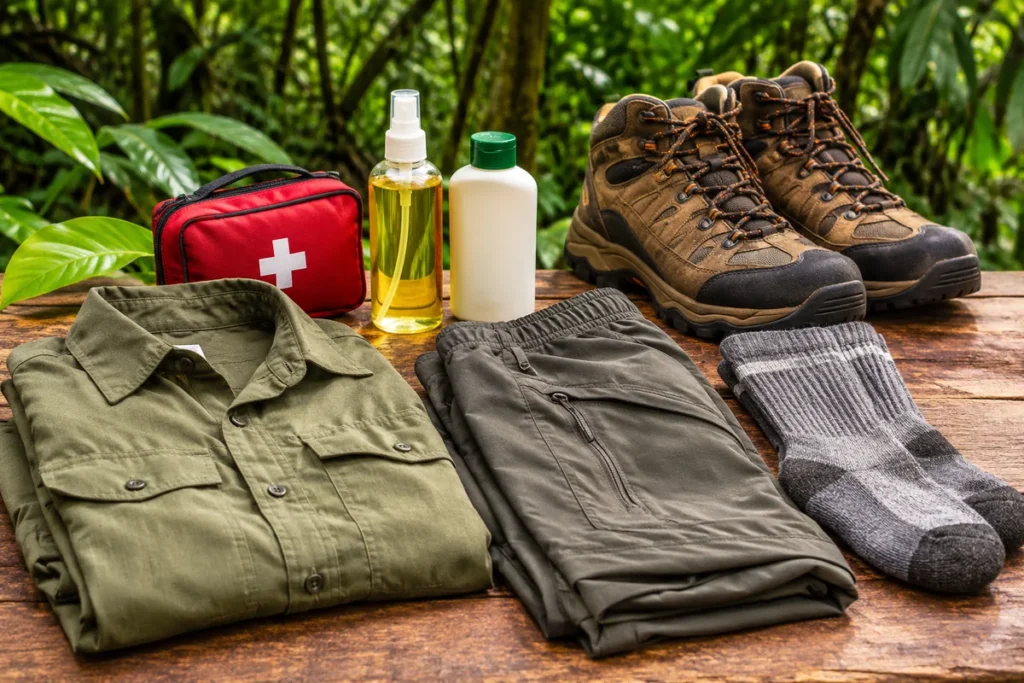
Travelers can discuss dietary needs, trek arrangements, and lunch provisions with PrideMark Safaris before departure. Good preparation also includes suitable footwear, rain protection, and an appropriate daypack. Food is only one part of a well-planned day in Bwindi Impenetrable National Park or Mgahinga Gorilla National Park.
For more planning ideas, explore our water bottles and hydration, or contact PrideMark Safaris for help tailoring your travel plans.
Planning for changing conditions
Trekking routes vary from day to day, so the food that feels sufficient on a short walk may be less convenient during a longer outing. Consider your normal meal times, the likelihood of rain, and how easily you can reach your snacks without opening every compartment of your pack. If a porter is assisting you, keep essential personal food and water arrangements clear before the group sets off. A simple plan reduces last-minute decisions when everyone is preparing for the briefing.
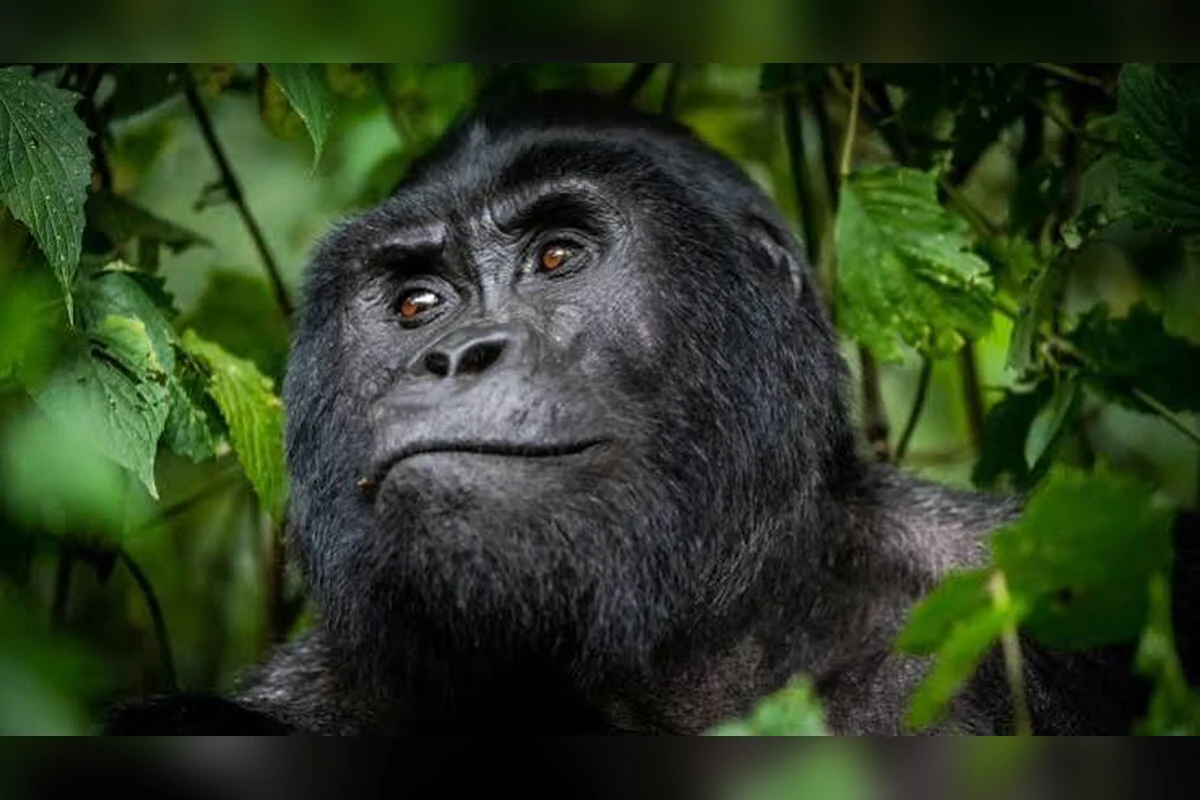
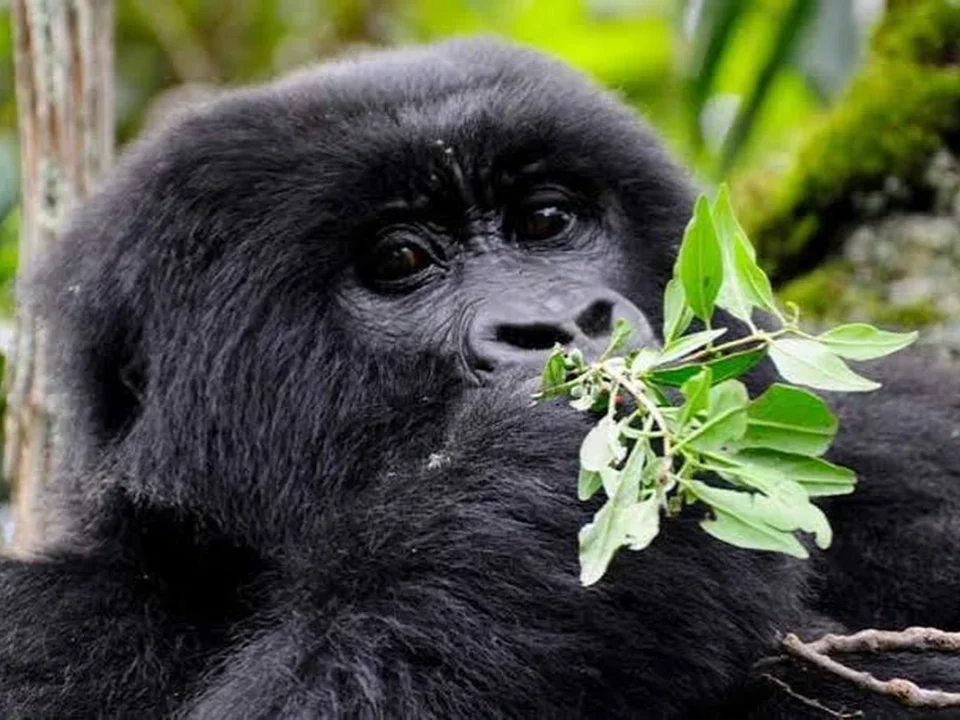
A mountain gorilla resting among lush rainforest vegetation, highlighting the wildlife experience awaiting gorilla trekkers.
2. Best Types of Snacks for Rainforest Hiking
Trail mix
Trail mix is popular because it combines shelf-stable ingredients in a compact package. Nuts, seeds, and dried fruit offer different textures and nutrients, and portions can be adjusted to personal preference. Choose a mix you already enjoy. If you have nut allergies, avoid products that contain nuts or have relevant cross-contact warnings, and use a suitable alternative.
Energy bars
Commercial energy or cereal bars can be convenient because they are individually wrapped and easy to count. Compare ingredients and portion sizes rather than relying on packaging claims such as ‘high energy’ or ‘performance.’ Some bars contain sugar alcohols, large amounts of fiber, or unfamiliar supplements that may cause digestive discomfort in sensitive travelers. Test them before the trip.
Dried fruit
Raisins, dates, apricots, and other dried fruits provide portable carbohydrate without the weight of fresh fruit. They can be sticky, so carry them in a sealed container and avoid handling shared equipment with messy fingers. Dried fruit may be unsuitable for people with particular dietary restrictions or sensitivities. A small portion is usually more convenient than a large open bag.
Crackers and pretzels
Plain crackers, pretzels, or similar dry snacks offer an alternative to sweet foods. They are familiar, easy to portion, and can be useful for travelers who prefer mild flavors. Protect fragile items from being crushed in your pack. Salty foods do not replace adequate hydration, and individual dietary needs vary.
Fresh fruit
A banana or another easy-to-carry fruit may be a pleasant addition when it can be transported safely and eaten at an approved stop. Fresh fruit bruises, produces peel waste, and may require more careful packing than a sealed bar. Never discard peels in the forest, even if they are biodegradable. Put all remains back into your daypack.
A practical combination
Instead of relying on one food, consider two small complementary choices, such as a familiar bar and a modest portion of trail mix. This gives flexibility if one option becomes unappealing during a strenuous walk. The best energy snacks for gorilla trekking are those that match your appetite, food safety needs, and the guidance of your trekking team.
| Snack | Advantages | Considerations |
|---|---|---|
| Trail mix | Compact and easy to portion | Check nut allergies; keep sealed |
| Energy or cereal bars | Convenient individual portions | Compare ingredients and sugar alcohols |
| Dried fruit | Portable carbohydrate | Can be sticky; protect from moisture |
| Crackers or pretzels | Mild flavors and familiar texture | May crumble; carry safe water |
| Fresh fruit | Familiar and easy to enjoy | Can bruise; carry peels out |
Making snacks easy to share responsibly
It can be helpful to pack individual portions for each traveler rather than one large bag passed around the group. Individual portions reduce handling, simplify allergy management, and make it easier to account for wrappers. However, do not offer food to guides, other visitors, or wildlife without considering their needs and the setting. A thoughtful approach to sharing begins with checking whether the person wants the food and whether the group has stopped at an approved location.
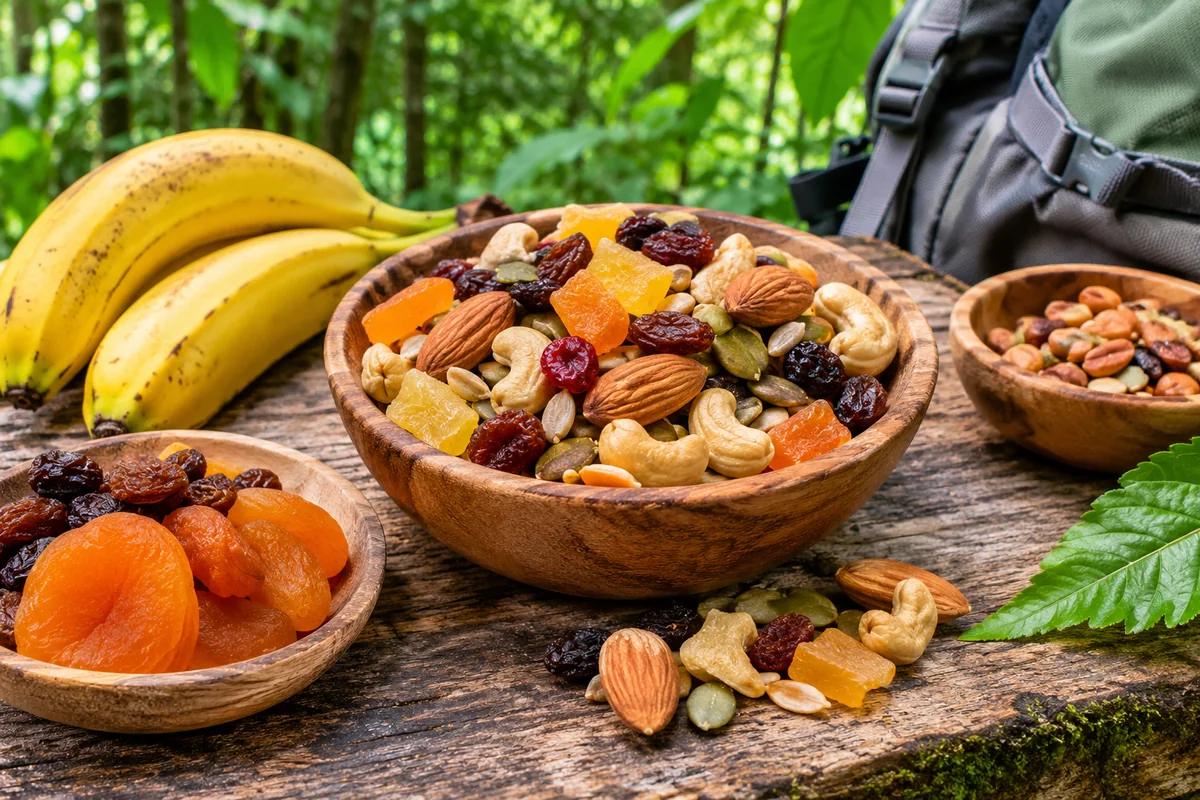
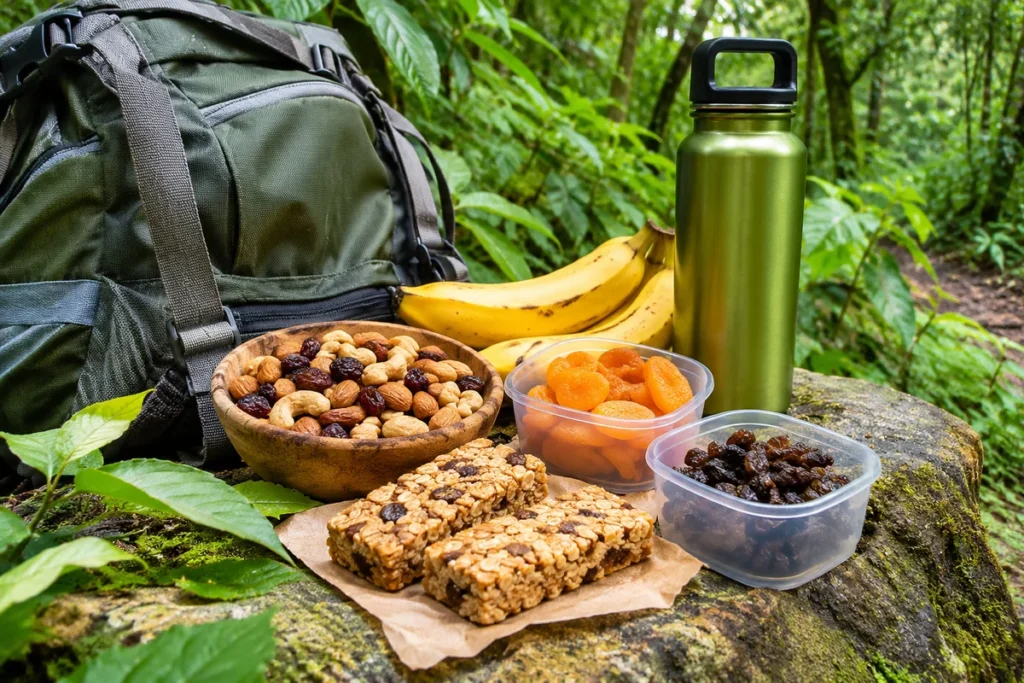
Trail mix combines portable nuts, seeds and dried fruit for a convenient hiking snack.
3. Energy Bars vs Nuts vs Dried Fruits
Comparing food roles
Energy bars, nuts, and dried fruits serve somewhat different purposes. Dried fruit is typically carbohydrate-rich, nuts provide fat and some protein, and bars vary widely depending on their ingredients. No category is automatically superior. Think about how easily you can eat it, how it sits in your stomach, and how much packaging it produces.
What to read on a label
For packaged foods, read the ingredient list, allergen statement, serving size, and nutrition panel. Products sold as protein bars may be relatively dense or contain ingredients that are unfamiliar to you. A bar marketed for endurance sports is not necessarily needed for a guided forest trek. Choose based on practical needs, not dramatic marketing.
Portion control
A resealable pouch can make it easier to take a small amount of nuts or dried fruit without opening several packets. Keep food protected from moisture, insects, and dirt. Do not place unwrapped food directly in a jacket pocket where it may collect soil or plant debris. Wash or sanitize hands before eating when feasible.
Texture and climate
Warm, damp conditions may make chocolate-coated bars soft or sticky. Some crunchy bars crumble in a backpack, while soft bars may be easier to chew during a short stop. Choose packaging that tolerates the expected conditions. A rigid small container may help protect delicate snacks but adds weight and bulk.
Food sensitivities
Travelers with diabetes, food allergies, swallowing difficulties, or other dietary needs should follow individualized medical or dietetic advice. Do not assume a snack labeled ‘natural’ is allergy-safe. Check labels in advance, especially when purchasing products in a country where ingredients or labeling conventions may differ.
The comparison takeaway
The best energy snacks for gorilla trekking balance portability, familiarity, tolerability, and minimal waste. A few modest servings usually make more sense than carrying a large assortment. Coordinate with any packed meal supplied by your lodge or operator so you do not duplicate food unnecessarily.
| Option | Typical role | Packing tip |
|---|---|---|
| Cereal or energy bar | Convenient mix of nutrients; varies by brand | Read label and test before travel |
| Nuts and seeds | Fat and some protein; satisfying | Carry small portions; check allergens |
| Dried fruit | Carbohydrate-rich, lightweight | Use resealable food-grade pouch |
| Crackers | Simple savory option | Use crush-resistant container |
Choosing foods you can recognize
Ingredient lists are especially important when you purchase unfamiliar products during travel. A colorful wrapper may not tell you whether a snack contains peanuts, sesame, milk, wheat, or another ingredient you avoid. If you cannot confidently understand a label, choose a familiar alternative or ask a qualified person to help interpret it. Keeping a small reserve of food from home can be useful, subject to airline and border rules for carrying food.
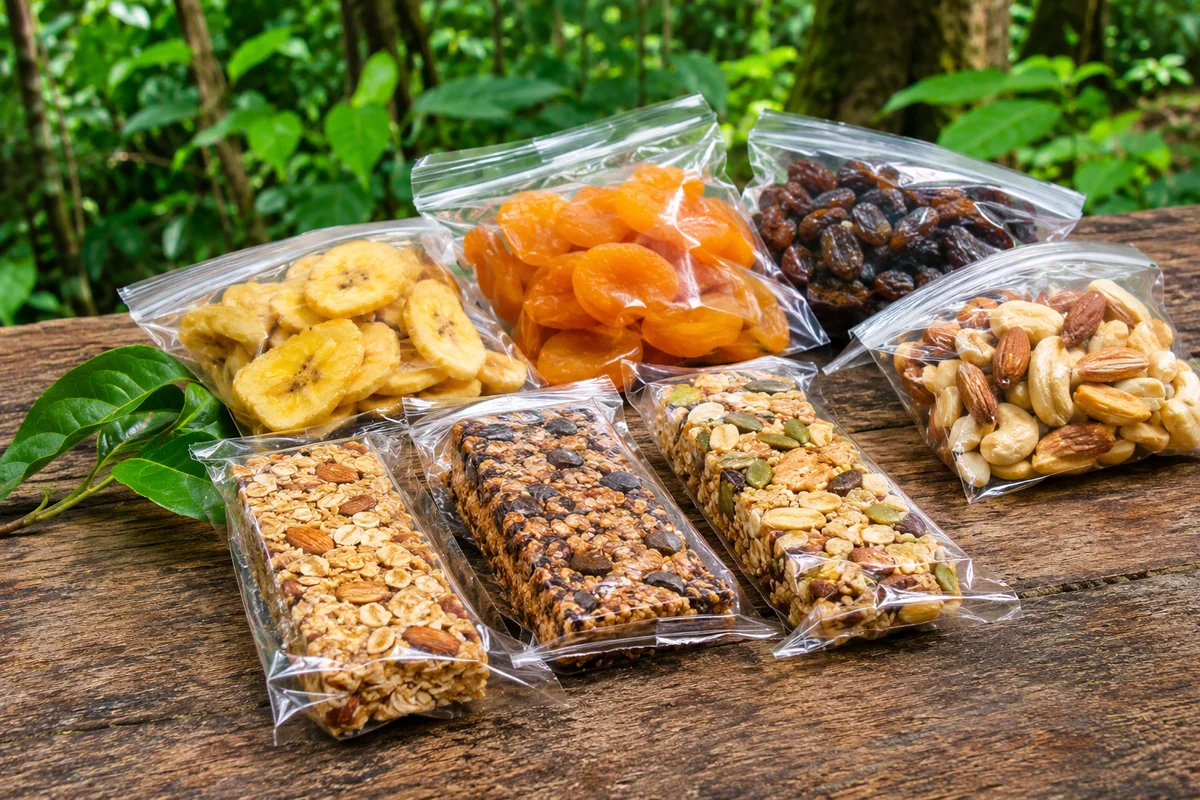
Energy bars and granola snacks are easy to pack for a forest hiking day.
4. Choosing Nutritious and Easy-to-Digest Trekking Snacks
Start with familiar ingredients
A demanding trek is not the ideal occasion to experiment with a new supplement, unusually spicy food, or a large serving of high-fiber snacks. Familiar foods are easier to plan around because you know how they affect your appetite and digestion. Consider what you normally eat during a long walk or active morning.
Carbohydrate for convenient fuel
Carbohydrate-containing foods such as dried fruit, crackers, and many cereal bars can provide accessible energy. The amount needed depends on the person, the duration and intensity of activity, and what was eaten beforehand. There is no single gram target suitable for every gorilla trekker. Ordinary food and reasonable portions are generally a practical starting point.
Protein and fat for satisfaction
Nuts, seeds, and some bars provide fat and protein that may make a snack more satisfying. These foods can be useful, but very rich portions may feel heavy for some people while walking uphill. Pairing a small serving with a lighter carbohydrate choice can provide variety. Do not force yourself to eat large quantities because a label calls something a ‘trekking snack.’
Sugar and caffeine considerations
Sweet snacks can be convenient, but very sugary products may not suit everyone. Caffeinated energy gels or drinks are not essential for gorilla trekking and may cause unpleasant effects in sensitive travelers. Read labels carefully. Travelers who use prescribed medication or manage blood sugar should plan with their clinician rather than following a generic internet recommendation.
Easy handling
Select snacks that can be opened without spilling and eaten without leaving sticky hands. A resealable bag can contain crumbs and wrappers until you return to the lodge. Avoid foods that require knives, refrigeration, or complicated preparation. Simple handling helps you stay attentive to the ranger and the group.
Making the choice
The best energy snacks for gorilla trekking need not be expensive specialty products. A sensible mix of familiar foods, carried cleanly and eaten at the appropriate time, can be a better choice than elaborate performance nutrition. PrideMark Safaris can help guests understand the day’s itinerary and whether a packed lunch is expected.
For more planning ideas, explore our gorilla trekking backpacks, or contact PrideMark Safaris for help tailoring your travel plans.
Keeping a balanced perspective
Trekking food does not need to satisfy a perfect nutrition formula. The aim is to bring something suitable for the activity, your normal eating habits, and your personal circumstances. Some visitors prefer sweet foods, while others enjoy savory snacks. Either can be reasonable if the food is safe, familiar, and practical to carry. Travelers with specific nutrition or medical needs should follow their own professional advice rather than generic recommendations from a travel article.
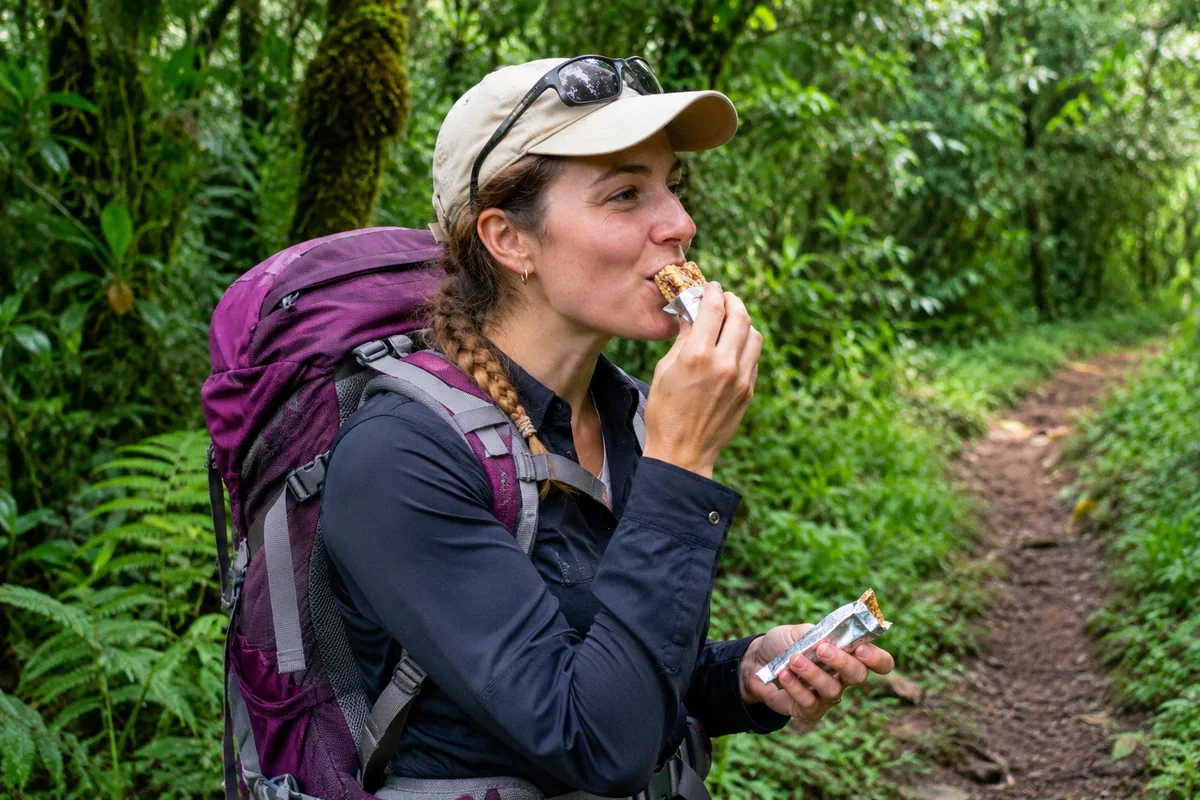
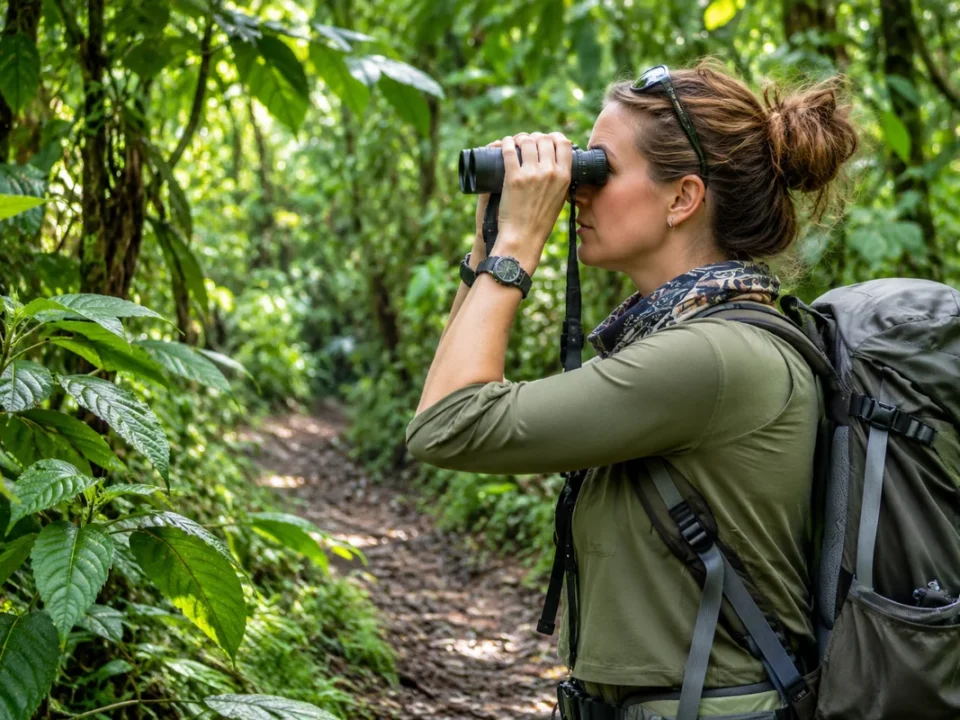
Familiar, easy-to-digest snacks can be useful during an approved hiking break.
5. How Much Food to Carry for Gorilla Trekking
There is no universal quantity
The right amount of food depends on breakfast, personal appetite, expected walking time, individual health needs, and whether a packed lunch is provided. The time needed to reach gorillas is unpredictable, so prepare for a longer outing without overloading your bag. Ask your lodge or operator what food is already included in the day’s arrangements.
A small snack plan
For many adults, one or two modest, familiar snack portions in addition to an arranged meal can be a useful starting point. This is a packing illustration, not a medical or nutritional prescription. A traveler with specific calorie needs may require a different plan. Consider your usual hiking habits rather than copying another visitor’s portions.
Breakfast before departure
A suitable breakfast can make the morning more comfortable. Eat foods you normally tolerate, allow time for digestion, and carry safe drinking water. If your departure is very early, ask your accommodation about breakfast timing or a packed option. Do not depend on snacks to replace all your morning food.
Packed lunch arrangements
Some trekking days involve a packed lunch from the lodge. Confirm the contents, food safety, and any allergies in advance. Perishable items require suitable handling, particularly in warm conditions. If a lunch is supplied, avoid carrying unnecessary duplicates. Keep lunch and snacks sealed until your guide identifies an appropriate break.
Packing weight
Every extra item adds weight during uphill and downhill walking. Food should be compact and secure, with enough packaging to keep it clean but not an excessive amount of disposable material. Place frequently needed items in an accessible compartment while keeping them out of reach of wildlife.
Personalized support
When planning with PrideMark Safaris, tell the team about vegetarian preferences, food allergies, or other relevant dietary requirements early. Confirm what can be arranged with the accommodation. For medically necessary food, carry an appropriate personal supply and seek individualized advice before travel.
Avoiding unnecessary extras
Large multi-packs can seem economical, but carrying every portion into the forest adds weight and creates more packaging to manage. Sort what you need at the lodge and leave extra supplies securely stored. If the accommodation is preparing a lunch, ask what it includes before adding more food. A smaller, well-organized selection often makes it easier to find the right snack during a brief stop without disrupting the group.
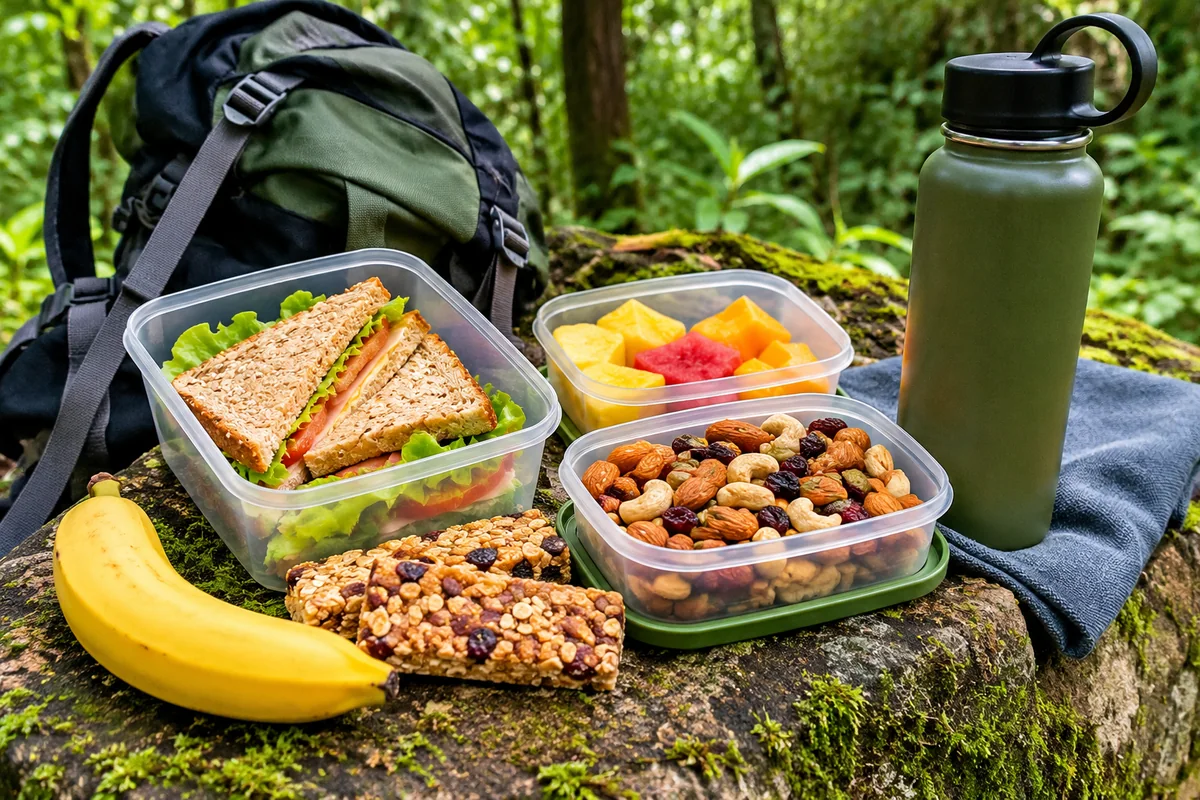
Confirm packed lunch arrangements and carry a few familiar snacks for your trekking day.
6. Food Safety and Responsible Eating in Bwindi and Mgahinga
Follow the ranger’s instructions
Gorilla trekking takes place in protected wildlife habitats. Visitors must follow the ranger’s guidance on movement, stopping, eating, and the gorilla encounter. Keep all food sealed and out of sight during wildlife viewing. Never feed, approach, or entice a gorilla or any other wild animal with food.
Protect gorillas from human contact
Mountain gorillas are vulnerable to human illnesses, which is one reason visitor behavior is carefully managed. Do not handle food while close to gorillas, and follow current distance and health rules provided by the Uganda Wildlife Authority. The ranger’s instructions take priority over generic advice in an article.
Leave no trace
Carry every wrapper, peel, and leftover back out of the forest. Organic scraps are still waste and can affect wildlife behavior or introduce materials into the ecosystem. A small reusable waste pouch is useful for crumbs and packaging. Check the ground after a permitted meal stop before moving on.
Keep food clean and dry
Rain and mud can make poorly packed food unpleasant or unsafe. Use a clean sealed container or food-grade bag, and keep it separate from wet clothing and dirty boots. Do not eat food that has been contaminated by muddy water or damaged packaging. Wash or sanitize your hands before eating where possible.
Check allergies and ingredients
If you have severe allergies, carry appropriate medication as prescribed and discuss your emergency plan with your healthcare professional. Inform your operator of relevant needs so meals can be discussed with lodges, but do not assume any kitchen or packaged snack can guarantee an allergen-free environment.
Official rules matter
Before traveling, consult current information from the Uganda Wildlife Authority and listen carefully to the pre-trek briefing. PrideMark Safaris can help explain the general experience and packing expectations. Responsible eating is part of protecting both the visitor and the extraordinary wildlife they have come to see.
For more planning ideas, explore our Bwindi gorilla trekking packages, or contact PrideMark Safaris for help tailoring your travel plans.
Protecting the forest ecosystem
Even tiny food scraps can change how animals respond to people and can attract insects to resting spots. This is why a strict carry-in, carry-out habit matters. Before leaving a break location, look for wrappers under your bag and pieces of food that may have fallen from an open pouch. Do not wash food containers or pour leftovers into streams. Keep the area as you found it and follow any additional conservation guidance from the ranger.
7. Energy Snacks and Hydration During Forest Hikes
Food and water work together
Snacks are useful only as part of a broader preparation plan that includes safe drinking water. Trekking can involve sustained effort, changing temperatures, and rain. Drink according to your needs and the guidance of qualified professionals if you have a relevant medical condition. Avoid both neglecting hydration and forcing excessive amounts of water.
Carry safe water
Use water supplied by a trusted accommodation or operator, or water that has been appropriately treated. Do not drink directly from forest streams or puddles. A reusable bottle or hydration reservoir can help reduce disposable waste, provided it is clean and suitable for the trek. Check that caps and drinking valves do not leak.
Choosing snacks alongside water
Dry crackers and nuts may be easier to enjoy with a drink available. Dried fruit and bars are compact but still need sensible hydration planning. You do not need a specialized sports drink for every forest walk. If you have specific electrolyte or medical requirements, follow individualized advice.
Weather and exertion
A cool morning can become a demanding uphill walk, while rain may increase the need to keep food dry. Pack water and snacks in accessible but secure compartments. Do not stop on slippery terrain just to reach a bottle. Ask your guide for an appropriate moment to pause.
Hygiene during breaks
Use clean hands when handling food and drinking bottle openings. Keep bottle spouts away from mud and vegetation. If your snack leaves sticky residue, clean your hands before touching shared equipment or your camera. A small waste pouch helps keep the daypack tidy.
Putting it together
The best energy snacks for gorilla trekking are easiest to use when paired with a sensible water plan. PrideMark Safaris includes bottled drinking water throughout its safaris, while guests can discuss their preferred reusable bottle and any additional personal hydration needs before departure.
Planning for a comfortable return
Hydration and food planning do not end at the gorilla encounter. Visitors may still have a walk back to the trailhead, and the return route can be tiring. Save a suitable portion of food and water for the remainder of the outing rather than using everything early. Ask your guide about the likely return arrangements, but recognize that the route and timing may change. At the lodge, rest, eat normally, and replenish fluids according to your needs.
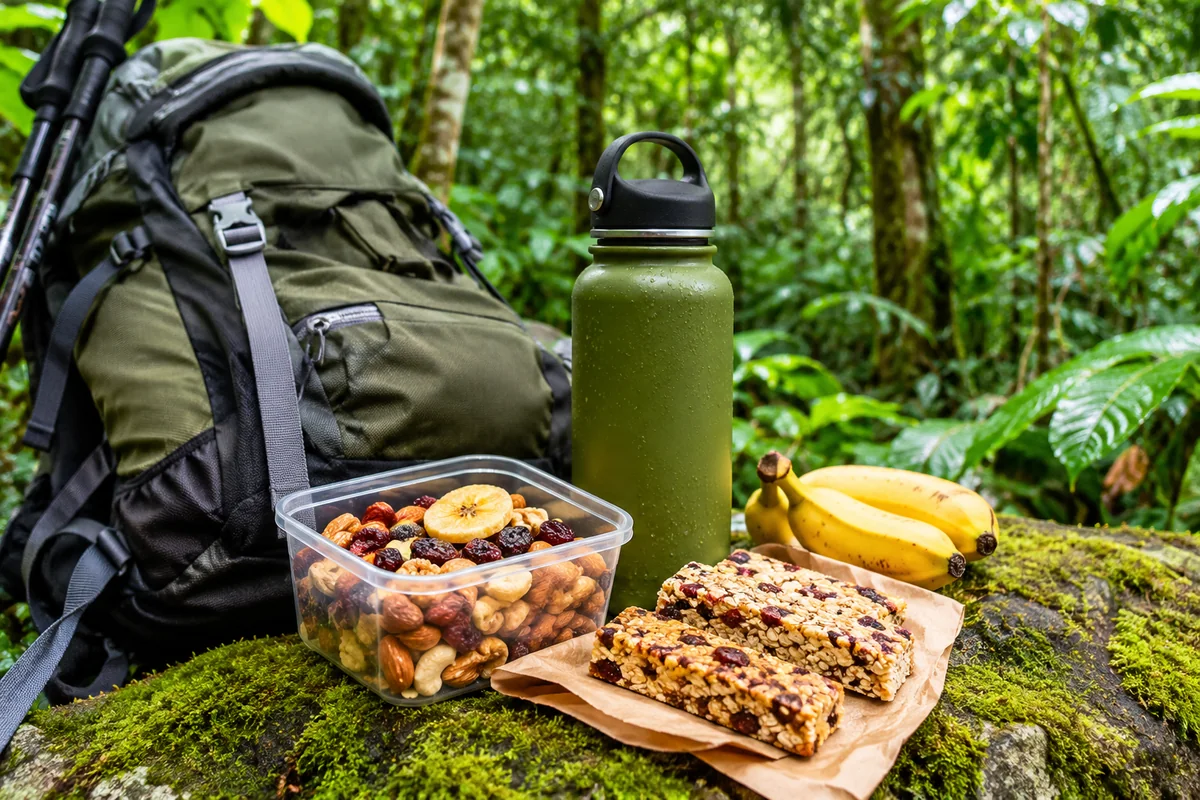
Pair lightweight trekking snacks with a suitable supply of safe drinking water.
8. Nine Essential Tips for Packing Trekking Snacks
Tip 1: Eat a familiar breakfast
Begin the day with a breakfast you normally tolerate and confirm the timing with your lodge. A good morning routine reduces the temptation to rely entirely on snacks. If your trek starts early, discuss breakfast or packed meal options ahead of time.
Tip 2: Choose compact foods
Select a few small items that fit neatly into a daypack. Trail mix, dried fruit, crackers, and bars are common choices. Avoid carrying a large quantity of heavy food that you are unlikely to eat.
Tip 3: Test snacks before traveling
Try packaged bars and other unfamiliar products during an ordinary walk at home. This helps you identify textures, flavors, or ingredients that do not agree with you. Trekking day is not the time for a new dietary experiment.
Tip 4: Check the labels
Read ingredient lists, allergy statements, expiry dates, and serving information. Do not assume that ‘organic’ or ‘healthy’ means suitable for your dietary needs. Ask a healthcare professional for advice if you have a relevant medical condition.
Tip 5: Keep food dry
Use sealed food-grade bags or a compact container to protect snacks from rain and mud. Keep them separate from wet jackets and dirty equipment. Make sure wrappers are easy to close again.
Tip 6: Avoid messy choices
Chocolate that melts, crumbly pastries, and sticky foods may be inconvenient. Choose foods you can handle neatly at a permitted stop. Carry a small bag for all waste.
Tip 7: Confirm packed lunch
Ask whether your lodge or safari package includes a packed lunch on trekking day. Coordinate snacks with that meal so you have sufficient food without unnecessary duplication.
Tip 8: Respect wildlife rules
Do not eat during the gorilla encounter or offer food to wildlife. Follow the ranger’s instructions about where breaks may take place. Carry every scrap and wrapper out of the forest.
Tip 9: Pair snacks with safe water
Bring an appropriate supply of safe drinking water and plan to drink during authorized breaks. The best energy snacks for gorilla trekking complement hydration, suitable clothing, and responsible hiking behavior.
For more planning ideas, explore our Uganda gorilla safari itineraries, or contact PrideMark Safaris for help tailoring your travel plans.
Preparing a small group
For couples, families, and friends traveling together, each person should have access to their own appropriate food and water. Do not assume one person’s snack choices or portions suit everyone. Check allergies and dietary restrictions before dividing items. Keeping food in individual sealed bags also makes it easier to carry out the exact amount of waste created. If a traveler needs medication or medically necessary snacks, those should remain accessible according to their care plan.
9. Gorilla Trekking Snack Packing Checklist
Before leaving home
Review your trekking itinerary, accommodation meal arrangements, and any dietary needs. Pack a small selection of familiar shelf-stable snacks. Check packaging for damage and confirm expiry dates. If you have food allergies, prepare a suitable backup and follow your medical emergency plan.
The evening before trekking
Ask the lodge about breakfast and packed lunch. Put snacks into a clean sealed pouch and place that pouch inside your daypack. Prepare a separate bag for wrappers and leftovers. Fill or arrange your drinking water using a trusted source.
On trekking morning
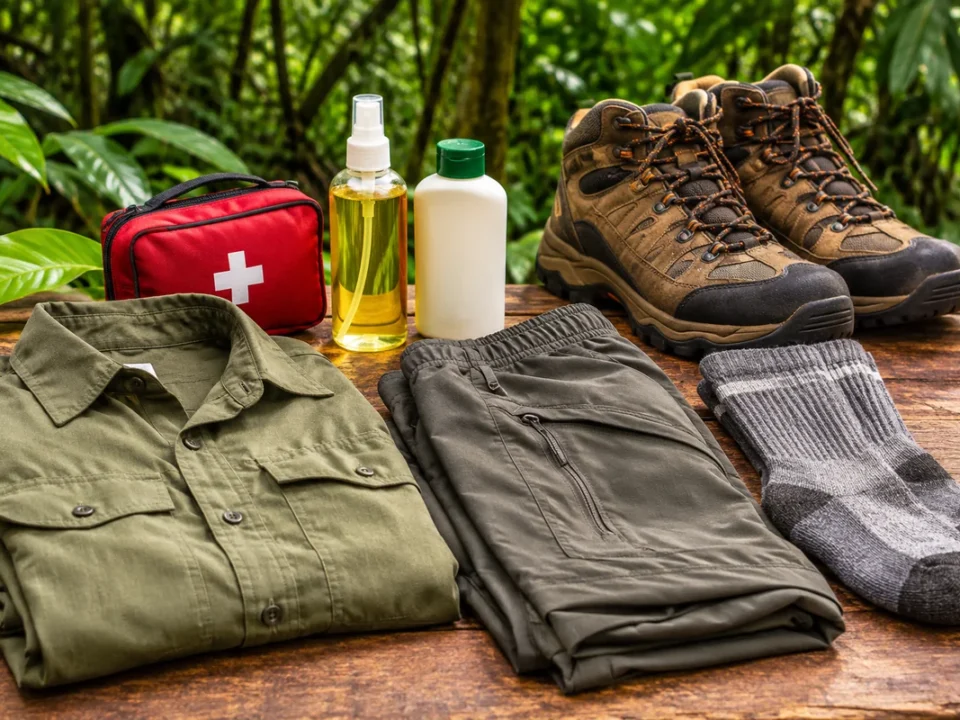
Eat breakfast as appropriate, dress for the weather, and confirm that your food is easy to access without unpacking everything. Keep snacks away from insect repellent, sunscreen, and other products that could leak. Make sure food is not loose in outer pockets.
During the hike
Stay with your group and follow the ranger’s guidance. Eat only during an appropriate break and never during the gorilla encounter. Take all packaging and leftovers with you. Do not leave even fruit peels or small crumbs behind.
After the trek
Dispose of waste responsibly at your lodge, clean reusable food containers, and check your daypack for forgotten perishables. Refill water from a safe source and discuss the day’s experience with your guide. Review what you actually used so you can pack more efficiently on later safari walks.
Final preparation advice
The best energy snacks for gorilla trekking are convenient, familiar, safely packed, and respectful of the forest. For a tailored safari plan, contact PrideMark Safaris to discuss gorilla trekking logistics, accommodation, meals, and additional wildlife experiences in Uganda.
| Item | Purpose | Reminder |
|---|---|---|
| Familiar snacks | Helps manage hunger | Avoid untested foods |
| Packed lunch if arranged | Food for a longer day | Confirm with lodge |
| Safe drinking water | Hydration | Never drink untreated stream water |
| Sealed food pouch | Keeps food clean | Protect from rain and mud |
| Waste bag | Leave no trace | Carry out all peels and wrappers |
A final check before the briefing
The morning briefing is a useful opportunity to listen for instructions about stopping, food, waste, and gorilla viewing. Confirm that your snacks are sealed, your water is secure, and your bag is comfortable to carry. Put waste storage somewhere easy to reach, and keep cameras or rainwear separate from open food. The best preparation is quiet and practical: you should be able to focus on the forest and your guide rather than searching through your backpack.
Budget-friendly snack planning
Specialized sports nutrition products are not required for every guided walk. Visitors can often prepare practical snacks from ordinary grocery items that they already enjoy. Compare cost per serving, packaging, and how easily each item will fit into a daypack. A simple selection of crackers, dried fruit, and a small bag of nuts may be convenient for someone without relevant allergies. Other visitors may prefer individually wrapped bars because they are easier to distribute. Choose what works for your needs rather than assuming a more expensive product will improve the trekking experience.
Keeping meals and snacks coordinated
A thoughtful itinerary connects the early breakfast, any packed lunch, personal snacks, and the meal awaiting guests after the trek. Check with your accommodation about the timing of meals and whether lunch can be packed in a way that keeps it clean during the walk. Tell your operator about dietary preferences early enough for the lodge to review what is feasible. Guests planning several days of forest and wildlife activities may benefit from discussing food arrangements across the entire safari, not only the gorilla trekking day.
What to do when plans change
Weather, terrain, and gorilla movements can affect the pace and length of a trek. If the outing lasts longer than expected, use your food and water thoughtfully, keep your guide informed of any concerns, and avoid wandering away from the group. If you begin to feel unwell, communicate promptly rather than trying to solve the problem with a snack alone. The ranger and trekking team can advise on immediate arrangements, while medical symptoms require appropriate professional attention. Preparation should make the day more comfortable without encouraging anyone to ignore their limits.
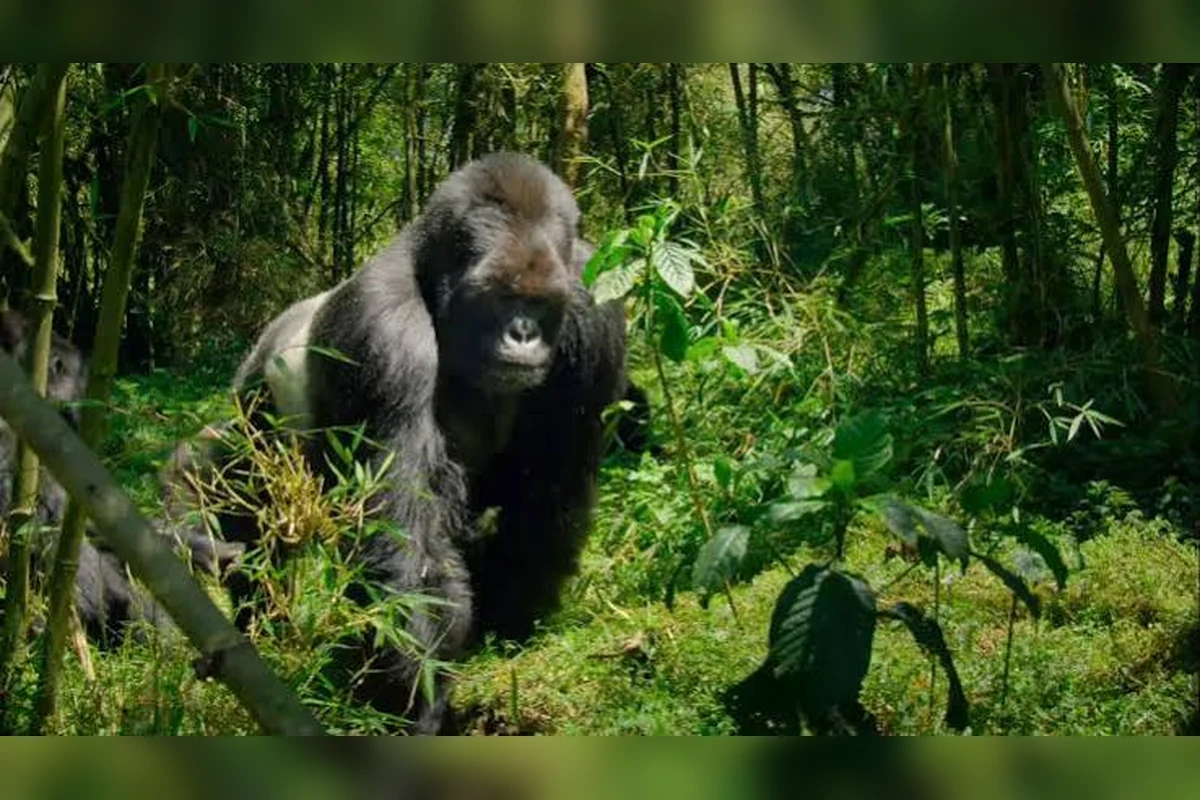
A magnificent silverback gorilla surrounded by dense forest vegetation, illustrating the wildlife experience of gorilla trekking.
12 Frequently Asked Questions About Gorilla Trekking Snacks
What are the best snacks to carry for gorilla trekking?
Familiar, shelf-stable choices such as trail mix, dried fruit, crackers, and simple bars are practical. Choose foods that meet your dietary needs and are easy to carry without creating litter.
Can I eat snacks while viewing gorillas?
Do not eat during the gorilla encounter. Follow the ranger’s directions about when and where food may be consumed.
How much food should I carry?
There is no single amount for everyone. Consider your breakfast, appetite, expected trek length, individual needs, and whether a packed lunch is provided.
Are energy bars necessary for gorilla trekking?
No. Ordinary familiar foods can work well. Commercial energy bars are convenient but not essential.
Are bananas good trekking snacks?
Bananas may be convenient when carried safely, but they bruise and produce peel waste. Carry every peel out of the forest.
Is trail mix a good choice?
Trail mix is compact and portable, but check for nuts and other allergens. Use a small sealed portion.
Should I bring chocolate?
You can, but chocolate may melt in warm conditions and create sticky packaging. Choose what you tolerate and can carry neatly.
Can I bring homemade snacks?
Yes, provided they can be stored safely, meet any applicable travel rules, and do not require refrigeration or messy preparation.
Do safari lodges provide packed lunch?
Arrangements vary by lodge and package. Confirm directly with your operator or accommodation before trekking day.
What if I have a food allergy?
Read labels carefully, tell your operator in advance, and follow an individualized emergency plan from your healthcare professional.
Do snacks replace drinking water?
No. Carry safe drinking water and plan for appropriate hydration during the hike.
Can I leave biodegradable food waste in the forest?
No. Take all peels, crumbs, wrappers, and leftovers out of the protected area.
Plan Your Gorilla Trekking Safari with PrideMark Safaris
The best energy snacks for gorilla trekking are familiar, portable foods that fit your individual needs and the rules of a protected wildlife area. Snacks are most helpful when combined with an appropriate breakfast, a confirmed lunch arrangement, safe drinking water, and a manageable daypack. Keep all food securely stored and take every wrapper and leftover out of the forest.
For current park rules and wildlife protection guidance, consult the Uganda Wildlife Authority. Visitors should always follow their ranger’s instructions. This article provides general preparation advice and is not individualized medical or dietary guidance.