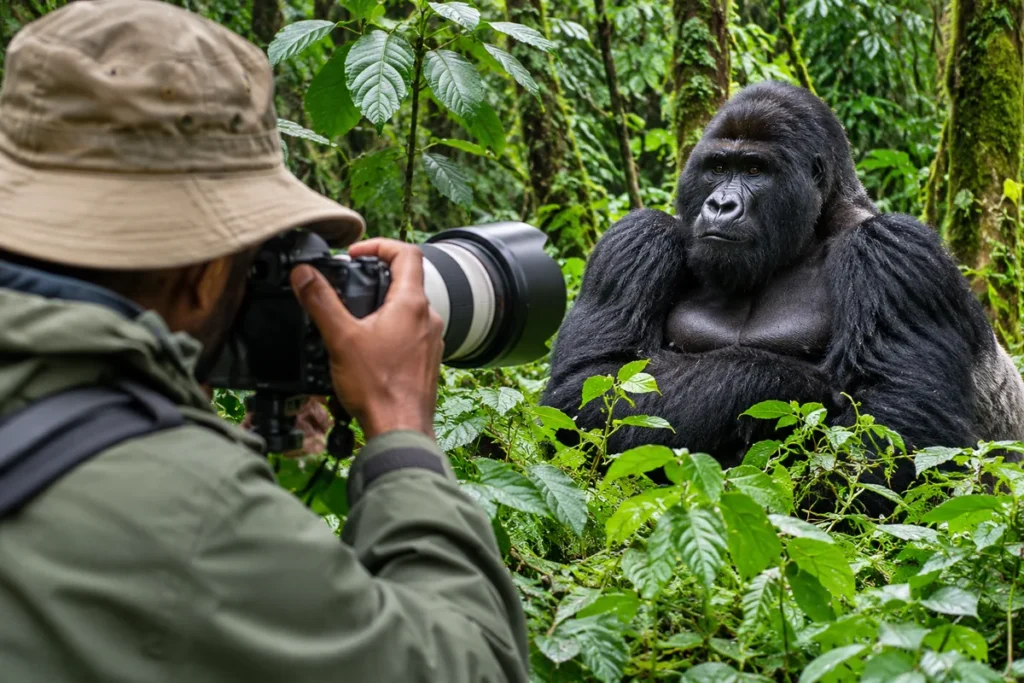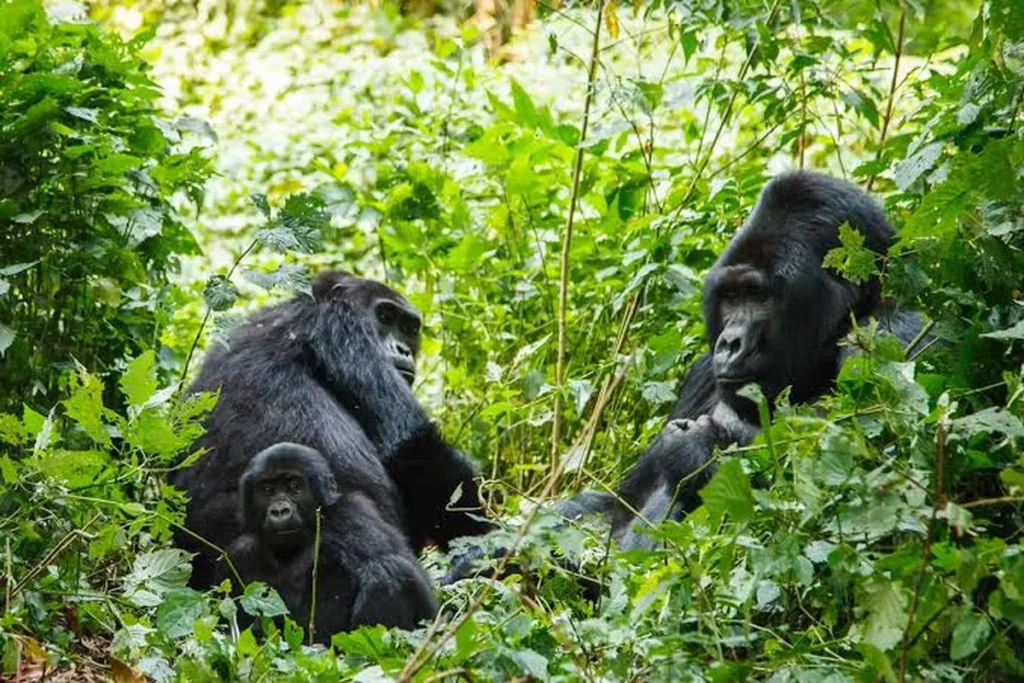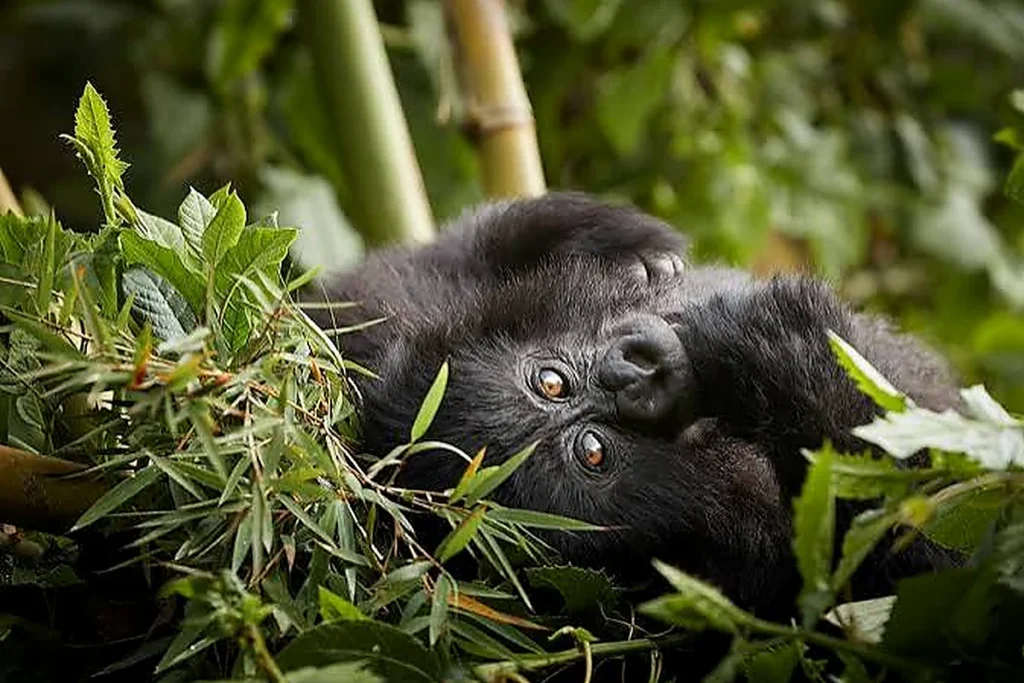
Whether you have coronary artery disease, a heart rhythm disorder, heart failure, a valve condition, or a history of cardiac treatment, the right answer depends on your individual health. Gorilla trekking with a heart condition may be feasible for some stable travelers after professional assessment, while others should postpone the trek or choose a less strenuous safari activity.
You can explore Uganda’s gorilla trekking options with PrideMark Safaris while keeping your clinician responsible for medical decisions. This guide explains terrain, altitude, preparation, medications, warning signs, and itinerary choices, including relevant safari packages. It also outlines practical questions to ask before booking and why an “easy trek” can never be guaranteed.
Can you go gorilla trekking with a heart condition?
For many travelers, gorilla trekking with a heart condition is a question of individual risk rather than a simple yes or no. A stable diagnosis does not automatically rule out travel, but a mountain forest hike is not equivalent to a gentle walk around a lodge. The safest decision begins with a clinician who understands your diagnosis, symptoms, treatment, and current exercise capacity.
Heart conditions vary widely. Someone with well-managed coronary artery disease may have different limitations from someone with uncontrolled arrhythmia, recent cardiac surgery, severe valve disease, or symptomatic heart failure. Avoid comparing your experience with another traveler’s. A reassuring story online cannot replace a medical assessment that considers your specific condition and the demands of remote hiking. For anyone considering gorilla trekking with a heart condition, the most important principle is to plan around actual capacity rather than an idealized picture of the adventure.
Before paying for a permit, explain that gorilla trekking with a heart condition can involve several hours of uphill and downhill walking, mud, roots, uneven footing, and limited immediate access to emergency care. Ask your treating clinician whether the proposed exertion and altitude are appropriate. If the answer is uncertain, delay booking until the relevant questions have been addressed.
It helps to distinguish permission to travel from suitability for trekking. A traveler may be fit for a flight, scenic drive, or relaxed lodge stay without being fit for a strenuous forest outing. Uganda offers rewarding wildlife experiences beyond gorilla trekking, so adjusting an itinerary can preserve the enjoyment of the journey without treating a difficult trek as an obligation.
When discussing a potential safari with PrideMark Safaris, describe your walking tolerance and practical requirements without sharing more private medical information than necessary. Ask about road transfers, rest days, lodge access, and the availability of porters. A tour operator can coordinate logistics, but cannot diagnose a condition, guarantee a particular gorilla group, or certify that a trek is medically safe. For anyone considering gorilla trekking with a heart condition, the most important principle is to plan around actual capacity rather than an idealized picture of the adventure.
The most useful goal is a realistic plan with a clear decision point. If your cardiologist advises against prolonged exertion, take that advice seriously even when the permit has been reserved. Gorilla trekking with a heart condition should never depend on pushing through chest discomfort or ignoring symptoms merely to reach a once-in-a-lifetime wildlife encounter.
An additional planning point is to distinguish the quality of a safari from the number of activities squeezed into each day. A well-paced journey can provide wildlife viewing, scenery, and time to recover. When comparing options with PrideMark Safaris, ask for the complete day-by-day schedule, not just the headline duration of the tour.
Related PrideMark Safaris itineraries to compare: 3-Day Gorilla Trekking in Uganda, 3-Day Uganda Gorilla Flying Luxury Safari. Ask PrideMark Safaris about practical adaptations, rest time, and current arrangements before booking. These packages are examples to review, not medical endorsements or promises of an easy trek.
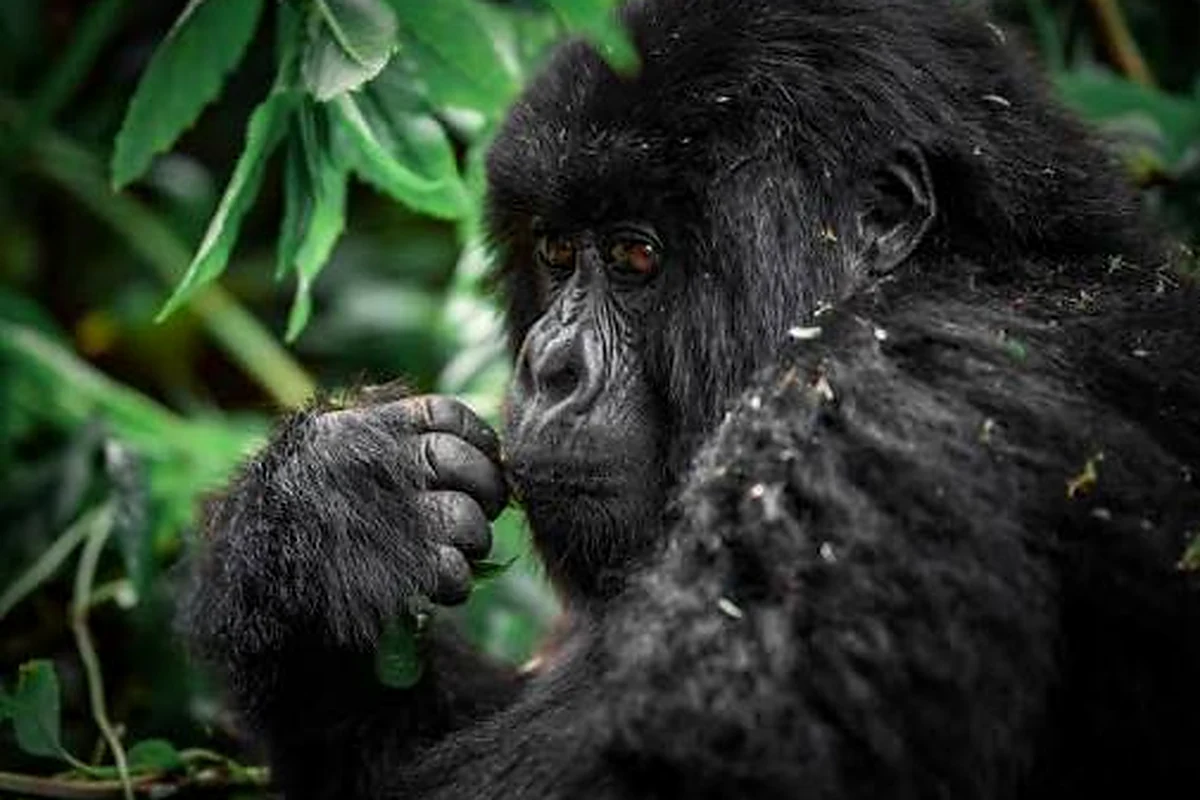
A mountain gorilla rests among lush forest vegetation with one hand raised toward its mouth.
Understand the physical demands of Uganda’s forest trails
Uganda’s gorilla tracking takes place in Bwindi Impenetrable National Park and Mgahinga Gorilla National Park. Trails may be steep, narrow, slippery, and irregular, with sections that require careful balance. The time spent searching for a gorilla family varies with its location. A short route cannot be promised in advance, and conditions can change after rain.
Gorilla trekking with a heart condition requires thinking beyond total distance. A short but steep ascent may feel harder than a longer walk on level ground. Descents can also demand concentration and muscular control, especially where wet soil or roots make footing uncertain. Consider whether you can manage repeated changes in pace without becoming breathless or exhausted.
Guided treks normally begin with a park briefing before participants enter the forest. Once the group moves away from the trailhead, returning quickly may be difficult. Even when a ranger adjusts the pace, the terrain remains natural rather than engineered for predictable exercise. Discuss this difference with your clinician rather than assuming that a guided activity must be physically gentle.
Porters can carry a daypack and assist with footing, which may reduce strain from extra weight. They cannot eliminate the cardiovascular effort of climbing, nor can they make every slope safe. If you use a walking stick, ask how it should be carried and whether it is appropriate for the route. Good boots with dependable traction remain important.
For gorilla trekking with a heart condition, an organized trip can make surrounding travel more manageable. The PrideMark Safaris three-day gorilla trekking itinerary concentrates on the gorilla experience, while a longer program may create room for rest and other activities. Neither itinerary changes the uncertainty of the trek itself, so assess the forest portion separately from the comfort of your transport and accommodation. For anyone considering gorilla trekking with a heart condition, the most important principle is to plan around actual capacity rather than an idealized picture of the adventure.
Weather matters because rain increases the chance of slippery paths, while sunshine and exertion can increase fatigue. Pack lightweight layers and waterproof protection rather than carrying unnecessary weight. Gorilla trekking with a heart condition calls for conservative pacing, not a race to keep up with the strongest walkers in the group.
Gorilla trekking with a heart condition calls for practical communication before the departure date. Confirm what assistance has actually been arranged, who to contact if plans change, and whether accommodation and transfers match your needs. Keep medical decisions with your healthcare team and logistics decisions with the safari operator.
Related PrideMark Safaris itineraries to compare: 3-Day Gorilla Trekking in Uganda, 5-Day Gorilla & Game Safari Adventure. Ask PrideMark Safaris about practical adaptations, rest time, and current arrangements before booking. These packages are examples to review, not medical endorsements or promises of an easy trek.
| Trail consideration | Why it matters | Planning response |
|---|---|---|
| Steep climbs | Heart rate and breathing may rise | Discuss exertion limits with your clinician |
| Wet roots and mud | Extra balance and physical effort | Use suitable boots and ask about porter support |
| Variable duration | No guaranteed short route | Allow a flexible day and an option to stop |
| Remote location | Medical help may be delayed | Review emergency and insurance arrangements |
How altitude and exertion may affect heart health
Bwindi and Mgahinga are highland destinations, and altitude can influence how the body responds to exercise. Oxygen availability decreases as elevation rises, while climbing and carrying weight increase the work demanded of the heart. People with established cardiovascular disease should discuss these combined stresses with their healthcare team before committing to a trek.
Altitude risk is not identical for every traveler. It depends on the location, rate of ascent, existing heart function, medication, and personal response. A person who feels comfortable at home may notice greater breathlessness on a hillside. The correct interpretation of that symptom depends on medical history; do not assume that new breathlessness is merely normal altitude adjustment. For anyone considering gorilla trekking with a heart condition, the most important principle is to plan around actual capacity rather than an idealized picture of the adventure.
The American Heart Association advises people with heart disease to plan mountain travel with their healthcare professionals. This includes considering reduced oxygen availability, the possibility of worsening angina, and condition-specific advice about fluid and salt intake. Gorilla trekking with a heart condition should therefore involve a plan tailored to your diagnosis, rather than generic hydration rules.
Exercise intensity can change unexpectedly when the path becomes steep or muddy. You might feel comfortable at a slow walking pace yet struggle during a sudden ascent. Before departure, ask your clinician what level of exertion is acceptable, whether any exercise assessment is needed, and what symptoms should prompt an immediate stop.
Arriving in Uganda a little earlier may reduce travel fatigue and allow time to settle into the local environment, but it is not a substitute for medical clearance or a guarantee against altitude-related problems. Build recovery time into the itinerary and avoid stacking a demanding forest trek immediately after exhausting travel whenever practical. For anyone considering gorilla trekking with a heart condition, the most important principle is to plan around actual capacity rather than an idealized picture of the adventure.
When requesting a customized itinerary from PrideMark Safaris, explain that you prefer fewer rushed transfers and realistic recovery periods. The fly-in gorilla safari may shorten some road travel, but flying to the region does not remove forest altitude or exertion. Compare the complete door-to-door journey rather than treating flight time as the only measure of comfort.
Consider the return journey as carefully as the approach to the gorillas. Fatigue can build after the most exciting part of the experience, and a slippery descent may be challenging even when the outward climb felt manageable. Plan sufficient time, avoid pressure to rush, and be prepared to turn back when symptoms or conditions warrant it.
Related PrideMark Safaris itineraries to compare: 3-Day Uganda Gorilla Flying Luxury Safari, Uganda safari ideas. Ask PrideMark Safaris about practical adaptations, rest time, and current arrangements before booking. These packages are examples to review, not medical endorsements or promises of an easy trek.
Prepare with your cardiologist before booking
A pretravel consultation is essential for gorilla trekking with a heart condition. Bring a description of the activity, including possible multi-hour hiking, steep gradients, variable altitude, and remote conditions. Ask whether your current symptoms, blood pressure, rhythm control, and exercise tolerance support that level of activity.
If you have experienced recent chest pain, fainting, worsening breathlessness, swelling, or a change in exercise capacity, disclose this before making plans. Your clinician may need to review treatment or investigate symptoms. Do not interpret the absence of discomfort during routine errands as proof that a mountain trek will be safe. For anyone considering gorilla trekking with a heart condition, the most important principle is to plan around actual capacity rather than an idealized picture of the adventure.
Ask about your medications, how to manage time-zone changes, and what to do if a dose is missed or vomiting prevents normal medication use. Carry a current medication list with generic names, doses, allergies, and emergency contacts. A concise medical summary can help healthcare professionals if you need assistance away from home.
People with pacemakers, implantable defibrillators, valve replacements, or anticoagulant therapy may need additional individualized advice. Device checks, bleeding precautions, or travel documentation depend on the person and the treatment. Do not change prescribed medication simply to make hiking feel easier or to avoid inconvenient bathroom stops.
Travel insurance deserves careful attention. Check whether your particular heart condition is covered, whether pre-existing conditions must be declared, and whether emergency medical evacuation is included. Ask the insurer what documentation is required and how remote-area incidents are handled. Coverage language matters more than a general promise of comprehensive protection. For anyone considering gorilla trekking with a heart condition, the most important principle is to plan around actual capacity rather than an idealized picture of the adventure.
Gorilla trekking with a heart condition should include a realistic cancellation and contingency discussion. Before paying, review the operator’s permit and itinerary terms, the insurer’s exclusions, and the financial consequences of changing plans. PrideMark Safaris can discuss travel logistics and options, but any medical go-ahead must come from your own qualified healthcare team.
Personal comfort should never be confused with medical safety. A comfortable lodge, private vehicle, or short flight can improve the surrounding journey, but none of these changes the physical nature of a forest trek. Gorilla trekking with a heart condition deserves a separate risk assessment for the hiking portion of the trip.
Related PrideMark Safaris itineraries to compare: 5-Day Gorilla & Game Safari Adventure, 3-Day Uganda Gorilla Flying Luxury Safari. Ask PrideMark Safaris about practical adaptations, rest time, and current arrangements before booking. These packages are examples to review, not medical endorsements or promises of an easy trek.
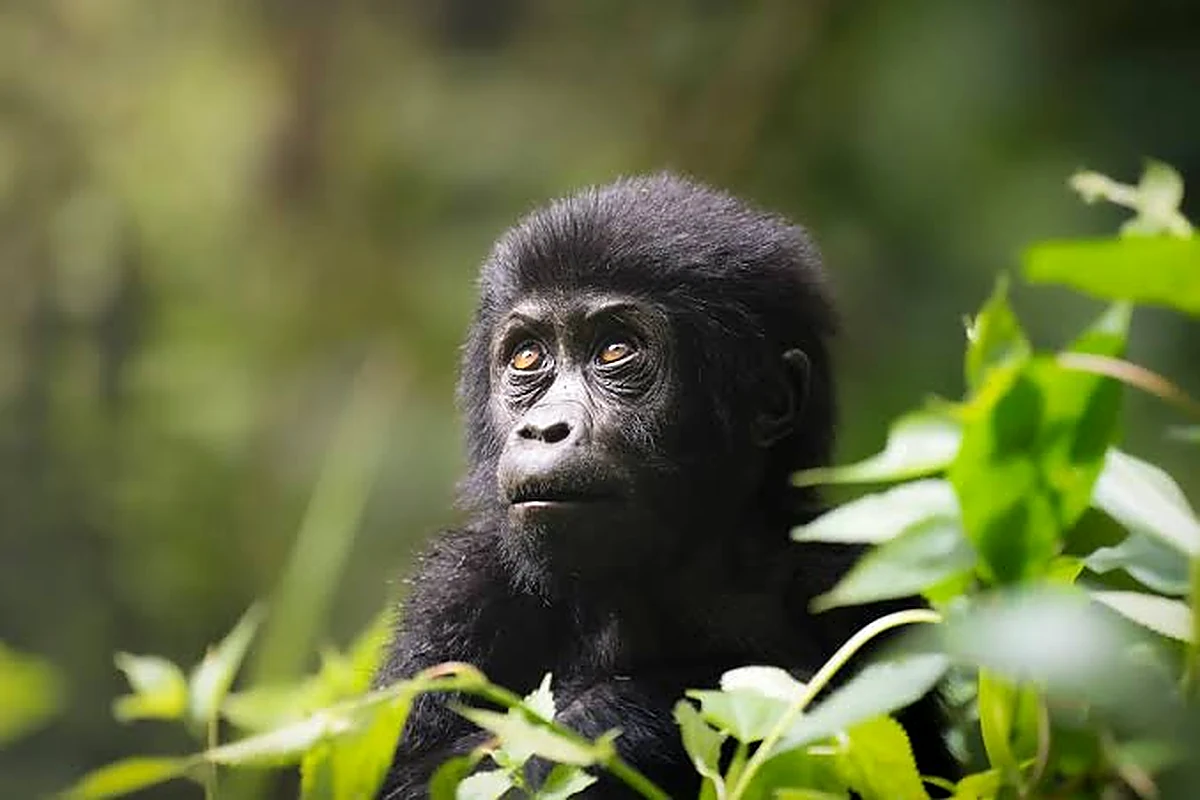
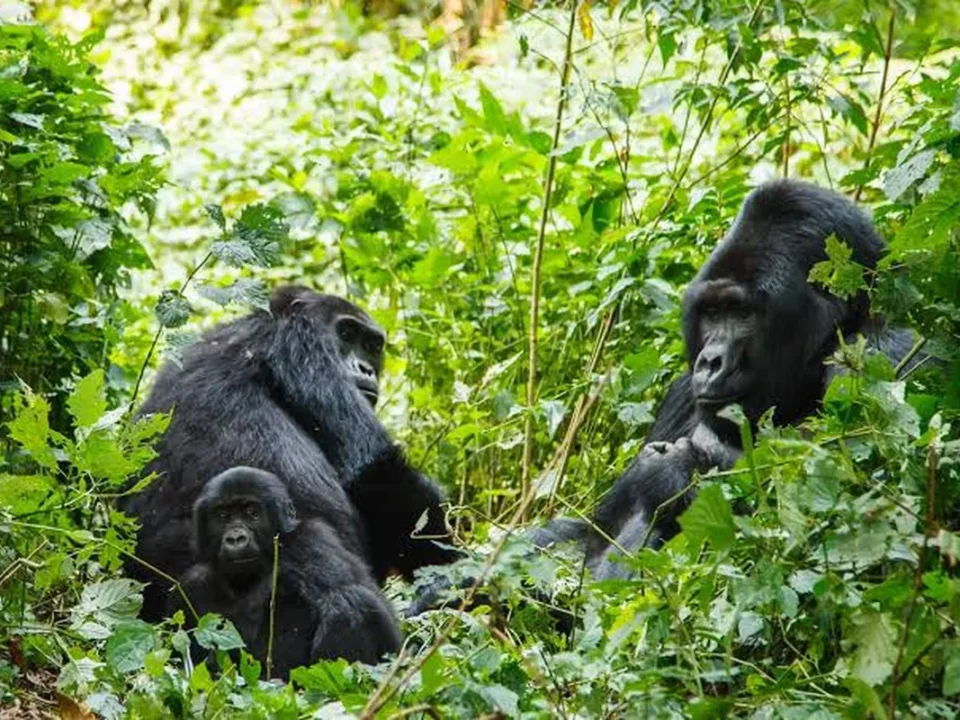
A young mountain gorilla gazes into the distance while surrounded by lush green forest vegetation.
Bwindi versus Mgahinga: choose for the right reasons
Bwindi is a large forest destination with multiple trekking sectors, including Buhoma, Ruhija, Rushaga, and Nkuringo. Mgahinga lies in the Virunga highlands and offers a different landscape. Both destinations can involve demanding walking. Neither should be advertised as universally easier for someone with cardiovascular limitations.
Gorilla trekking with a heart condition is best planned around your medical assessment, likely travel fatigue, accommodation access, and current park arrangements. A particular sector may seem convenient on a map, but the gorillas move and the actual route is assigned under park procedures. A request for a manageable route is not a guarantee.
Ask about the altitude and practical walking involved between the lodge, vehicle, briefing point, and forest trail. The comfort of a room matters, but so do stairs, steep lodge paths, and transfer times. A well-located lodge can make the surrounding itinerary less tiring even though it cannot control the difficulty of the wildlife encounter.
Bwindi suits many travelers seeking a focused gorilla experience, while Mgahinga can appeal to visitors interested in combining gorillas with golden monkeys. However, golden monkey tracking is another physical activity, not an automatic rest-day alternative. Assess each activity separately before adding it to the itinerary.
PrideMark Safaris offers a dedicated Mgahinga gorilla and golden monkey itinerary alongside Bwindi-focused trips. Compare these packages by the actual activities included, the amount of road travel, and the time available for recovery. Do not choose a package based on an assumption that one national park guarantees less climbing. For anyone considering gorilla trekking with a heart condition, the most important principle is to plan around actual capacity rather than an idealized picture of the adventure.
The Uganda Wildlife Authority provides the authoritative overview of gorilla tracking locations and park procedures. Before travel, confirm current rules, permit arrangements, and any assistance requests with the operator and park authorities. Gorilla trekking with a heart condition is more manageable when decisions are based on current information rather than old anecdotes.
An additional planning point is to distinguish the quality of a safari from the number of activities squeezed into each day. A well-paced journey can provide wildlife viewing, scenery, and time to recover. When comparing options with PrideMark Safaris, ask for the complete day-by-day schedule, not just the headline duration of the tour.
Related PrideMark Safaris itineraries to compare: 4-Day Mgahinga Gorilla and Golden Monkey Safari, 3-Day Gorilla Trekking in Uganda. Ask PrideMark Safaris about practical adaptations, rest time, and current arrangements before booking. These packages are examples to review, not medical endorsements or promises of an easy trek.
| Safari option | Potential advantage | Important limitation |
|---|---|---|
| 3-Day Gorilla Trekking | Focused itinerary | Trekking effort remains unpredictable |
| 3-Day Flying Luxury Safari | Reduces some road travel | Flight does not reduce forest exertion |
| 5-Day Gorilla & Game Safari | Mix of trekking and game drives | Long drives and early starts may remain |
| 4-Day Mgahinga & Golden Monkey | Different park and primate activities | Additional tracking also involves walking |
Porters, walking sticks and practical support
Porters are an important practical option because they can carry supplies and offer help over difficult ground. Removing a heavy backpack may reduce unnecessary strain, but it does not remove the effort of walking at altitude. Travelers with cardiac limitations should see porter support as one layer of planning, not as medical protection.
For gorilla trekking with a heart condition, a walking stick may improve stability on slippery or uneven sections, particularly during descents. Practice using one before your trip if you are unfamiliar with it. Shoes should be broken in, provide traction, and fit securely. Uncomfortable equipment can lead to hurried adjustments and unnecessary fatigue on a demanding path. For anyone considering gorilla trekking with a heart condition, the most important principle is to plan around actual capacity rather than an idealized picture of the adventure.
Gorilla trekking with a heart condition also benefits from communicating your preferred pace early. Explain to the guide that you may need regular pauses and that you will report concerning symptoms immediately. Rangers direct the trek and make safety decisions, but they cannot predict every hazard or substitute for a clinician’s advice.
Pack only essentials in an accessible day bag: prescribed medicines, water consistent with your medical instructions, weather protection, snacks where permitted, identification, and emergency information. Follow park rules about food and drinking near gorillas. Keeping supplies organized avoids repeated searching or carrying unnecessary equipment.
If a mobility-support arrangement is available locally, ask exactly what it involves, its cost, suitability, and limitations before booking. Do not assume that a carried-chair option is always available, medically appropriate, or capable of handling every route. Any arrangement must be confirmed with the responsible providers and relevant park personnel. For anyone considering gorilla trekking with a heart condition, the most important principle is to plan around actual capacity rather than an idealized picture of the adventure.
PrideMark Safaris can help travelers ask practical questions about porter arrangements, vehicle transfers, and accommodation layout. Their three-day flying safari is worth comparing if long road journeys are a concern. Still, gorilla trekking with a heart condition requires a separate decision about whether the actual forest activity is safe for you.
Gorilla trekking with a heart condition calls for practical communication before the departure date. Confirm what assistance has actually been arranged, who to contact if plans change, and whether accommodation and transfers match your needs. Keep medical decisions with your healthcare team and logistics decisions with the safari operator.
Related PrideMark Safaris itineraries to compare: 3-Day Uganda Gorilla Flying Luxury Safari, 4-Day Mgahinga Gorilla and Golden Monkey Safari. Ask PrideMark Safaris about practical adaptations, rest time, and current arrangements before booking. These packages are examples to review, not medical endorsements or promises of an easy trek.
Medication, hydration and rest on safari
Carry sufficient prescribed medication for the full trip, plus a reasonable reserve for delays. Keep essential medicine in hand luggage in original labeled containers where possible. Bring copies of prescriptions and a medication list. The American Heart Association recommends discussing travel plans and medication needs with your healthcare team before departure.
Gorilla trekking with a heart condition requires individualized fluid advice. Some travelers are told to stay well hydrated, while people with certain forms of heart failure may have fluid or sodium restrictions. Follow the plan provided by your clinician instead of automatically drinking large amounts because the trek is strenuous.
Heat, rain, long drives, and irregular meal times can complicate routines. Set reminders for medication schedules and check how time-zone differences affect dosing. If a medication causes dizziness, frequent urination, or sensitivity to heat, discuss practical management before travel rather than skipping or reducing doses on your own.
Allow time for breakfast and a calm park briefing. Carry appropriate food for the journey while respecting wildlife rules about eating around gorillas. If you have diabetes or another condition alongside heart disease, ask your care team for an integrated plan covering exercise, meals, medication, and emergency supplies.
Rest days can be valuable after long travel or an intense activity. The five-day gorilla and game safari combines forest trekking with vehicle-based wildlife viewing, but it still includes transfers and scheduled activities. Review the daily program carefully and request a pace that leaves room for recovery rather than assuming a longer itinerary is automatically less demanding. For anyone considering gorilla trekking with a heart condition, the most important principle is to plan around actual capacity rather than an idealized picture of the adventure.
Listen to changes in how you feel. Unusual fatigue, dizziness, or breathlessness deserves attention, especially if it is new or out of proportion to the effort. Gorilla trekking with a heart condition should be approached conservatively, with the willingness to stop even when other visitors are comfortable continuing.
Consider the return journey as carefully as the approach to the gorillas. Fatigue can build after the most exciting part of the experience, and a slippery descent may be challenging even when the outward climb felt manageable. Plan sufficient time, avoid pressure to rush, and be prepared to turn back when symptoms or conditions warrant it.
Related PrideMark Safaris itineraries to compare: 5-Day Gorilla & Game Safari Adventure, Uganda safari ideas. Ask PrideMark Safaris about practical adaptations, rest time, and current arrangements before booking. These packages are examples to review, not medical endorsements or promises of an easy trek.
| Before departure | What to confirm | Who can advise |
|---|---|---|
| Medical fitness | Symptoms, exercise tolerance, altitude | Treating cardiologist or clinician |
| Medication | Doses, reserves, time-zone plan | Prescribing clinician or pharmacist |
| Insurance | Pre-existing condition and evacuation coverage | Insurer in writing |
| Safari logistics | Lodge access, transfers, porter availability | PrideMark Safaris |
| Park rules | Permits, briefing and trekking procedures | Uganda Wildlife Authority |
Warning signs: when to stop or seek urgent care
Chest pain, pressure, or tightness; severe or unexpected shortness of breath; fainting; marked dizziness; or a rapid or irregular heartbeat accompanied by weakness can indicate a serious problem. Stop exertion and alert the guide immediately. Do not attempt to finish the trek before mentioning symptoms, and do not continue walking to prove your fitness.
Symptoms can be less obvious than dramatic chest pain. Some people experience discomfort in the arm, back, neck, or jaw, or unusual sweating and nausea. Your clinician can explain which symptoms are particularly important given your history. When serious cardiac symptoms are suspected, emergency medical evaluation is more important than reaching the gorillas. For anyone considering gorilla trekking with a heart condition, the most important principle is to plan around actual capacity rather than an idealized picture of the adventure.
If you have been prescribed an emergency medicine such as nitroglycerin, carry it and follow your clinician’s written instructions. Do not borrow another traveler’s medicine or improvise a dose. Guides should be told how to access your emergency contact details and where essential medication is stored, without expecting them to provide specialist cardiac treatment.
Gorilla trekking with a heart condition is not appropriate when your treating clinician has advised against strenuous activity or when symptoms are unstable or worsening. A recent cardiac event, poorly controlled symptoms, or a new unexplained limitation may require postponement. No safari company can override a medical recommendation against trekking.
Before departure, ask about the nearest appropriate medical facilities, evacuation procedures, and communications coverage. Remote forest conditions may delay access to advanced care. Confirm your insurance emergency-assistance number and how your travel companion can reach it. A plan is useful precisely because rapid hospital access cannot be assumed. For anyone considering gorilla trekking with a heart condition, the most important principle is to plan around actual capacity rather than an idealized picture of the adventure.
PrideMark Safaris can help coordinate the travel side of an emergency plan, including contacts and transport arrangements within available services. However, there is no promise of immediate rescue, an ambulance at the trailhead, or on-site cardiac care. The safest safari is one where stopping early remains an acceptable and respected choice.
Personal comfort should never be confused with medical safety. A comfortable lodge, private vehicle, or short flight can improve the surrounding journey, but none of these changes the physical nature of a forest trek. Gorilla trekking with a heart condition deserves a separate risk assessment for the hiking portion of the trip.
Related PrideMark Safaris itineraries to compare: 3-Day Gorilla Trekking in Uganda, 5-Day Gorilla & Game Safari Adventure. Ask PrideMark Safaris about practical adaptations, rest time, and current arrangements before booking. These packages are examples to review, not medical endorsements or promises of an easy trek.
An intimate close-up showing a mountain gorilla’s face and a hand positioned near its forehead.
Choose a suitable Uganda safari with PrideMark Safaris
Choosing a safari starts with deciding whether gorilla trekking with a heart condition is medically appropriate. Once your clinician has advised you, compare itineraries for travel intensity, accommodation access, rest opportunities, and the ability to adjust nonessential activities. The ideal program is not necessarily the shortest or most luxurious one.
The three-day Uganda gorilla trekking package provides a focused trip for visitors whose main goal is seeing mountain gorillas. Its simplicity may appeal to travelers who want fewer activities, but the itinerary still centers on a physically demanding forest trek. Ask for a realistic breakdown of driving, briefing, hiking, and recovery time. For anyone considering gorilla trekking with a heart condition, the most important principle is to plan around actual capacity rather than an idealized picture of the adventure.
The three-day Uganda gorilla flying luxury safari uses a domestic flight to shorten some road travel. This can be attractive if sitting for many hours in a vehicle is uncomfortable. Flights also introduce scheduling and baggage considerations, and the trek remains physically demanding. Discuss flight suitability separately with your healthcare professional when relevant.
The five-day gorilla and game safari adds wildlife viewing beyond the forest, including game-drive experiences. It may suit travelers who want variety rather than multiple hiking activities. However, road transfers and early starts still matter, so review the schedule instead of assuming every day after gorilla trekking will be restful.
The four-day Mgahinga gorilla and golden monkey safari offers a different park setting and another primate activity. Golden monkey tracking should be evaluated as an additional hike, not a substitute for rest. If your clinician recommends limiting exertion, ask whether the itinerary can be modified before making a booking. For anyone considering gorilla trekking with a heart condition, the most important principle is to plan around actual capacity rather than an idealized picture of the adventure.
PrideMark Safaris also lists broader Uganda safari ideas that can be tailored around scenic drives, wildlife viewing, and recovery time. Ask for the lodge location, travel times, porter arrangements, and any known physical demands. Explain what you can comfortably do, rather than simply asking for an “easy” gorilla trek that no operator can guarantee.
For personalized planning, contact PrideMark Safaris with your preferred dates, travel party, budget, and mobility needs. Share relevant practical limitations and confirm all special requests in writing. Gorilla trekking with a heart condition can be a carefully considered possibility for some people, but a safe outcome depends on individualized medical advice and honest expectations.
An additional planning point is to distinguish the quality of a safari from the number of activities squeezed into each day. A well-paced journey can provide wildlife viewing, scenery, and time to recover. When comparing options with PrideMark Safaris, ask for the complete day-by-day schedule, not just the headline duration of the tour.
Related PrideMark Safaris itineraries to compare: 3-Day Gorilla Trekking in Uganda, 3-Day Uganda Gorilla Flying Luxury Safari, 5-Day Gorilla & Game Safari Adventure, 4-Day Mgahinga Gorilla and Golden Monkey Safari. Ask PrideMark Safaris about practical adaptations, rest time, and current arrangements before booking. These packages are examples to review, not medical endorsements or promises of an easy trek.
Frequently Asked Questions About Gorilla Trekking With a Heart Condition
Is gorilla trekking possible after a heart attack?
Possibly for some people after recovery, but the timing and suitability depend on the event, treatment, symptoms, rehabilitation, and clinician assessment. A recent heart attack is not a situation in which to rely on general travel advice. Explain the expected exertion and remote setting to your cardiologist before considering a permit.
For travelers exploring gorilla trekking with a heart condition, the next practical step is to confirm the advice with your own healthcare team and discuss itinerary details with PrideMark Safaris. Review the three-day gorilla safari only after deciding whether the activity itself is suitable.
Can I trek if I have a pacemaker?
A pacemaker does not by itself determine whether a person can manage strenuous hiking. The underlying heart condition, device function, exercise tolerance, and any additional medical problems matter. Ask the team responsible for your device whether mountain travel and sustained uphill exertion are appropriate, and carry your device information. For anyone considering gorilla trekking with a heart condition, the most important principle is to plan around actual capacity rather than an idealized picture of the adventure.
For travelers exploring gorilla trekking with a heart condition, the next practical step is to confirm the advice with your own healthcare team and discuss itinerary details with PrideMark Safaris. Review the flying luxury safari only after deciding whether the activity itself is suitable.
Is Bwindi easier than Mgahinga for heart patients?
Neither park is reliably easier. Bwindi has several sectors, while Mgahinga occupies volcanic highlands, but the gorillas move and trekking conditions change. Discuss the route uncertainty with your clinician and operator. Choose based on the whole travel plan rather than a promise of an effortless encounter.
For travelers exploring gorilla trekking with a heart condition, the next practical step is to confirm the advice with your own healthcare team and discuss itinerary details with PrideMark Safaris. Review the gorilla and game safari only after deciding whether the activity itself is suitable.
How long does a gorilla trek take?
Uganda Wildlife Authority describes treks that may take several hours, depending on where the gorillas are found and conditions on the day. The search and return walk can be physically demanding. Plan for uncertainty instead of assuming the shortest reported duration will apply to your visit.
For travelers exploring gorilla trekking with a heart condition, the next practical step is to confirm the advice with your own healthcare team and discuss itinerary details with PrideMark Safaris. Review the Mgahinga gorilla safari only after deciding whether the activity itself is suitable.
Will a porter make trekking safe with heart disease?
A porter can carry equipment and offer assistance with footing, which may make the experience more manageable. This does not remove steep terrain, altitude, or cardiovascular exertion. Gorilla trekking with a heart condition still requires individualized medical advice, and a porter cannot replace emergency medical care.
For travelers exploring gorilla trekking with a heart condition, the next practical step is to confirm the advice with your own healthcare team and discuss itinerary details with PrideMark Safaris. Review the three-day gorilla safari only after deciding whether the activity itself is suitable.
Can I take heart medication into Uganda?
Travelers generally need to plan for their prescribed medicines and any relevant documentation, but rules can vary by drug and destination. Keep medicines labeled, bring prescriptions, and check current entry requirements. Never change a dose without professional advice simply to make the itinerary more convenient.
For travelers exploring gorilla trekking with a heart condition, the next practical step is to confirm the advice with your own healthcare team and discuss itinerary details with PrideMark Safaris. Review the flying luxury safari only after deciding whether the activity itself is suitable.
What if I become breathless on the trail?
Stop and tell your guide immediately, especially if the breathlessness is unexpected, severe, or accompanied by chest discomfort, dizziness, or weakness. Do not assume the cause is only altitude or poor fitness. Follow your personal emergency plan and seek urgent assessment when serious symptoms are suspected.
For travelers exploring gorilla trekking with a heart condition, the next practical step is to confirm the advice with your own healthcare team and discuss itinerary details with PrideMark Safaris. Review the gorilla and game safari only after deciding whether the activity itself is suitable.
Should I choose a fly-in gorilla safari?
A fly-in itinerary can reduce some long road transfers, which may improve travel comfort. It does not shorten or flatten the forest trek and may not suit every medical situation. Review the full itinerary and ask your clinician about flight and altitude considerations before choosing that option.
For travelers exploring gorilla trekking with a heart condition, the next practical step is to confirm the advice with your own healthcare team and discuss itinerary details with PrideMark Safaris. Review the Mgahinga gorilla safari only after deciding whether the activity itself is suitable.
Do I need travel insurance for gorilla trekking?
Comprehensive travel insurance is strongly advisable, particularly where pre-existing heart conditions are involved. Confirm written coverage for the declared condition, trekking, emergency treatment, and medical evacuation. Check exclusions, deductibles, and required documentation before making nonrefundable payments.
For travelers exploring gorilla trekking with a heart condition, the next practical step is to confirm the advice with your own healthcare team and discuss itinerary details with PrideMark Safaris. Review the three-day gorilla safari only after deciding whether the activity itself is suitable.
Can I request an easier gorilla family to track?
You can explain your physical limitations and ask what arrangements may be possible, but gorilla movements and park procedures prevent guarantees. An assigned route may still be steep or muddy. Gorilla trekking with a heart condition should never rely on receiving a particular easy route.
For travelers exploring gorilla trekking with a heart condition, the next practical step is to confirm the advice with your own healthcare team and discuss itinerary details with PrideMark Safaris. Review the flying luxury safari only after deciding whether the activity itself is suitable.
Are game drives a good alternative to trekking?
Vehicle-based wildlife viewing can offer an enjoyable safari experience with less walking, although transfers, heat, and long days still need consideration. The five-day gorilla and game itinerary includes both activities; ask whether an alternative wildlife-focused plan better matches your medical advice.
For travelers exploring gorilla trekking with a heart condition, the next practical step is to confirm the advice with your own healthcare team and discuss itinerary details with PrideMark Safaris. Review the gorilla and game safari only after deciding whether the activity itself is suitable.
How can PrideMark Safaris help plan my trip?
PrideMark Safaris can discuss safari packages, transport choices, accommodation access, porter questions, and possible itinerary adjustments. The company cannot provide medical clearance or guarantee emergency services in remote forest terrain. Share your practical needs and confirm arrangements before booking.
For travelers exploring gorilla trekking with a heart condition, the next practical step is to confirm the advice with your own healthcare team and discuss itinerary details with PrideMark Safaris. Review the Mgahinga gorilla safari only after deciding whether the activity itself is suitable.
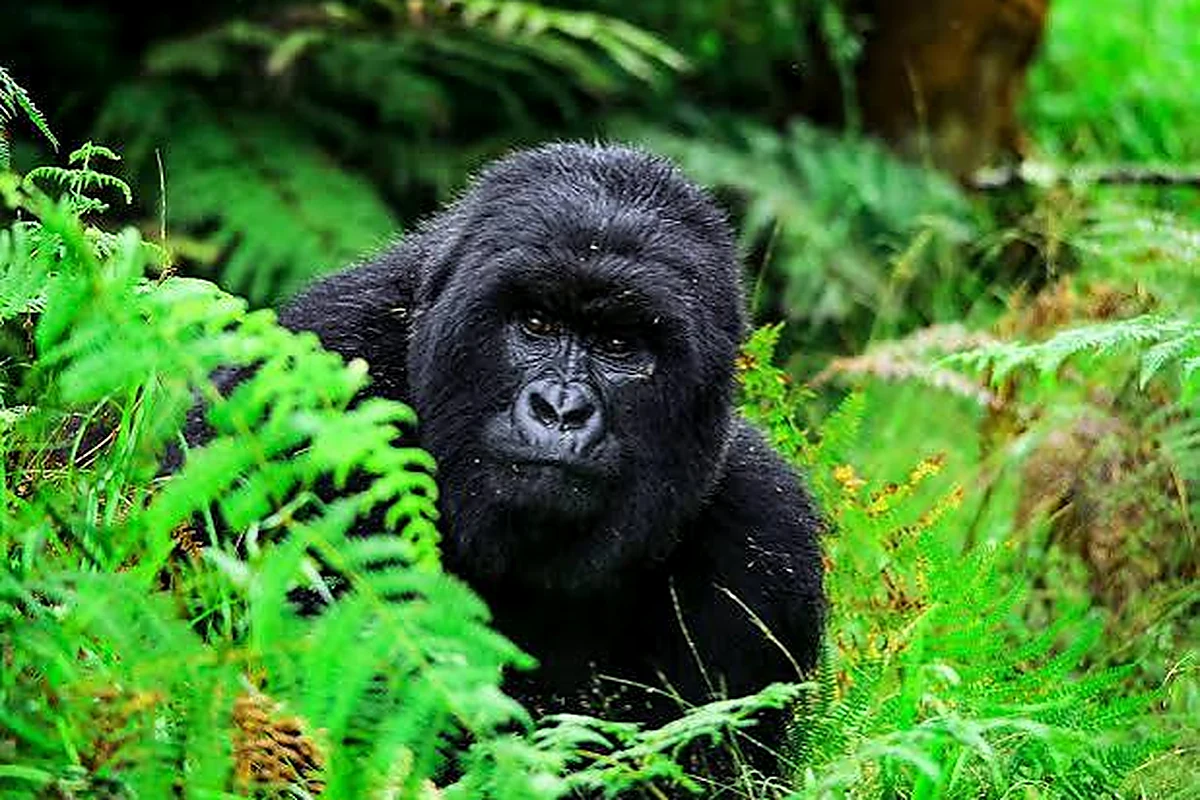
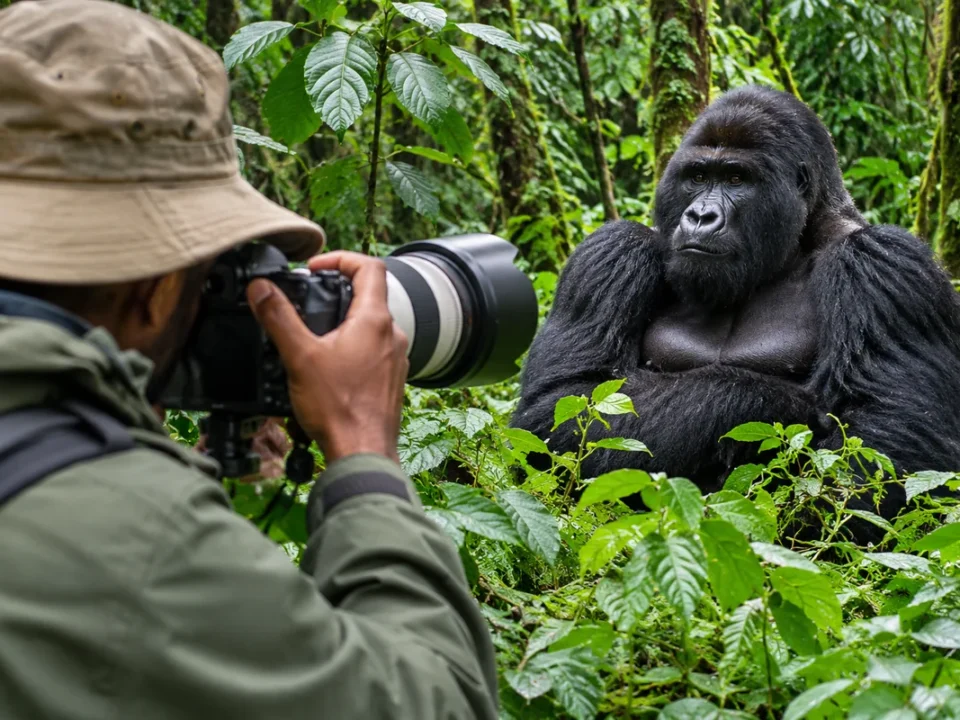
A mountain gorilla looks toward the camera while sitting among lush green ferns in its forest habitat.
Final Thoughts
Gorilla trekking with a heart condition requires a thoughtful balance between adventure and personal health. Start with a qualified medical assessment, prepare for uncertain terrain and altitude, and treat any concerning symptoms seriously. A safari should be memorable for the wildlife and landscape, not because you felt compelled to exceed safe limits.
To explore suitable travel arrangements, contact PrideMark Safaris and compare the three-day gorilla trekking safari, fly-in luxury gorilla safari, five-day gorilla and game safari, and Mgahinga gorilla and golden monkey safari. The team can discuss logistics while your clinician guides the medical decision.
Medical disclaimer: This article provides general travel information, not personal medical advice, diagnosis, or clearance for strenuous activity. Consult your treating healthcare professional and seek urgent medical assistance for serious symptoms.