Can You Go Gorilla Trekking With Epilepsy in Uganda?
For travelers considering gorilla trekking with epilepsy, A diagnosis of epilepsy does not automatically exclude a visitor from a guided gorilla trek. The decision depends on seizure frequency, recent changes in symptoms, individual triggers, functional ability, and the advice of the treating neurologist. Uganda’s gorilla forests are remote environments where rapid medical evacuation cannot be assumed. The most useful planning detail is the individual’s own experience rather than a broad label. Record what has happened during previous long walks, periods of disrupted sleep, or stressful travel, and share relevant patterns with the clinician who oversees treatment. For tailored travel logistics, contact PrideMark Safaris about the 3-day Uganda gorilla trekking safari.
When evaluating gorilla trekking with epilepsy, Discuss whether seizures have been stable, whether awareness is affected during episodes, and how much help might be required on a narrow hillside path. A person who has recently experienced uncontrolled seizures or changed medication needs an especially careful review before committing to a strenuous excursion. Ask how the proposed schedule works from hotel departure to return, including driving, briefing, hiking, the gorilla encounter, and the walk back. Understanding the full day is more informative than focusing only on the time spent near the animals. Related practical context appears in our guide to gorilla trekking with a pacemaker.
An important part of gorilla trekking with epilepsy is recognizing that Travel planning should be individualized rather than based on a blanket yes-or-no rule. Some visitors may be able to undertake the trek after clinical assessment and careful arrangements; others may be better served by a different safari activity until their condition is more stable. Discuss essential information discreetly with the lead guide and a trusted companion before the activity begins. A concise written summary can identify emergency contacts, expected symptoms, medicines, and the actions the person has agreed should be taken. Ask PrideMark Safaris how a 5-day gorilla and game safari could be adapted around sensible rest and transfer times.
For travelers considering gorilla trekking with epilepsy, A diagnosis of epilepsy does not automatically exclude a visitor from a guided gorilla trek. The decision depends on seizure frequency, recent changes in symptoms, individual triggers, functional ability, and the advice of the treating neurologist. Uganda’s gorilla forests are remote environments where rapid medical evacuation cannot be assumed. Rain can turn forest paths slippery even during generally drier travel periods. Roots, loose earth, and vegetation may require careful steps or hand support. A guide can help explain the terrain, but cannot make a wild forest uniformly accessible. For tailored travel logistics, contact PrideMark Safaris about the 3-day Uganda gorilla trekking safari.
When evaluating gorilla trekking with epilepsy, Discuss whether seizures have been stable, whether awareness is affected during episodes, and how much help might be required on a narrow hillside path. A person who has recently experienced uncontrolled seizures or changed medication needs an especially careful review before committing to a strenuous excursion. Hiring a porter can reduce the burden of carrying a daypack and may provide practical help with difficult footing. Confirm the arrangement ahead of time and discuss limitations frankly. Support changes the logistics; it does not eliminate underlying medical risk. Related practical context appears in our guide to gorilla trekking with osteoporosis.
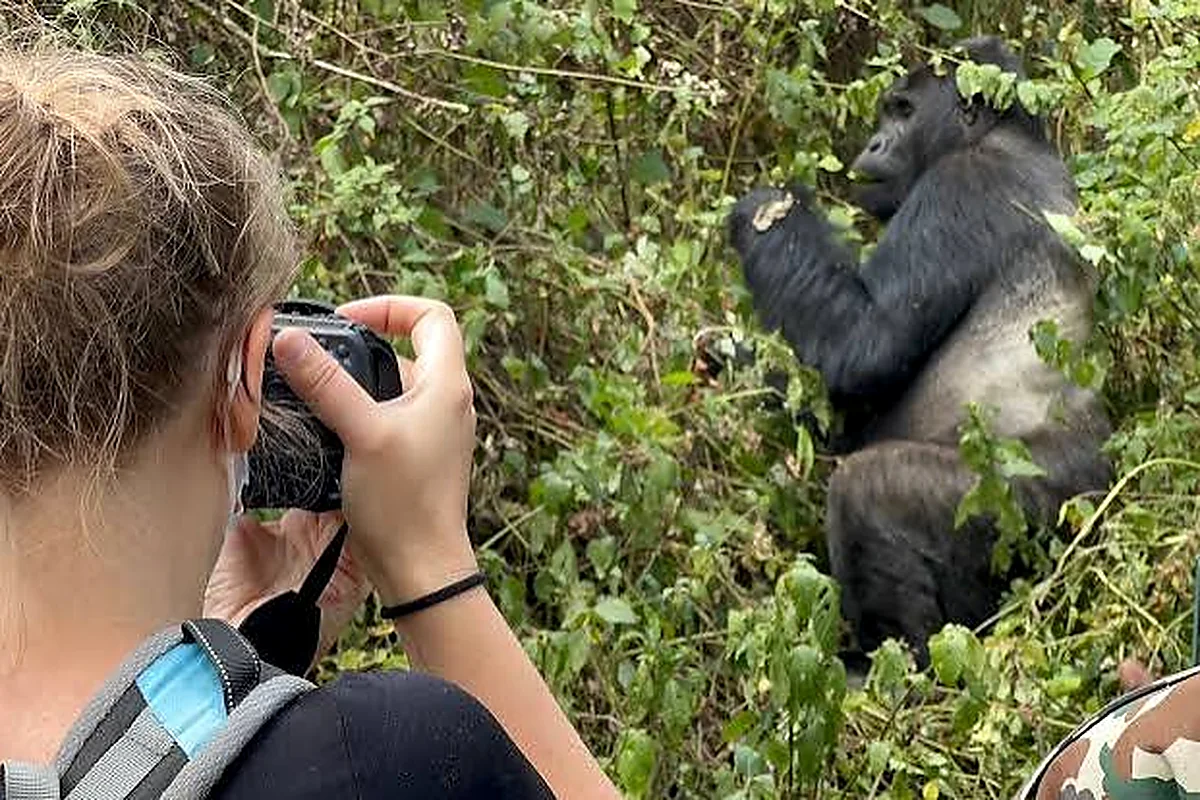
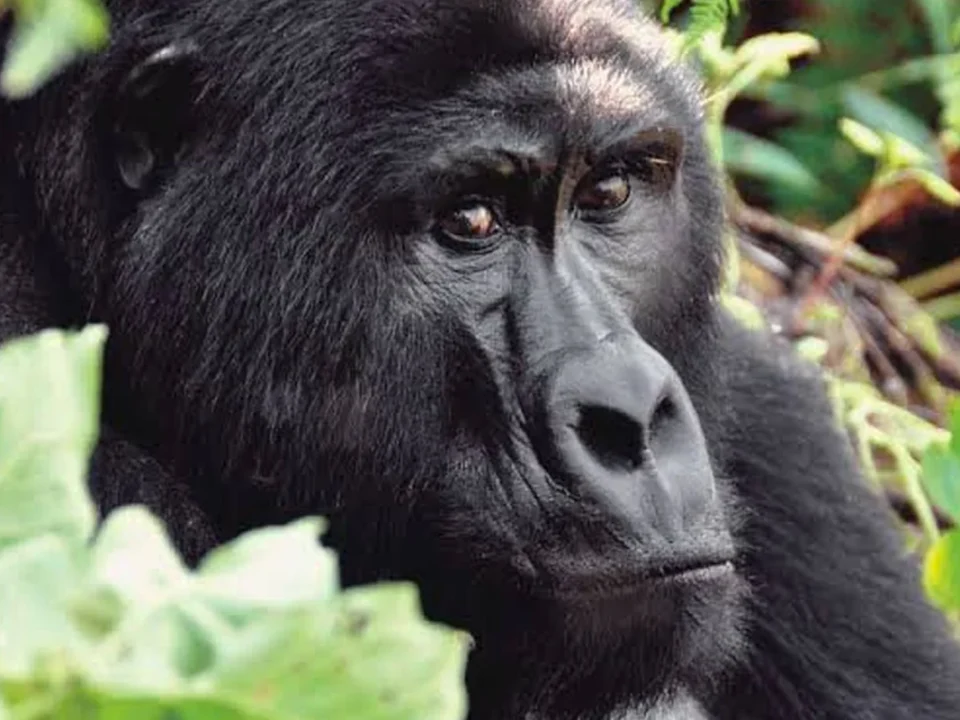
A visitor photographs a magnificent silverback mountain gorilla resting among lush forest vegetation during a guided gorilla trekking experience.
Understanding Seizure Risks During Forest Trekking
For travelers considering gorilla trekking with epilepsy, Seizures differ widely. Some involve brief changes in awareness, while others cause loss of consciousness, falls, or prolonged recovery. In steep forest terrain, even a short interruption in balance or awareness can create hazards unrelated to the seizure itself. The most useful planning detail is the individual’s own experience rather than a broad label. Record what has happened during previous long walks, periods of disrupted sleep, or stressful travel, and share relevant patterns with the clinician who oversees treatment. For tailored travel logistics, contact PrideMark Safaris about the 3-day flying luxury gorilla safari.
When evaluating gorilla trekking with epilepsy, The surrounding group, the terrain underfoot, and the distance from a vehicle all influence the practical consequences of an episode. Mud, roots, dense plants, and sudden slopes mean that companions must understand both the visitor’s usual seizure pattern and the correct first-aid response. Ask how the proposed schedule works from hotel departure to return, including driving, briefing, hiking, the gorilla encounter, and the walk back. Understanding the full day is more informative than focusing only on the time spent near the animals. Related practical context appears in our guide to gorilla trekking with asthma.
An important part of gorilla trekking with epilepsy is recognizing that A reliable plan starts with identifying the person’s typical warning signs, expected recovery time, and circumstances that require emergency assistance. Guides should know who carries the rescue medication if one has been prescribed, but they should never be expected to replace trained medical care. Discuss essential information discreetly with the lead guide and a trusted companion before the activity begins. A concise written summary can identify emergency contacts, expected symptoms, medicines, and the actions the person has agreed should be taken. Ask PrideMark Safaris how a 3-day Uganda gorilla trekking safari could be adapted around sensible rest and transfer times.
For travelers considering gorilla trekking with epilepsy, Seizures differ widely. Some involve brief changes in awareness, while others cause loss of consciousness, falls, or prolonged recovery. In steep forest terrain, even a short interruption in balance or awareness can create hazards unrelated to the seizure itself. Rain can turn forest paths slippery even during generally drier travel periods. Roots, loose earth, and vegetation may require careful steps or hand support. A guide can help explain the terrain, but cannot make a wild forest uniformly accessible. For tailored travel logistics, contact PrideMark Safaris about the 3-day flying luxury gorilla safari.
When evaluating gorilla trekking with epilepsy, The surrounding group, the terrain underfoot, and the distance from a vehicle all influence the practical consequences of an episode. Mud, roots, dense plants, and sudden slopes mean that companions must understand both the visitor’s usual seizure pattern and the correct first-aid response. Hiring a porter can reduce the burden of carrying a daypack and may provide practical help with difficult footing. Confirm the arrangement ahead of time and discuss limitations frankly. Support changes the logistics; it does not eliminate underlying medical risk. Related practical context appears in our guide to gorilla trekking with a hip replacement.
| Possible concern | Planning response |
|---|---|
| Loss of awareness or balance | Review individual risk with clinician and discuss terrain |
| Fatigue and disrupted sleep | Protect rest time and maintain treatment routines |
| Remote access | Agree emergency communications and evacuation contingencies |
Sleep, Fatigue, Stress and Other Potential Triggers
For travelers considering gorilla trekking with epilepsy, International flights, time-zone changes, early starts, heat, dehydration, and irregular sleep can disrupt routines. Sleep deprivation is a recognized seizure trigger for some people, although individual triggers vary. A packed itinerary can make otherwise manageable travel more demanding. The most useful planning detail is the individual’s own experience rather than a broad label. Record what has happened during previous long walks, periods of disrupted sleep, or stressful travel, and share relevant patterns with the clinician who oversees treatment. For tailored travel logistics, contact PrideMark Safaris about the 5-day gorilla and game safari.
When evaluating gorilla trekking with epilepsy, Allowing a recovery night after a long flight may help preserve sleep and medication schedules. Avoid treating a very early transfer followed by a strenuous trek as an ordinary sightseeing day. A relaxed schedule is a planning advantage, not a guarantee against seizures. Ask how the proposed schedule works from hotel departure to return, including driving, briefing, hiking, the gorilla encounter, and the walk back. Understanding the full day is more informative than focusing only on the time spent near the animals. Related practical context appears in our guide to gorilla trekking with sciatica.
An important part of gorilla trekking with epilepsy is recognizing that Visitors should follow their own documented trigger-management plan, eat regular meals, and communicate promptly if fatigue or unusual symptoms develop. Guides can help with pacing and breaks, but they cannot predict or prevent every seizure. Discuss essential information discreetly with the lead guide and a trusted companion before the activity begins. A concise written summary can identify emergency contacts, expected symptoms, medicines, and the actions the person has agreed should be taken. Ask PrideMark Safaris how a 3-day flying luxury gorilla safari could be adapted around sensible rest and transfer times.
For travelers considering gorilla trekking with epilepsy, International flights, time-zone changes, early starts, heat, dehydration, and irregular sleep can disrupt routines. Sleep deprivation is a recognized seizure trigger for some people, although individual triggers vary. A packed itinerary can make otherwise manageable travel more demanding. Rain can turn forest paths slippery even during generally drier travel periods. Roots, loose earth, and vegetation may require careful steps or hand support. A guide can help explain the terrain, but cannot make a wild forest uniformly accessible. For tailored travel logistics, contact PrideMark Safaris about the 5-day gorilla and game safari.
When evaluating gorilla trekking with epilepsy, Allowing a recovery night after a long flight may help preserve sleep and medication schedules. Avoid treating a very early transfer followed by a strenuous trek as an ordinary sightseeing day. A relaxed schedule is a planning advantage, not a guarantee against seizures. Hiring a porter can reduce the burden of carrying a daypack and may provide practical help with difficult footing. Confirm the arrangement ahead of time and discuss limitations frankly. Support changes the logistics; it does not eliminate underlying medical risk. Related practical context appears in our guide to gorilla trekking with a heart condition.
Consulting Your Neurologist Before Traveling
For travelers considering gorilla trekking with epilepsy, Before purchasing nonrefundable arrangements, discuss the planned activity with the clinician who knows your epilepsy history. Explain that the trek may involve several hours of walking on slippery slopes, limited communications, and delayed access to a hospital. The most useful planning detail is the individual’s own experience rather than a broad label. Record what has happened during previous long walks, periods of disrupted sleep, or stressful travel, and share relevant patterns with the clinician who oversees treatment. For tailored travel logistics, contact PrideMark Safaris about the 3-day Uganda gorilla trekking safari.
When evaluating gorilla trekking with epilepsy, Ask about medication timing across time zones, what to do after a missed or vomited dose, whether a rescue medicine is appropriate, and whether any recent events change your risk. Obtain a clear written action plan rather than relying on generic travel advice. Ask how the proposed schedule works from hotel departure to return, including driving, briefing, hiking, the gorilla encounter, and the walk back. Understanding the full day is more informative than focusing only on the time spent near the animals. Related practical context appears in our guide to gorilla trekking with osteoporosis.
An important part of gorilla trekking with epilepsy is recognizing that The clinician may advise delaying the journey, adjusting the itinerary, or taking additional precautions. A medical review does not guarantee safety, and safari staff cannot provide medical clearance. Confirm that your insurance covers the condition and remote-area evacuation. Discuss essential information discreetly with the lead guide and a trusted companion before the activity begins. A concise written summary can identify emergency contacts, expected symptoms, medicines, and the actions the person has agreed should be taken. Ask PrideMark Safaris how a 5-day gorilla and game safari could be adapted around sensible rest and transfer times.
For travelers considering gorilla trekking with epilepsy, Before purchasing nonrefundable arrangements, discuss the planned activity with the clinician who knows your epilepsy history. Explain that the trek may involve several hours of walking on slippery slopes, limited communications, and delayed access to a hospital. Rain can turn forest paths slippery even during generally drier travel periods. Roots, loose earth, and vegetation may require careful steps or hand support. A guide can help explain the terrain, but cannot make a wild forest uniformly accessible. For tailored travel logistics, contact PrideMark Safaris about the 3-day Uganda gorilla trekking safari.
When evaluating gorilla trekking with epilepsy, Ask about medication timing across time zones, what to do after a missed or vomited dose, whether a rescue medicine is appropriate, and whether any recent events change your risk. Obtain a clear written action plan rather than relying on generic travel advice. Hiring a porter can reduce the burden of carrying a daypack and may provide practical help with difficult footing. Confirm the arrangement ahead of time and discuss limitations frankly. Support changes the logistics; it does not eliminate underlying medical risk. Related practical context appears in our guide to gorilla trekking with a pacemaker.
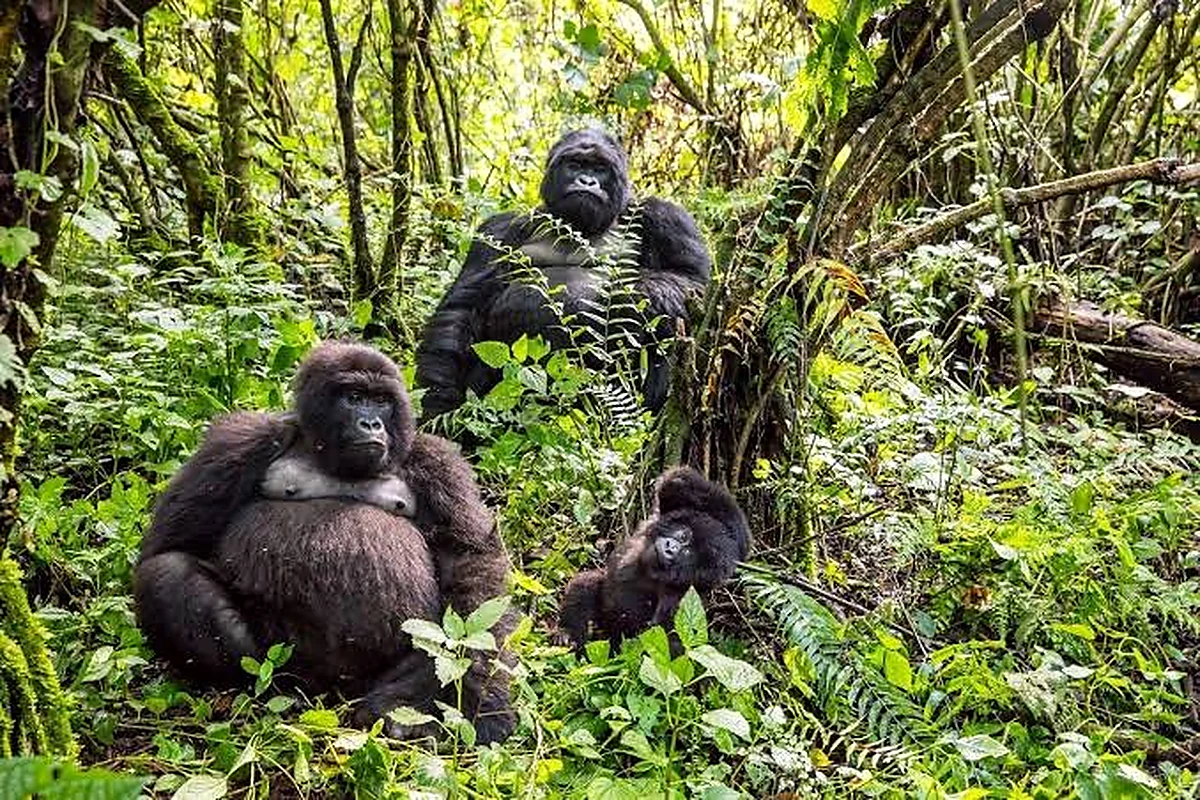
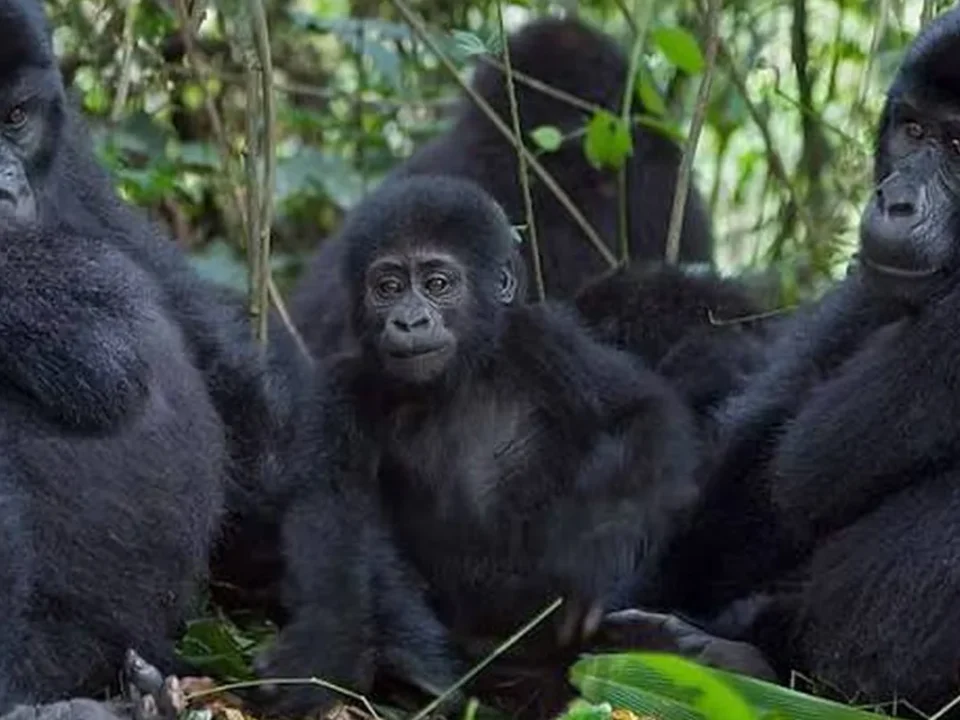
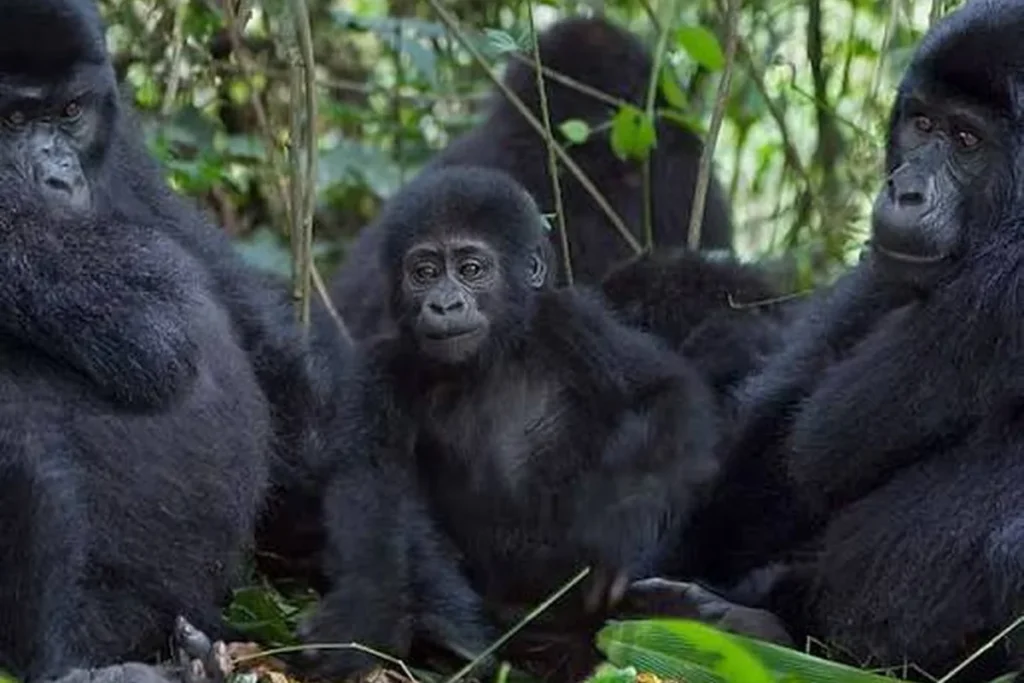
Three mountain gorillas rest together in lush rainforest vegetation, offering a glimpse into the social lives of these remarkable primates.
Keeping Epilepsy Medication Reliable During a Safari
For travelers considering gorilla trekking with epilepsy, Medication continuity is central to many epilepsy care plans. Carry essential medicines in hand luggage, keep them in their original labeled packaging, and bring sufficient supplies for travel delays according to your clinician’s and destination rules. The most useful planning detail is the individual’s own experience rather than a broad label. Record what has happened during previous long walks, periods of disrupted sleep, or stressful travel, and share relevant patterns with the clinician who oversees treatment. For tailored travel logistics, contact PrideMark Safaris about the 3-day flying luxury gorilla safari.
When evaluating gorilla trekking with epilepsy, Time-zone changes can make dose timing confusing, especially when travel includes overnight flights. Set a clear schedule with your prescriber or pharmacist before departure. Avoid stopping, doubling, or changing a dose based solely on advice from travel companions. Ask how the proposed schedule works from hotel departure to return, including driving, briefing, hiking, the gorilla encounter, and the walk back. Understanding the full day is more informative than focusing only on the time spent near the animals. Related practical context appears in our guide to gorilla trekking with a hip replacement.
An important part of gorilla trekking with epilepsy is recognizing that Ask about storage temperatures, customs documentation, rescue medication restrictions, and what to do if a bag is delayed. A written list of generic medicine names and doses can help clinicians in an emergency, but it does not substitute for carrying the actual supply. Discuss essential information discreetly with the lead guide and a trusted companion before the activity begins. A concise written summary can identify emergency contacts, expected symptoms, medicines, and the actions the person has agreed should be taken. Ask PrideMark Safaris how a 3-day Uganda gorilla trekking safari could be adapted around sensible rest and transfer times.
For travelers considering gorilla trekking with epilepsy, Medication continuity is central to many epilepsy care plans. Carry essential medicines in hand luggage, keep them in their original labeled packaging, and bring sufficient supplies for travel delays according to your clinician’s and destination rules. Rain can turn forest paths slippery even during generally drier travel periods. Roots, loose earth, and vegetation may require careful steps or hand support. A guide can help explain the terrain, but cannot make a wild forest uniformly accessible. For tailored travel logistics, contact PrideMark Safaris about the 3-day flying luxury gorilla safari.
When evaluating gorilla trekking with epilepsy, Time-zone changes can make dose timing confusing, especially when travel includes overnight flights. Set a clear schedule with your prescriber or pharmacist before departure. Avoid stopping, doubling, or changing a dose based solely on advice from travel companions. Hiring a porter can reduce the burden of carrying a daypack and may provide practical help with difficult footing. Confirm the arrangement ahead of time and discuss limitations frankly. Support changes the logistics; it does not eliminate underlying medical risk. Related practical context appears in our guide to gorilla trekking with asthma.
| Safari consideration | Question to ask |
|---|---|
| Bwindi or Mgahinga | What are the road transfers and likely trail conditions? |
| Flying or driving | Will this improve rest without increasing schedule pressure? |
| Accommodation | How far is the lodge from the briefing point? |
Bwindi Versus Mgahinga: Choosing a Trekking Plan
For travelers considering gorilla trekking with epilepsy, Both Bwindi Impenetrable National Park and Mgahinga Gorilla National Park involve mountain terrain and unpredictable walking distances. A shorter transfer or a particular sector does not guarantee a short or easy encounter because gorilla locations change. The most useful planning detail is the individual’s own experience rather than a broad label. Record what has happened during previous long walks, periods of disrupted sleep, or stressful travel, and share relevant patterns with the clinician who oversees treatment. For tailored travel logistics, contact PrideMark Safaris about the 5-day gorilla and game safari.
When evaluating gorilla trekking with epilepsy, Bwindi offers multiple trekking sectors and a range of accommodation options, while Mgahinga has its own volcanic setting and logistical considerations. The best choice depends on the current itinerary, access roads, available permits, and the visitor’s physical and medical needs. Ask how the proposed schedule works from hotel departure to return, including driving, briefing, hiking, the gorilla encounter, and the walk back. Understanding the full day is more informative than focusing only on the time spent near the animals. Related practical context appears in our guide to gorilla trekking with a heart condition.
An important part of gorilla trekking with epilepsy is recognizing that Ask the operator to explain road travel, start times, porter arrangements, communication limitations, and contingency plans. Rangers may consider disclosed mobility concerns when organizing groups, but no operator can promise a specific route, duration, or outcome. Discuss essential information discreetly with the lead guide and a trusted companion before the activity begins. A concise written summary can identify emergency contacts, expected symptoms, medicines, and the actions the person has agreed should be taken. Ask PrideMark Safaris how a 3-day flying luxury gorilla safari could be adapted around sensible rest and transfer times.
For travelers considering gorilla trekking with epilepsy, Both Bwindi Impenetrable National Park and Mgahinga Gorilla National Park involve mountain terrain and unpredictable walking distances. A shorter transfer or a particular sector does not guarantee a short or easy encounter because gorilla locations change. Rain can turn forest paths slippery even during generally drier travel periods. Roots, loose earth, and vegetation may require careful steps or hand support. A guide can help explain the terrain, but cannot make a wild forest uniformly accessible. For tailored travel logistics, contact PrideMark Safaris about the 5-day gorilla and game safari.
When evaluating gorilla trekking with epilepsy, Bwindi offers multiple trekking sectors and a range of accommodation options, while Mgahinga has its own volcanic setting and logistical considerations. The best choice depends on the current itinerary, access roads, available permits, and the visitor’s physical and medical needs. Hiring a porter can reduce the burden of carrying a daypack and may provide practical help with difficult footing. Confirm the arrangement ahead of time and discuss limitations frankly. Support changes the logistics; it does not eliminate underlying medical risk. Related practical context appears in our guide to gorilla trekking with sciatica.
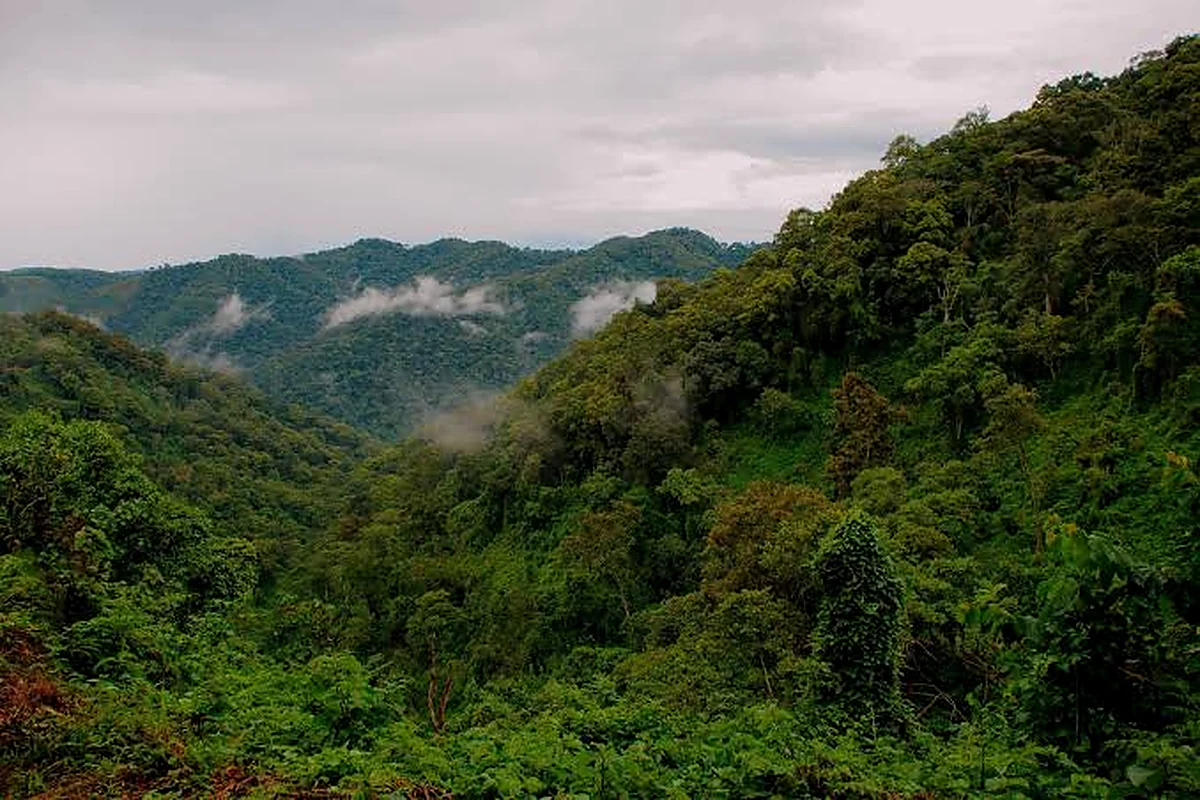
Dense green rainforest stretches across mountain slopes as mist rises through the valleys.
Preparing Guides and Companions for Seizure First Aid
For travelers considering gorilla trekking with epilepsy, Travel companions should know what a typical seizure looks like for the visitor and how to respond calmly. During a convulsive seizure, protect the person from nearby hazards, cushion the head if possible, time the episode, and do not restrain movements. The most useful planning detail is the individual’s own experience rather than a broad label. Record what has happened during previous long walks, periods of disrupted sleep, or stressful travel, and share relevant patterns with the clinician who oversees treatment. For tailored travel logistics, contact PrideMark Safaris about the 3-day Uganda gorilla trekking safari.
When evaluating gorilla trekking with epilepsy, Do not put anything in the person’s mouth or offer food, drink, or pills until fully alert. When safe, turn the person onto their side and remain nearby. Follow the individual’s prescribed seizure action plan and any instructions for rescue medication. Ask how the proposed schedule works from hotel departure to return, including driving, briefing, hiking, the gorilla encounter, and the walk back. Understanding the full day is more informative than focusing only on the time spent near the animals. Related practical context appears in our guide to gorilla trekking with a pacemaker.
An important part of gorilla trekking with epilepsy is recognizing that Seek urgent emergency assistance for a seizure lasting five minutes or longer, repeated seizures without recovery, injury, breathing problems, a first seizure, or other circumstances identified in the action plan. Remote conditions make advance evacuation planning especially important. Discuss essential information discreetly with the lead guide and a trusted companion before the activity begins. A concise written summary can identify emergency contacts, expected symptoms, medicines, and the actions the person has agreed should be taken. Ask PrideMark Safaris how a 5-day gorilla and game safari could be adapted around sensible rest and transfer times.
For travelers considering gorilla trekking with epilepsy, Travel companions should know what a typical seizure looks like for the visitor and how to respond calmly. During a convulsive seizure, protect the person from nearby hazards, cushion the head if possible, time the episode, and do not restrain movements. Rain can turn forest paths slippery even during generally drier travel periods. Roots, loose earth, and vegetation may require careful steps or hand support. A guide can help explain the terrain, but cannot make a wild forest uniformly accessible. For tailored travel logistics, contact PrideMark Safaris about the 3-day Uganda gorilla trekking safari.
When evaluating gorilla trekking with epilepsy, Do not put anything in the person’s mouth or offer food, drink, or pills until fully alert. When safe, turn the person onto their side and remain nearby. Follow the individual’s prescribed seizure action plan and any instructions for rescue medication. Hiring a porter can reduce the burden of carrying a daypack and may provide practical help with difficult footing. Confirm the arrangement ahead of time and discuss limitations frankly. Support changes the logistics; it does not eliminate underlying medical risk. Related practical context appears in our guide to gorilla trekking with osteoporosis.
| Situation | Immediate priority |
|---|---|
| Convulsive seizure | Protect from injury, time seizure, do not restrain |
| After seizure | Position on side when safe and monitor recovery |
| Prolonged or repeated seizure | Seek urgent emergency assistance and follow action plan |
Recognizing When a Trek May Be Unsafe
For travelers considering gorilla trekking with epilepsy, Recent uncontrolled seizures, repeated episodes with falls, significant medication disruption, or new neurological symptoms can change the risk calculation. The fact that a person feels well on the morning of the trek does not erase recent medical concerns. The most useful planning detail is the individual’s own experience rather than a broad label. Record what has happened during previous long walks, periods of disrupted sleep, or stressful travel, and share relevant patterns with the clinician who oversees treatment. For tailored travel logistics, contact PrideMark Safaris about the 3-day flying luxury gorilla safari.
When evaluating gorilla trekking with epilepsy, If a seizure or concerning warning symptom occurs during the walk, alert the ranger immediately and follow the agreed emergency plan. Do not continue simply to reach the gorillas. Forest conditions can make assistance slow, so a conservative decision may prevent a more serious incident. Ask how the proposed schedule works from hotel departure to return, including driving, briefing, hiking, the gorilla encounter, and the walk back. Understanding the full day is more informative than focusing only on the time spent near the animals. Related practical context appears in our guide to gorilla trekking with asthma.
An important part of gorilla trekking with epilepsy is recognizing that Any new or unusually severe symptoms deserve medical assessment. Discuss the possibility of missing the trek, permit terms, and alternative activities in advance so that safety decisions are not distorted by financial pressure. Discuss essential information discreetly with the lead guide and a trusted companion before the activity begins. A concise written summary can identify emergency contacts, expected symptoms, medicines, and the actions the person has agreed should be taken. Ask PrideMark Safaris how a 3-day Uganda gorilla trekking safari could be adapted around sensible rest and transfer times.
For travelers considering gorilla trekking with epilepsy, Recent uncontrolled seizures, repeated episodes with falls, significant medication disruption, or new neurological symptoms can change the risk calculation. The fact that a person feels well on the morning of the trek does not erase recent medical concerns. Rain can turn forest paths slippery even during generally drier travel periods. Roots, loose earth, and vegetation may require careful steps or hand support. A guide can help explain the terrain, but cannot make a wild forest uniformly accessible. For tailored travel logistics, contact PrideMark Safaris about the 3-day flying luxury gorilla safari.
When evaluating gorilla trekking with epilepsy, If a seizure or concerning warning symptom occurs during the walk, alert the ranger immediately and follow the agreed emergency plan. Do not continue simply to reach the gorillas. Forest conditions can make assistance slow, so a conservative decision may prevent a more serious incident. Hiring a porter can reduce the burden of carrying a daypack and may provide practical help with difficult footing. Confirm the arrangement ahead of time and discuss limitations frankly. Support changes the logistics; it does not eliminate underlying medical risk. Related practical context appears in our guide to gorilla trekking with a hip replacement.
Planning a Thoughtful Gorilla Safari With PrideMark Safaris
For travelers considering gorilla trekking with epilepsy, A carefully structured itinerary can reduce avoidable logistical stress. Consider rest days, sensible transfer times, nearby accommodation, suitable transport, and clear communication about health needs with the safari organizer. The most useful planning detail is the individual’s own experience rather than a broad label. Record what has happened during previous long walks, periods of disrupted sleep, or stressful travel, and share relevant patterns with the clinician who oversees treatment. For tailored travel logistics, contact PrideMark Safaris about the 5-day gorilla and game safari.
When evaluating gorilla trekking with epilepsy, A flying itinerary may reduce some long road journeys, but flights do not remove the physical demands of the forest trek or ensure immediate medical access. Porters may assist with bags and footing, yet they are not medical personnel or a substitute for clinical advice. Ask how the proposed schedule works from hotel departure to return, including driving, briefing, hiking, the gorilla encounter, and the walk back. Understanding the full day is more informative than focusing only on the time spent near the animals. Related practical context appears in our guide to gorilla trekking with sciatica.
An important part of gorilla trekking with epilepsy is recognizing that The most useful booking discussion covers permits, accommodations, contingency plans, travel insurance, the guide’s briefing, and whether the traveler is comfortable with uncertainty. The goal is an informed choice, not a promise that an unpredictable wildlife trek will be risk-free. Discuss essential information discreetly with the lead guide and a trusted companion before the activity begins. A concise written summary can identify emergency contacts, expected symptoms, medicines, and the actions the person has agreed should be taken. Ask PrideMark Safaris how a 3-day flying luxury gorilla safari could be adapted around sensible rest and transfer times.
For travelers considering gorilla trekking with epilepsy, A carefully structured itinerary can reduce avoidable logistical stress. Consider rest days, sensible transfer times, nearby accommodation, suitable transport, and clear communication about health needs with the safari organizer. Rain can turn forest paths slippery even during generally drier travel periods. Roots, loose earth, and vegetation may require careful steps or hand support. A guide can help explain the terrain, but cannot make a wild forest uniformly accessible. For tailored travel logistics, contact PrideMark Safaris about the 5-day gorilla and game safari.
When evaluating gorilla trekking with epilepsy, A flying itinerary may reduce some long road journeys, but flights do not remove the physical demands of the forest trek or ensure immediate medical access. Porters may assist with bags and footing, yet they are not medical personnel or a substitute for clinical advice. Hiring a porter can reduce the burden of carrying a daypack and may provide practical help with difficult footing. Confirm the arrangement ahead of time and discuss limitations frankly. Support changes the logistics; it does not eliminate underlying medical risk. Related practical context appears in our guide to gorilla trekking with a heart condition.
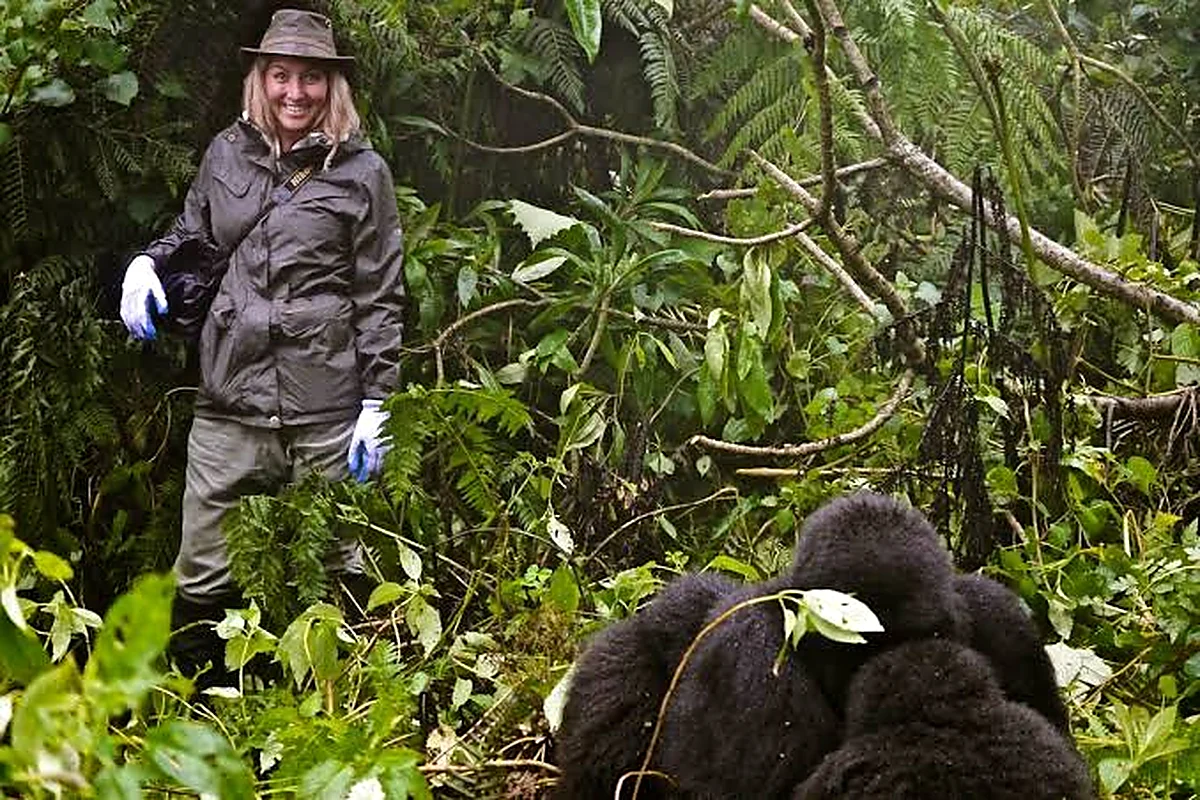
A visitor observes mountain gorillas during a guided trekking experience in a lush tropical rainforest.
Frequently Asked Questions About Gorilla Trekking With Epilepsy
Is gorilla trekking with epilepsy automatically prohibited?
For anyone researching gorilla trekking with epilepsy, No universal prohibition should be assumed solely from a diagnosis. Suitability depends on the person’s seizure history, current control, functional ability, medical advice, and the realities of remote trekking. Discuss your circumstances with the treating neurologist before making firm plans. PrideMark Safaris can explain the practical booking and itinerary details, but cannot offer individualized medical clearance.
Can I trek if my seizures are well controlled?
For anyone researching gorilla trekking with epilepsy, Some people with stable epilepsy may be able to trek after individualized medical assessment. Well-controlled seizures do not eliminate risk, particularly on slippery paths or during disrupted sleep. Agree on an action plan and discuss the trip’s physical demands with your clinician. PrideMark Safaris can explain the practical booking and itinerary details, but cannot offer individualized medical clearance.
Should I tell the ranger about my epilepsy?
For anyone researching gorilla trekking with epilepsy, Yes, share the essential safety information privately with the ranger or lead guide and a trusted companion. Explain your usual seizure presentation, emergency contacts, and the written plan. You need not share unnecessary personal details with the entire group. PrideMark Safaris can explain the practical booking and itinerary details, but cannot offer individualized medical clearance.
Can a porter help during a gorilla trek?
For anyone researching gorilla trekking with epilepsy, A porter may carry bags and assist with difficult footing, which can reduce physical strain. Porters are not medical professionals and cannot guarantee prevention of falls or seizures. Ask your safari organizer about support arrangements before arrival. PrideMark Safaris can explain the practical booking and itinerary details, but cannot offer individualized medical clearance.
Is Bwindi easier than Mgahinga for epilepsy?
For anyone researching gorilla trekking with epilepsy, Neither park is guaranteed to be easier. Trail conditions, weather, and gorilla locations vary daily. Compare transport, accommodation, terrain, and emergency logistics with the operator rather than assuming one destination is medically safer. PrideMark Safaris can explain the practical booking and itinerary details, but cannot offer individualized medical clearance.
What if I miss an epilepsy medicine dose while traveling?
For anyone researching gorilla trekking with epilepsy, Follow the instructions provided by your prescriber or pharmacist for your specific medicine. Do not improvise by doubling doses. Prepare a time-zone dosing schedule and keep enough medication accessible in hand luggage. PrideMark Safaris can explain the practical booking and itinerary details, but cannot offer individualized medical clearance.
Does altitude cause seizures?
For anyone researching gorilla trekking with epilepsy, The effects of altitude and exertion vary by person and condition. Discuss the planned elevations and your history with your neurologist, especially if you have other health concerns. Do not assume that a moderate elevation automatically makes trekking safe or unsafe. PrideMark Safaris can explain the practical booking and itinerary details, but cannot offer individualized medical clearance.
What should companions do during a seizure?
For anyone researching gorilla trekking with epilepsy, Protect the person from injury, time the seizure, do not restrain them, and never place anything in the mouth. Turn them on their side when safe and follow the individual seizure action plan. Seek urgent help for prolonged or repeated seizures or breathing problems. PrideMark Safaris can explain the practical booking and itinerary details, but cannot offer individualized medical clearance.
Can I bring rescue medication to Uganda?
For anyone researching gorilla trekking with epilepsy, Discuss prescriptions, documentation, storage, and border requirements with your clinician and the relevant authorities before departure. A companion should understand the prescribed action plan, including who is authorized and trained to administer any rescue medicine. PrideMark Safaris can explain the practical booking and itinerary details, but cannot offer individualized medical clearance.
What happens if I cannot finish the trek?
For anyone researching gorilla trekking with epilepsy, Tell the ranger immediately if you feel unwell or unable to continue. Turning back may be the safest decision, and permit refunds or changes cannot be assumed. Clarify the booking terms and available assistance before paying. PrideMark Safaris can explain the practical booking and itinerary details, but cannot offer individualized medical clearance.
Will travel insurance cover epilepsy-related emergencies?
For anyone researching gorilla trekking with epilepsy, Coverage varies substantially. Declare relevant medical history as required and obtain written confirmation of coverage for pre-existing conditions, trekking activities, evacuation, and cancellation. Keep policy details and emergency contacts available offline. PrideMark Safaris can explain the practical booking and itinerary details, but cannot offer individualized medical clearance.
Which safari package should I consider?
For anyone researching gorilla trekking with epilepsy, Choose based on rest opportunities, transfers, lodge location, and contingency planning rather than a promise of an easy trek. Discuss the three-day trekking, flying luxury, and longer wildlife options with the operator, while obtaining separate medical advice on suitability. PrideMark Safaris can explain the practical booking and itinerary details, but cannot offer individualized medical clearance.
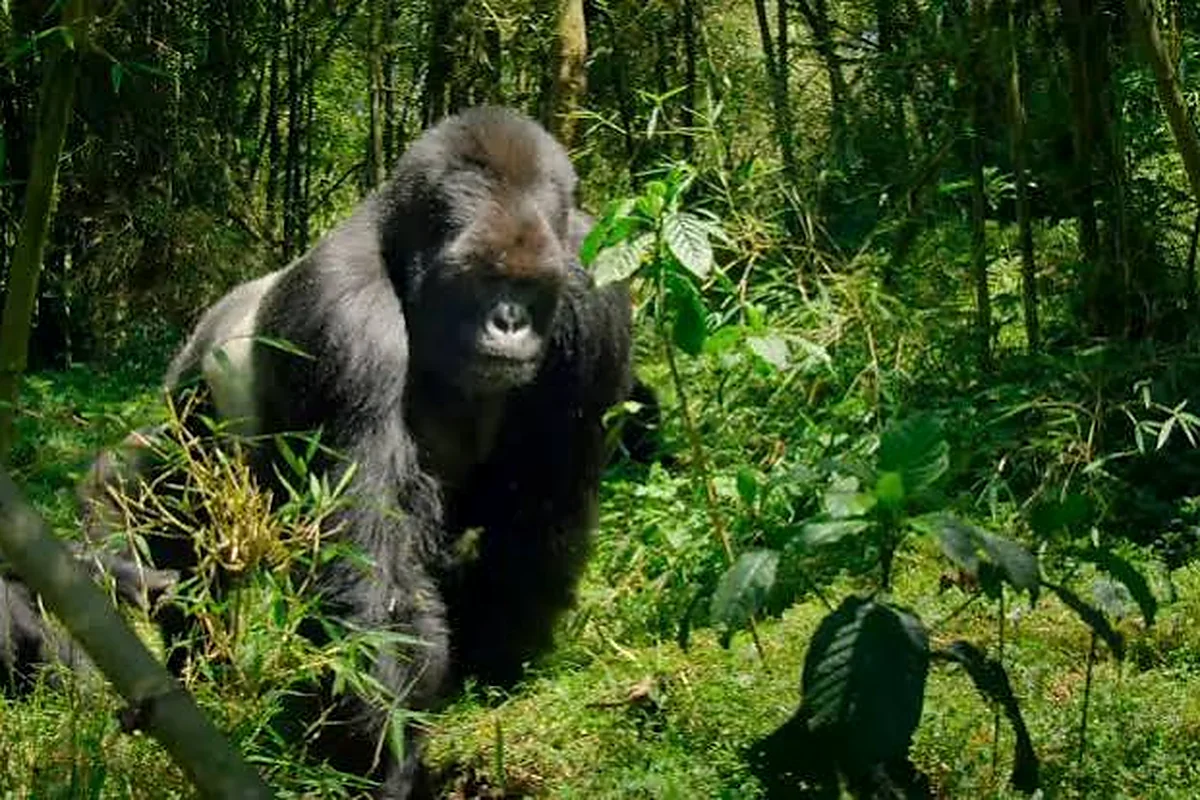
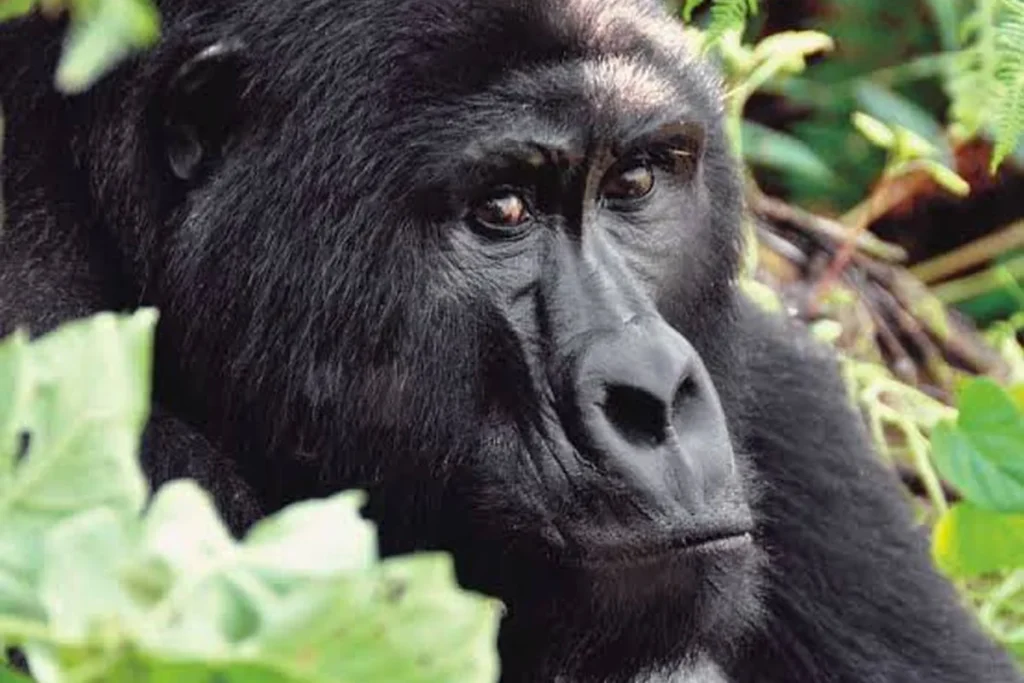
A magnificent silverback mountain gorilla moves through lush tropical forest vegetation.
Plan Your Trip With PrideMark Safaris
Before booking gorilla trekking with epilepsy, ask your neurologist about the specific travel and trekking demands, then discuss transport, permits, accommodation, and contingency arrangements with PrideMark Safaris. You can explore the 3-day Uganda gorilla trekking safari, 3-day flying luxury gorilla safari, or 5-day gorilla and game safari and choose the itinerary that best supports a realistic, flexible plan.
Useful references: CDC seizure first aid; Epilepsy Foundation seizure first aid; Uganda Wildlife Authority.