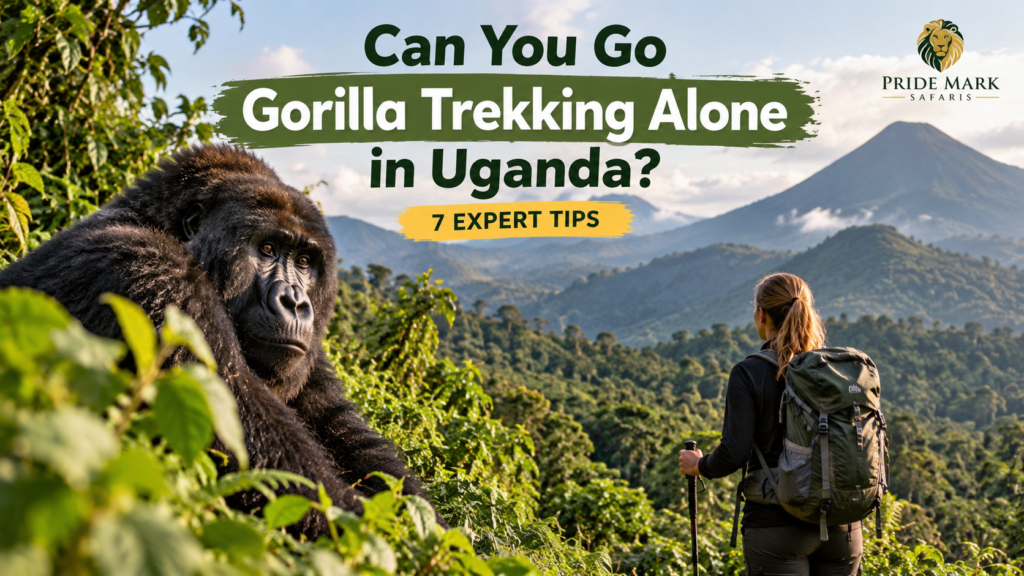
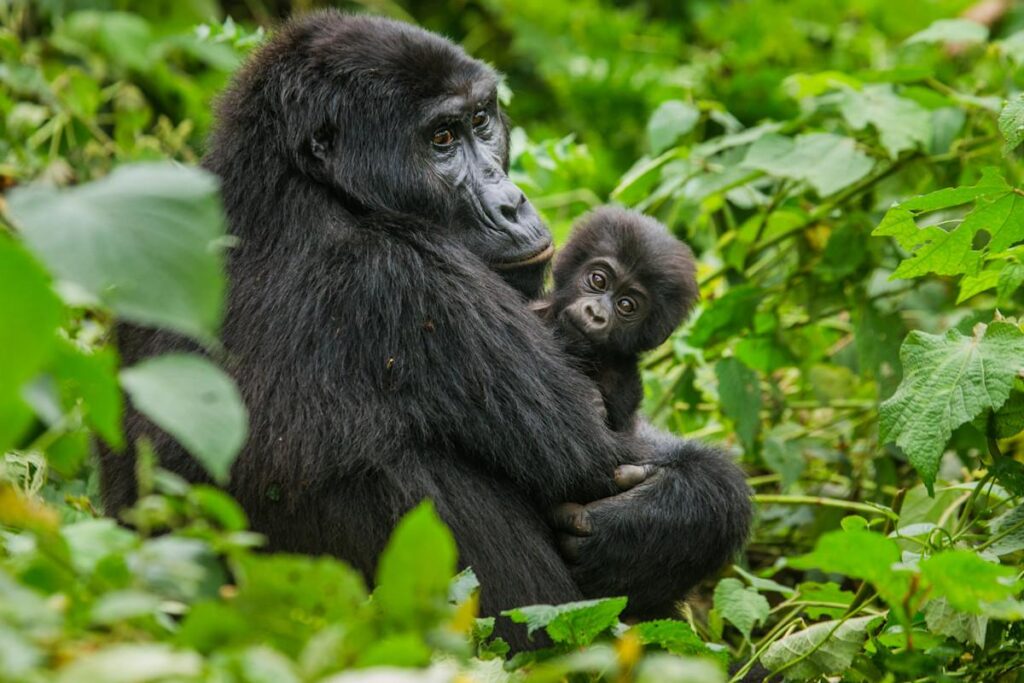
Uganda vs Rwanda Budget Gorilla Trekking: Costs & Best Value 2027

Uganda vs Rwanda Gorilla Trekking: 10 Best Mid-Range Safari?
October 6, 2026
Uganda vs Rwanda Luxury Gorilla Trekking: Which Destination Is Better?
October 6, 2026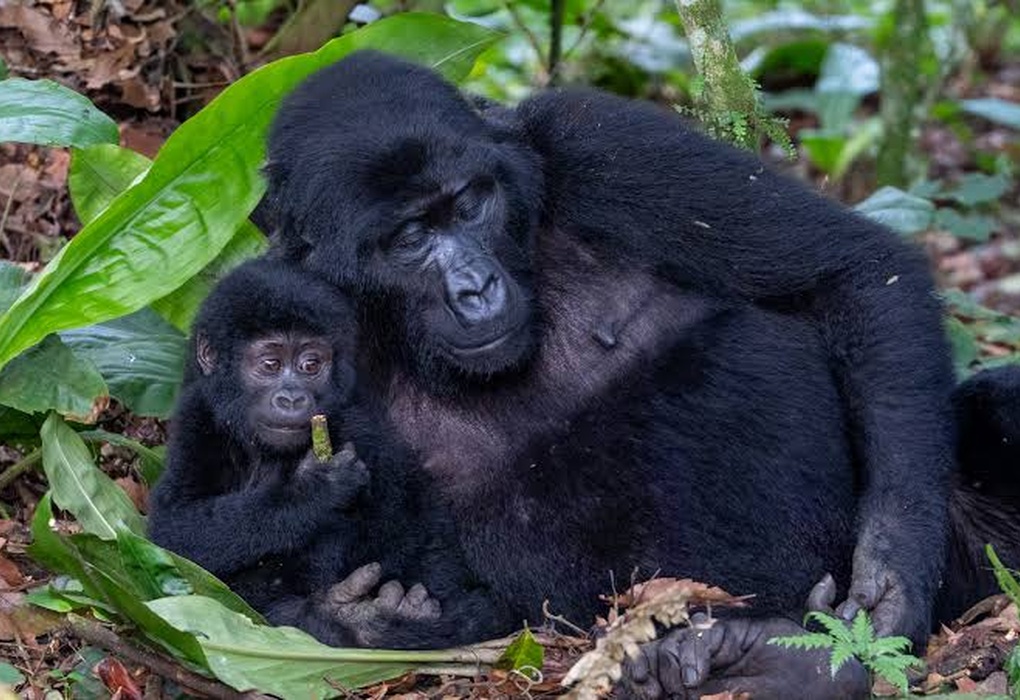
Uganda vs Rwanda Budget Gorilla Trekking: Which Is More Affordable?
Dreaming of meeting mountain gorillas without overspending? This practical guide compares Uganda and Rwanda for budget gorilla trekking, including permit costs, travel logistics, accommodation, sample itineraries and realistic ways to reduce your total safari budget without cutting corners on safety or conservation.
Mountain gorilla trekking is one of East Africa’s most extraordinary wildlife experiences, but it is also a trip where the budget needs careful planning. The permit is only one part of the cost: travellers must also consider transport, nights near the park, meals, guiding, airport transfers and any additional activities. When comparing Uganda vs Rwanda budget gorilla trekking, the most useful question is not simply which country has the lower permit fee. It is which destination lets you build the complete trip you want at a total price you can manage.
For many international visitors, Uganda is the lower-cost starting point because the standard foreign non-resident gorilla permit is listed at US$800, and selected low-season permits for April, May and November 2026 have been advertised at US$600. Rwanda’s standard international permit is US$1,500. These rates are subject to official terms, travel dates and visitor category; always reconfirm them before payment. The difference in permit cost can be substantial, but Rwanda may still suit travellers who have limited time and want to travel from Kigali to Volcanoes National Park with fewer days on the road.
Uganda vs Rwanda Budget Gorilla Trekking at a Glance
Uganda’s main gorilla trekking destinations are Bwindi Impenetrable National Park and Mgahinga Gorilla National Park. Bwindi has several trekking sectors, including Buhoma, Ruhija, Rushaga and Nkuringo, which gives trip planners different lodge and route options. Rwanda’s gorilla trekking takes place in Volcanoes National Park, in the Virunga volcanic landscape. Both countries protect endangered mountain gorillas and provide a guided, ranger-led experience with a limited viewing period.
| Factor | Uganda | Rwanda |
|---|---|---|
| Primary trekking location | Bwindi Impenetrable National Park or Mgahinga Gorilla National Park | Volcanoes National Park |
| Standard permit for foreign non-residents | US$800 listed rate; selected low-season dates in April, May and November 2026 have a US$600 rate | US$1,500 standard international rate |
| Budget advantage | Lower permit cost and a wider range of route and itinerary combinations | Shorter access from Kigali can reduce transfer time for short trips |
| Typical planning challenge | Road transfers from Entebbe/Kampala can be long; choose the correct trekking sector | Permit cost is high for most international visitors, even when other trip costs are controlled |
| Accommodation strategy | Look for guesthouses and locally operated budget lodges close to your assigned sector | Choose a modest lodge or guesthouse around Musanze/Volcanoes, subject to transfer logistics |
| Good fit for | Travellers prioritising permit savings or combining gorillas with other Ugandan parks | Travellers with limited time who value a compact Kigali-based itinerary |

Budget Gorilla Trekking in Uganda
Uganda is often the first country to consider when the main objective is to experience mountain gorillas while keeping the overall safari cost under control. The standard permit for foreign non-residents is listed at US$800, and selected low-season permits for April, May and November 2026 have been announced at US$600. That lower permit cost can leave more of the budget available for accommodation, transport, meals or a relaxed extra night in the region. Because promotional permits may have strict date conditions, do not build a non-refundable itinerary around a discount until the permit has been confirmed.
In Uganda, the park and sector you choose matter. Bwindi is a large forest with separate trailheads, and the right base is the one that matches your permit allocation. Booking a cheaper room far from the assigned trailhead can create extra transfer costs or require an early, uncomfortable drive on trekking morning. Ask your tour operator to align the permit, lodge and vehicle plan rather than selecting each element independently. Mgahinga is another option for gorilla trekking and may be attractive to travellers interested in the Virunga scenery or adding golden monkey tracking, depending on budget and availability.
Budget travel in Uganda does not have to mean cutting out the essentials. A well-planned package can use a reliable private vehicle, an experienced driver-guide, simple clean accommodation, meals appropriate to the itinerary and the required gorilla permit. The savings generally come from keeping the route focused, sharing the vehicle and room where possible, and choosing comfortable practical lodges instead of premium properties. If you are travelling as two people, ask for a price based on two travellers sharing; solo travellers may face a higher per-person share of transport costs.
Why Uganda can be the better value choice
The clearest advantage is the permit price for most international non-resident visitors. Uganda also offers a broad selection of additional safari experiences if you have more time: chimpanzee tracking, savannah game drives, boat cruises and lakeside relaxation can be added, although every extra park and transfer increases the overall cost. If the budget is tight, resist the temptation to include too many destinations. One gorilla trek, a well-chosen overnight stop and a sensible return journey can be more satisfying than a rushed itinerary that spends most of its time on the road.
Uganda is not automatically cheaper in every scenario. A long road transfer from Entebbe or Kampala can add fuel, driver time and accommodation costs. Travellers who fly into Kigali and cross to southwestern Uganda may find a different balance, depending on border formalities, route, pickup arrangements and the park sector assigned. Have the operator price the entire journey rather than comparing the permit alone.
Explore the Uganda safari packages from PrideMark Safaris or read the detailed Bwindi Gorilla Trekking 2027 planning guide before deciding where to stay and how to travel.
Budget Gorilla Trekking in Rwanda
Rwanda can still work for travellers with a limited overall budget, but it requires a different strategy. The standard gorilla permit for international visitors is US$1,500 per person, so the permit takes up a large share of the total trip cost before accommodation, transfers and meals are added. The most effective way to make a Rwanda gorilla trek more affordable is to keep the itinerary focused, compare simple but reputable accommodation, avoid unnecessary private add-ons and use a realistic travel plan that makes the most of the nights you pay for.
Rwanda’s practical advantage is access. Volcanoes National Park is reached from Kigali, and the journey is commonly planned as a relatively short transfer compared with travelling all the way from Entebbe or Kampala to Bwindi. That can make Rwanda appealing for people who have only two or three days available. Less time on the road can mean fewer hotel nights and fewer days away from work, although it does not cancel out the higher permit price. Your best option depends on whether your main constraint is money, time or both.
For a budget-oriented Rwanda itinerary, consider arriving in Kigali the day before trekking, staying in a simple guesthouse or modest lodge near the route to the park, trekking the next morning, and returning to Kigali after a suitable rest or overnight. Do not schedule an international flight too tightly after trekking: the hike can take several hours, and forest conditions and gorilla location are not predictable. A lower nightly rate is only useful if the location still makes the early start practical.
Rwanda’s promotional rates for certain visitor categories or travel periods may have conditions and exclusions. The Rwanda Development Board’s booking platform states that some promotional rates do not apply during June to October 2026, so travellers should check the current official fee for their nationality, residency status and travel date. Never assume a discounted rate applies simply because you live in the region or have seen an old promotion online.
See PrideMark Safaris’ 3-Day Gorilla Trekking in Rwanda package and the company’s wider Rwanda safari packages to compare what is included and request a quote for your dates.
What Determines the Total Cost of a Budget Gorilla Trek?
The permit is usually the most visible expense, but it is not the complete safari price. Transport is often the next major component, especially when a private vehicle and guide are used. The distance between the airport, accommodation and park affects fuel, driver time and sometimes overnight stops. Travellers who share a vehicle can often reduce their individual transport cost, while solo travellers should ask whether a small-group departure or other shared arrangement is available.
Accommodation costs depend on location, room type, season, meal plan and the standard of the property. A basic guesthouse may be perfectly adequate for a traveller who needs a clean bed, hot shower and early breakfast, while a more expensive lodge may offer views, extra comfort and more extensive services. The cheapest room is not always the cheapest choice overall if it is far from the trekking point or requires additional transfers. Ask for the property name and location before confirming.
Meals may be included in a package, partially included or paid separately. Check whether the quote covers breakfast, lunch on trekking day, drinking water, park-related transfers and any airport pickup. Ask whether porter fees, tips, cultural activities, travel insurance, visas, international flights and personal drinks are excluded. A transparent quote should distinguish included items from optional extras so that a low headline price does not become an unexpectedly expensive trip.
| Cost item | How to budget sensibly |
|---|---|
| Gorilla permit | Confirm the official fee, visitor category, date and availability first; it is a fixed major cost. |
| Road transport | Keep the route focused and ask about sharing a vehicle or joining a scheduled group departure. |
| Accommodation | Choose a reliable budget lodge near the assigned trekking sector or practical park access route. |
| Meals and water | Compare full-board with bed-and-breakfast pricing and confirm what is supplied on trek day. |
| Extra activities | Prioritise the gorilla trek; add game drives, boat trips or cultural visits only if the budget allows. |
| Personal costs | Set aside funds for tips, porter services, snacks, drinks, souvenirs and unexpected needs. |
How to Save Money Without Undermining the Experience
Travel in a lower-cost period where the permit rules suit you. Uganda’s announced US$600 low-season permits apply to selected dates in April, May and November 2026 for eligible foreign non-residents. Confirm the conditions carefully, including whether date changes are permitted. Rain can make trails muddy and roads slower, so build flexibility into your plan rather than treating low season as a guaranteed bargain with no trade-offs.
Travel with another person or a small group. Vehicle, guide and some logistics costs are shared across the party. If you are flexible, ask PrideMark Safaris whether a group departure is available for your dates. Never assume a group trip exists until the operator confirms it.
Choose the right number of nights. A very short trip can be expensive if the transport has to cover long distances in a compressed schedule. On the other hand, extra nights add accommodation and meal costs. The right plan balances the drive with the trekking start time and gives you enough rest. For Uganda, a three-day package may work for some routes and starting points, but travellers coming from Entebbe should carefully consider the long road journey. Rwanda can be more practical for a short visit from Kigali, although the permit remains expensive.
Book accommodation close to the correct trailhead. Bwindi’s sectors are spread out, and the permit allocation determines where you report. Confirm the sector before paying a lodge deposit. In Rwanda, choose accommodation with a sensible early-morning transfer to the Volcanoes National Park briefing point.
Compare complete package inclusions. Ask for one written quote that clearly lists permit, accommodation, meals, vehicle, guide, park transfers and taxes or fees. Compare like with like: one quote may include all meals and transfers while another excludes them. A package with a slightly higher price can be better value if it avoids multiple extra charges.
Skip the activities that do not matter most to you. If gorillas are your priority, avoid adding several faraway parks just to make the itinerary look bigger. You can always plan another trip for chimpanzees or savannah wildlife. If you have extra days and the budget allows, Uganda offers more options for combining primates with classic wildlife, but every addition should earn its place in the itinerary.
Sample Budget Gorilla Trekking Itineraries
Option 1: Focused 3-day Uganda gorilla trek
Day 1: Meet your guide at the agreed pickup point and travel toward the selected Bwindi or Mgahinga sector. Depending on your arrival point, a stopover or additional night may be necessary; do not force a long drive into an unsafe schedule. Day 2: Attend the ranger briefing, trek in the forest and spend the permitted viewing time with the assigned gorilla family. Return to your lodge for rest. Day 3: Return toward your departure point or continue to another destination if the budget and schedule permit. This option keeps the focus on gorillas, but the total cost depends heavily on where the journey starts and ends.
Option 2: 3-day Rwanda gorilla trek from Kigali
Day 1: Arrive in Kigali and transfer to accommodation suited to the next morning’s departure. Day 2: Travel to the park headquarters for the early briefing, trek with the ranger team and return to your accommodation. Day 3: Return to Kigali with enough time for your onward plans. This compact format can reduce nights and road time, but the permit price is the main fixed expense. Allow a buffer before international flights and confirm all transfer timings with your operator.
Option 3: Uganda gorillas plus a gentle lakeside stop
For travellers who can afford an extra night, pair the gorilla trek with a restful stay around Lake Bunyonyi or another suitable location in southwestern Uganda. This adds accommodation and transport costs but can make the journey feel less rushed. It is particularly useful after a demanding trek or a long road transfer. Ask for the itinerary to be priced with and without the extra stop so you can decide whether the additional experience is worth the cost.
These are planning frameworks, not fixed offers or guaranteed prices. Your final itinerary must be built around permit availability, travel dates, party size, pickup location and the accommodation that is available at the time of booking.
Is Budget Gorilla Trekking Still Responsible and Safe?
Budget should mean thoughtful choices, not cutting essential corners. Use a reputable, licensed operator, confirm the permit through official channels, follow ranger instructions and respect wildlife viewing rules. Do not approach gorillas independently or expect a private encounter. Keep a respectful distance, avoid trekking when ill and follow instructions about masks or other health measures if required by the authorities on your travel date. A porter can be valuable on steep or muddy trails and supports local livelihoods, so consider budgeting for one if you need assistance carrying your daypack.
Be wary of offers that promise a permit at a price far below the official fee, guarantee a specific gorilla family or request payment through suspicious personal accounts. Uganda Wildlife Authority advises visitors to use the appropriate permit purchasing process and to obtain official booking documentation before payment. For Rwanda, use the official Rwanda Development Board booking information or a reputable operator that can explain the booking process clearly.
PrideMark Safaris: Budget-Friendly Package Links
PrideMark Safaris plans gorilla trekking and wildlife trips in Uganda and Rwanda. The company’s website lists package options with prices available on request, allowing the itinerary to be tailored around your travel dates, number of travellers, accommodation preference and overall budget. Use the links below to compare the relevant tour pages and then request a written quote with the permit and inclusions clearly itemised.
Plan Your Budget Gorilla Trek
Tell us your travel month, number of travellers, nationality/residency category, arrival airport and preferred accommodation style. We can help compare Uganda and Rwanda and outline the main costs before you decide.
Uganda Safari PackagesRwanda Safari PackagesAll Safari Ideas
Direct package links:
Uganda tours · 3-Day Gorilla Trekking in Rwanda · 5-Day Gorilla & Game Safari in Uganda · Bwindi Gorilla Trekking Guide
Contact / quote request: Visit PrideMarkSafaris.com and use the booking/contact form, call +256 782 425 854 or email info@pridemarksafaris.com.
Frequently Asked Questions
Is Uganda or Rwanda cheaper for gorilla trekking?
For most international non-resident visitors, Uganda is usually cheaper because its standard permit is listed at US$800, with selected low-season dates in April, May and November 2026 listed at US$600. Rwanda’s standard international permit is US$1,500. Compare the full itinerary as well as the permit, because transport and accommodation can change the final total.
Can I do budget gorilla trekking in Rwanda?
Yes. Keep the itinerary focused, choose modest but reputable accommodation and avoid unnecessary add-ons. The standard permit remains the main cost for most international visitors, so a lower accommodation rate will only reduce part of the total.
Does the gorilla permit include accommodation and transport?
No, not as a general rule. Permit inclusions are set by the wildlife authority. Transport, lodging and most meals are separate unless your safari package specifically includes them.
How long does gorilla trekking take?
The forest trek can take several hours depending on the gorillas’ location and trail conditions. Once the group is found, standard trekking generally allows up to one hour of observation. The exact time of return cannot be guaranteed.
When is the cheapest time to trek gorillas in Uganda?
Selected Uganda low-season permits for April, May and November 2026 have been listed at US$600 for foreign non-residents. Confirm that the offer applies to your date and visitor category, and check the rules about changing dates before paying.
What should I ask before booking a budget gorilla package?
Ask whether the permit is included, which park sector or park is planned, the accommodation names, meal plan, vehicle and guide arrangements, pickup and drop-off points, park transfers, cancellation terms, and which costs remain payable locally.
Can PrideMark Safaris customise a low-cost itinerary?
PrideMark Safaris lists Uganda and Rwanda gorilla trekking packages and can help prepare a quote based on your dates and preferences. Use the company website or contact details above to request a current itinerary and itemised price.
Final Verdict: Which Country Should You Choose?
If your top priority is reducing the cost of the gorilla permit, Uganda is generally the stronger starting point for international non-resident travellers. The lower standard permit and selected low-season promotion can make a meaningful difference, and Uganda provides multiple ways to build a broader safari if you have the time and money. The key is to choose the correct trekking sector and avoid spending the savings on an overly complicated route.
If your top priority is a short, straightforward trip from Kigali, Rwanda can still be a sensible choice despite the higher permit price. With modest accommodation and a focused schedule, you can control the non-permit costs and make the most of a limited number of days. There is no universal winner for every traveller: the best-value choice is the one that fits your dates, arrival airport, time available and total budget.
For a personalised comparison, send PrideMark Safaris your travel dates, party size and preferred budget. Ask for Uganda and Rwanda quotations with the same accommodation level and clearly listed inclusions, so you can make a fair, informed decision.
Ready to compare real costs?
Request a tailored quote from PrideMark Safaris and compare the full package rather than only the permit price.
Open PrideMark Safaris & Request a QuoteBrowse Safari Packages
Sources and Further Reading
- Rwanda Development Board: Mountain Gorilla Tracking permits and booking conditions
- Visit Rwanda: Come Visit the Gorillas
- Uganda Wildlife Authority: Conservation tariffs and official publications
- Uganda Wildlife Authority: Permit purchase guidance
- PrideMark Safaris: Official website
- Related PrideMark Safaris article: Uganda Safari for $2,000
- Related PrideMark Safaris article: Cheapest Time to Visit Uganda
Editorial note: Permit prices and promotions are time-sensitive. Confirm the official rate, availability and terms for your exact travel date before publishing a quotation or making a booking. Replace the hero image with an original, licensed PrideMark Safaris photograph where possible, and verify all internal links and the canonical URL before publishing in WordPress.